Latest from BCA Research
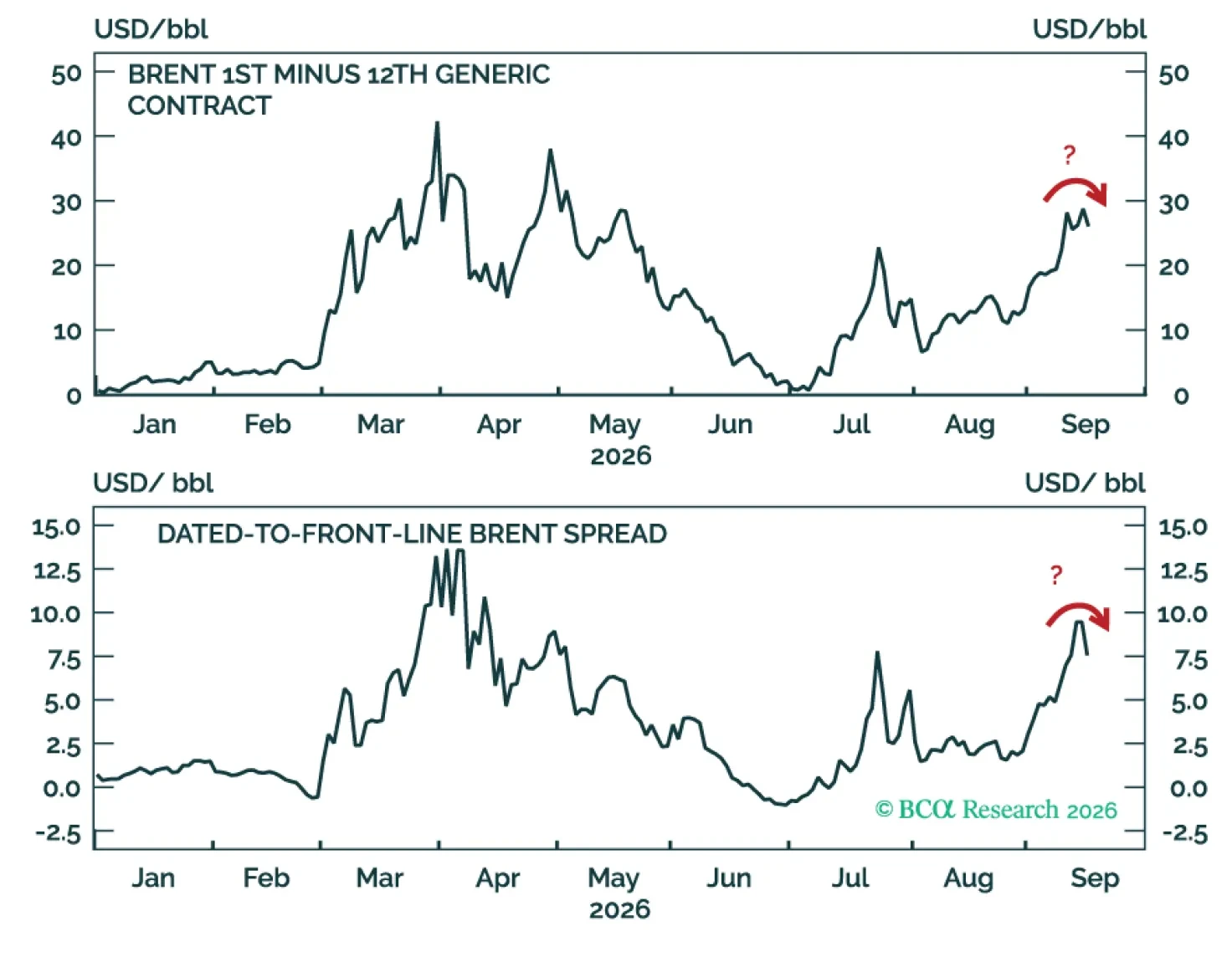
Recent oil market developments expose the limits of the adjustment mechanisms that have cushioned the global market since the Hormuz closure began. Fortunately, Hormuz dark transits have become the dominant shock absorber in recent months, and rising flows should help mitigate the latest supply disruption going forward.
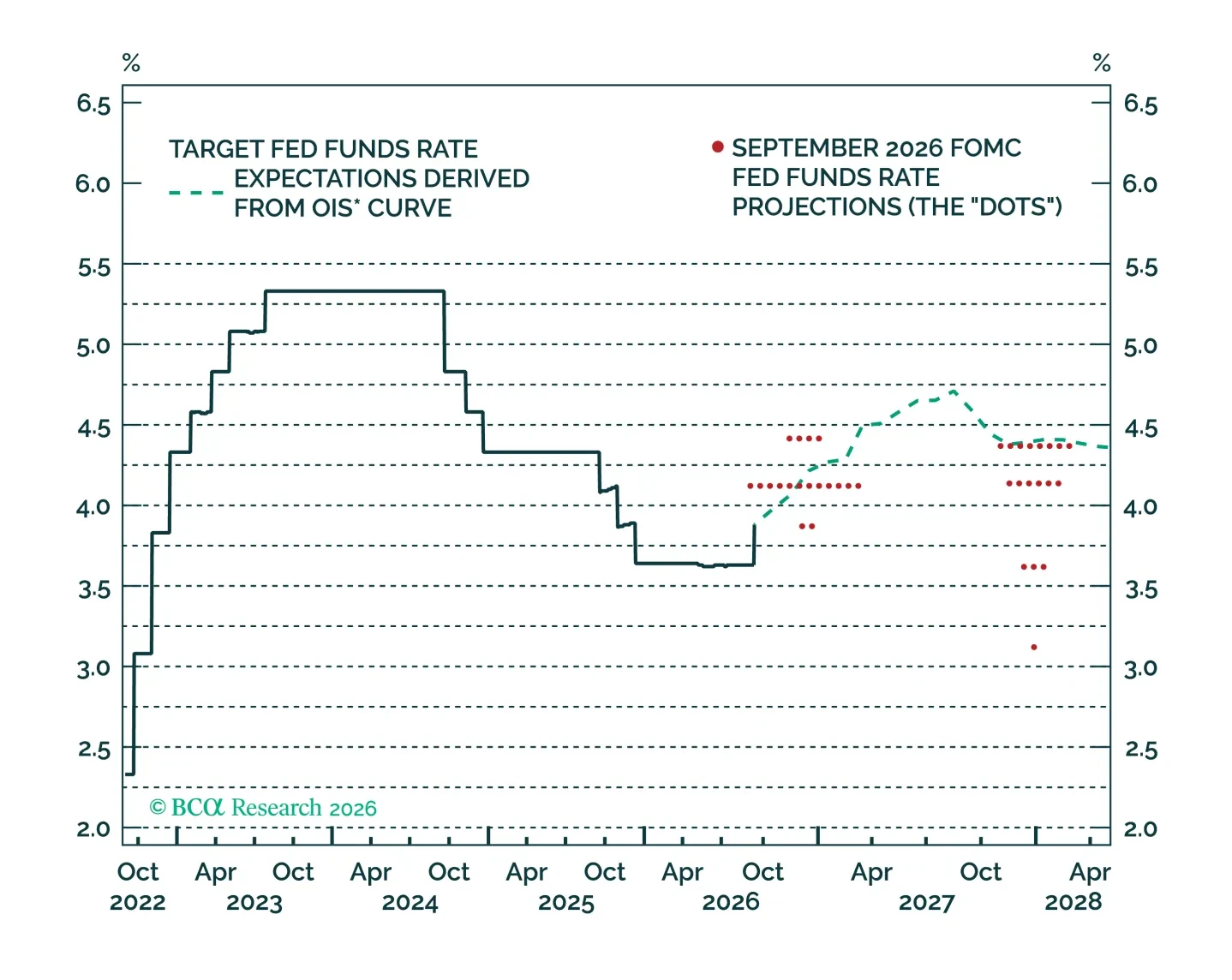
The Fed is unanimous in expecting a mild tightening cycle of no more than 75 bps, but that outcome is contingent on a rapid drop in core inflation in 2027.
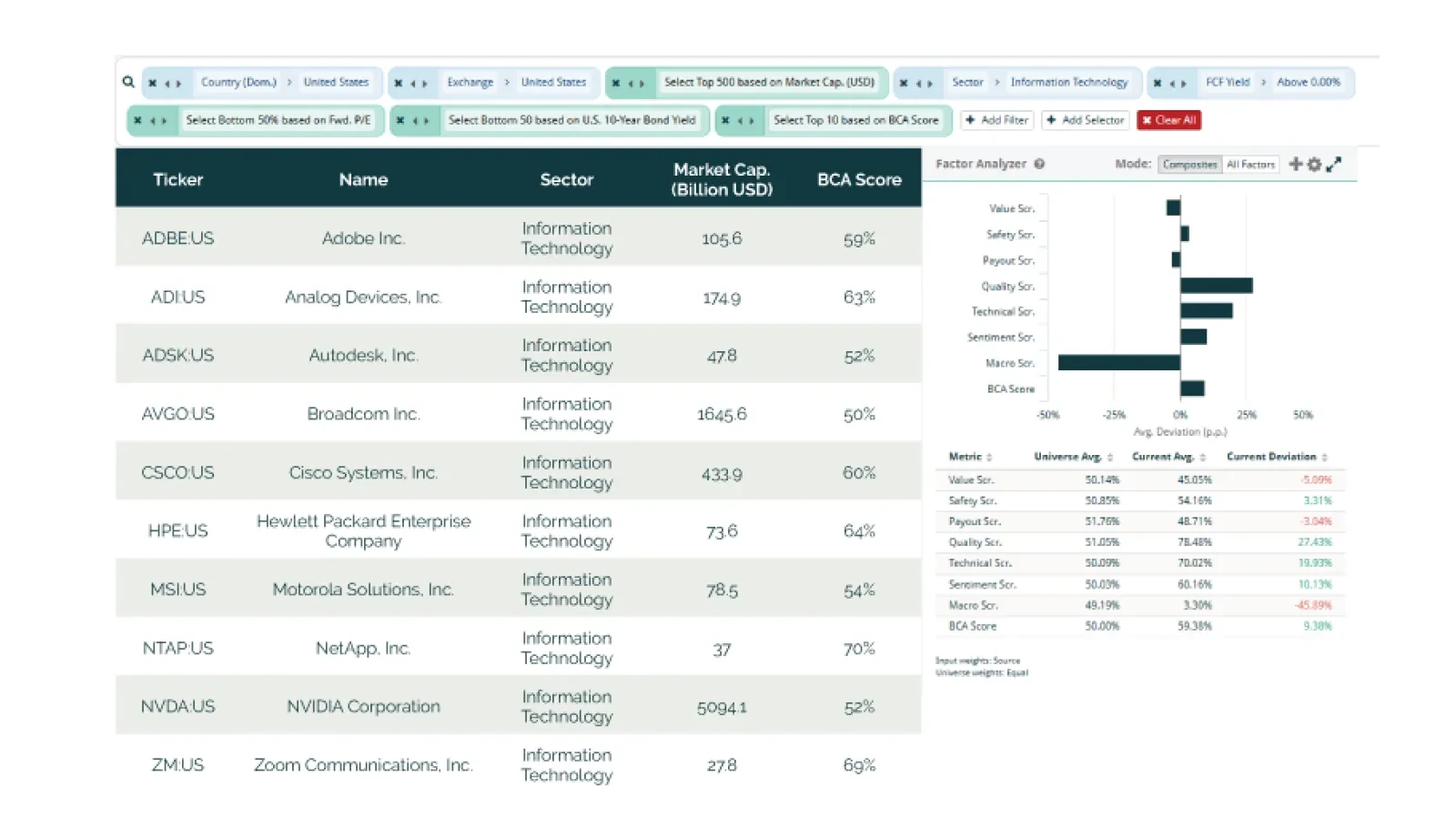
In this screener report, we explore opportunities in duration-resilient large-cap Technology, emerging defense technology, and a conditional entry point into copper.
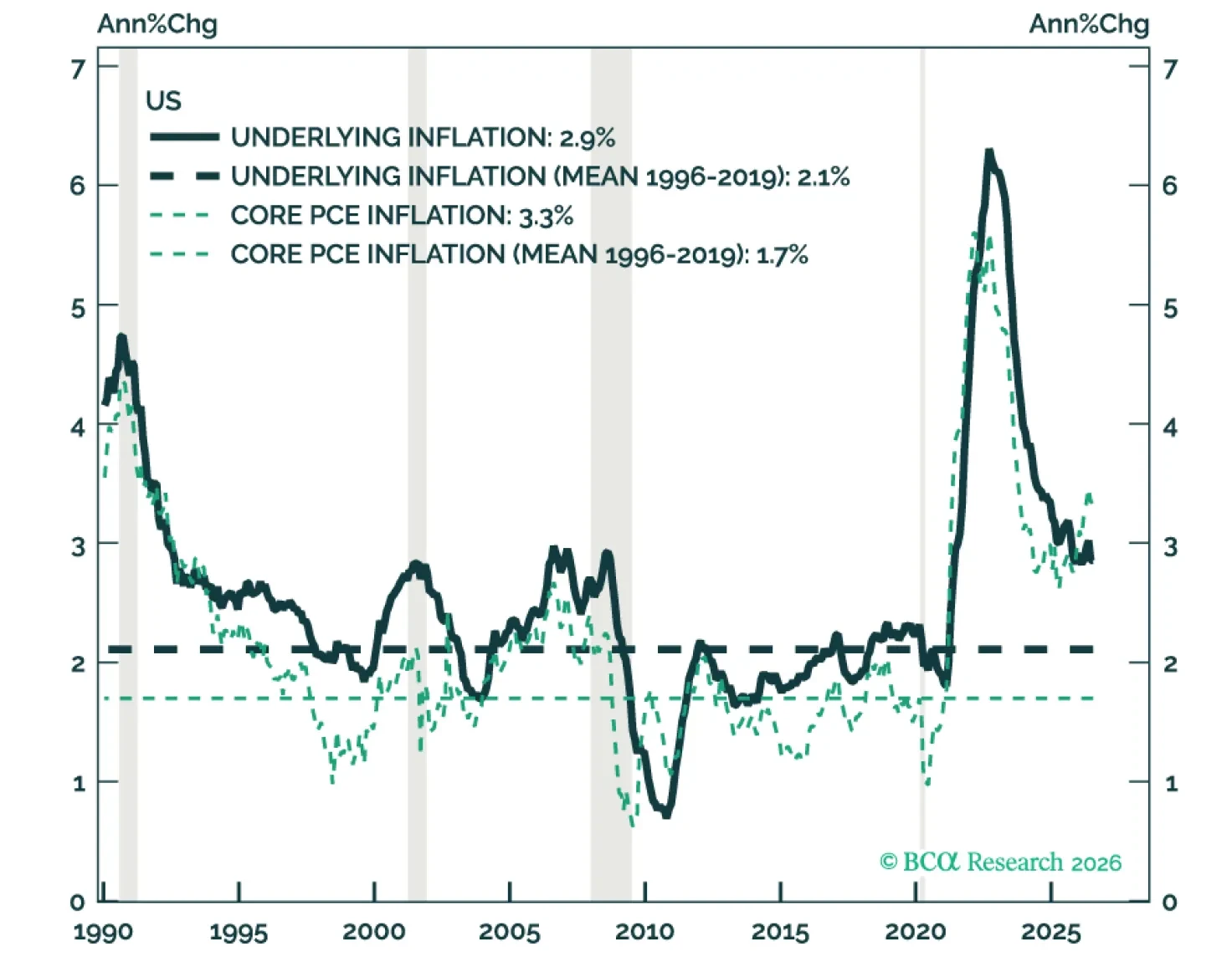
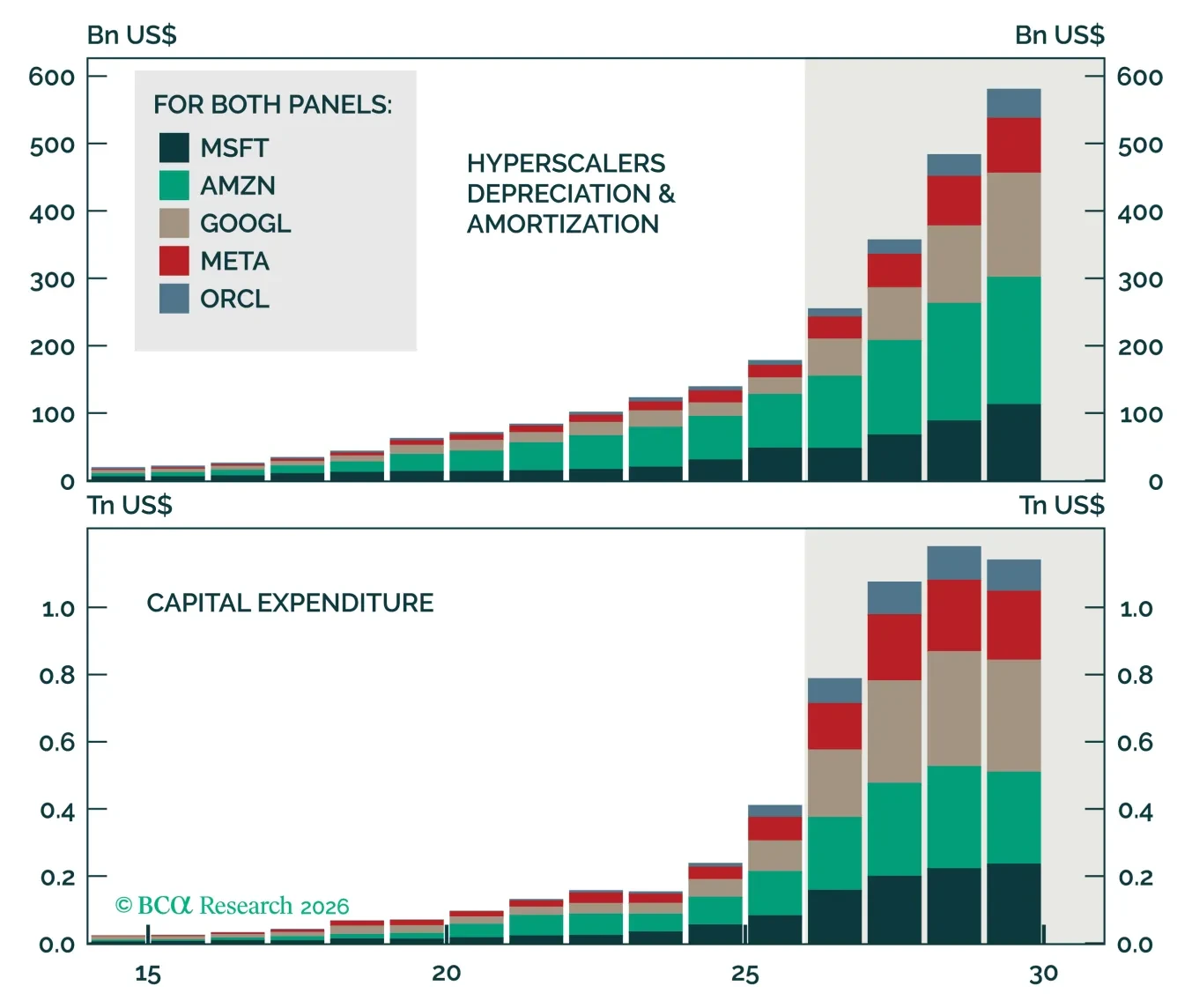
Concerns by the major AI companies that they are locked into a financially unsustainable arms race for AI dominance are likely playing as much a role in their newfound “go slow” approach as concerns over AI doom.

The world has descended into a full blown Doomer panic since the 27-year-old Anthropic engineer quit over the threat that AI would cause human extinction. Now-famous Jacob Coxon posted that “The people building AI earnestly believe that it could kill us all by the end of the decade. This is not a marketing stunt.”
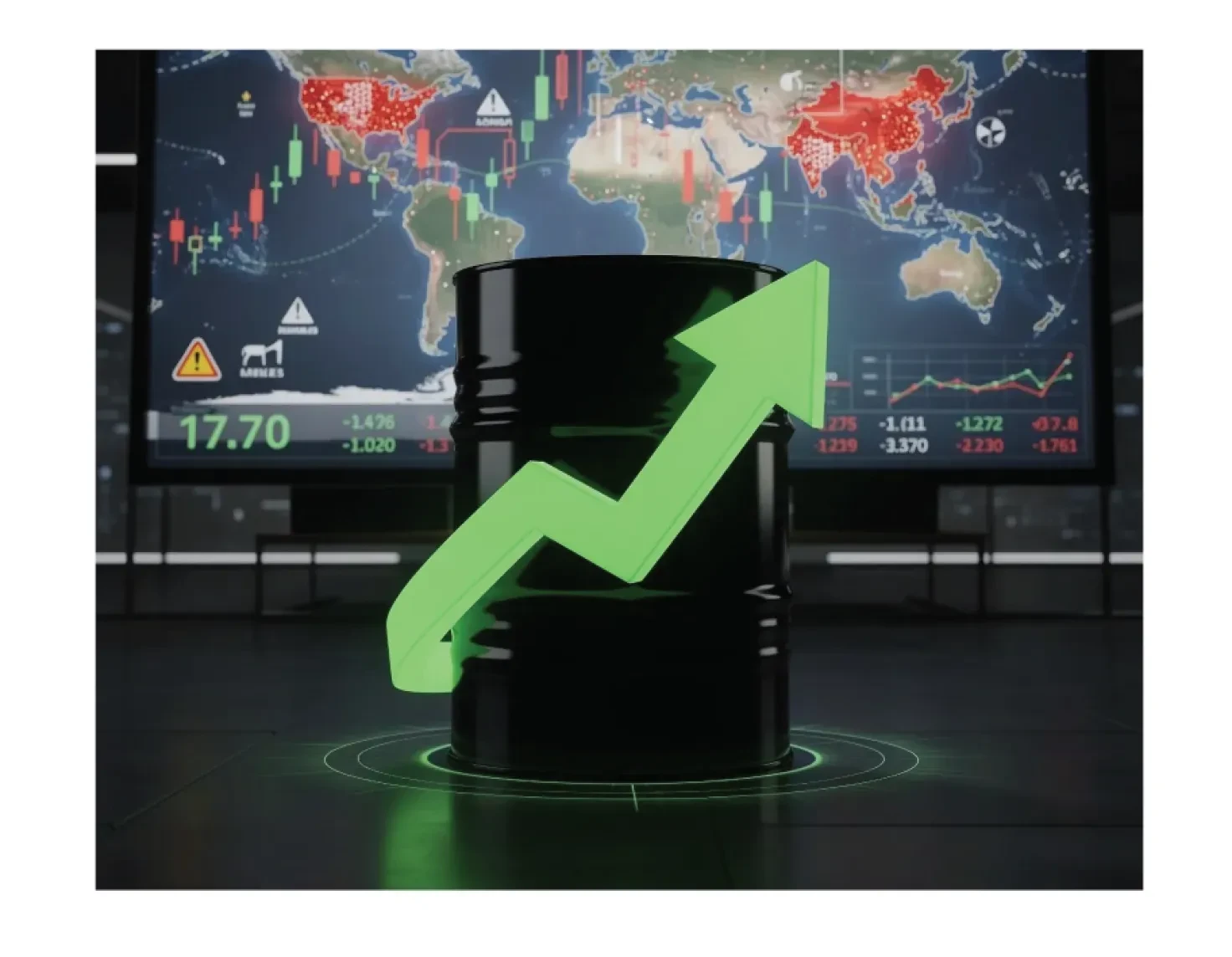
The situation in the Middle East is becoming complicated. Over the past week, several events raise the odds that Brent prices could burst through their 2026 high of $126 per barrel.
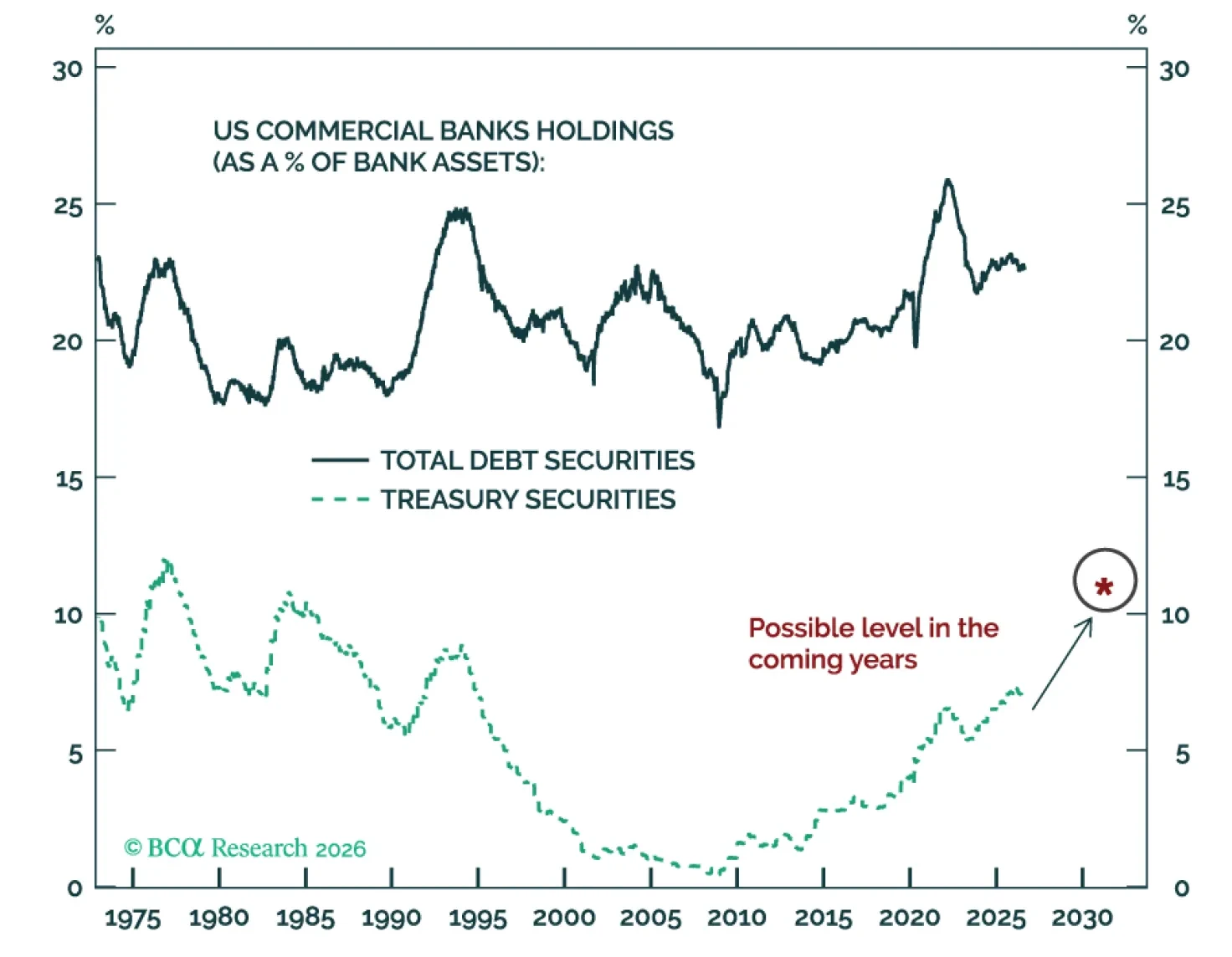
Scott Bessent’s attempts to suppress yields while financing large twin deficits risk crashing foreign inflows, the dollar, US bonds, and equities. Without a major equity selloff or large-scale commercial bank purchases of Treasurys, the bond selloff will persist – producing a major equity drawdown and a lower dollar.
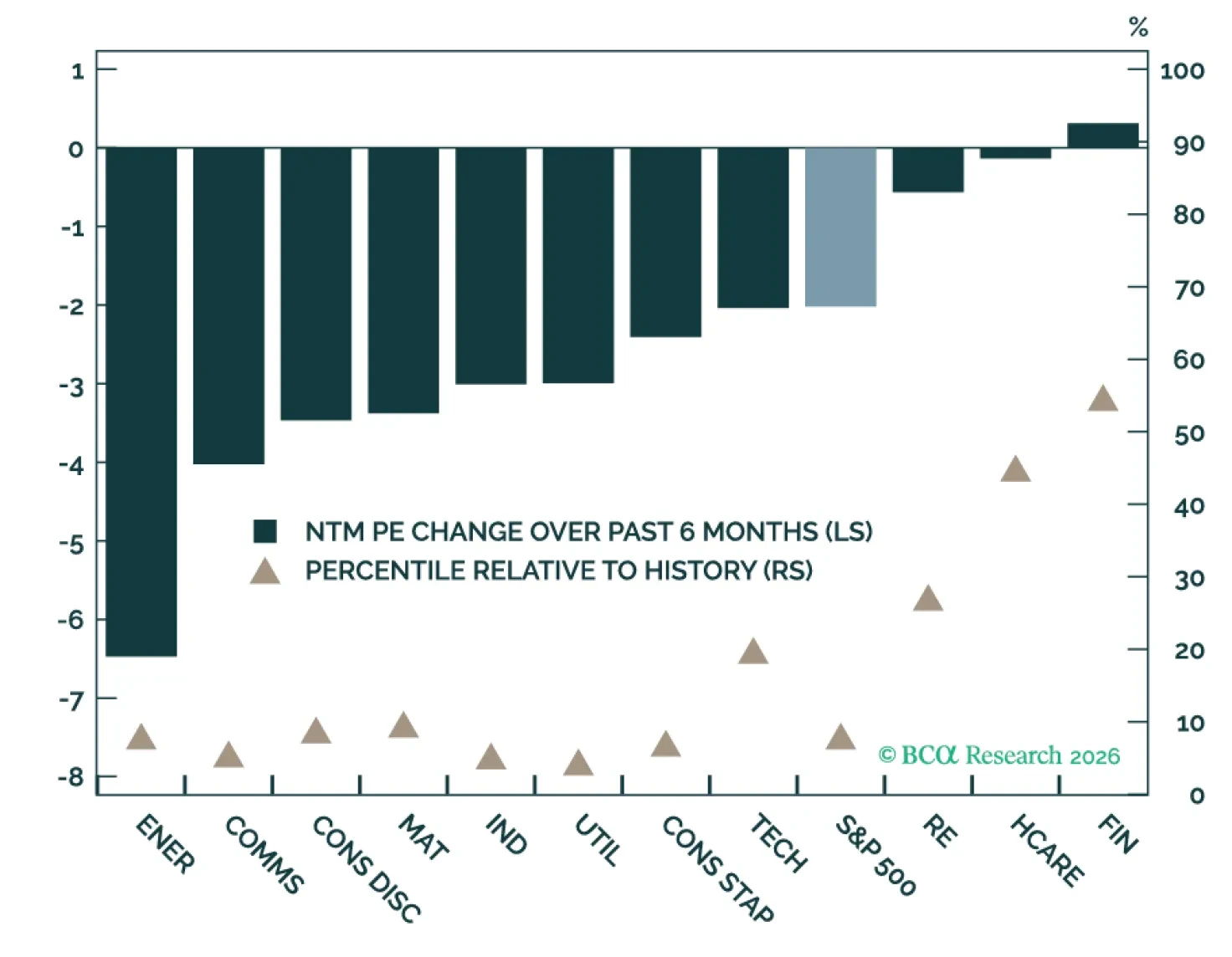
We remain constructive on US equities, but higher yields, slower EPS growth and heavy IPO issuance remain significant risks to valuations, leaving the path to our year-end target increasingly dependent on earnings. Tactically, there has already been a significant, but benign, compression in multiples, as earnings have outpaced prices. A well-communicated Fed hike could ease rather than intensify bond-market uncertainty.