Inflation
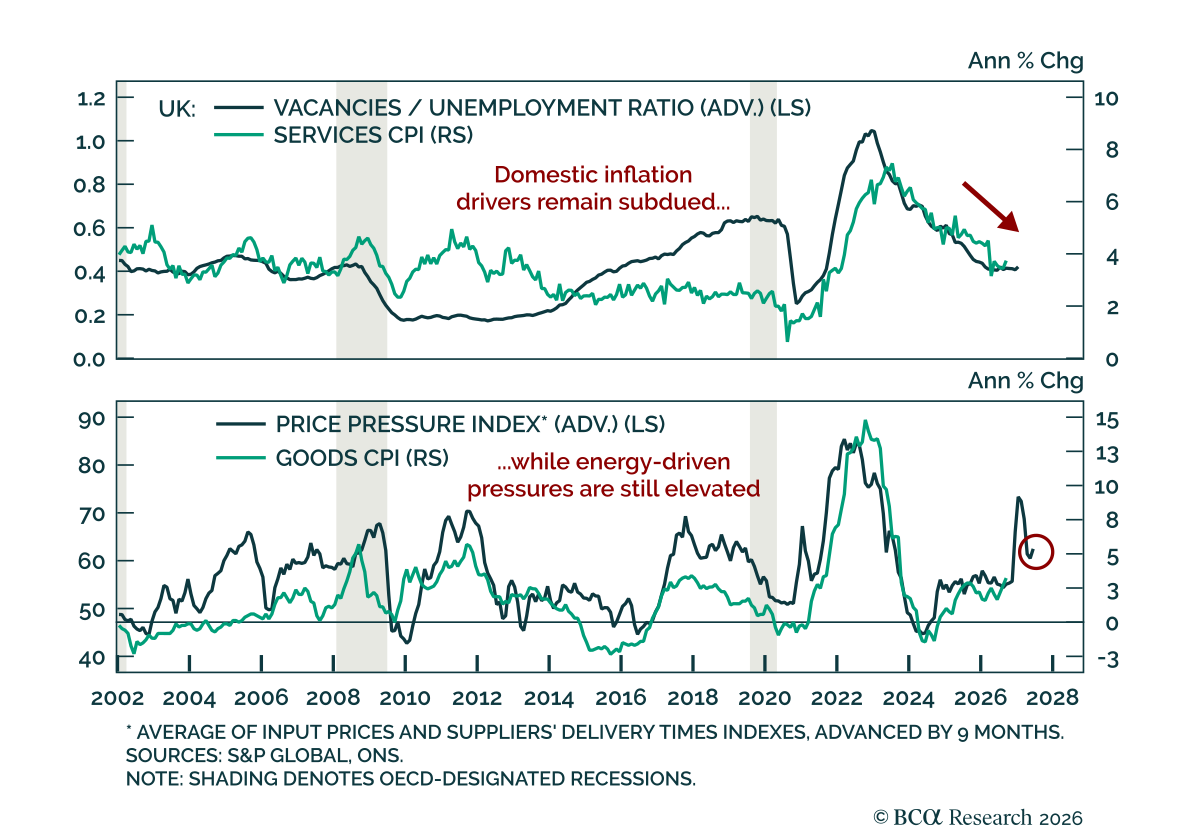
Hot September UK CPI will support BoE hawkishness in the near term, but investors should expect a dovish surprise over the next 12 months. Headline UK CPI rose to 3.5% y/y from 3.1%, which was above consensus. Core CPI rose to 2.8% from 2.6%, in line with…
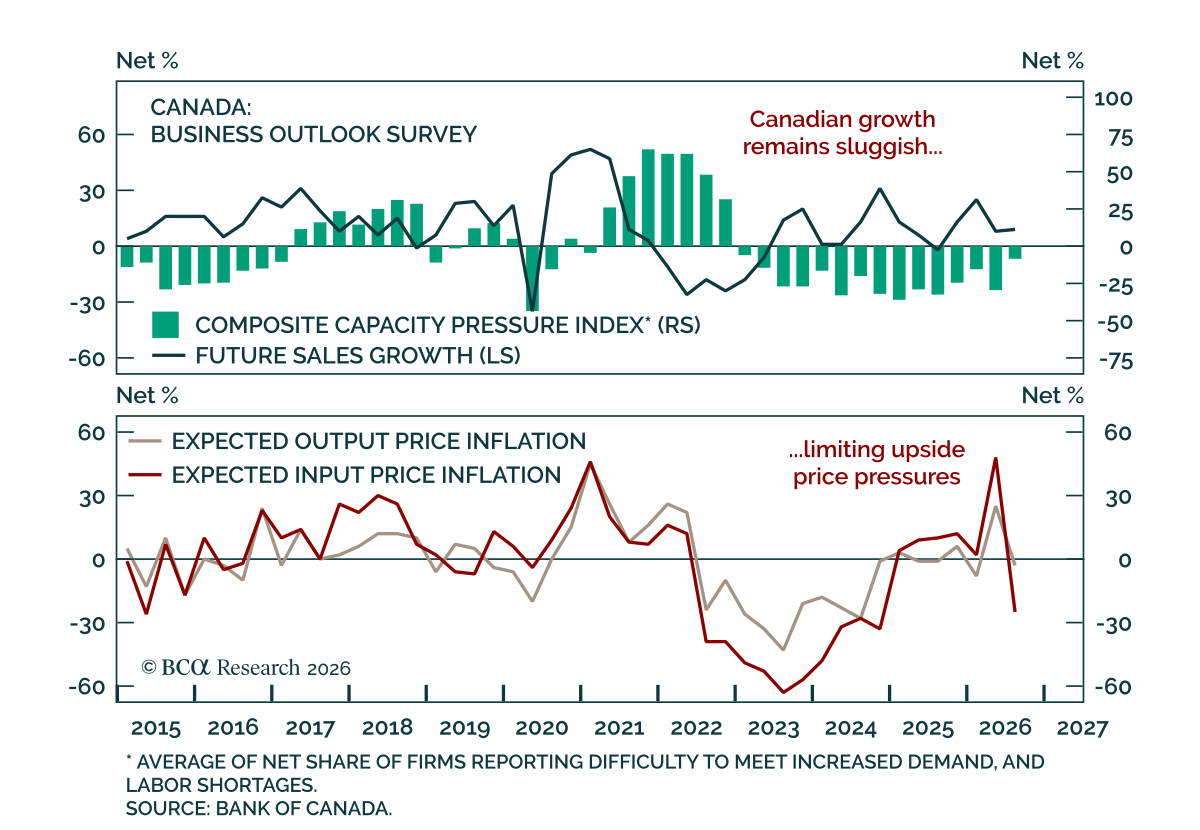
The Bank of Canada’s Q3 Business Outlook Survey improved but still points to weak momentum. The headline BOS indicator edged up to -0.33 from -0.38, and firms’ assessment of business conditions improved. However, most responses predate the August 21 collapse…
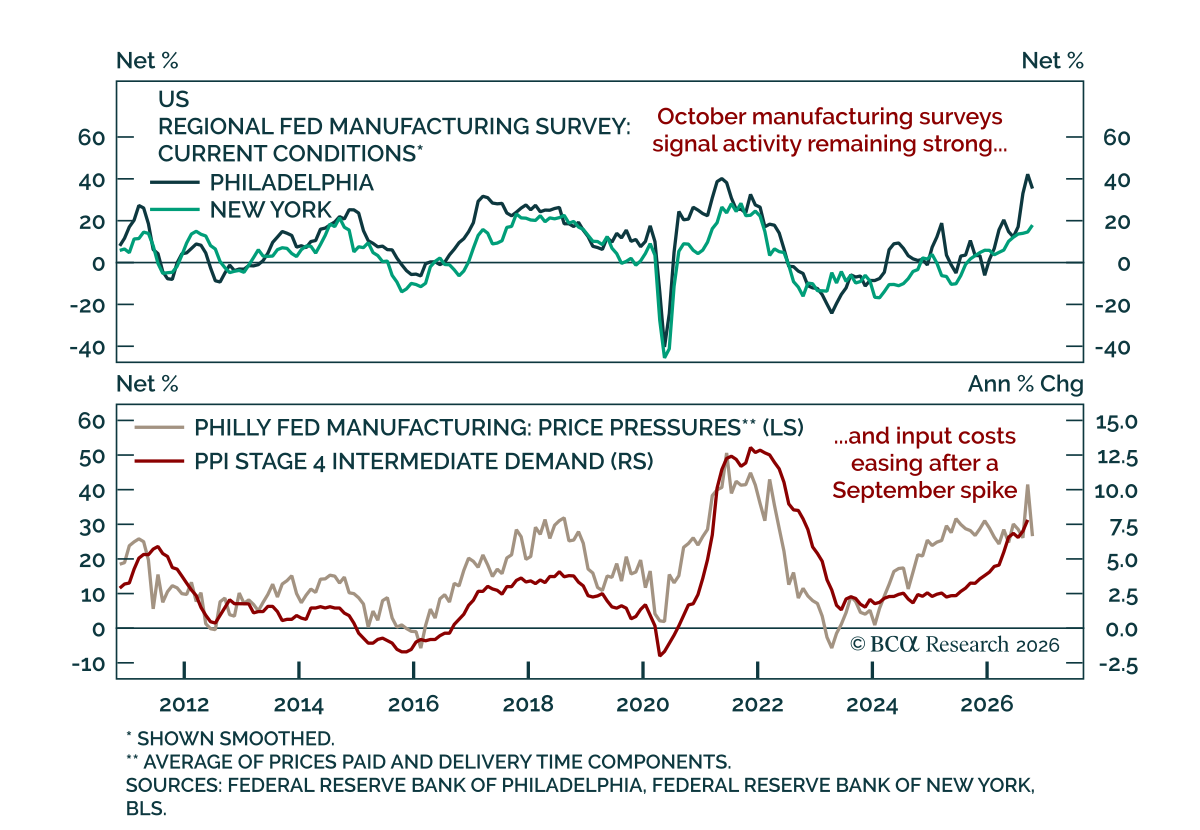
The Philadelphia Fed survey signals that manufacturing momentum remained resilient in October. The headline index fell more than expected, to 20.9 from 37.8, but still points to expansion and sits at a historically high level. New orders, employment, and…
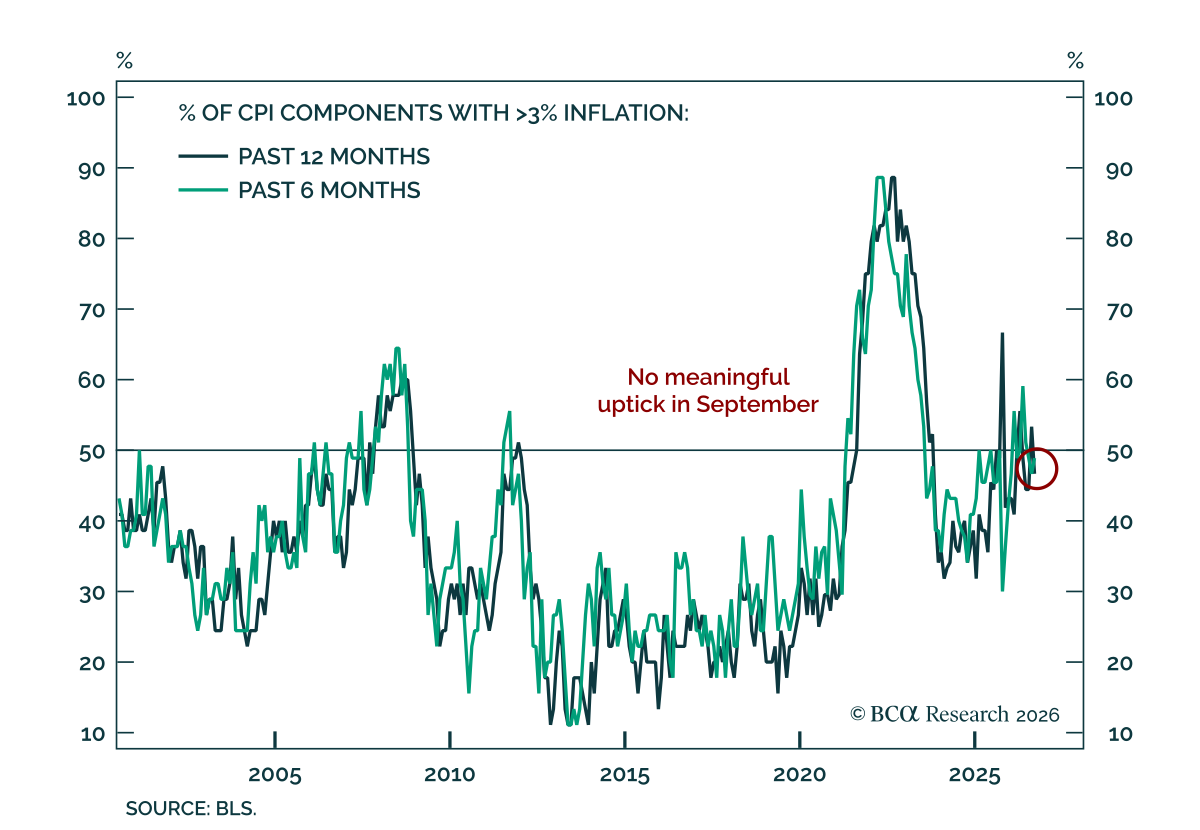
The next Fed hike is still more likely to come in December rather than later this month. Headline CPI in September was in line with consensus at 0.6% m/m, causing the annual rate to rise from 3.4% to 3.7% y/y. Core came in hotter than estimates at 0.3% m/m,…
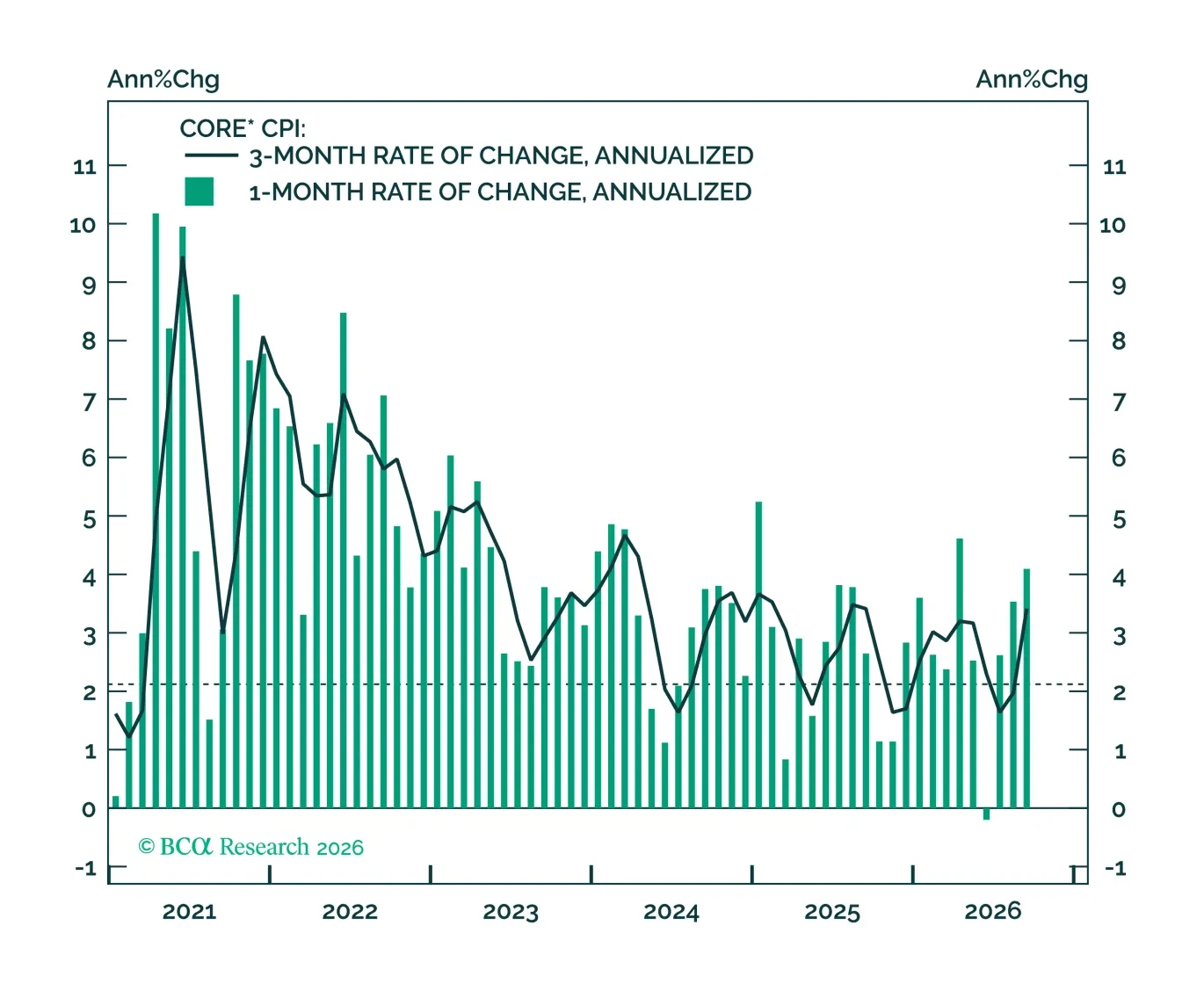
US inflation came in hot for the second consecutive month in September, though probably not hot enough for the Fed to move its next rate hike up to the October meeting.
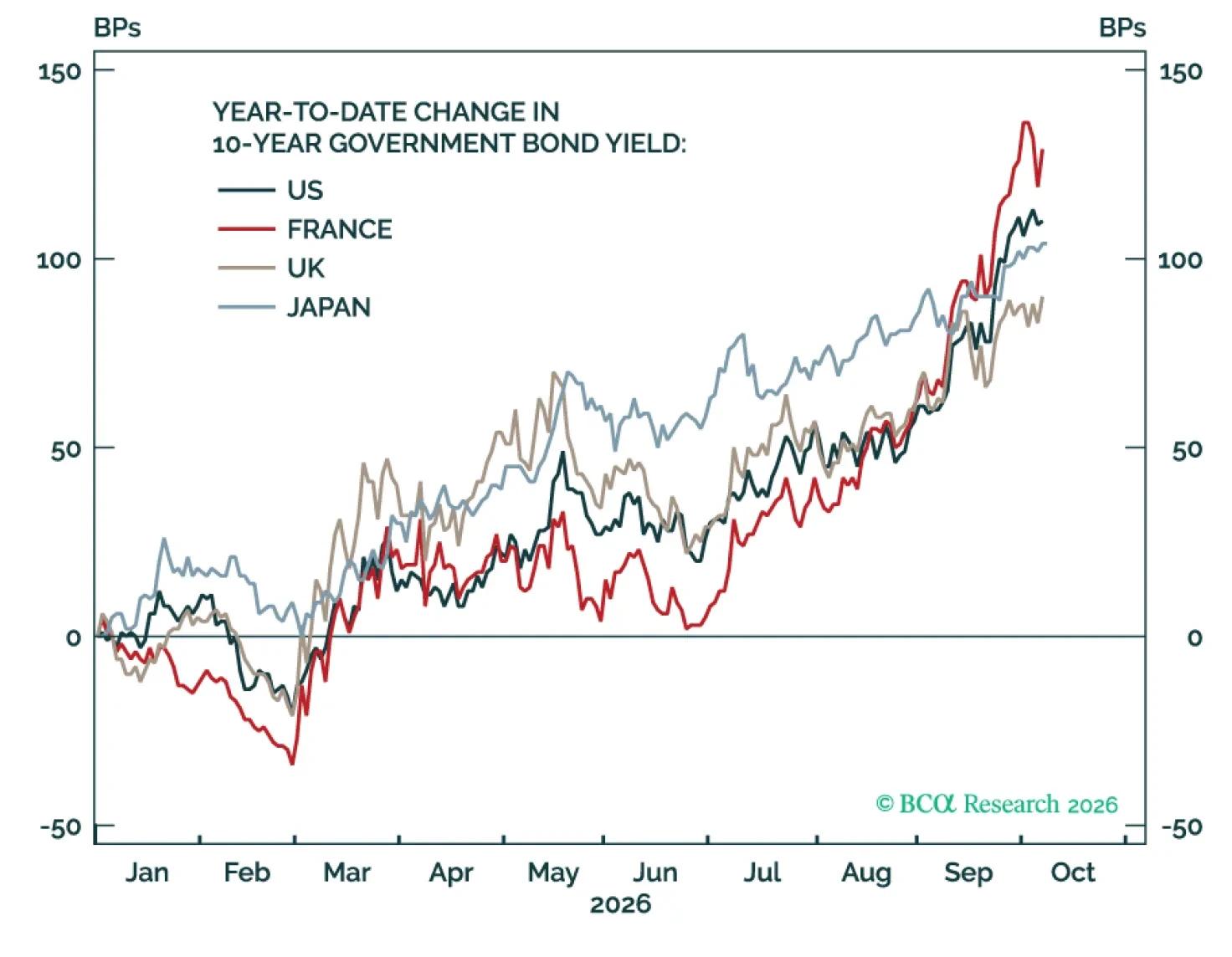
The global bond selloff is not over, but opportunities are emerging. US Treasuries and French OATs remain vulnerable to further selling, while other European government bonds look increasingly attractive. Investors should favor German Bunds and peripheral bonds, particularly on a currency-hedged basis.
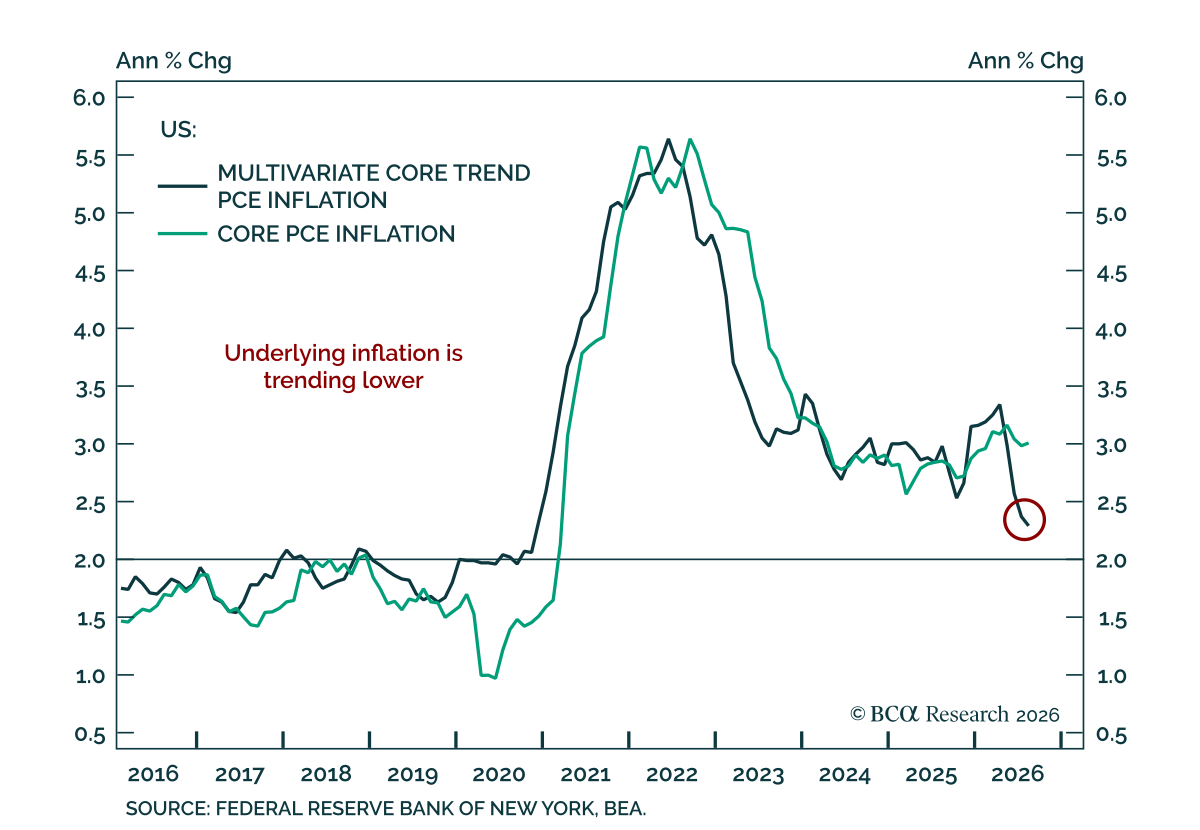
Underlying US inflation is easing, raising the odds of a dovish Fed surprise. The NY Fed's Multivariate Core Trend (MCT) inflation series fell in August to its lowest level since 2020. Our US Bond strategists flagged this measure, which is constructed with a…
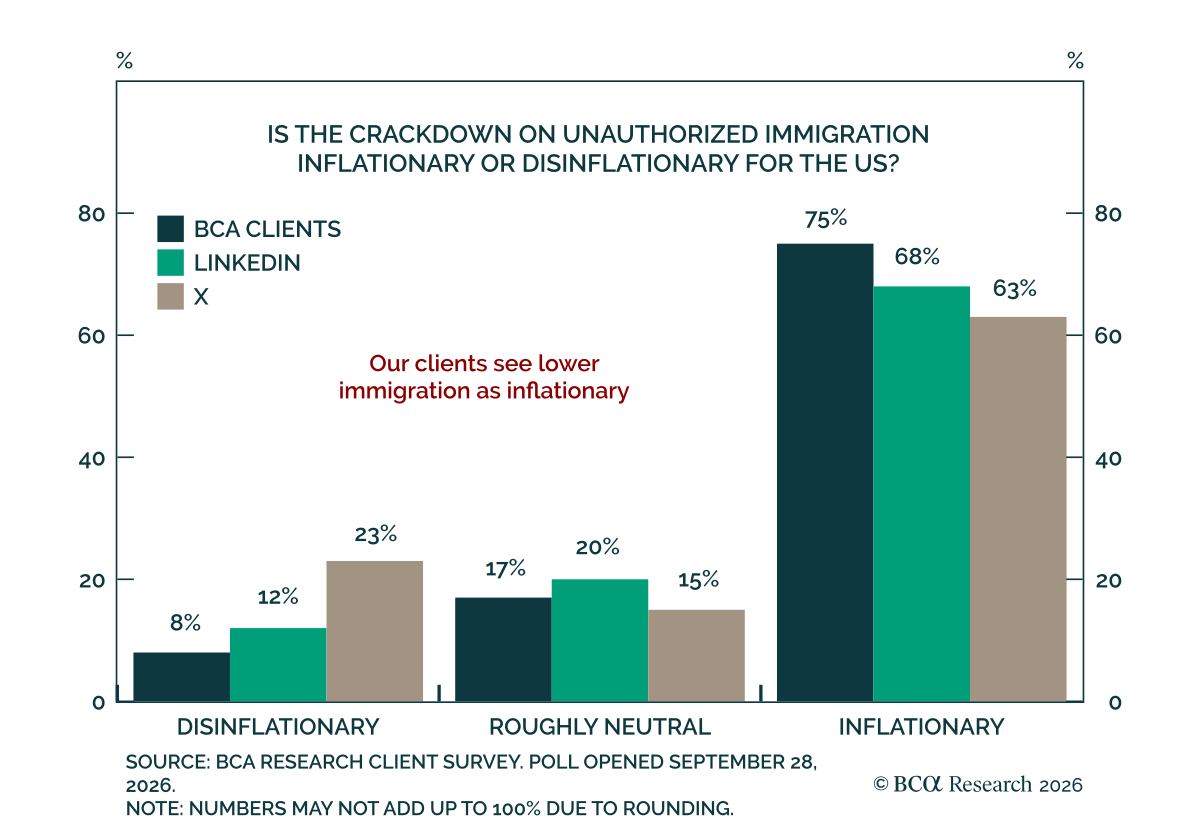
Our clients strongly expect the crackdown on unauthorized immigration to be inflationary. Three-quarters of BCA clients hold this view, while 17% see it as roughly neutral and only 8% as disinflationary. Social media respondents on LinkedIn and X leaned the…
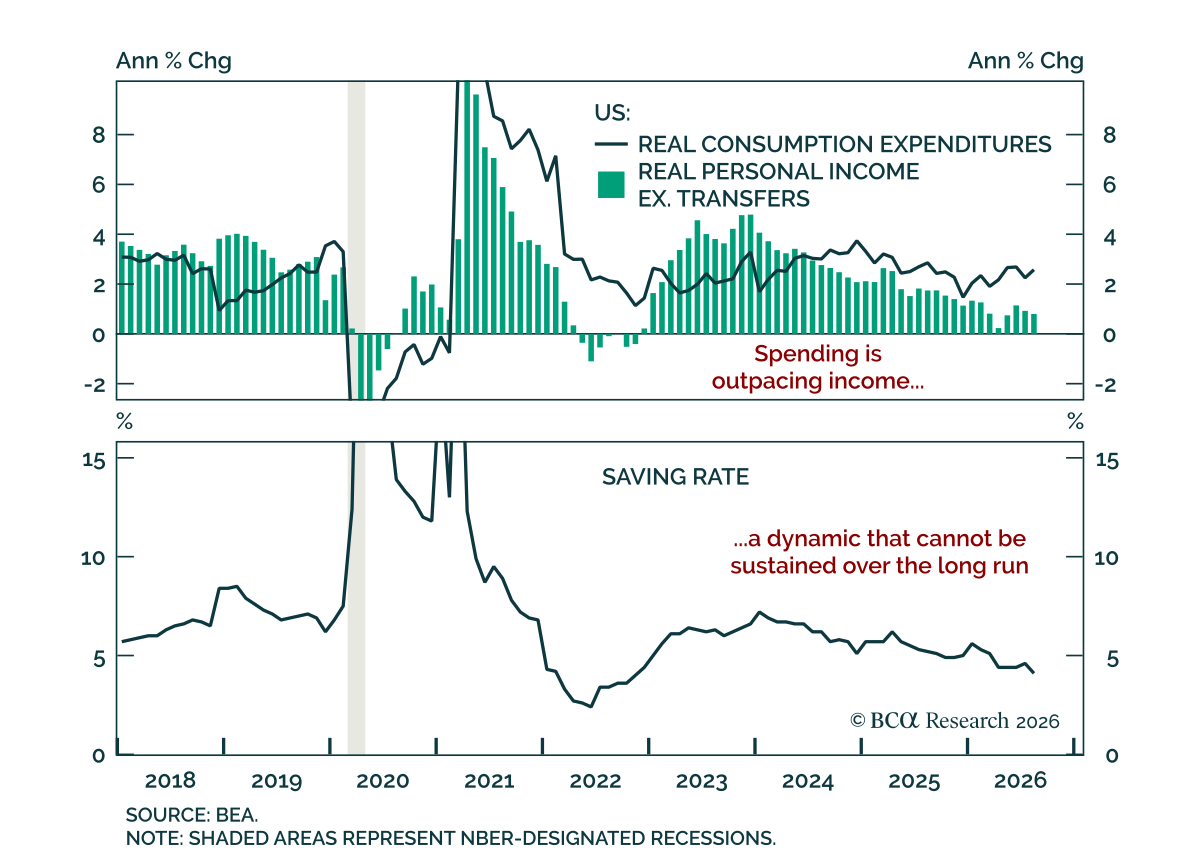
The August Personal Income and Outlays report was soft, with weaker income growth and cooler inflation reinforcing the case for the Fed to remain patient. Nominal spending rose 0.9% m/m, in line with estimates, while real spending increased 0.6%. Personal…
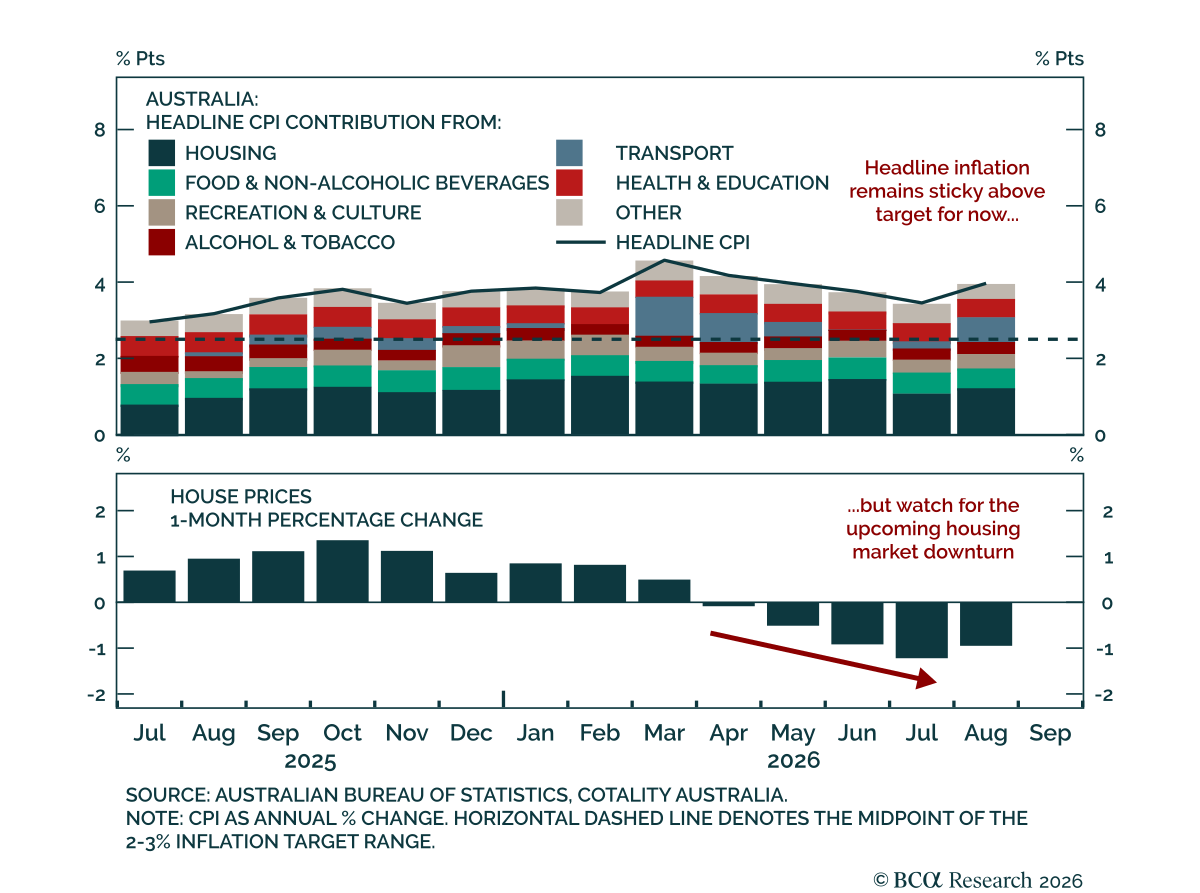
Australia's August CPI shows no sign of re-accelerating core inflation, suggesting a less aggressive RBA tightening than currently priced. Headline CPI rose less than expected in August, to 4.0% y/y from 3.5%, lifted by higher fuel prices in the transport…