 GeoMacro | Secular Themes
Long-term thematic shifts in geopolitical forces that will shape the years or even decades ahead. Typically published 3 times a month.
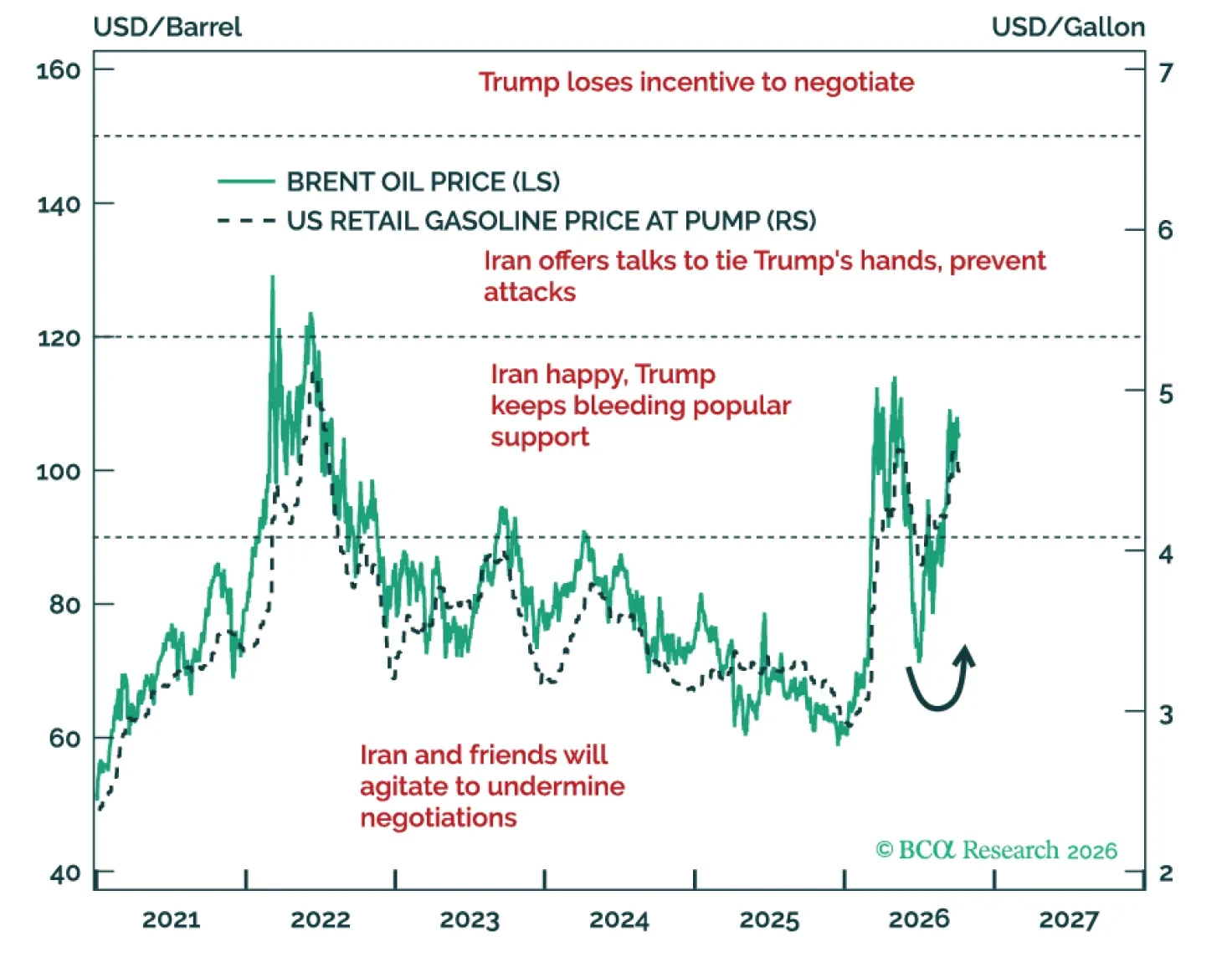
We keep the Global Geopolitical Risk Score at 8 because there are still no ceasefires in Europe or the Middle East. Russia is provoking NATO, which will need to push back. Iran, emboldened by the lack of definitive US success, pushes its luck, which could invite a destructive response from the US. The Chinese economy remains fragile, increasing the likelihood of foreign belligerence. After the US midterm, President Trump faces fewer political constraints, allowing him to pursue a maximalist foreign policy to cement his legacy during his lame-duck period.
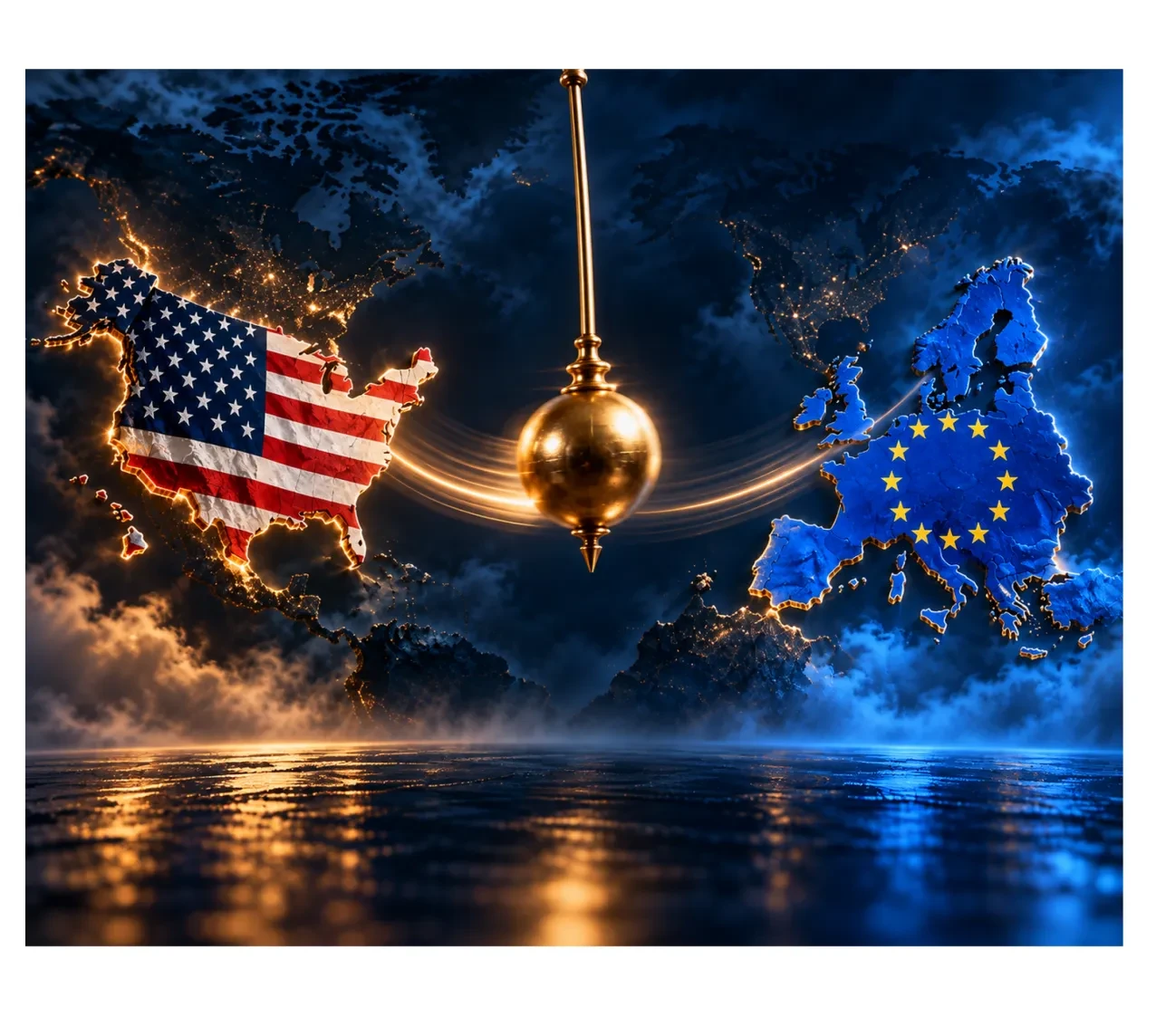
Most investors would argue that Europe overregulates relative to the US. However, that was not always the case. Political Scientist David Vogel of University of California, Berkeley, posited that the two economies shifted models in the 1990s. Prior to that decade, the US led health, safety, and environmental regulations, having far more stringent rules than Europe. As a prominent example of this, it was the US that quickly banned all non-essential CFCs, chemicals that harm the ozone layer, whereas European governments did not act initially, favoring their industries while awaiting evidence.
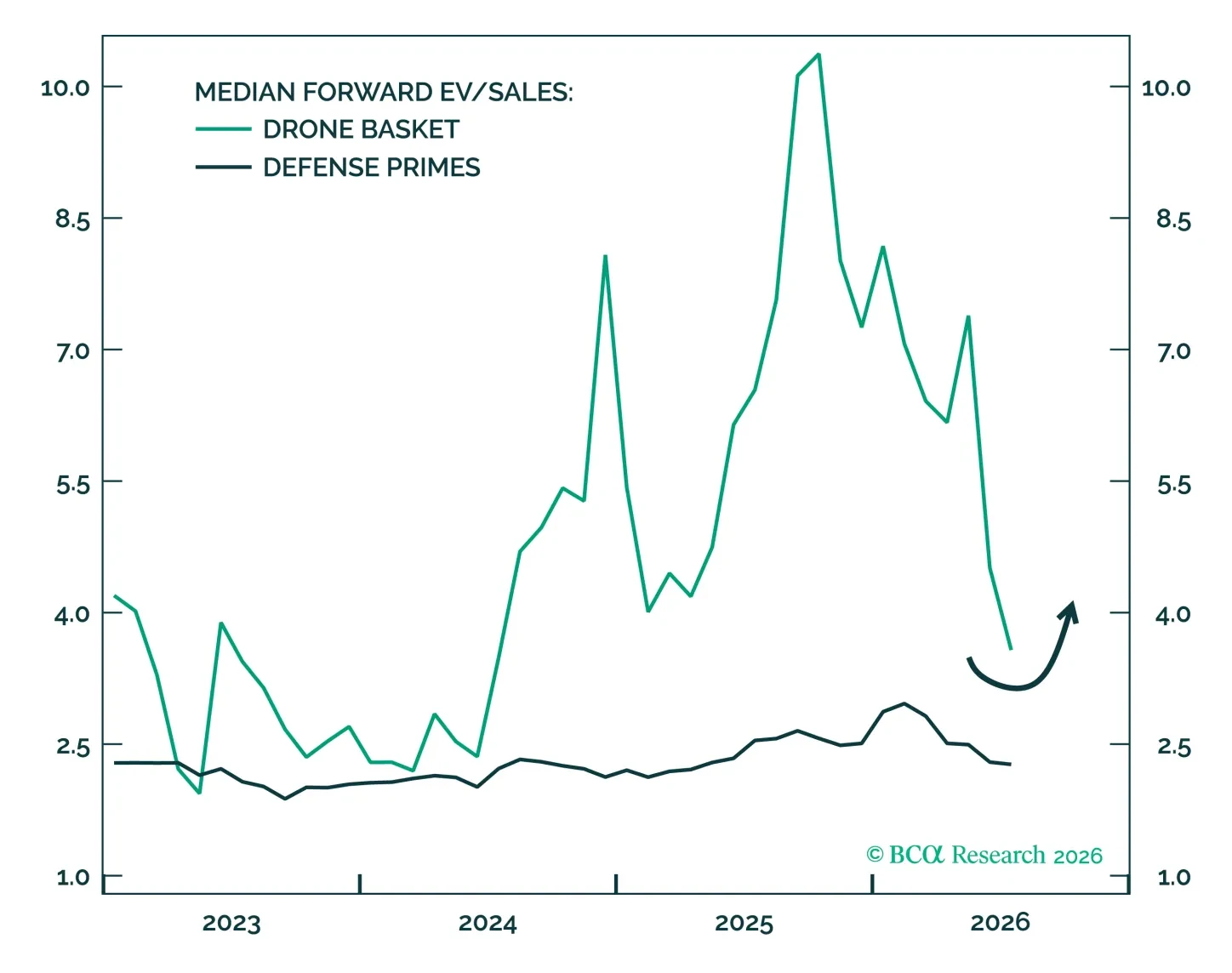
US aerospace and defense stocks still have a structural tailwind from geopolitics, but face rising cyclical challenges from macro and market fundamentals, as well as eventual Iran and Ukraine ceasefires and political change in the United States.
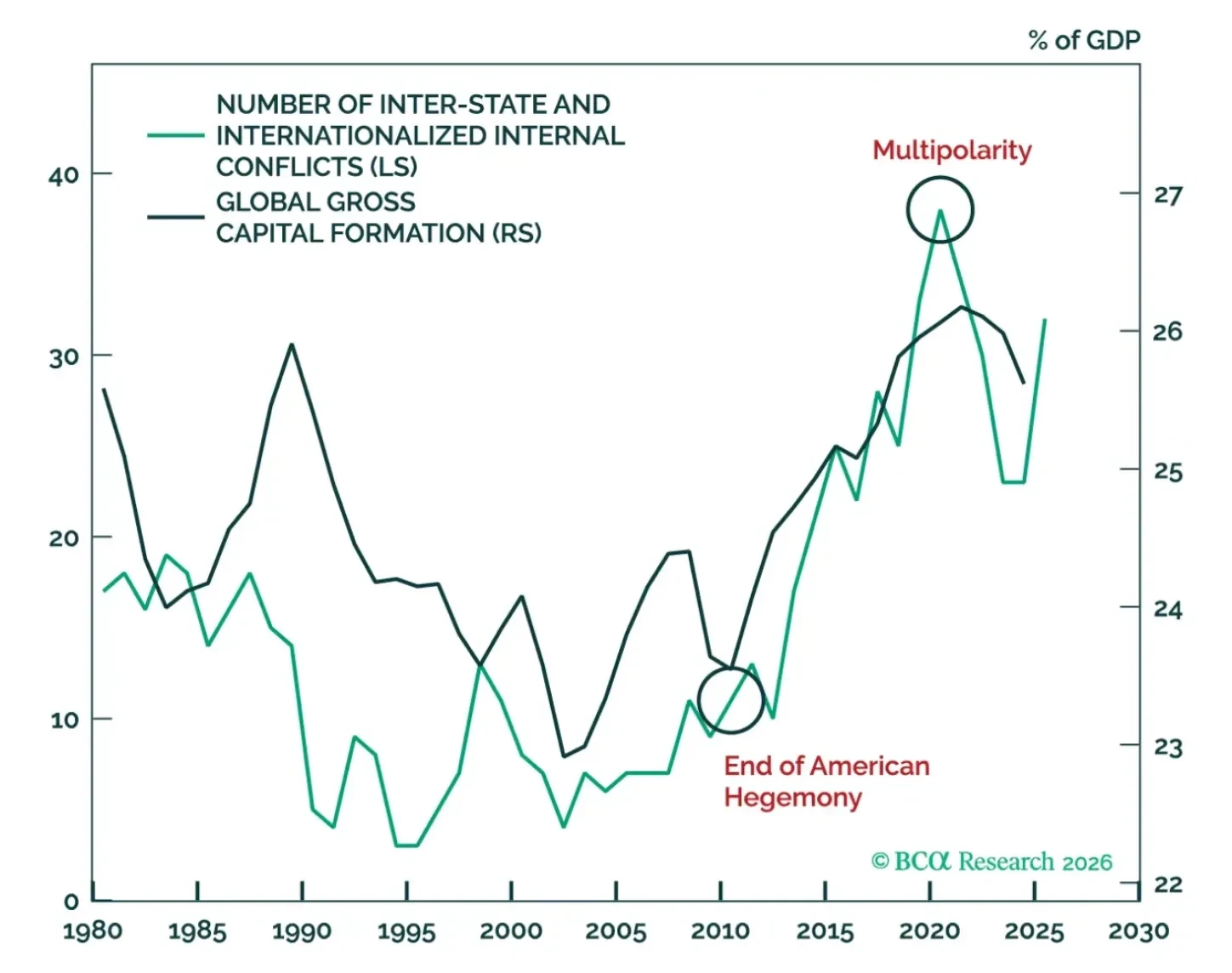
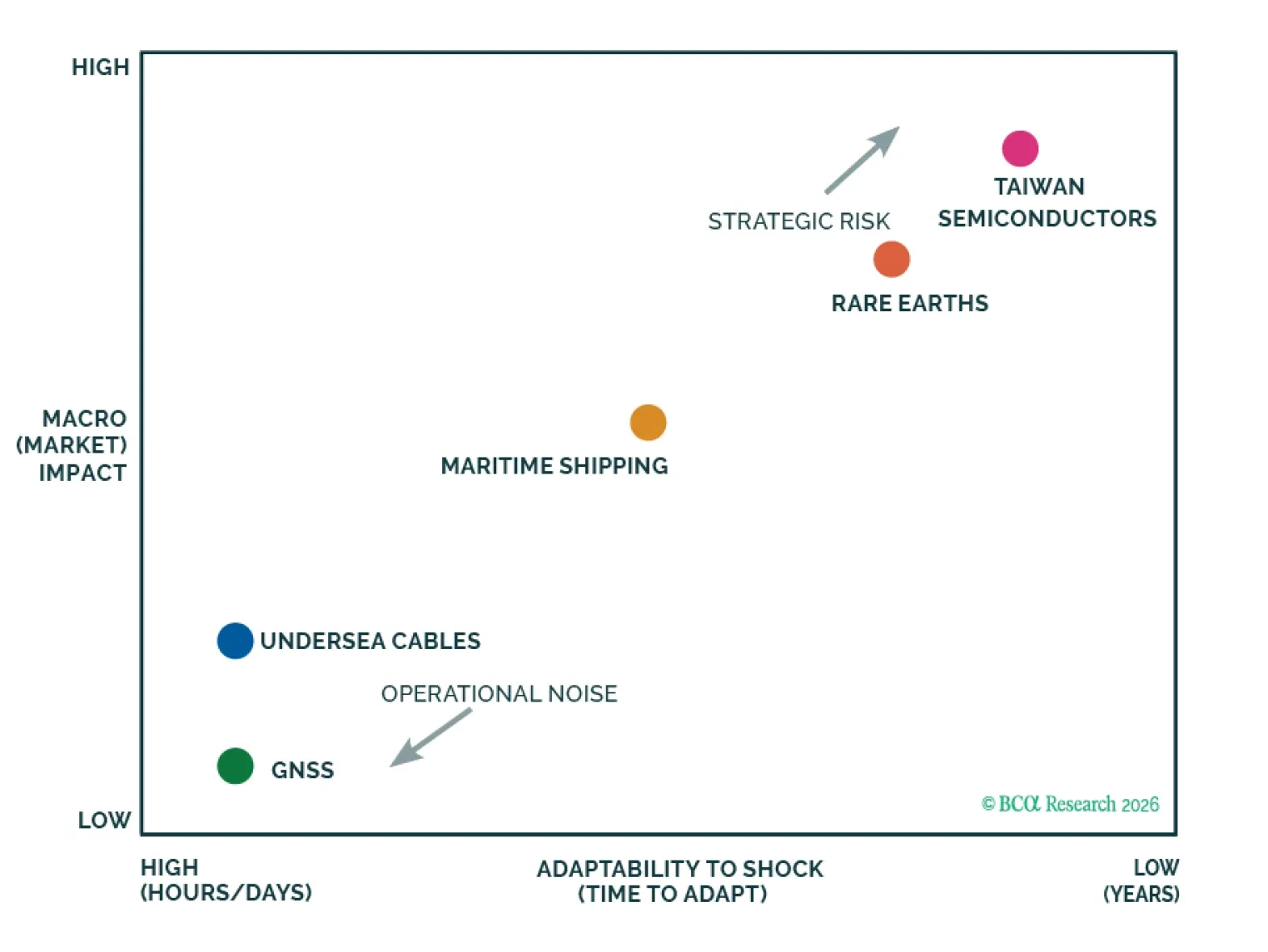
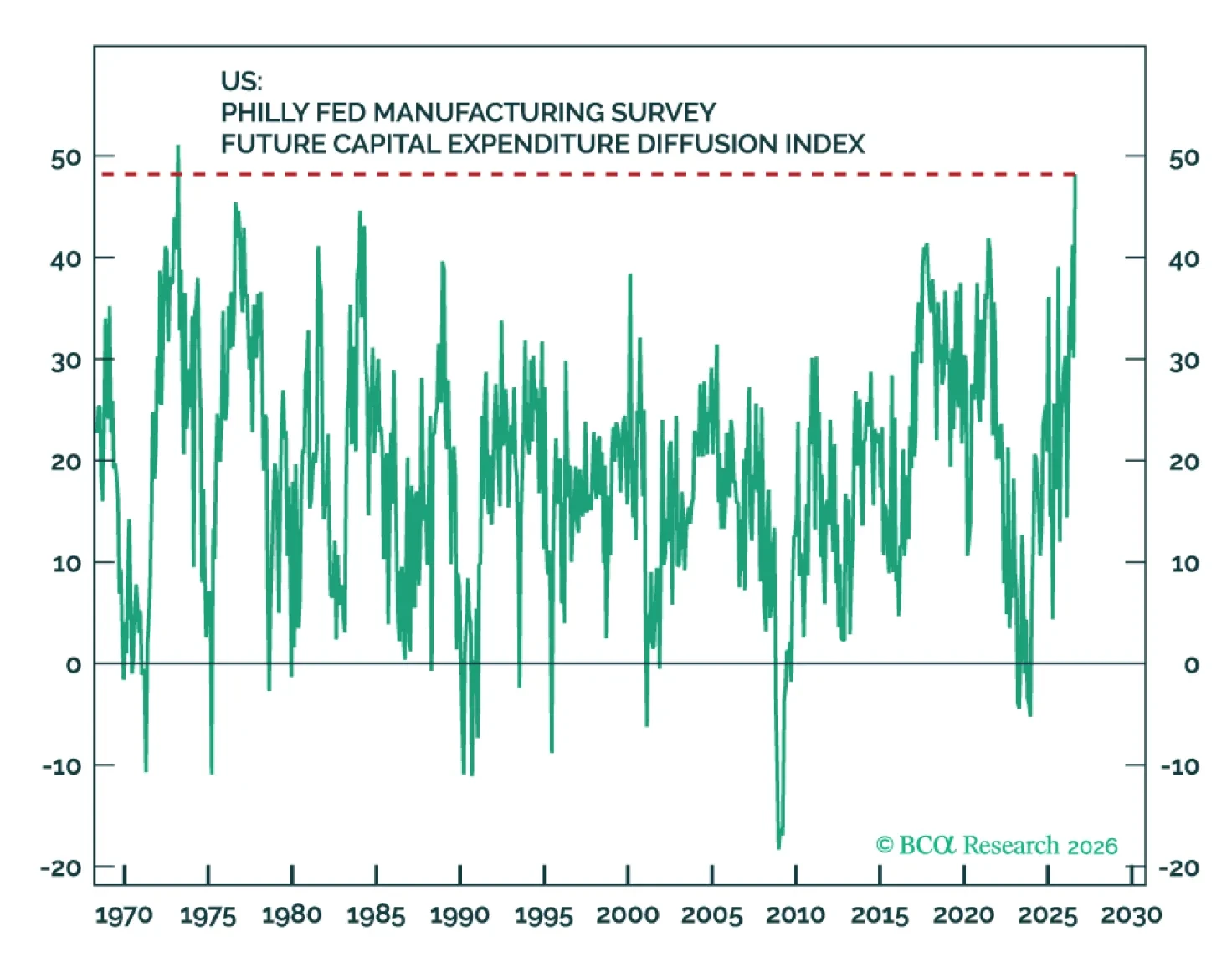
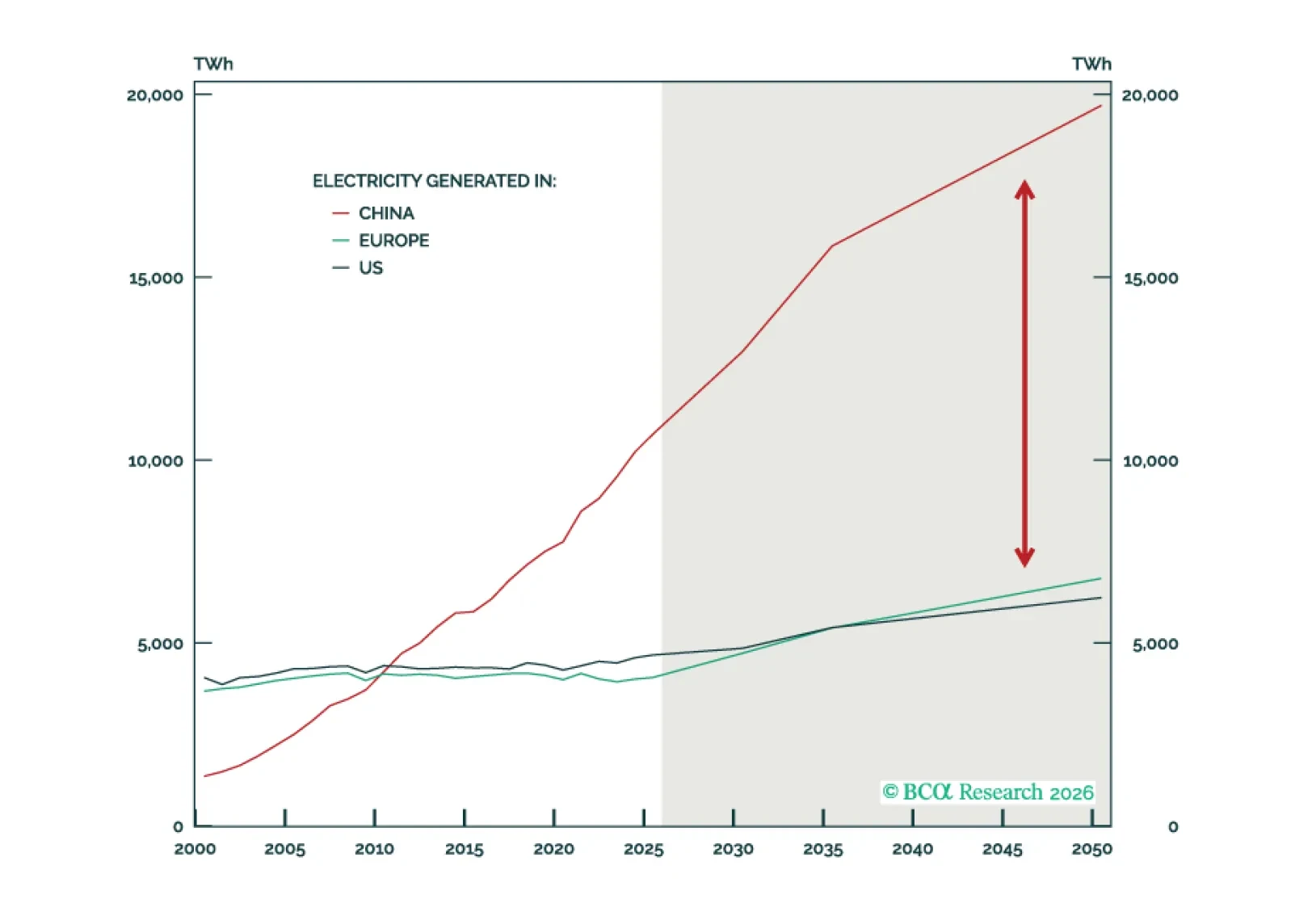
Many clients have asked us for an analysis of the long-term implications of the Hormuz Crisis. In this report, we posit that the conflict has been catalyzed by the multipolar context and that it will merely ossify the trends already afoot. Nothing offers incentives for more global capex like the threat of losing a critical energy supply chain. Therein lies the paradox. While capex is mildly inflationary in the short term, it is wildly disinflationary in the long term. This may be a worthwhile insight given all the consternation about long-dated bonds at the moment.
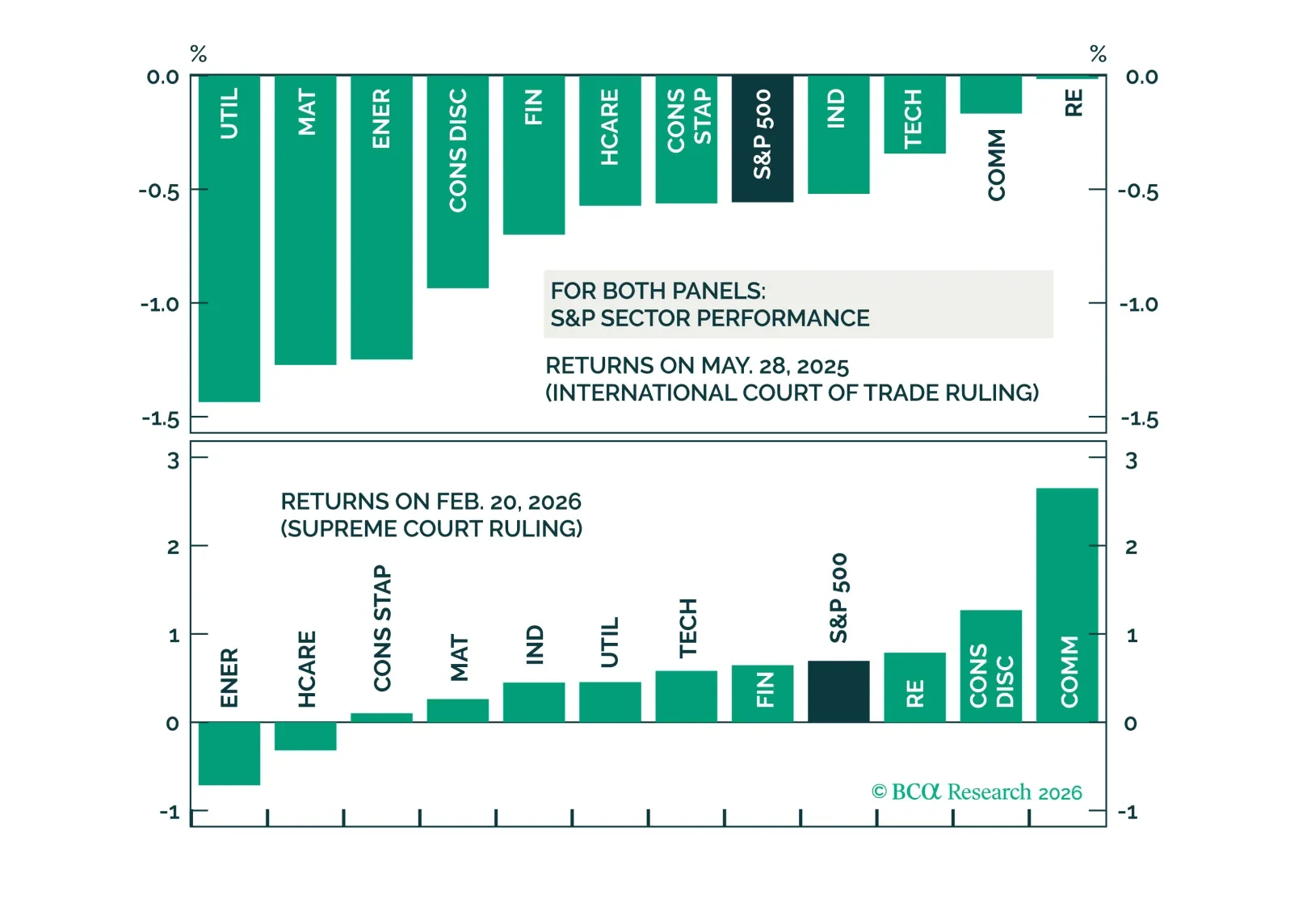
The Supreme Court, Senate, Fed, and other institutions have proved resilient so far under the Trump administration. US institutional erosion is overstated.
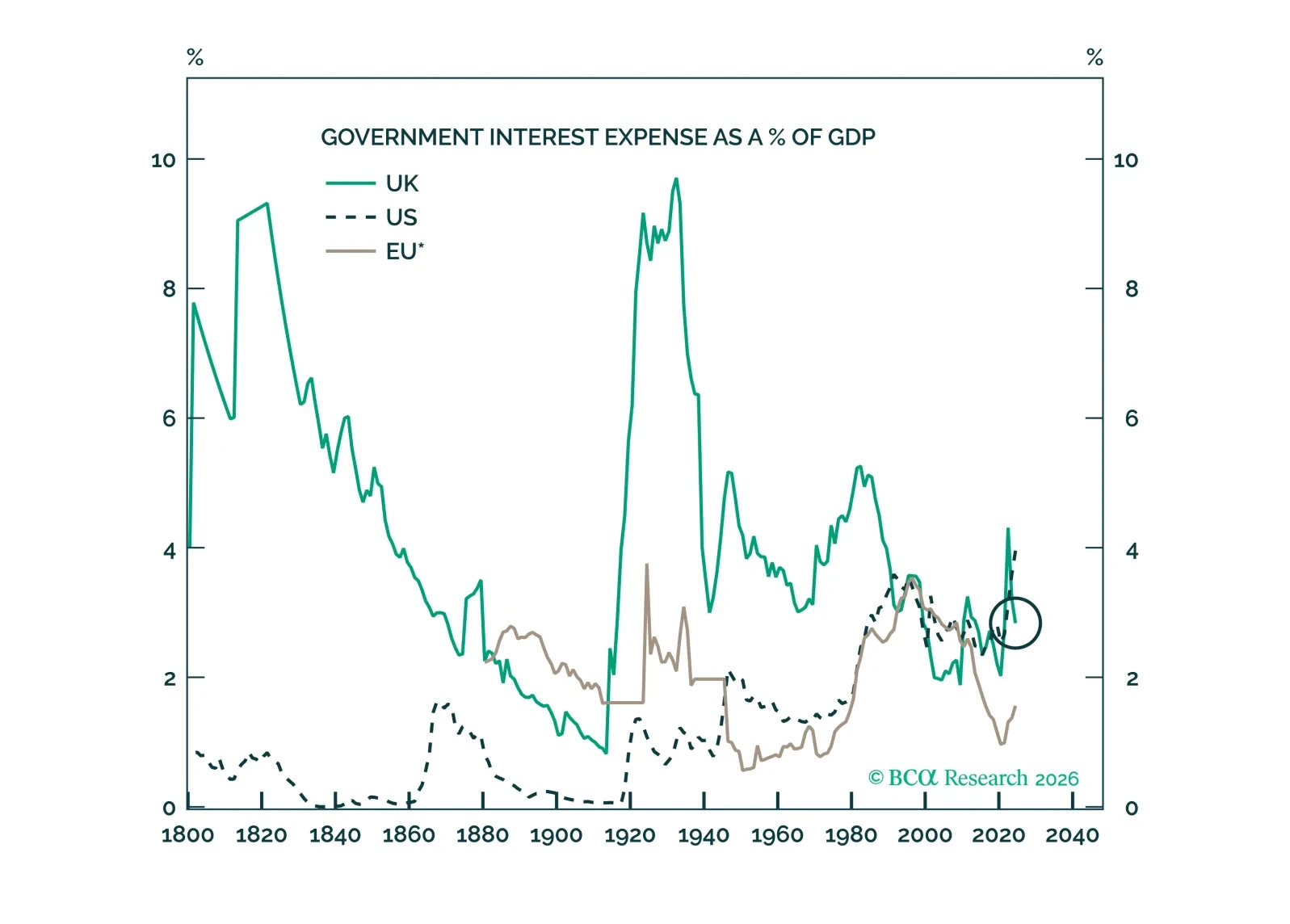
Stay overweight gilts despite renewed political turmoil in the UK.