Russia
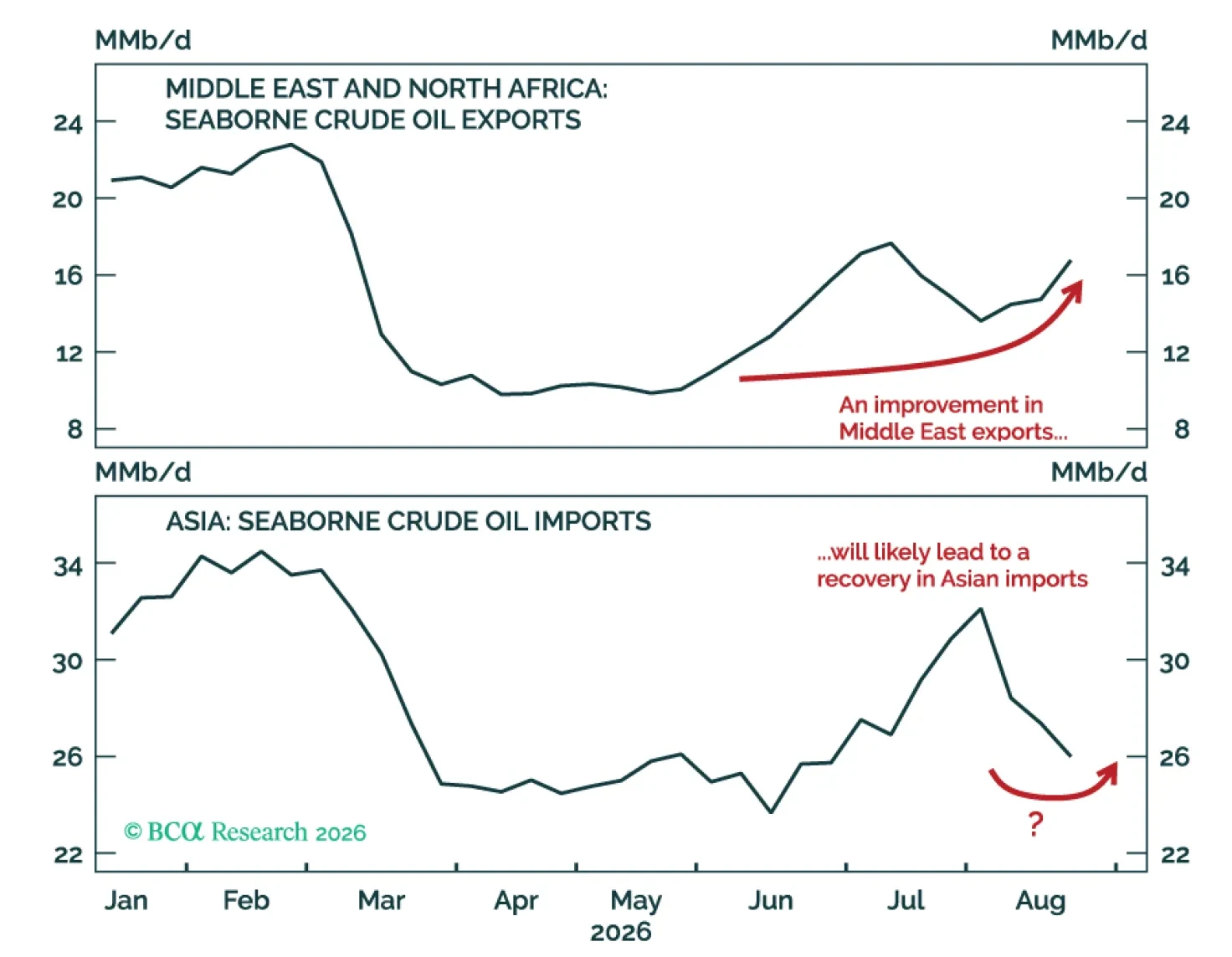
The wide crack spread reflects a bifurcated oil market. The severity of the crude oil disruption has recently softened, while the US-Iran and Ukraine-Russia conflicts have created a perfect storm for refined product markets. Going forward, even though conditions are not yet in place for the crack spread to return to its pre-conflict level, it is likely to narrow over the coming months.
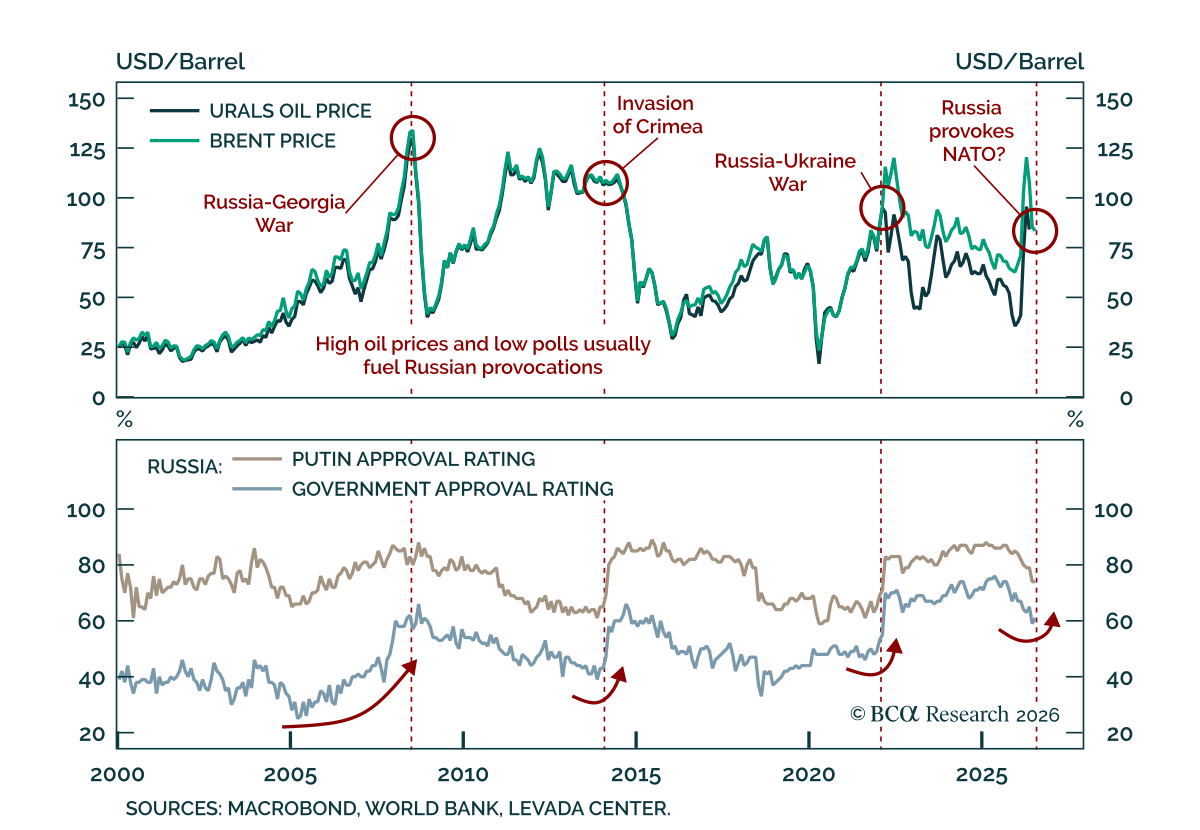
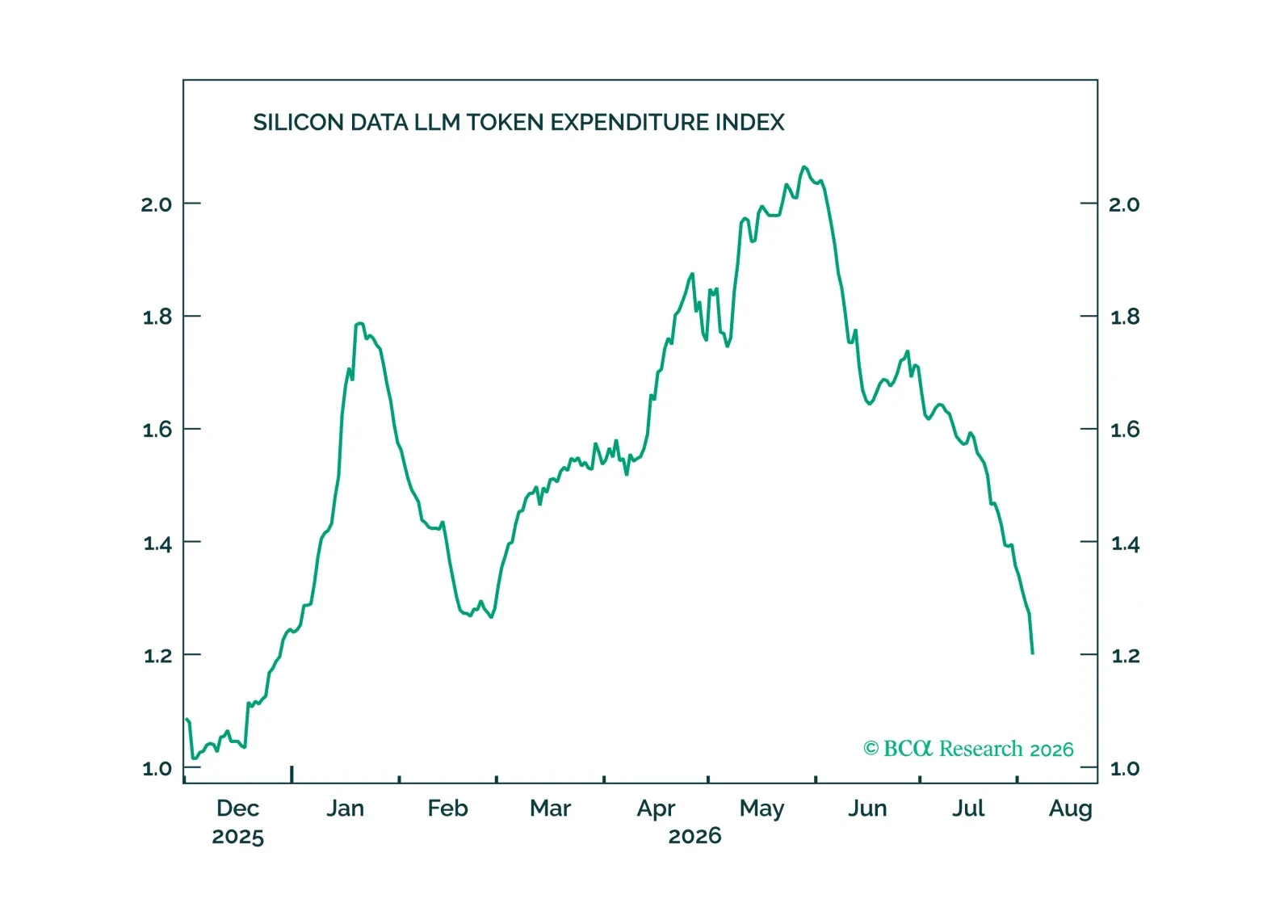
We remain tactically bullish due to the combination of geopolitical risks in the Middle East easing and the ramping up of the AI boom. In this month’s chartpack, we articulate the reasoning behind both sanguine views.
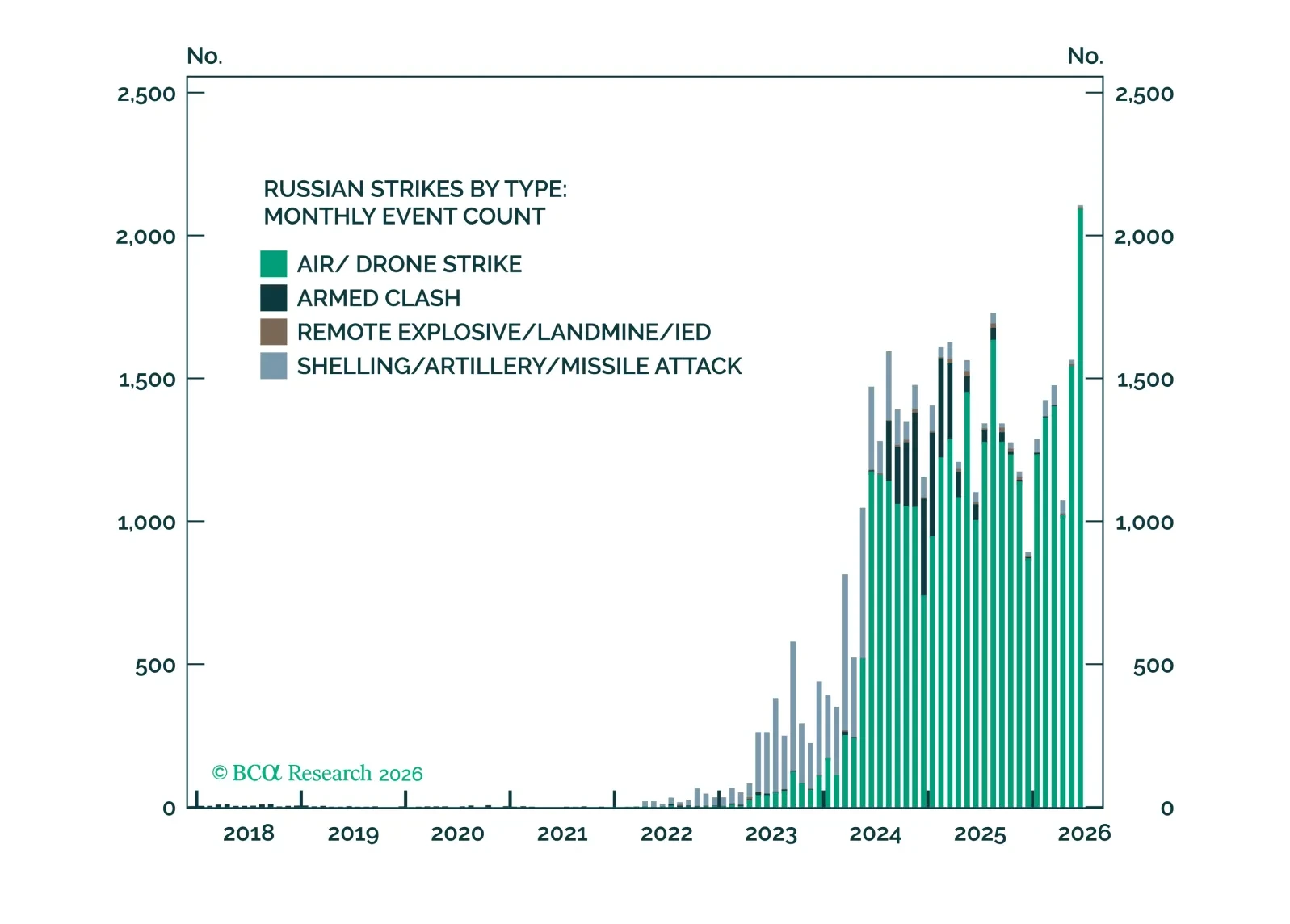
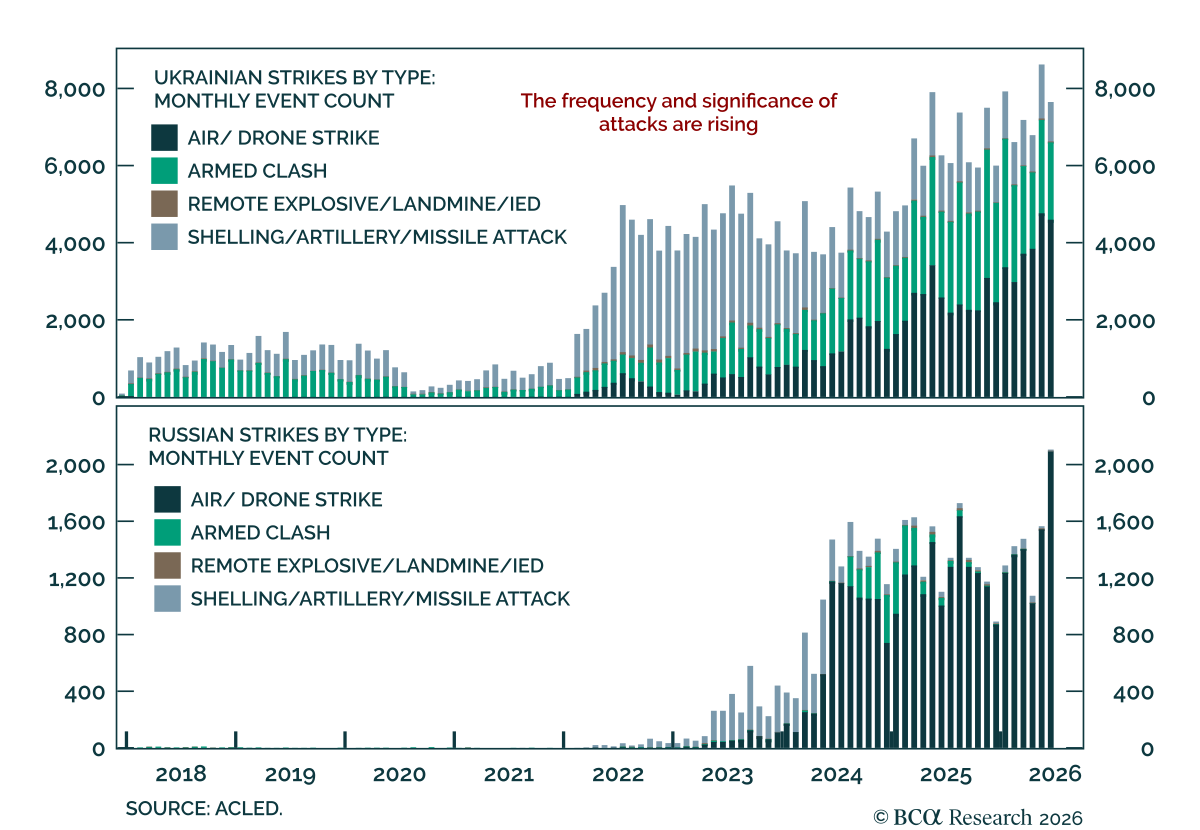
The fragile balance in the Ukraine war has broken – the conflict can escalate and take investors who are focused on Iran by surprise.
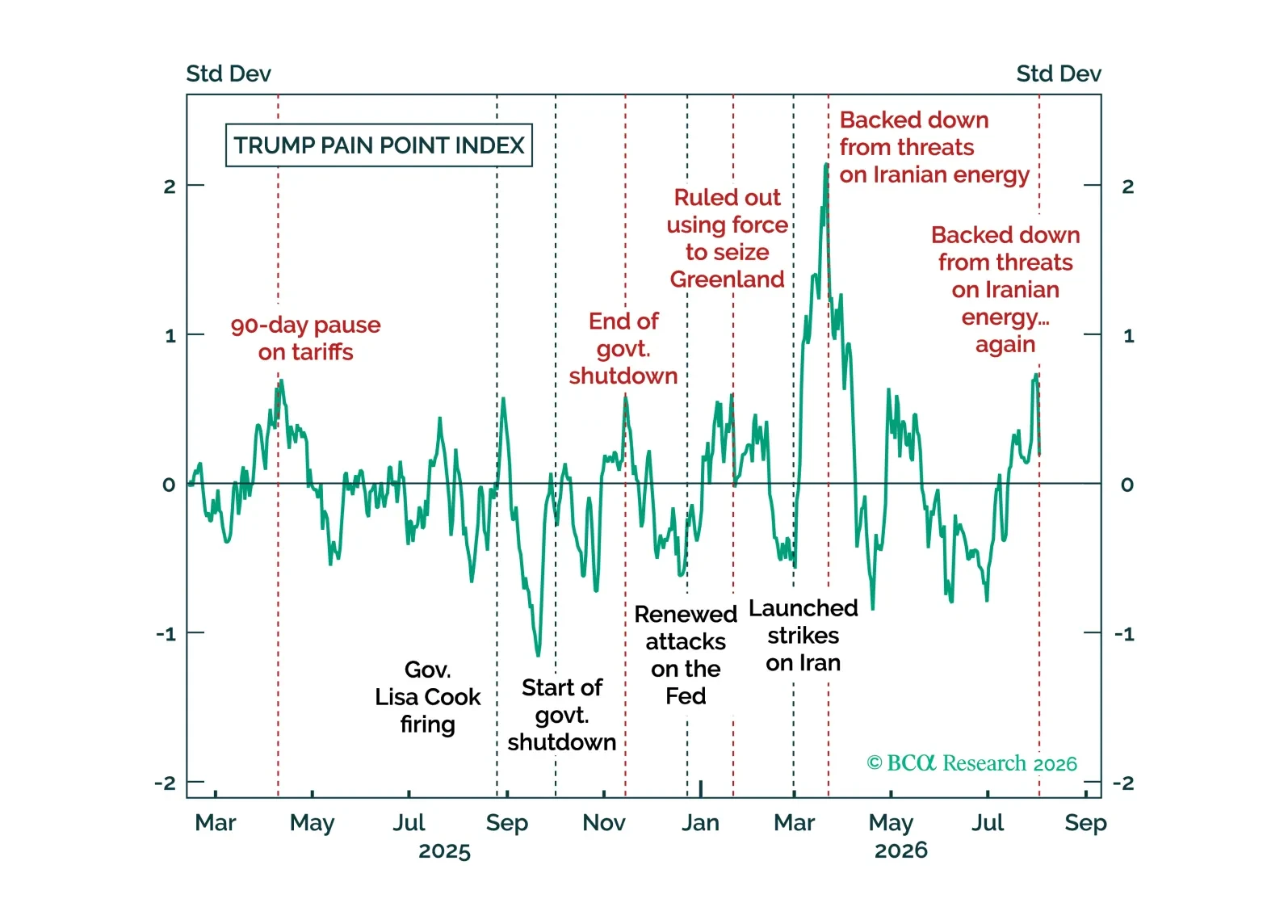
Last month we "stuck our neck out" and reaffirmed our bullishness towards risk asset. This month, we have confirmation that the risky bet is paying off. Iran and the US remain materially constrained from total war. The AI capex thesis is holding up and slowly mutating into a price war that will only boost adoption and necessitate more investment. We open a new AI-related trade (long hard disk makers) and go long gold.

Taiwan will not be invaded soon but focus on external constraints, not internal. Strongmen or “visionary” leaders can override geopolitical constraints at critical junctures, at least initially.
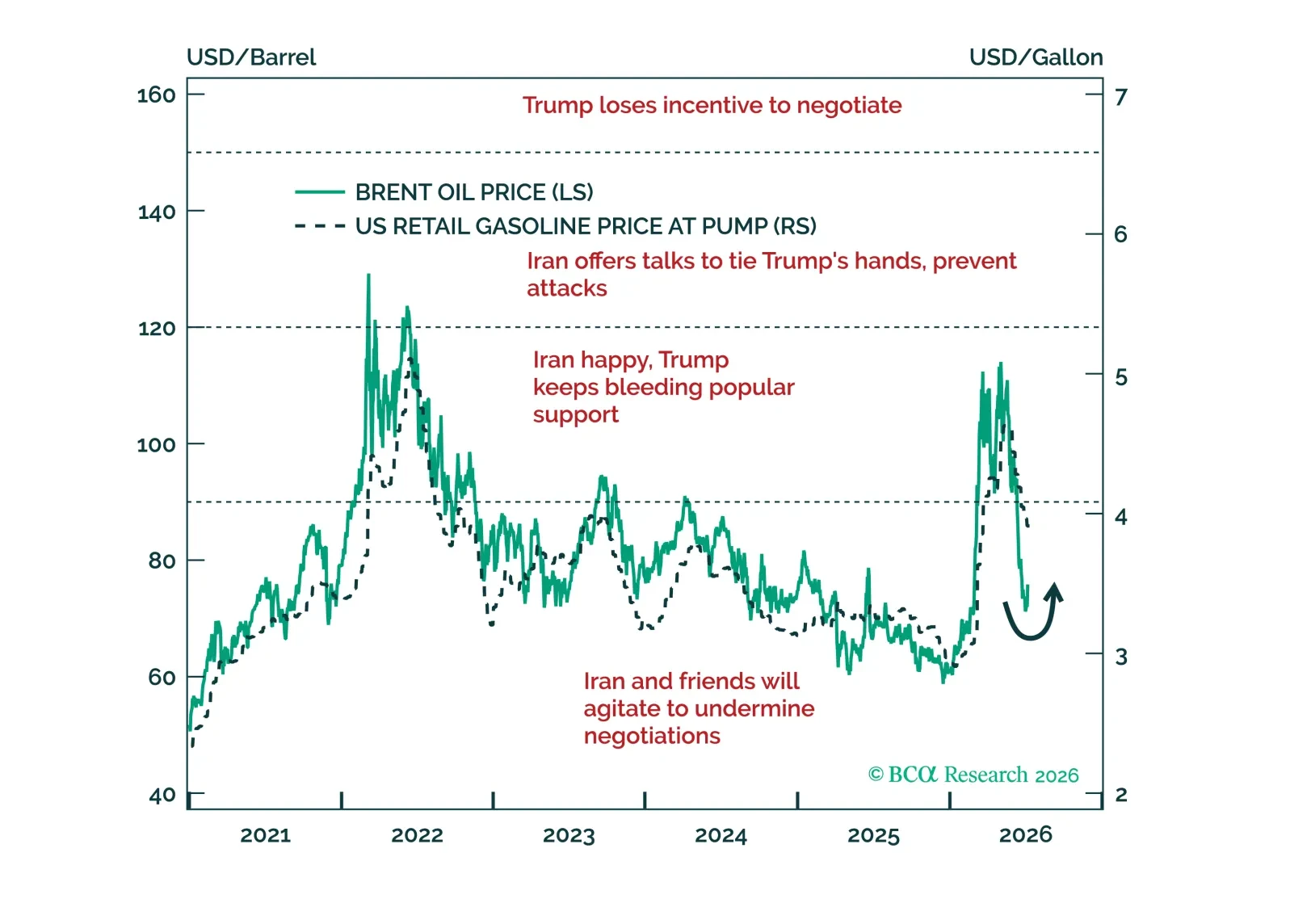
As part of our new and improved GeoMacro service, please find attached our Global Risk Outlook, a quarterly digest of scenario probabilities and estimated market impacts for all the major geopolitical topics in the world today.
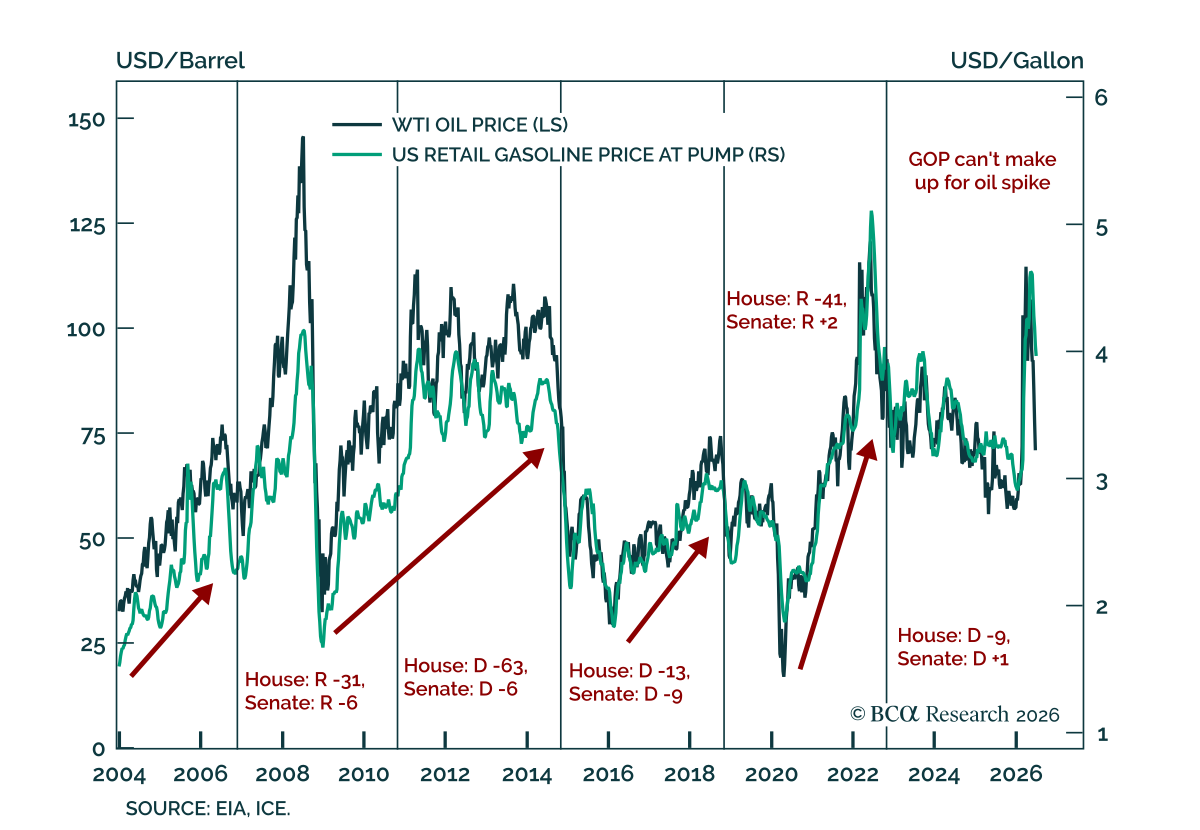
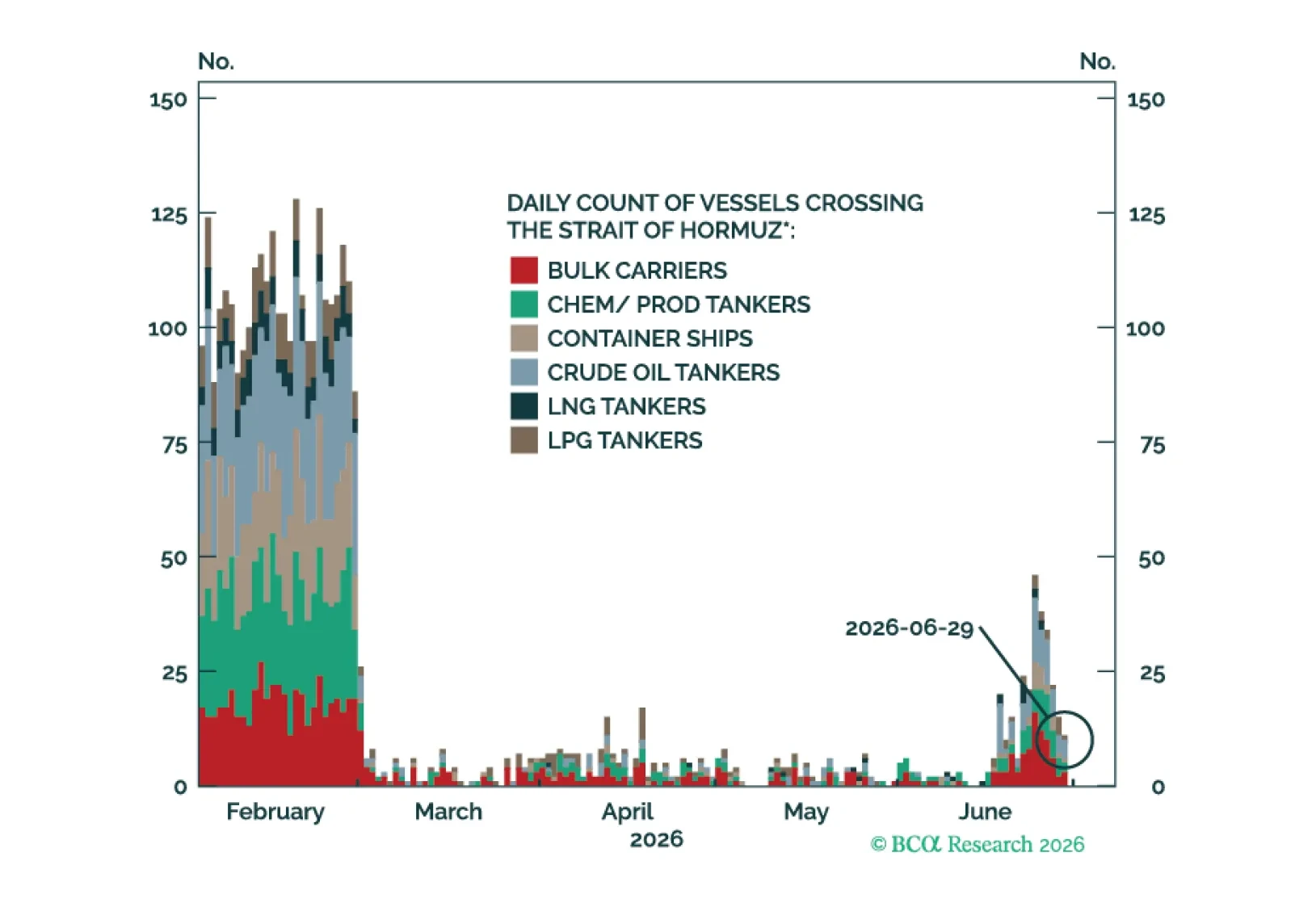
Geopolitical risk may rotate to Russia/Ukraine in Q3, while the Middle East could reignite in Q4.