 CoreMacro
Find out more

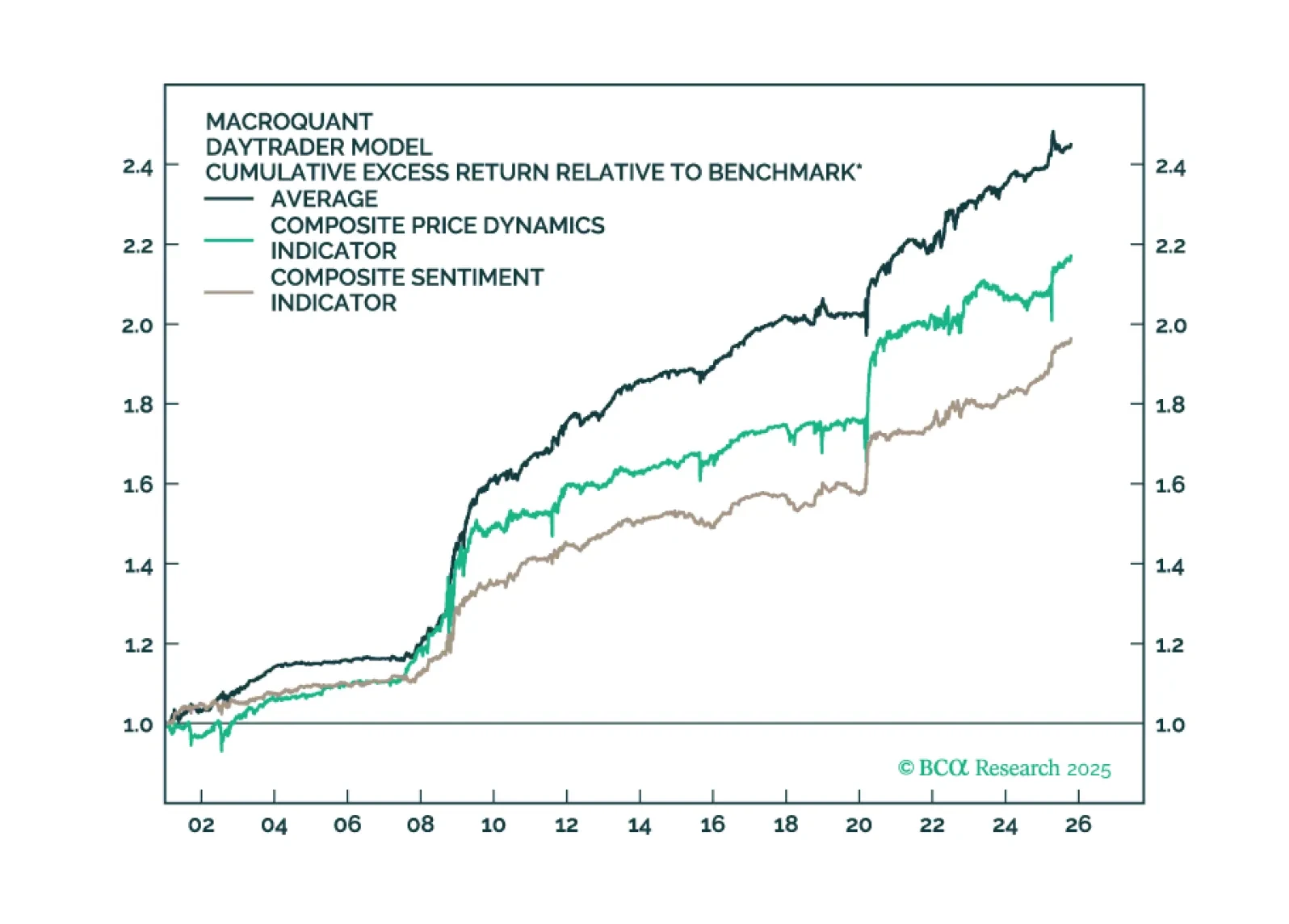
Precious metals, corporate credit, and tech stocks are all showing signs of late-cycle euphoria. We identify various trigger points that investors should monitor to turn more bearish.
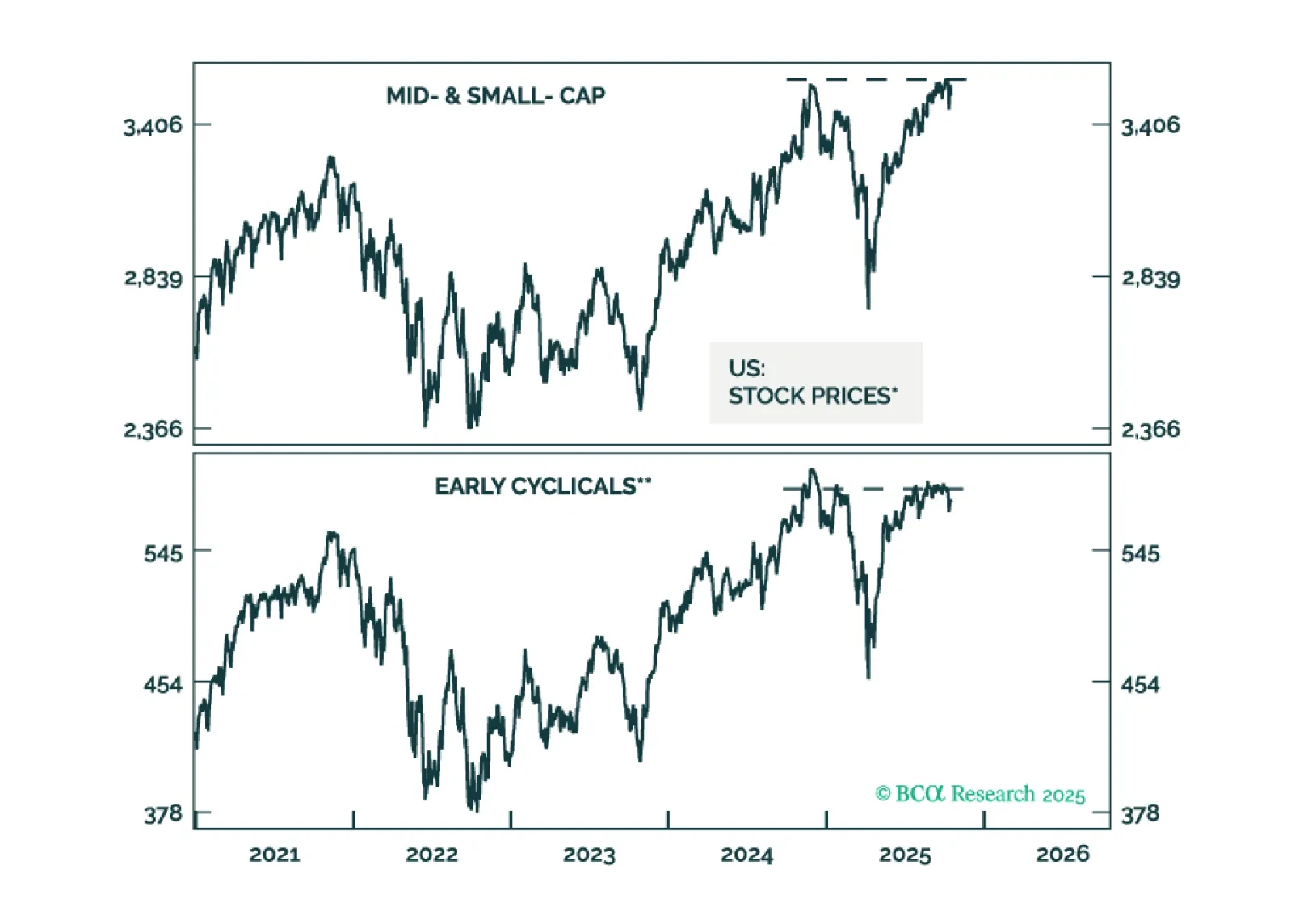
The most significant divide in the stock market and the economy is the gap between companies positioned to benefit from the AI boom and companies without a link to it. The former are surging while many of the latter are struggling.
In global markets, speculative forces have intertwined with the sound fundamentals of specific equity segments, perplexing investors. This report aims to distinguish between excessive price run-ups and healthy fundamentals.
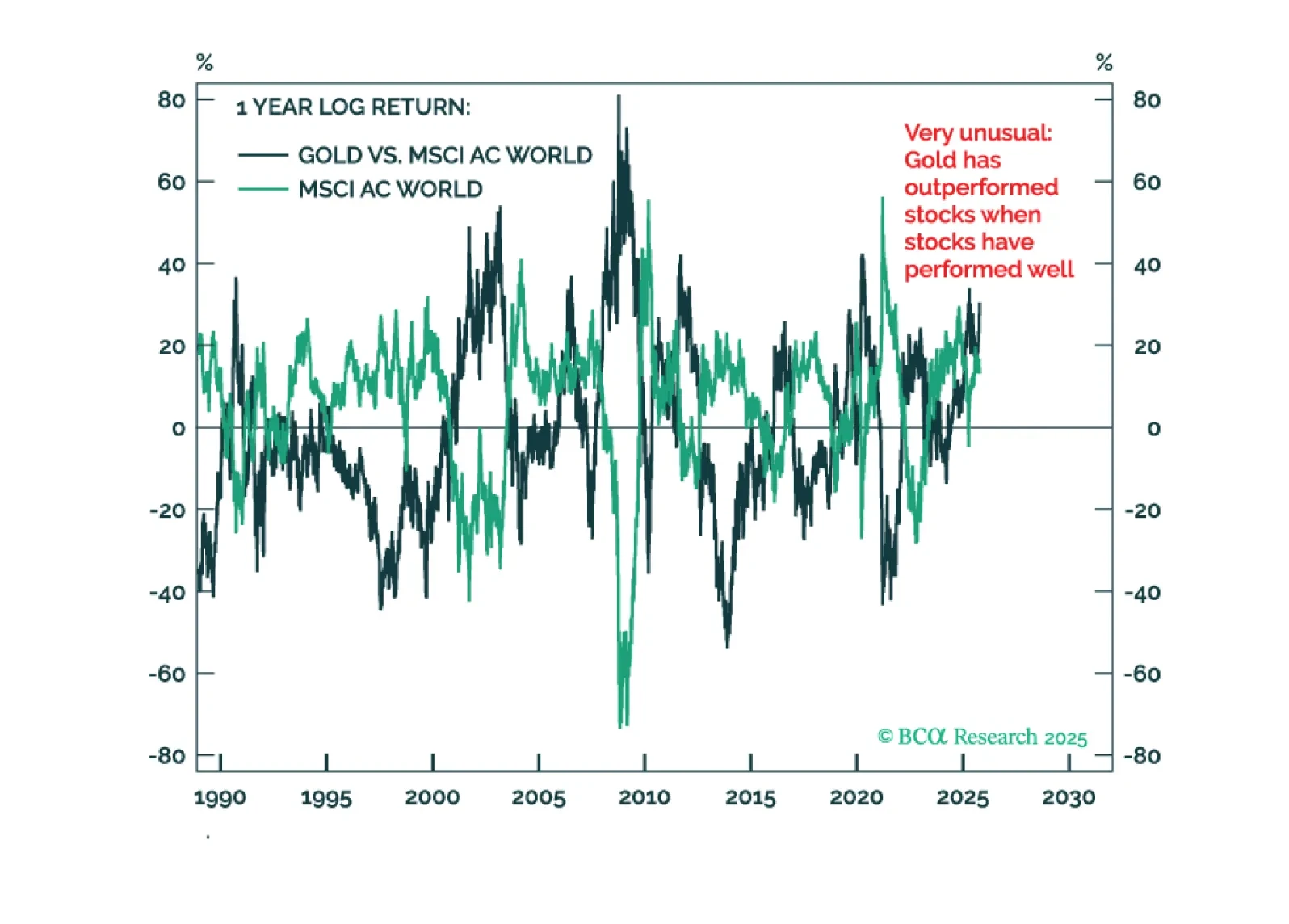
The Fed is undergoing a regime-change in which the primacy of price stability is displaced by the primacy of ultra-low real rates. This will structurally underpin real assets such as gold, cryptocurrencies, and stocks.

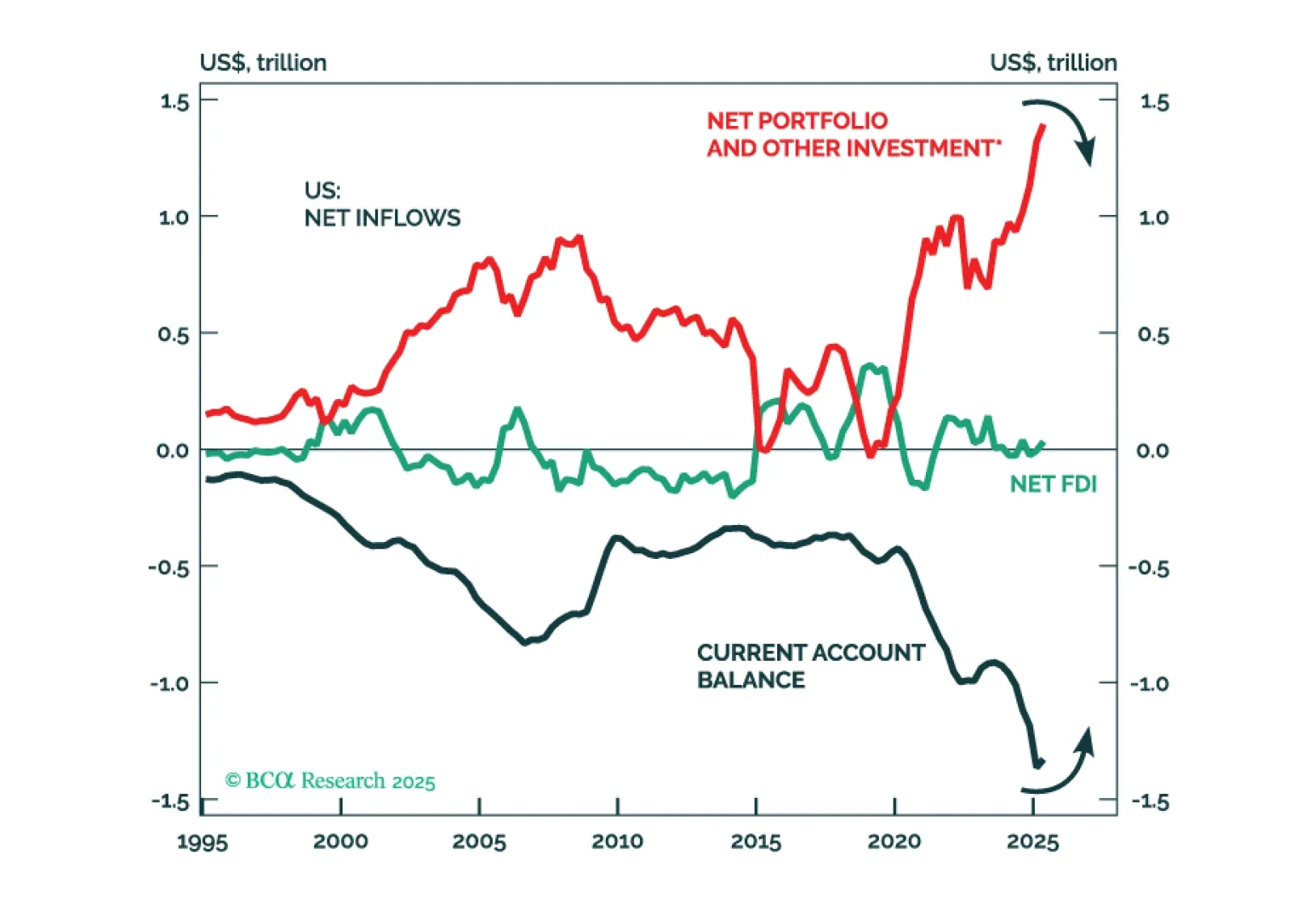
The belief that net portfolio outflows out of the US will fuel EM assets is a common but misguided narrative. If the US starts experiencing net capital outflows, it would need to run a current account surplus. A shift in the US current account from deficit to surplus would be devastating for the global economy in general and EM in particular.
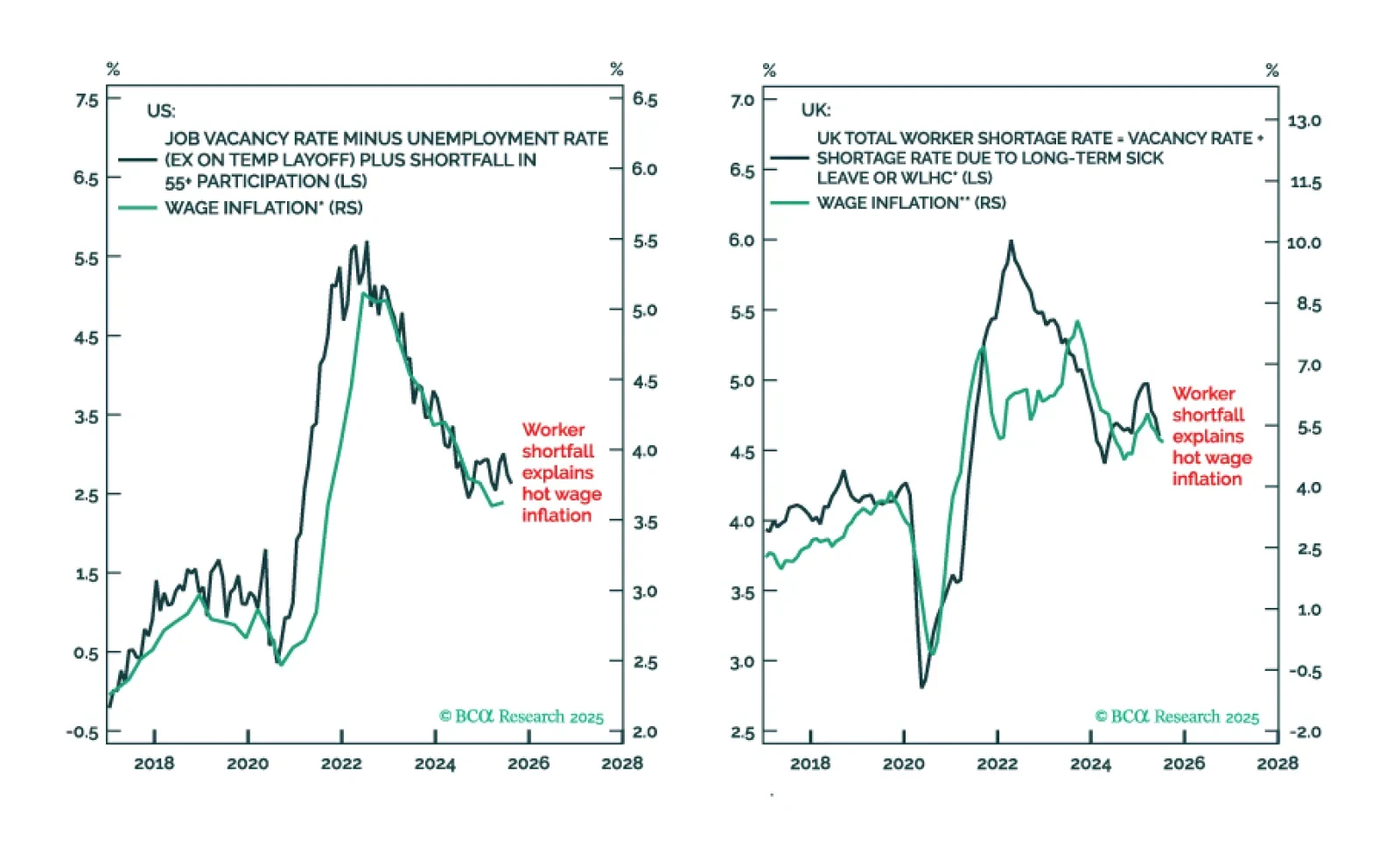
The ‘special relationship’ between the United States and the United Kingdom describes the centuries-old political, social, cultural, and historic ties that have bound the transatlantic nations. Today though, the most important special relationship is the one that explains why inflation remains stubbornly high in these two economies. And we discuss what it means for investors.