Latest from BCA Research
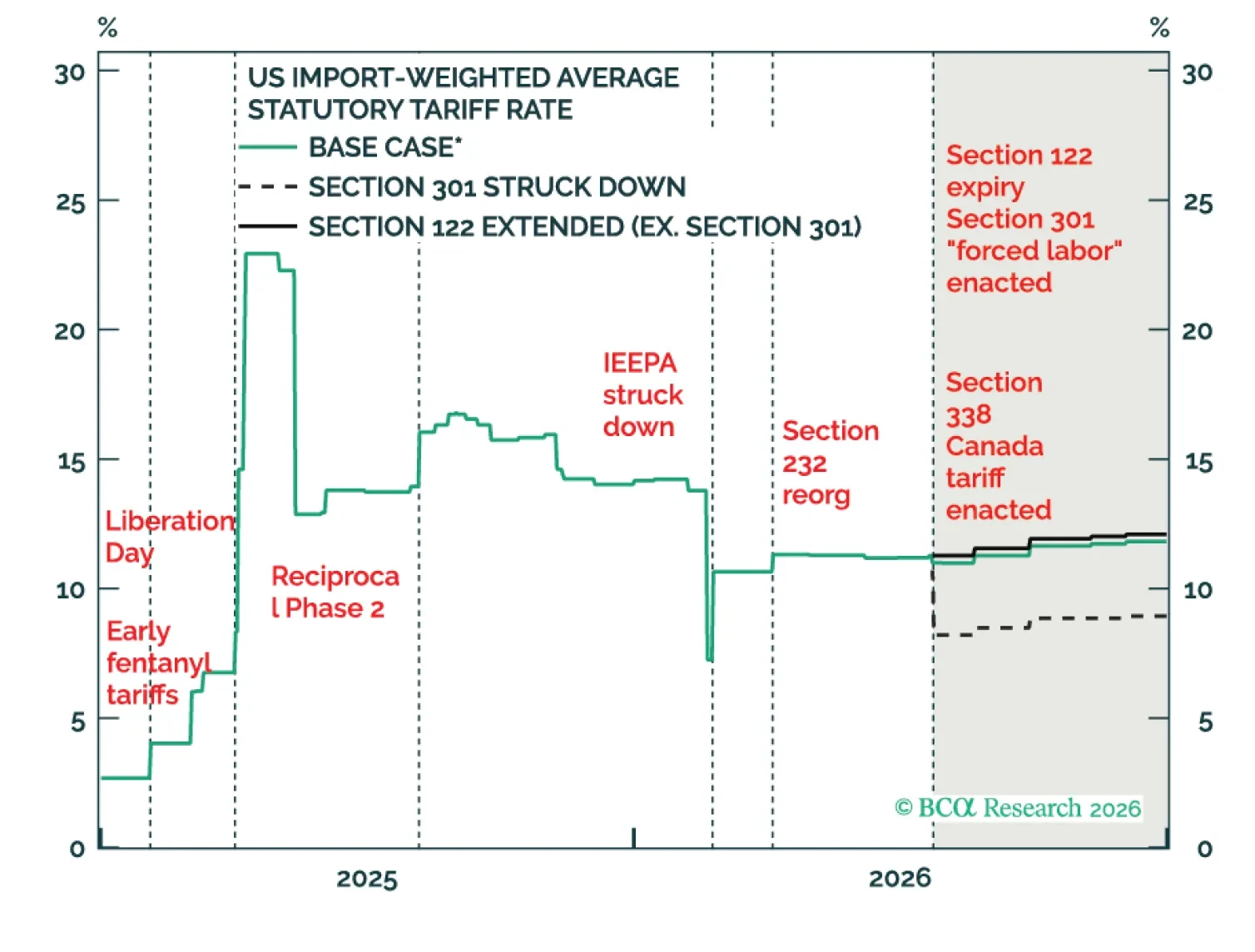
President Trump is raising tariffs again, now through 2027 – and more countries will retaliate this time. While markets can climb over “Liberation Day 2.0,” investors should be wary of today's aggressive policies engendering drastic policy change in 2028.
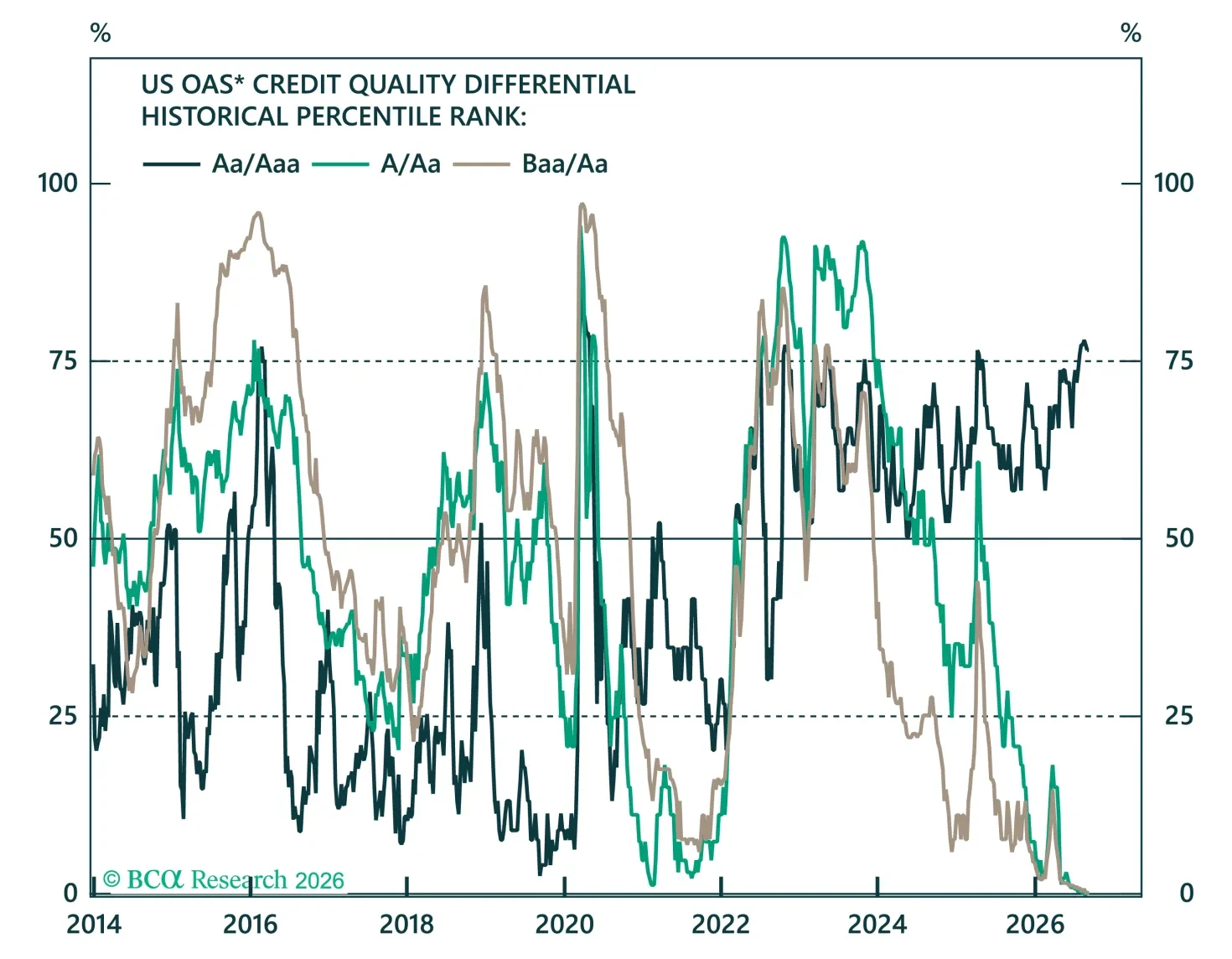
After two weeks on the road talking to investors across ANZ and India, this report addresses the questions that came up most: from investment grade issuance concerns to the selloff at the long end, and what's really driving JGBs, the yen, and the outlook for Australian and New Zealand rates.
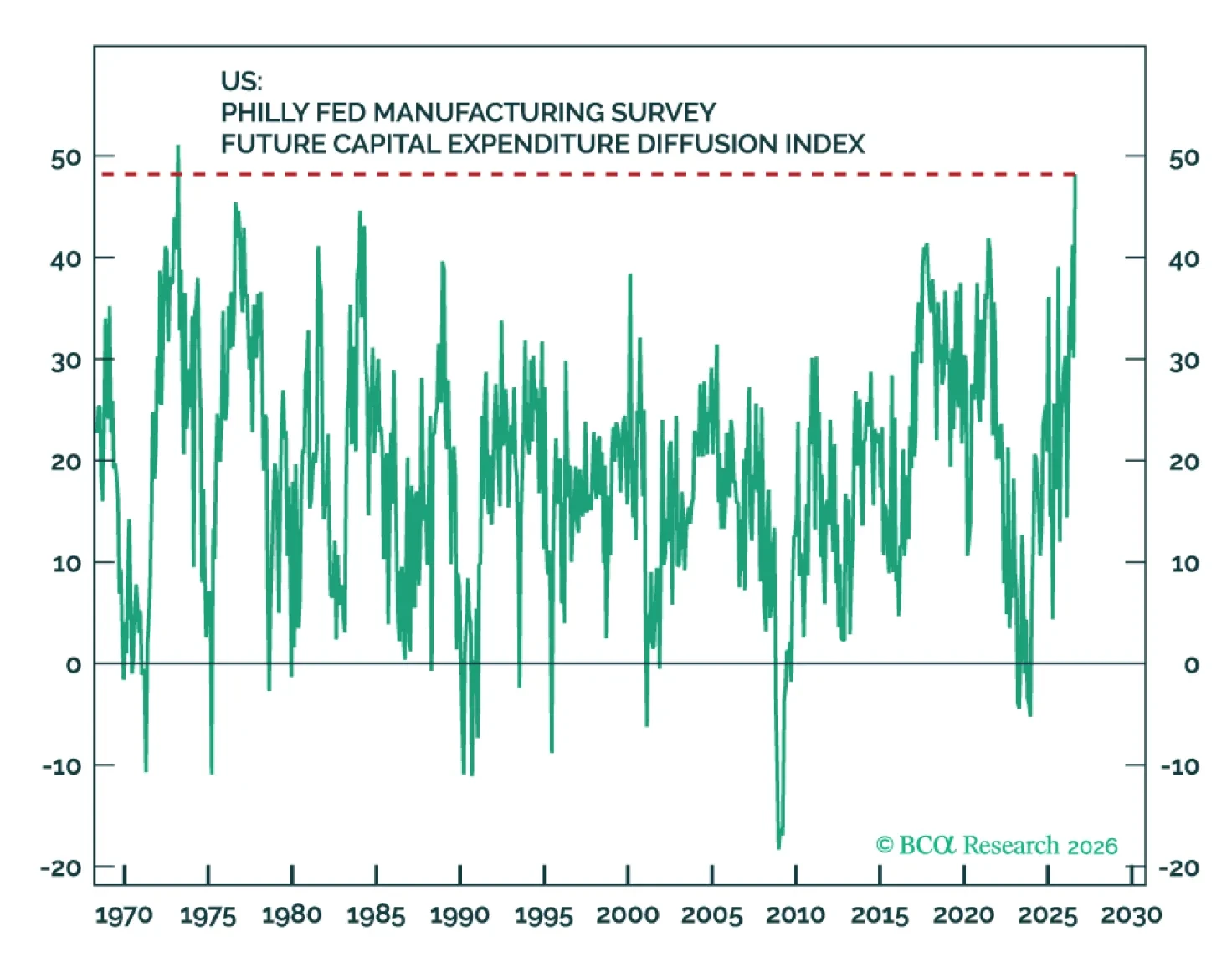
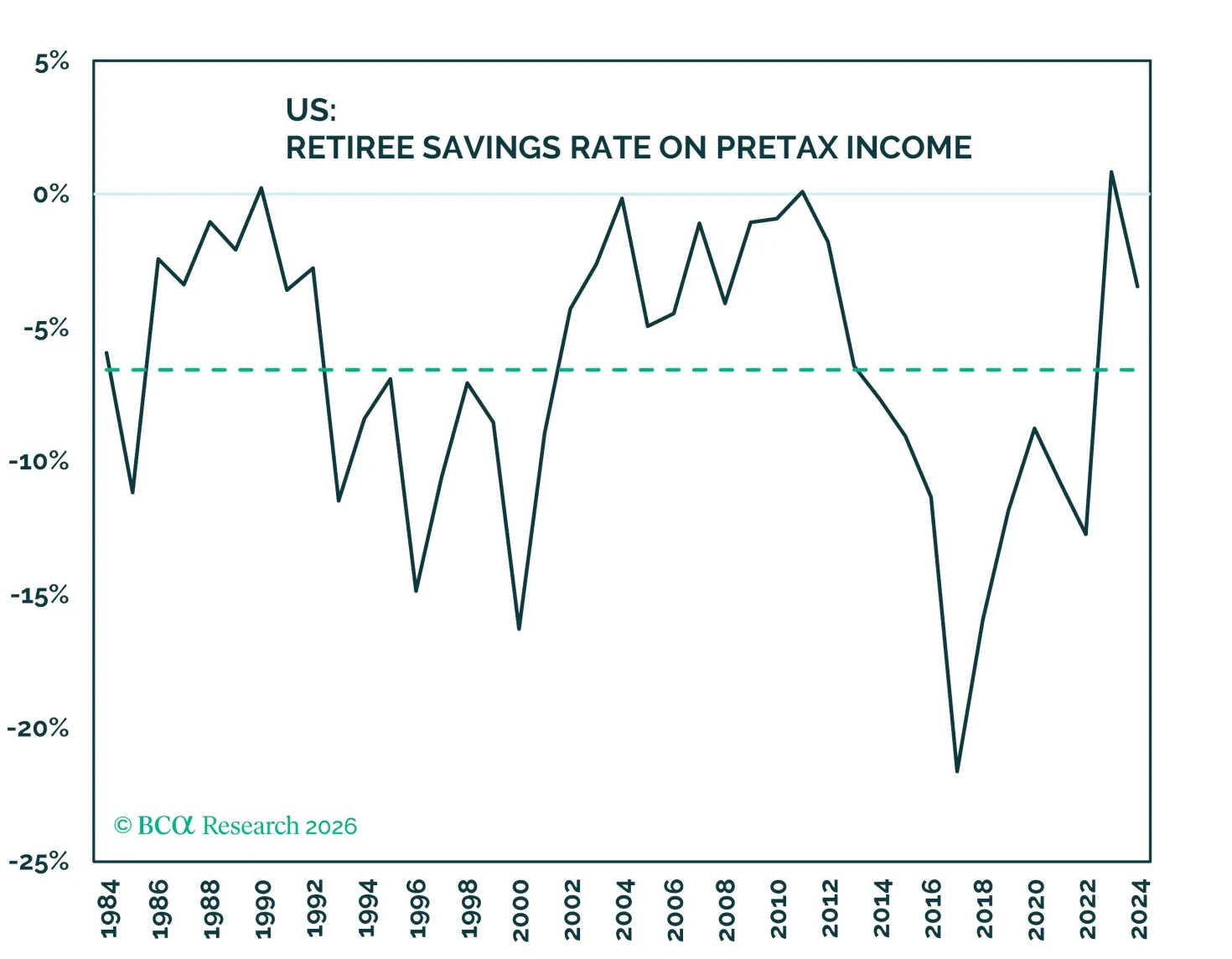
Concerns about the savings rate’s sustainability ease after adjusting for retirements and capital gains. The US economy continues to grow at a pace that is neither too hot nor too cold and investors should remain fully invested in risk assets.
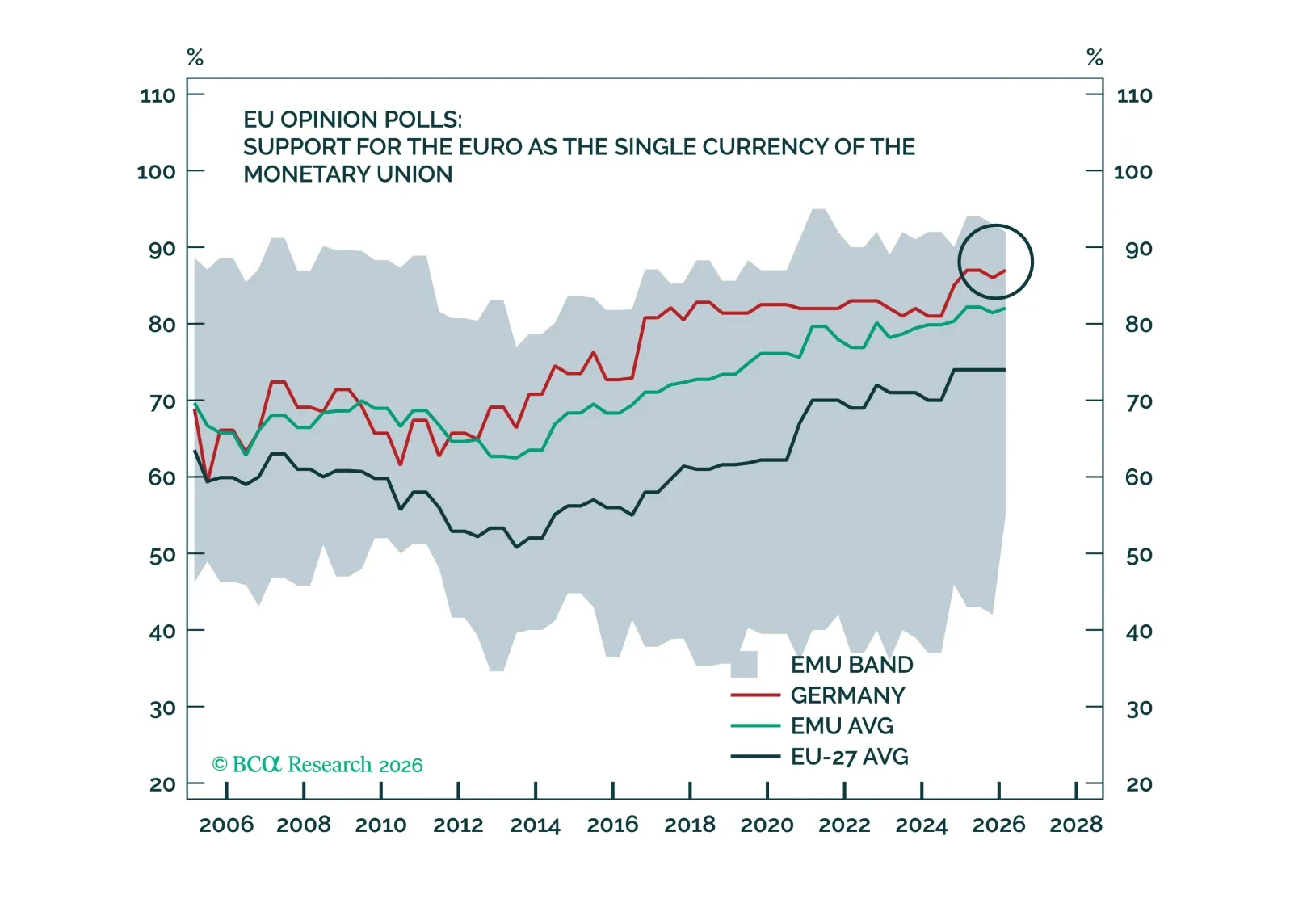
Alternative for Germany’s election win in the state of Saxony-Anhalt is overrated.
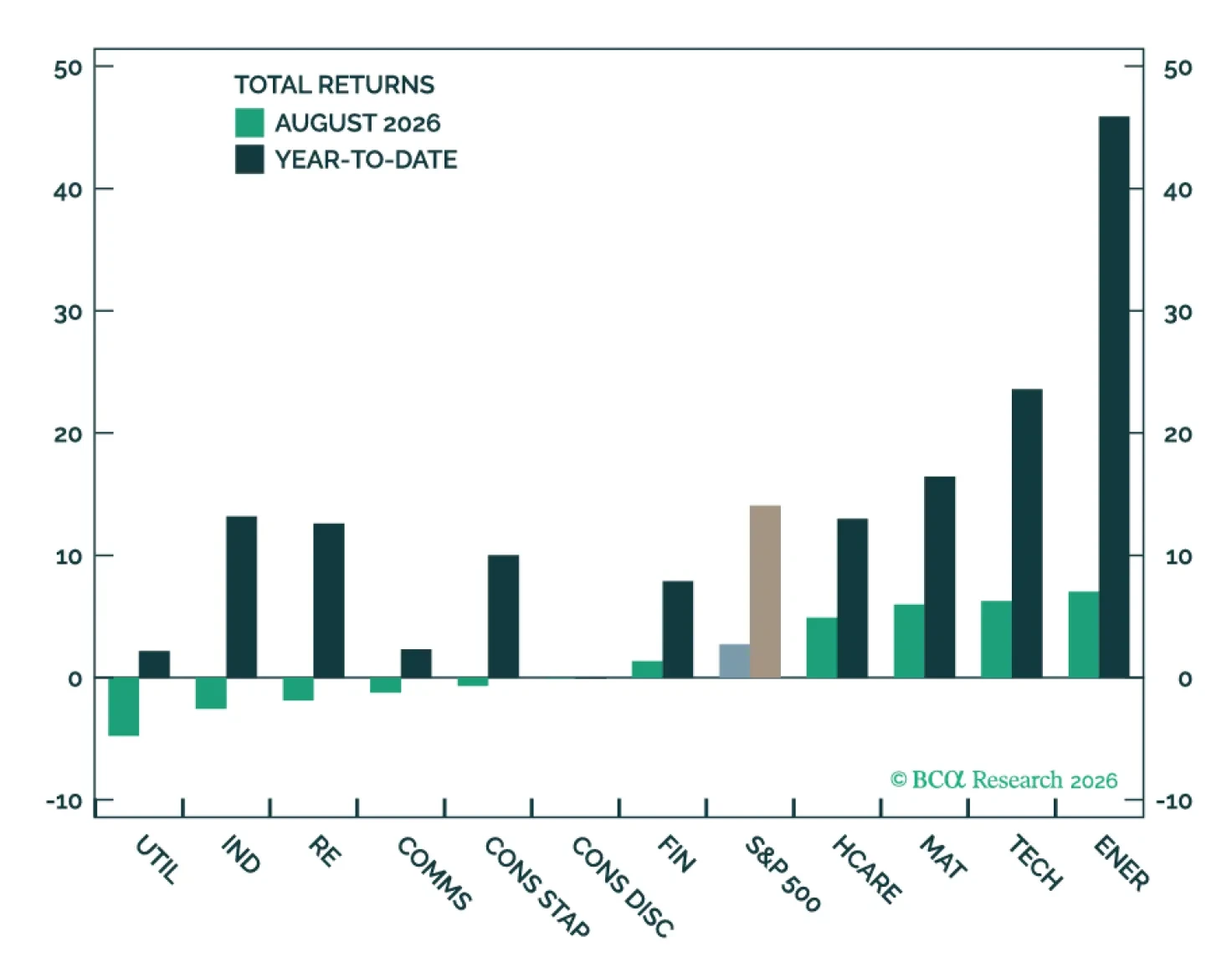
Strong second quarter earnings suggest that the AI story is intact. Buoyed in part by this strength, tech stocks have recoupled with healthy fundamentals after a late-July swoon, posting solid August gains. We continue to see upside for the S&P 500, favoring the cyclical and AI exposure of tech, materials, and industrials. But rising bond yields remain the dominant headwind.
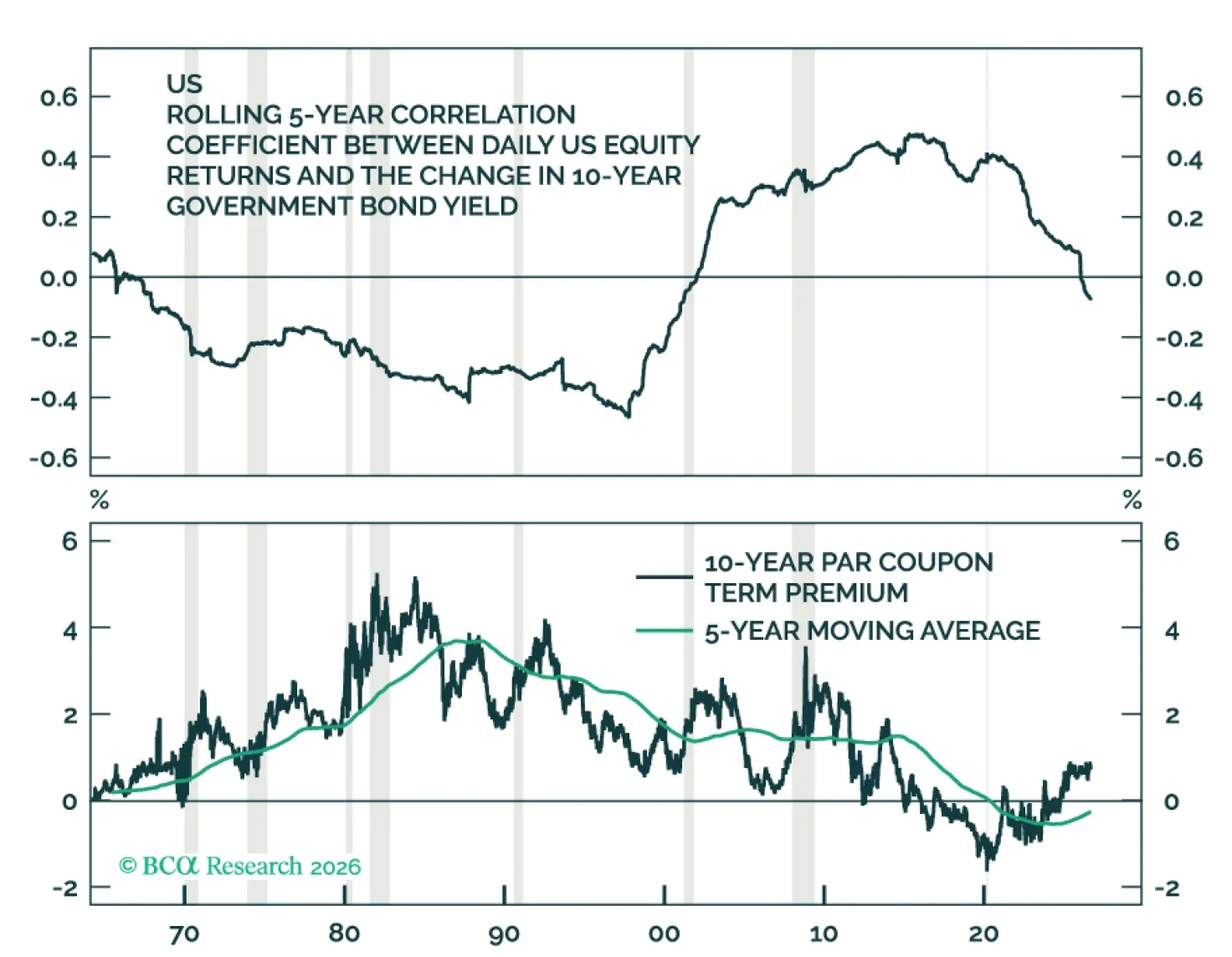

There is no evidence that there is a run on US government bonds. All the data at our disposal, and the curated views of our bond specialists, suggest that the US bond market may have 99 problems, but a coordinated run on its safe haven status is not one.