Australia
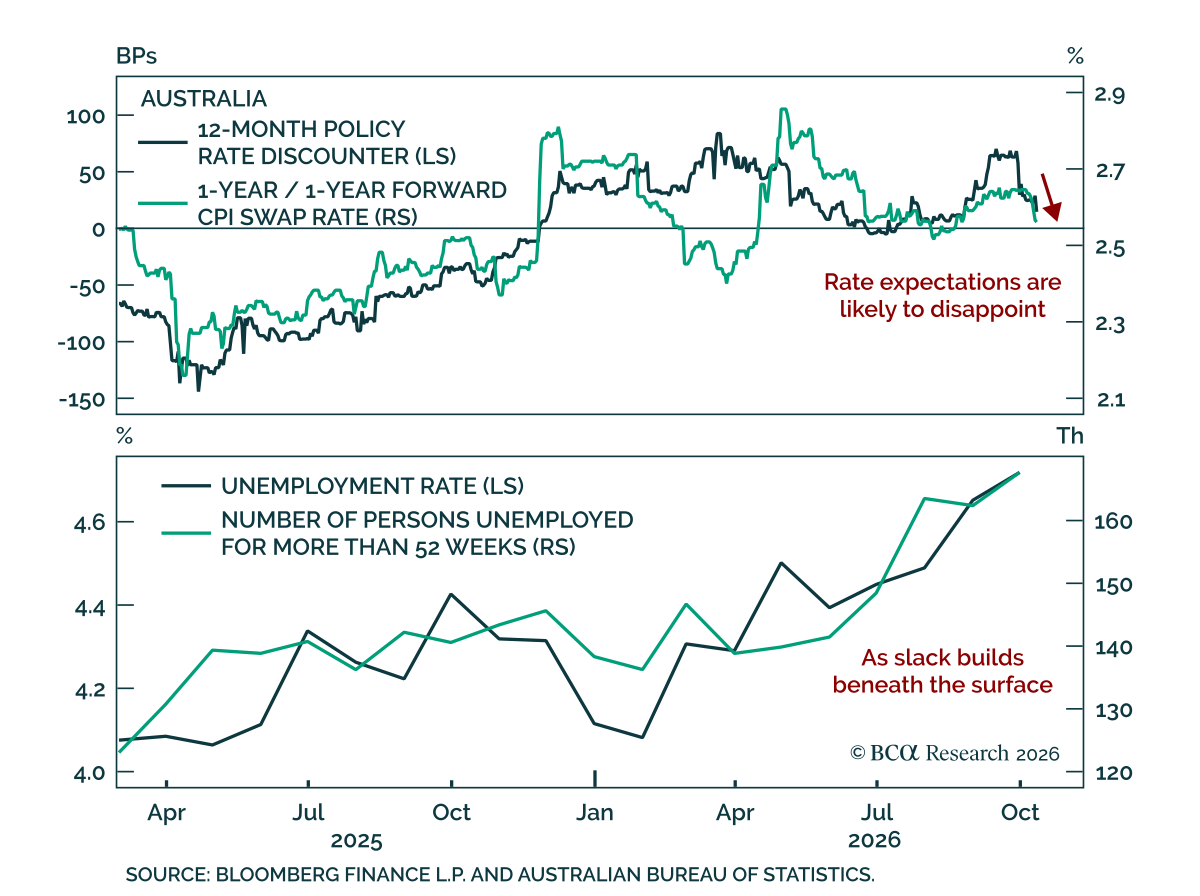
Australia's labor market is softening, strengthening the case for Australian government bonds. The unemployment rate ticked up to 4.7% in September, while employment growth remains subdued. The number of people unemployed for more than a year has risen to its…
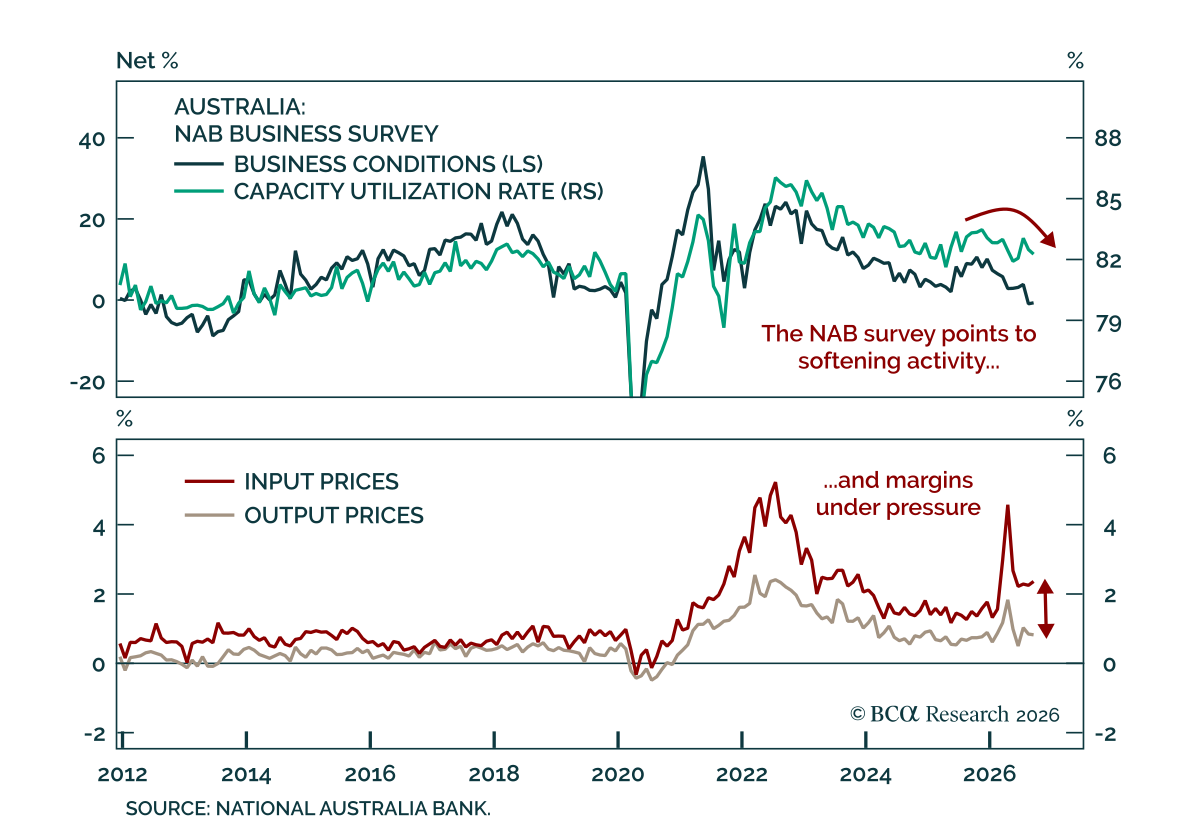
Australia’s September NAB Business Survey signals softening activity that will limit the RBA’s hawkishness. Business conditions held in negative territory at -1, after turning negative last month for the first time since 2020. A modest rebound in profits and…
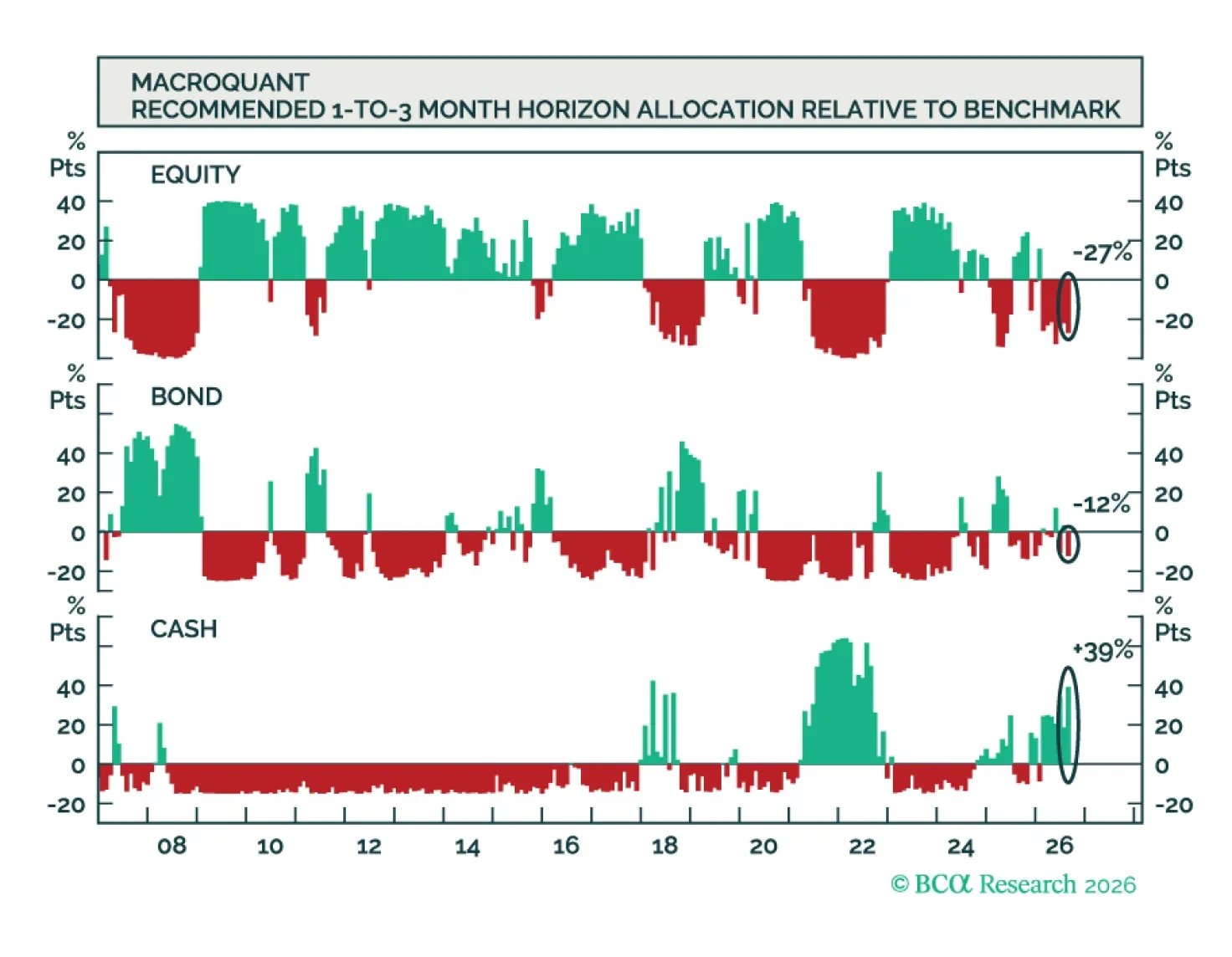
MacroQuant recommends an underweight to equities and bonds, counterbalanced by a significant overweight to cash. The model is very bullish on the US dollar, slightly negative on gold and copper, and positive on oil.
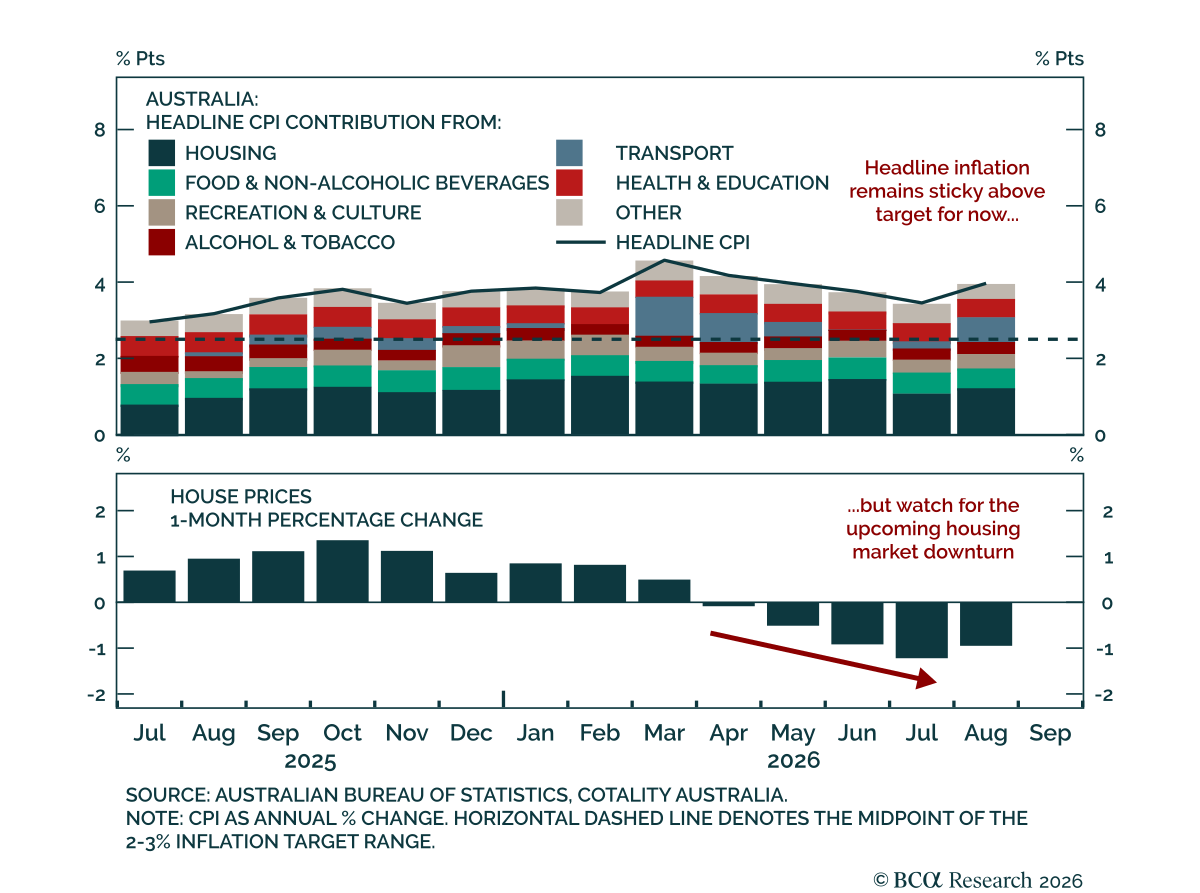
Australia's August CPI shows no sign of re-accelerating core inflation, suggesting a less aggressive RBA tightening than currently priced. Headline CPI rose less than expected in August, to 4.0% y/y from 3.5%, lifted by higher fuel prices in the transport…
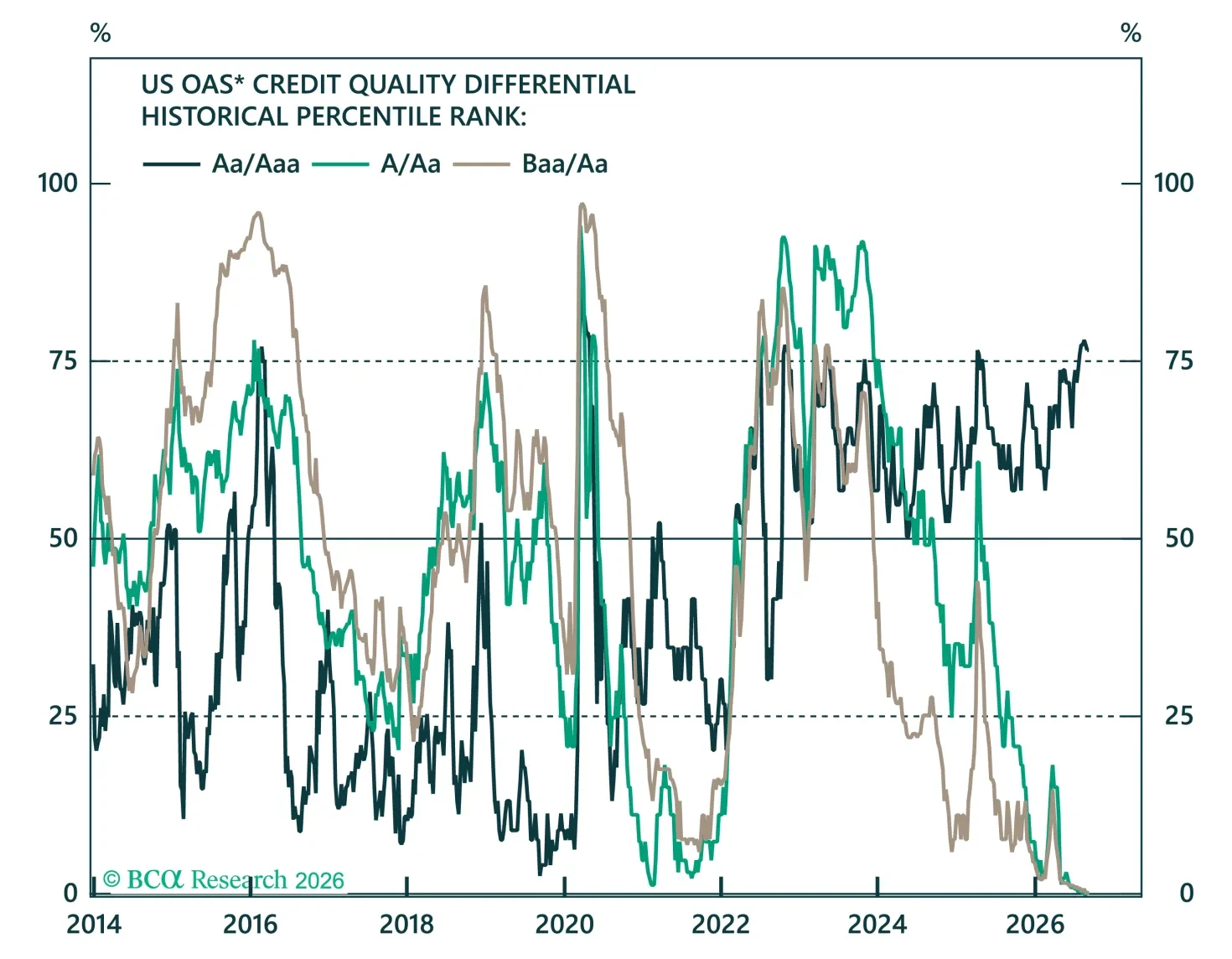
After two weeks on the road talking to investors across ANZ and India, this report addresses the questions that came up most: from investment grade issuance concerns to the selloff at the long end, and what's really driving JGBs, the yen, and the outlook for Australian and New Zealand rates.
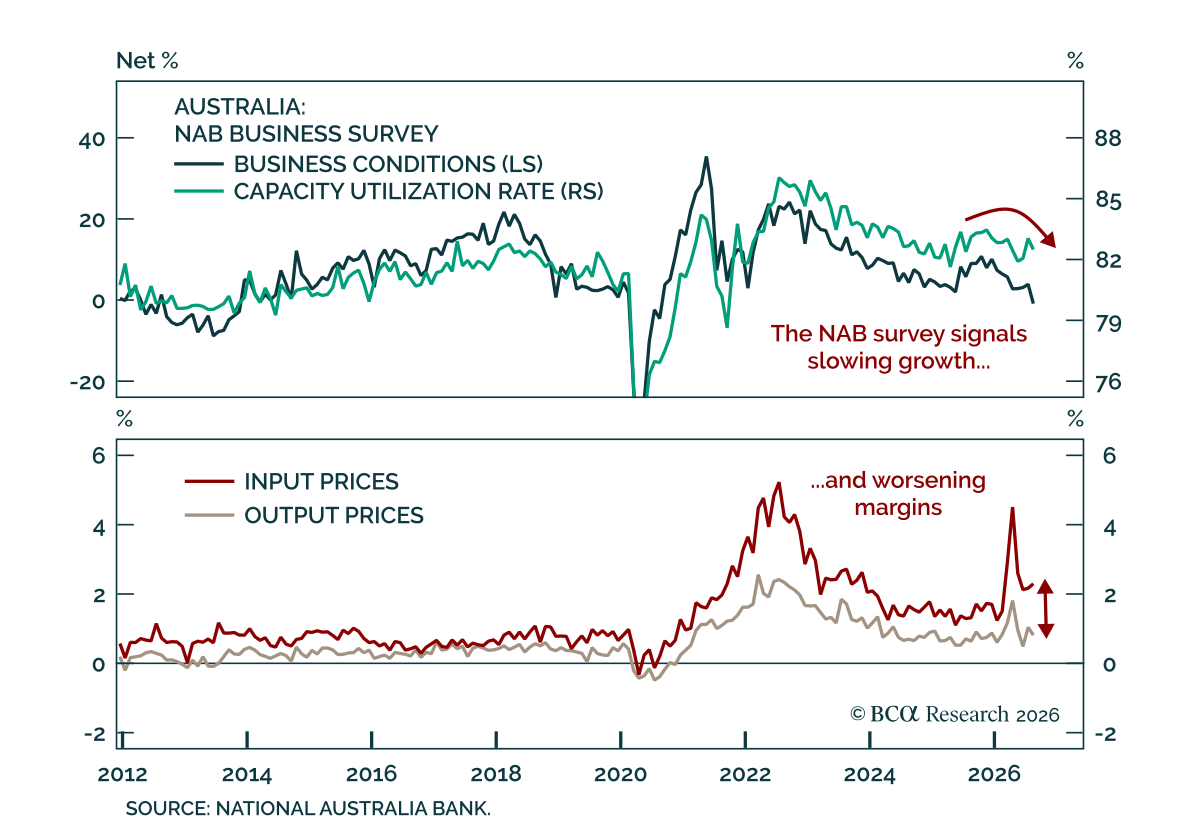
Australia's August NAB Business Survey points to a cooling economy and supports an on-hold RBA. Business conditions turned negative for the first time since 2020, falling to -1 from 4 and well below the long-term average. Profits and sales dropped to their…
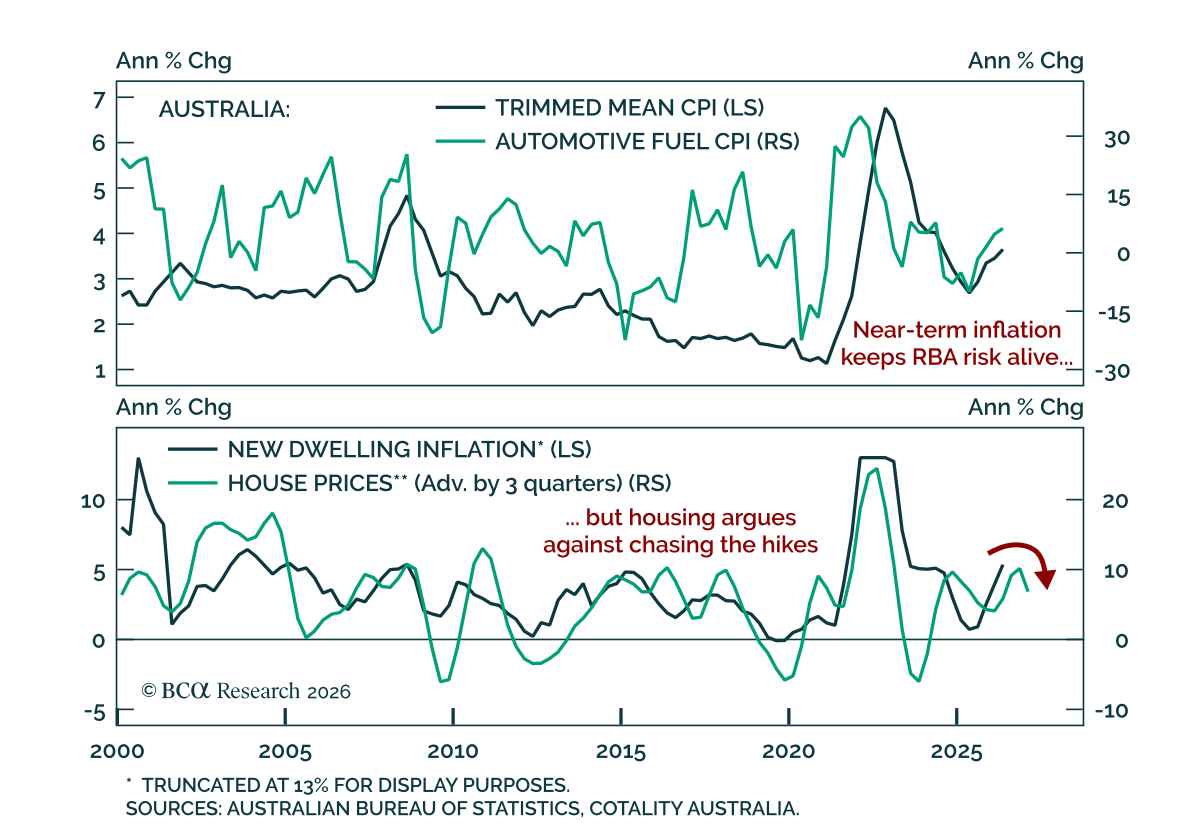
Australia’s latest inflation beat will keep RBA tightening risk alive, but the forces shaping inflation over the next year are becoming more disinflationary. Headline CPI eased to 3.5% y/y in July from 3.8%, but exceeded the 3.3% consensus. While trimmed-mean…
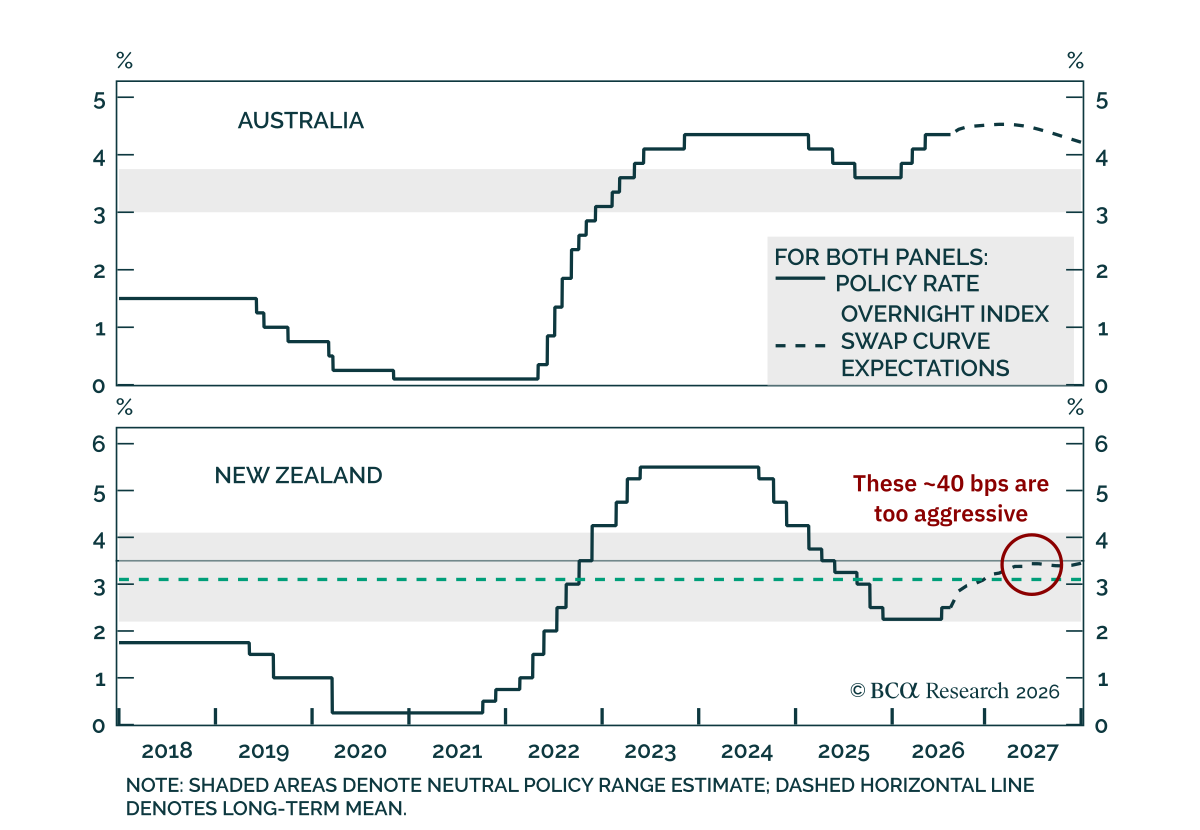
Our FICC strategists remain neutral on Australian government bonds, upgrade New Zealand government bonds to overweight, and recommend long AUD/NZD. Housing is becoming a disinflationary force in both economies, though for different reasons. Australian house…
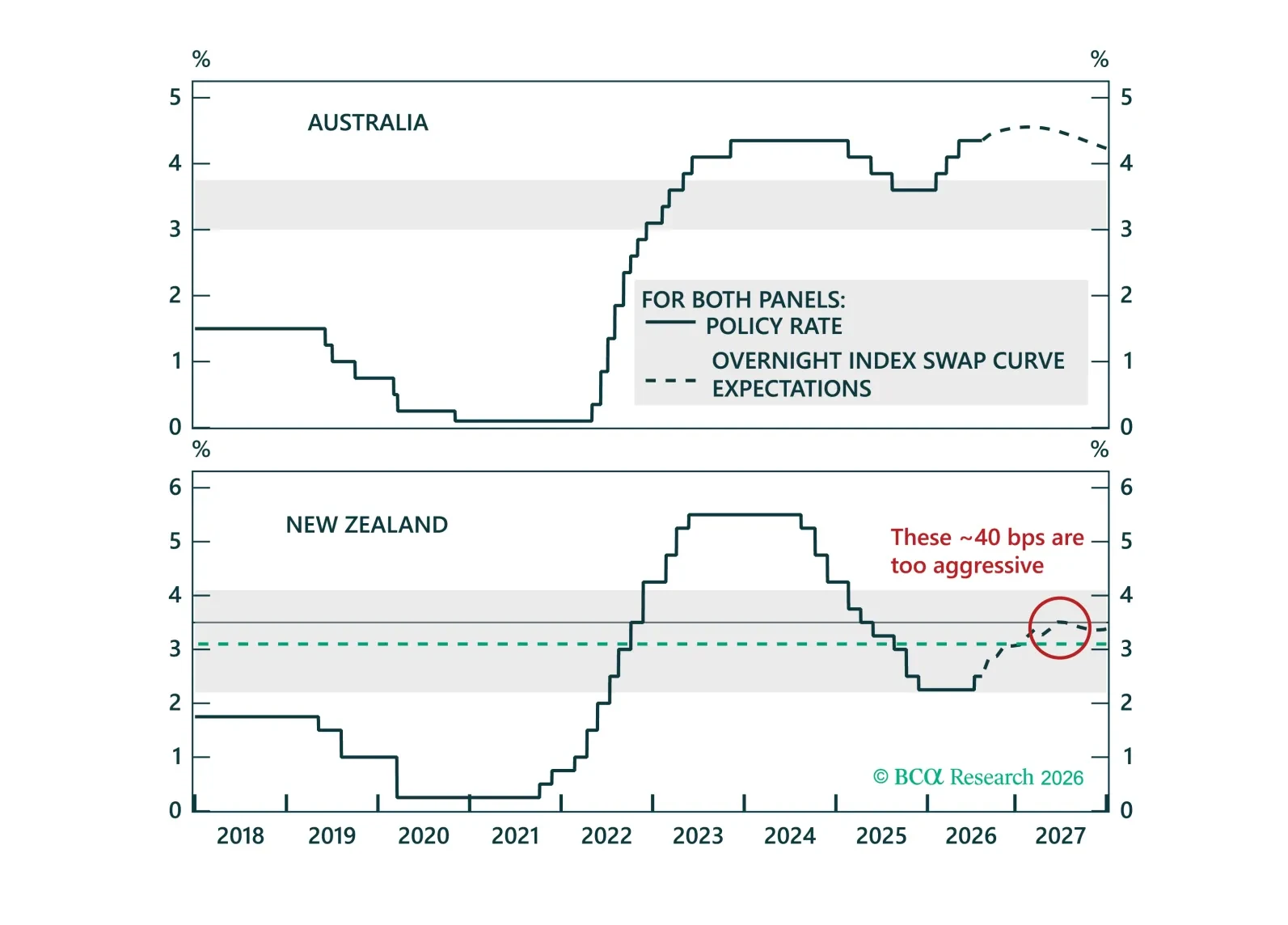
The RBA is likely done hiking, and the RBNZ overpriced for more hikes. We trace both conclusions back to housing, credit, and external dynamics, with implications for our country allocation in ANZ bonds and our long AUD/NZD view.
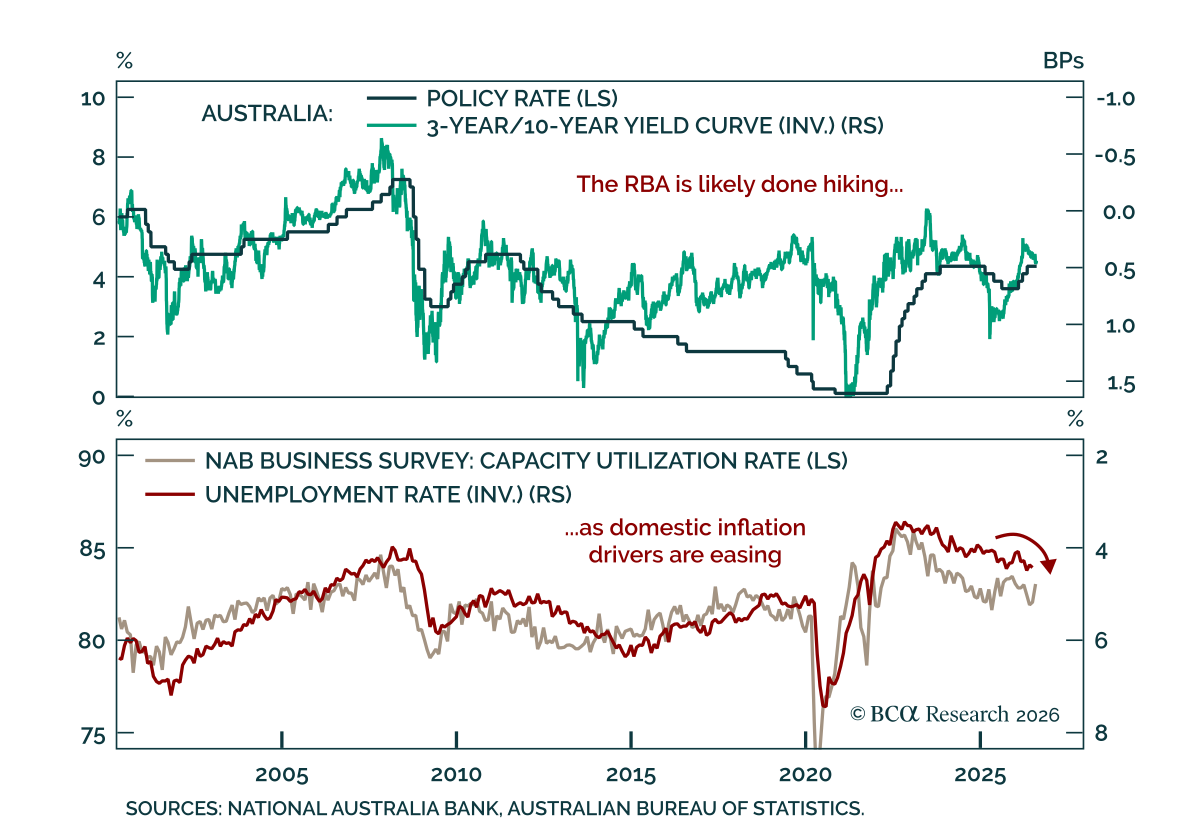
The RBA's tightening cycle is likely over, despite Governor Bullock's hawkish tone. The cash rate was left unchanged at 4.35% for a second consecutive meeting, in line with consensus, after three hikes earlier this year. The decision was unanimous. Updated…