 FICC
| Commodities
Oil, metals, and the wider commodity complex, analyzed from the global macro picture down to physical supply and demand.
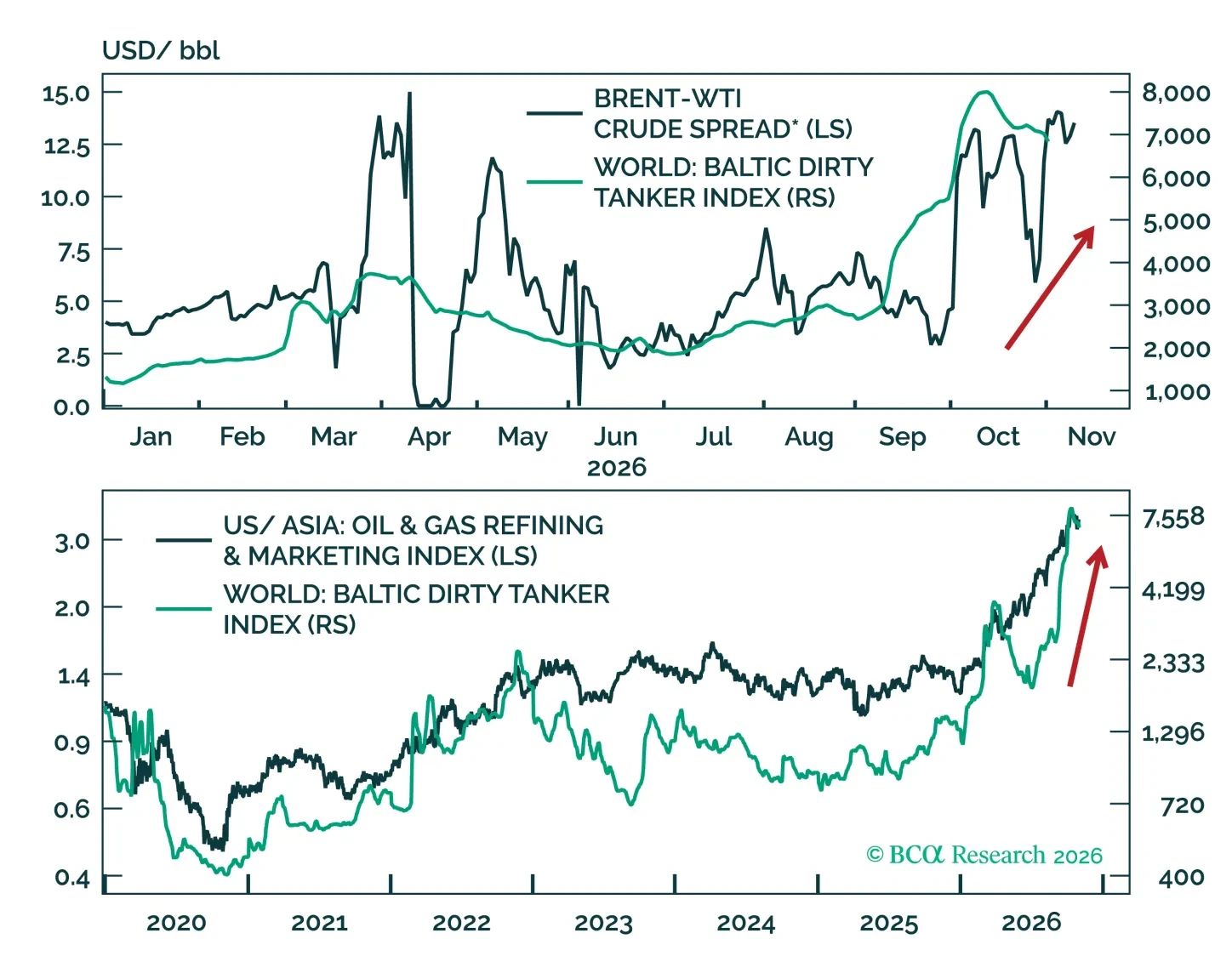
Commodities have diverged sharply in recent months. We explain why energy prices are likely to stay elevated after the US midterms, why gold’s slide should prove limited, and how we are positioning for the months ahead.
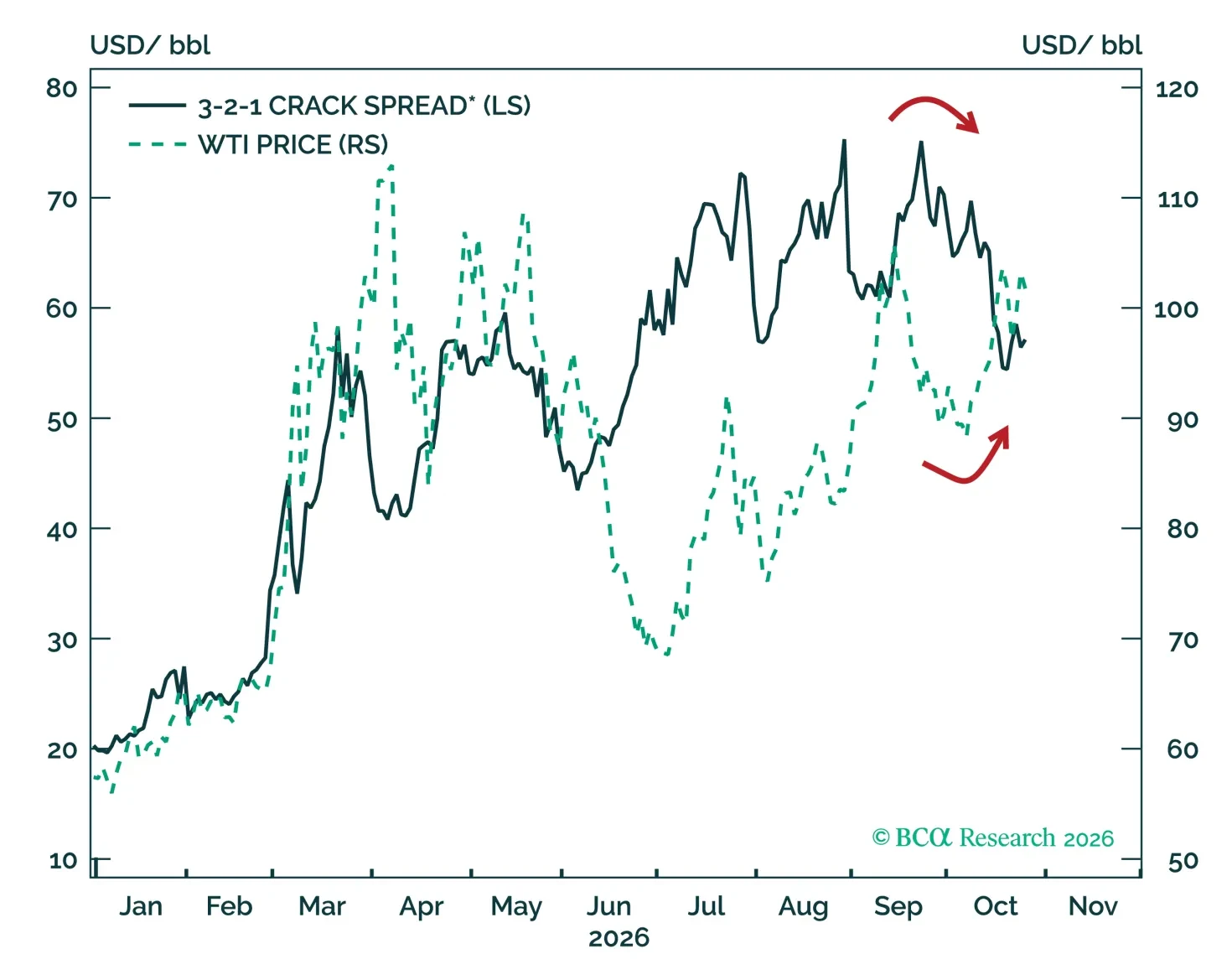
Crude has led the latest rally, leaving refined product prices behind and crack spreads narrower. We explain why the spread compression is unlikely to continue and why product prices will follow crude.
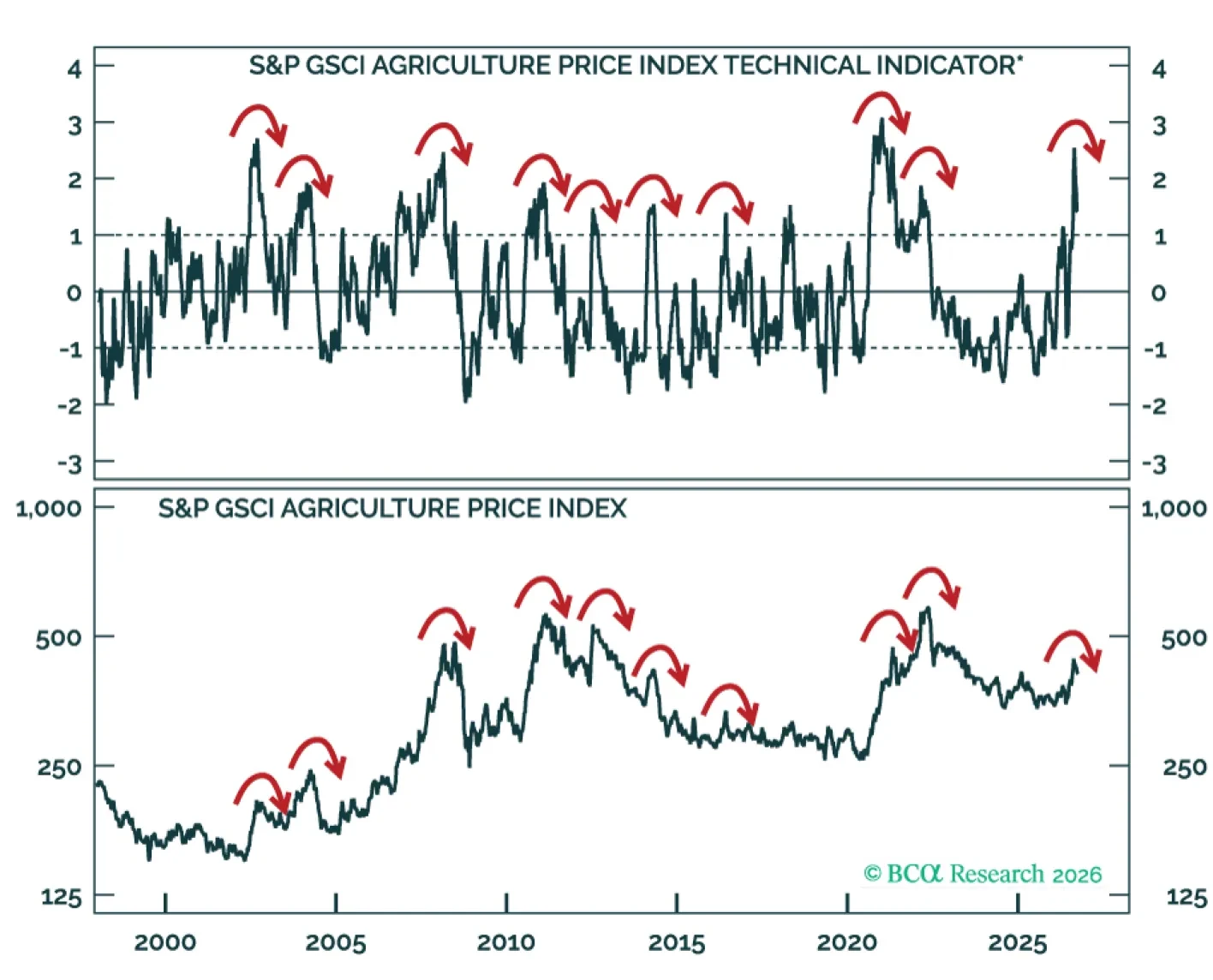
Ags have tumbled from overbought highs, and further near-term weakness is likely. But a “super” El Niño and an ongoing energy shock are setting the stage for the next rally.
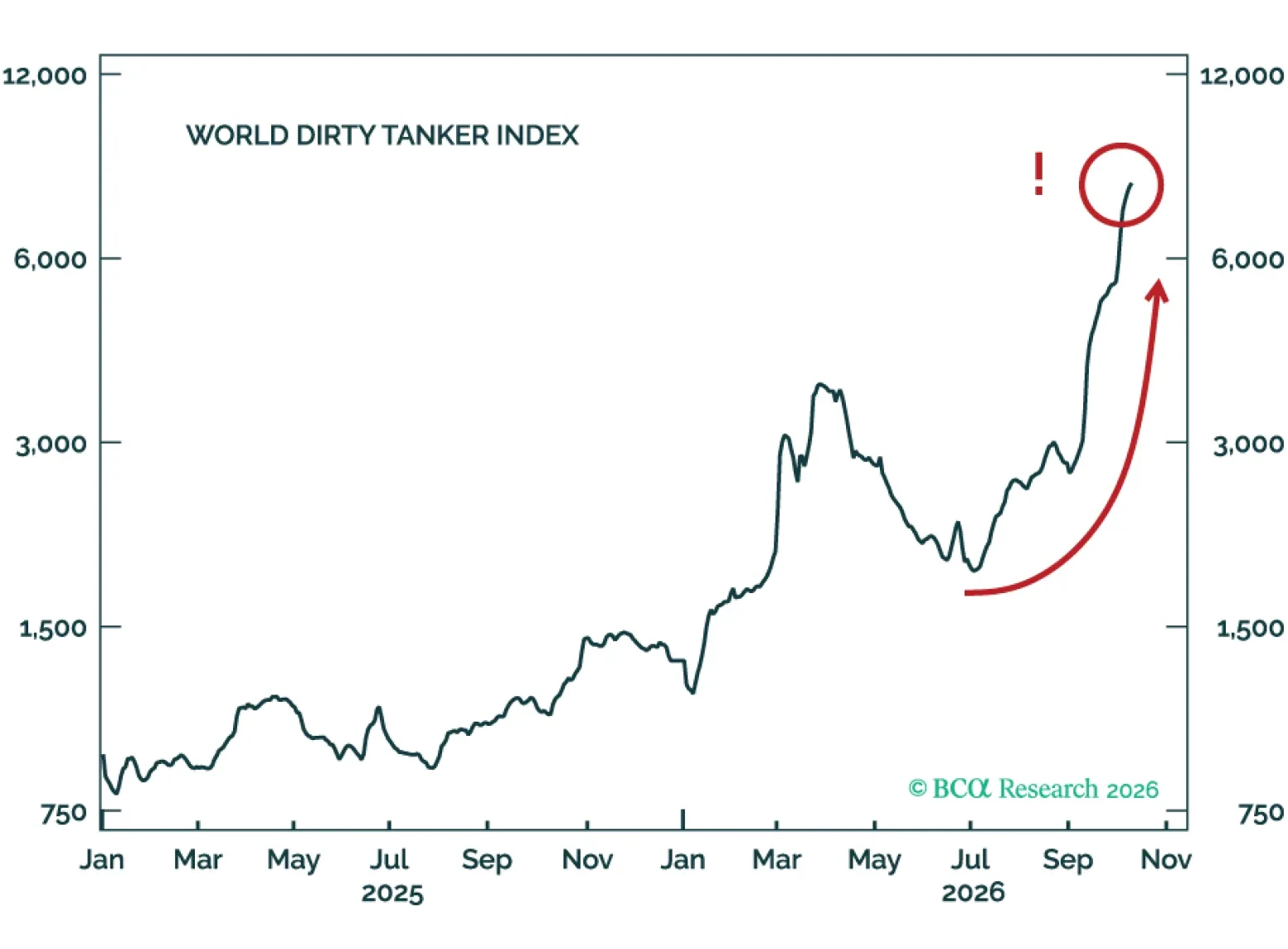
Middle Eastern crude exports are back at pre-war levels, yet Brent remains above $100/bbl. We explain why more barrels haven’t meant lower prices, and why policymakers have no clean fix. Even if Putin follows through on his reported agreement to release Russian diesel supplies into global markets, it is unlikely to meaningfully ease the fuel's supply disruption over the near term.
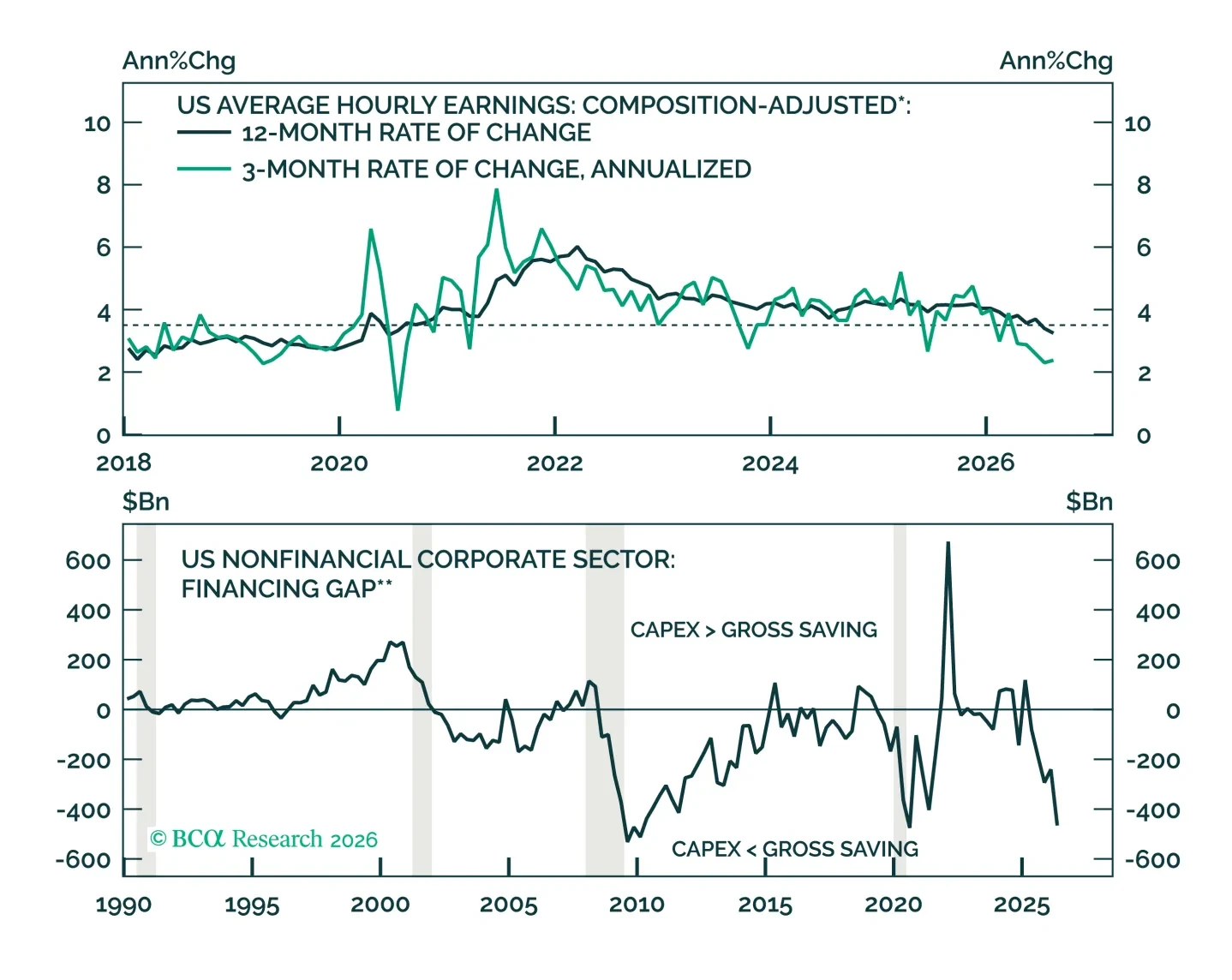
Politics, wars, a global tightening cycle, doubts over AI capex: the wall of worry keeps rising. But the spark that would topple risk assets is missing. Our Q4 FICC outlook explains why to stay long risk, and where the danger lies.
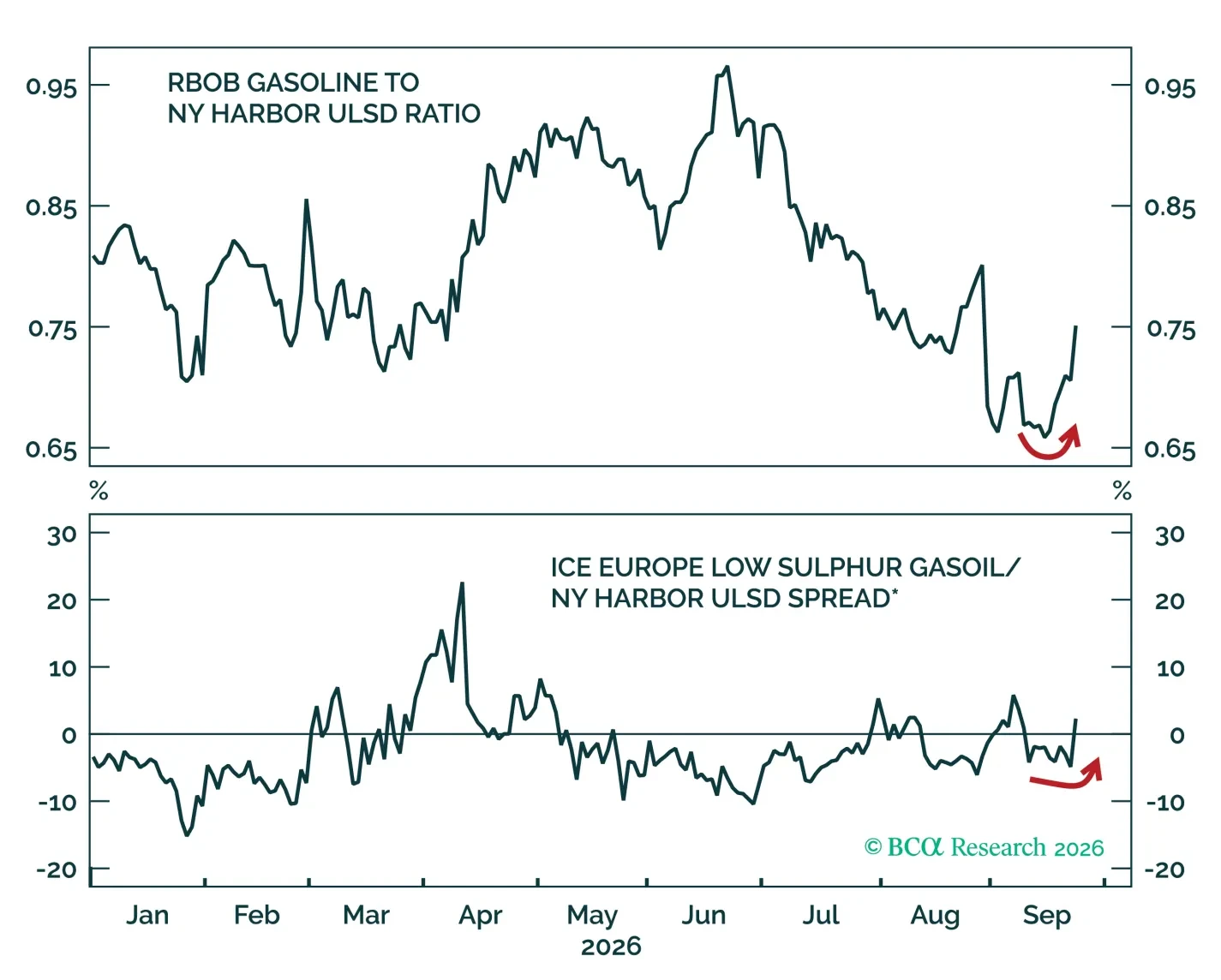
Record diesel prices and mounting political pressure make some form of US export restriction likely. But it wouldn't be a clean solution. We reveal why relief would be fleeting, who would pay the price, and how to trade it.
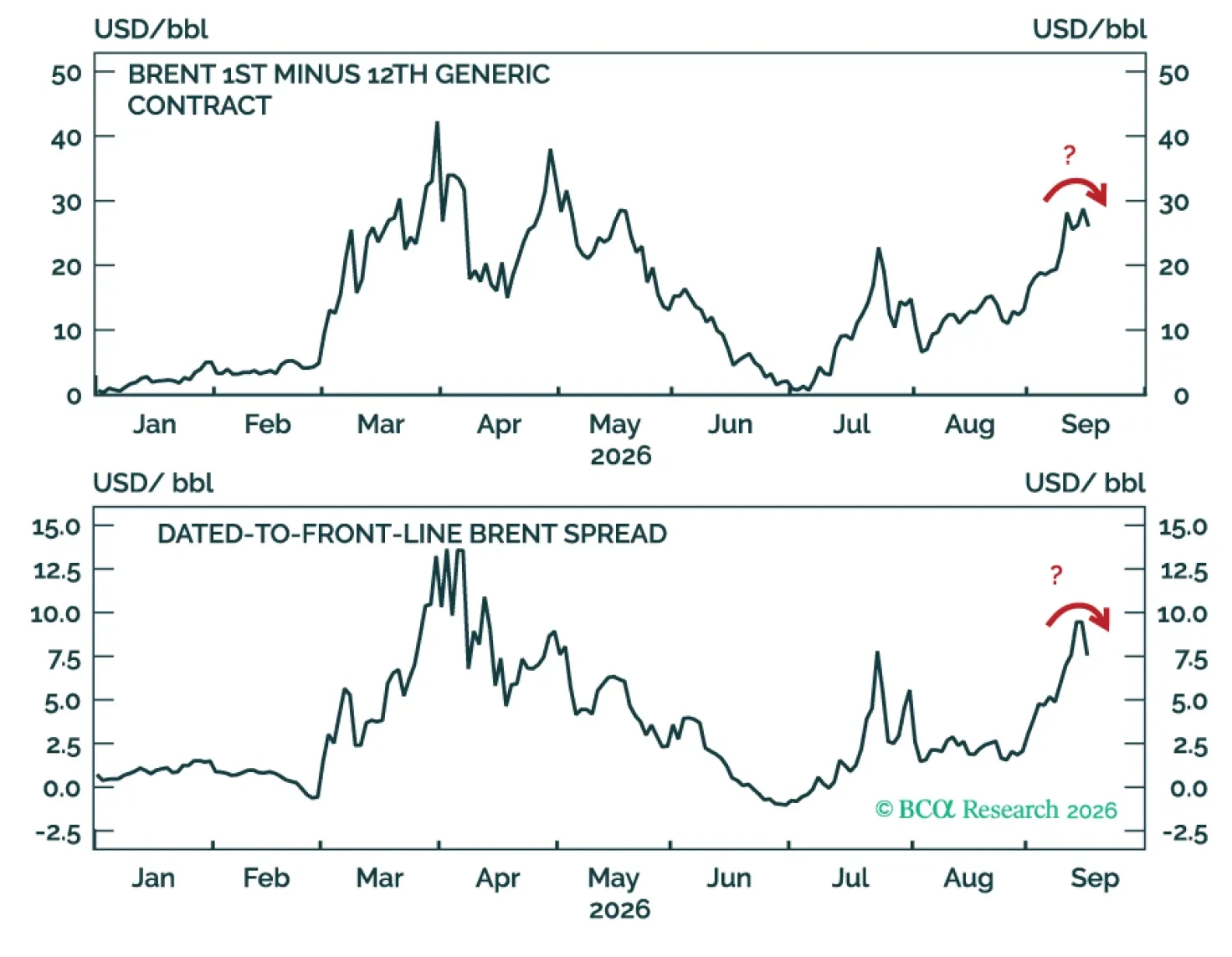
Recent oil market developments expose the limits of the adjustment mechanisms that have cushioned the global market since the Hormuz closure began. Fortunately, Hormuz dark transits have become the dominant shock absorber in recent months, and rising flows should help mitigate the latest supply disruption going forward.
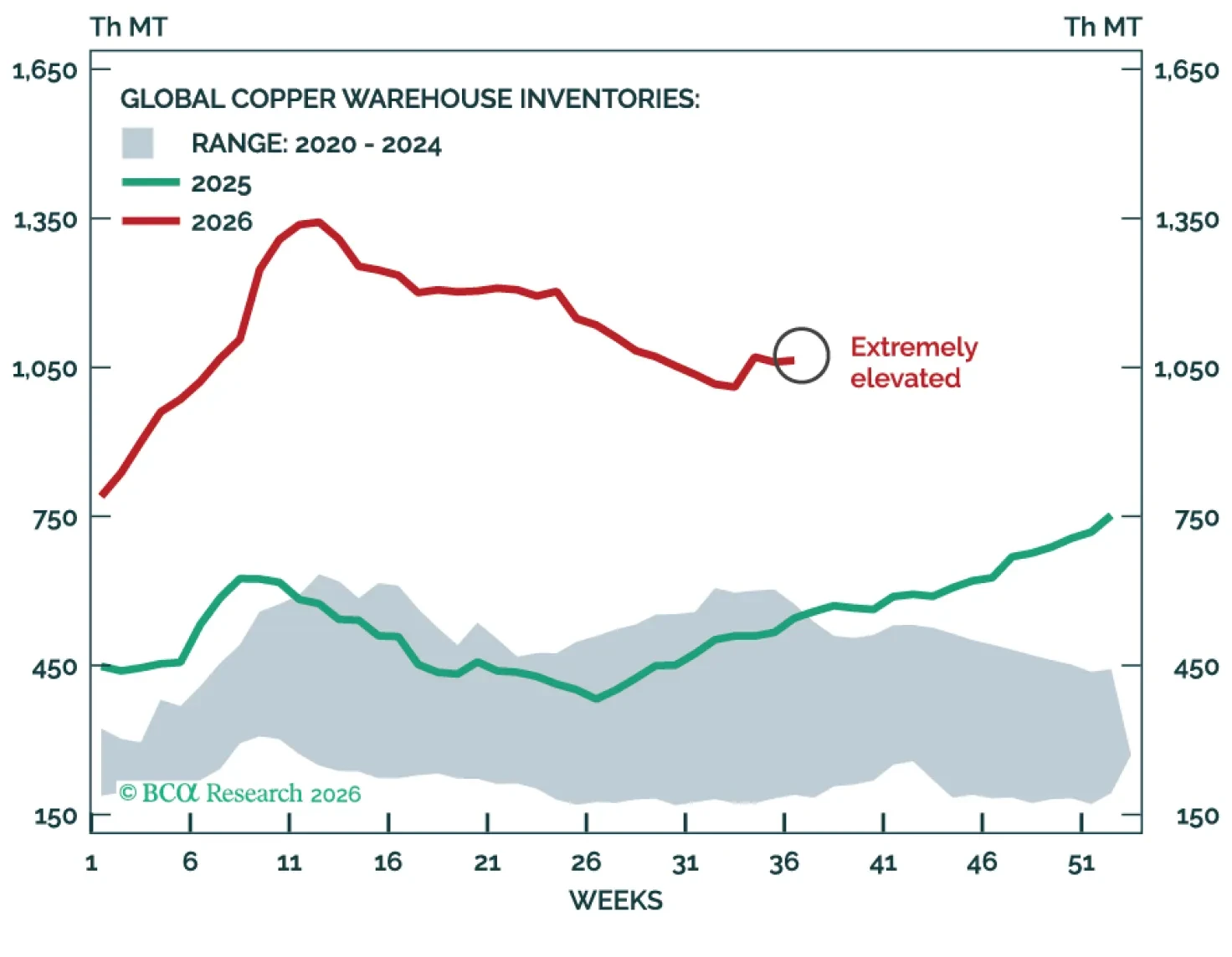
Thursday's sharp pullback in the COMEX copper price from an all-time high underscores a key risk to the red metal's resilience. An eventual resolution of US copper tariff uncertainty would likely trigger a price relapse. That drawdown, however, would offer an attractive opportunity to increase structural exposure to the metal.
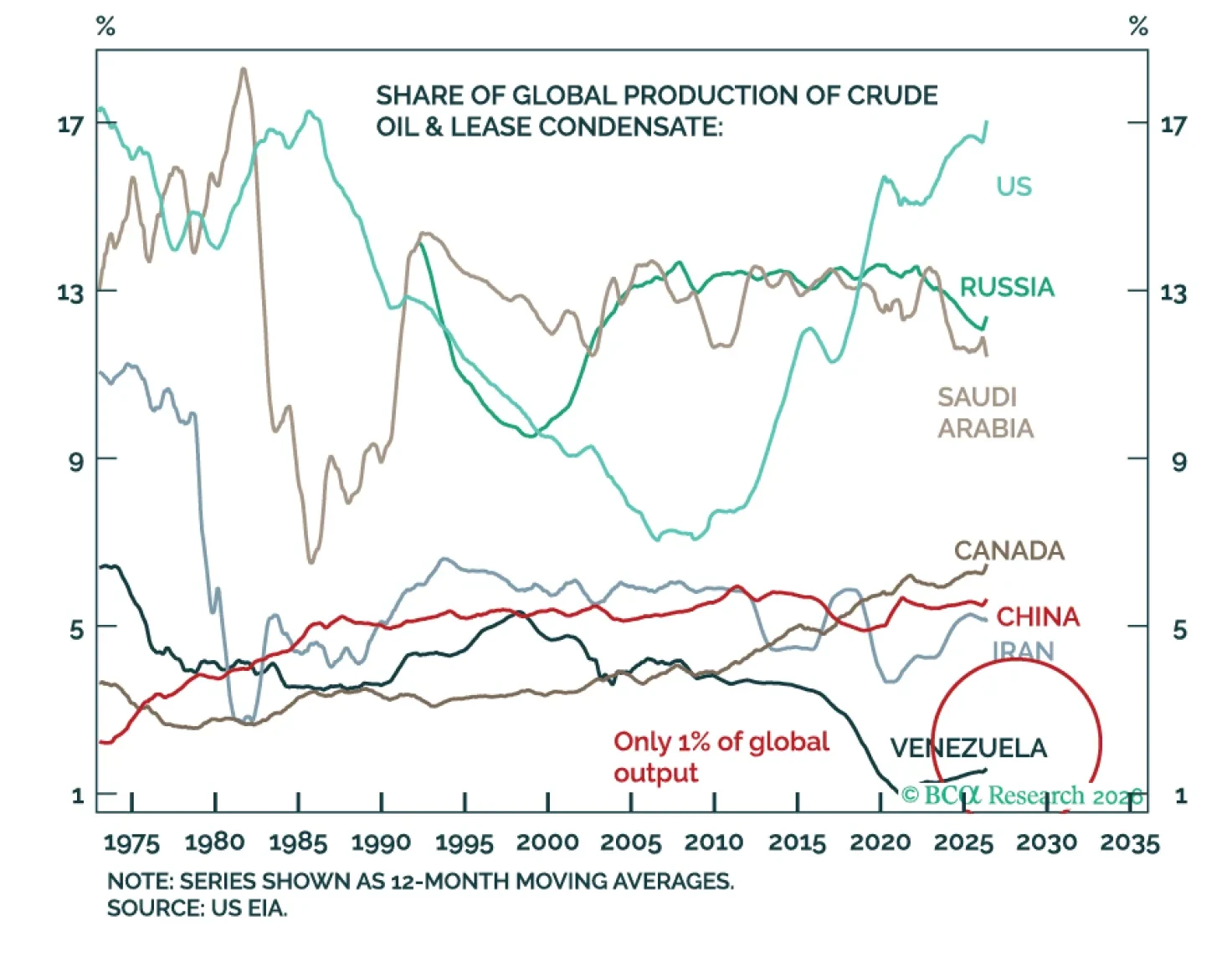
President Trump referred to the US-Venezuela agreement as the “biggest oil deal in world history.” However, oil production growth constraints limit its near-term impact on global crude markets. Instead, Middle East developments will continue to dominate oil’s trajectory over the coming months.
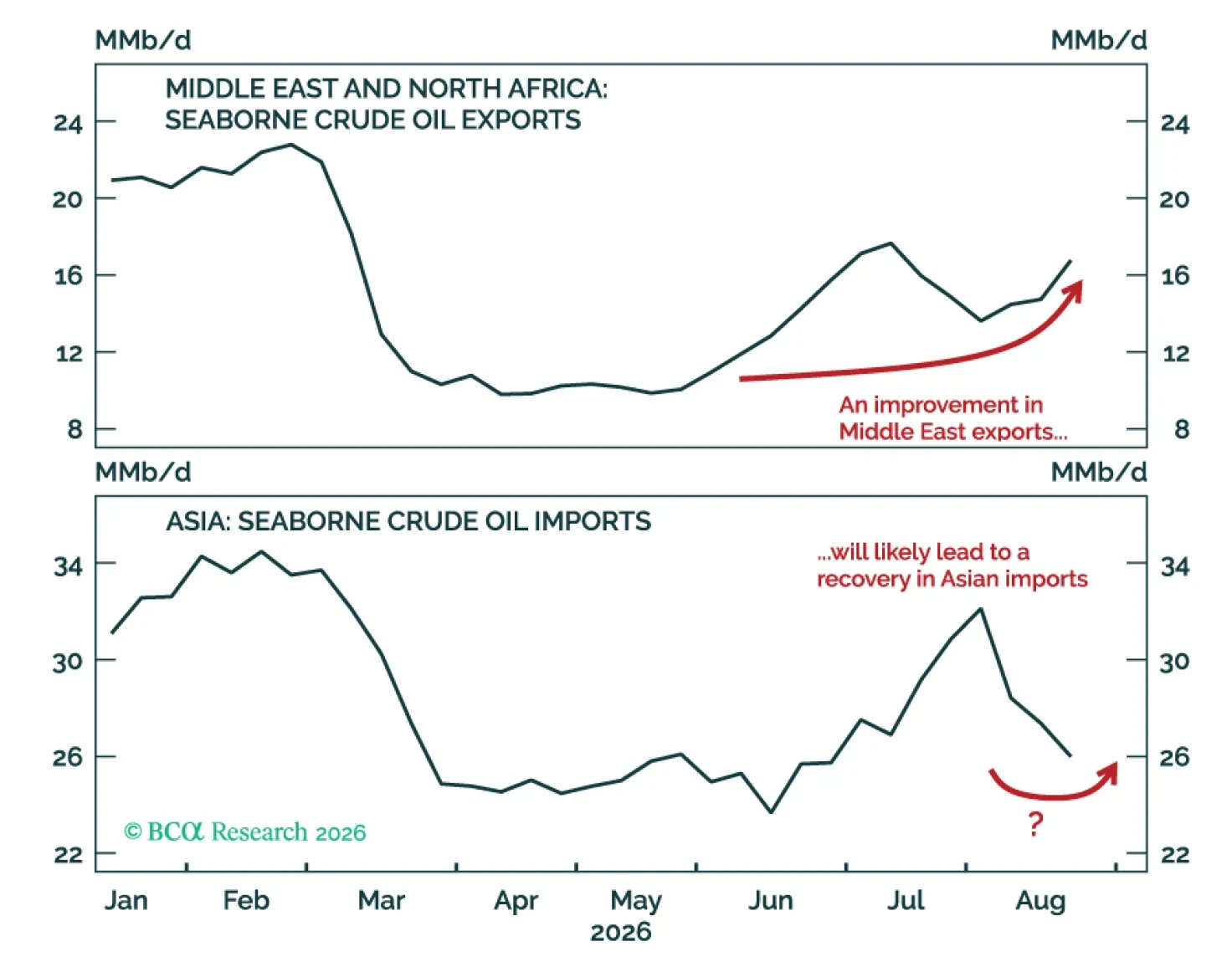
The wide crack spread reflects a bifurcated oil market. The severity of the crude oil disruption has recently softened, while the US-Iran and Ukraine-Russia conflicts have created a perfect storm for refined product markets. Going forward, even though conditions are not yet in place for the crack spread to return to its pre-conflict level, it is likely to narrow over the coming months.