 GeoMacro
A blend of geopolitics and macro, synthesizing the new and old macro to generate alpha and identify the beta through probability-weighted market views.
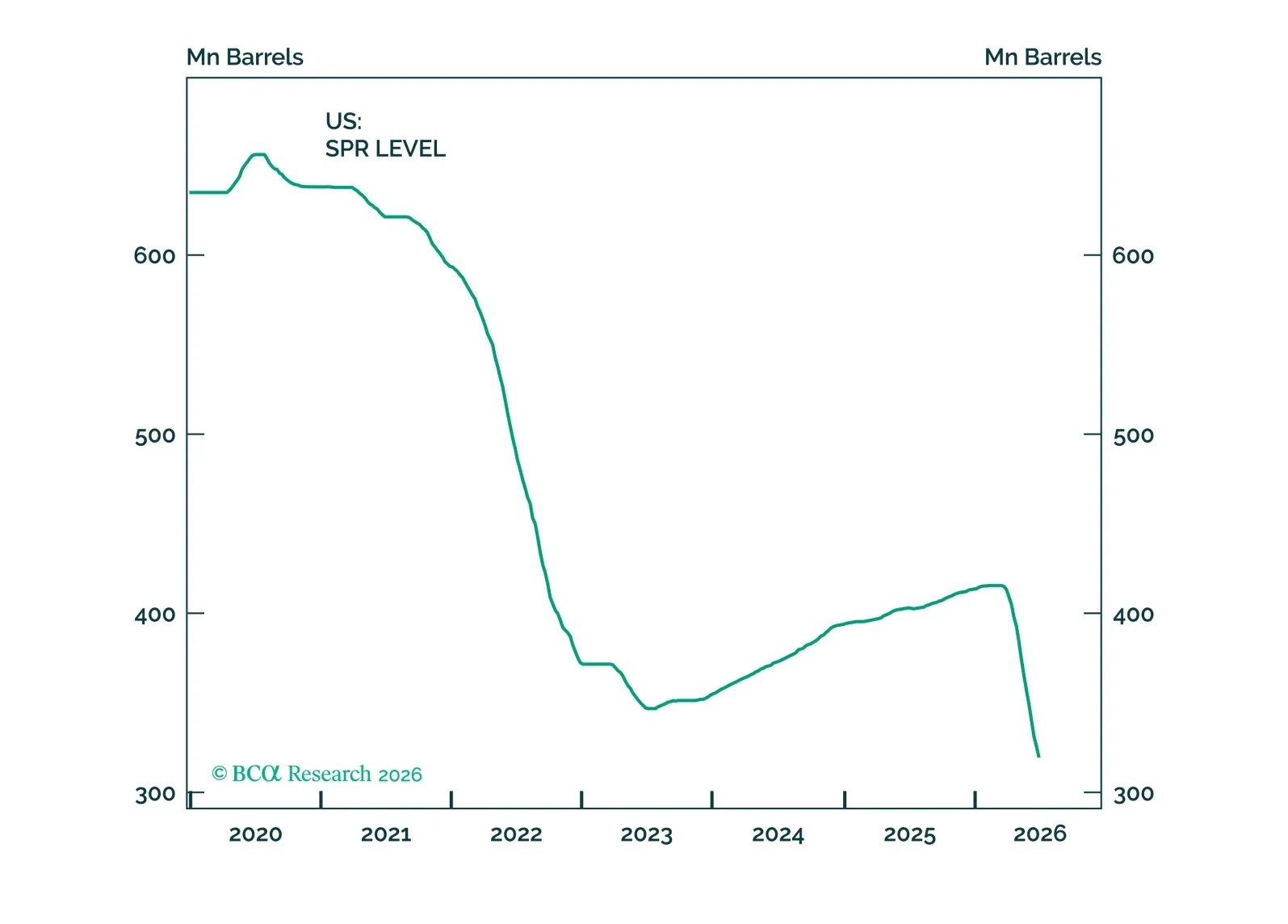
Just as we declared that geopolitical risk has peaked for the year – in yesterday’s Alpha report – President Trump has declared the ceasefire with Iran over after repeated violations via strikes against three tankers in the Strait of Hormuz. That is the life of an investment strategist. But the underlying dynamics continue to play out as we’ve described.
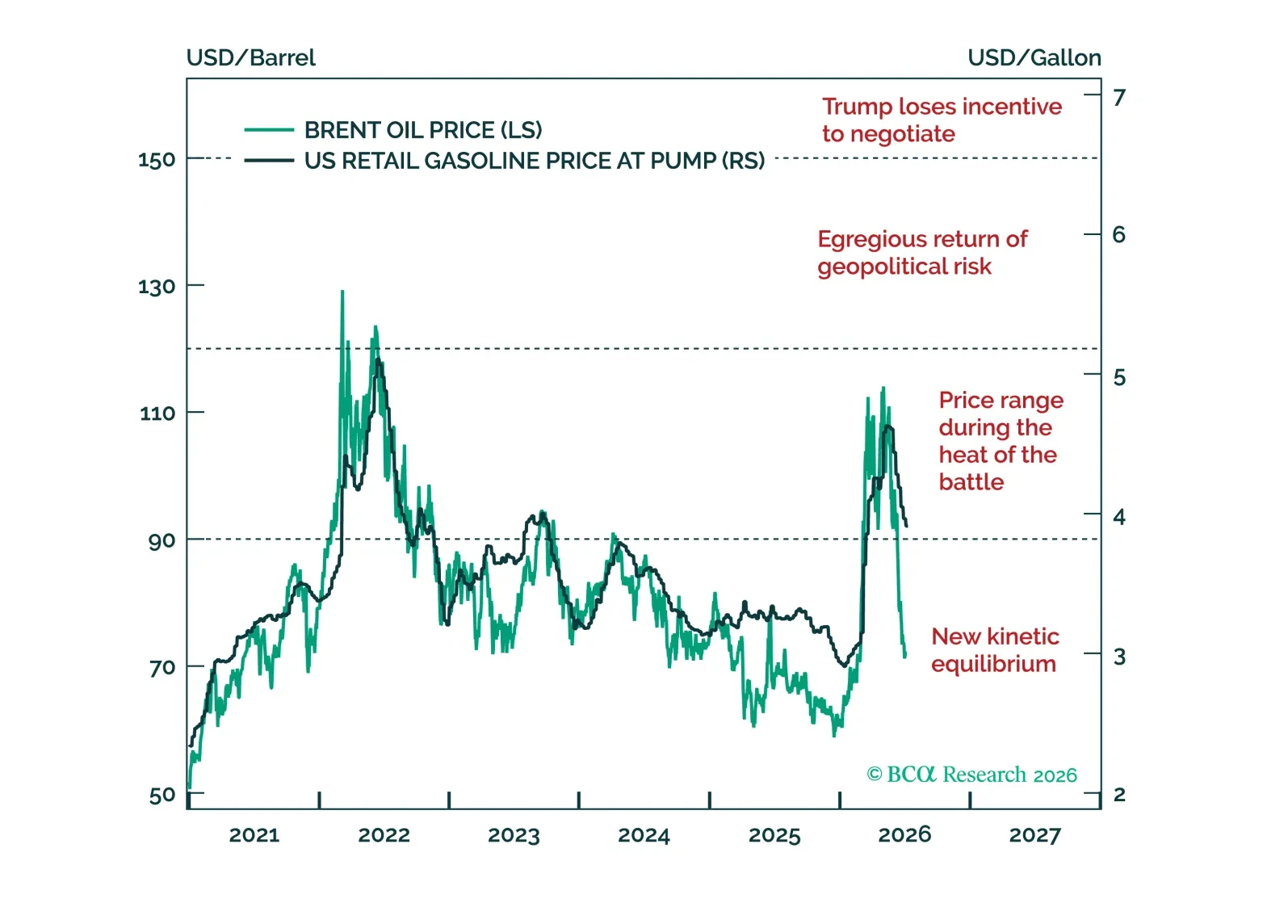
We remain bullish on risk assets given that the Hormuz war has resolved itself and oil prices have declined by even more than we expected. In addition, the macro fundamentals are not flashing any red signs. That said, we remain skeptical that the AI revolution will continue without any hiccups. In fact, a price war may ensue once all the players realize they’re in the commodity – not tech – space.
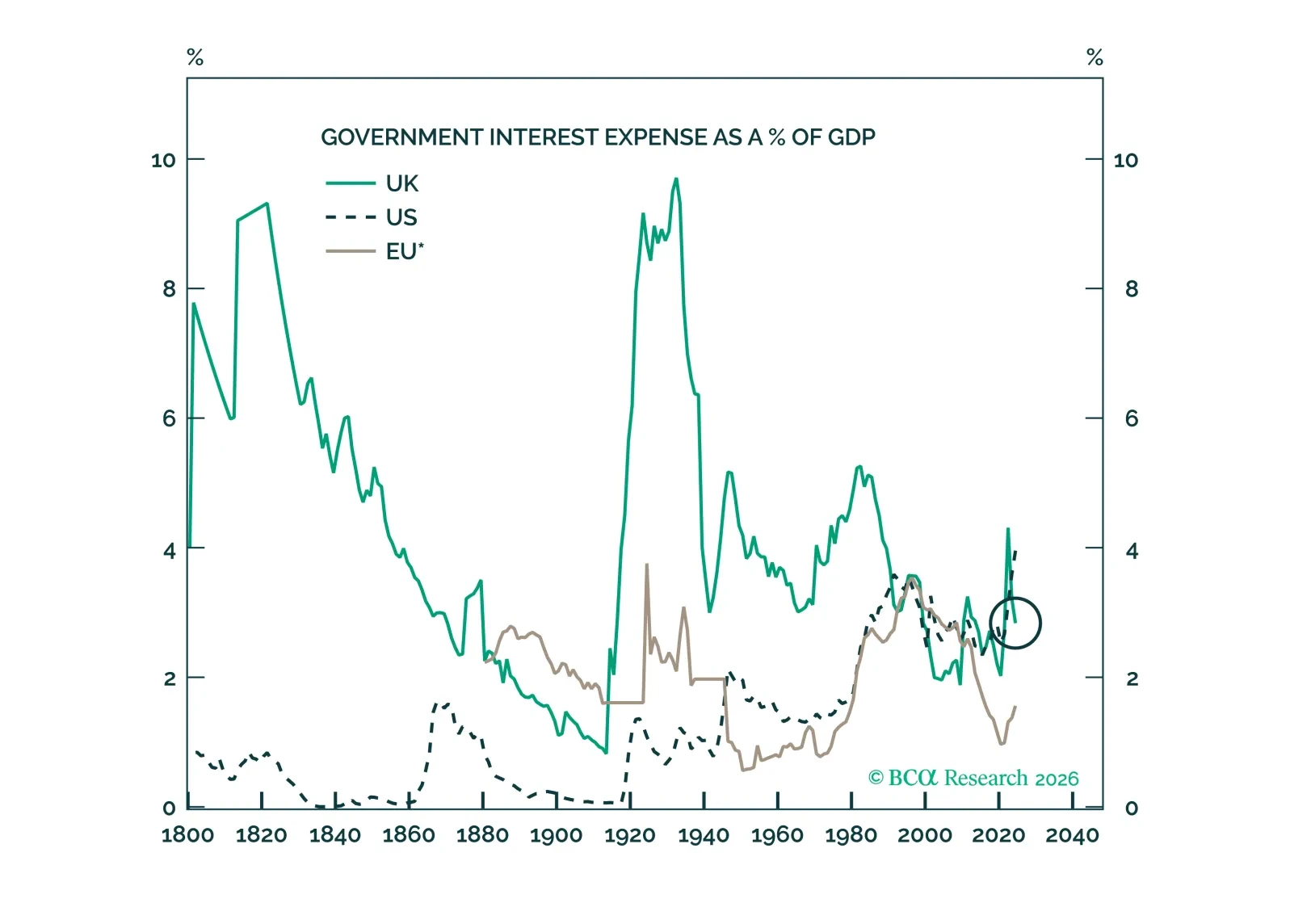
Stay overweight gilts despite renewed political turmoil in the UK.
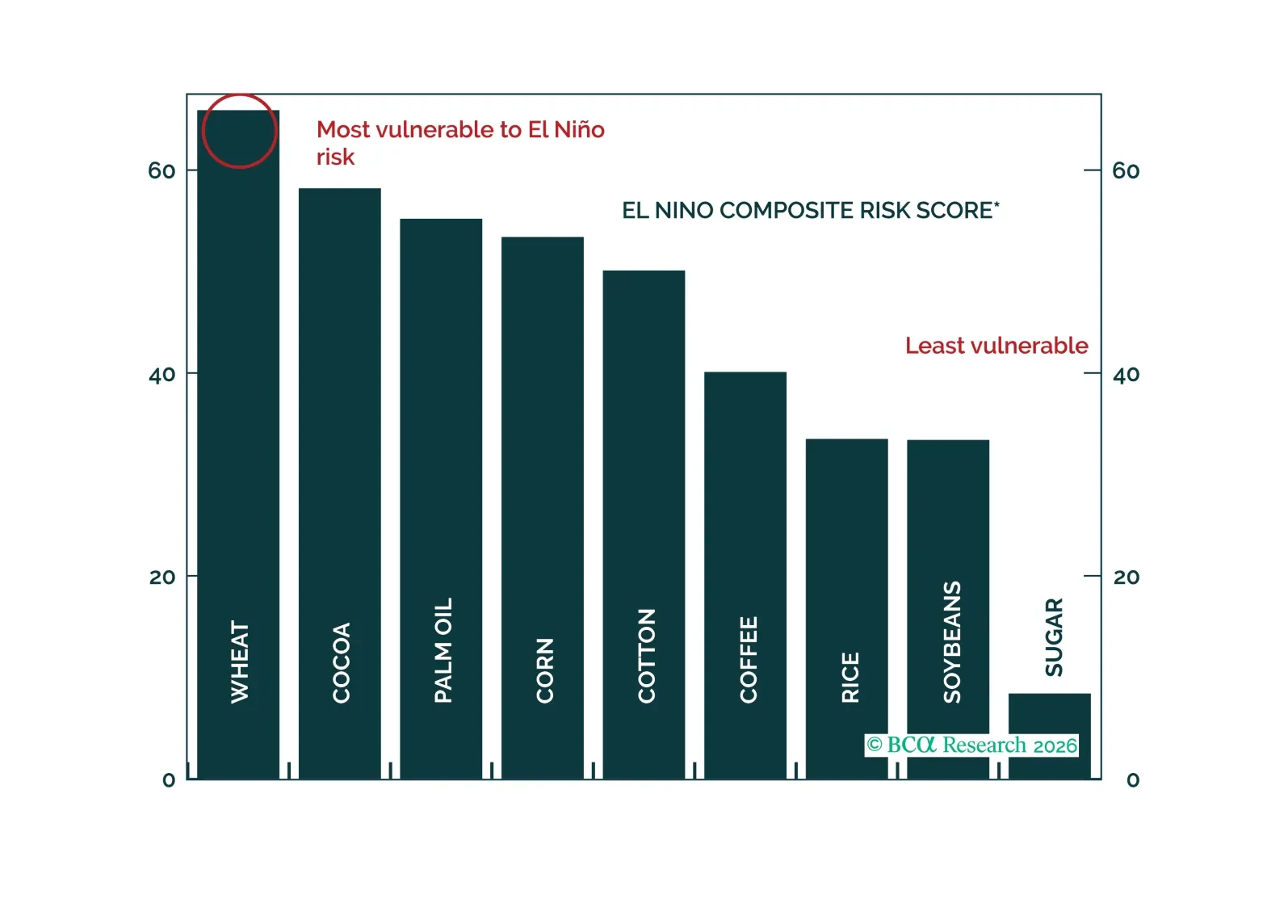
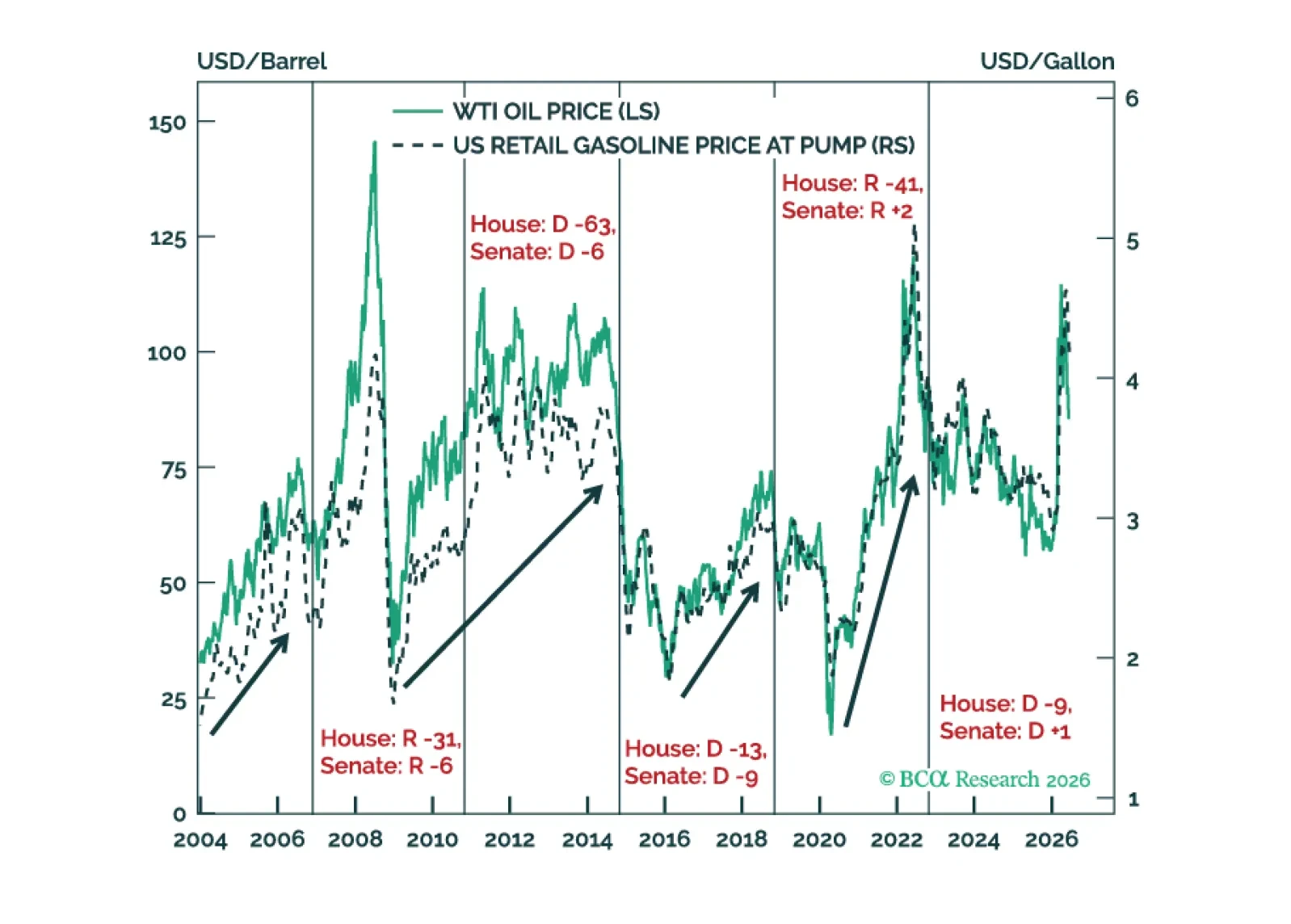
The US-Iran deal offers temporary relief from oil supply risk, but both Hormuz and trade tensions could revive in 2027.
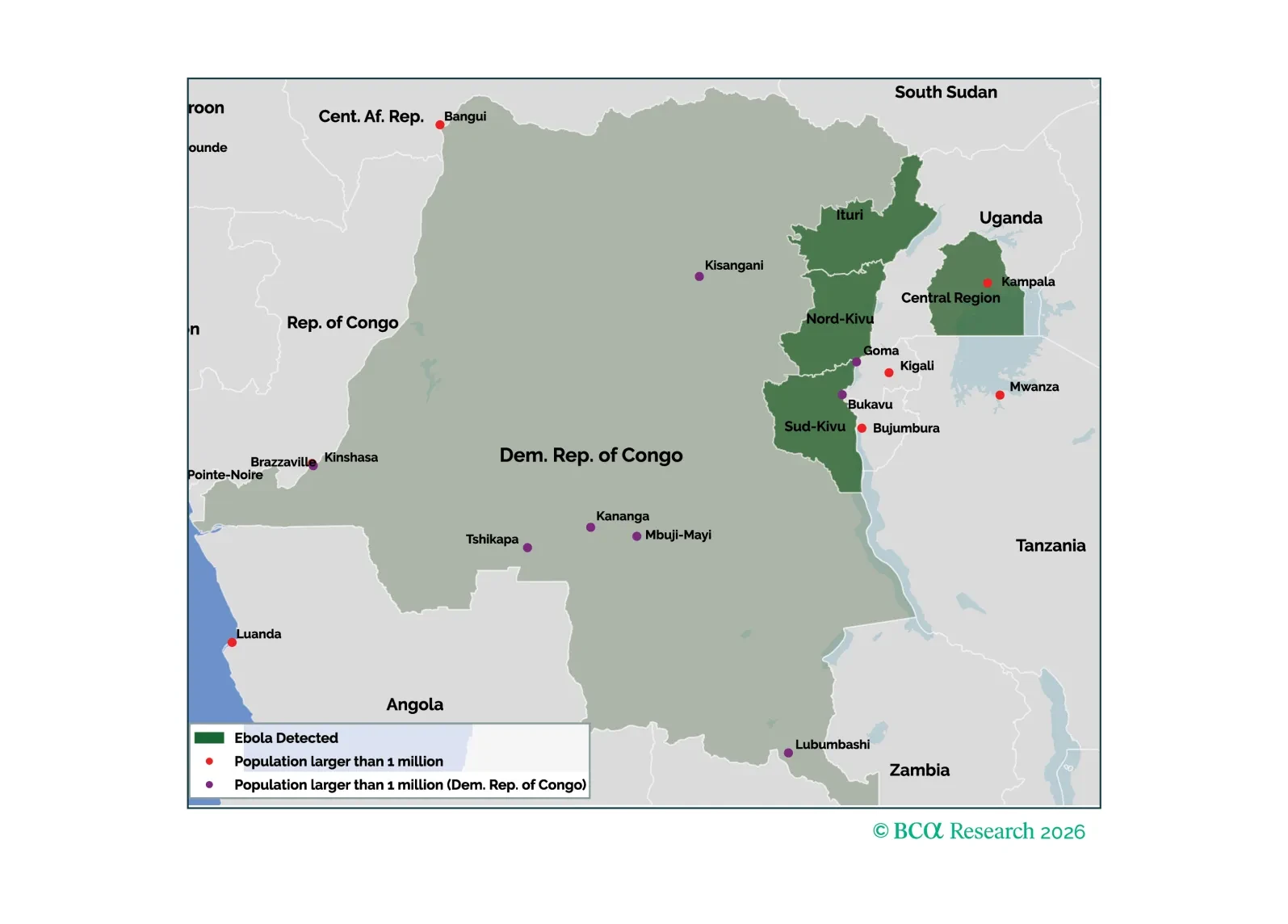
Ebola remains one of the world's deadliest viral diseases, but it is far less transmissible than COVID-19 or influenza. The most likely outcome remains containment rather than a global pandemic.
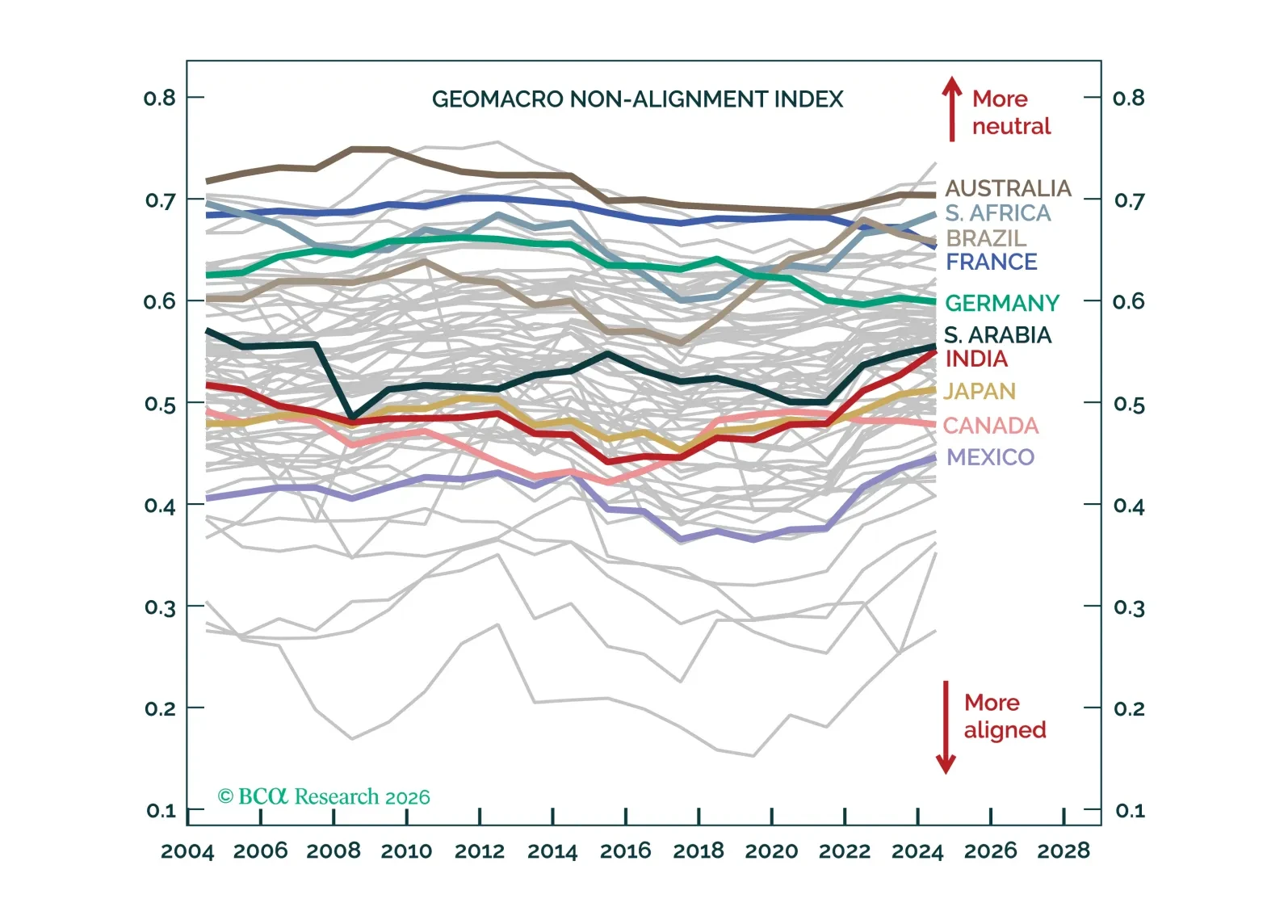
We have long argued, on a case-by-case basis, that countries willing to play the superpowers against each other win in a multipolar world. The logic is intuitive, and in this report, we measure it systematically.
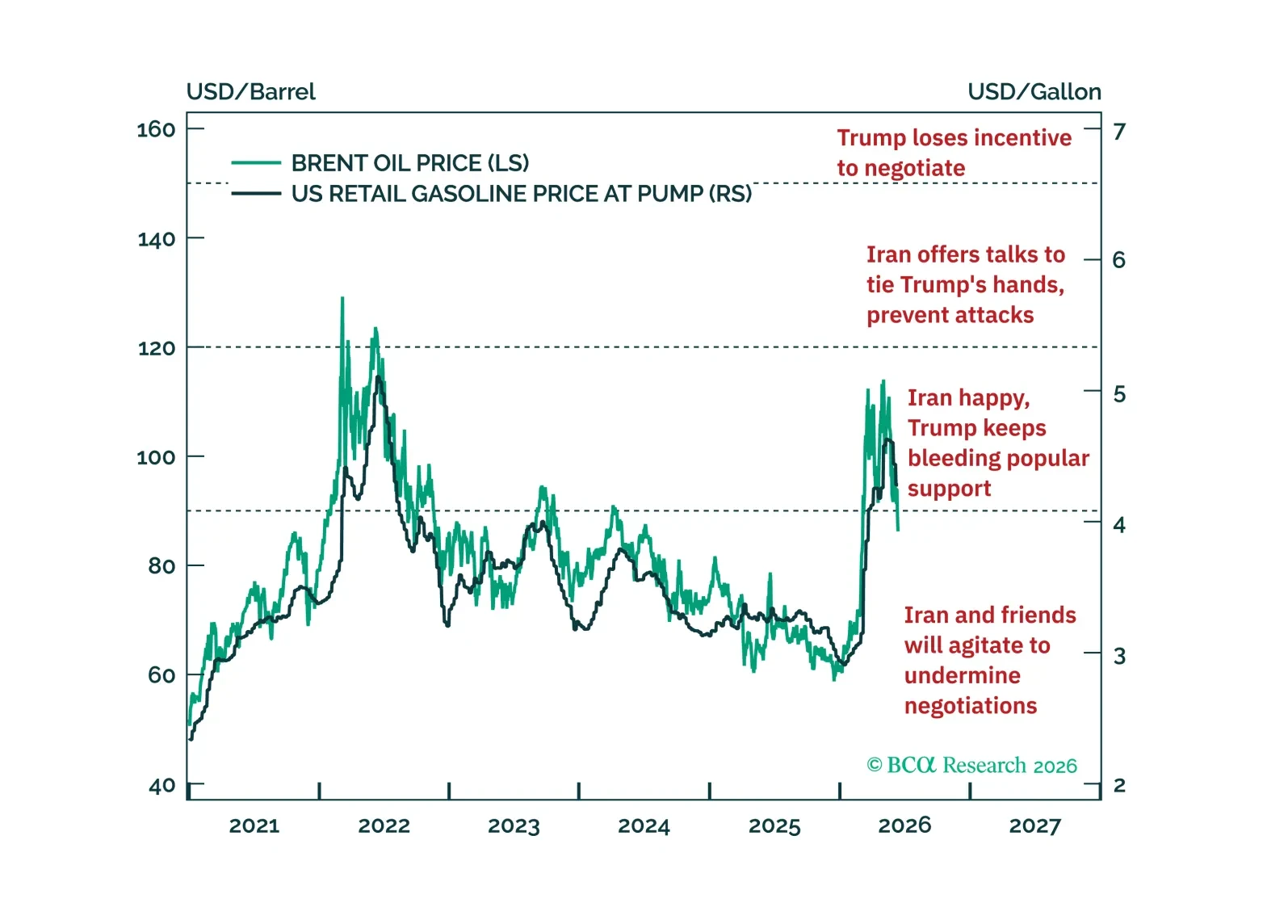
The US-Iran deal is a marginal improvement in global commodity supply risk, but we still give a 60% chance of renewed fighting later this year or in 2027.
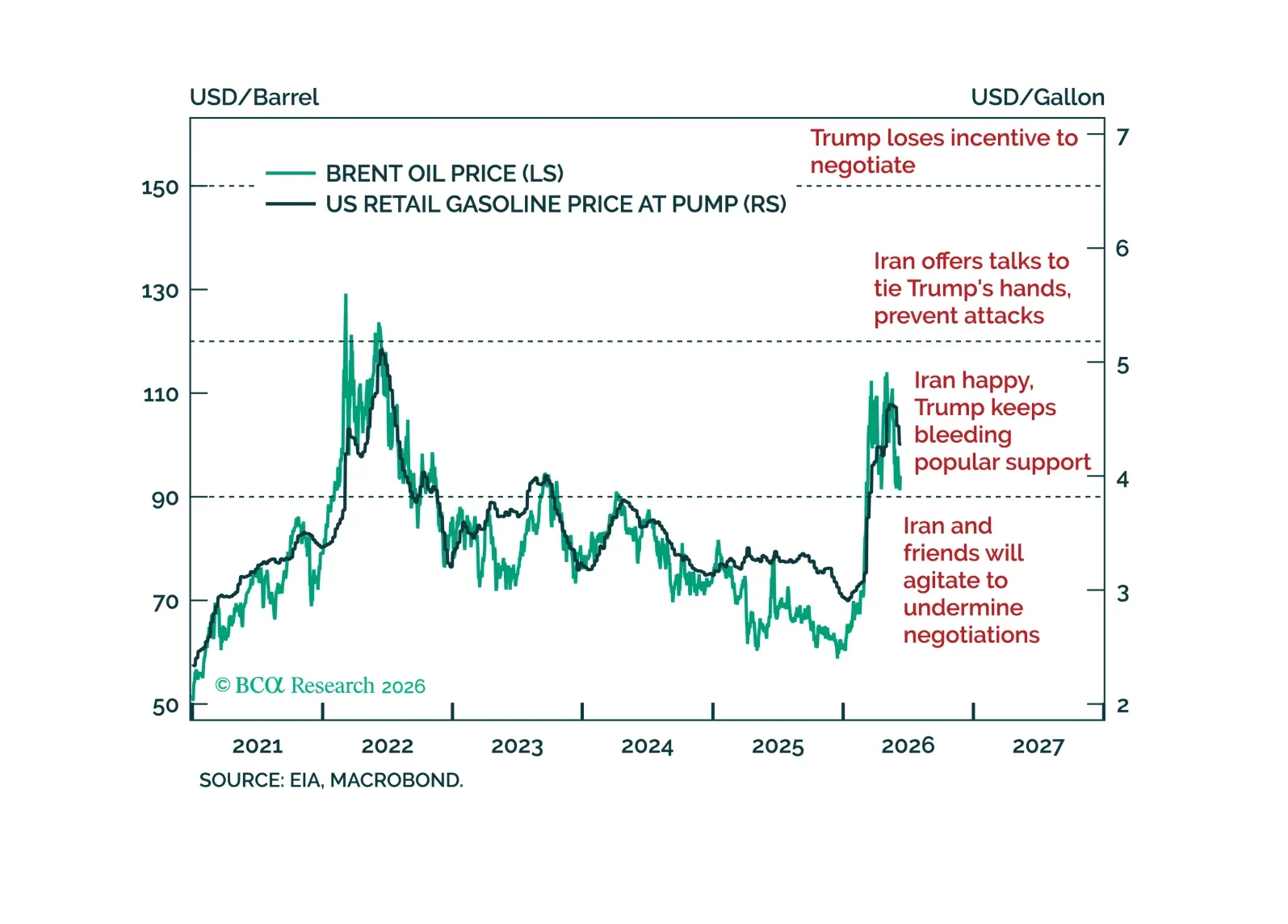
Tensions between Iran, the US, and Israel have reached their highest point since mid-March – or at least since the ceasefire announcement on April 8 – this week. President Trump responded to the downing of an AH-64 Apache helicopter with air strikes on Iran on June 9. Subsequently, Iran and Israel exchanged fire for the first time since the ceasefire. The latest statements from President Trump are increasingly escalatory. Claiming that the US would renew attacks on Iran and that the invasion of Kharg Island – where Iran’s energy infrastructure sits – is back on the menu of options.