 GeoMacro
A blend of geopolitics and macro, synthesizing the new and old macro to generate alpha and identify the beta through probability-weighted market views.
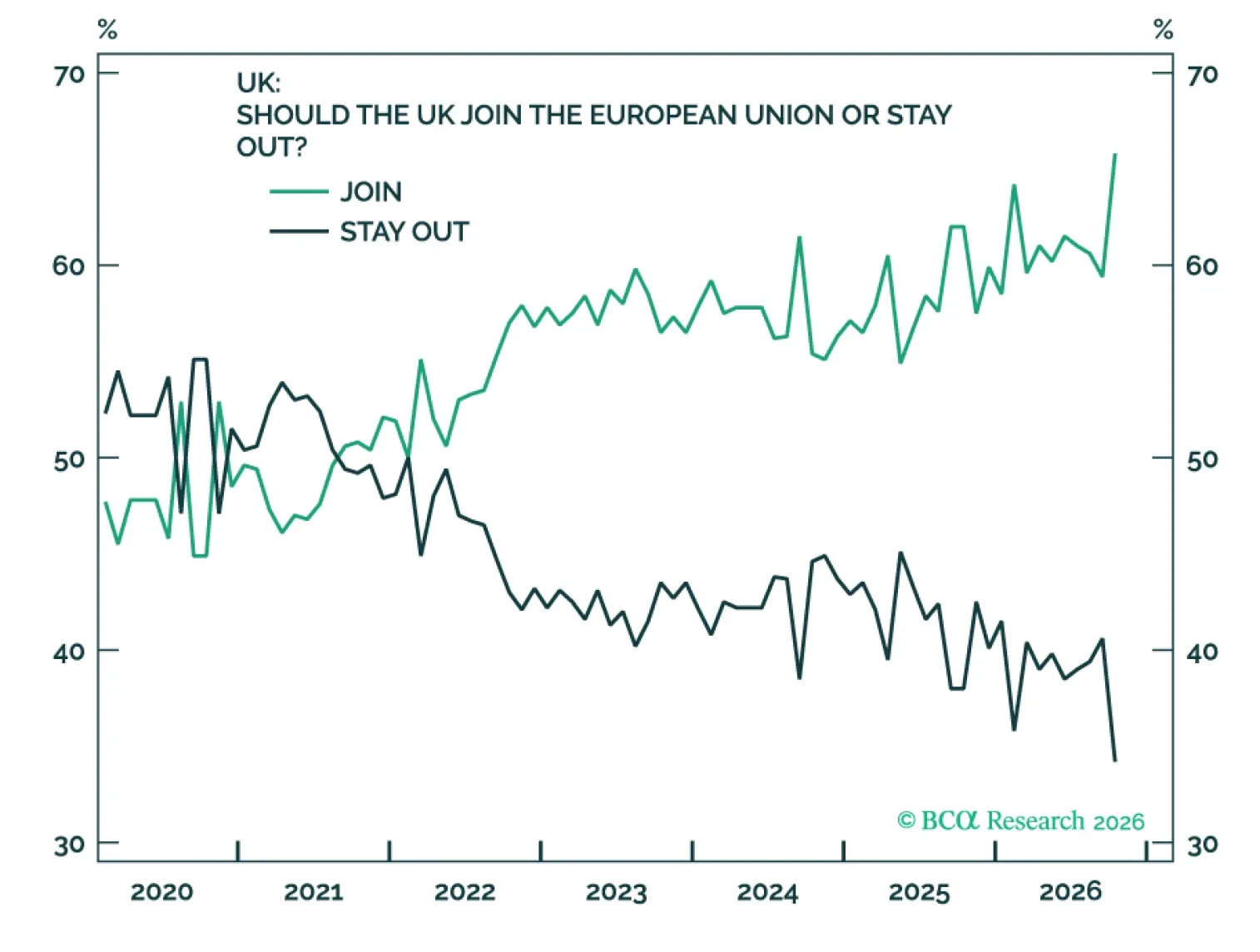
The UK faces many challenges but secessionism can be contained.
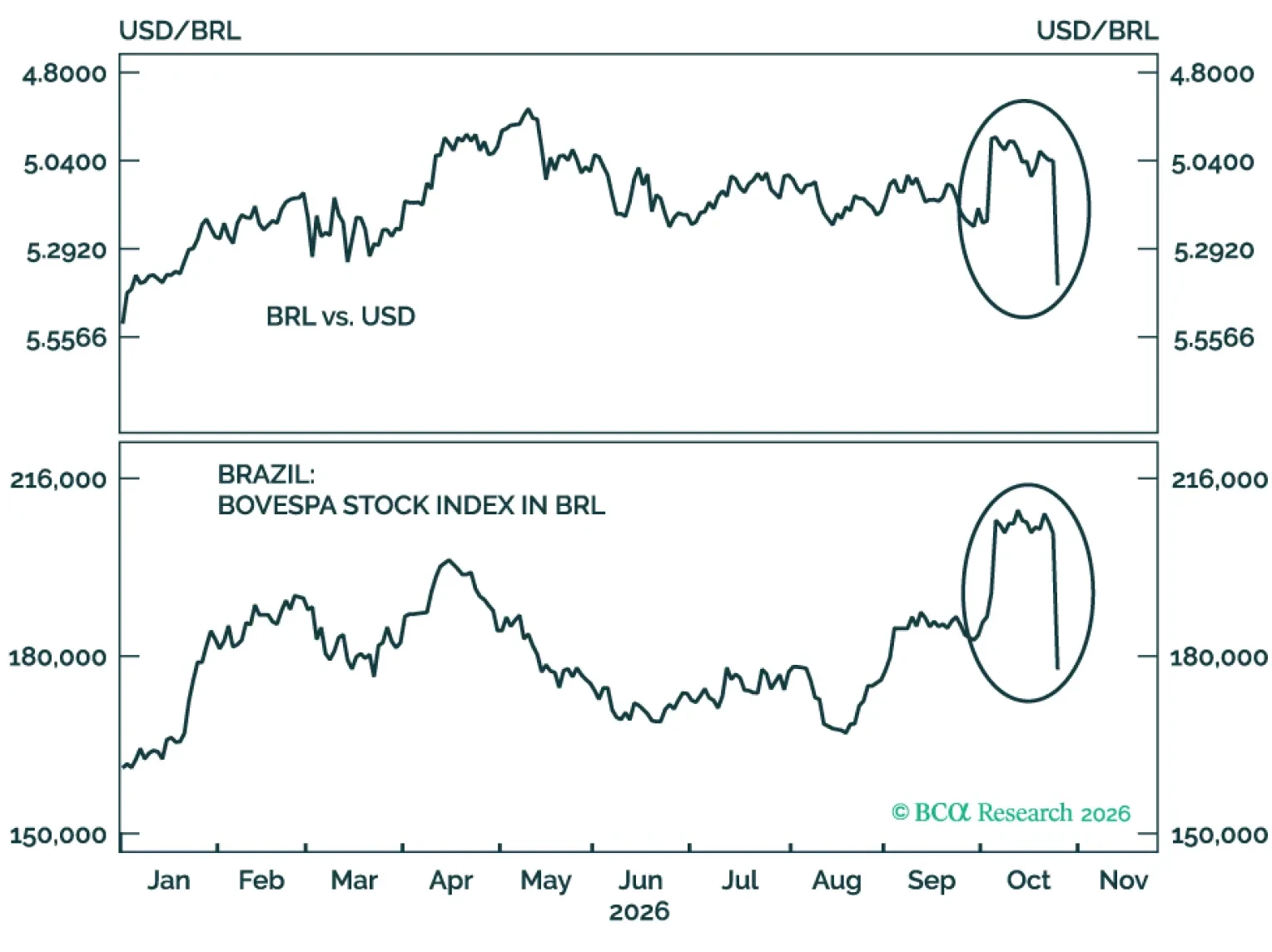
Brazil’s elections have turned into a game of roulette for investors. Bulls and bears were each wrong-footed between the first and second rounds of elections. We are downgrading Brazilian equities, local bonds, and sovereign credit to underweight within their respective EM portfolios.
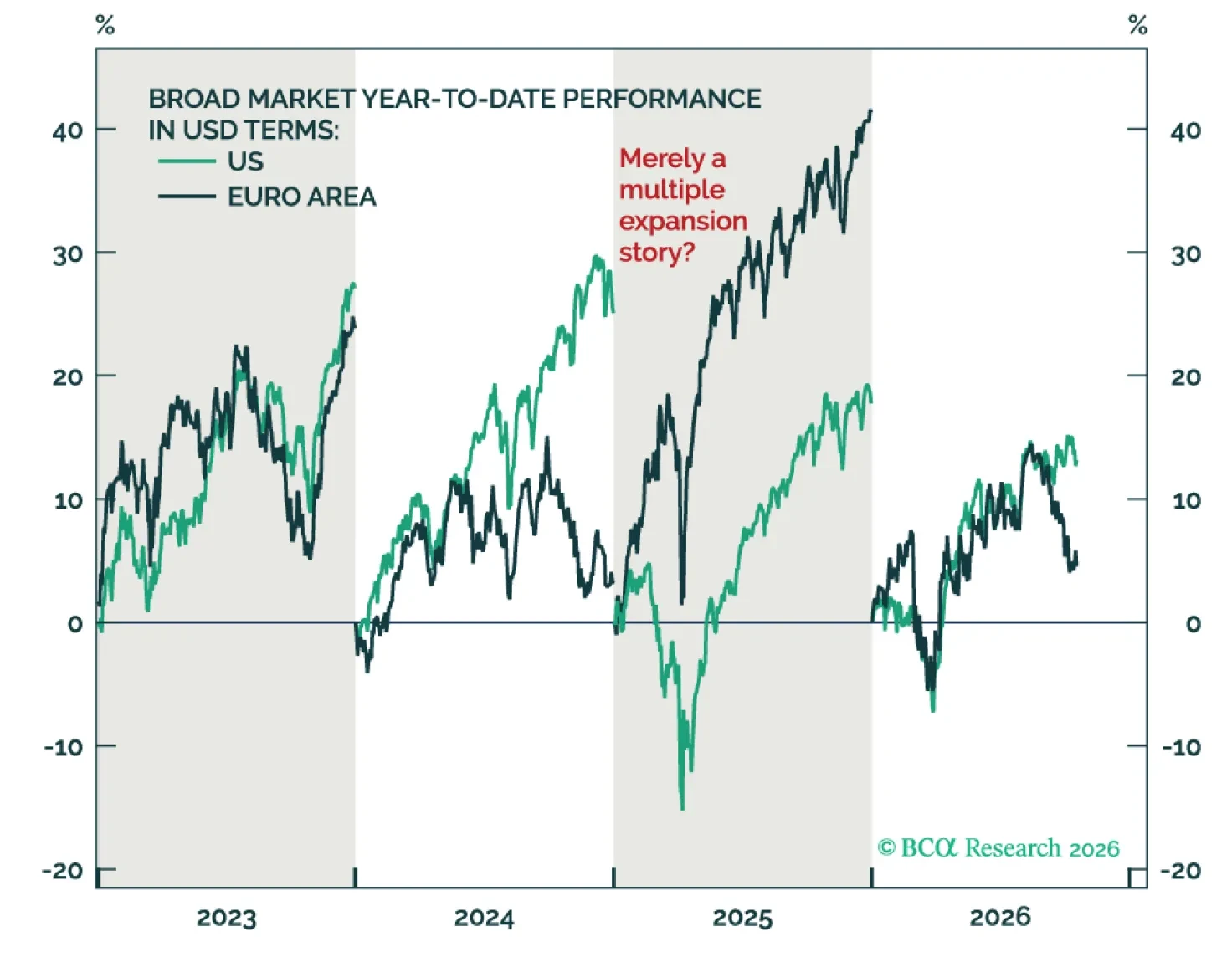
Europe has 99 problems, but the paucity of bearish views about the Old Continent is not one of them! And yet, somewhat shockingly, European assets have outperformed US assets over the past two years. Sure, markets make mistakes. But the macro graveyards are littered with investors who thought they were smarter than the markets. In this report, we suggest that Europe is on a cusp of significant structural reforms that will unlock value in its services sector. And that while many of the challenges are real, they’re either well understood or priced in.
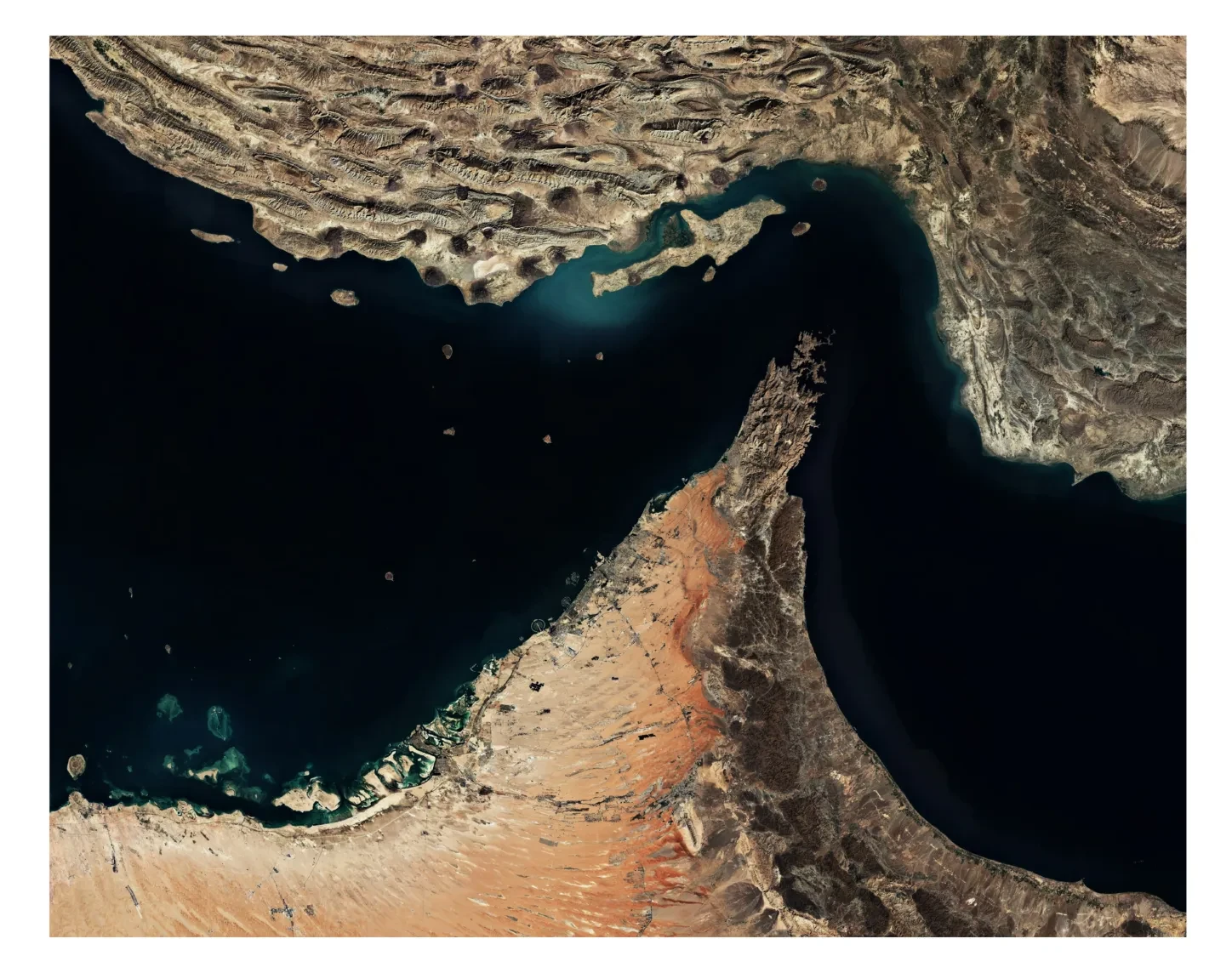
Iran is effectively trying to create an “October surprise,” an adage that refers to a pre-election crisis that alters the trajectory of polling and the eventual outcome. It is likely to be successful, with oil prices likely to face upward momentum from here. The intention would be to ensure that oil prices do not see any significant decline from now until November 3.
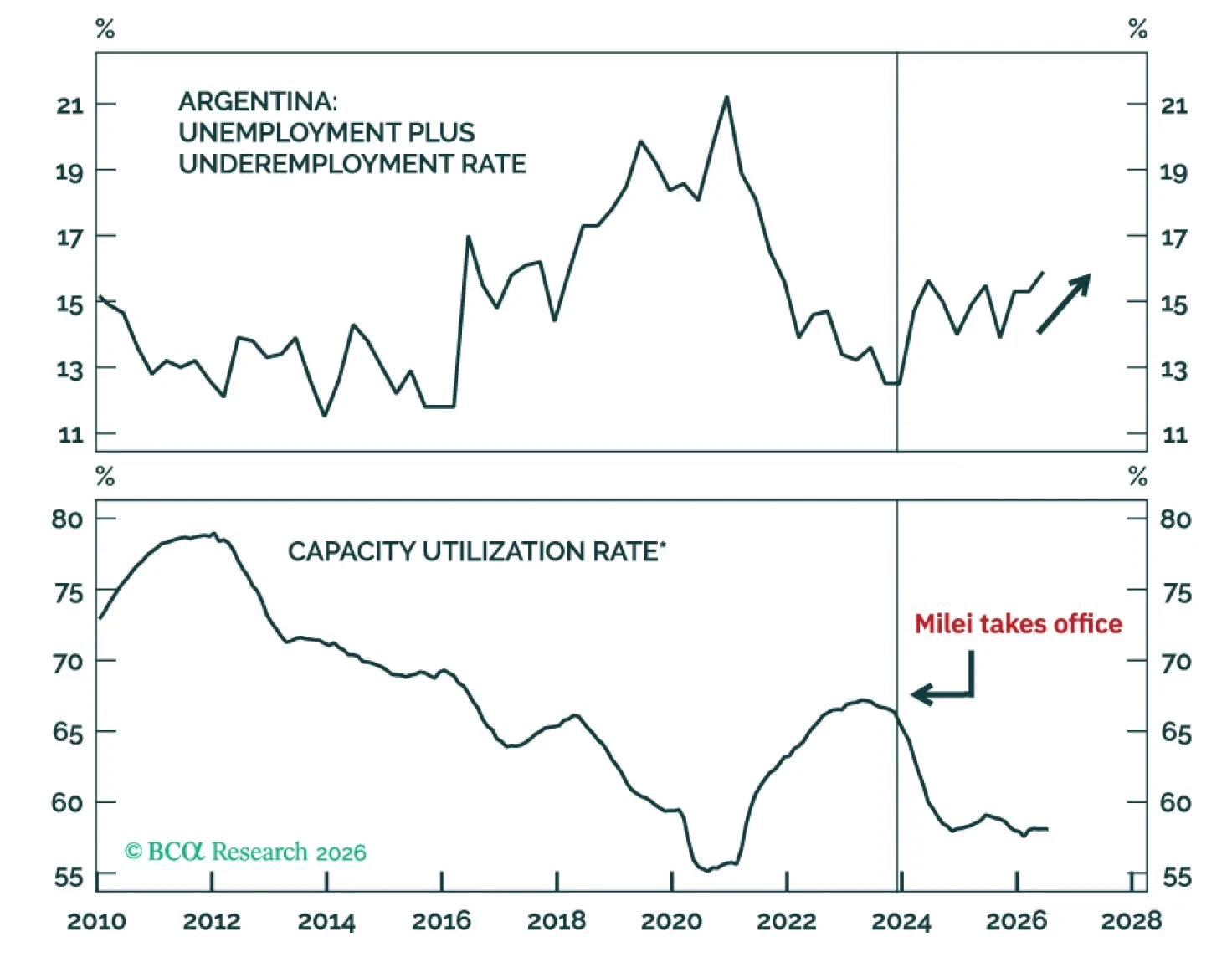
If President Milei does not ease policy immediately to contain the disinflationary squeeze, he is likely to lose next year's election. This means neoliberal structural reforms will suffer a setback in subsequent years. Close long positions in Argentine assets.
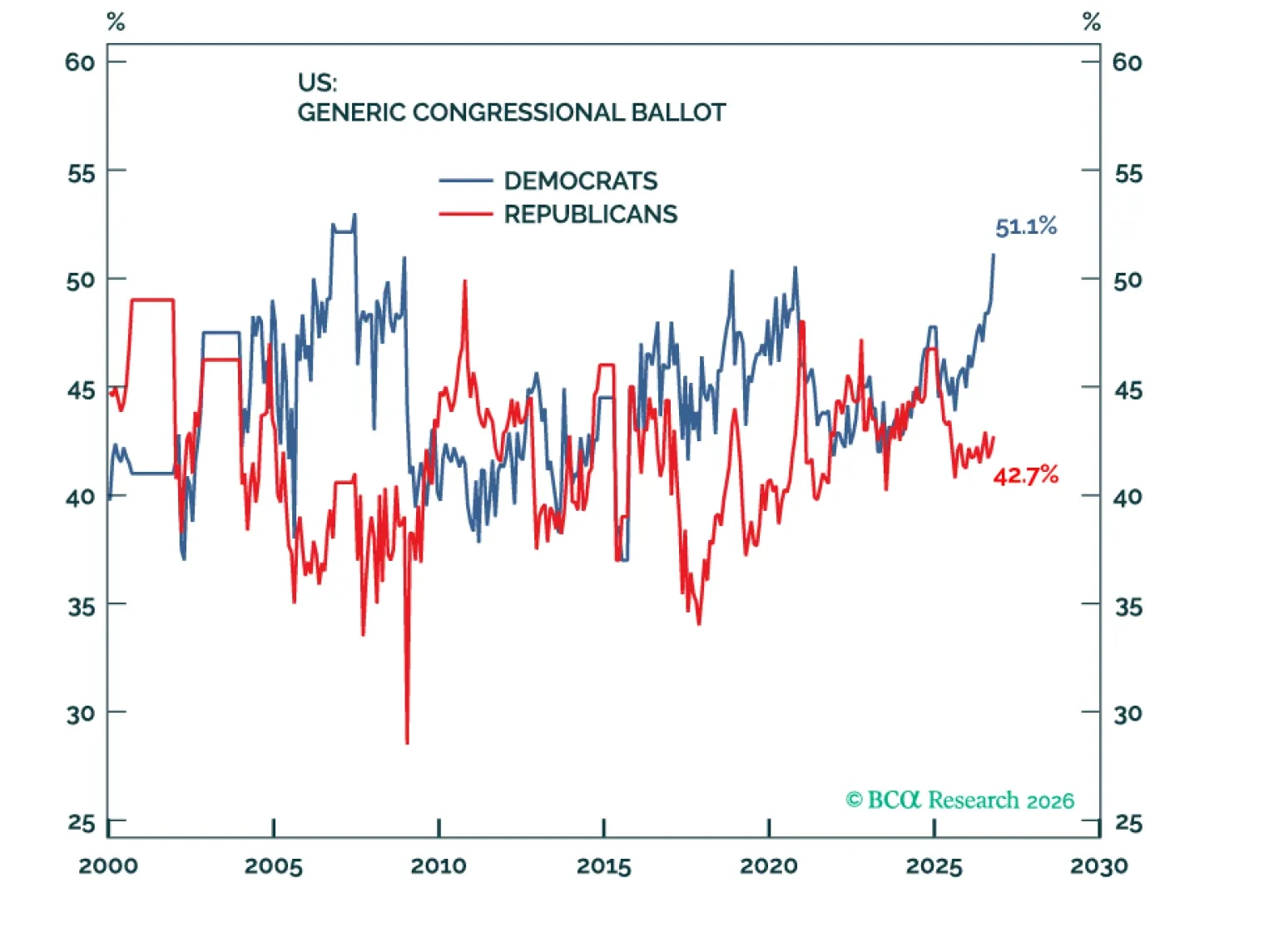
Democrats will win both houses in the midterm, but beyond near-term volatility, none of the outcomes pose a major market risk. The vote is more important as a signal of an anti-business turn in US policy in coming years, which markets could start to price in late 2027 or early 2028.
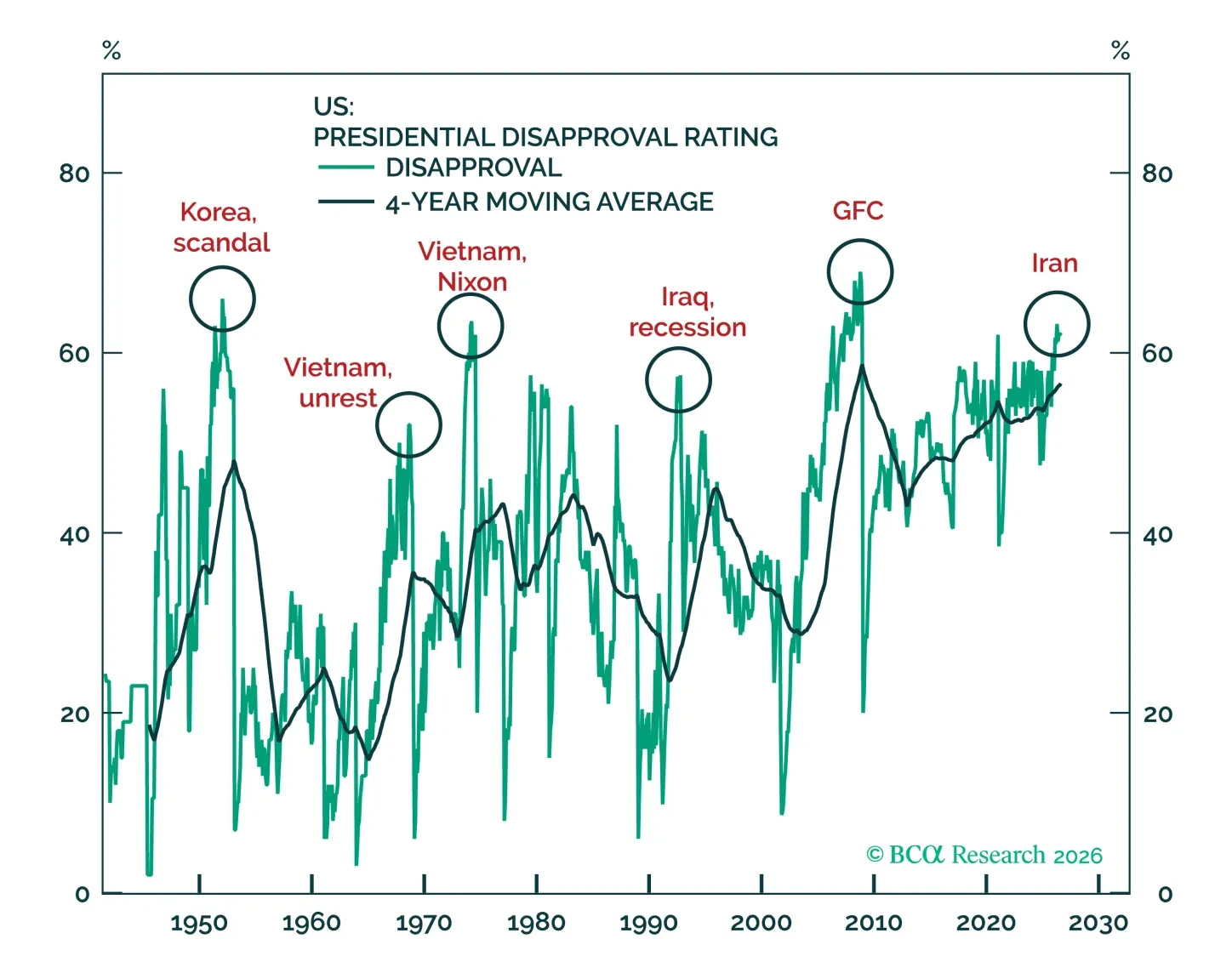
The big risk for the markets remains a flare up in the Middle East conflict. The Fed appears to be targeting geopolitics as much as inflation fundamentals. By the logic of transitive properties, therefore, more war means more hikes. That’s negative. So why are we not bearish on equities and bonds? Because President Trump holds his own faith in his hands. With his unfavourability near all-time highs (Chart of the Month), the conflict in Iran is at its end. Our worry? A Democratic Party sweep that surprises in its intensity and thus forces markets to start pricing in a leftward tilt in 2028.
Democratic candidate for the Texas Senate seat, James Talarico, has been leading his opponent, Republican Ken Paxton, for over a month in the betting markets. At the moment, Talarico’s probability of turning the Texas Senate seat blue is a whopping 65%. This is partly a result of Paxton’s flawed candidacy that builds on his dramatically flawed time as Texas’s attorney general. Remember, the staunchly Republican Texas House of Representatives voted to impeach Paxton in 2023!

Markets woke up to twin Houthi attacks on October 12. On October 9, the Yemen-based, Iran-allied, militant group attacked the King Khalid International Airport with a missile, killing 12 civilians and injuring over 300. Following that attack, President Trump suggested that the US “may” join Saudi Arabia’s fight against the Houthis. On October 11, the airport was struck again, with Saudi Arabia vowing to respond.