 GeoMacro | Tactical Risks & Opportunities
Near-term geopolitical analysis, focused on the 0-3 month horizon. Publication frequency shaped by urgent global events.
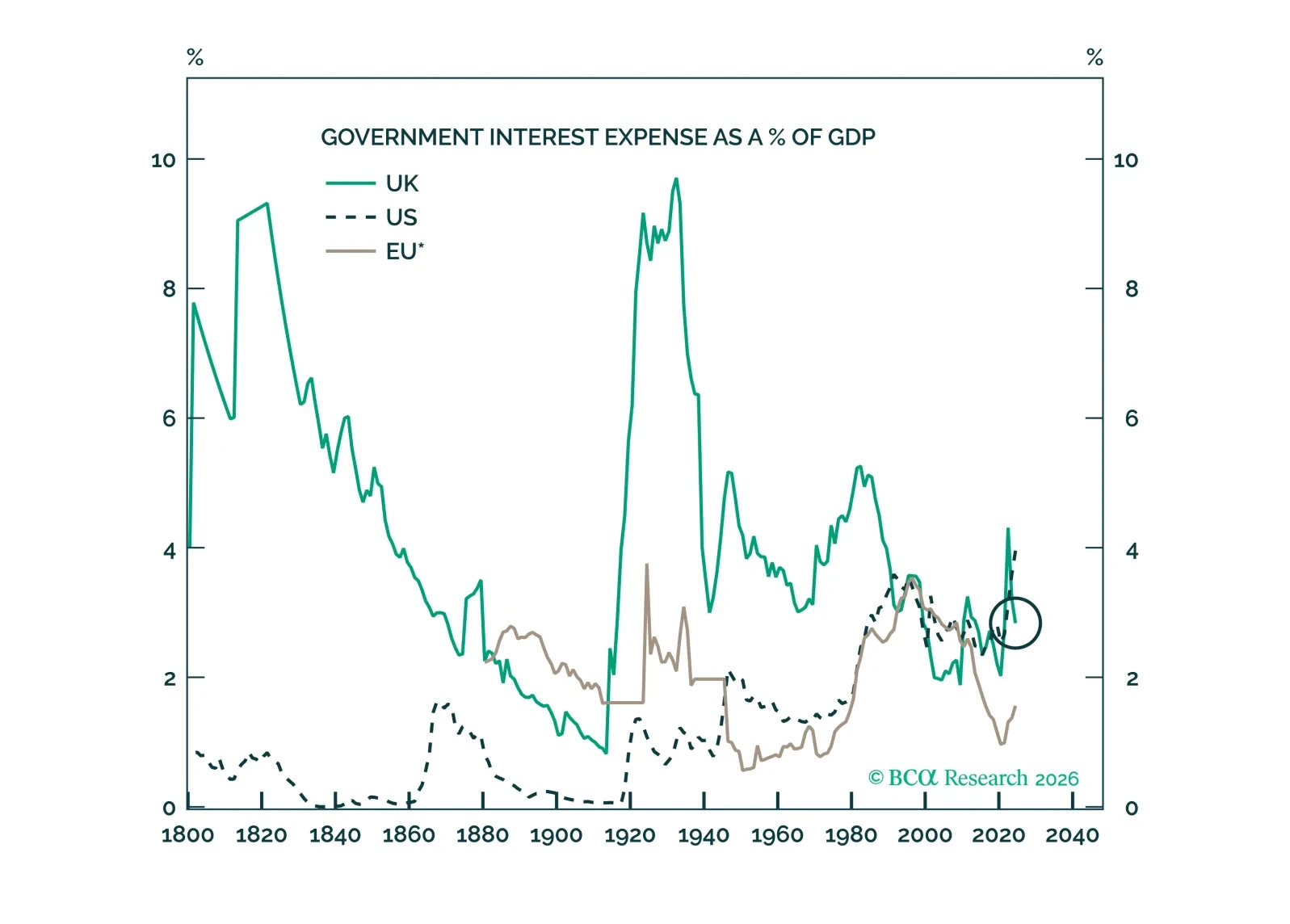
Stay overweight gilts despite renewed political turmoil in the UK.
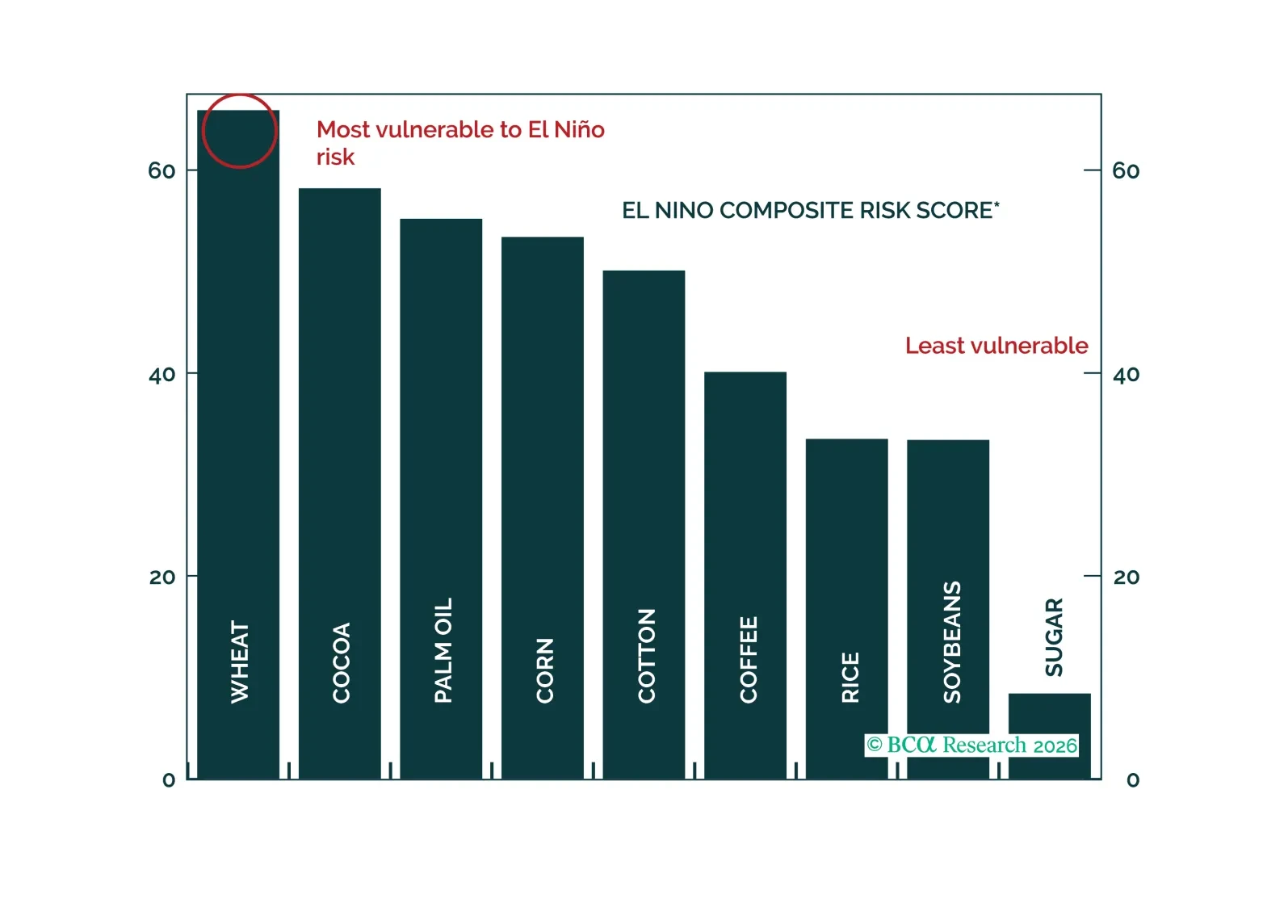
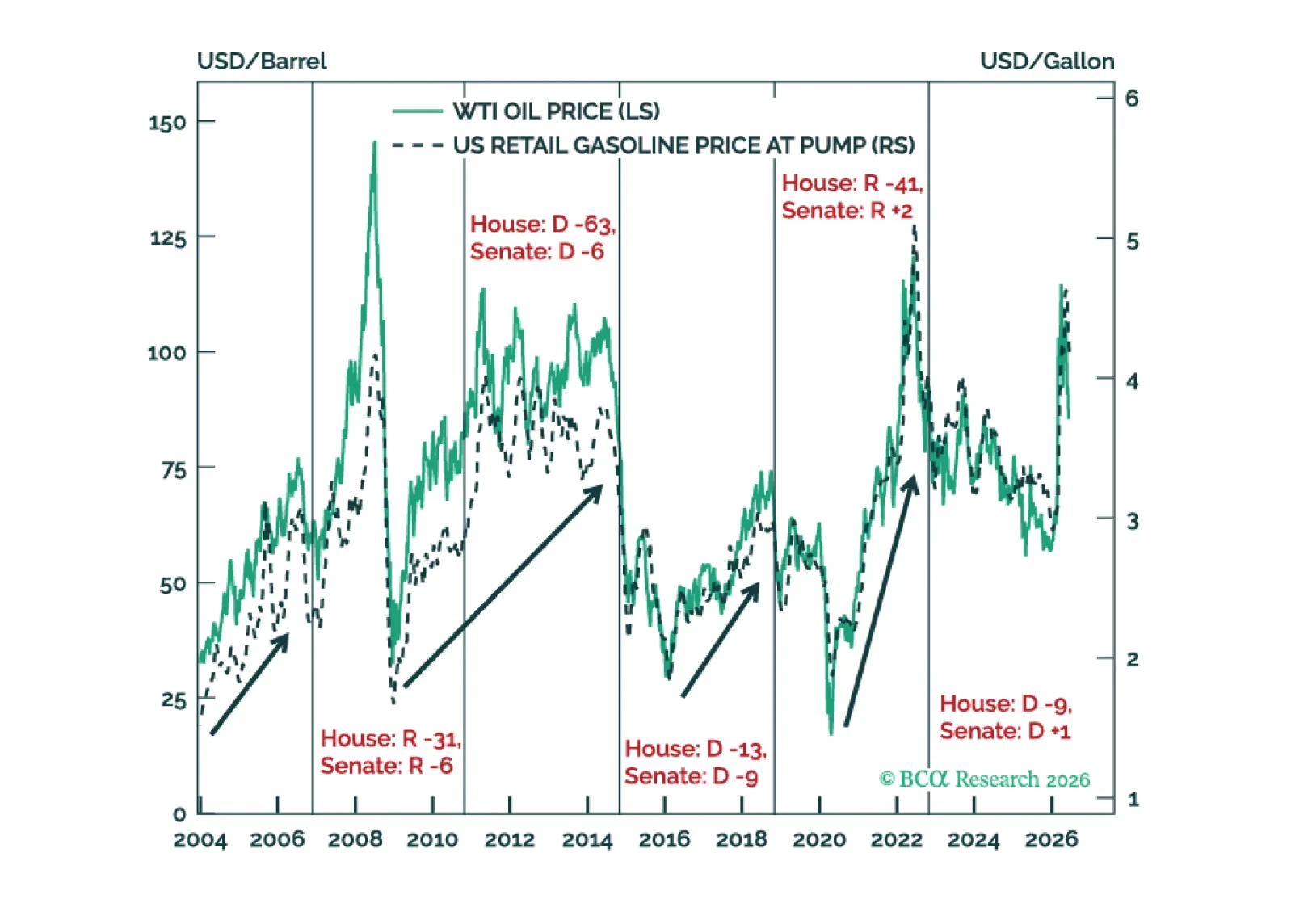
The US-Iran deal offers temporary relief from oil supply risk, but both Hormuz and trade tensions could revive in 2027.
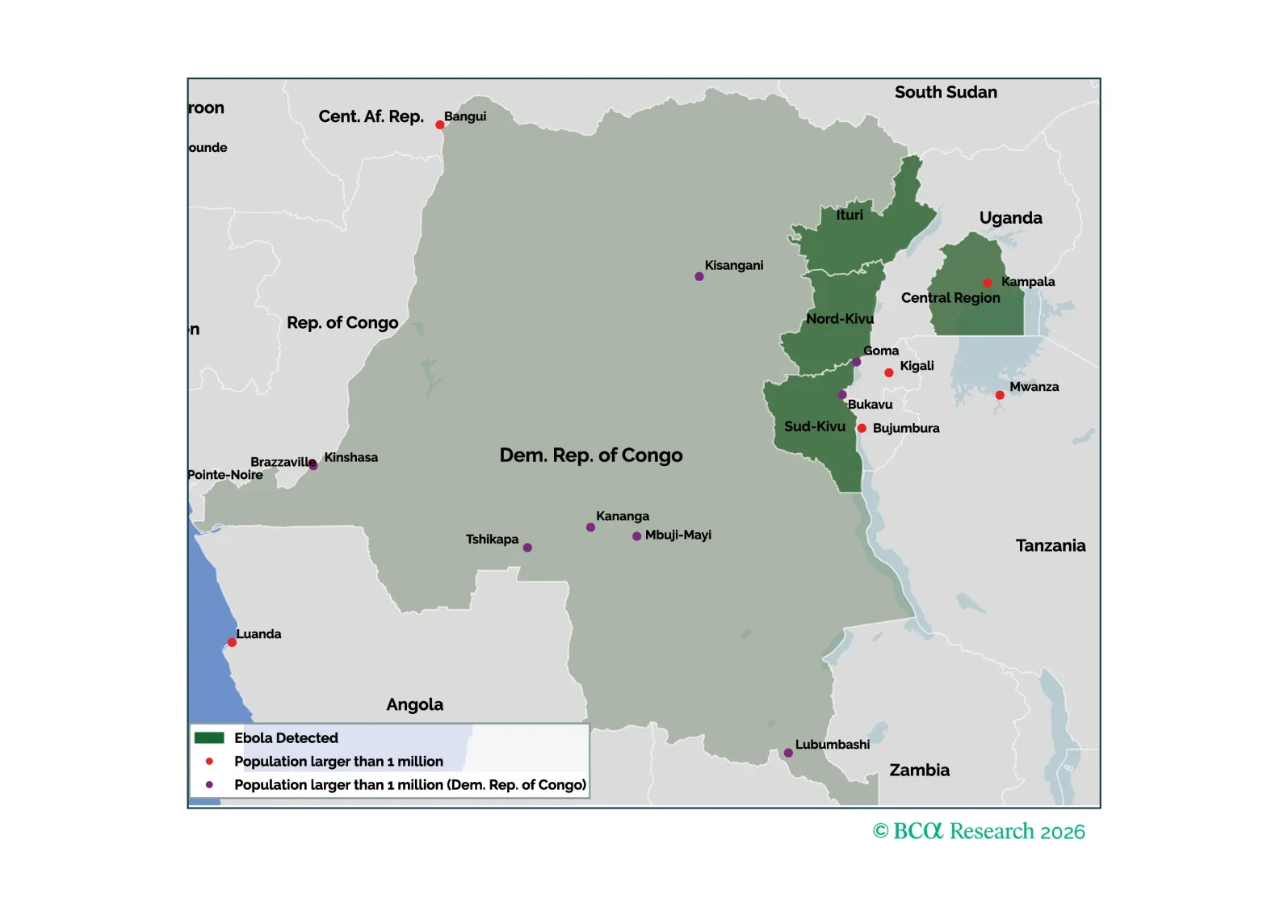
Ebola remains one of the world's deadliest viral diseases, but it is far less transmissible than COVID-19 or influenza. The most likely outcome remains containment rather than a global pandemic.
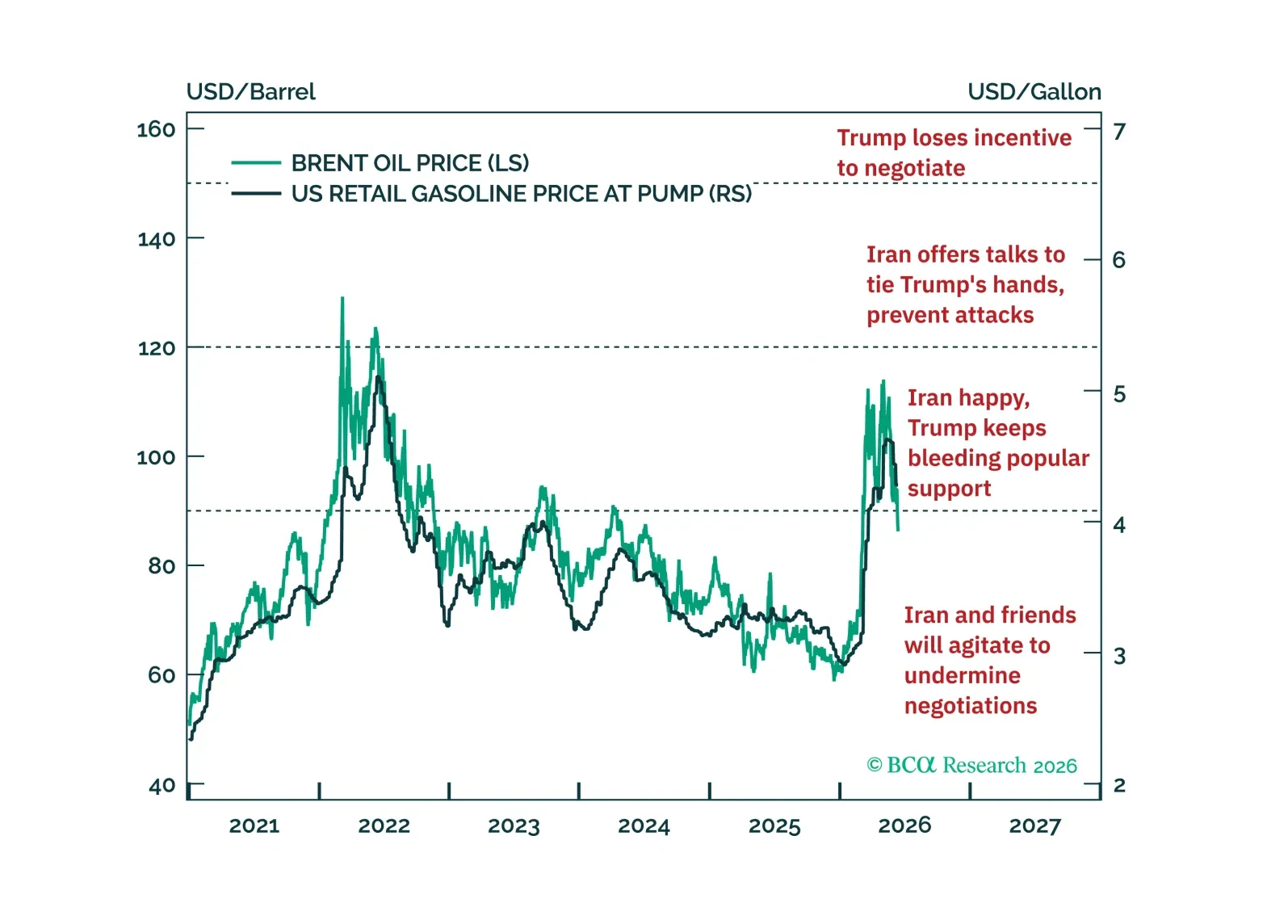
The US-Iran deal is a marginal improvement in global commodity supply risk, but we still give a 60% chance of renewed fighting later this year or in 2027.
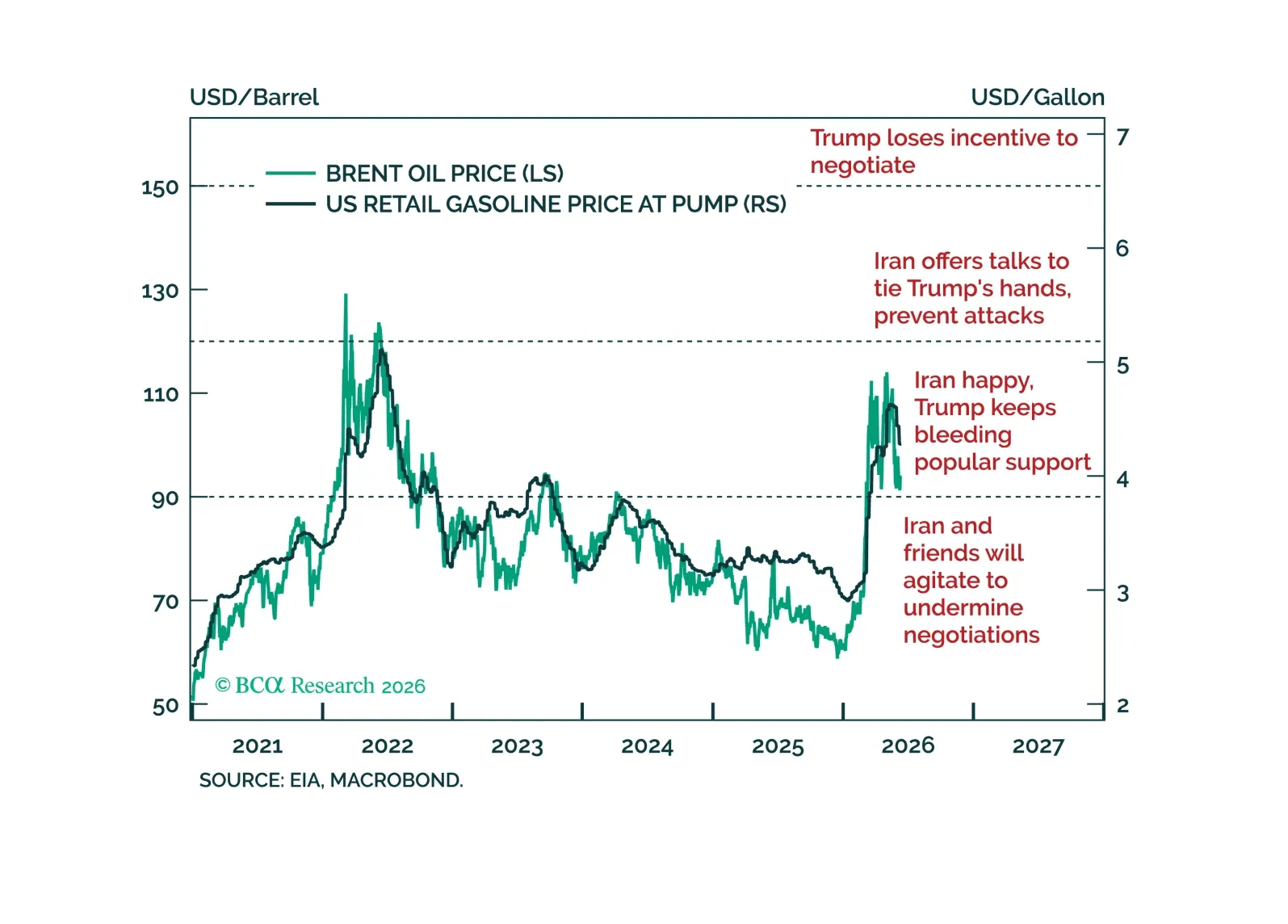
Tensions between Iran, the US, and Israel have reached their highest point since mid-March – or at least since the ceasefire announcement on April 8 – this week. President Trump responded to the downing of an AH-64 Apache helicopter with air strikes on Iran on June 9. Subsequently, Iran and Israel exchanged fire for the first time since the ceasefire. The latest statements from President Trump are increasingly escalatory. Claiming that the US would renew attacks on Iran and that the invasion of Kharg Island – where Iran’s energy infrastructure sits – is back on the menu of options.
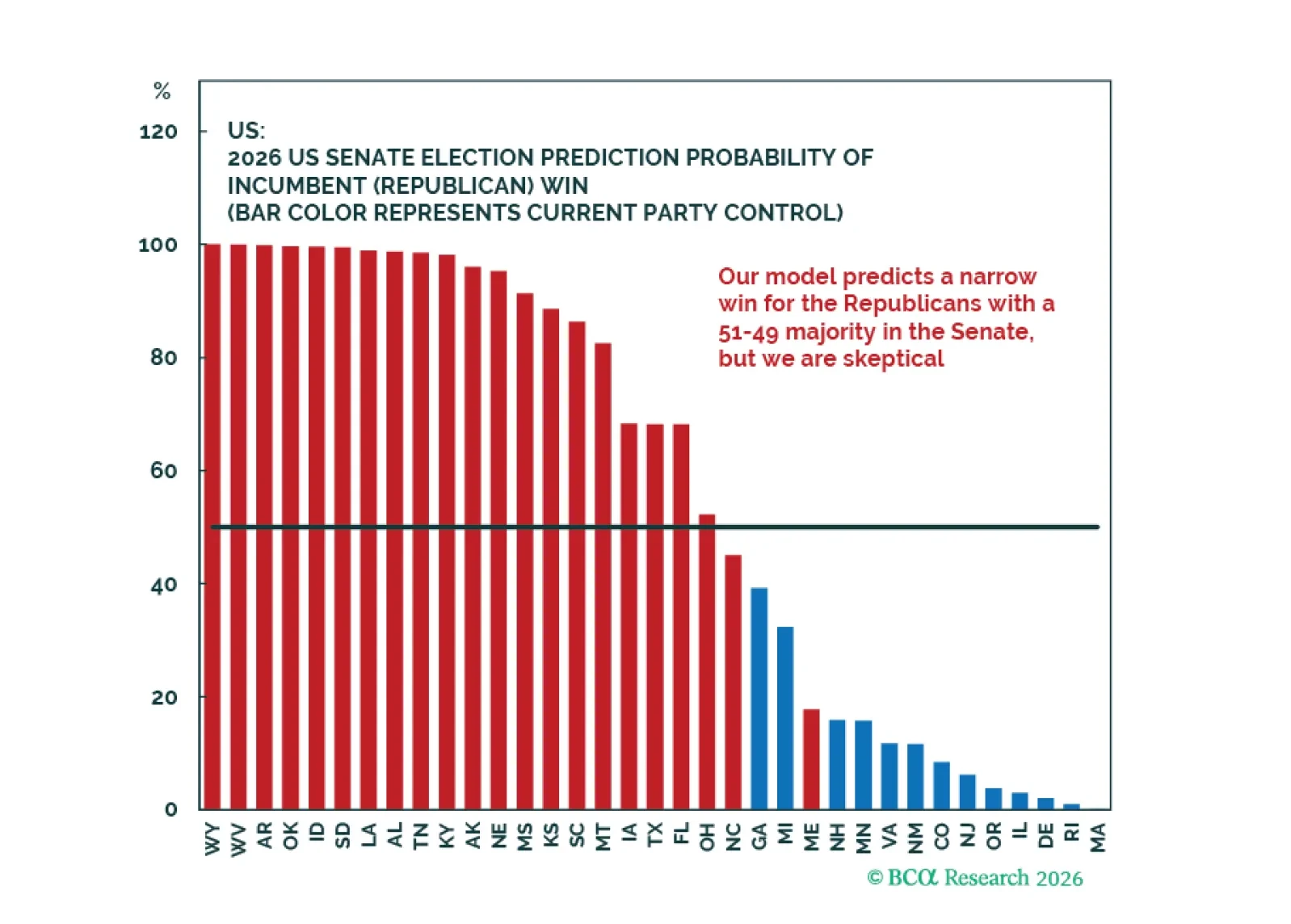
Midterms matter but geopolitics are the main risk this year. Markets will eventually refocus on geopolitical and inflation risks, raising Fed rate hike odds and supporting US dollar and stocks over global counterparts this year.
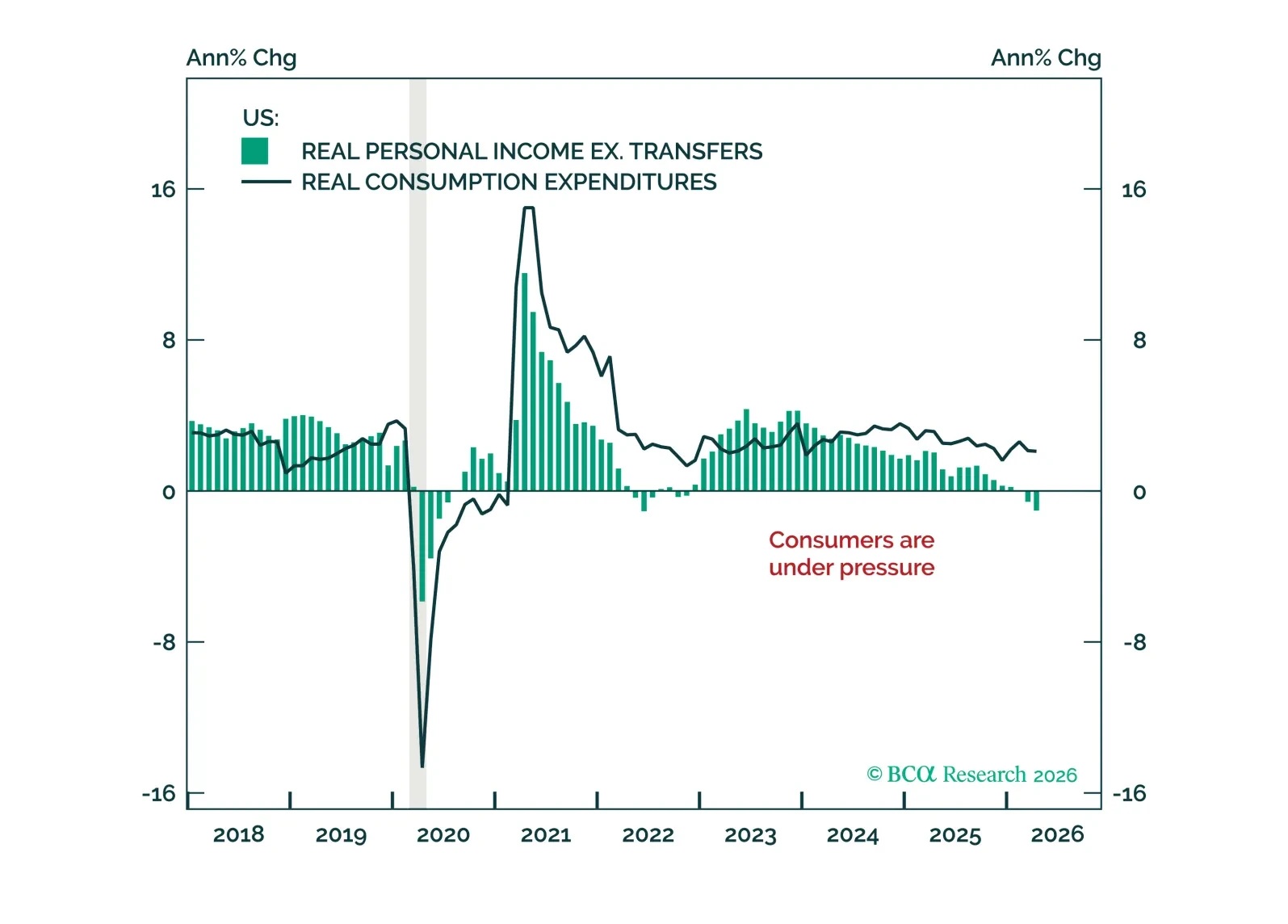
For the first time since… 2022… the GeoMacro team is starting to contemplate the end of the cycle in a serious way.
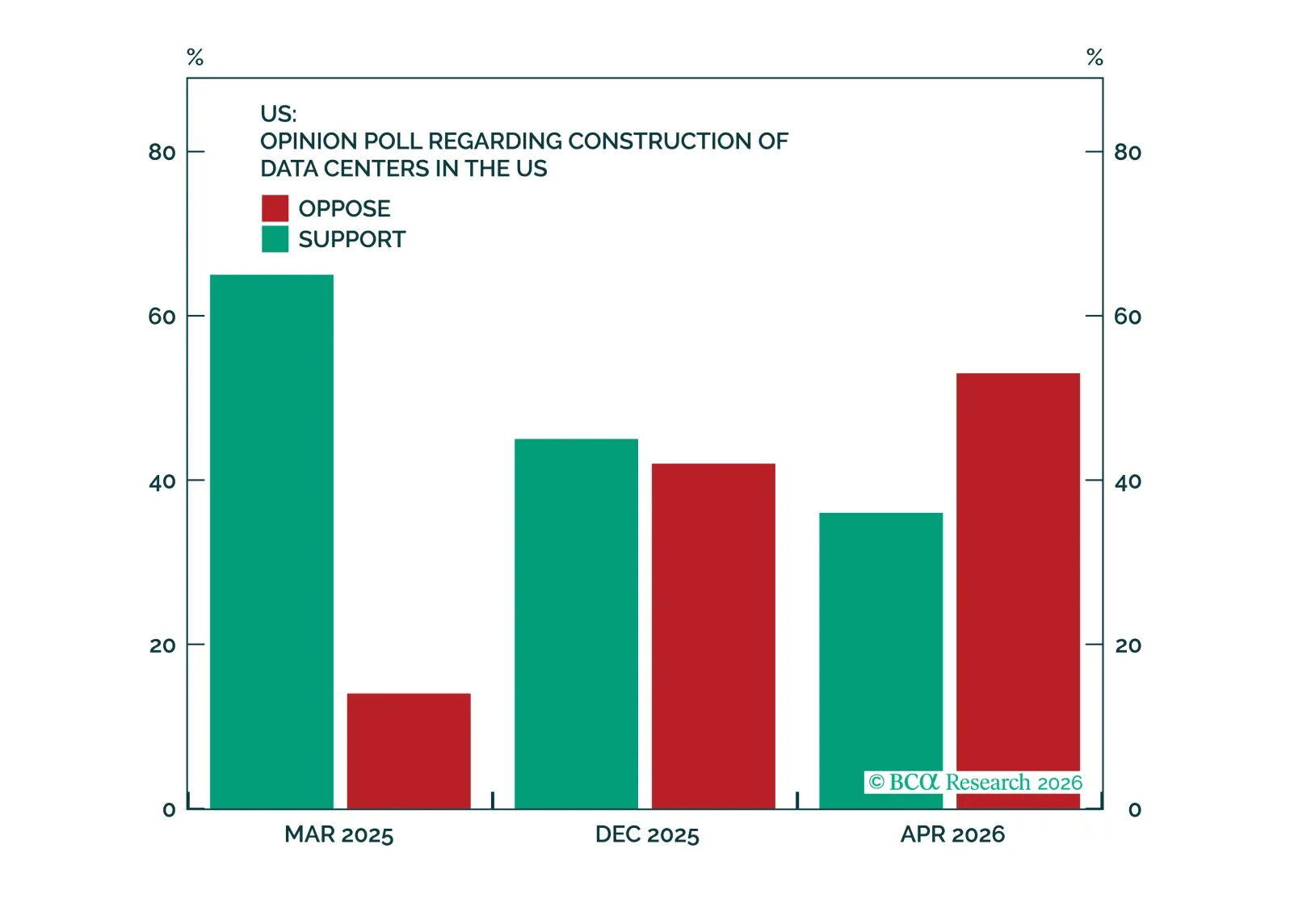
The populist backlash against AI could result in bipartisan regulation in 2027, but is especially likely to prompt tax hikes from 2029.
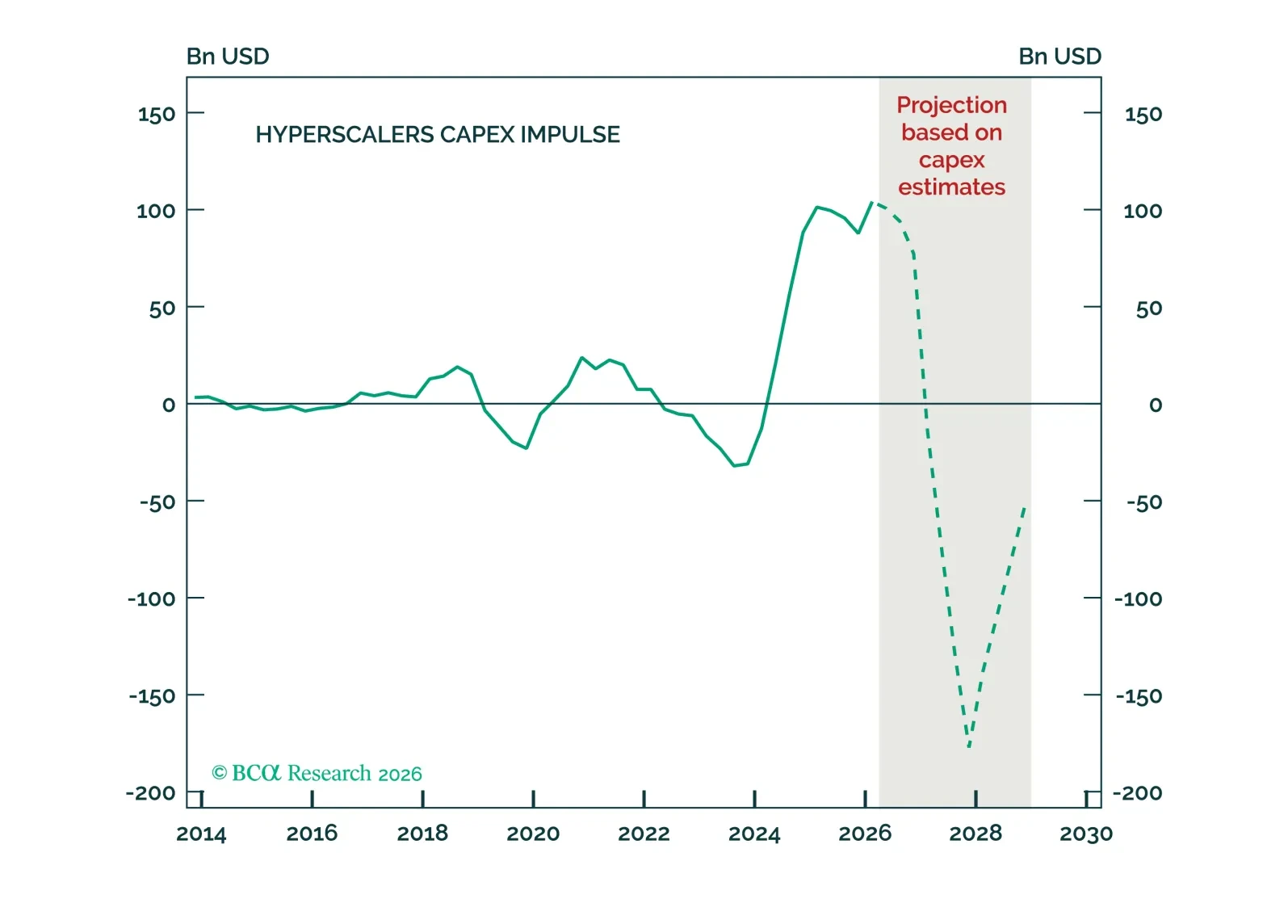
Bears will fold like lawn chairs this summer as traffic returns to Hormuz, allowing markets to overcome seasonal malaise. But we are starting to see how the expansion ends. A macro brew of global central bank tightening due to stickier-than-expected inflation, negative second derivative in AI capex, and surging supply of equities due to Monster IPOs. Expect a blow-off rally until midterms, uncertainty after, calamity in 2027.