Skip to main content
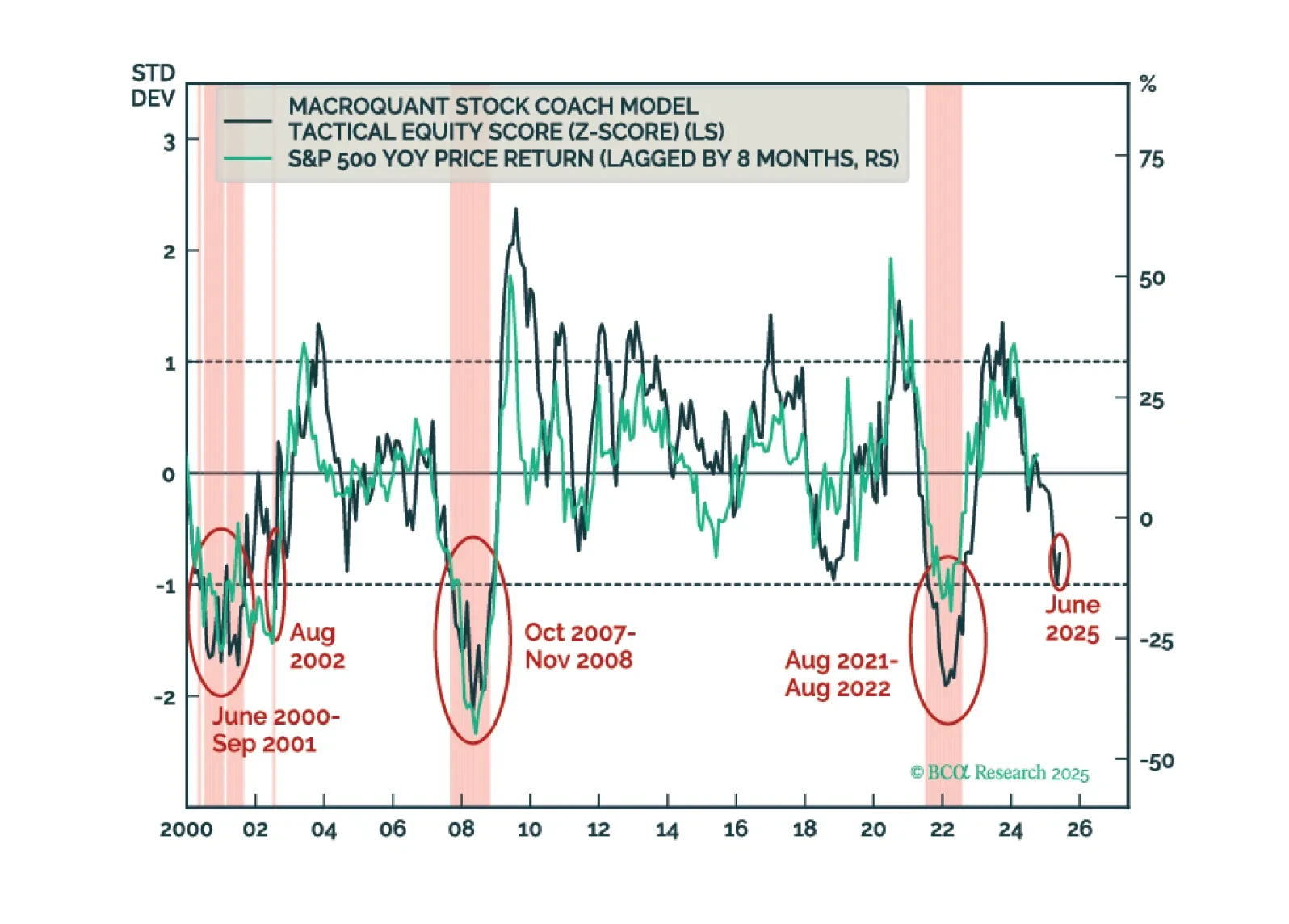
MacroQuant’s US equity z-score is dangerously close to the -1 threshold. Moves below that threshold have reliably coincided with equity bear markets in the past. As such, MacroQuant recommends an underweight on stocks, offset by an overweight on bonds and cash.
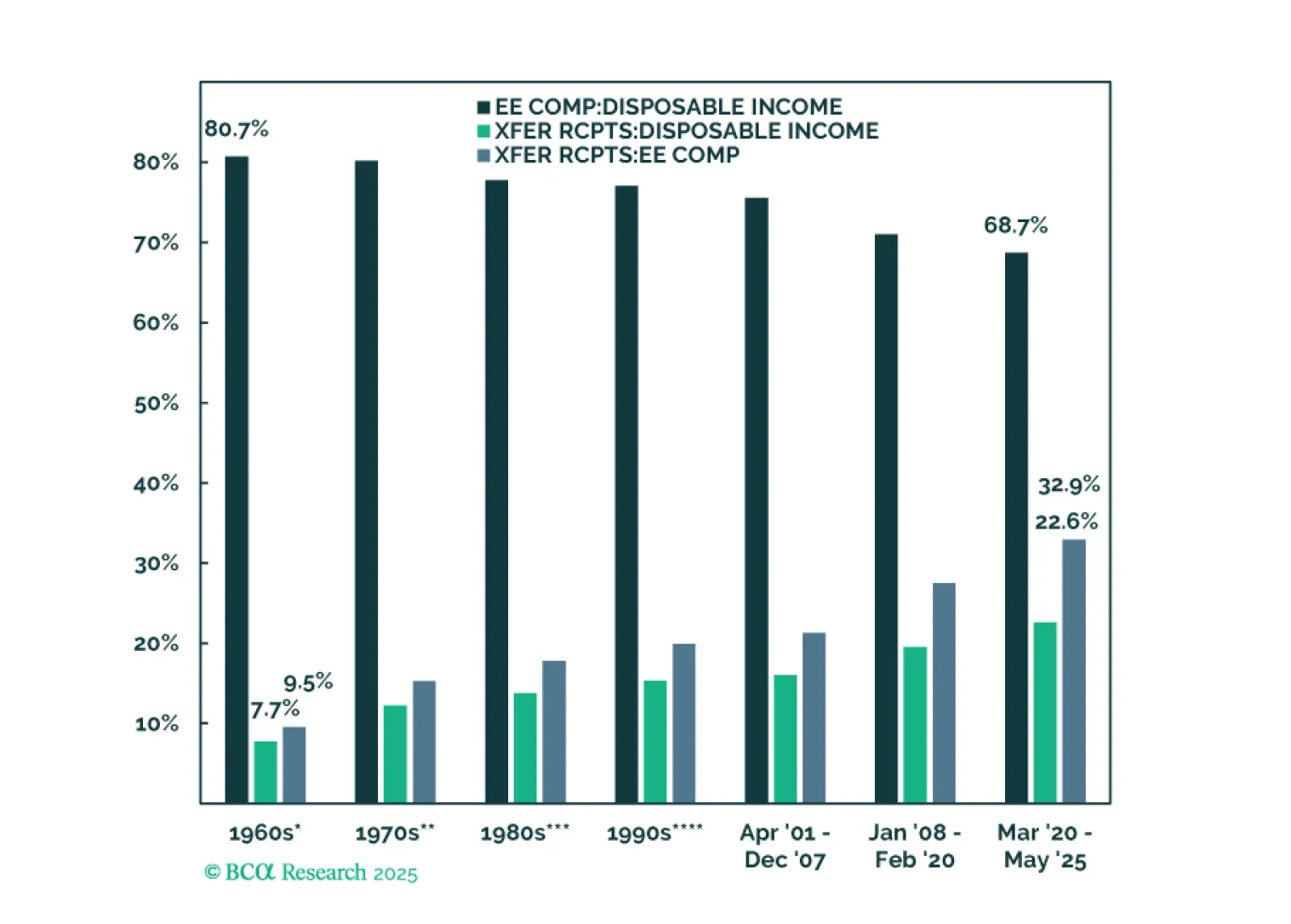
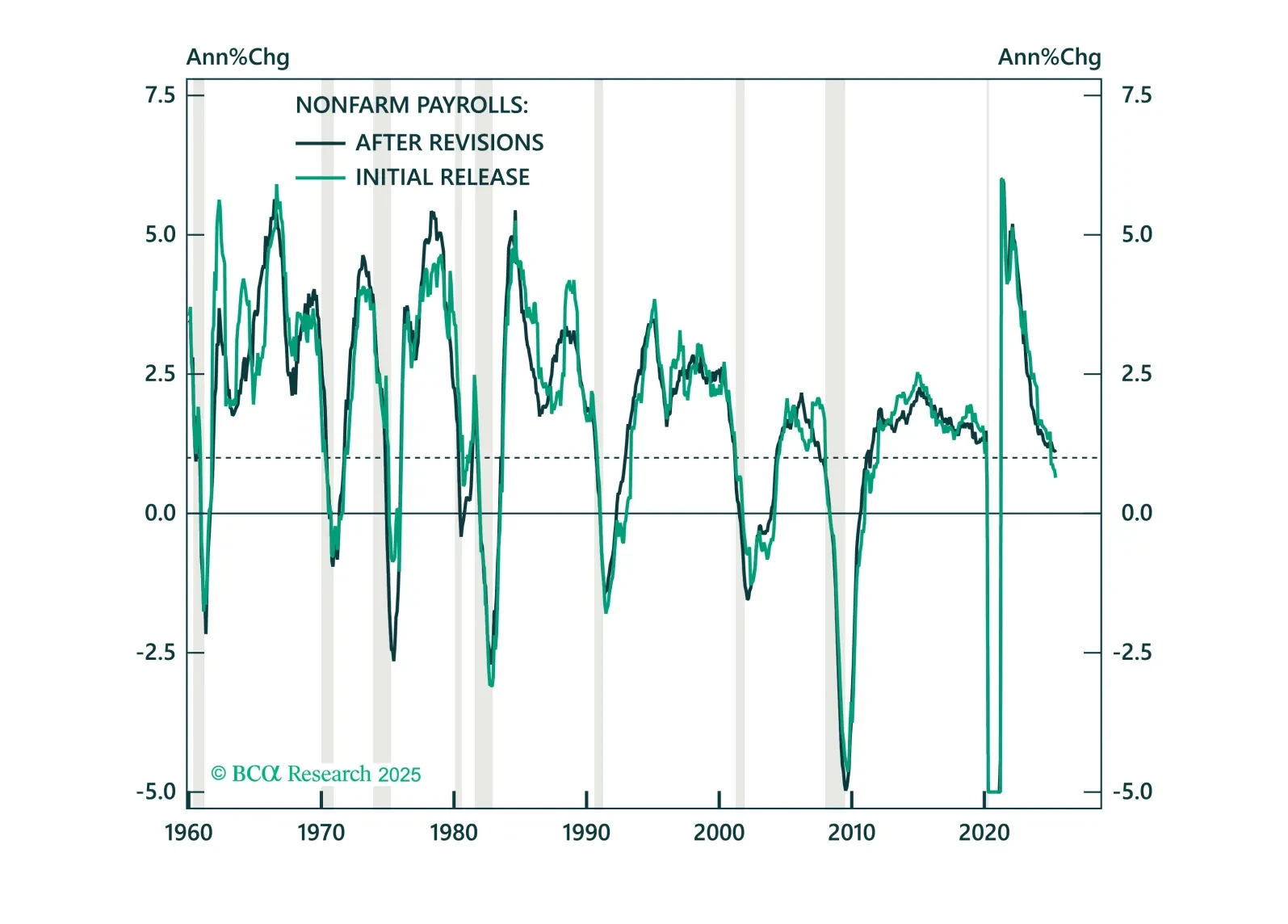
Special Report Our Special Report is a graphical comparison of the consumer’s position in the current cycle to every cycle from 1960 forward. The bad news is that disposable income is increasingly reliant on government transfers and the labor market is softening. The good news is that the balance sheets of households in the lower half of the wealth distribution have improved a lot.
Investors should modestly underweight equities in their portfolios and look to turn more aggressively defensive once the whites of the recession’s eyes are visible. We think that will happen within the next few months.
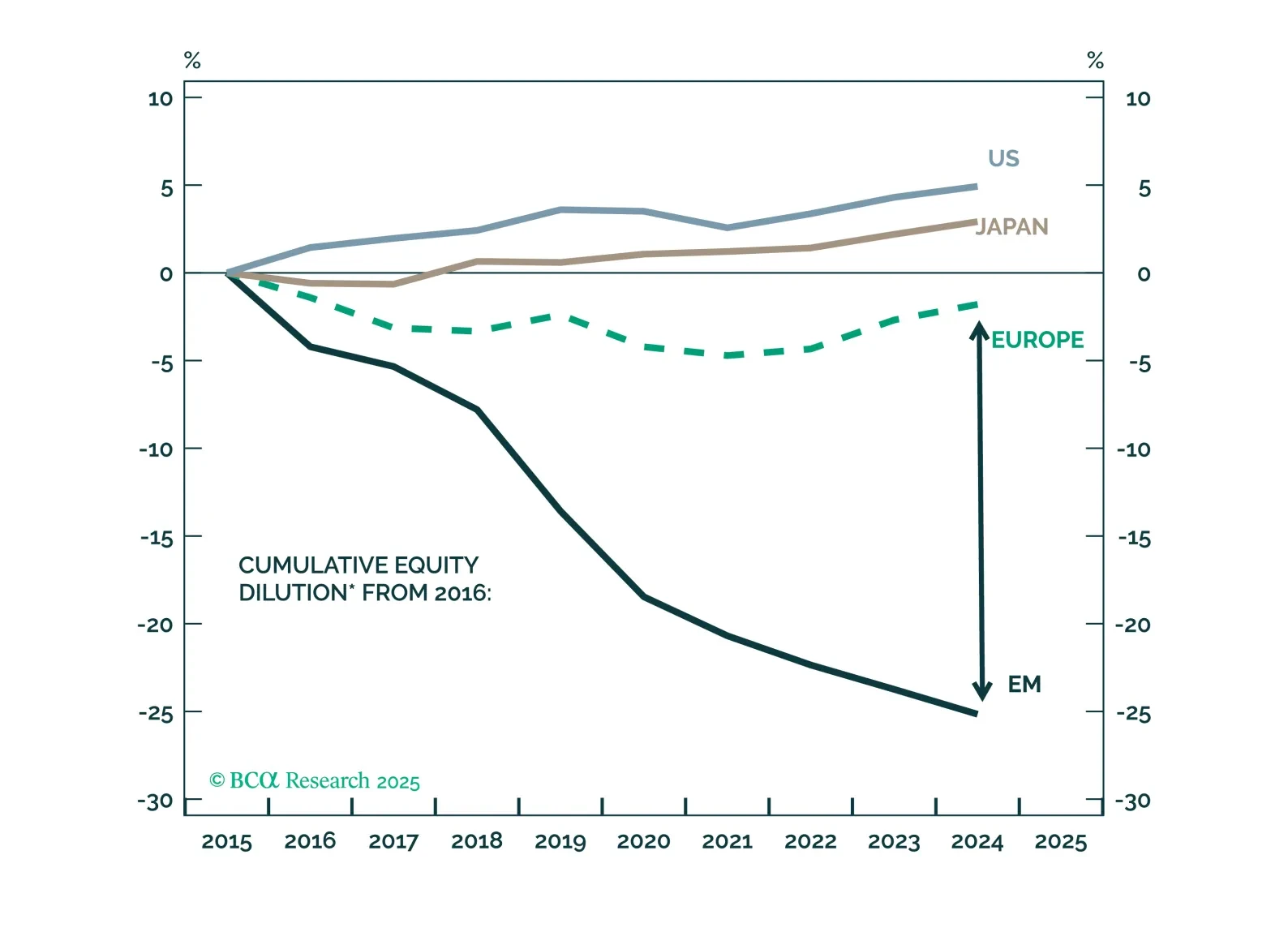
Special Report Dilution is one of the two main reasons why EM EPS has been much weaker than EM GDP and EM non-diluted profits. We calculate “pure” dilution – adjusted for companies’ inclusion and exclusion from the stock index – for various bourses around the world. To our knowledge, this is the first time this analysis has been conducted.
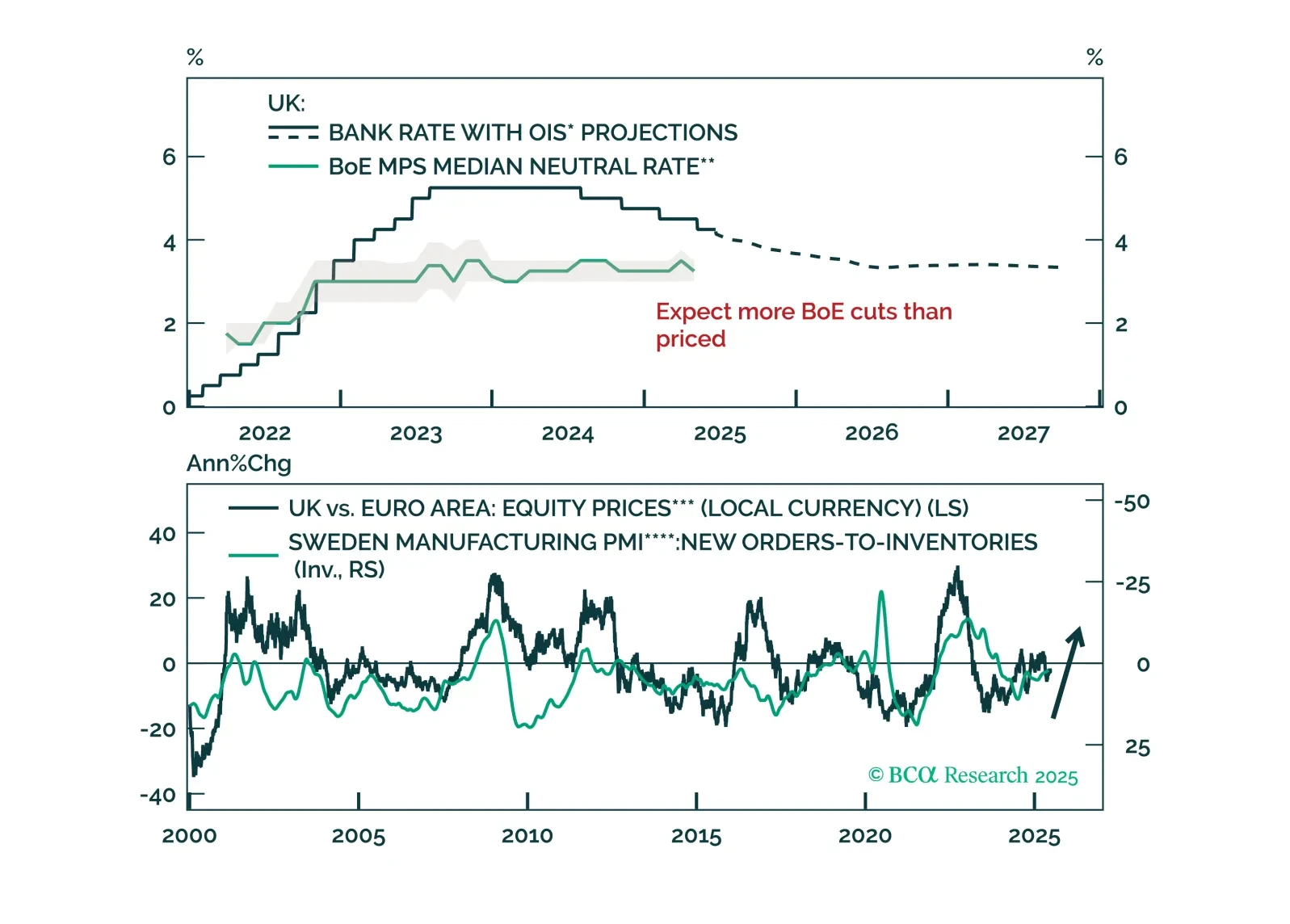
Special Report UK inflation risks are falling on the back of a weakening labor market. Read why Gilts and UK stocks are poised to outperform as BoE easing resumes.
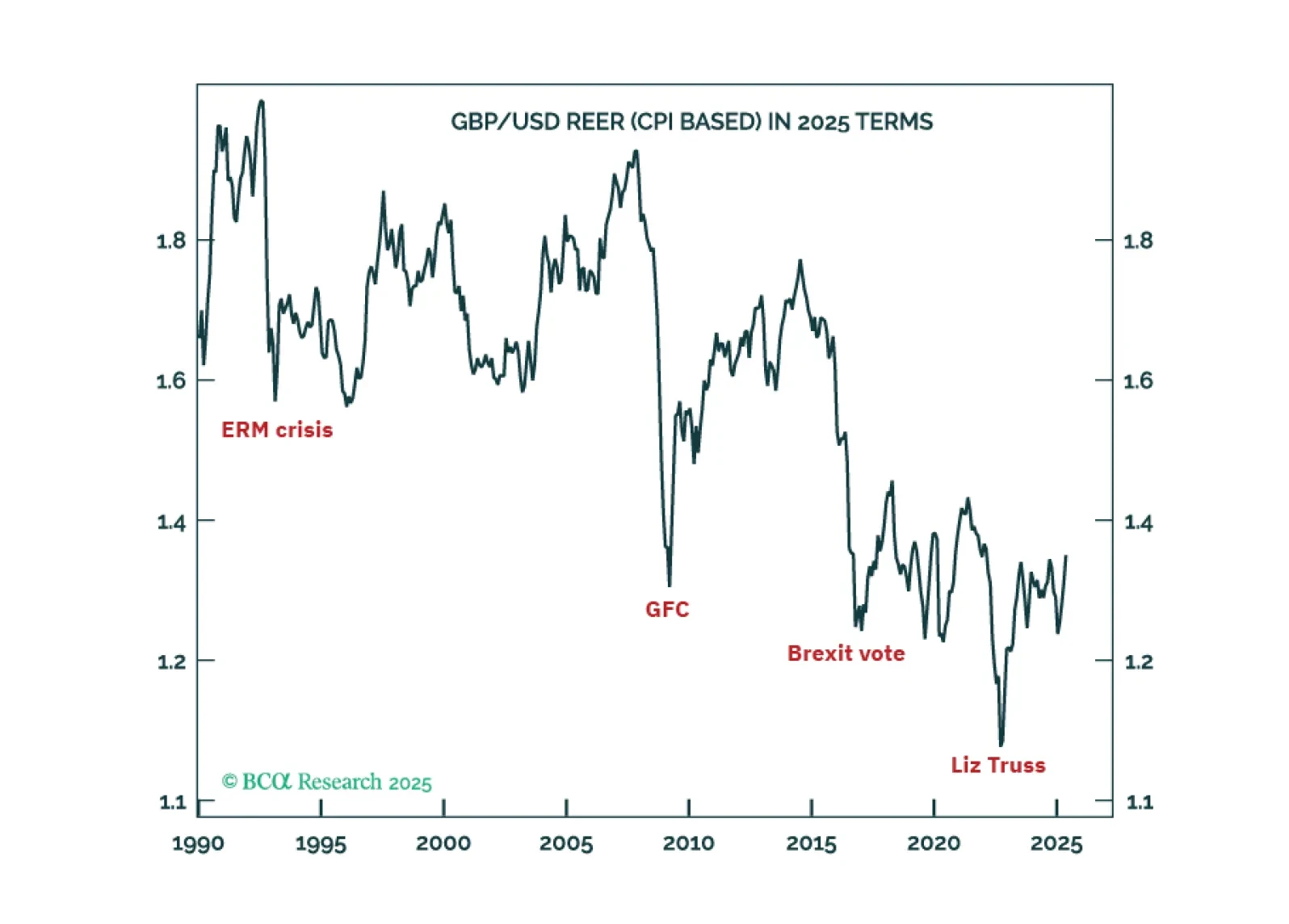
The pound will reach $1.60 if ‘America’s Brexit’ cancels out ‘Britain’s Brexit’. Meanwhile, the flight from the fiat dollar to non-fiat bitcoin will enable the preeminent cryptocurrency to reach $200,000+.
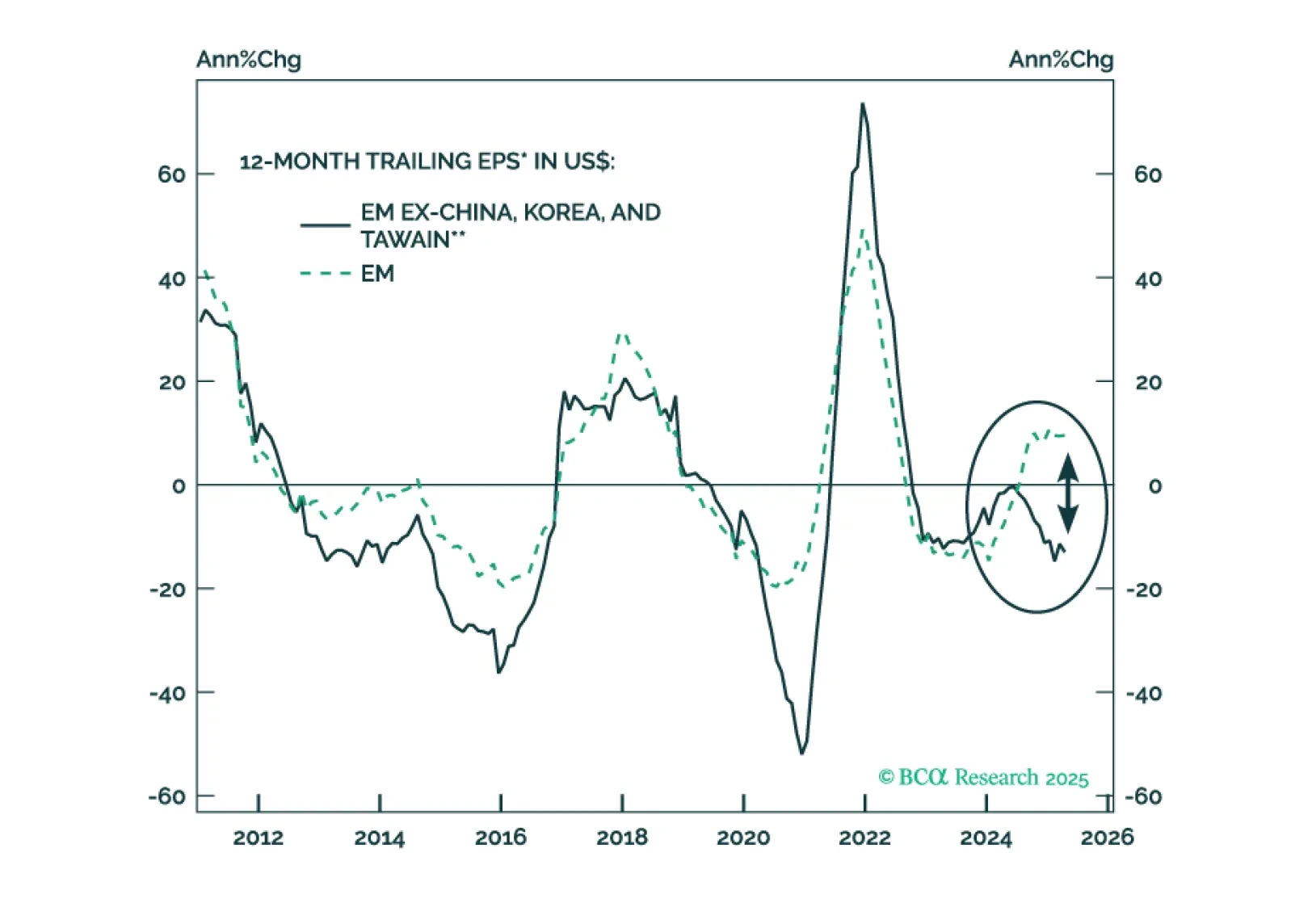
The EM EPS recovery has been narrow, solely driven by TMT stocks in China, Korea, and Taiwan. EM corporate profits are set to contract in the next six to nine months. Unlike in the past, US dollar weakness will be deflationary, not reflationary, for EM share prices.
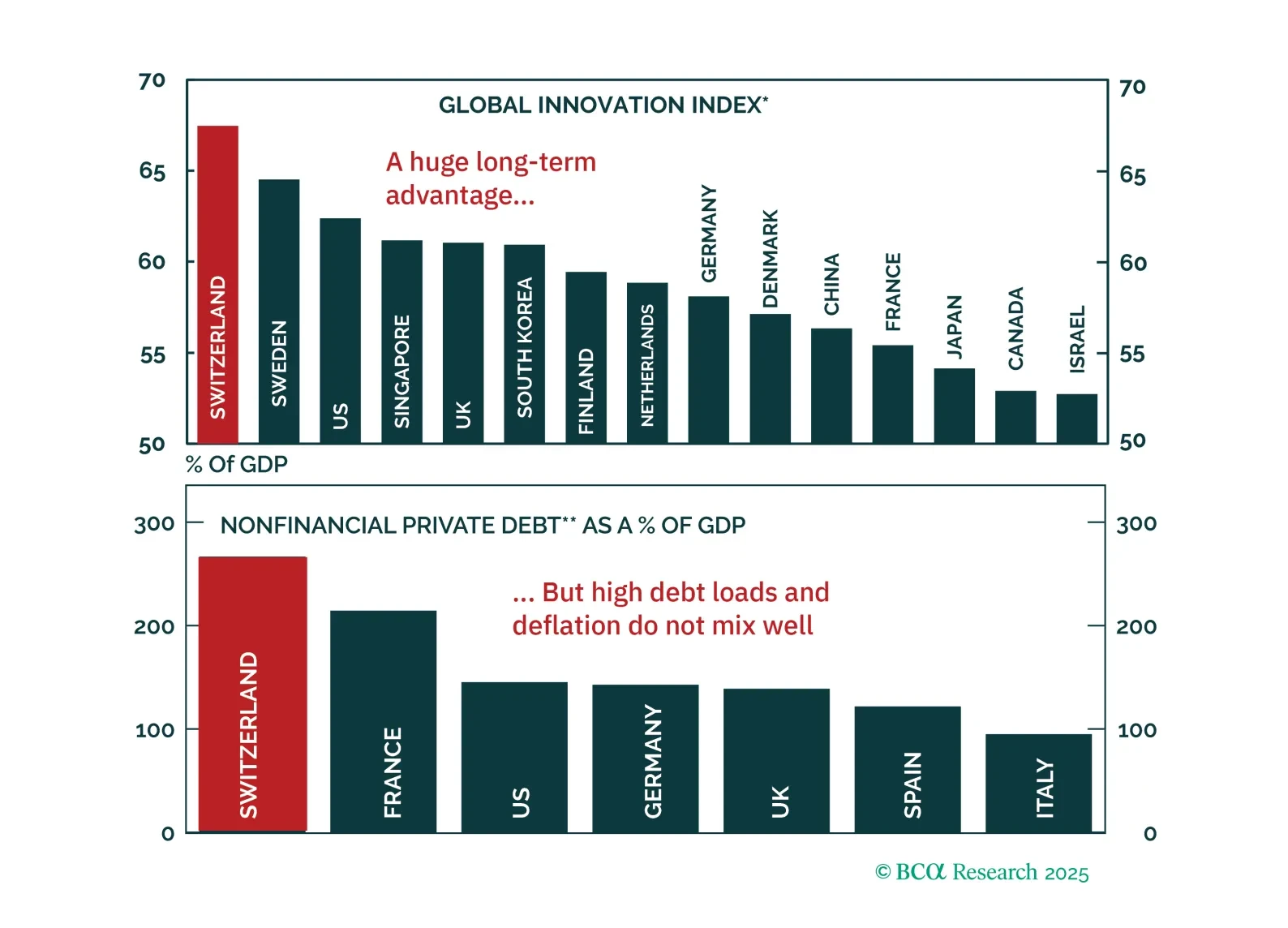
Special Report Switzerland looks pristine, but the near-term risks are mounting. Deflation pressures, overvalued assets, and a highly exposed export sector leave the economy vulnerable to a slowdown. This report explores why the SNB will ease more than markets expect, and how to position across CHF, equities, and bonds.
Following a rapid-fire review of issues related to household balance sheets, durable goods demand, the impact of tariffs, DOGE’s capacity to move the budget needle and the labor market’s ongoing cooling, we reiterate our defensive asset allocation recommendations.
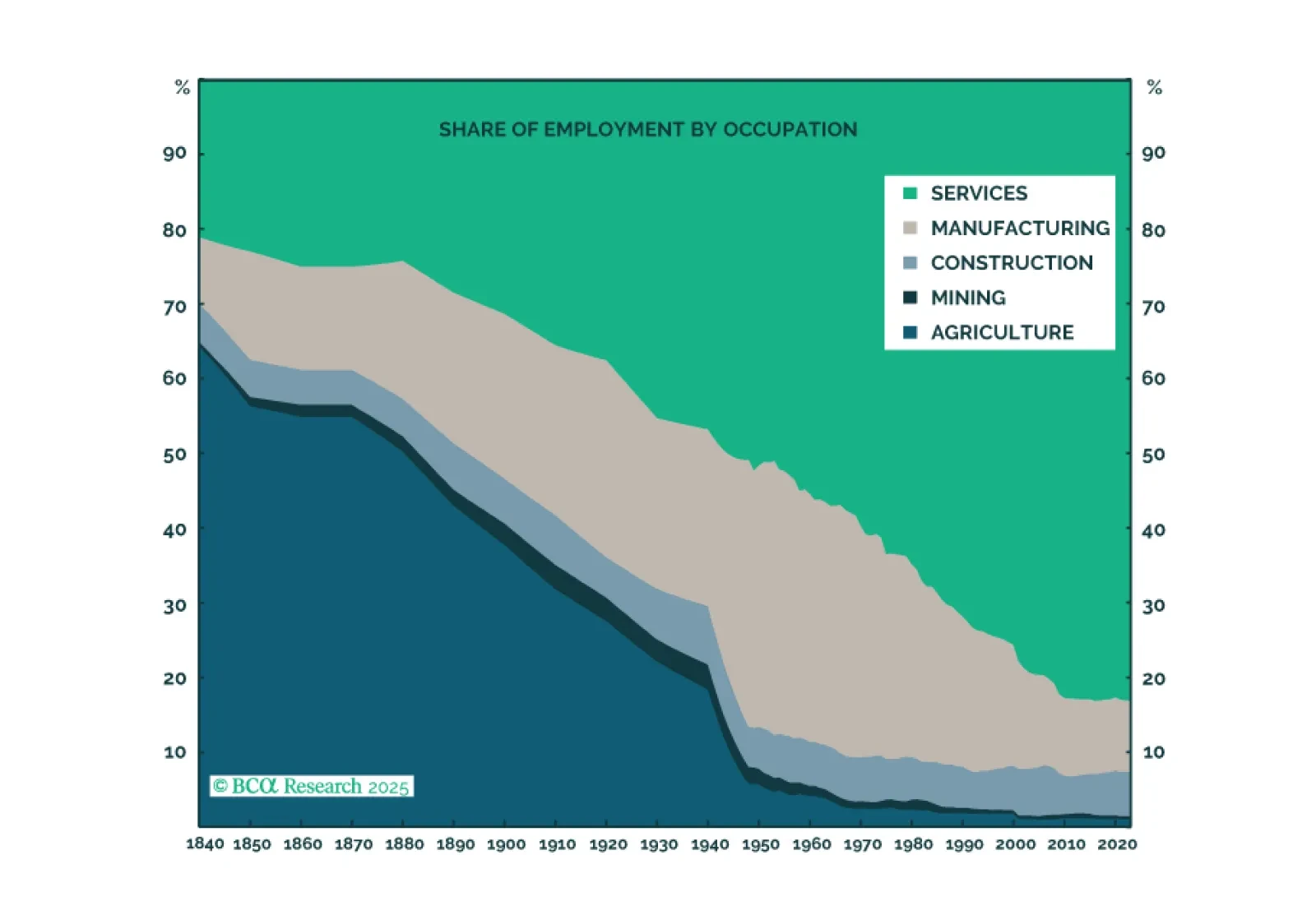
Special Report Provided that humanity can overcome the existential risks posed by AI, real incomes will rise. Although most workers will ultimately gain from the transition to an AI-dominated economy, the biggest winners will be those who control the land and the natural resources beneath it.