
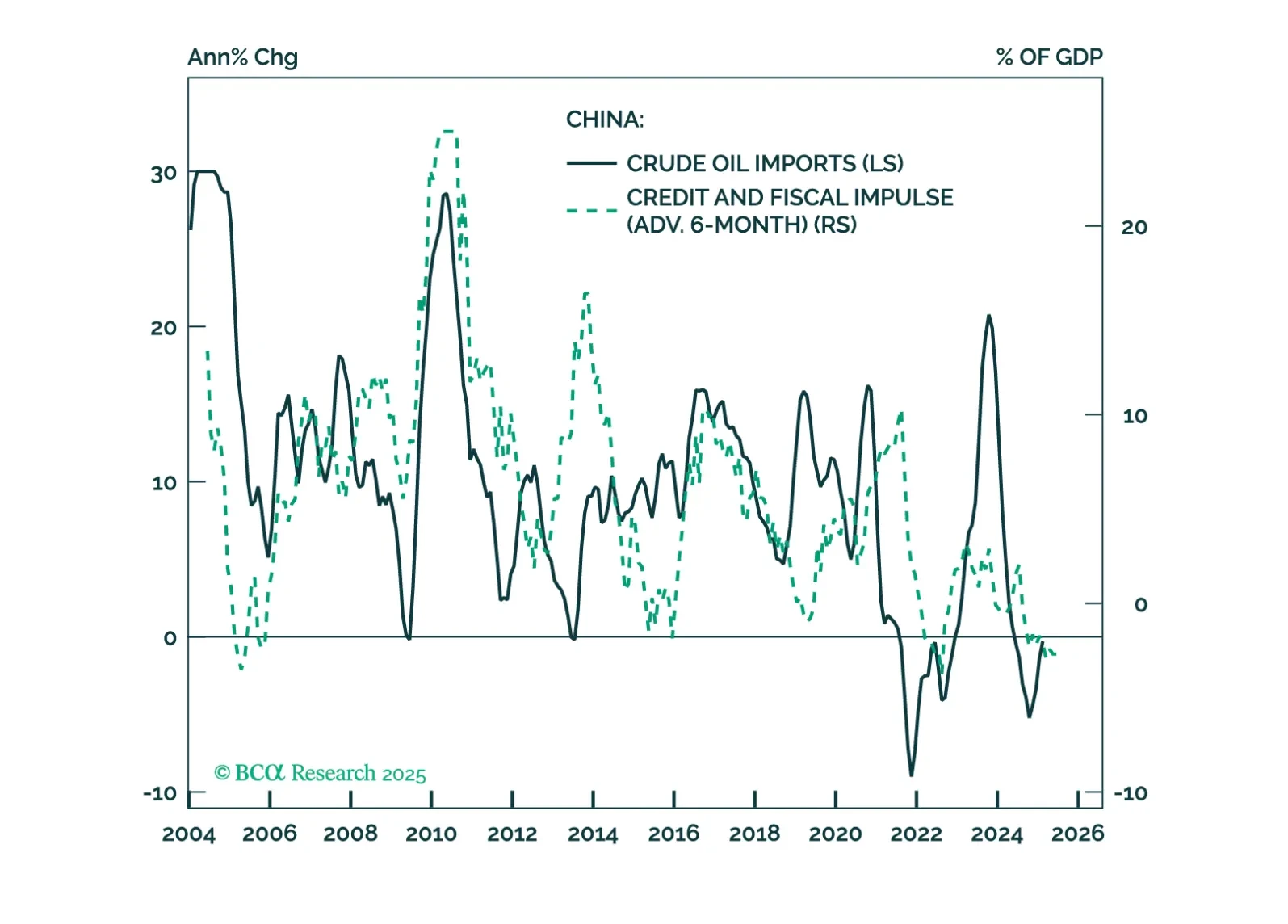
OPEC+ is planning to boost its crude oil output at a time of lingering demand weakness. What is driving this decision? And will Chinese oil consumption – historically a key contributor to global oil demand growth – reaccelerate and justify the coalition’s decision to bring back more supply to the market? This report answers these questions and more.
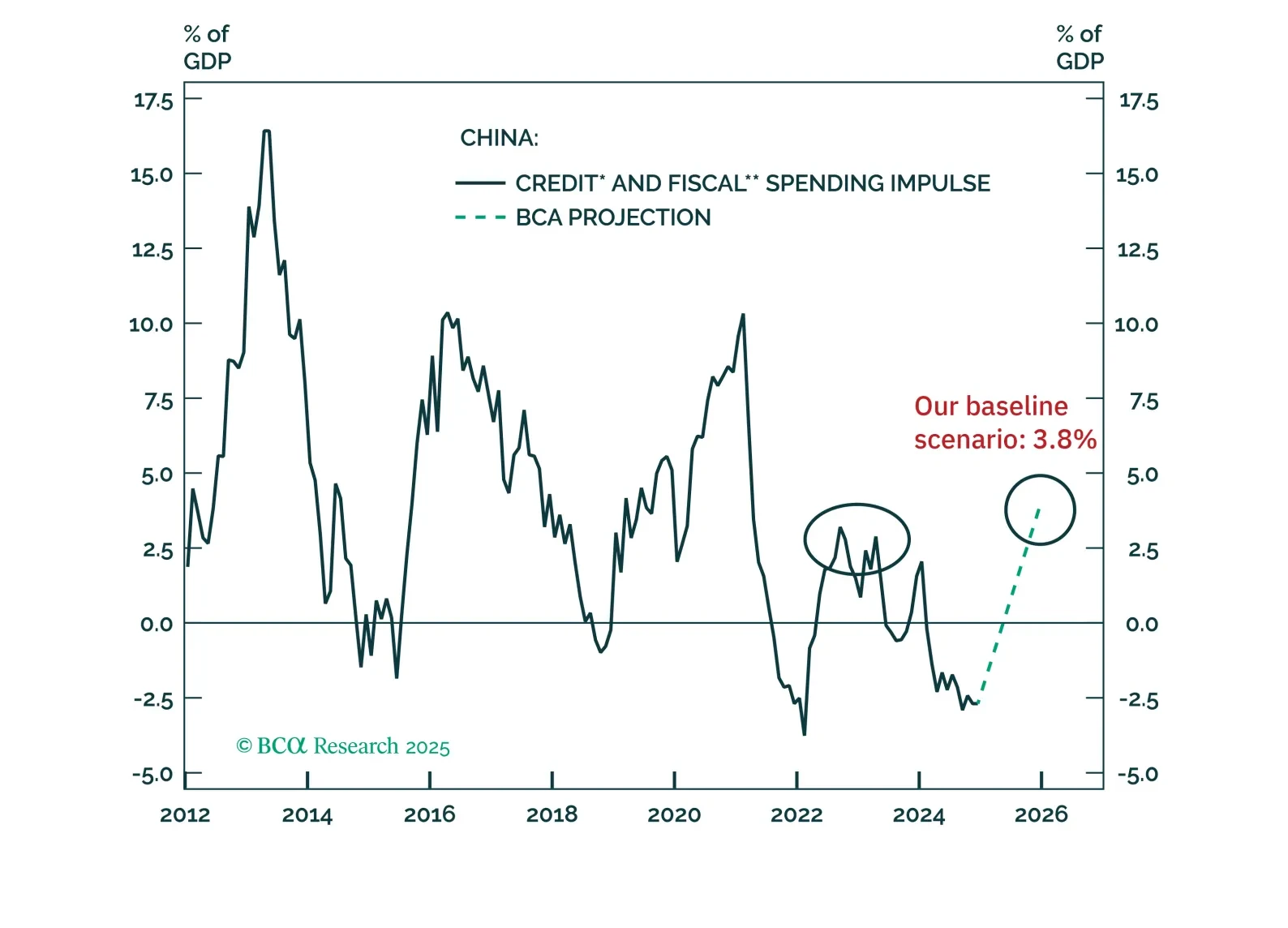
The fiscal stimulus announced at this year’s National People’s Congress is only slightly larger than last year’s. Notably, the details of the measures suggest that it will be challenging for fiscal stimulus to effectively counterbalance the country’s economic difficulties this year.
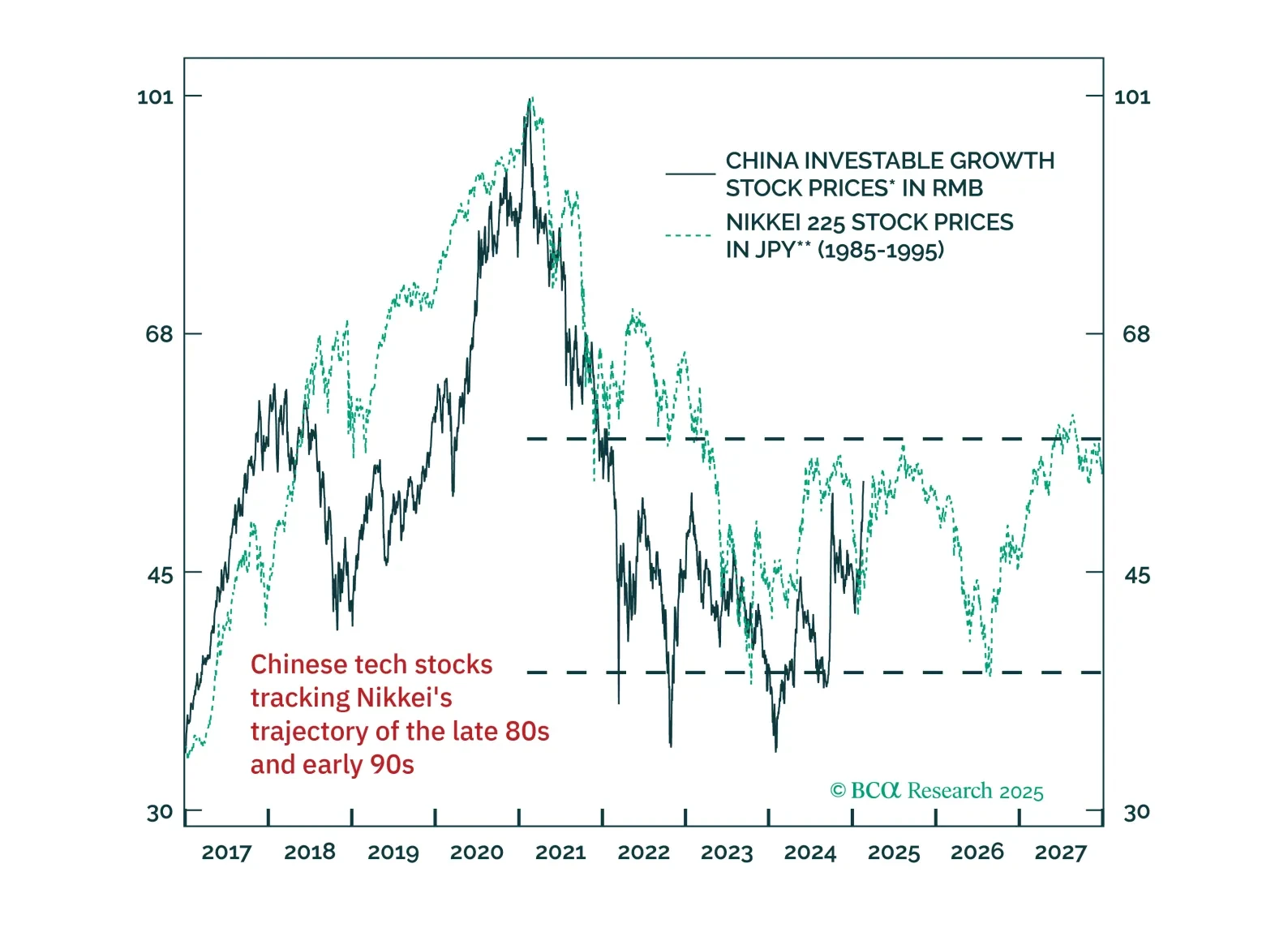
DeepSeek's AI breakthrough will likely enhance China’s productivity gains. But does it justify a re-valuation in Chinese tech stocks? Sustaining the Chinese tech rally will require corporate profits to overcome the pressures of China’s deflationary cycle. Meanwhile, DeepSeek’s innovations may fuel greater competition, intensifying price wars and putting further strain on Chinese tech companies’ profit margins.
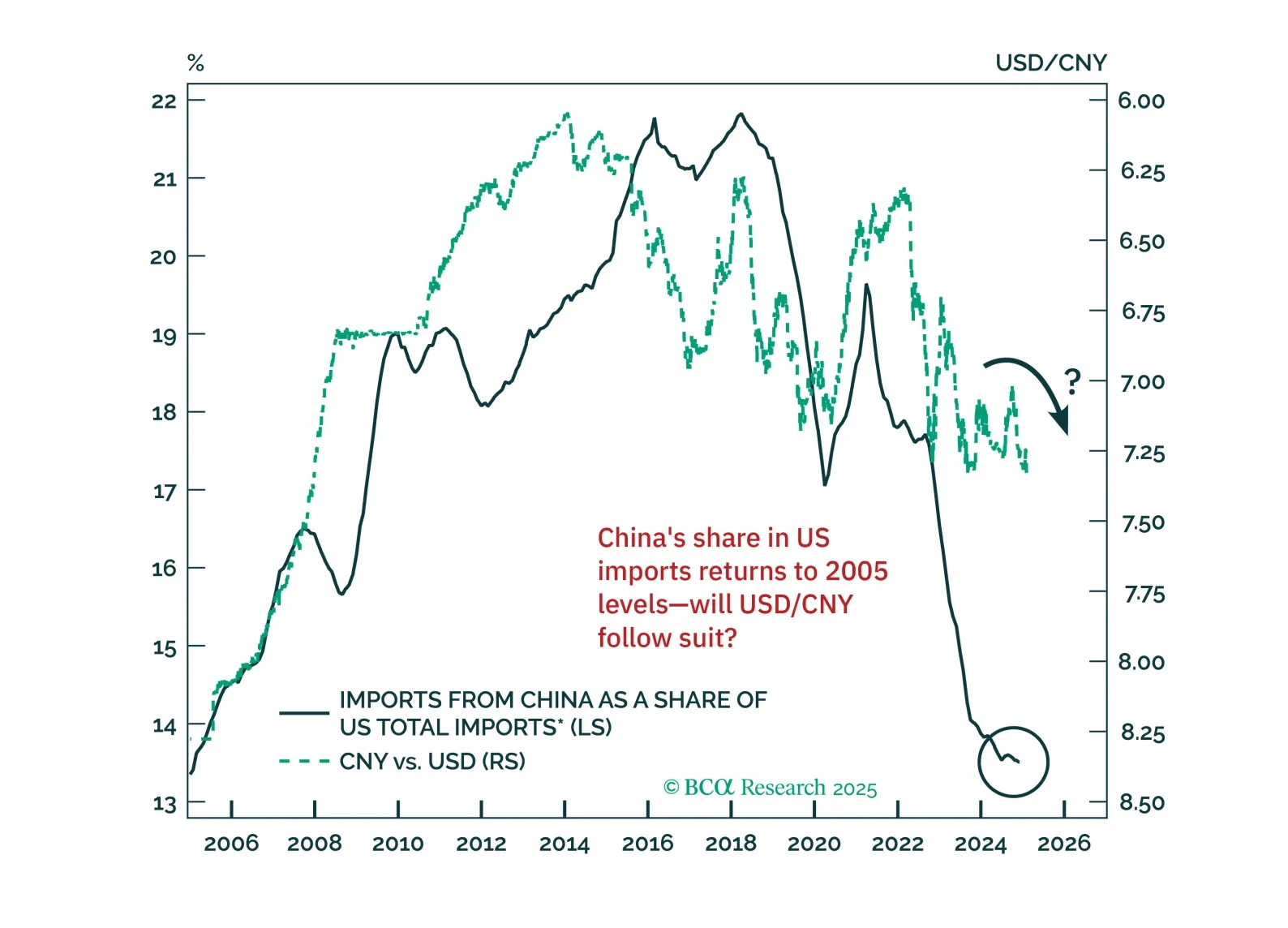
The 10% tariff hike announced on Saturday will likely serve as the opening salvo in a broader wave of protectionist measures. In this report, we assess the increase in US import tariffs on China. While the direct impact on China’s overall economy may be manageable, the country’s economy faces significant risks from potential disruptions in global trade.
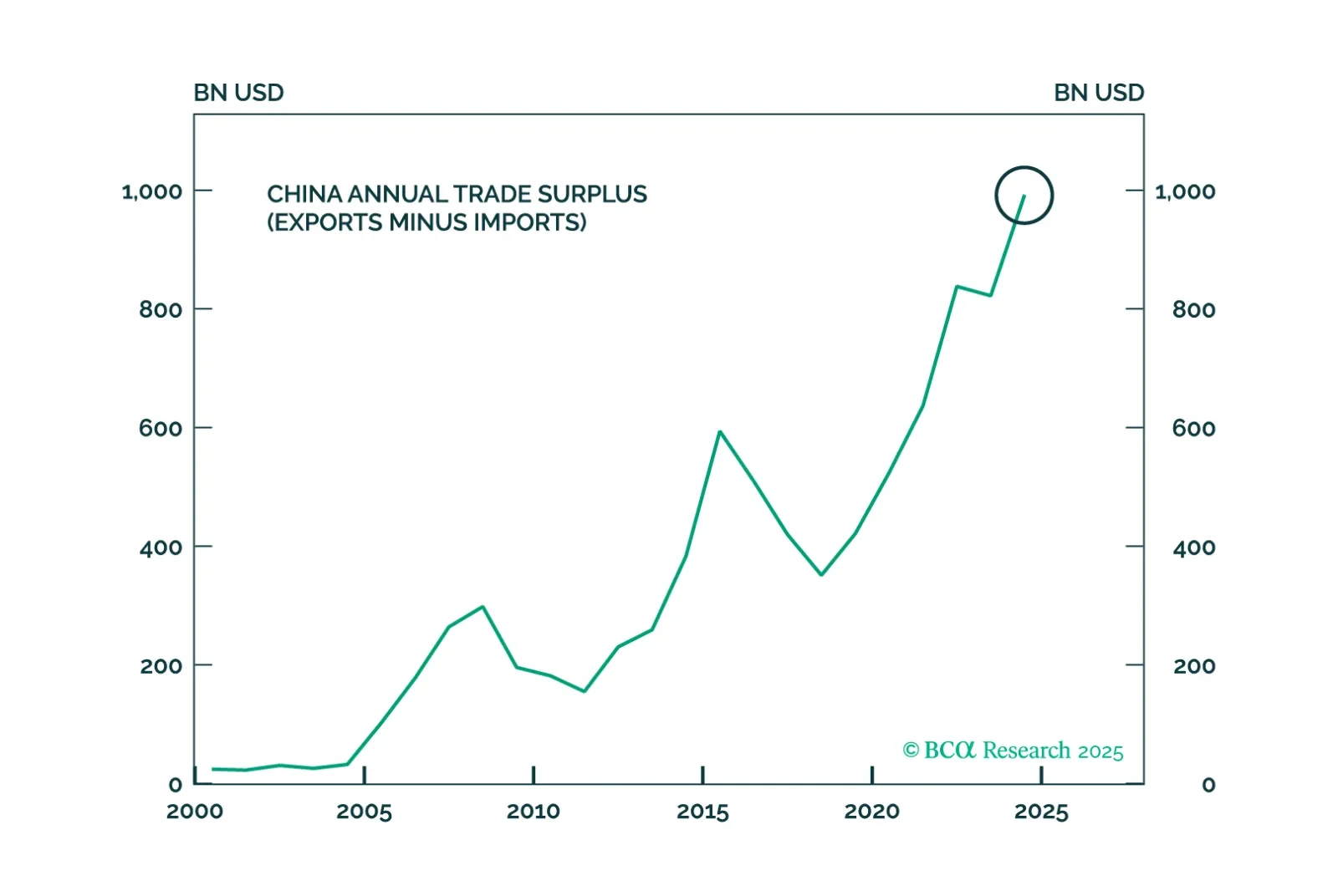
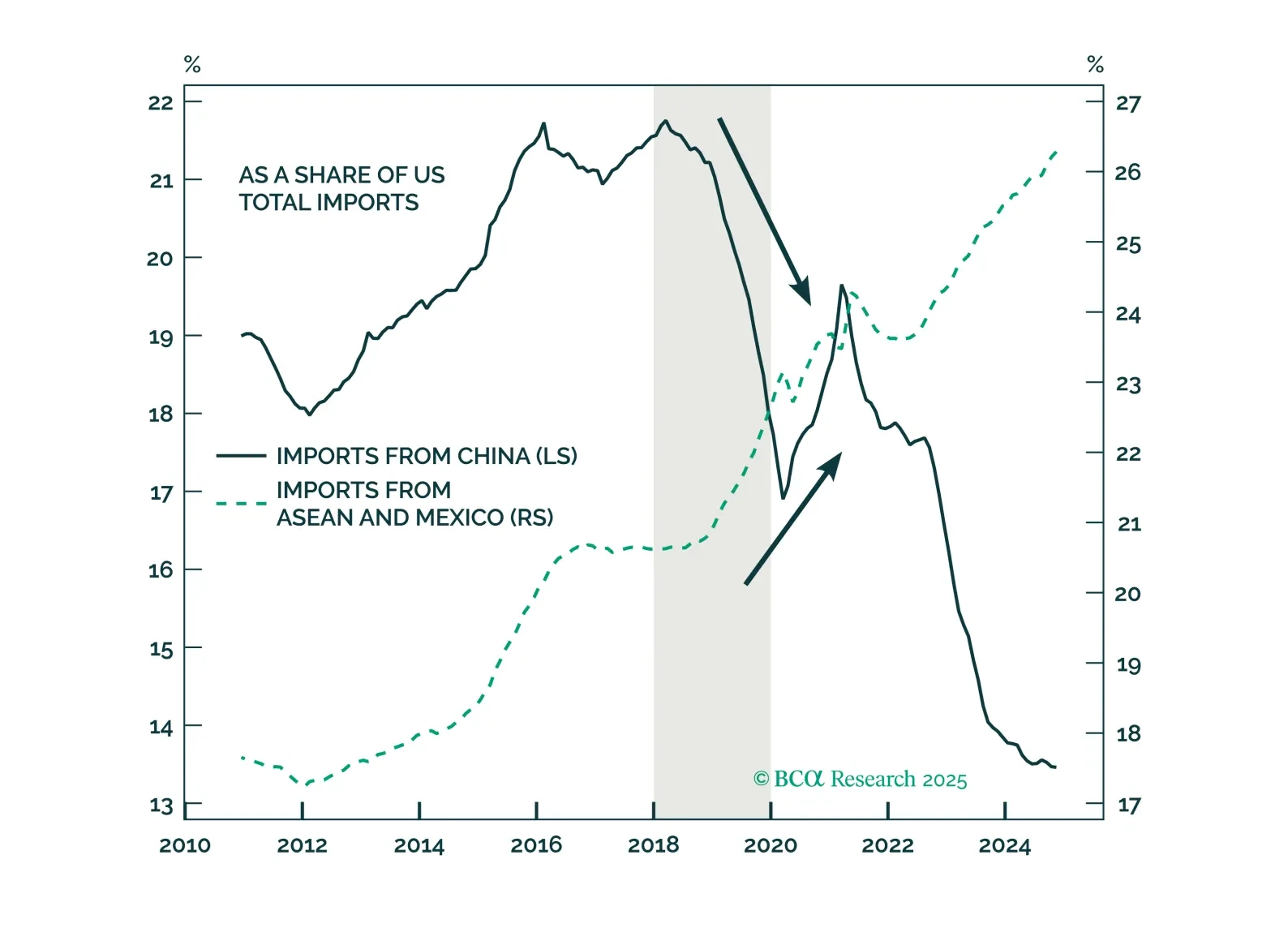
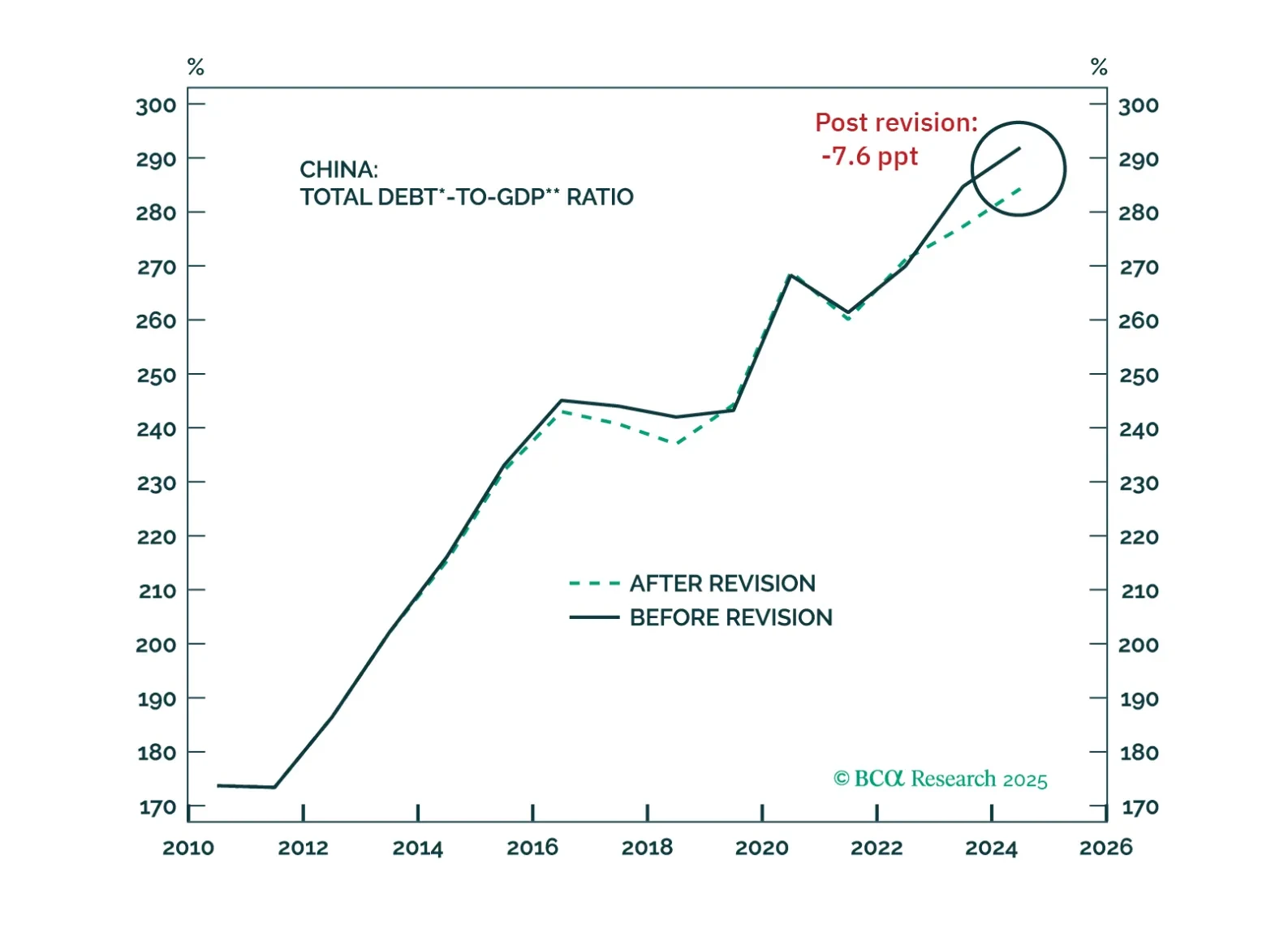
In this week’s report, we present our key takeaways from China's two notable adjustments recently implemented: an upward revision to its 2023 GDP and the reduction of the USD weighting in the RMB Exchange Rate Index.
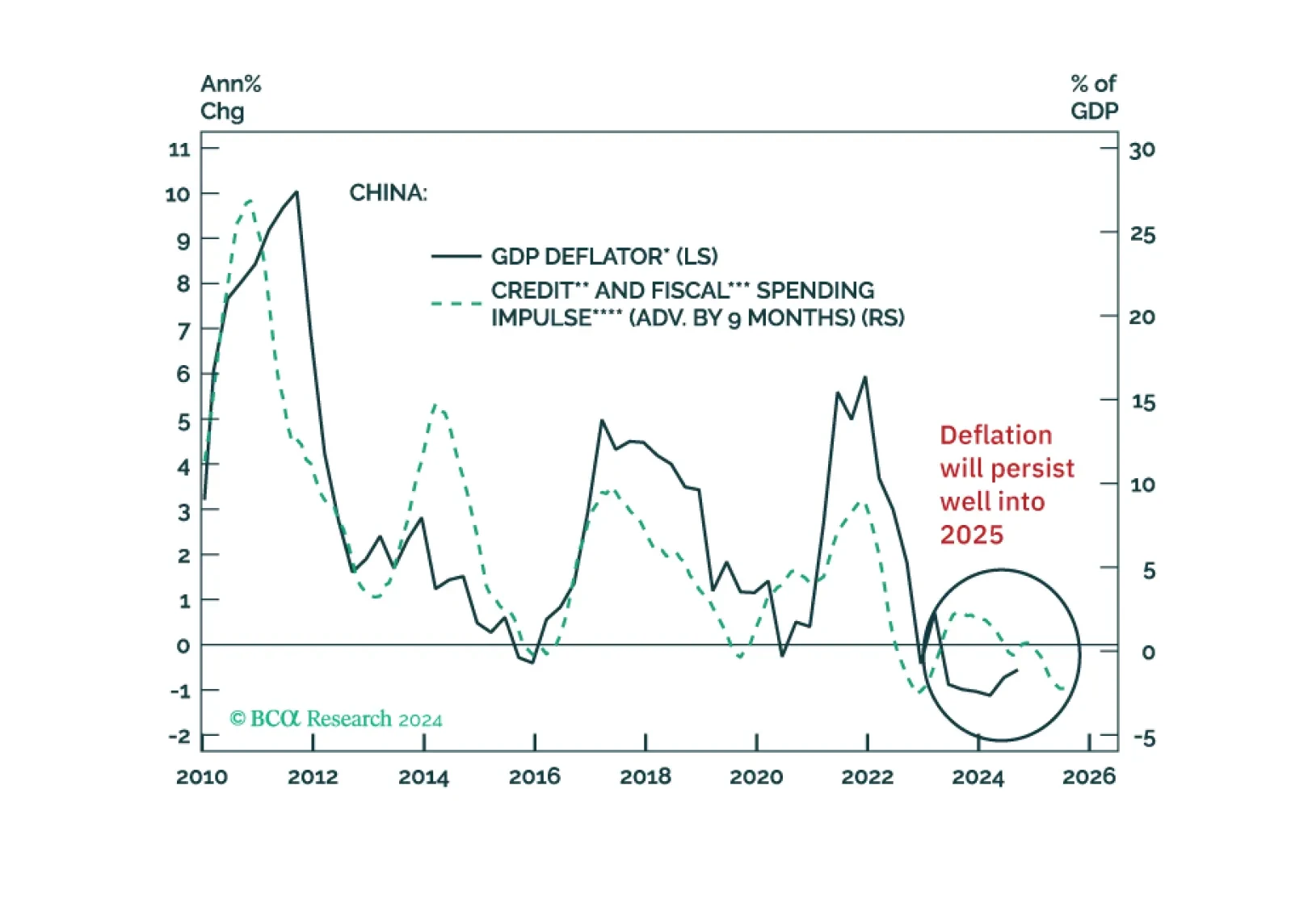
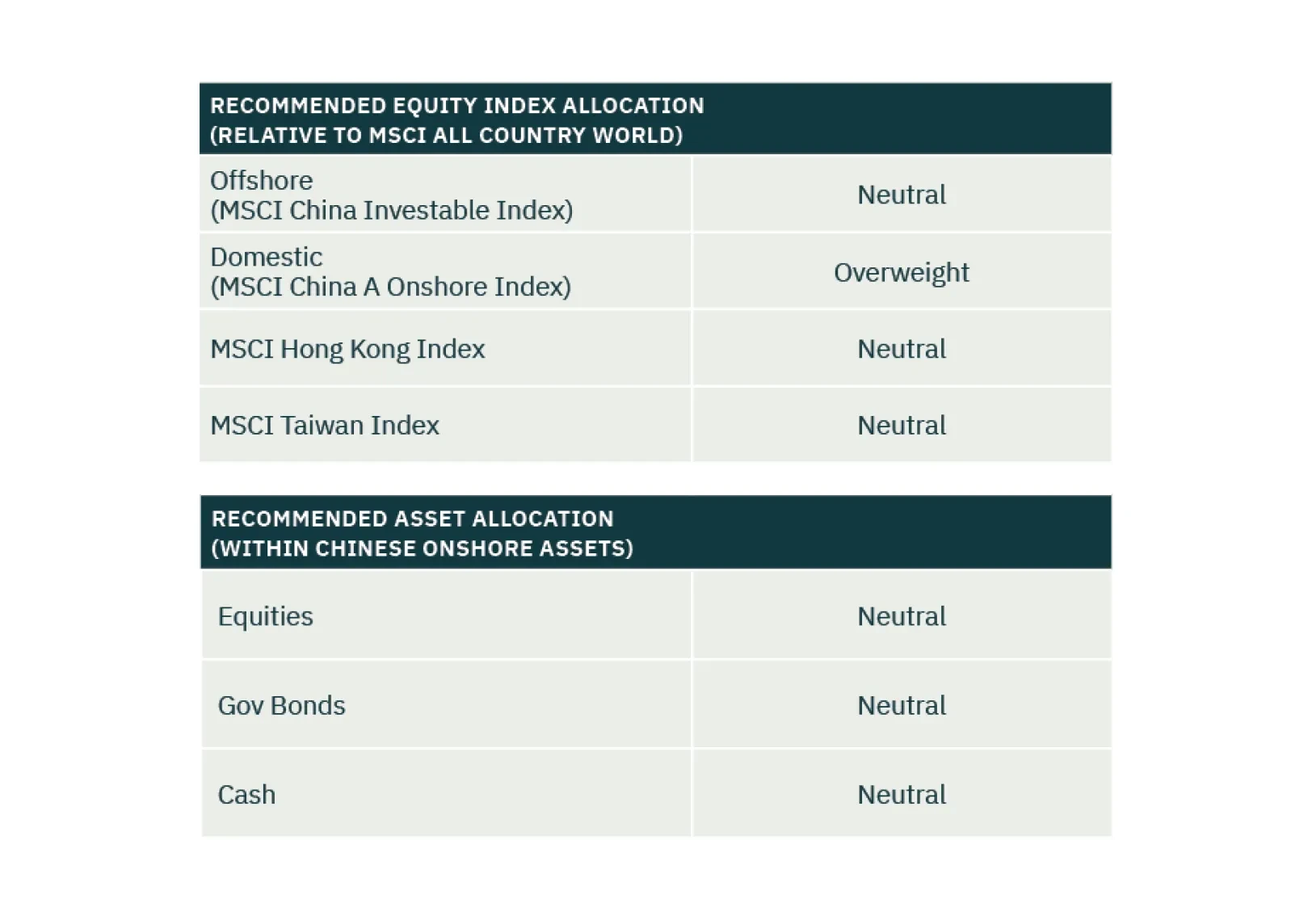
This week we conduct a thorough audit of our open positions by revisiting the original basis and subsequent performance of all 13 cyclical recommendations. Following the review, we recommend closing 6 of the 13 positions.
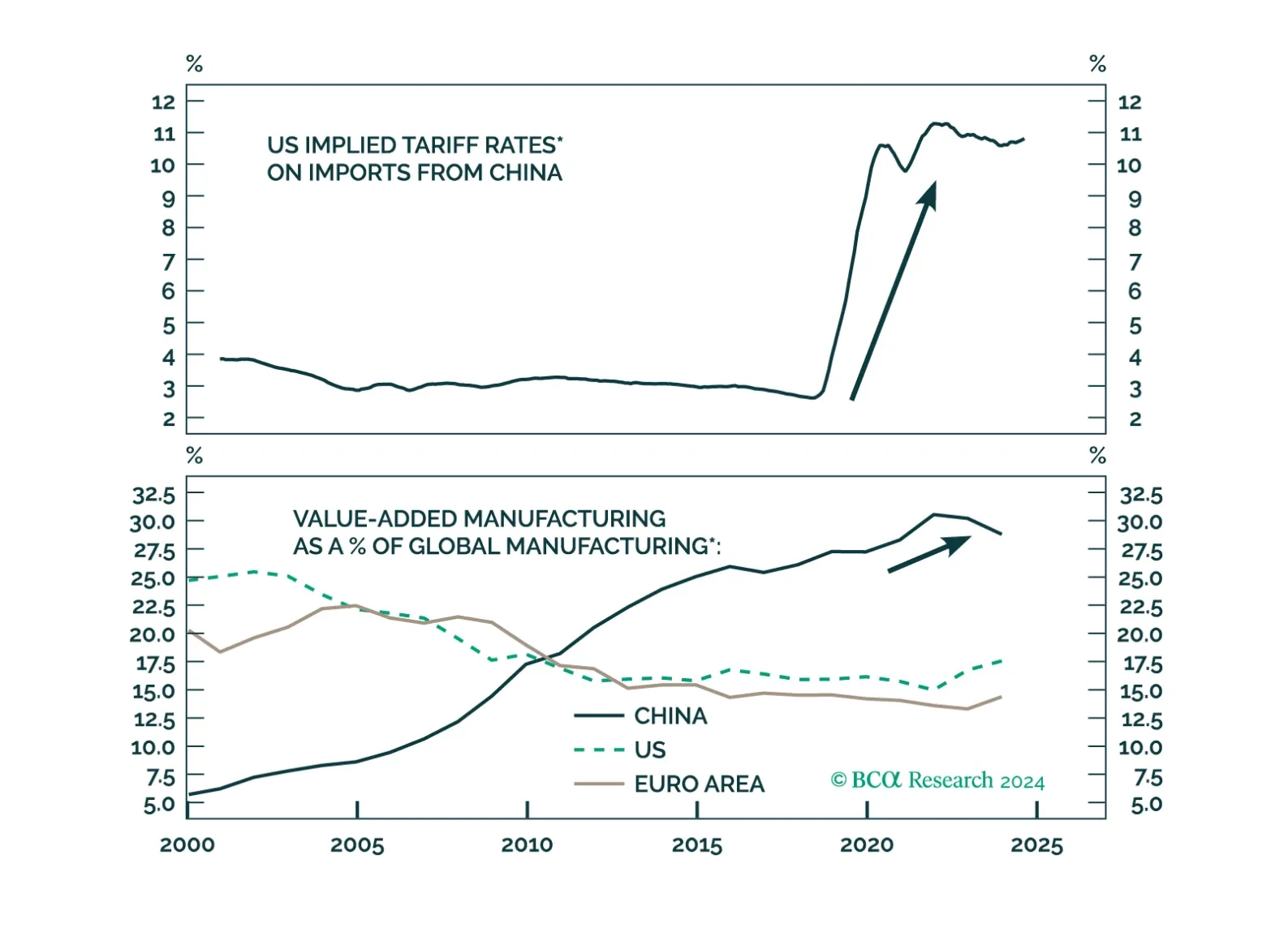
Trump's presidential re-election makes US tariff rate hikes on Chinese exports an imminent threat. Beijing has made extensive efforts to derisk the domestic economy and diversify trade away from the US. However, China is no better positioned today than it was in 2018 to withstand the impact of a renewed trade war.