US
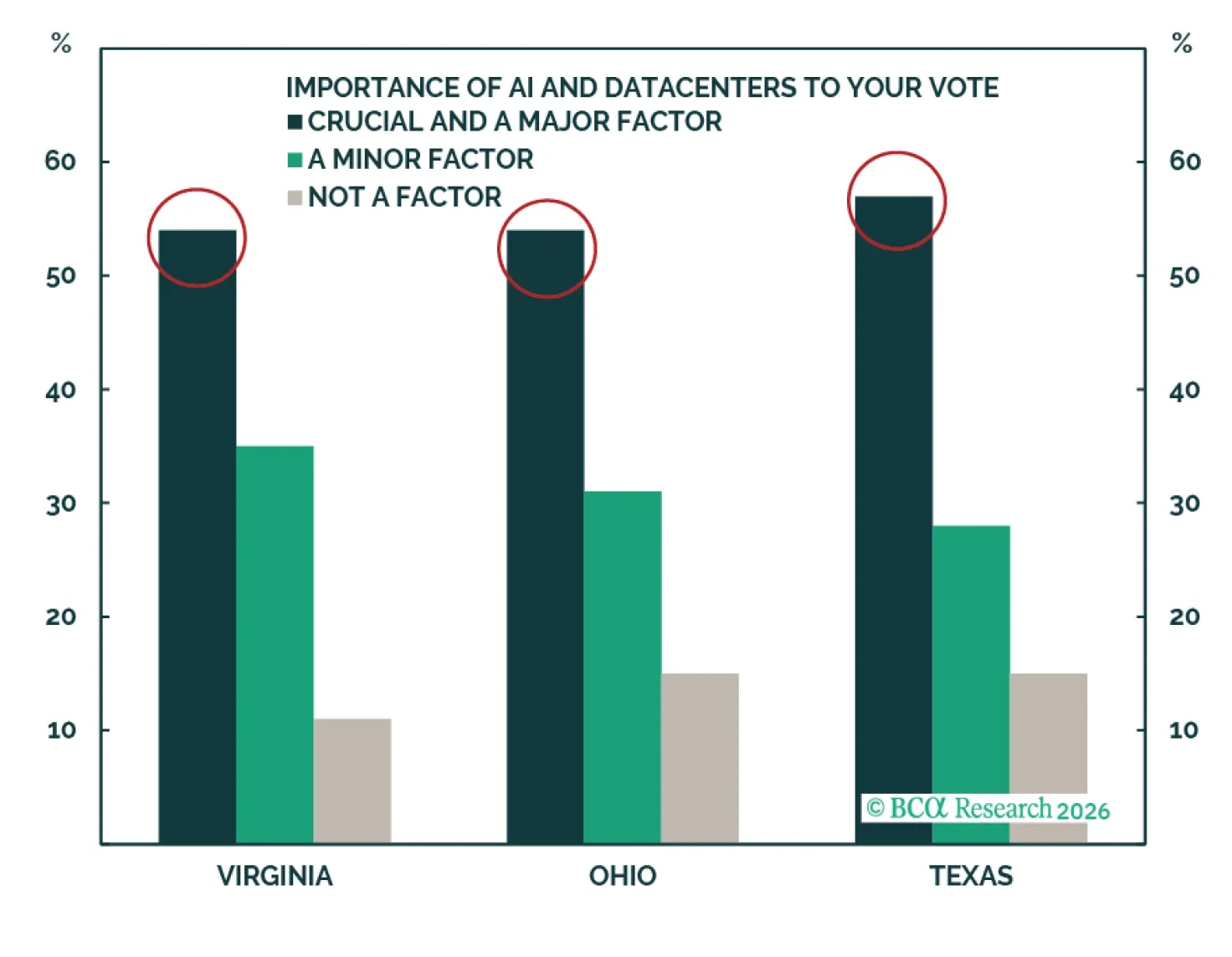
Fears of AI regulation are overblown after the US midterms. But some regulation will pass – and data centers will need to generate their own electricity.
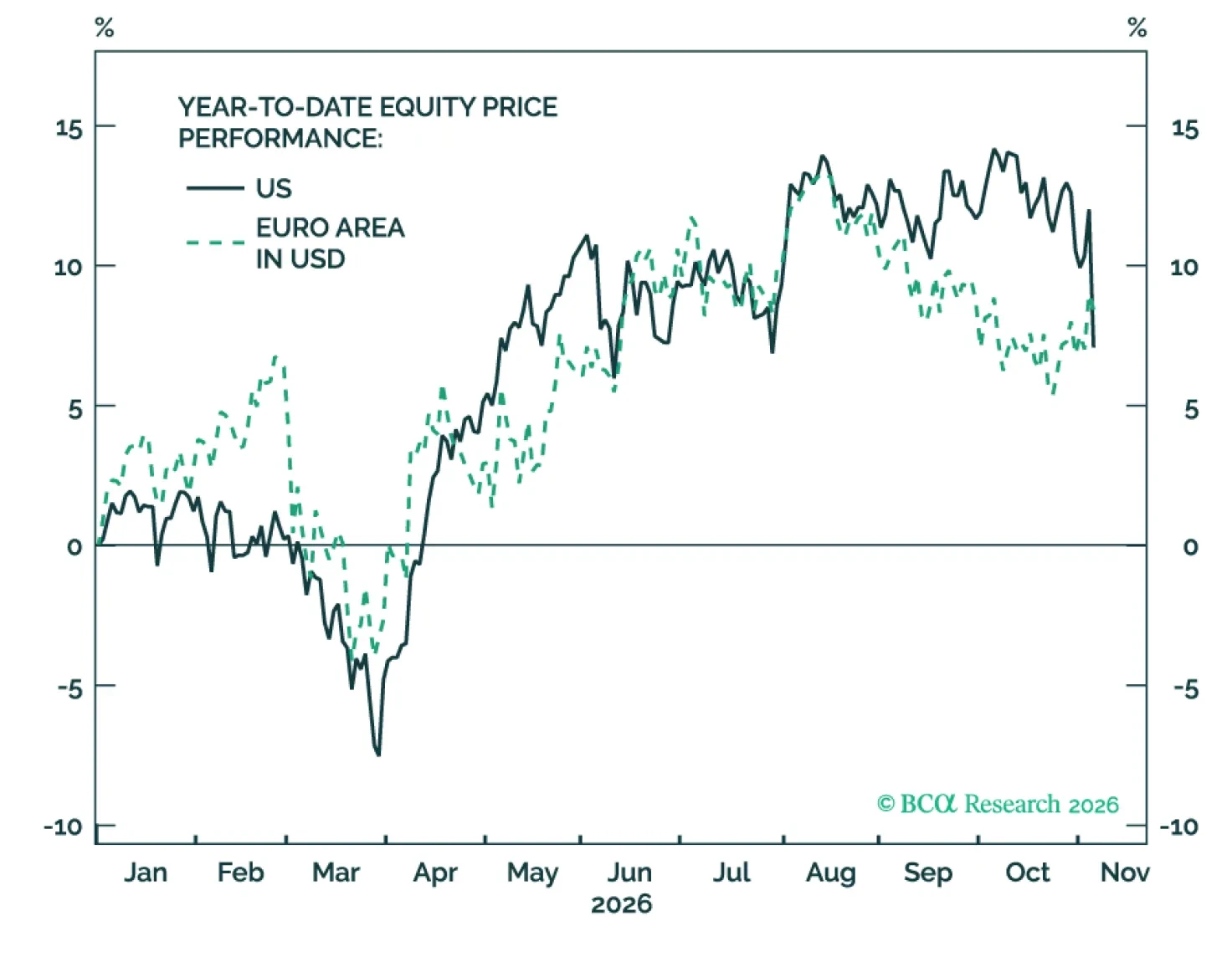
Europe was shunned while AI could do no wrong. That trade is looking tired. Falling energy prices and cracks in the AI boom favor rotating out of US equities and into cheaper European stocks. Favor defensives: Europe can win the relative race even if both markets fall.
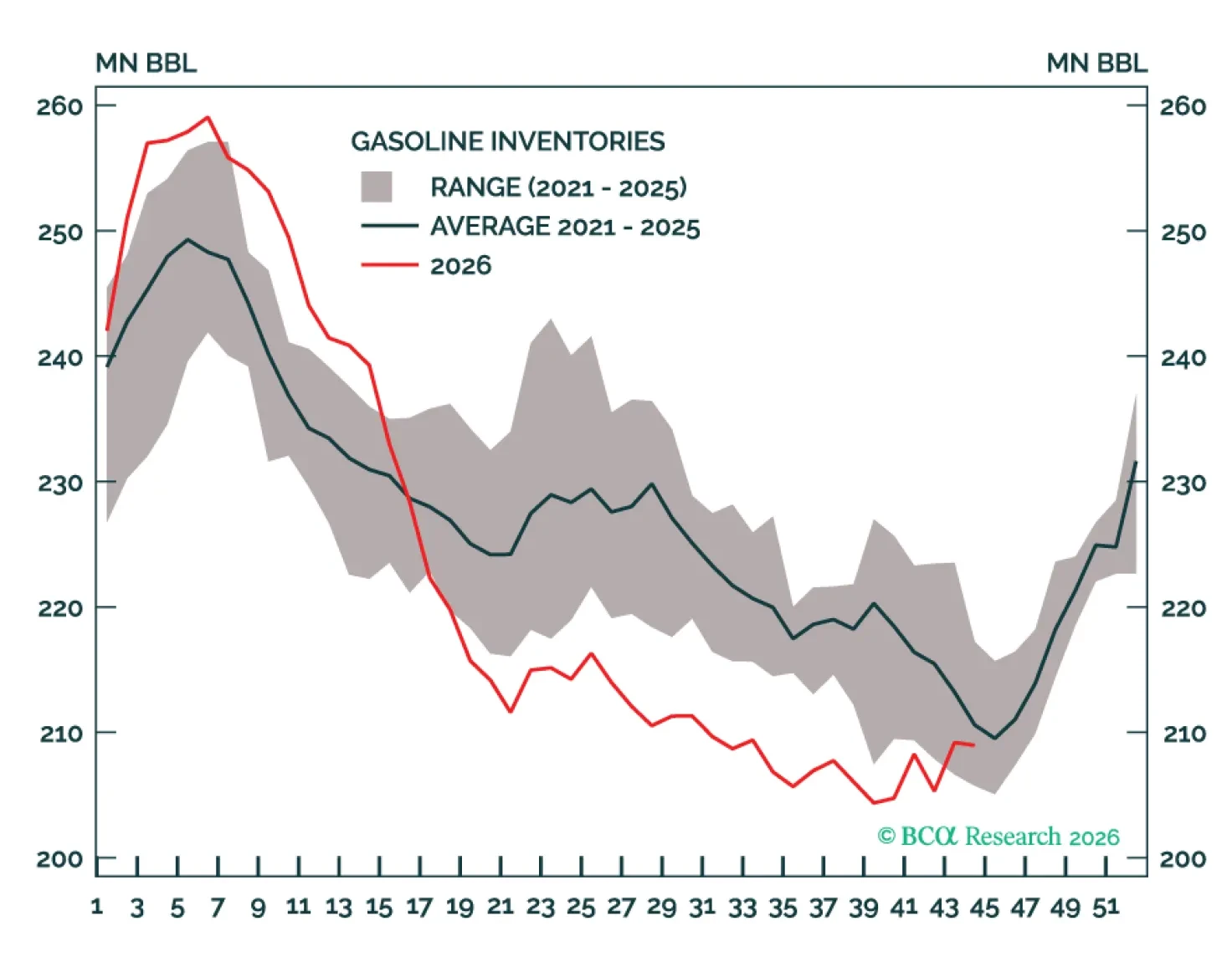
US institutions are prevailing over an unorthodox personality, implying policy adjustment and a decent backdrop for equity markets. But the Iran war is an immediate and acute risk to the global macro and market outlook.
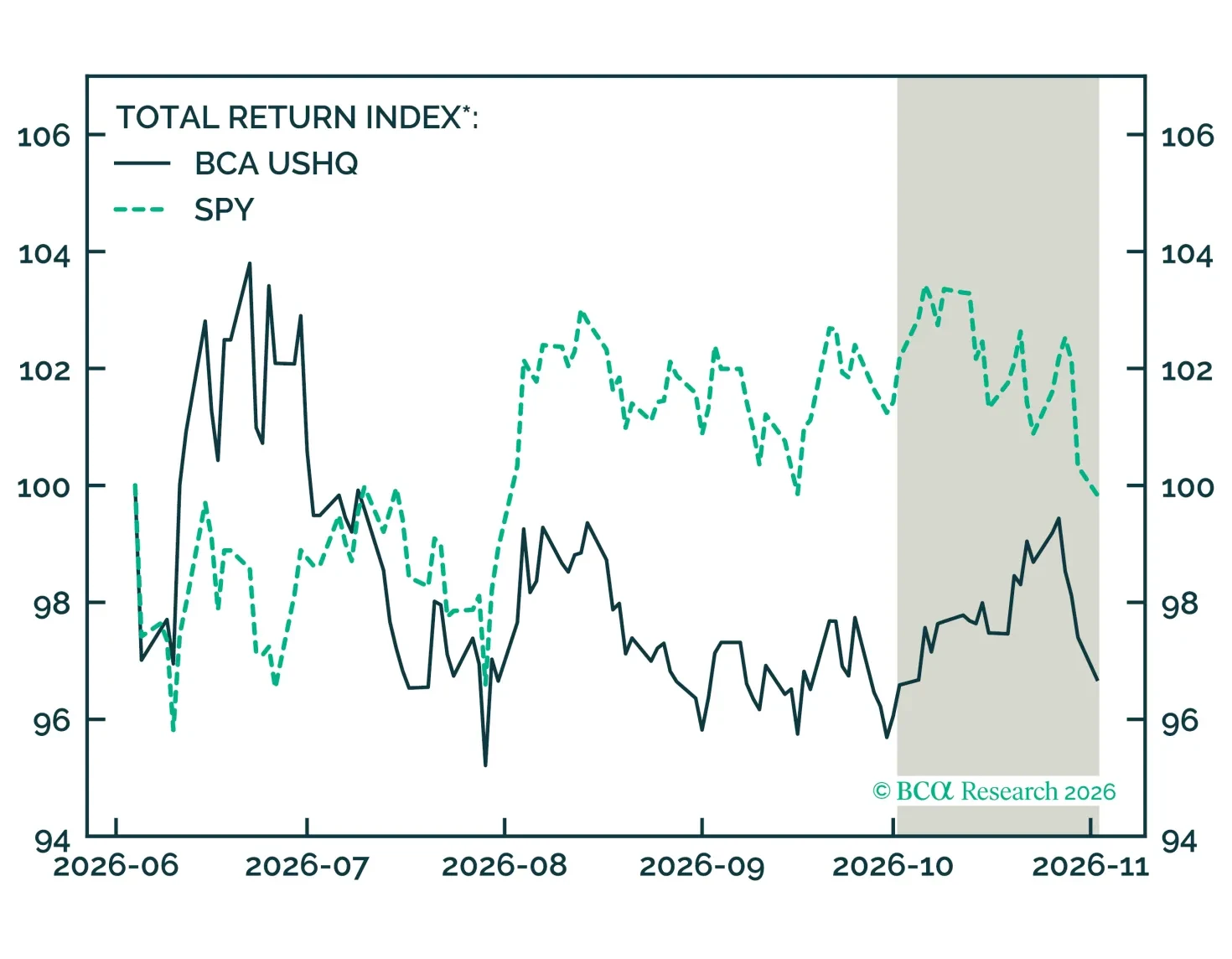
In a month when Tech dragged the market lower, USHQ’s quality tilt paid off, beating the benchmark by 238bps with gains spread across the portfolio. USHQ SMID lagged in October but remains ahead of its benchmark since June.
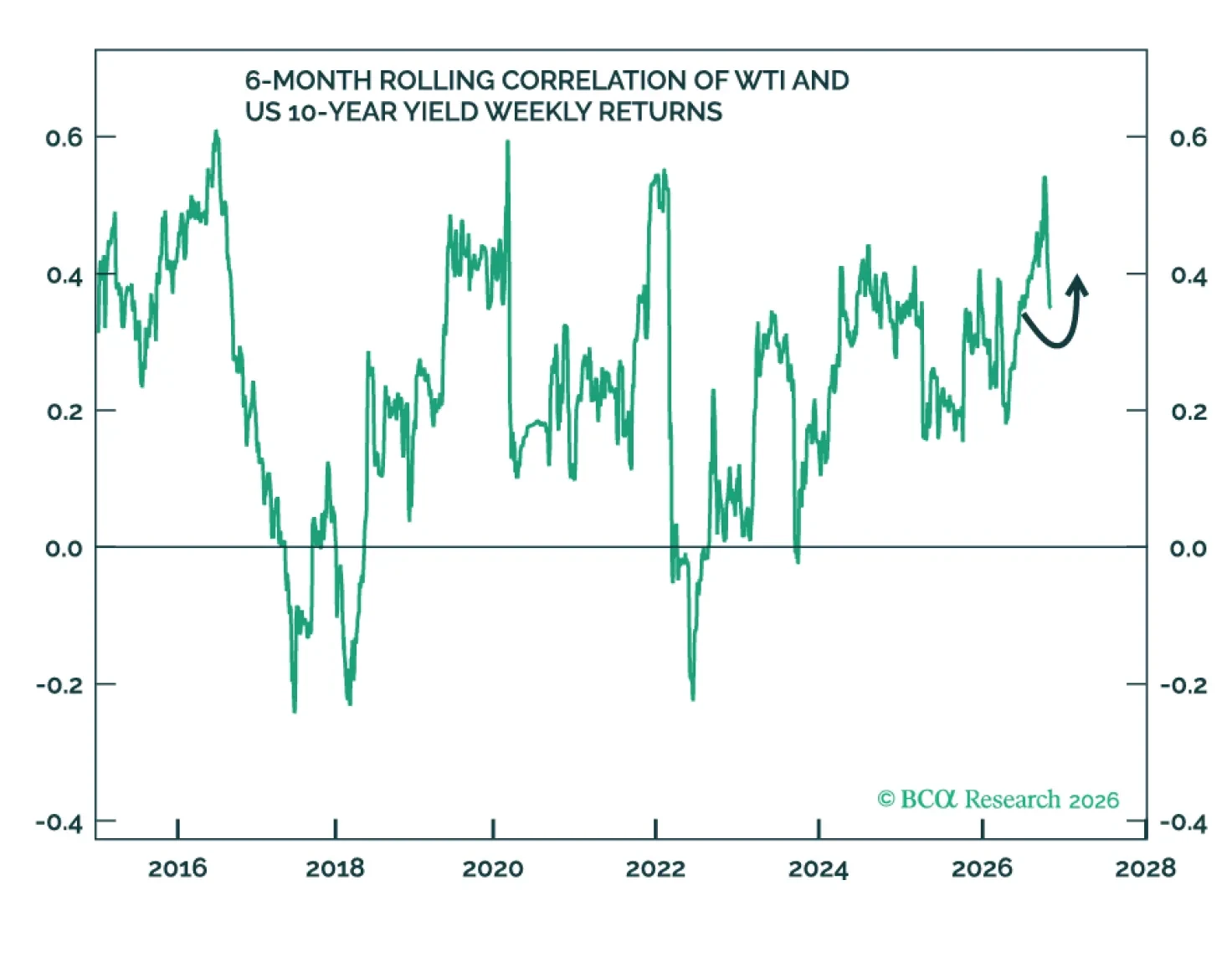
Democrats look to be clinching a Senate victory in the final day of the campaign, but Iran, not the Senate, poses the real risk.
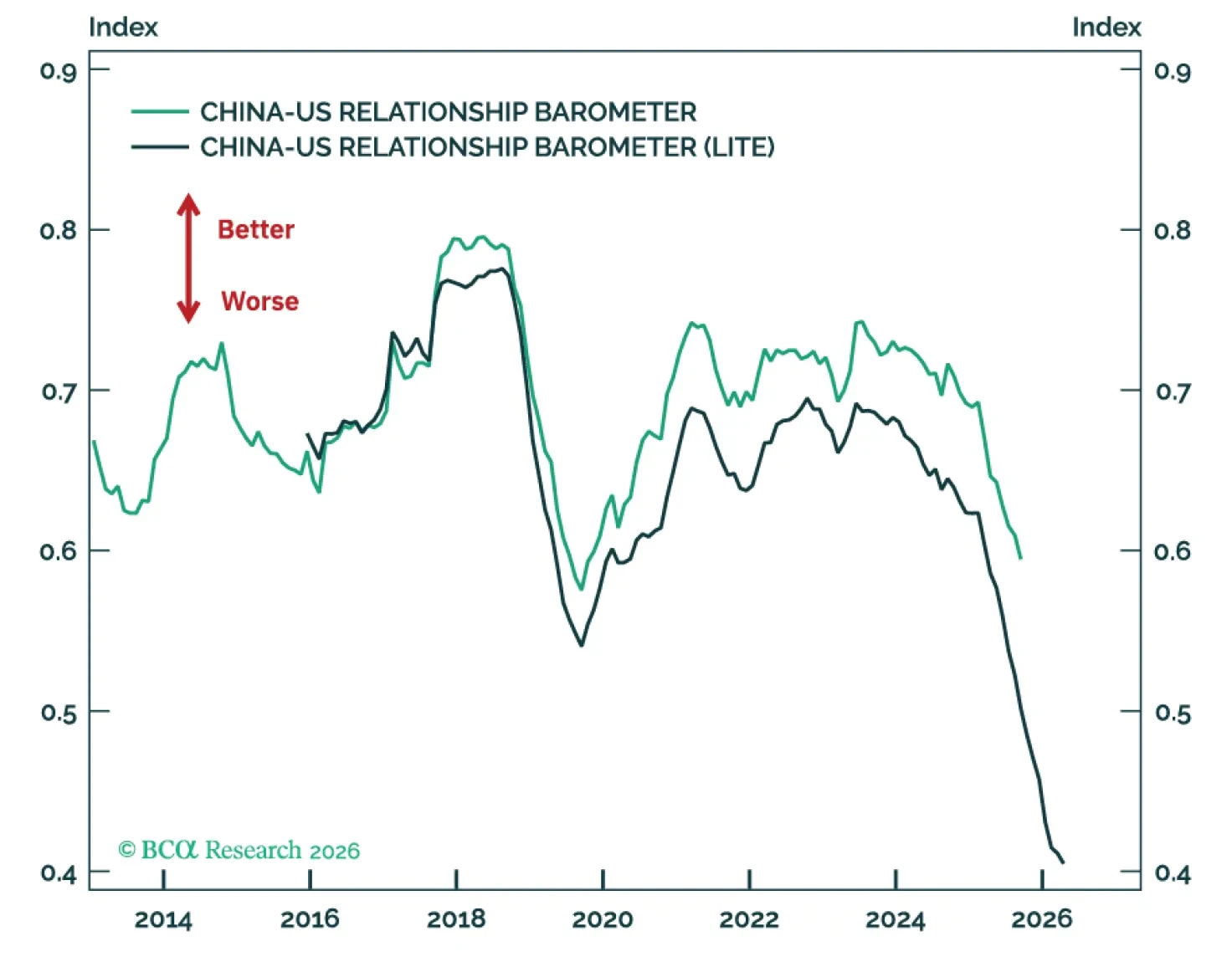
The Trump-Xi summit does not imply concrete benefits to US-China trade. Strategic tensions persist, forcing China to increase fiscal stimulus in 2027.
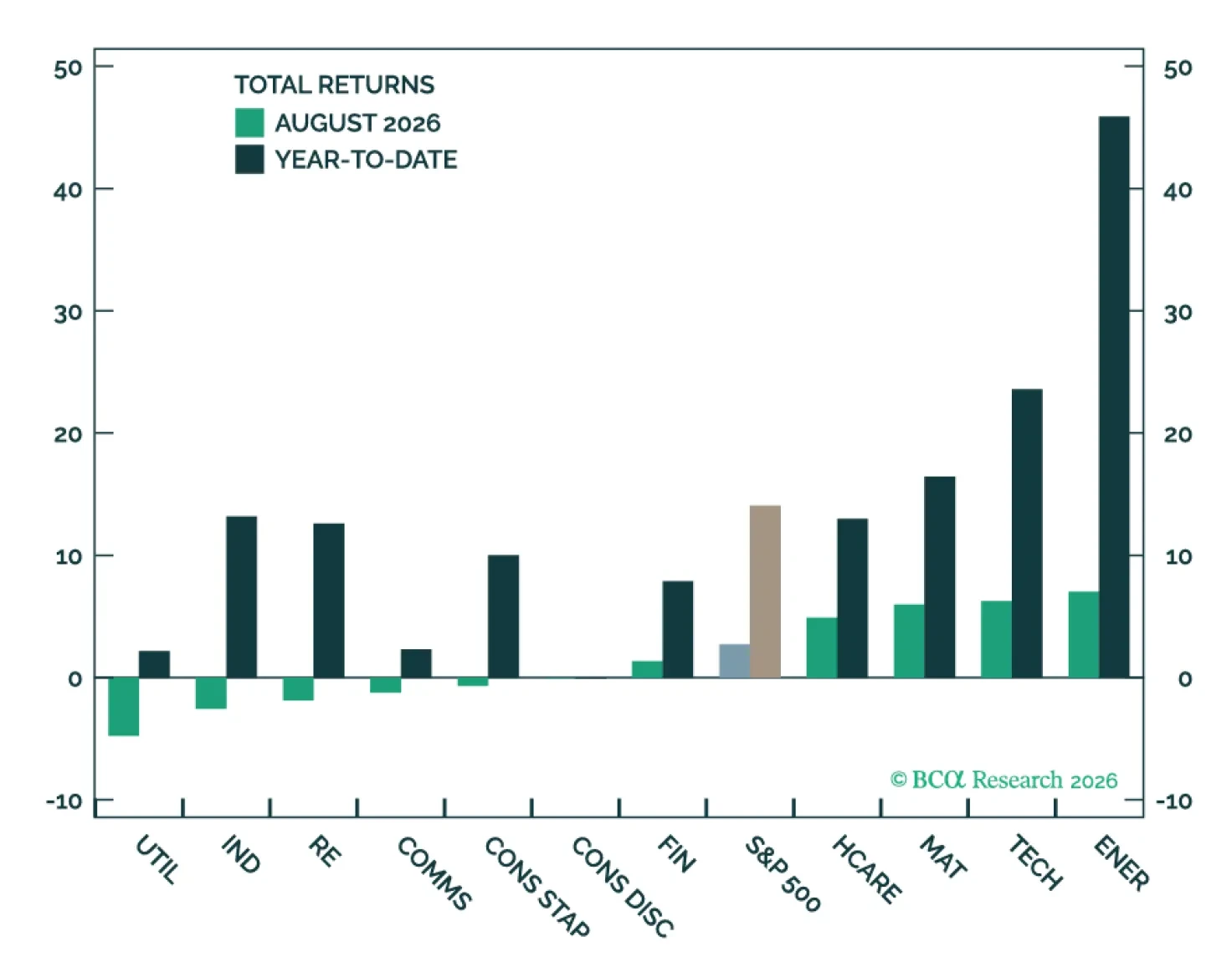
Strong second quarter earnings suggest that the AI story is intact. Buoyed in part by this strength, tech stocks have recoupled with healthy fundamentals after a late-July swoon, posting solid August gains. We continue to see upside for the S&P 500, favoring the cyclical and AI exposure of tech, materials, and industrials. But rising bond yields remain the dominant headwind.
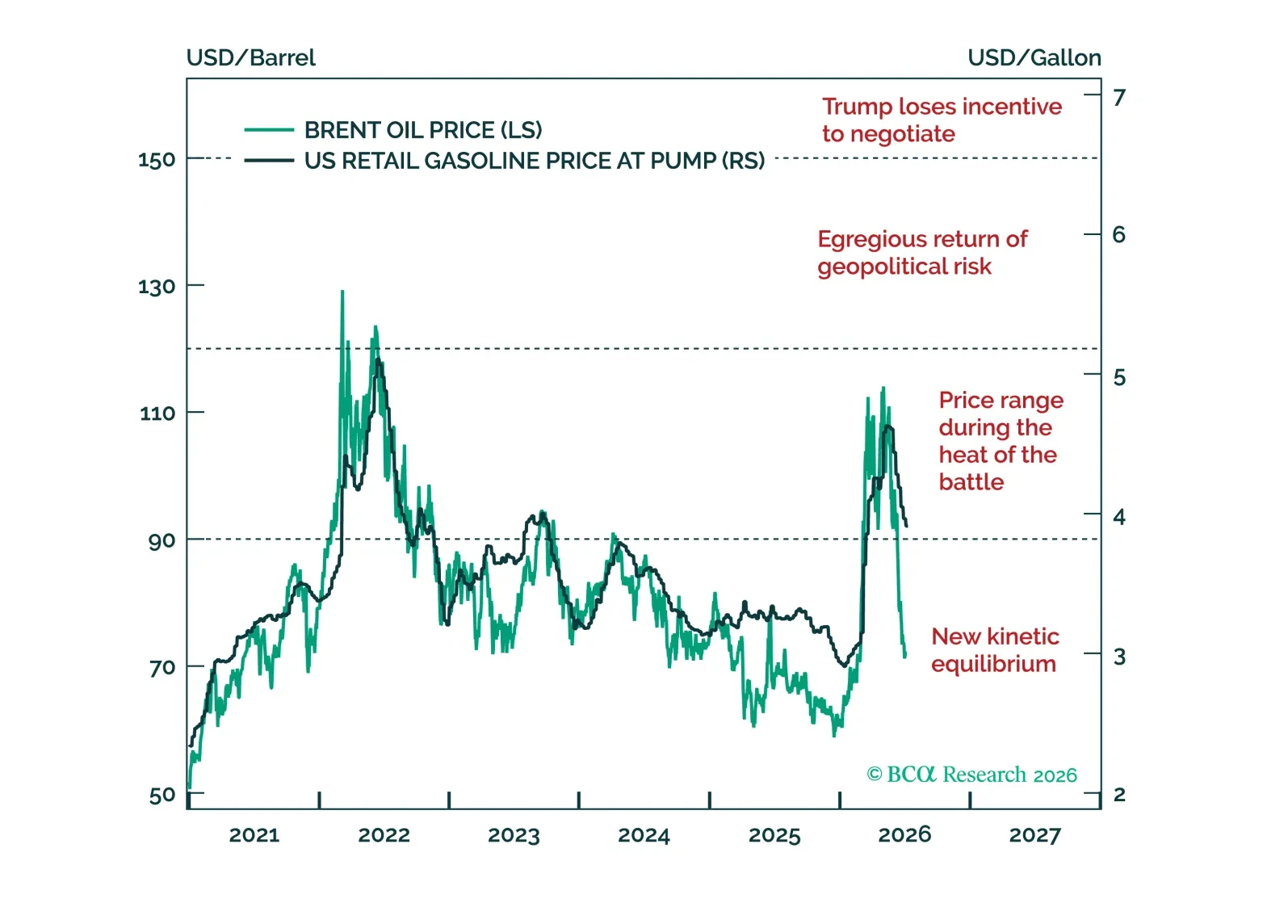
We remain bullish on risk assets given that the Hormuz war has resolved itself and oil prices have declined by even more than we expected. In addition, the macro fundamentals are not flashing any red signs. That said, we remain skeptical that the AI revolution will continue without any hiccups. In fact, a price war may ensue once all the players realize they’re in the commodity – not tech – space.
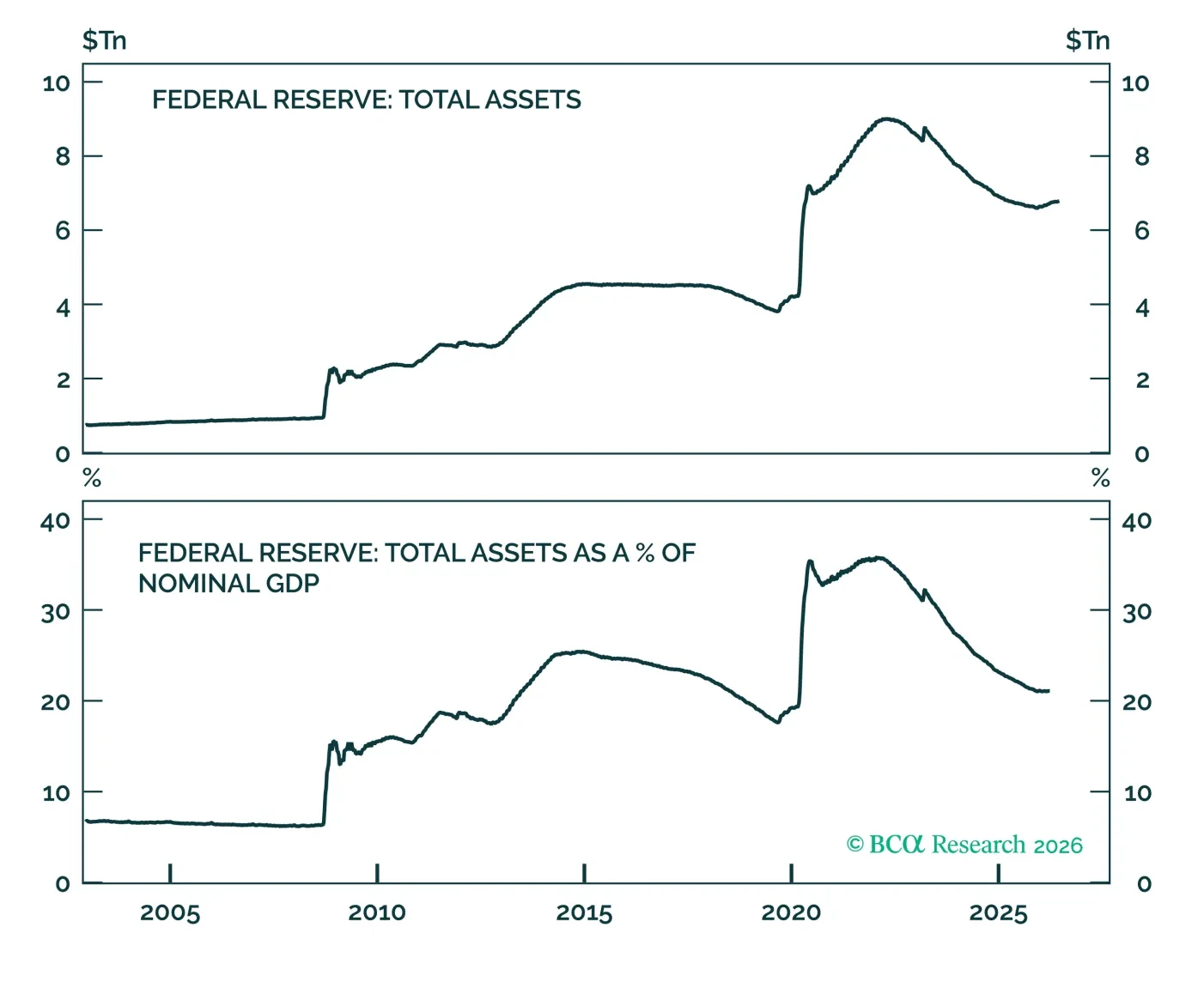
We discuss what recommendations to expect from the Fed’s balance sheet task force. We conclude that any future balance sheet consolidation will be smaller than many anticipate.
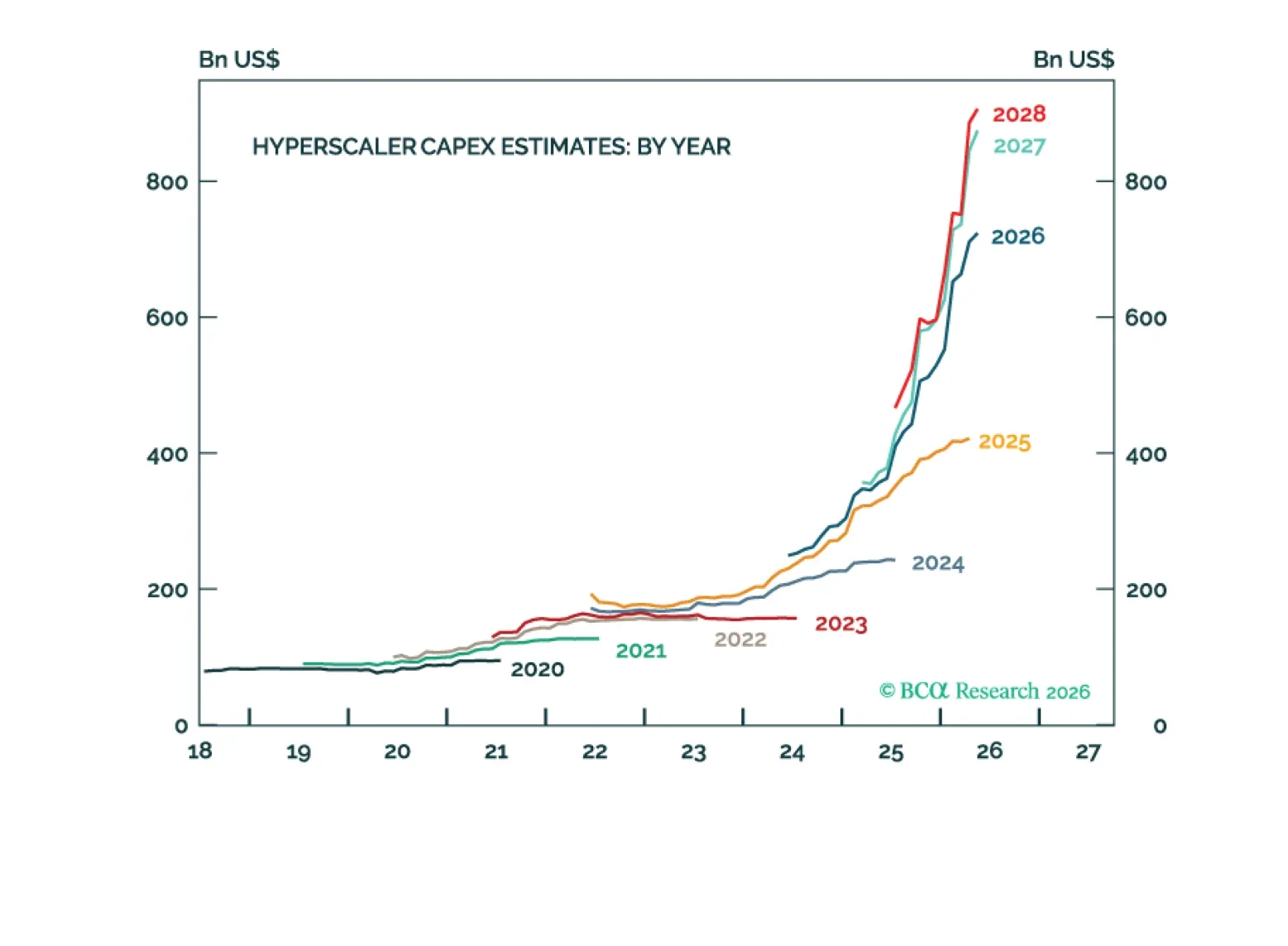
A surefire way to make money is to buy stocks in industries experiencing shortages. AI supply-chain bottlenecks will persist for the next few years but markets will price in relief before then.