Latest from BCA Research
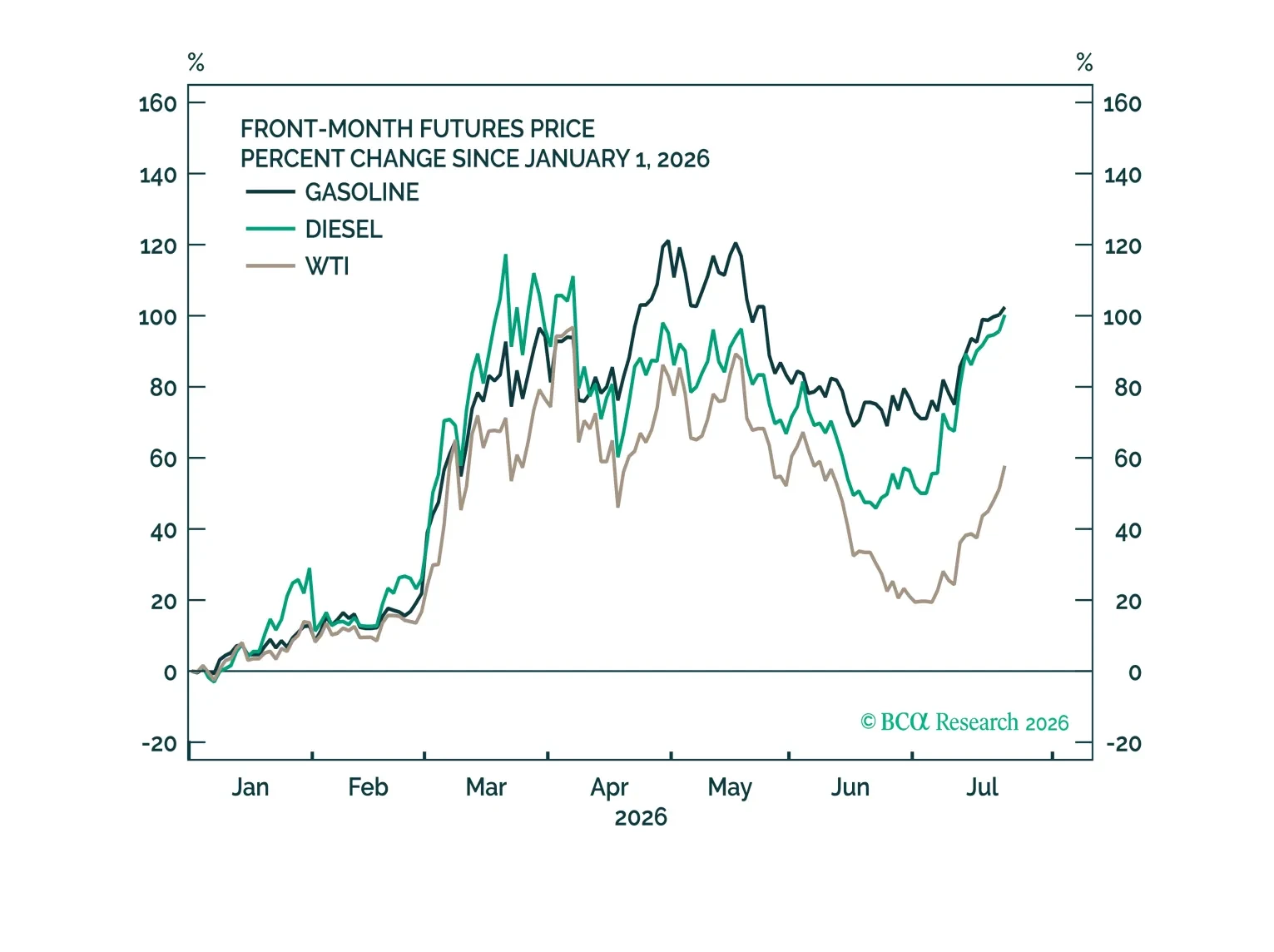
As long as the AI boom keeps booming, all other investment considerations will remain on the back burner. However, if the AI trade fizzles, this would expose deep-seated problems within the global economy, which could very well lead to an economic downturn as early as next year.
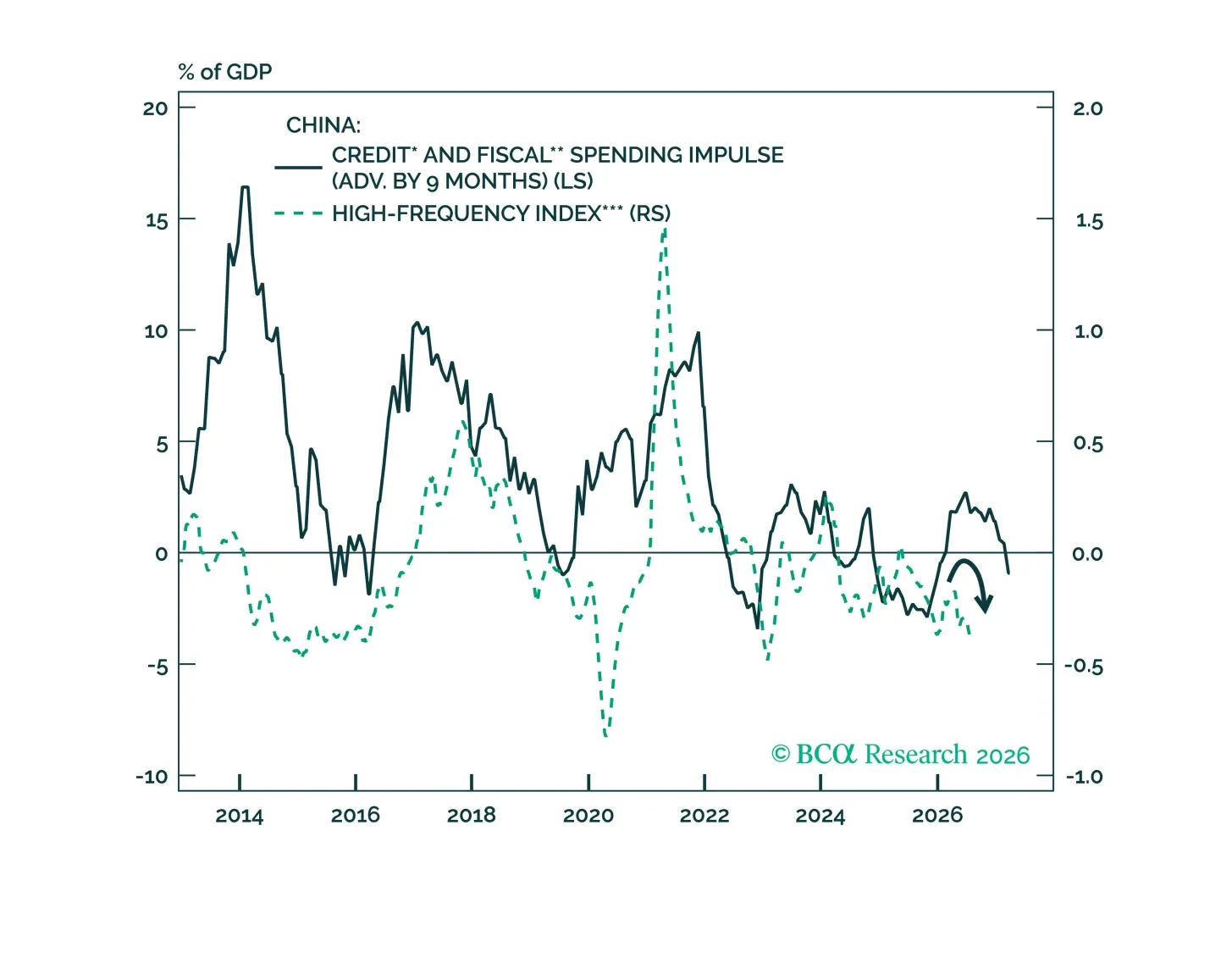
China's economy is slowing, but policymakers are unlikely to launch broad-based stimulus in H2. Meanwhile, the emergence of China's "Kimi moment" underscores Beijing's commitment to technological upgrading and the country's rapidly advancing AI capabilities.
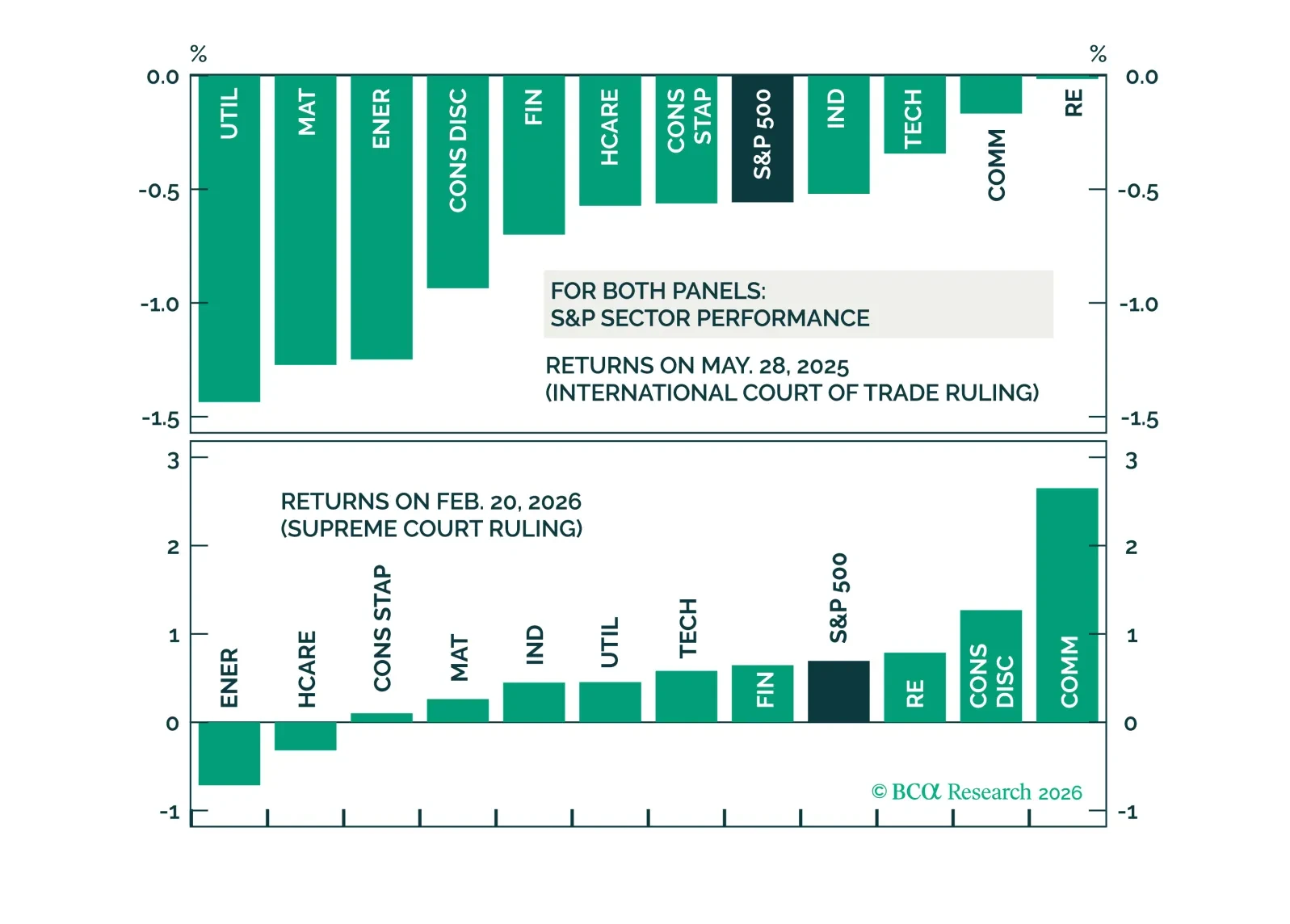
The Supreme Court, Senate, Fed, and other institutions have proved resilient so far under the Trump administration. US institutional erosion is overstated.
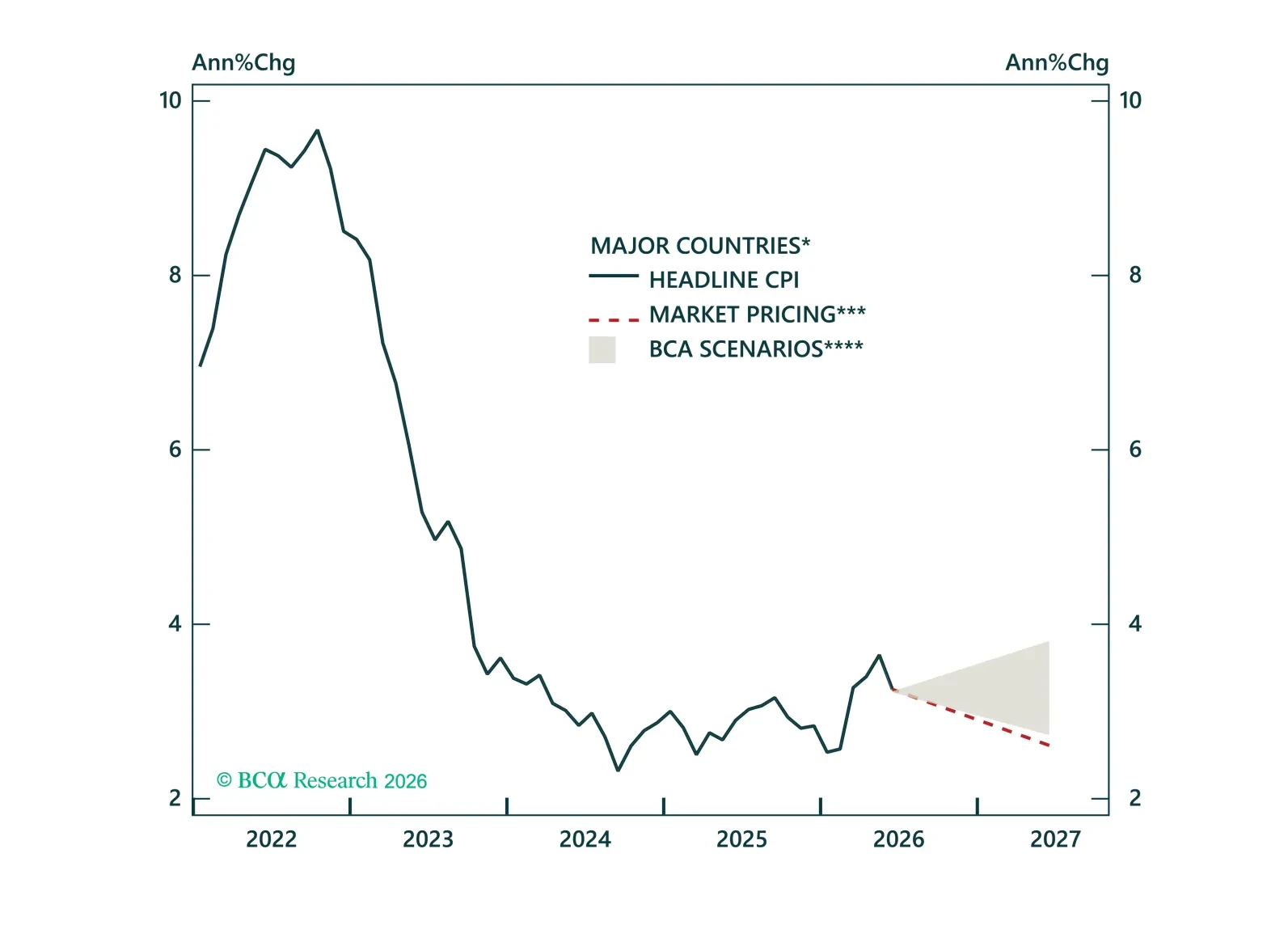
In this Strategy Insight, we assess how Middle East-related energy and shipping disruptions are shaping the global inflation outlook and review the implications for inflation-linked bond markets. We also examine the outlook for core inflation and the resulting implications for central bank policy and duration positioning.
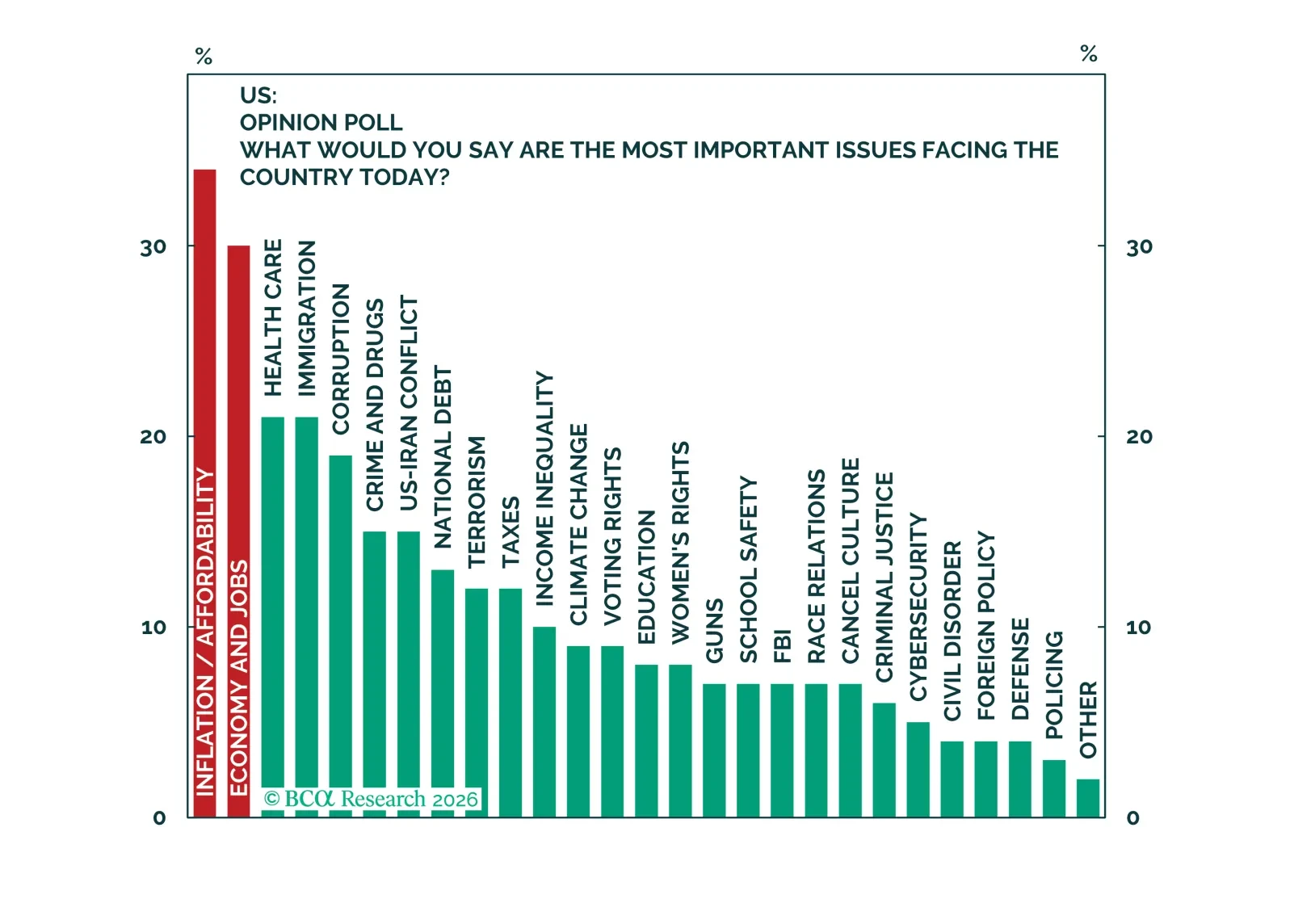
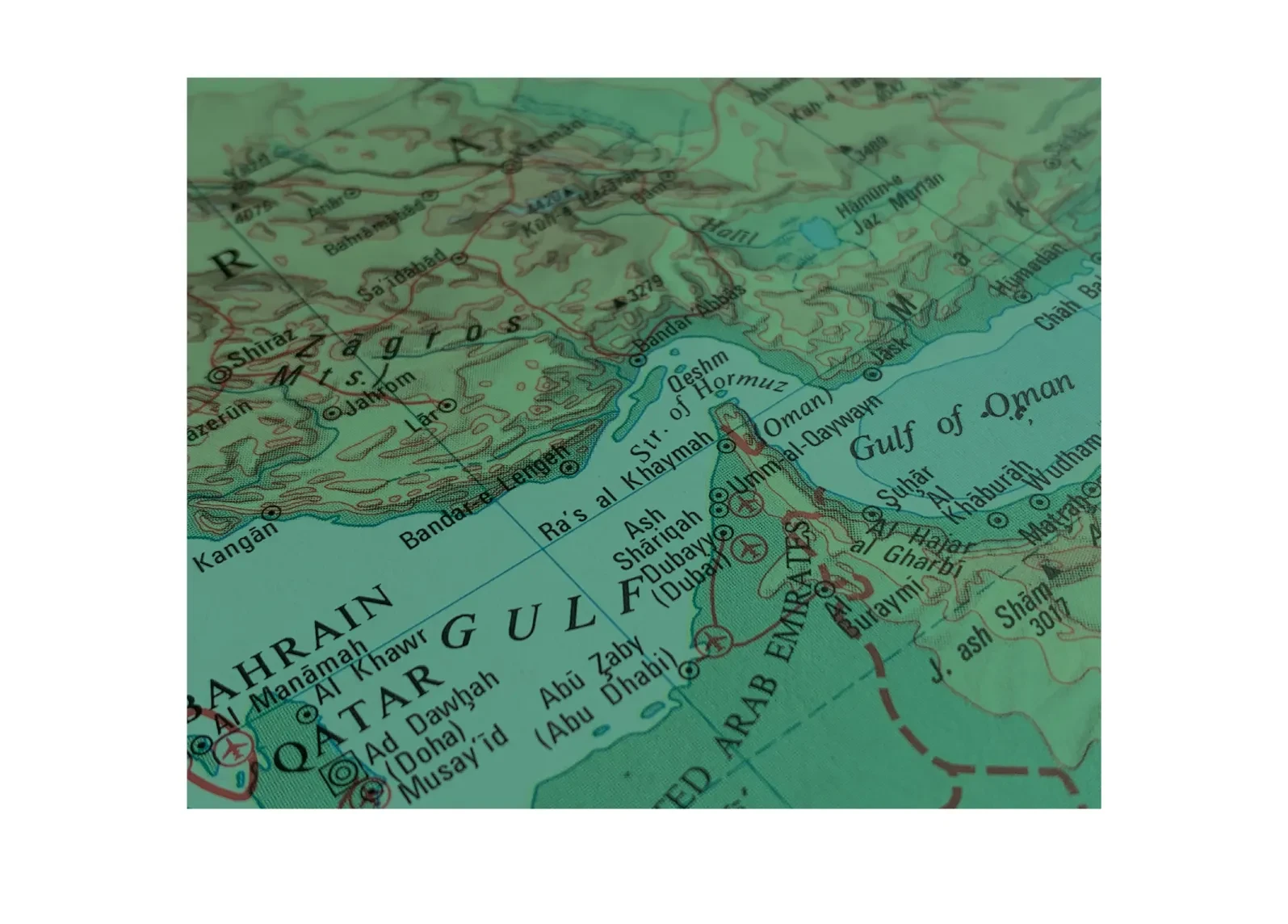
In our last update on the Iran-US conflict, we noted that both sides in the conflict (all three, if we include Israel) were “coloring inside the lines.” By that we meant that they were abiding by the “red lines” of kinetic activity established in the heat of the first iteration of the Iran conflict. Specifically, we noted that investors should watch carefully for any sign that attacks were spreading beyond military facilities.
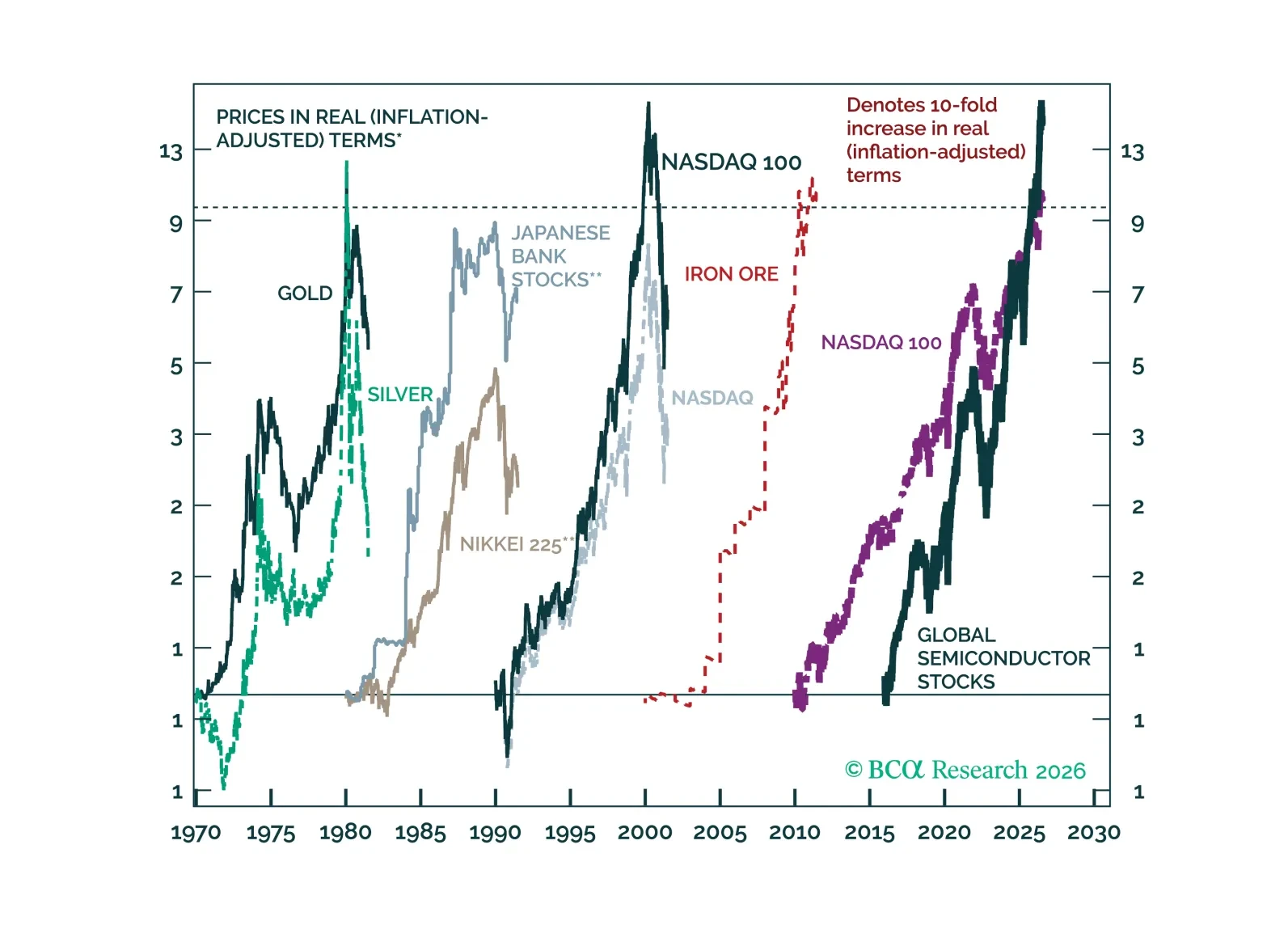
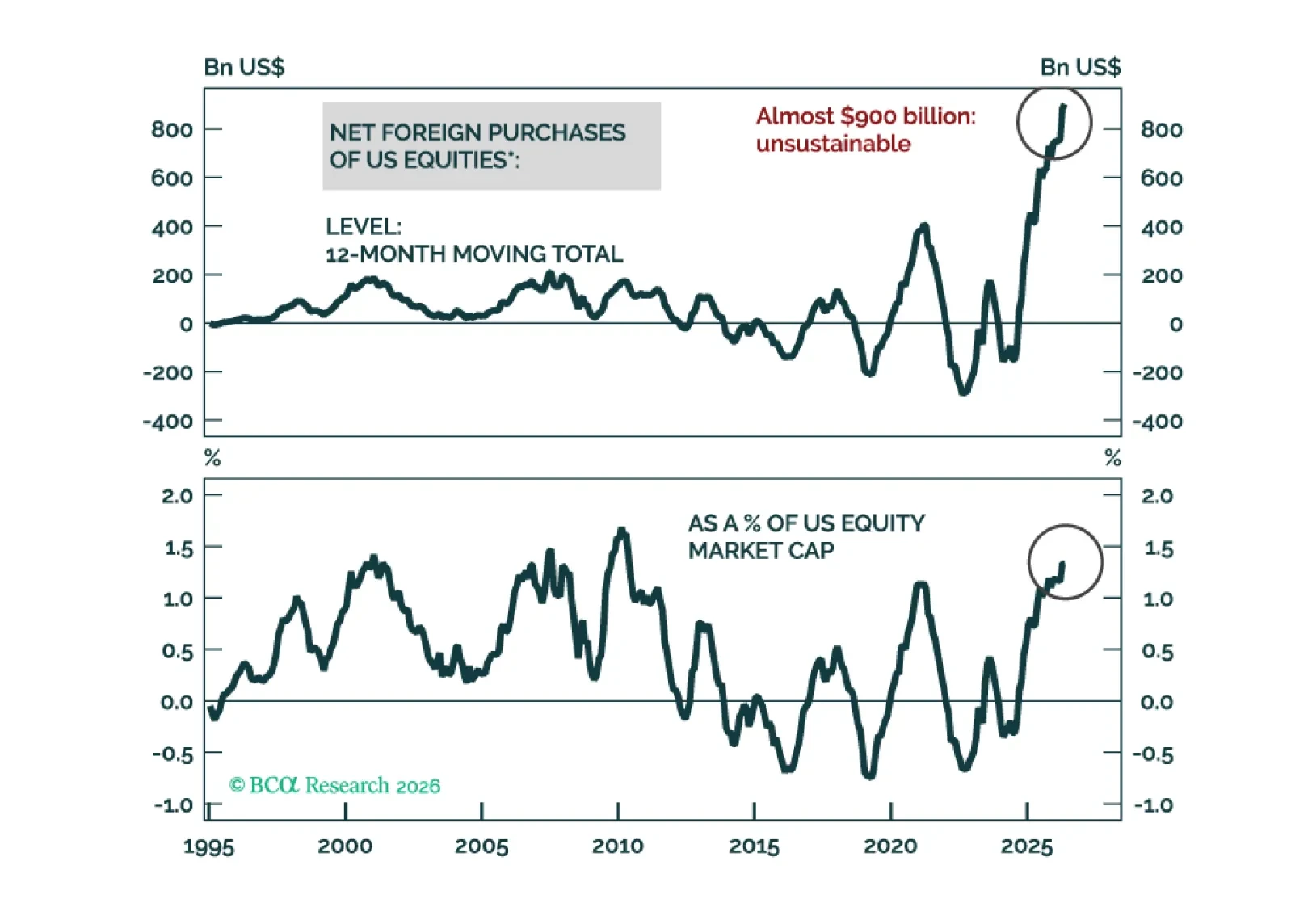
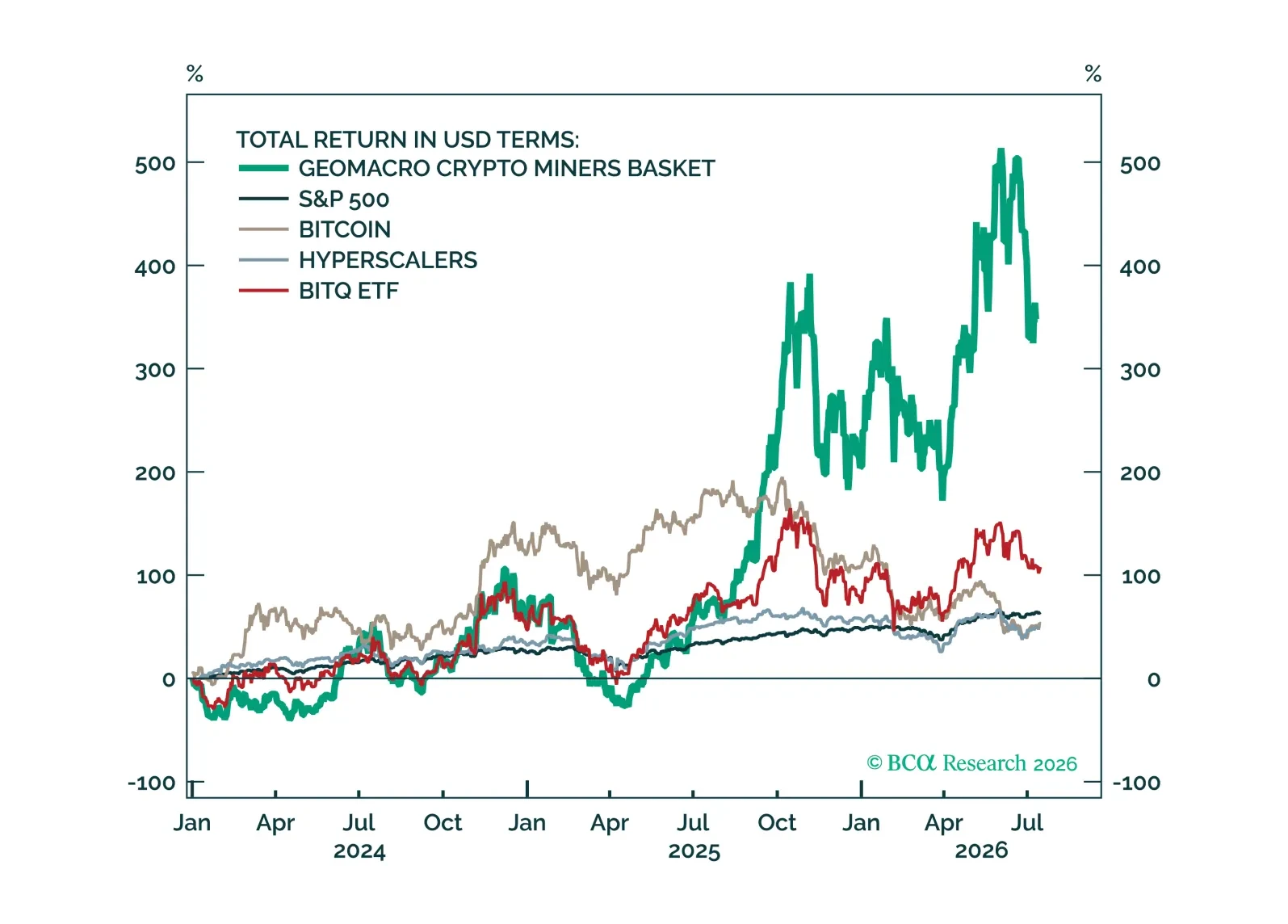
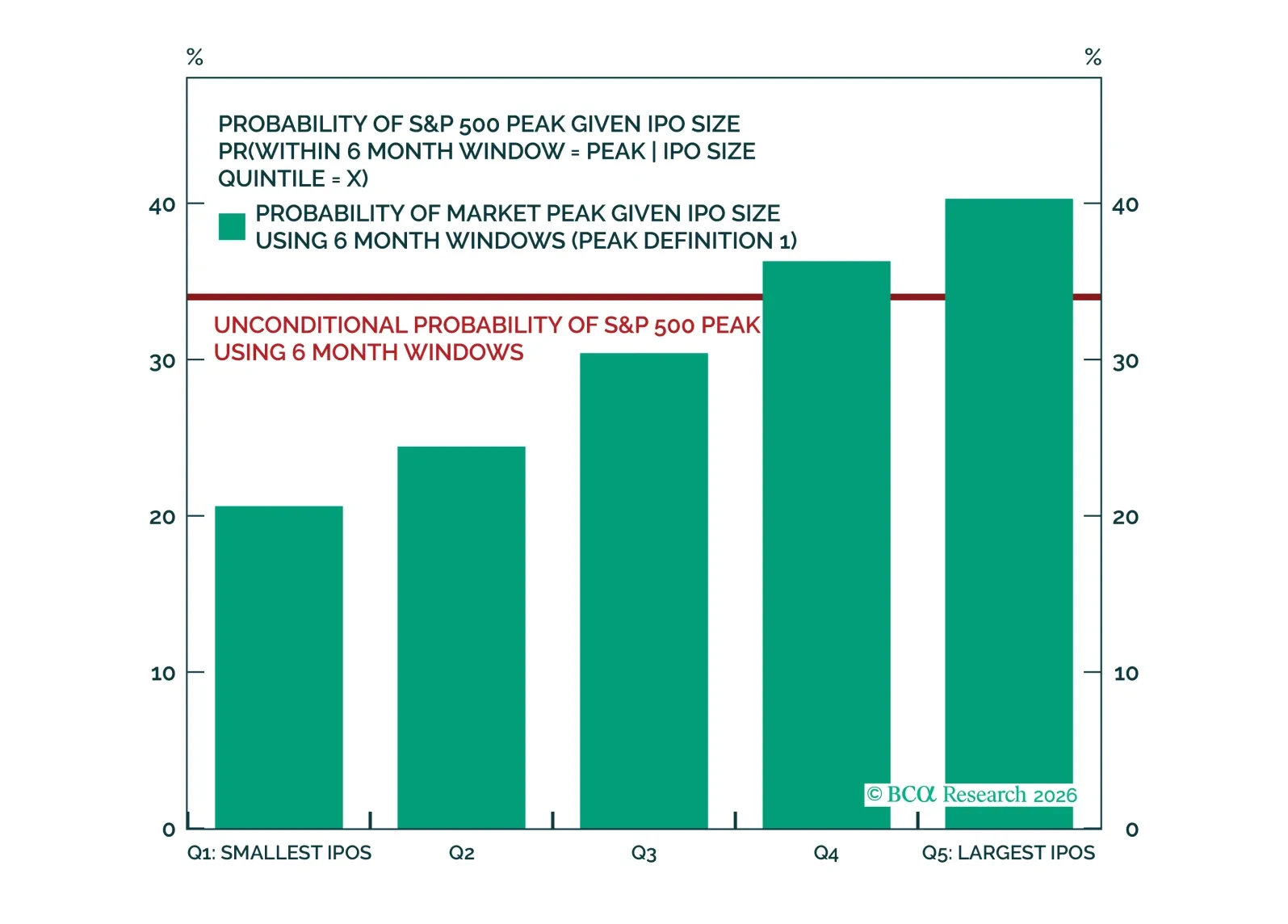
We stick to the view that geopolitical risk has peaked. The US and Iran tensions will increase oil prices, but below a level that will matter for the market. With global liquidity ample, private sector leverage low, and inflation peaking, bears are holding onto an epic collapse of the AI capex to short stocks. Eventually, the capex cycle will end in tears. That much history teaches us. But not yet.