GeoMacro
A blend of geopolitics and macro, synthesizing the new and old macro to generate alpha and identify the beta through probability-weighted market views.
We keep the Global Geopolitical Risk Score at 8 because there are still no ceasefires in Europe or the Middle East. Russia is provoking NATO, which will need to push back. Iran, emboldened by the lack of definitive US success, pushes its luck, which could invite a destructive response from the US. The Chinese economy remains fragile, increasing the likelihood of foreign belligerence. After the US midterm, President Trump faces fewer political constraints, allowing him to pursue a maximalist foreign policy to cement his legacy during his lame-duck period.
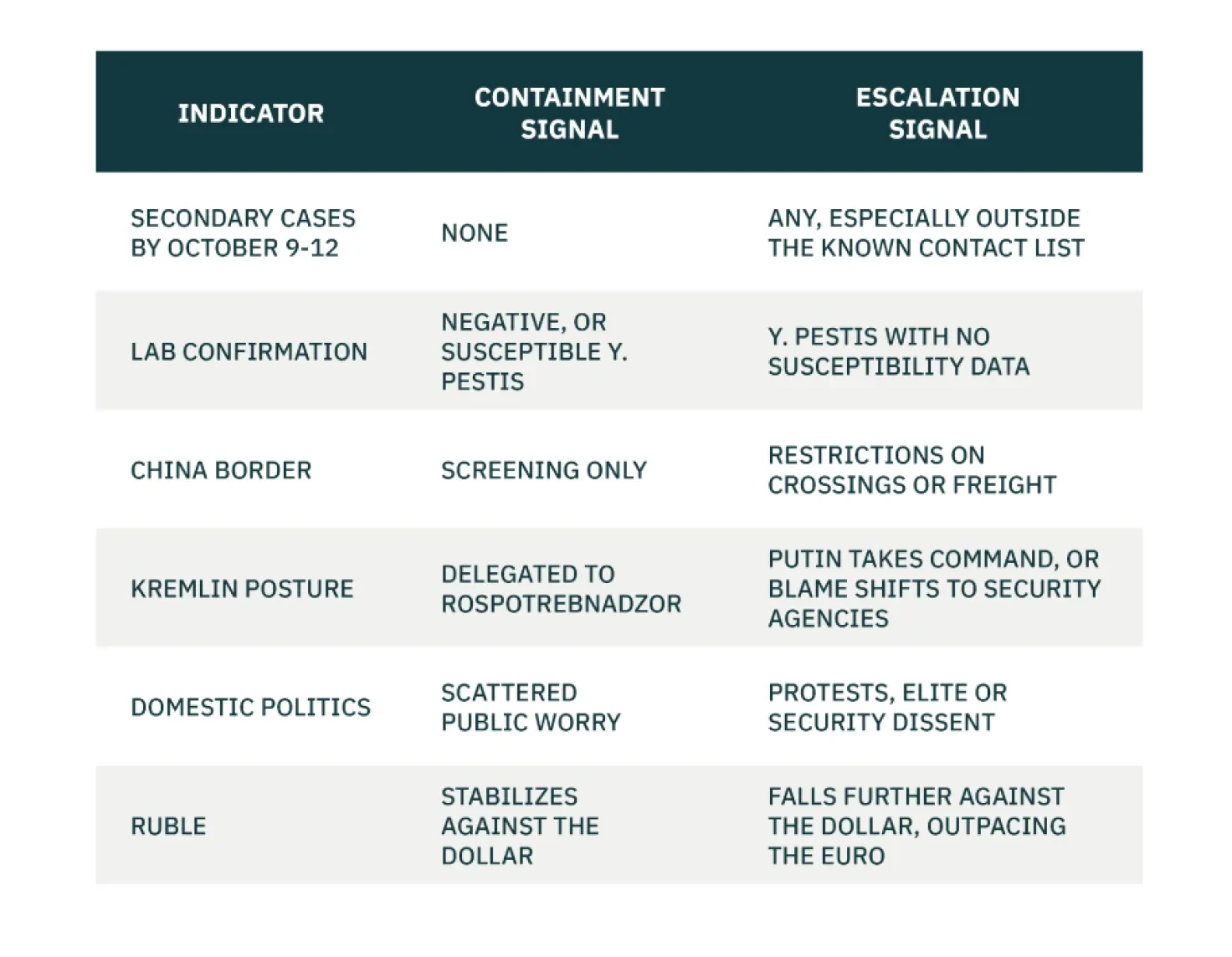
The Irkutsk plague scare is not yet a crisis, but if it becomes one, Russia is a bad place for it to happen.
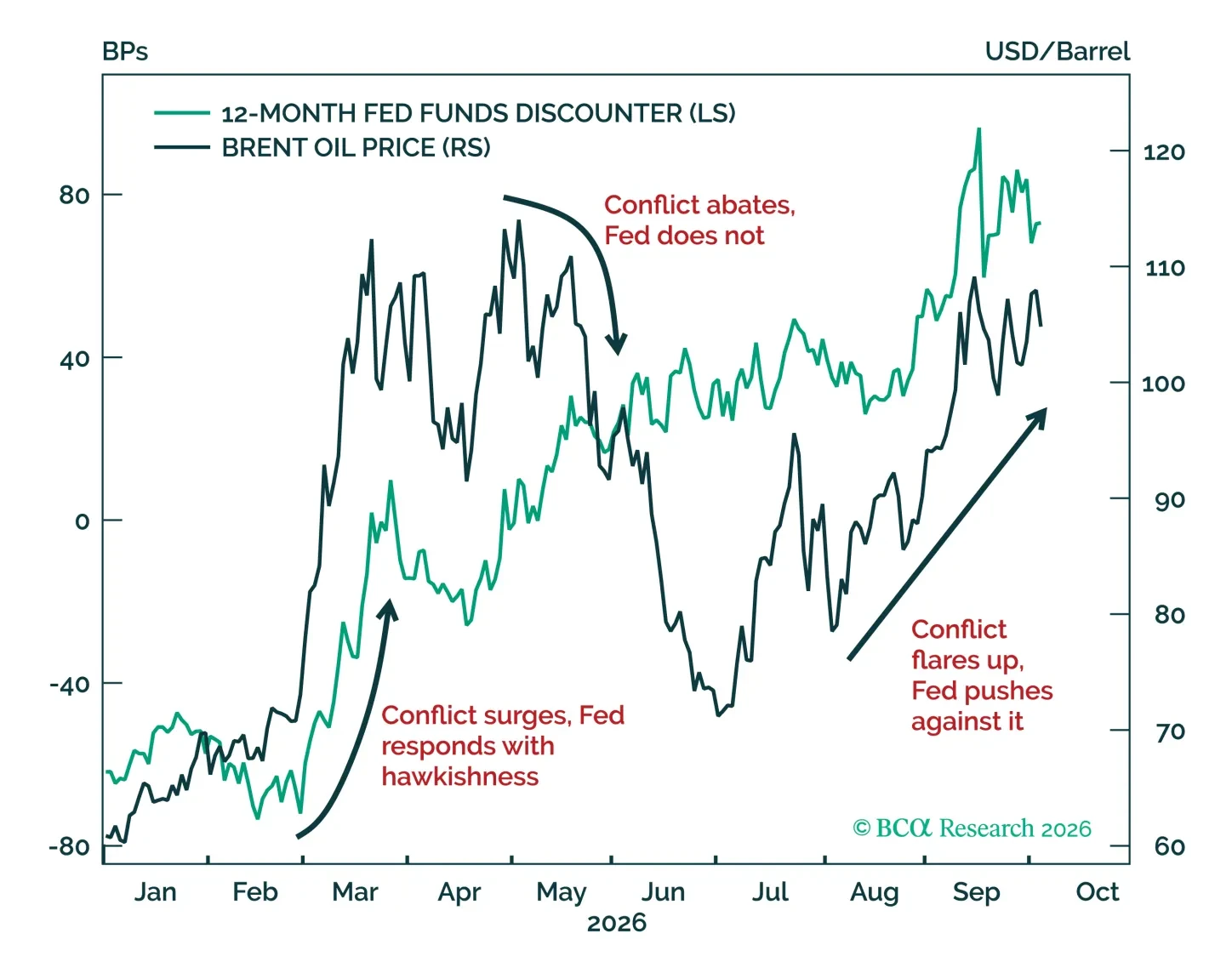
Long-dated bond yields rose another 48 bps since our last missive, quite a move in just a month. And yet, equities have remained resilient. This suggests that the move in bond yields is due to sanguine economic forces, not fiscal profligacy or inflation fears. In addition, the war in Iran is subsiding, partly because the Fed itself has conspired against it. Will President Trump restart the conflict regardless? Perhaps, however, the constraints are mounting against the White House foreign policy. We remain bullish on equities and reaffirm our view that investors with a long-term horizon should be nibbling at the current level of yields. To make sure that our bearish clients are happy, we pivot to the risk of higher tax rates in the US. Specifically, we try to answer the question of when markets price higher tax rates.
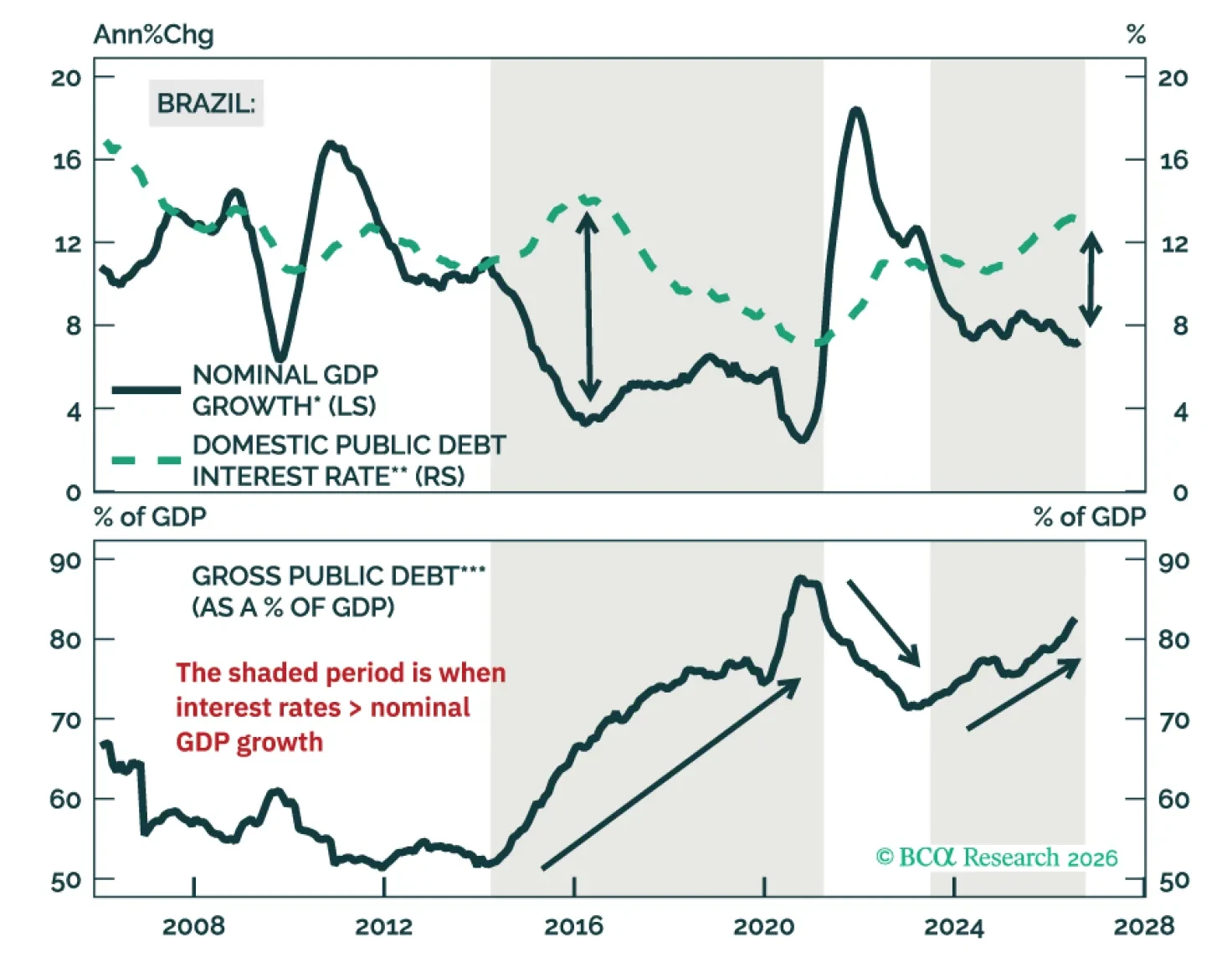
The most bullish development for Brazil from the weekend’s elections was not the higher odds of a right-wing presidency, but the likely president’s (Flávio Bolsonaro) stronghold in Congress. Upgrade Brazilian fixed-income markets to overweight and equities to neutral within their respective EM portfolios.
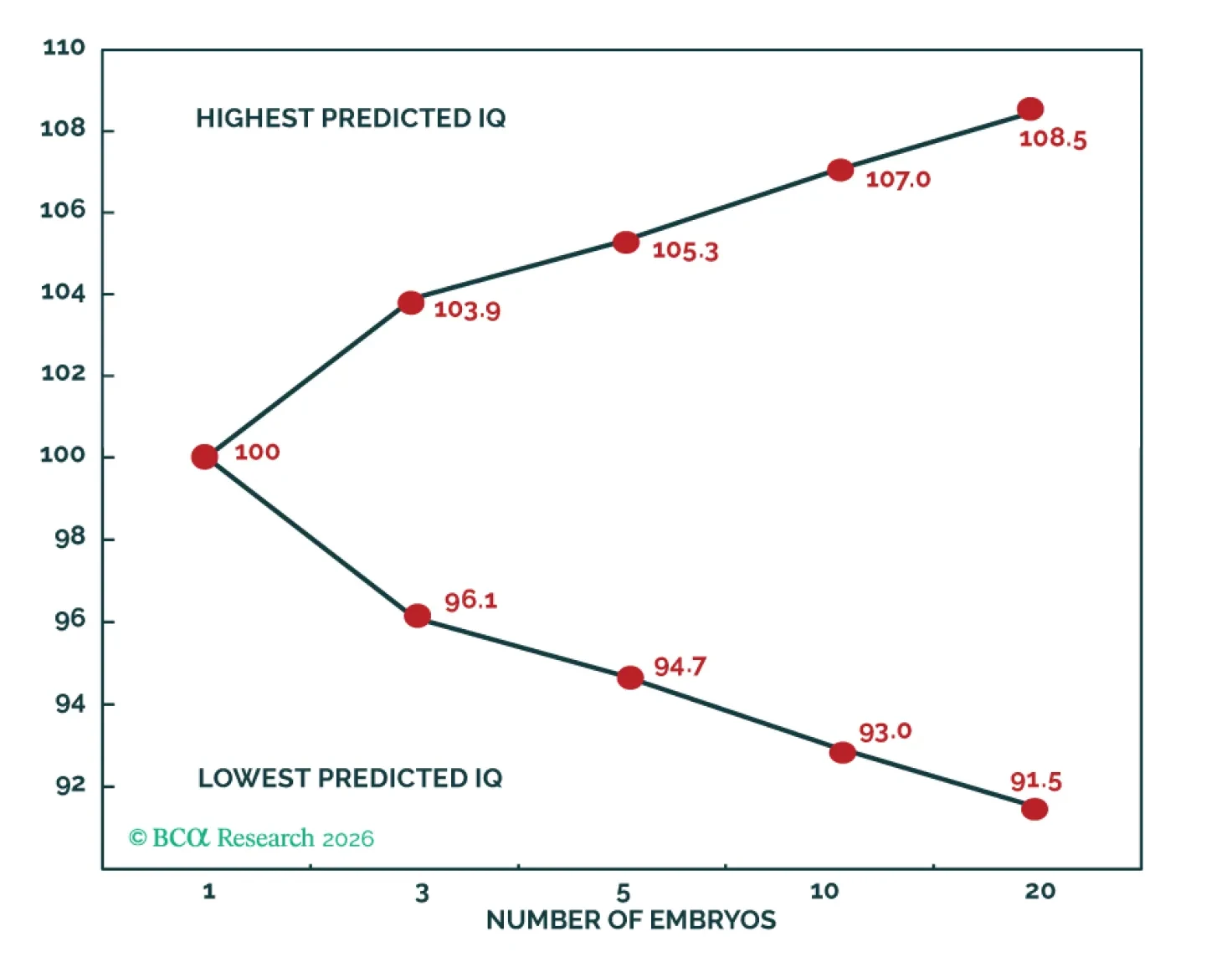
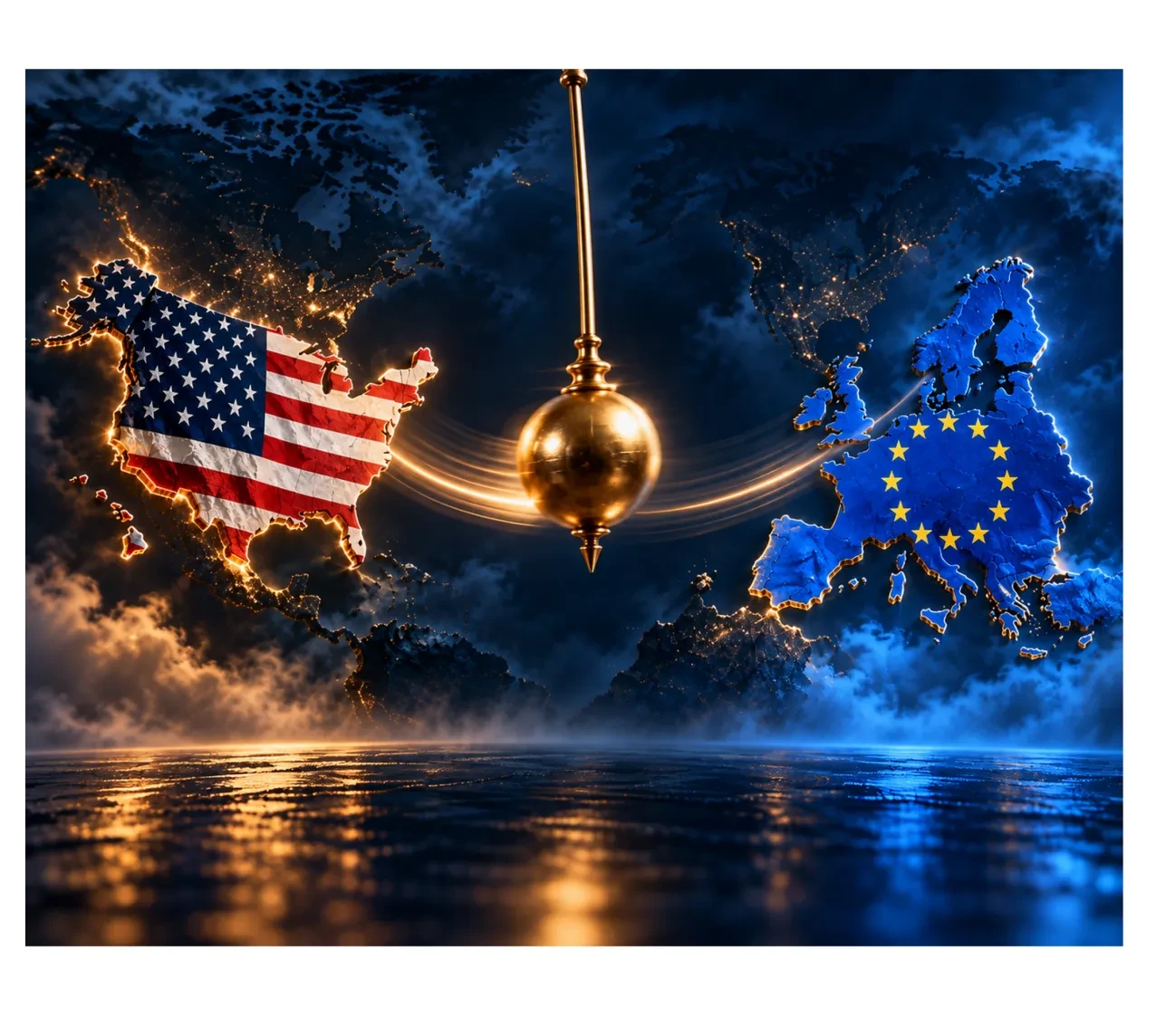
Most investors would argue that Europe overregulates relative to the US. However, that was not always the case. Political Scientist David Vogel of University of California, Berkeley, posited that the two economies shifted models in the 1990s. Prior to that decade, the US led health, safety, and environmental regulations, having far more stringent rules than Europe. As a prominent example of this, it was the US that quickly banned all non-essential CFCs, chemicals that harm the ozone layer, whereas European governments did not act initially, favoring their industries while awaiting evidence.

The world has descended into a full blown Doomer panic since the 27-year-old Anthropic engineer quit over the threat that AI would cause human extinction. Now-famous Jacob Coxon posted that “The people building AI earnestly believe that it could kill us all by the end of the decade. This is not a marketing stunt.”
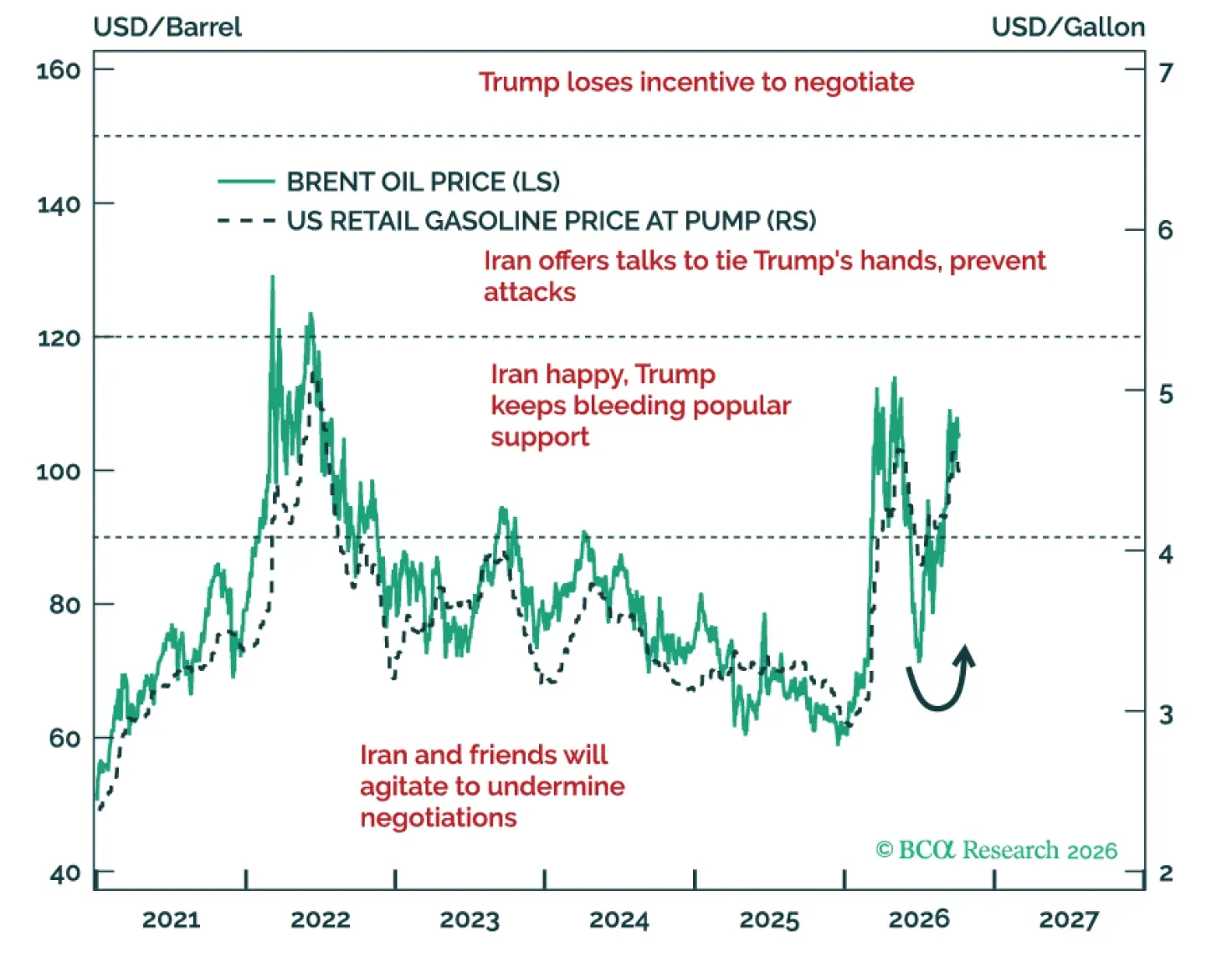
The situation in the Middle East is becoming complicated. Over the past week, several events raise the odds that Brent prices could burst through their 2026 high of $126 per barrel.
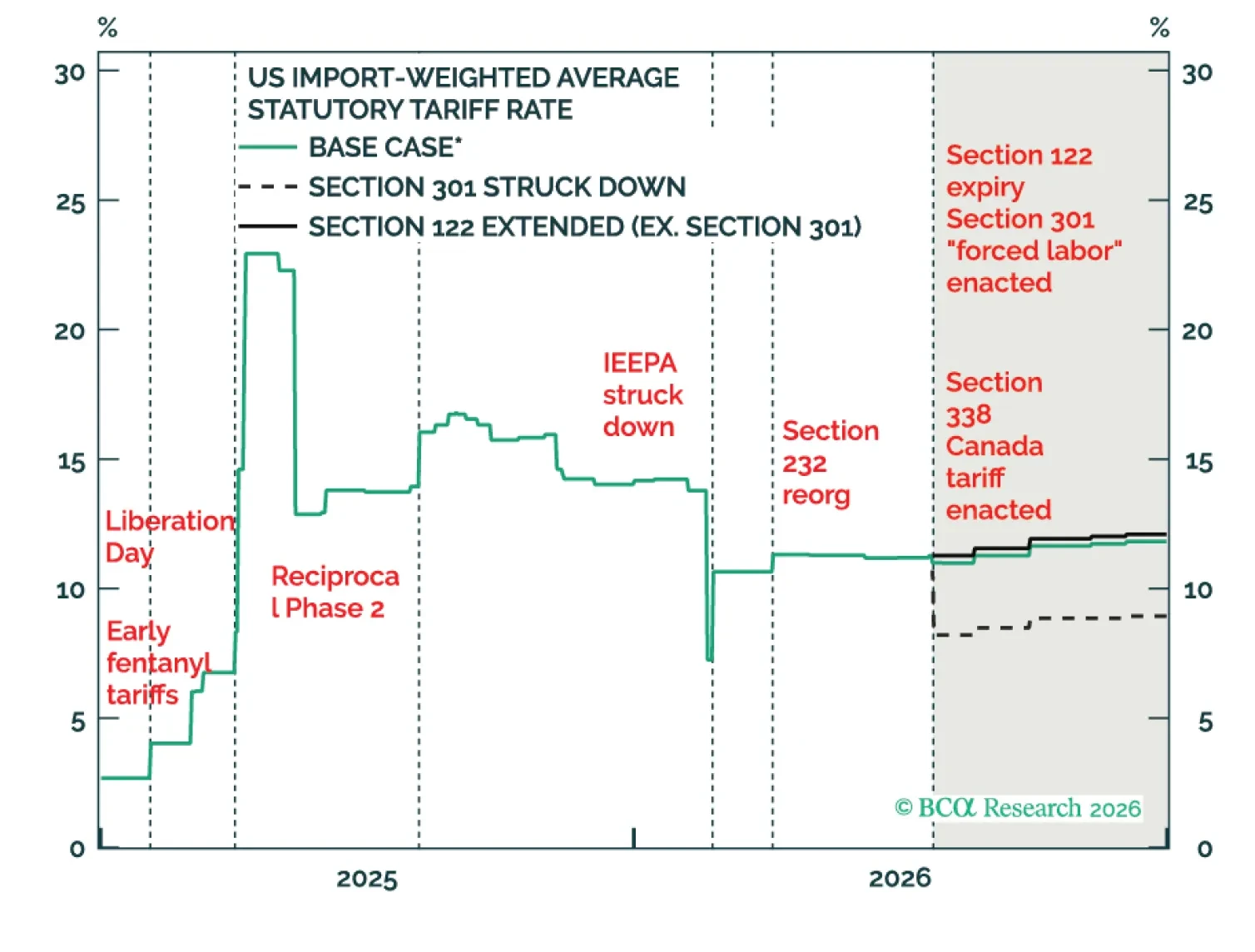
President Trump is raising tariffs again, now through 2027 – and more countries will retaliate this time. While markets can climb over “Liberation Day 2.0,” investors should be wary of today's aggressive policies engendering drastic policy change in 2028.