 CoreMacro
BCA’s flagship global macro and investment strategy platform, helping investors anticipate regime shifts, connect signals across regions and asset classes, and navigate the world’s most difficult macro questions.
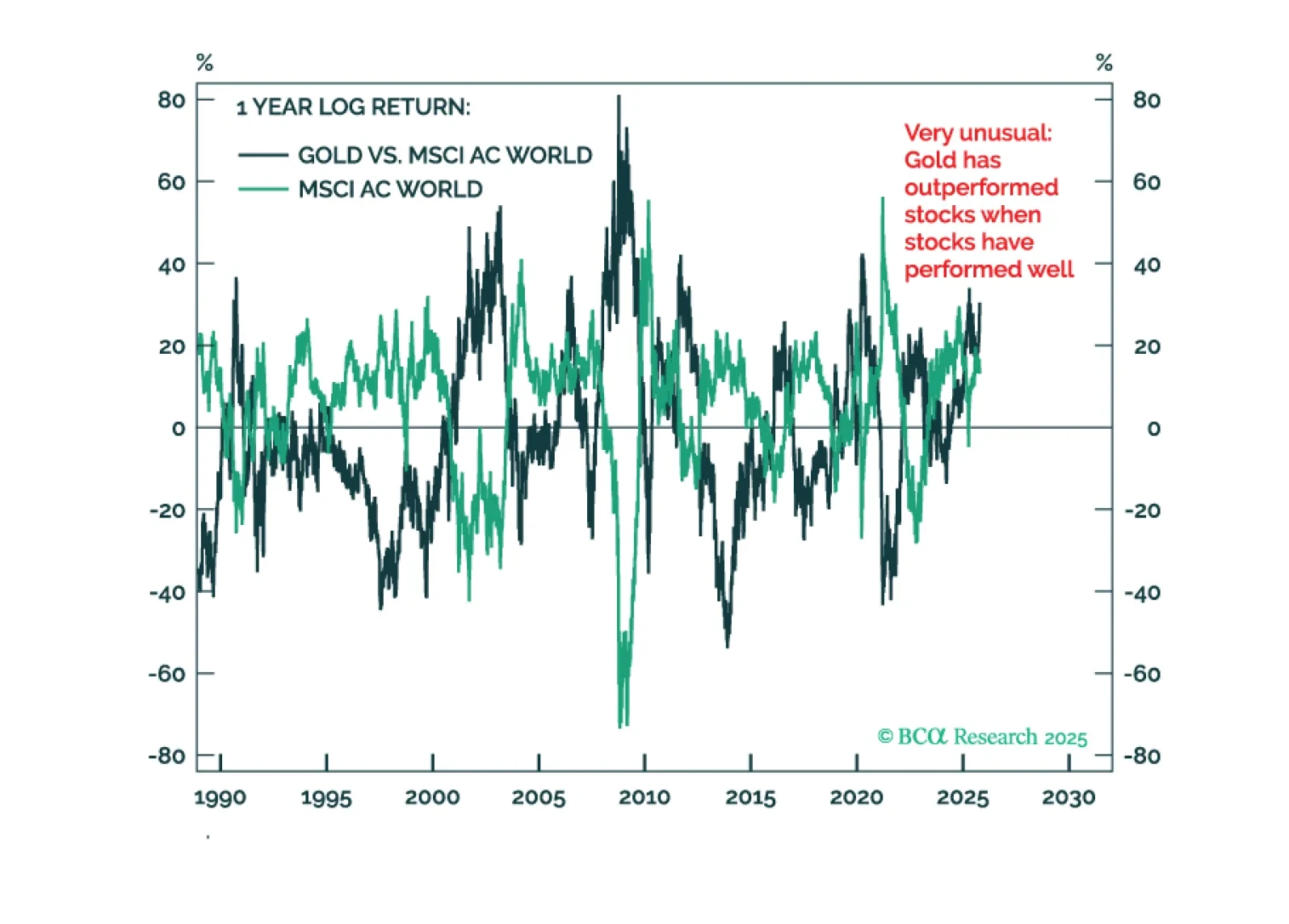
The Fed is undergoing a regime-change in which the primacy of price stability is displaced by the primacy of ultra-low real rates. This will structurally underpin real assets such as gold, cryptocurrencies, and stocks.

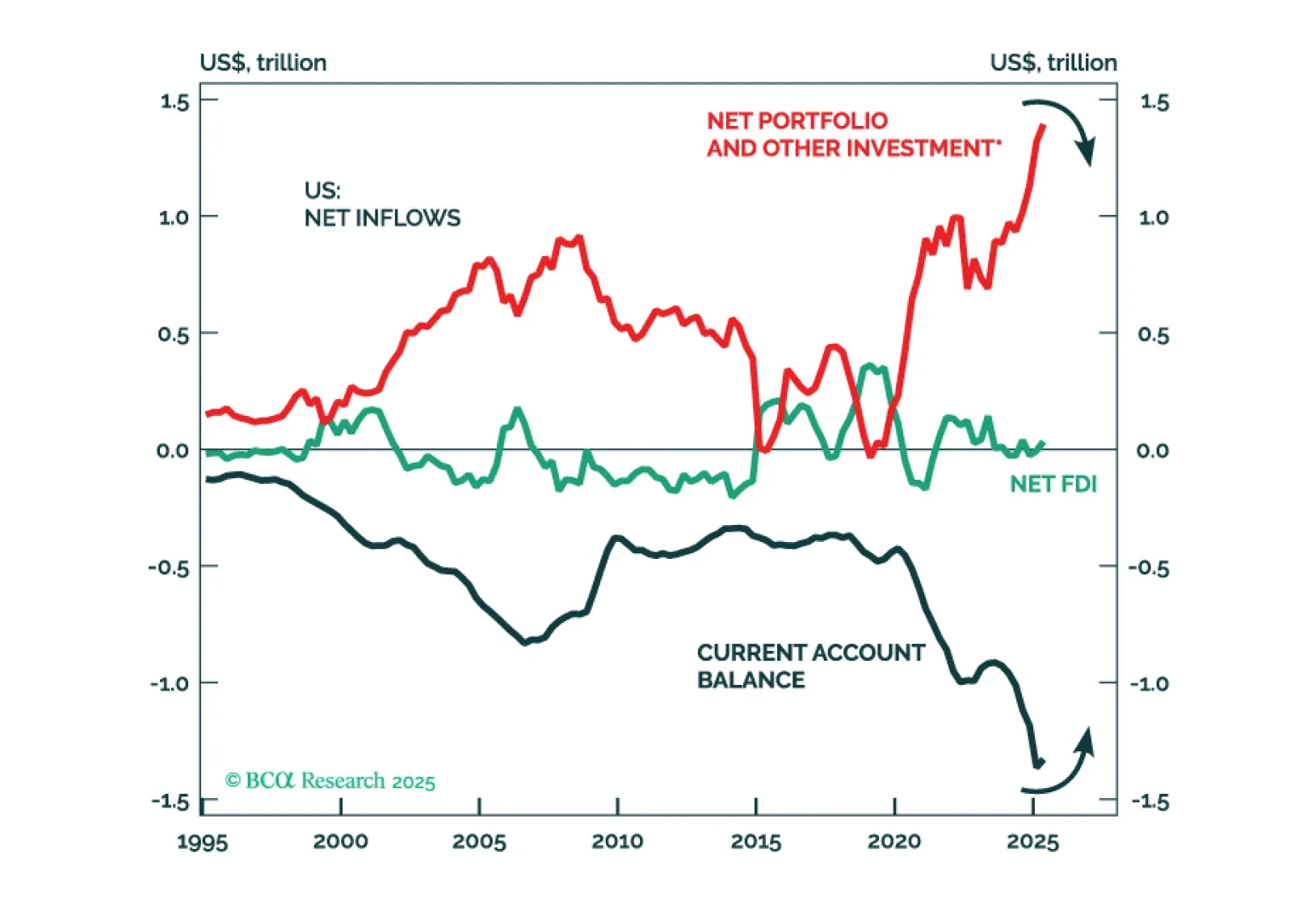
The belief that net portfolio outflows out of the US will fuel EM assets is a common but misguided narrative. If the US starts experiencing net capital outflows, it would need to run a current account surplus. A shift in the US current account from deficit to surplus would be devastating for the global economy in general and EM in particular.
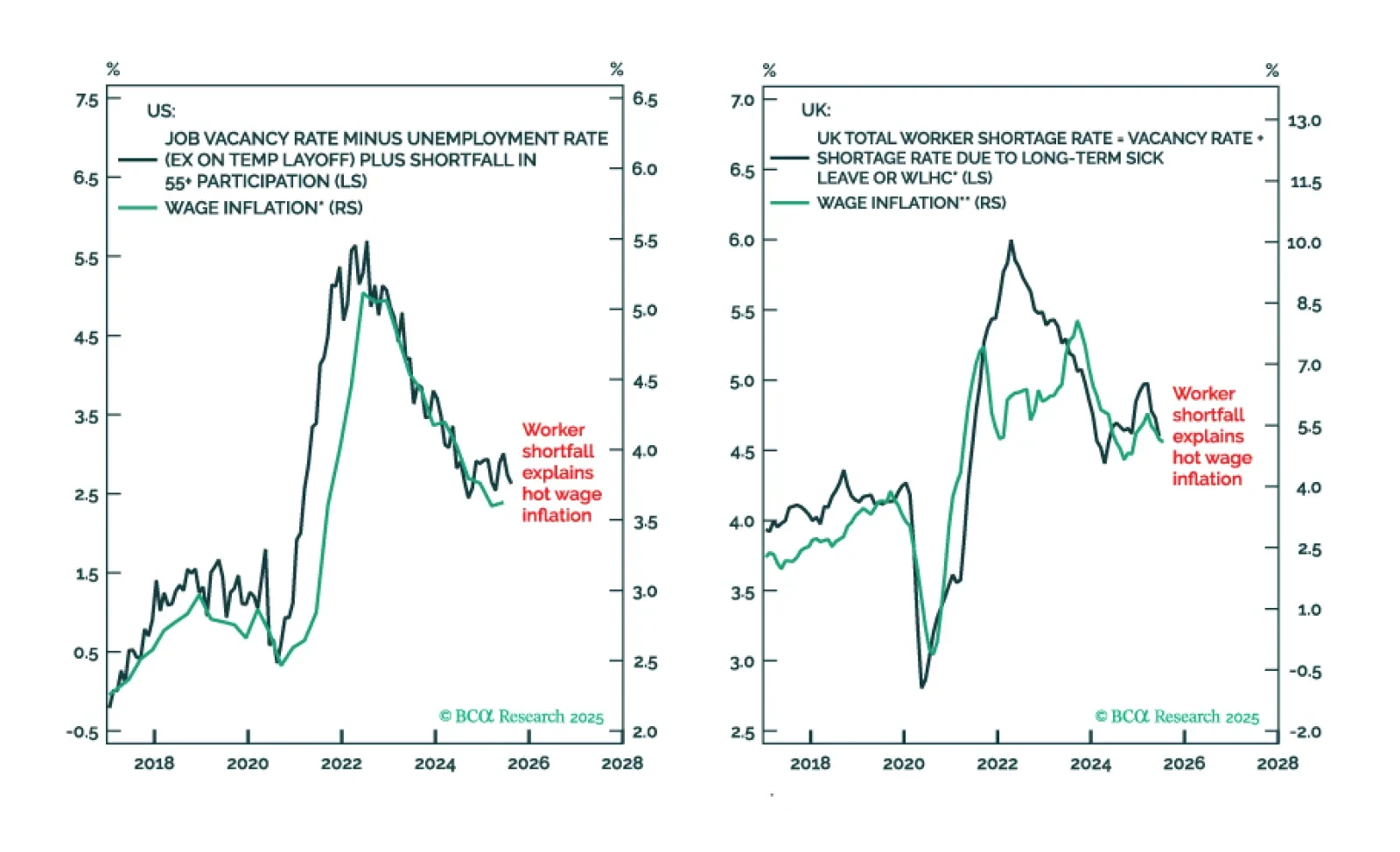
The ‘special relationship’ between the United States and the United Kingdom describes the centuries-old political, social, cultural, and historic ties that have bound the transatlantic nations. Today though, the most important special relationship is the one that explains why inflation remains stubbornly high in these two economies. And we discuss what it means for investors.
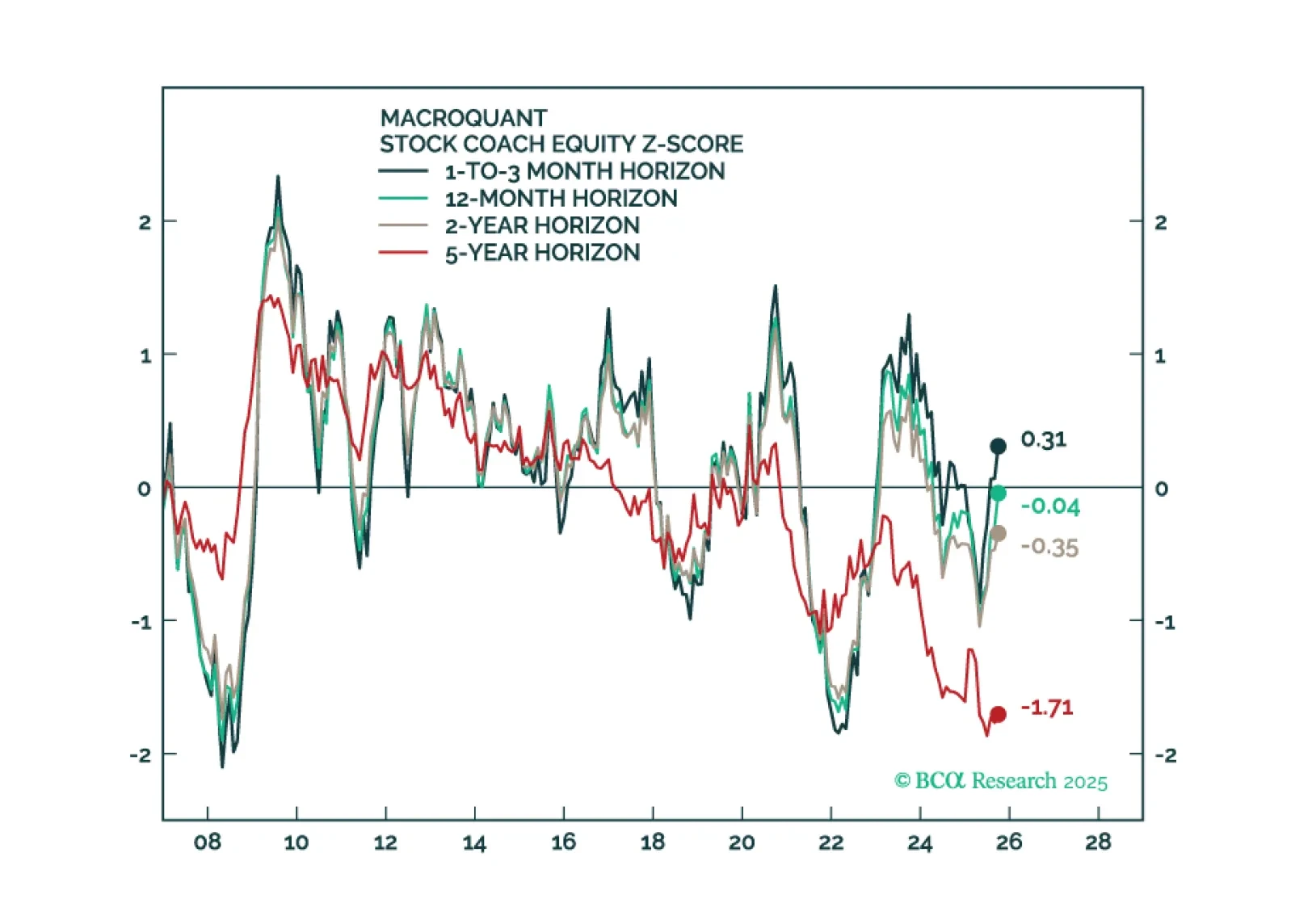
In this Q4 Strategy Outlook, we discuss where we stand on our recession call, the outlook for stocks and bonds in various scenarios, why investors are misunderstanding the impact of AI on corporate profits, whether the US dollar has entered a structural downtrend, our perspective on the yen, gold and other commodities, and much more.
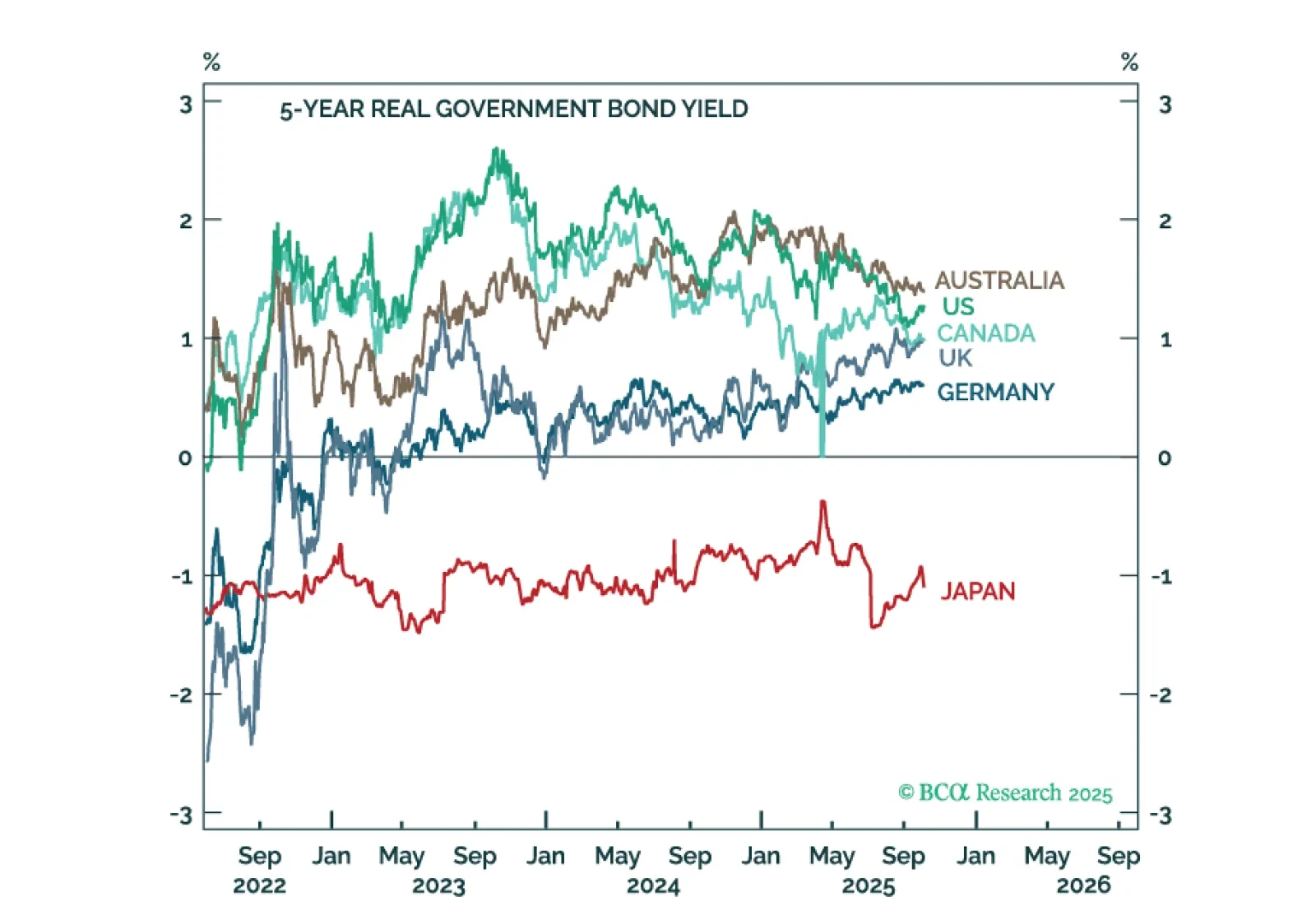
The surprise election of Sanae Takaichi as Japan’s ruling party new leader has delivered yet another blow to the beleaguered yen. Takaichi is widely expected to pursue the basic tenets of Abenomics – easier fiscal and monetary policy.

The K-shaped economy aptly describes the bifurcation between low- and high-end households but it’s not something investors should celebrate if they want the expansion to continue.
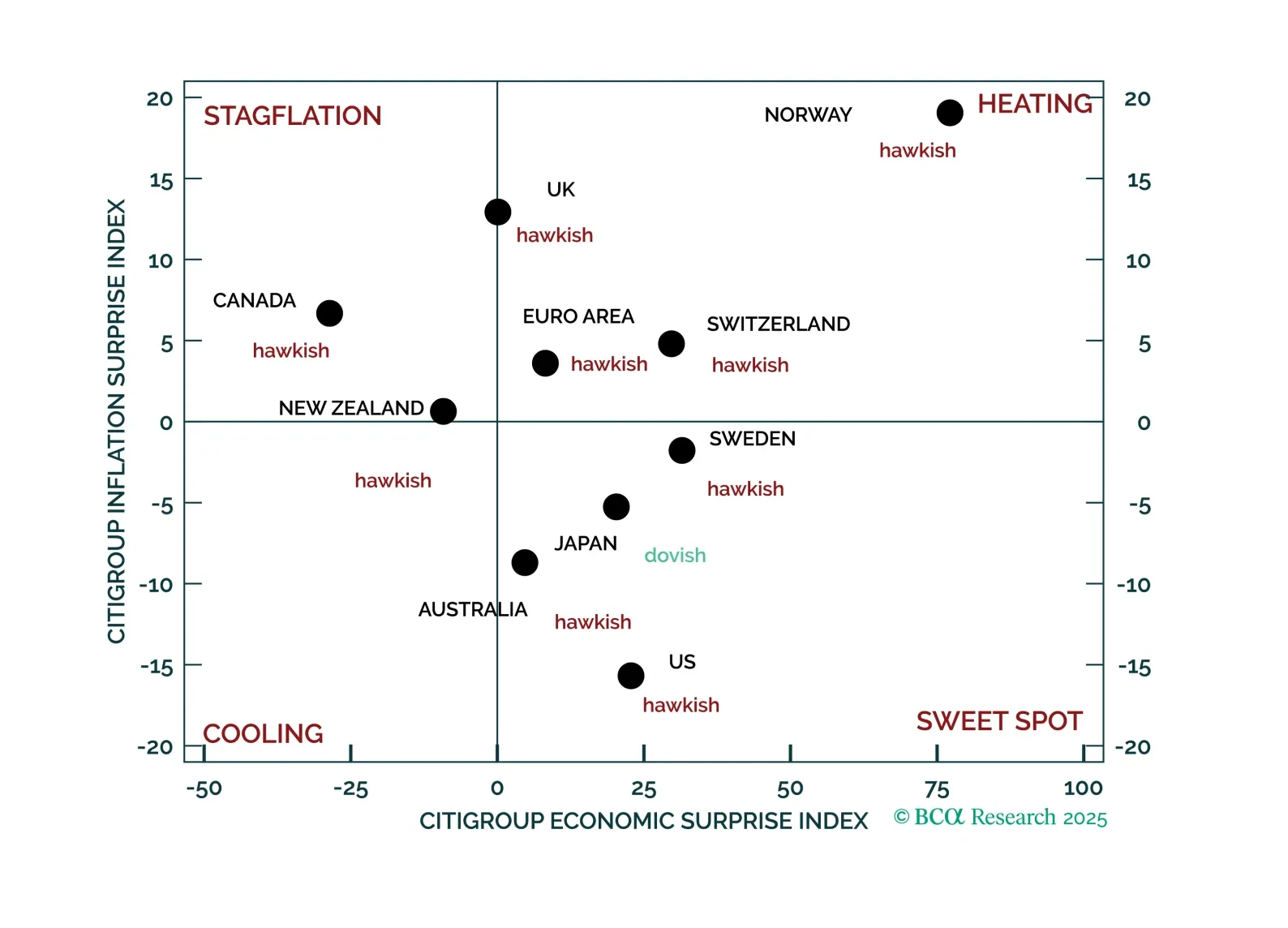
In this update, we apply our Macro Surprises framework to equities for the first time. Overall, the message is broadly consistent with our current equity views: Investors should favor Eurozone equities and continue to overweight cyclical sectors relative to defensive ones.