 GeoMacro
Find out more
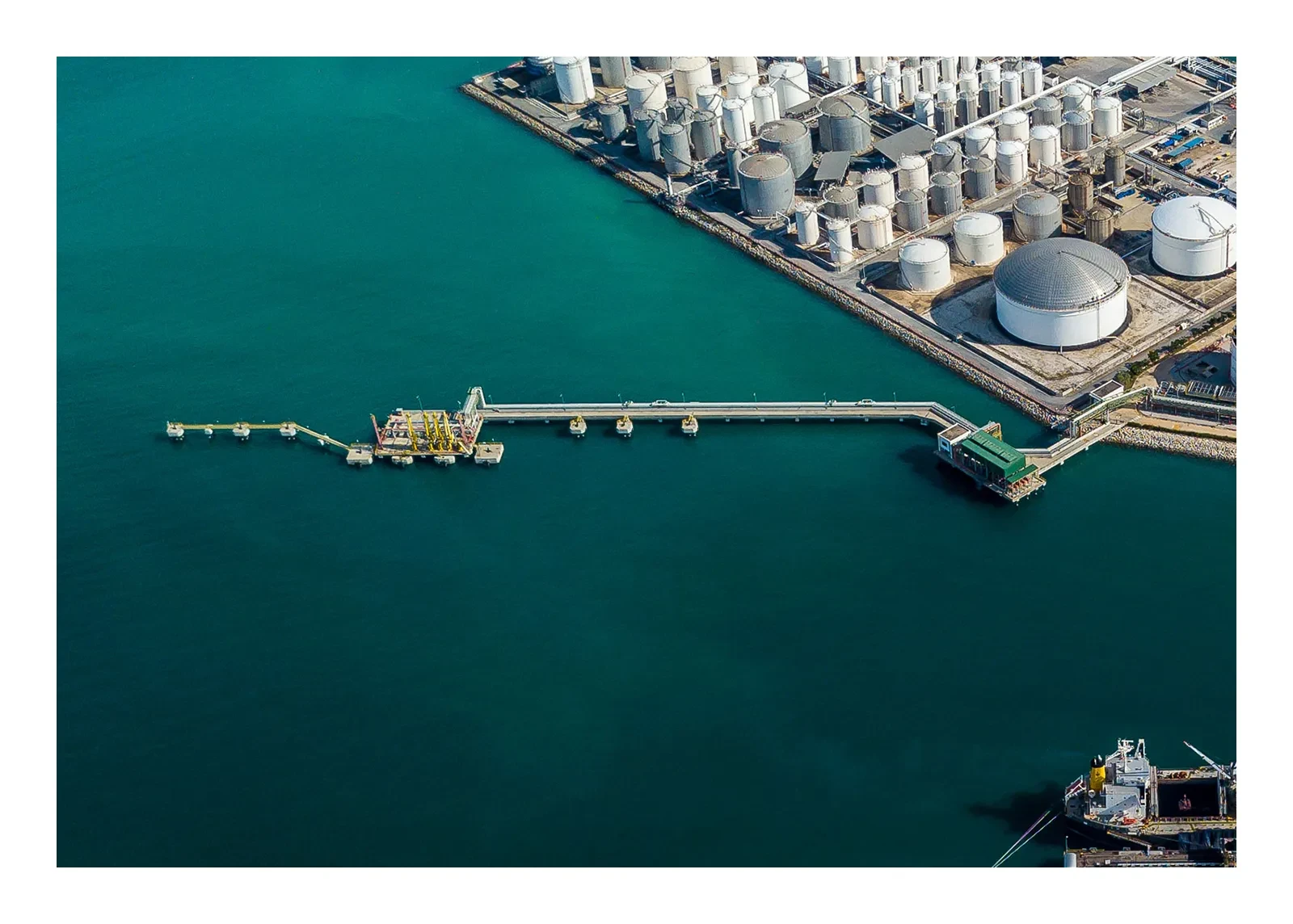
The outgoing Biden administration has launched a slew of macro-relevant executive orders and regulatory actions. The one with immediate macro implications are the sanctions against Russian oil traders and its “dark fleet” of oil tankers.
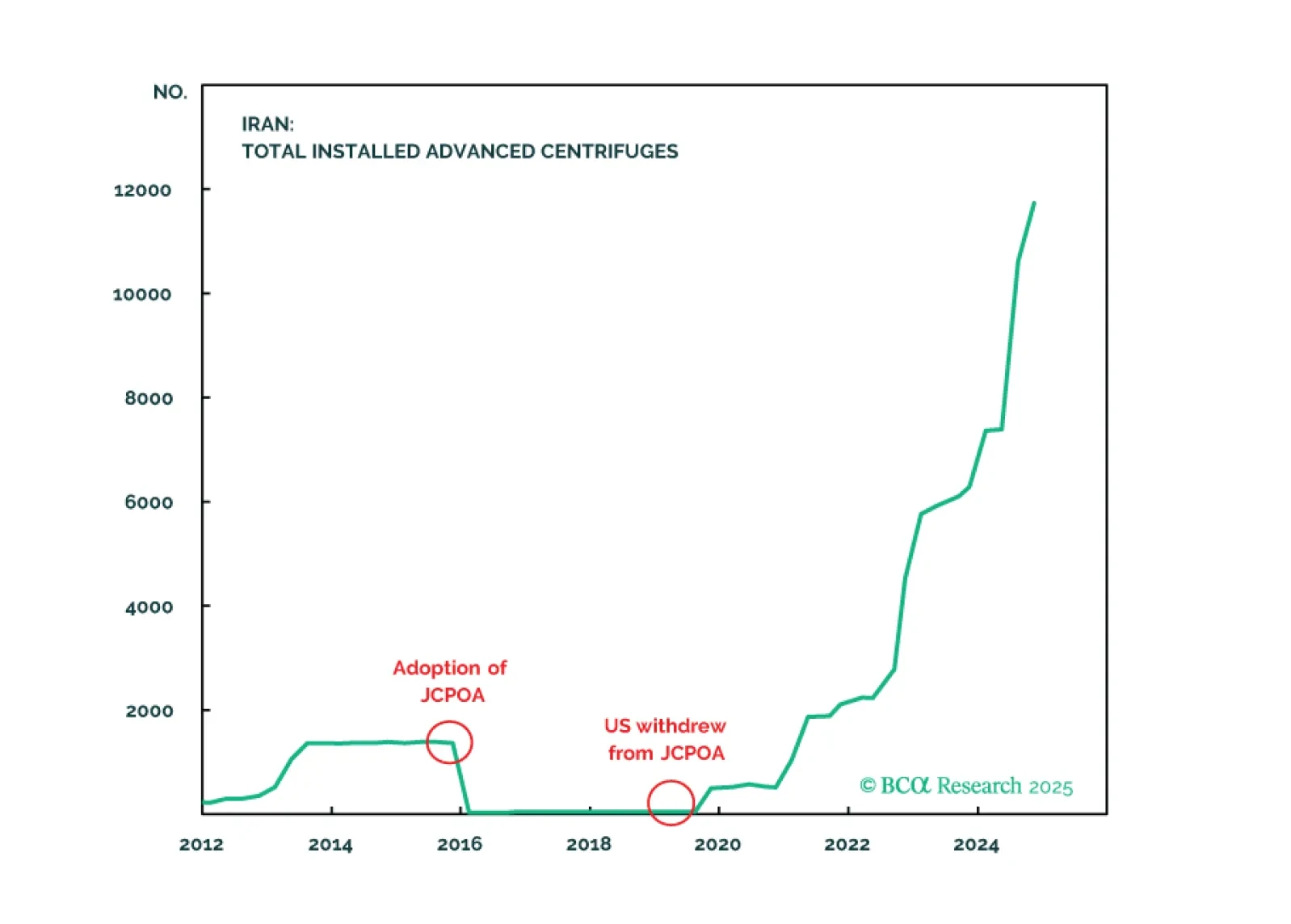
Every year we highlight five low-odds scenarios that would have a major impact on global financial markets if they happened. This year we contemplate a total reversal of Chinese policy, a US-Iran nuclear deal, a breakdown of NATO, US military action across the Americas, and an internationally coordinated FX intervention.
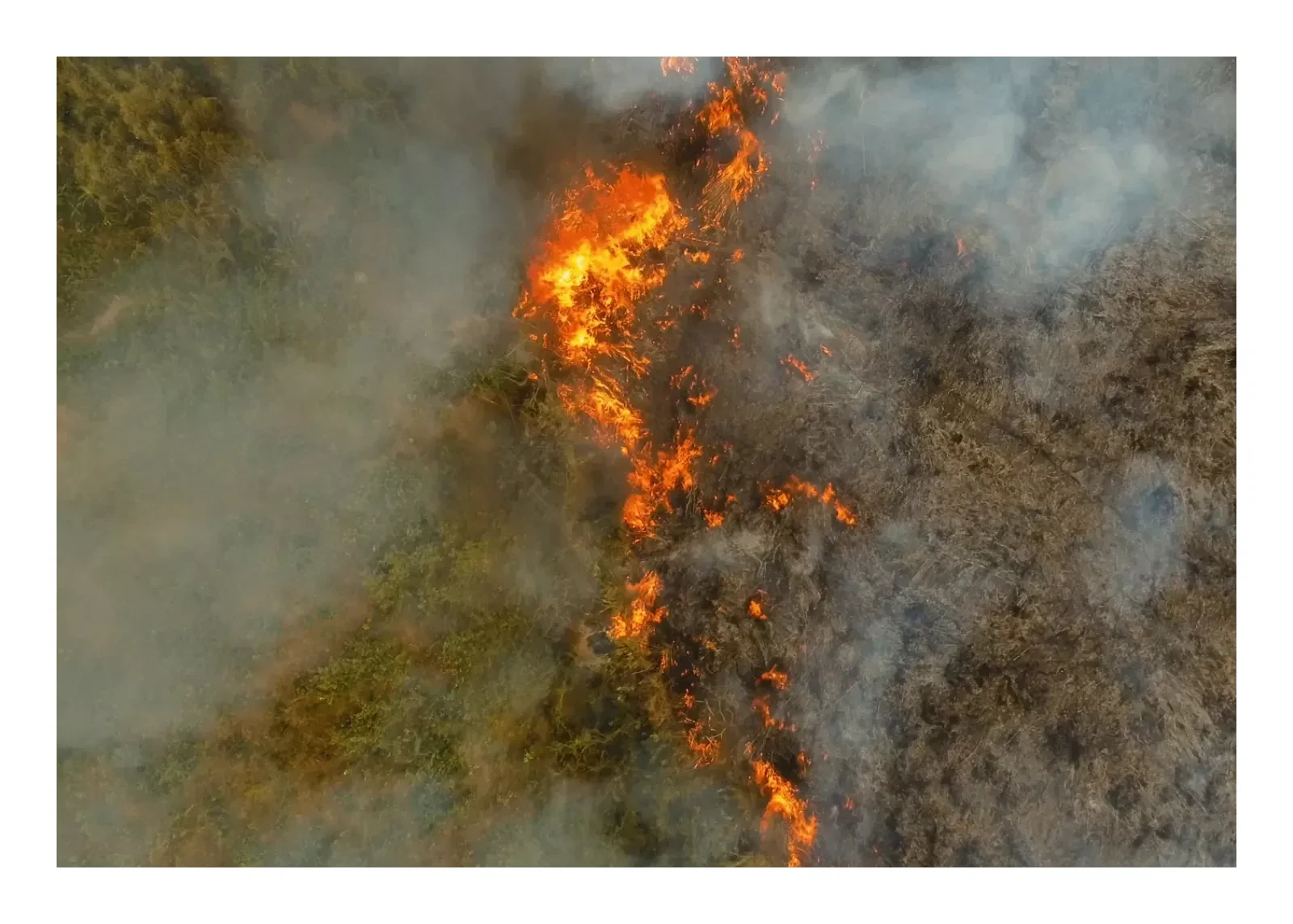
It is rare for BCA Research strategists to be at the literal scene of macro calamities. The denizens of our GeoMacro team – including yours truly – live within the mandatory evacuation zones of the now increasingly on fire Los Angeles. Contrary to the conventional view, this does not make for a sober analysis. Those impacted by natural disasters and geopolitical events are often the least likely to be able to provide a neutral analysis.
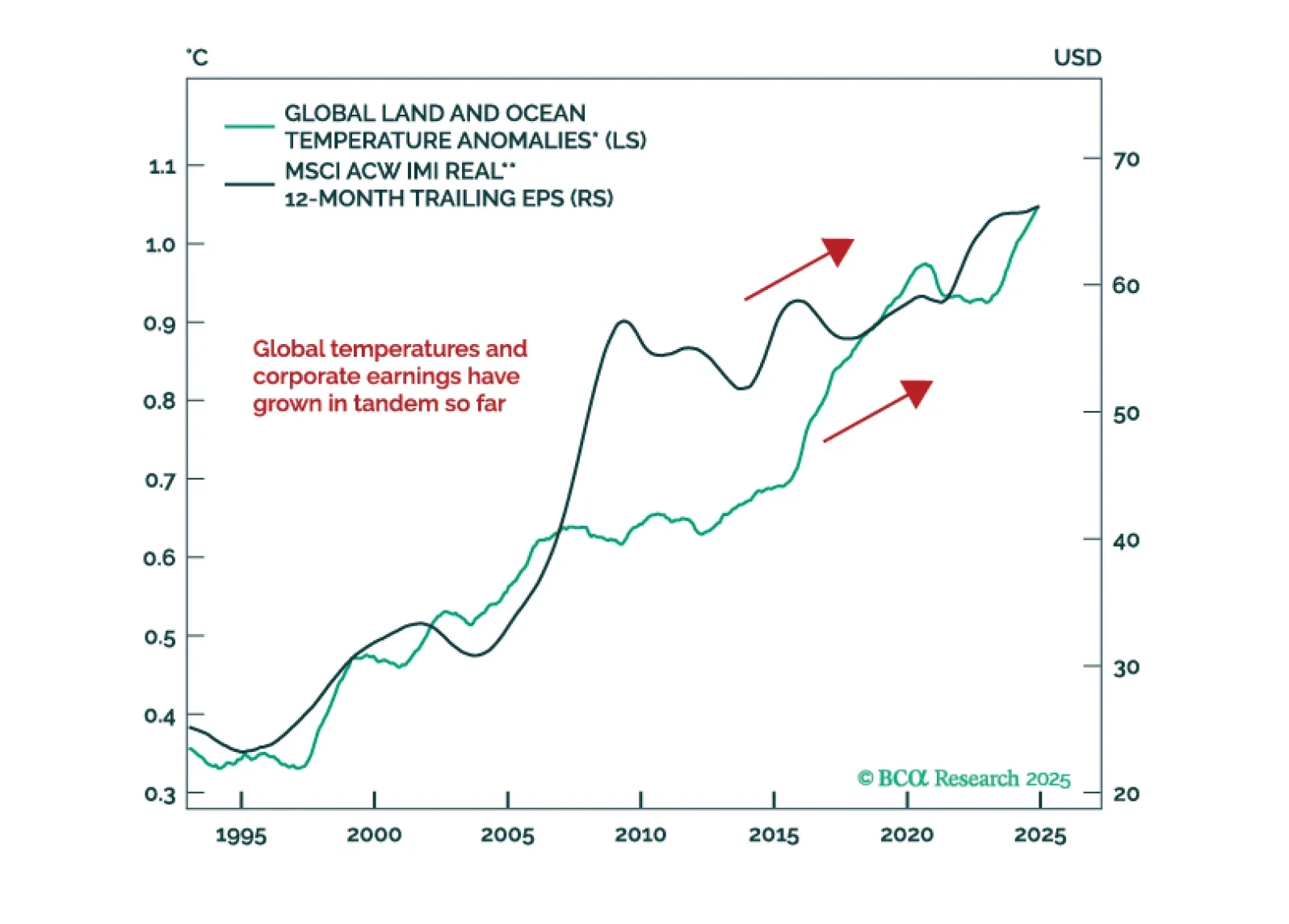
In our Beta report, we take a break from US politics and focus on the investment implications of climate change. Our colleague Ritika Mankar, of BCA’s Global Investment Strategy, makes a case for long-term investors to actually completely ignore climate change in their strategic asset allocation. Global warming will simply not make any difference, macroeconomically speaking, over the next five to ten years. Over a longer time horizon, climate change may even spur more economic growth, although with higher inflation as well.
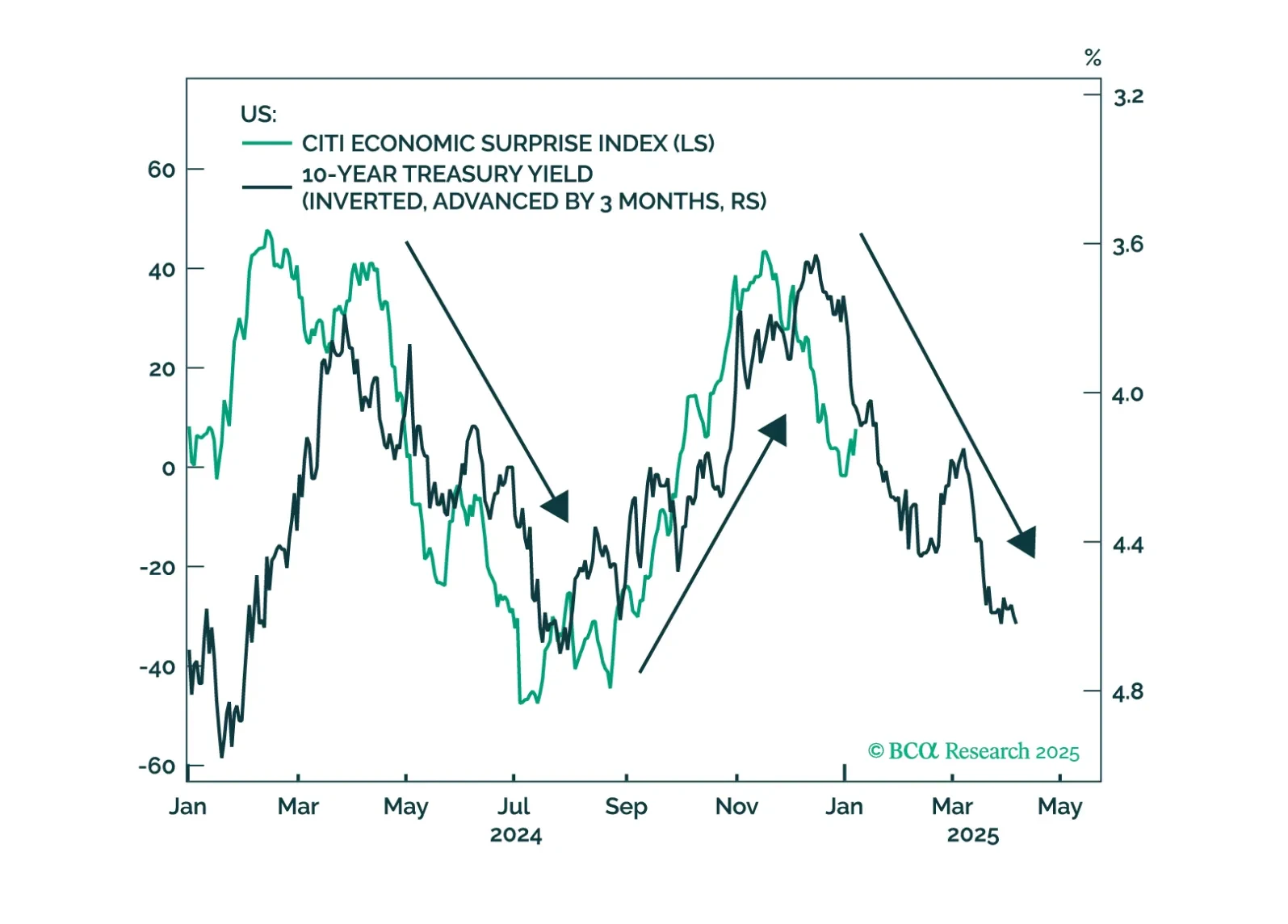
In our Alpha report, we reiterate that we expect President Trump to curb his most enthusiastic plans for tax cuts due to the pressure from the bond market. That will be good for equities in the long run – as it will assuage the pressure on yields. However, it should be negative for the USD as investors grapple with far less fiscal support for the US economy over the next four years than expected. We also give our readers a blueprint for following the news flow when it comes to trade policy. Stick to a framework and ignore tweets.

As the US faces renewed government shutdown risk, I thought it was prudent to highlight two developments to GeoMacro clients.
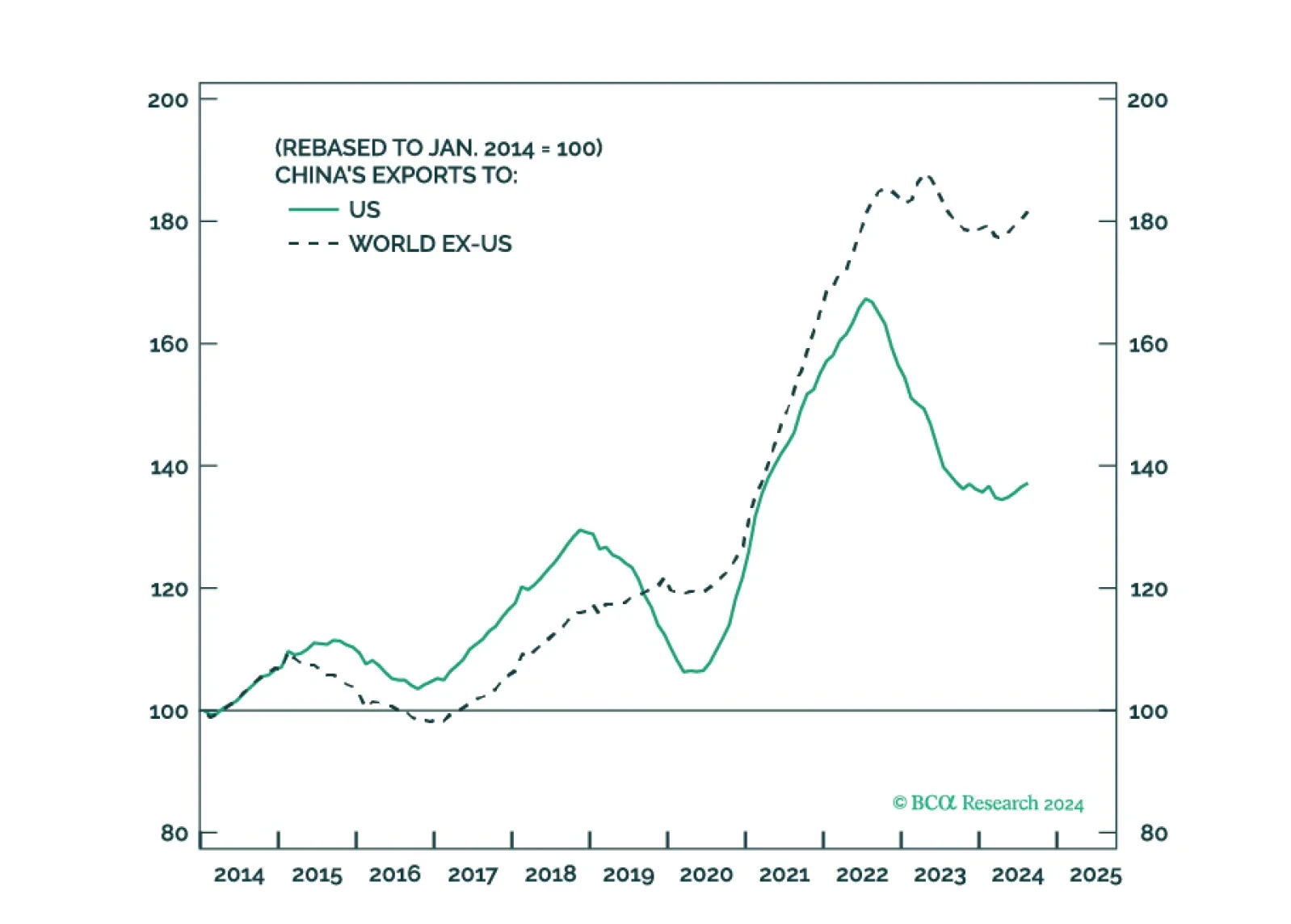
Congress will pass tax cuts by end of 2025 producing a fiscal thrust of about 0.9% of GDP in 2026. Trump will count on that stimulus as a basis for slapping tariffs on leading trade partners. China will retaliate against Trump and stimulate its domestic economy, while pursuing stronger trade ties with other countries. Europe will also retaliate. Geopolitical risk will shift from Ukraine-Russia to Israel-Iran, where the conflict will continue to escalate until a crisis point is reached within 2025.
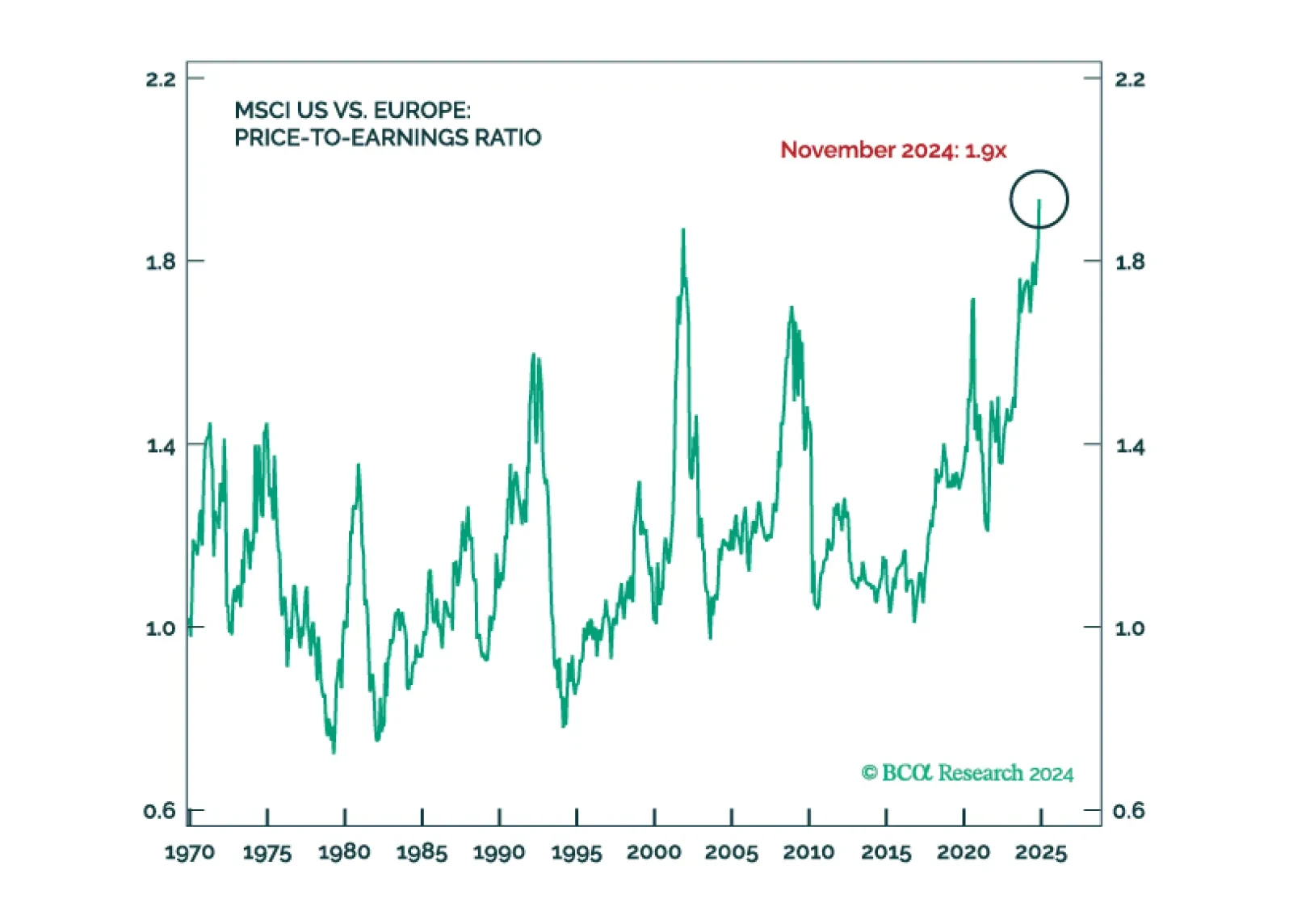
This month, our Here, There, And Everywhere Chartpack summarizes our main thesis for 2025: the three main narratives driving markets today – fiscal profligacy, trade war, and geopolitical conflict – will peak at some point in 2025.

Four years after the pandemic, it feels like there has not been enough self-reflection of that fascinating period in history. One lesson for the world of finance continues to go ignored.