 CoreMacro
Find out more
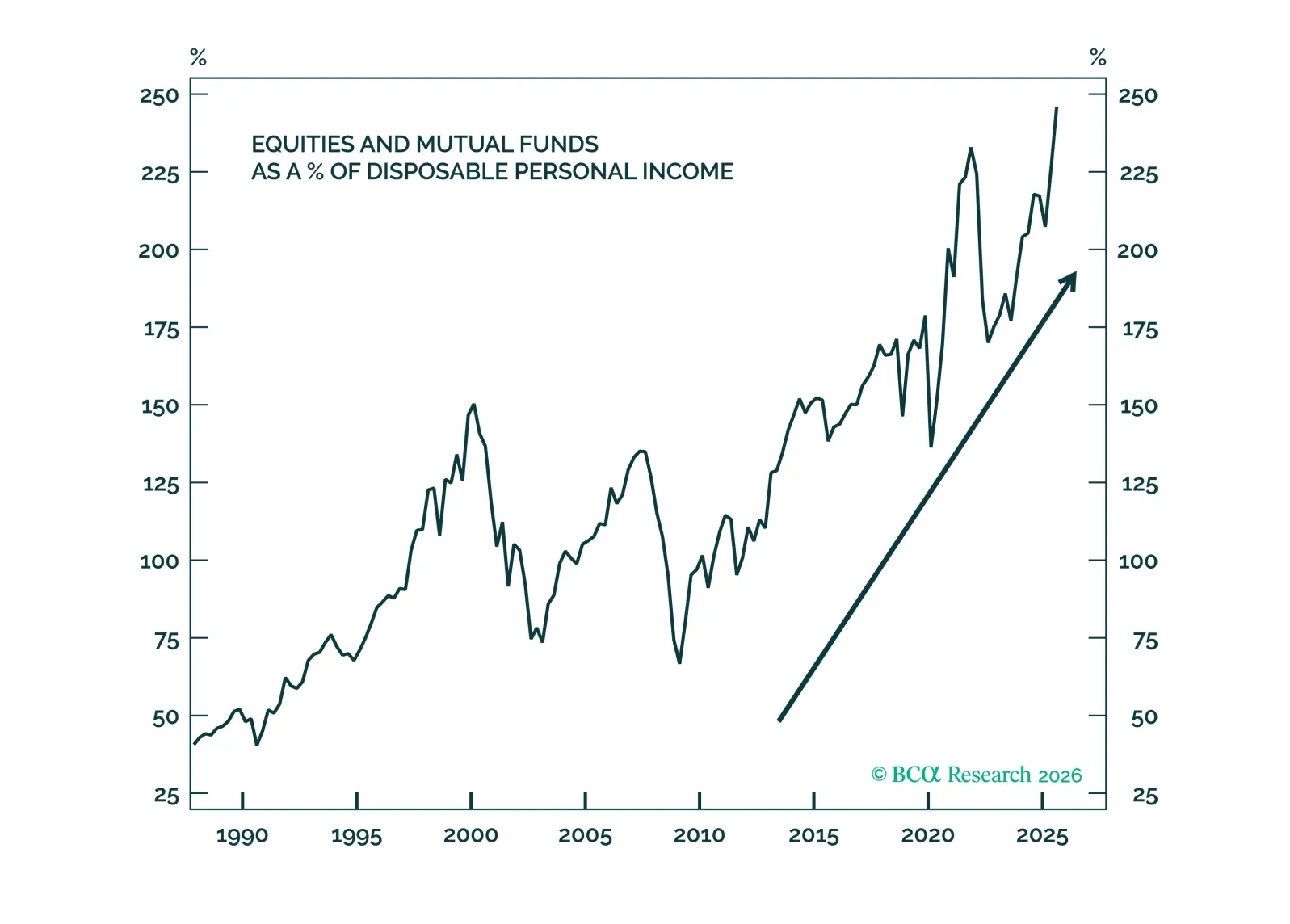
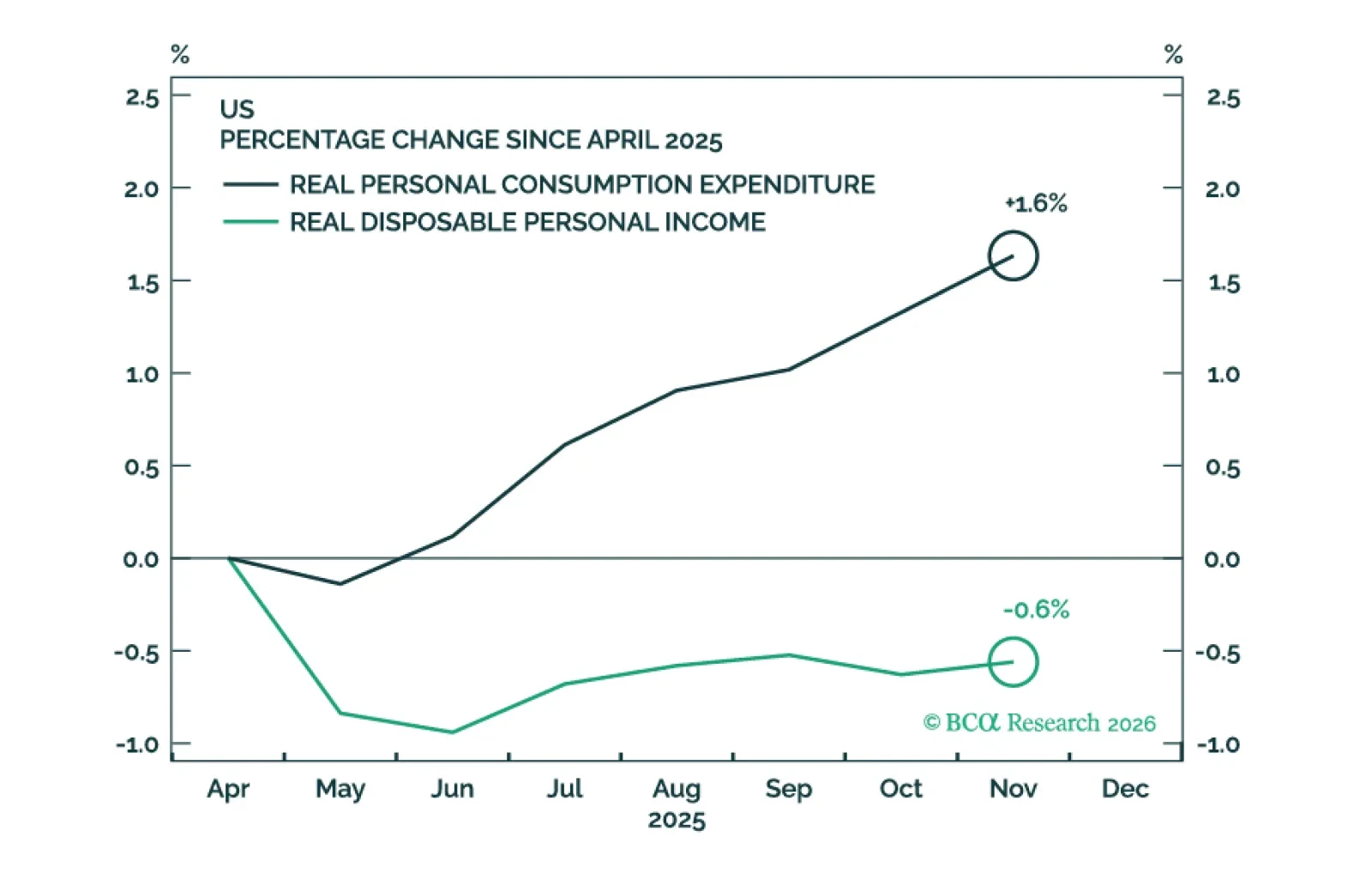
It appears that households have been able to spend more than they’ve earned since May by dipping into their swollen brokerage accounts. Bulked-up equity holdings could herald a future where consumption is more sensitive to stock market ups and downs. That’s great in bull markets but could be an unexpected drag on activity when the next bear arrives.
Almost all bull markets are built on a foundation of truth. With enough time, however, FOMO takes over, causing prices to overshoot fundamentals. This is what has happened to gold and silver, and increasingly to other metals as well.
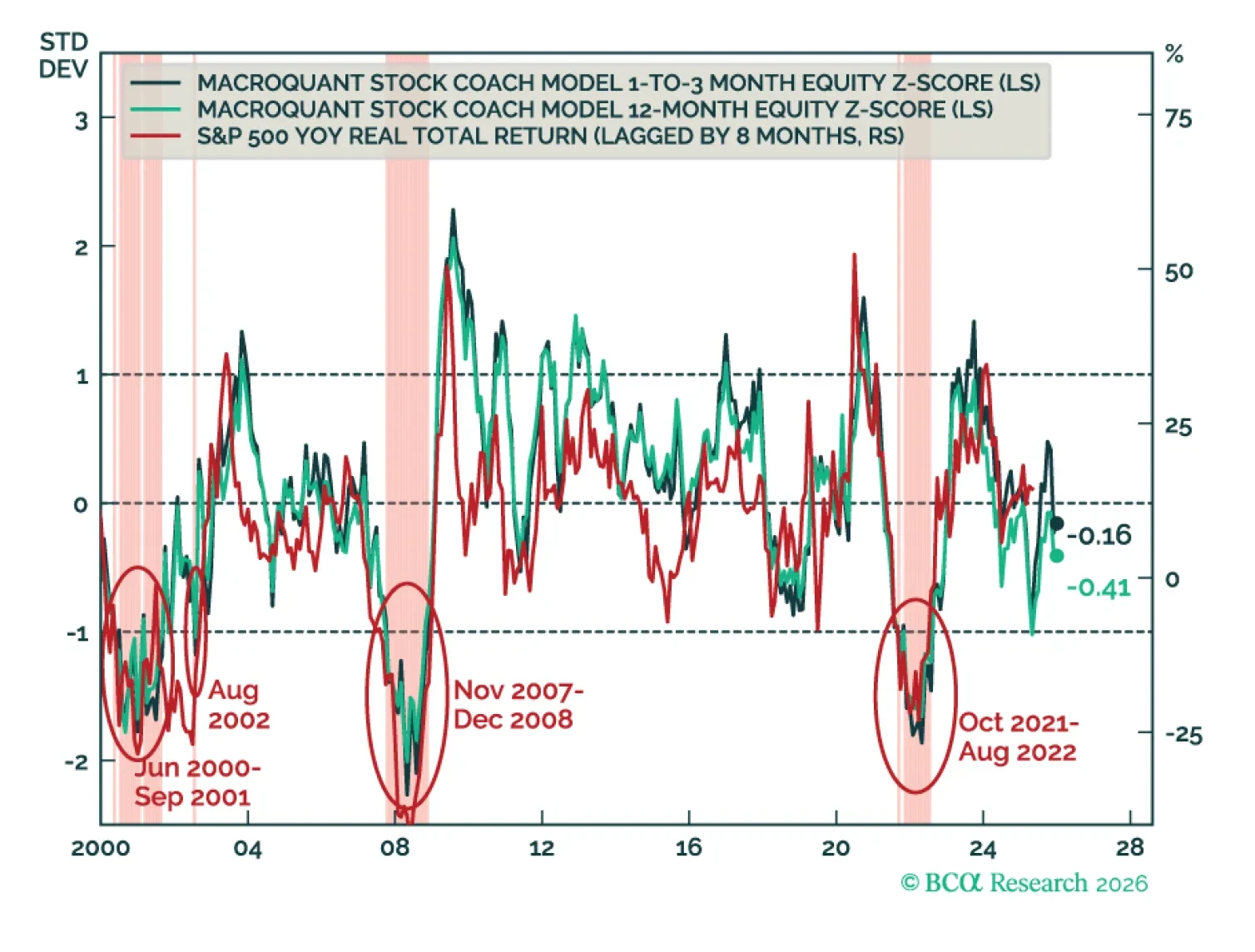
MacroQuant recommends a slight underweight in equities, favors a below-benchmark duration stance in fixed-income portfolios, remains bearish on the US dollar, has upgraded oil and copper to overweight, and is bullish on gold.
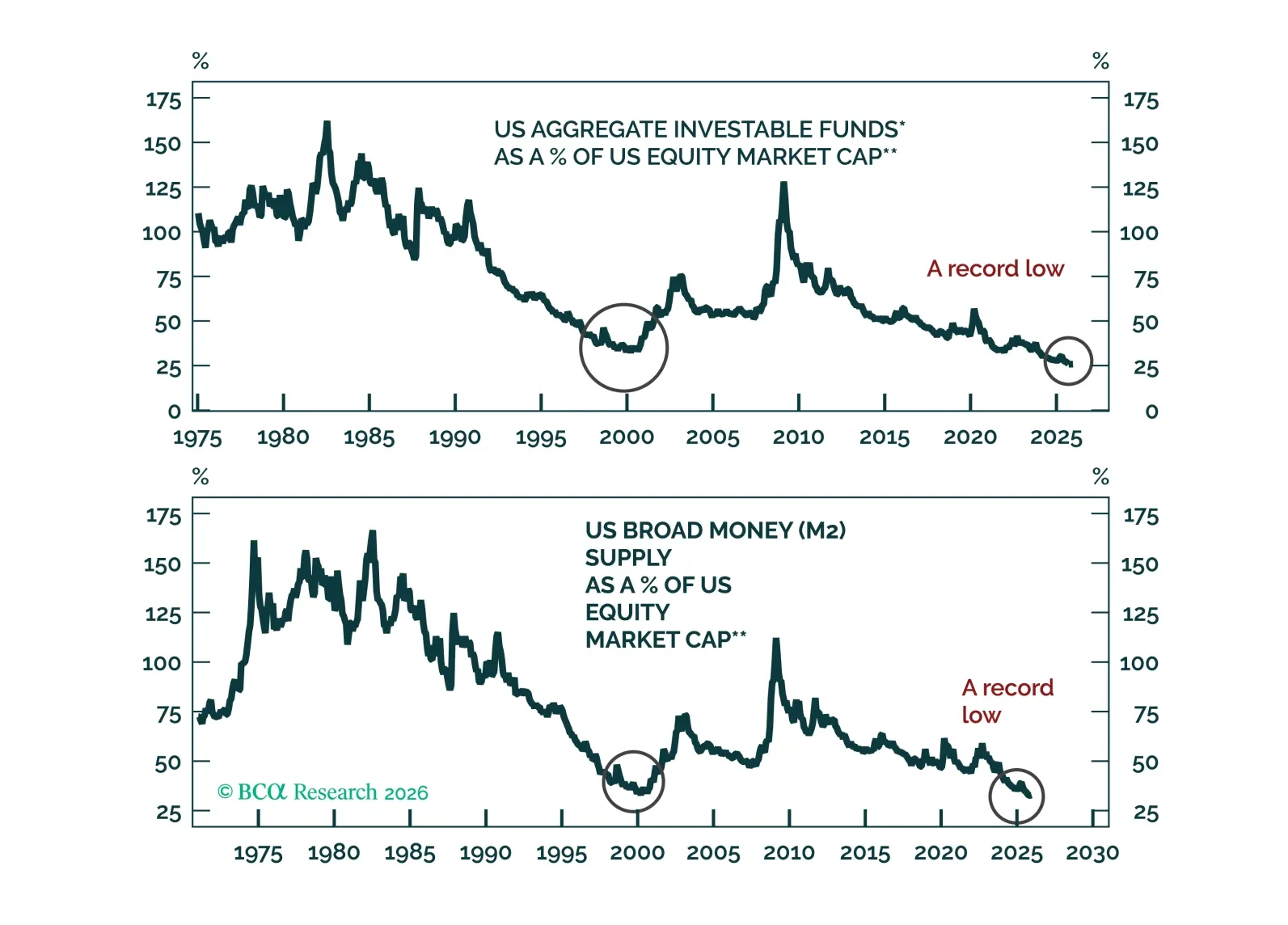
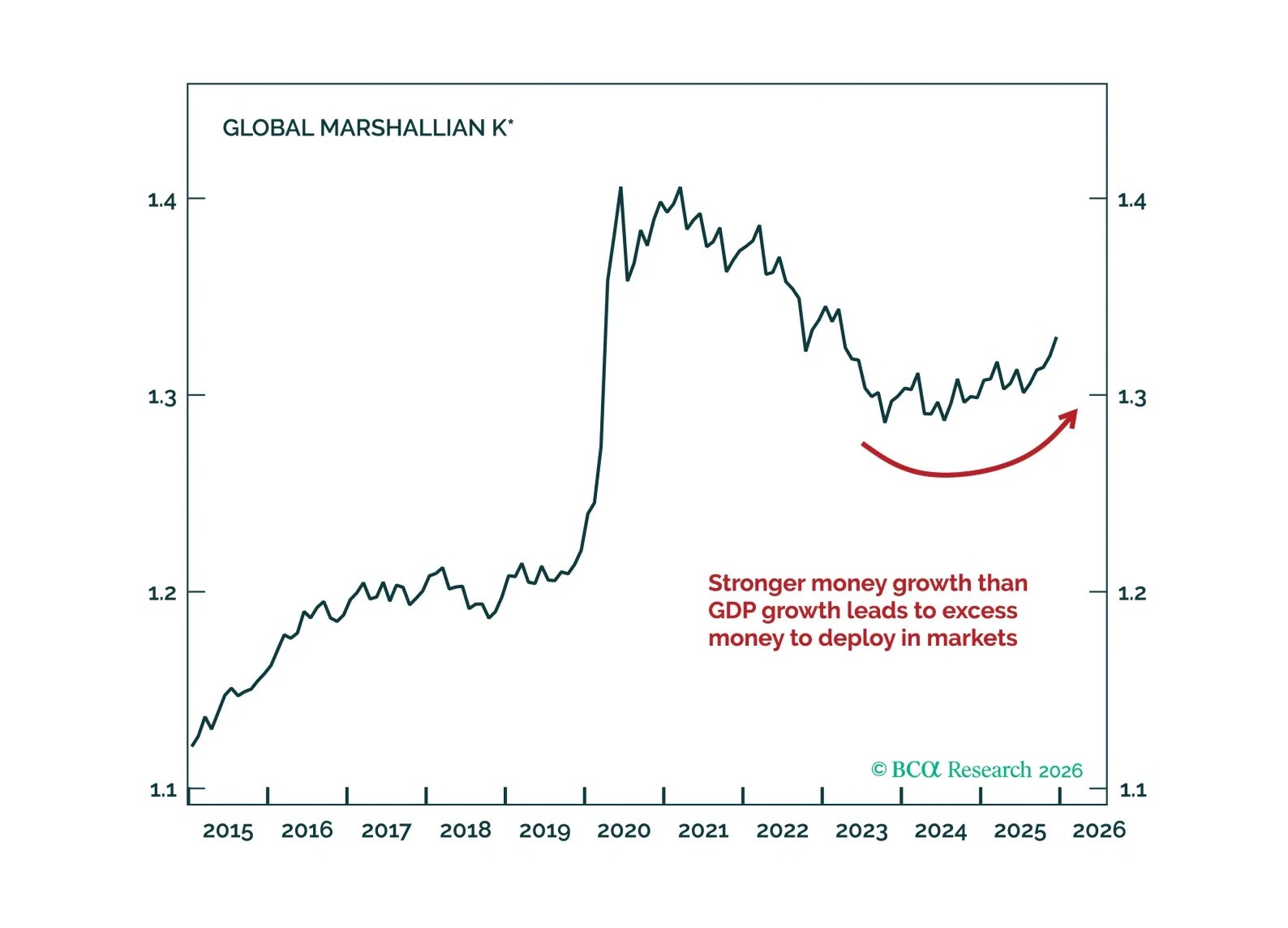
Contrary to widespread narratives, there is little cash on the sidelines. The aggregate amount of investable funds-to-equity market cap ratio is at an all-time low in the US and very low in other developed markets.
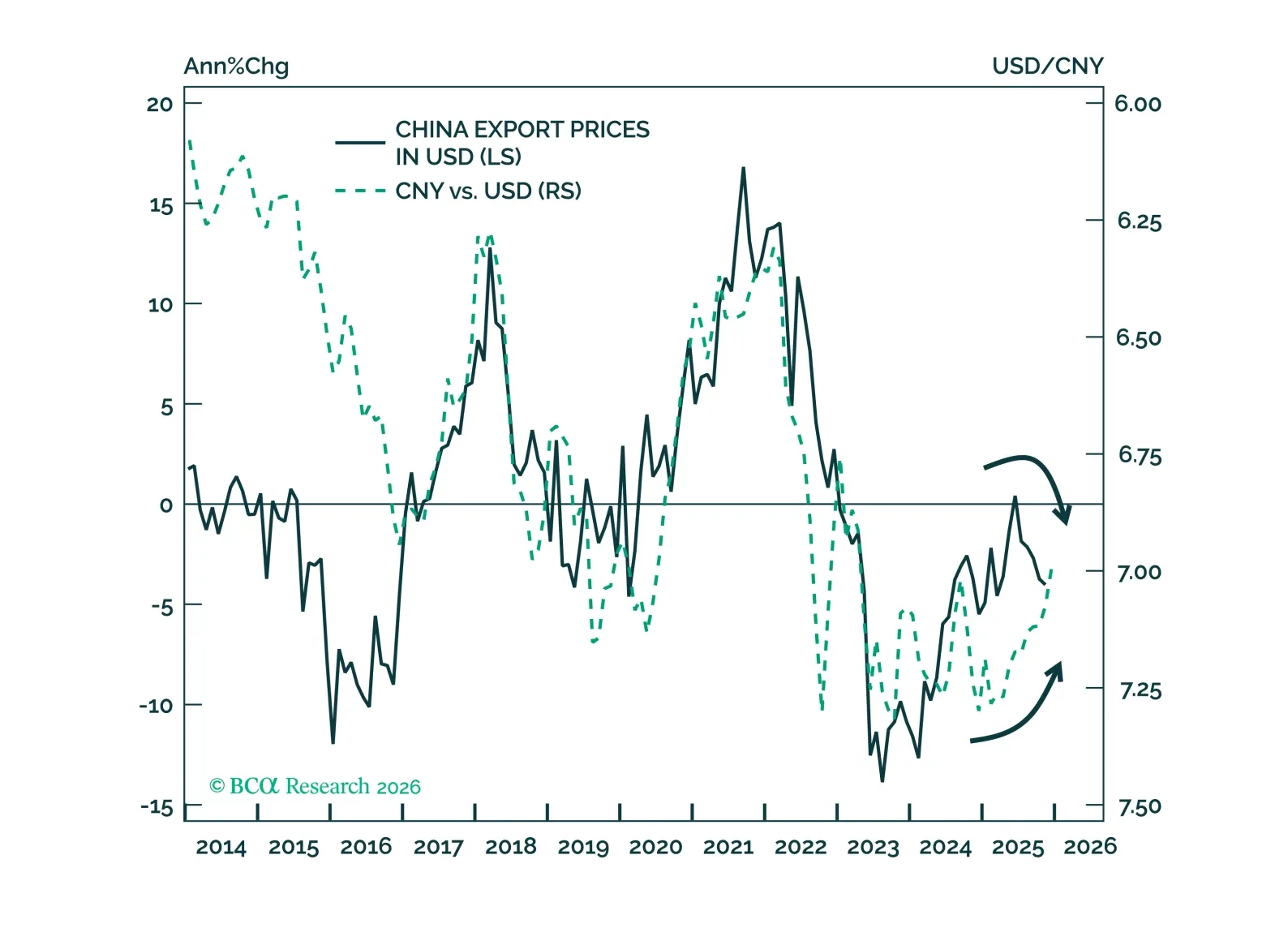
Our first release of the China High-Frequency Indicators for 2026 suggests that economic growth will continue to decelerate in Q1, leading us to adopt a tactically cautious stance on Chinese equities.
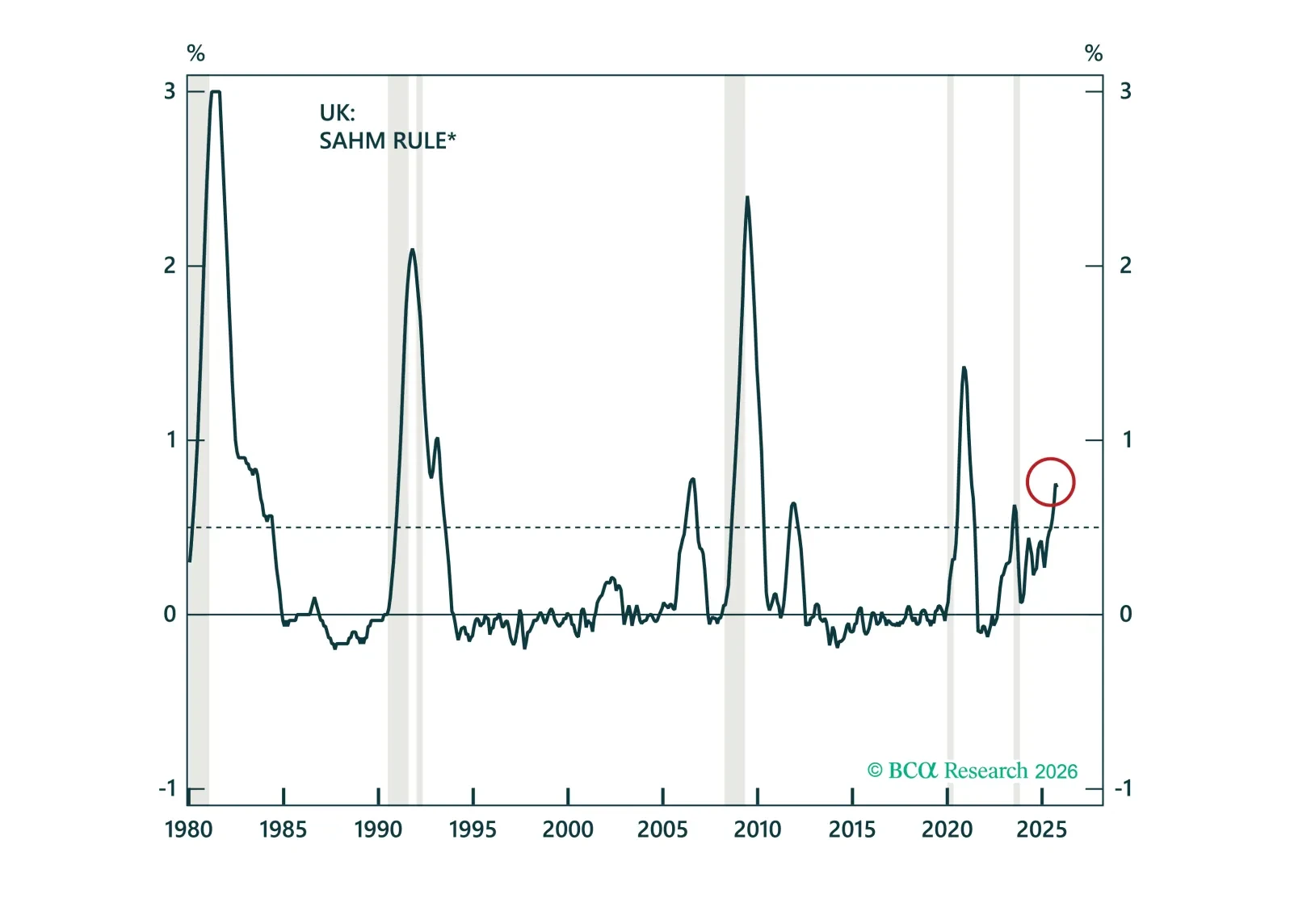
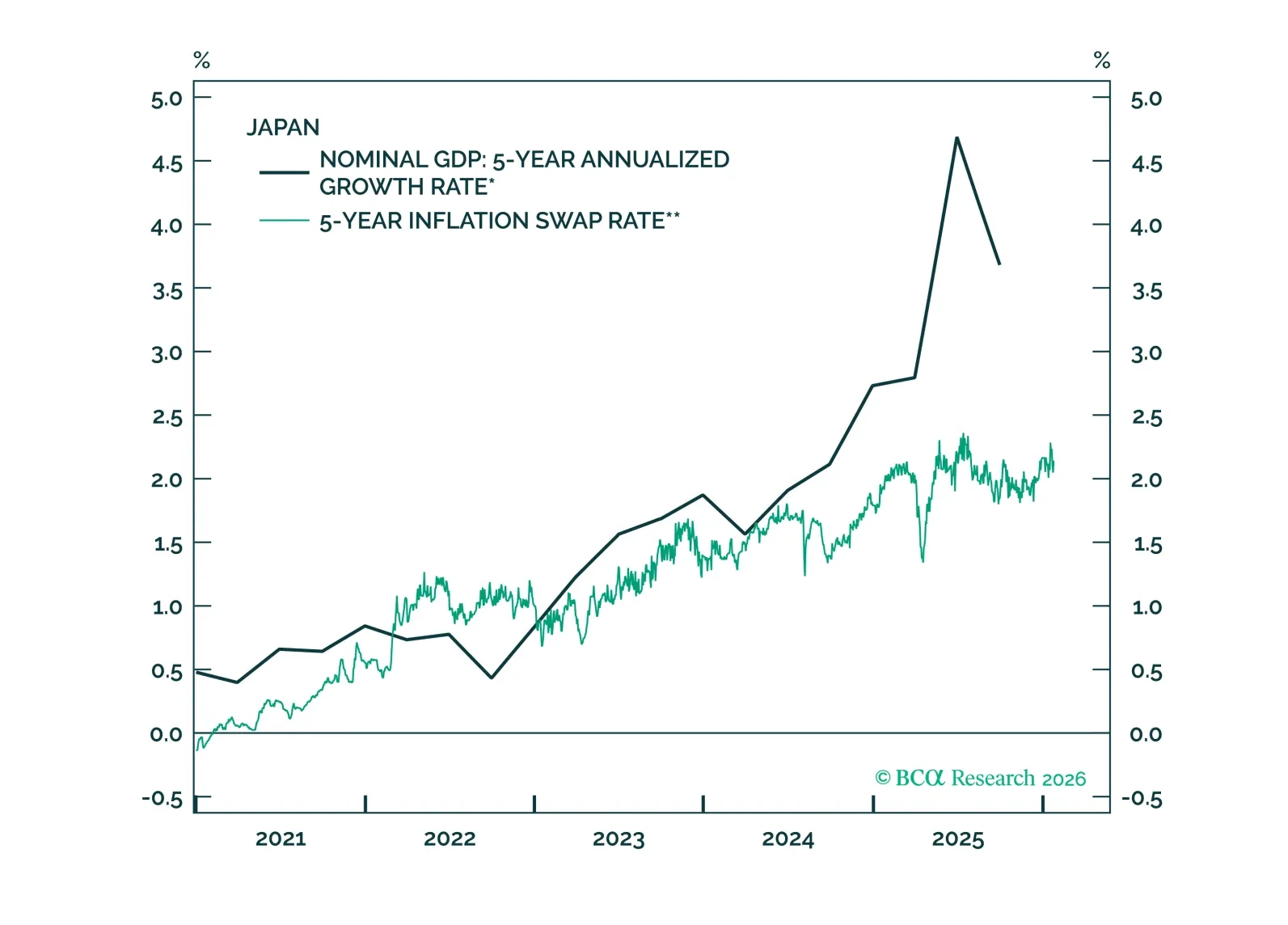
The conventional wisdom attributes the fall in the yen and the rise in long-term JGB yields to growing fiscal concerns. This narrative, however, fails to explain why the Japanese stock market has risen by 29% in dollar terms since the start of 2025, outperforming the All Country World Index by 6%.
Recent economic data have been reasonably firm. We will cut our 12-month US recession probability to 40% from 50% if the Supreme Court strikes down President Trump’s tariffs. This would take our scenario-weighted year-end 2026 price target for the S&P 500 to 6375 from 6200.
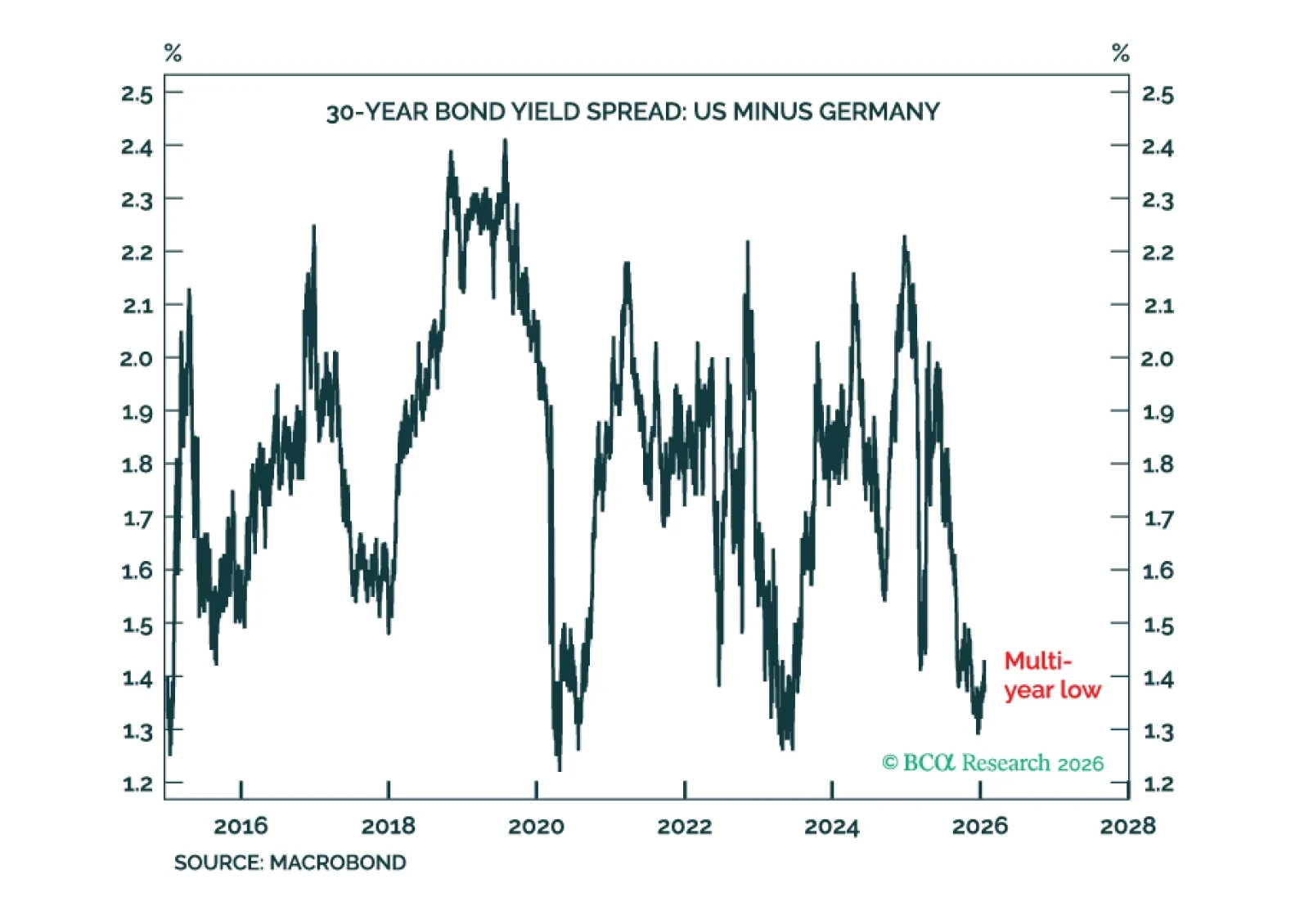
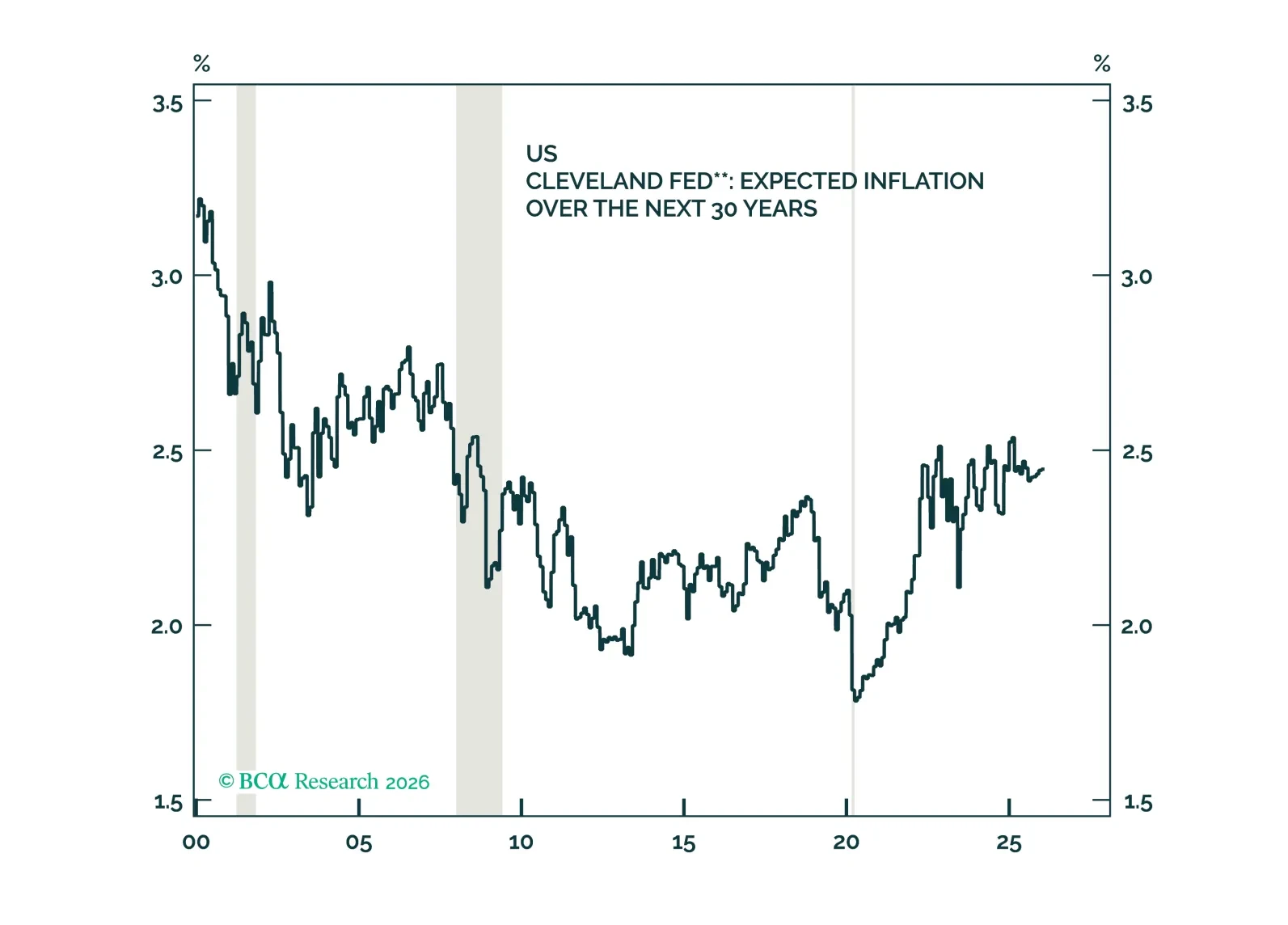
US Treasury yields require a higher premium for both geopolitical risk and inflation risk, but higher bond yields are not necessarily bad for stocks.