Explore CoreMacro
CoreMacro | Global
Macro research covering the global economy and markets, investment implications. Typically published four times a month.
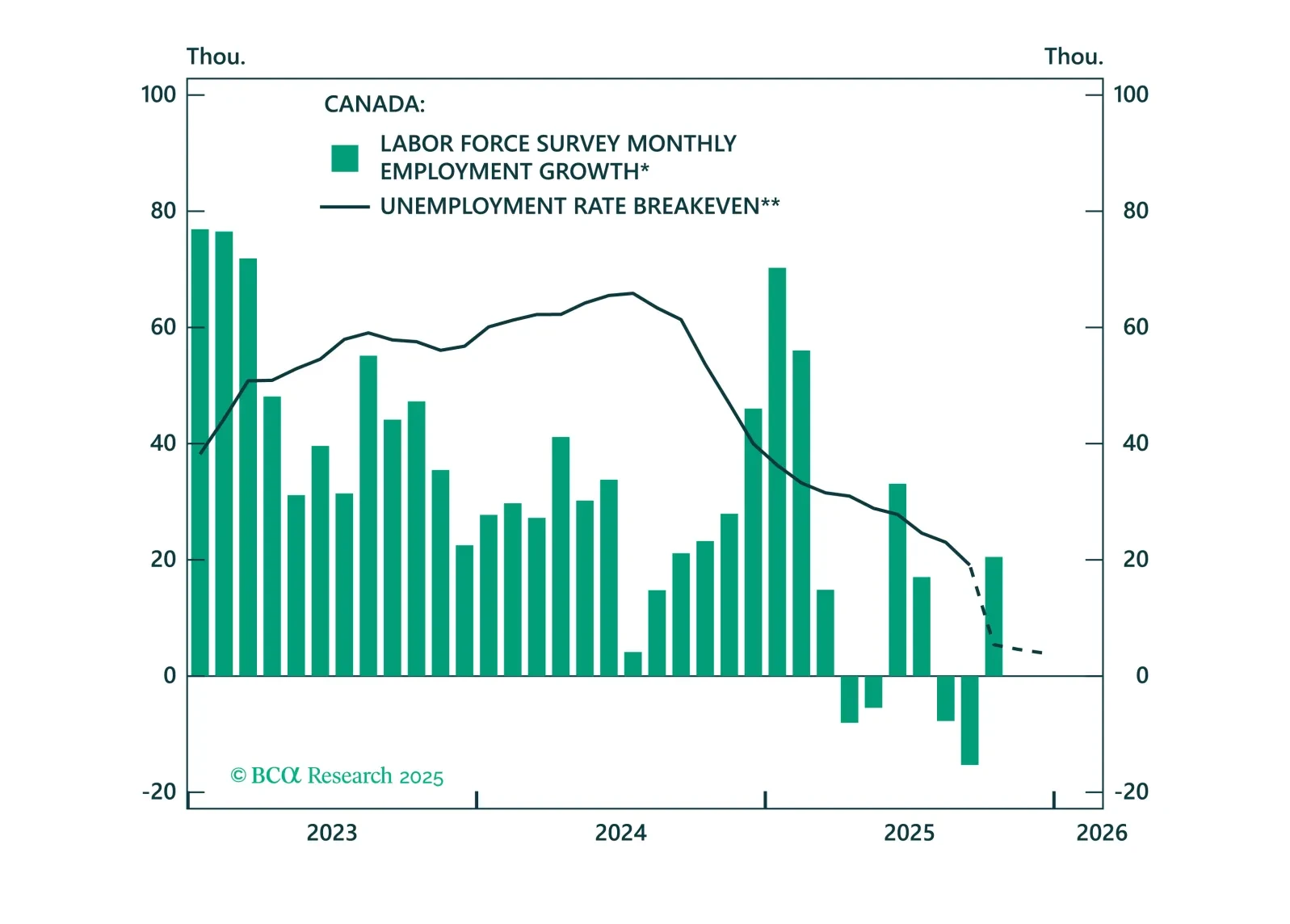
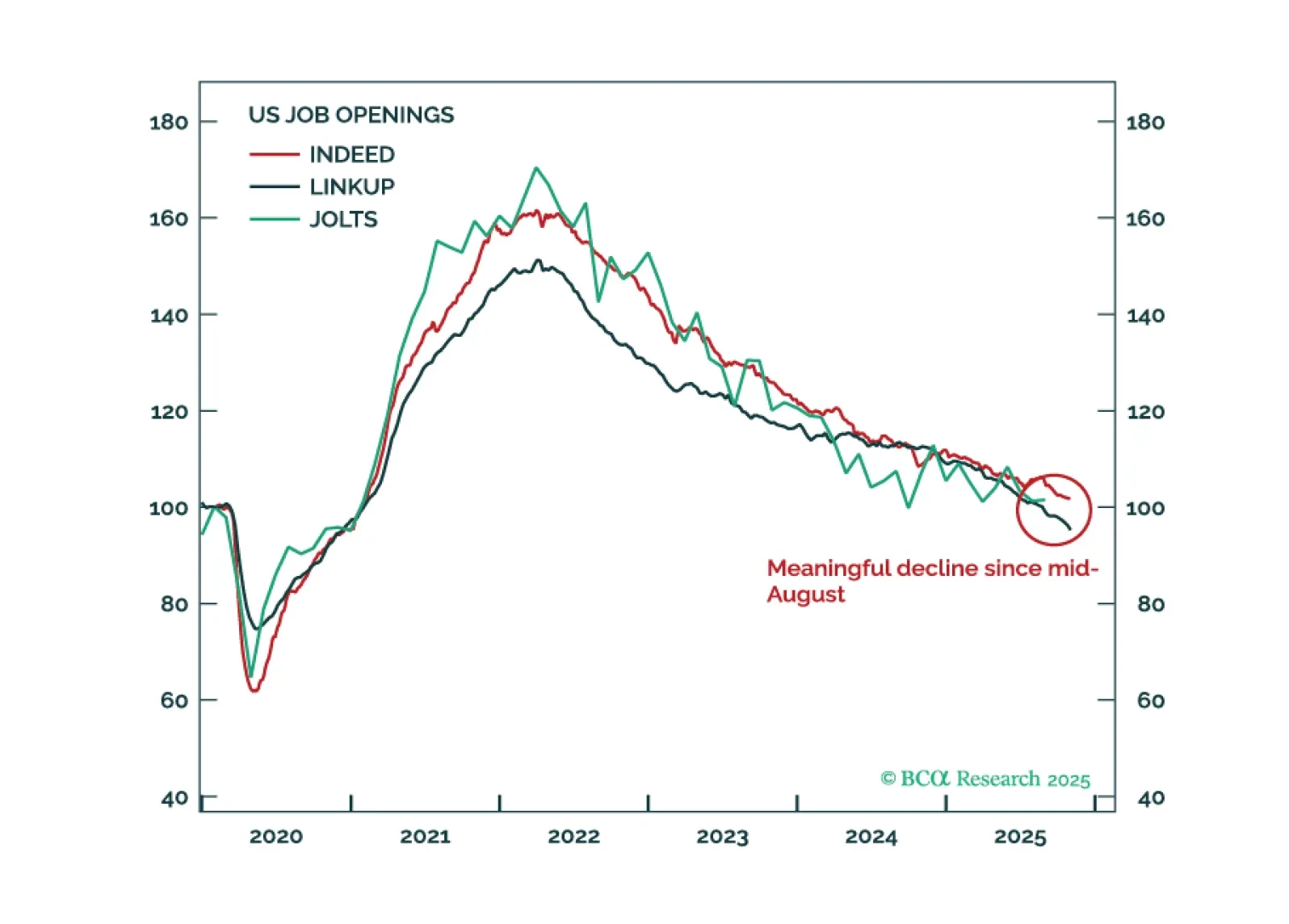
In the absence of official government data, investors are turning to alternative sources to gauge the direction of the US economy. Our analysis of this data suggests that the economy has continued to expand at a moderate pace over the past two months. If the Supreme Court were to strike down the tariffs, this would reduce the near-term odds of a recession while raising the odds of overheating.
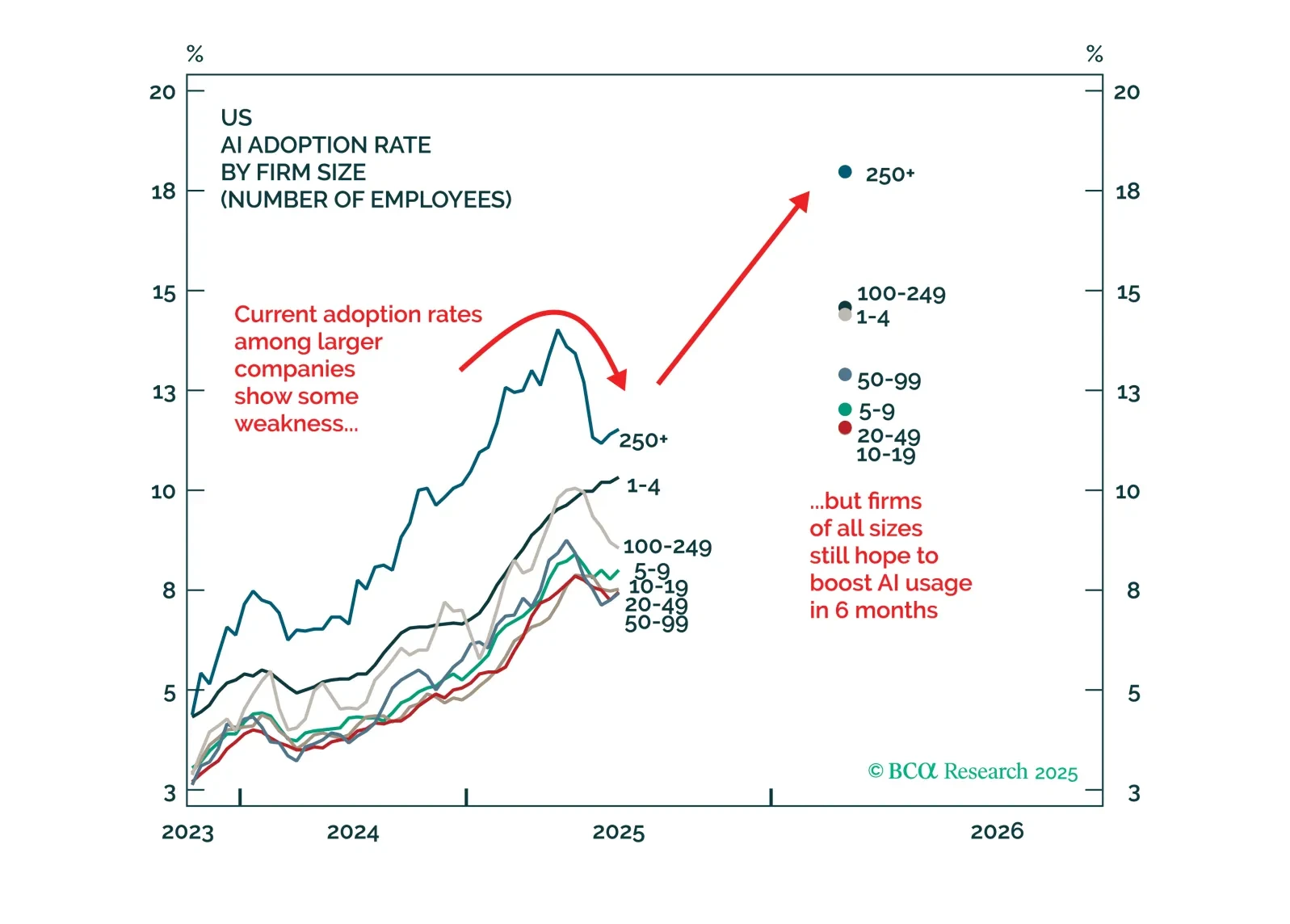
The rush to build AI infrastructure is based on a false premise: that there are significant advantages to being the first to come to market.

Precious metals, corporate credit, and tech stocks are all showing signs of late-cycle euphoria. We identify various trigger points that investors should monitor to turn more bearish.
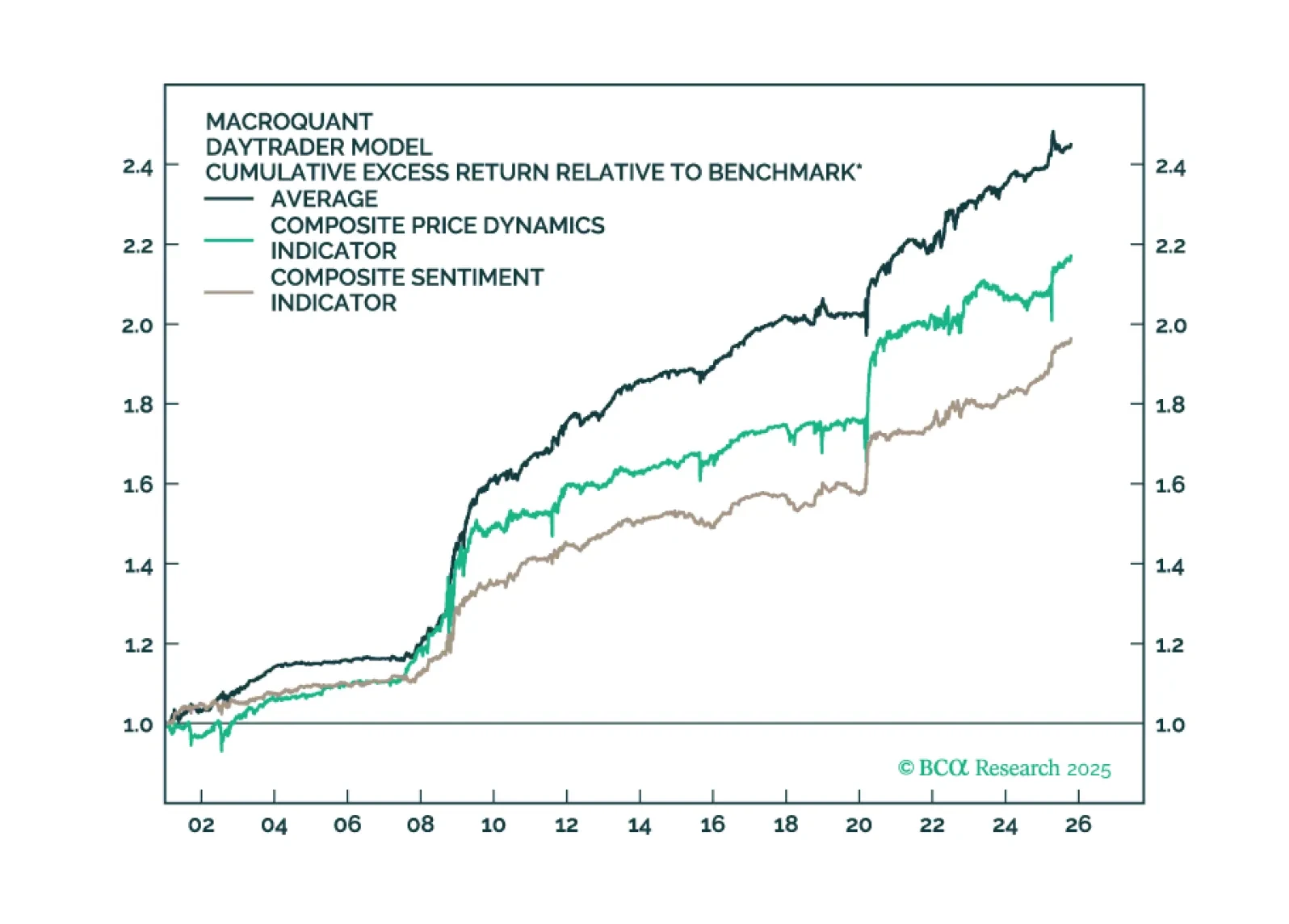
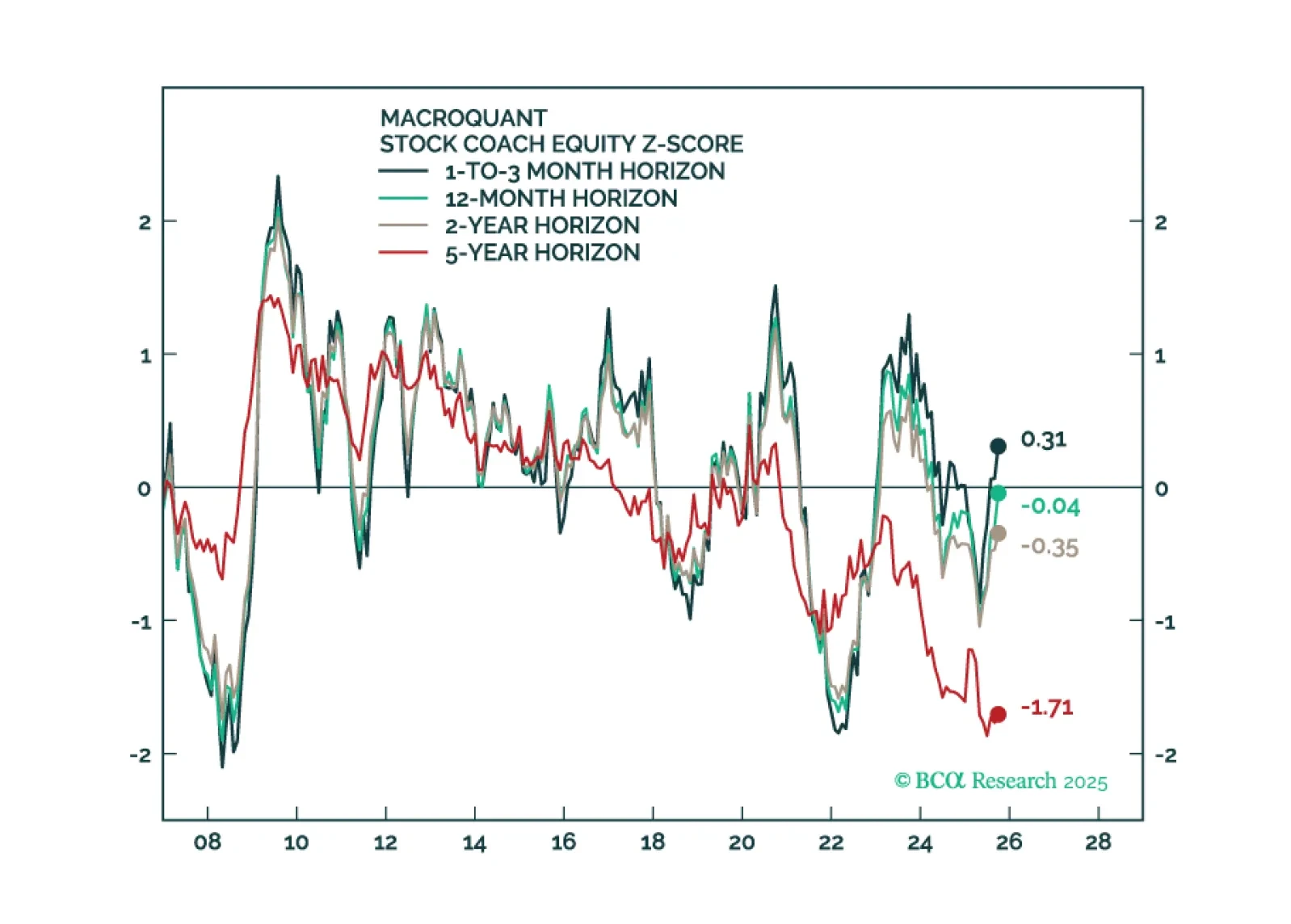
In this Q4 Strategy Outlook, we discuss where we stand on our recession call, the outlook for stocks and bonds in various scenarios, why investors are misunderstanding the impact of AI on corporate profits, whether the US dollar has entered a structural downtrend, our perspective on the yen, gold and other commodities, and much more.
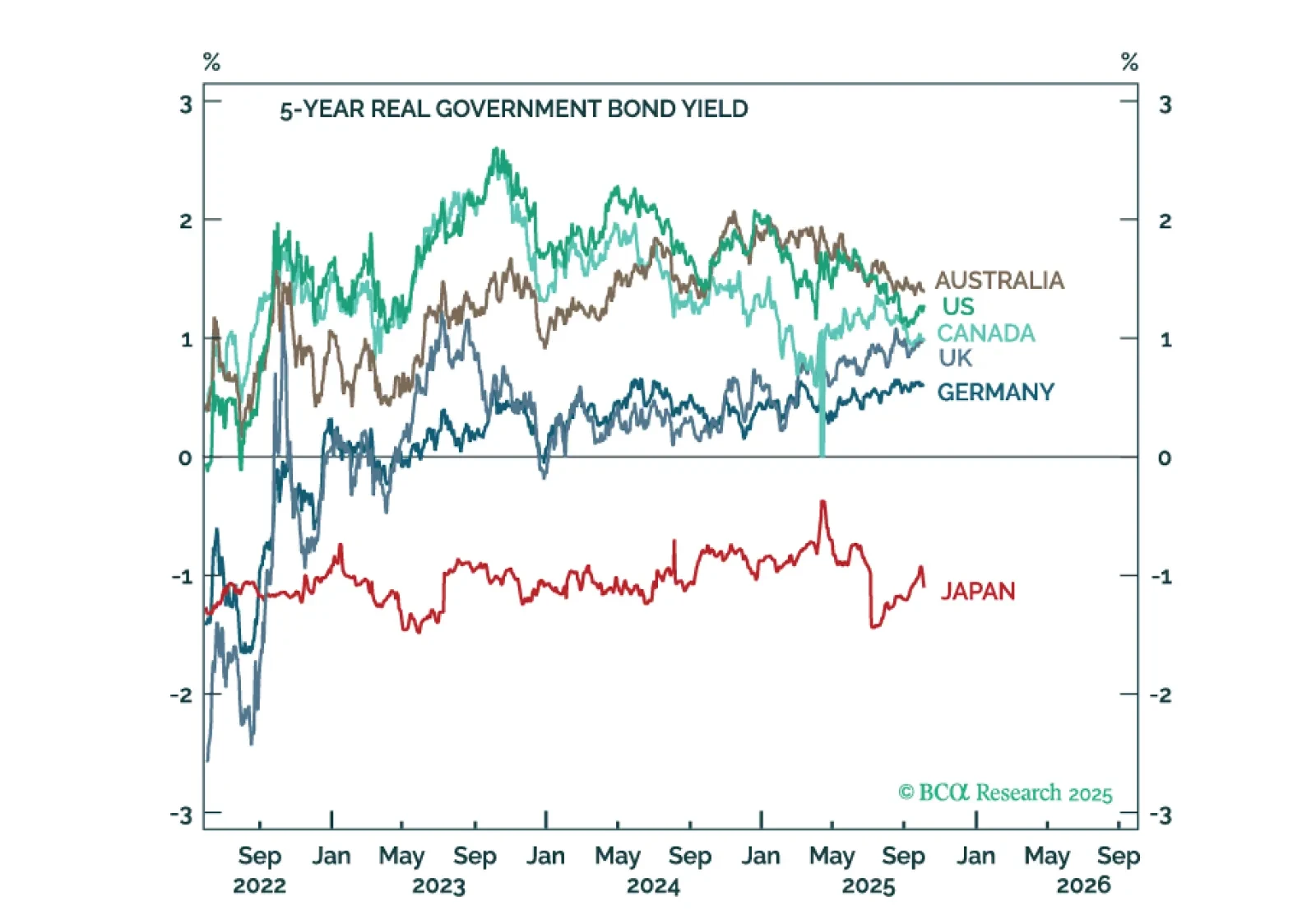
The surprise election of Sanae Takaichi as Japan’s ruling party new leader has delivered yet another blow to the beleaguered yen. Takaichi is widely expected to pursue the basic tenets of Abenomics – easier fiscal and monetary policy.
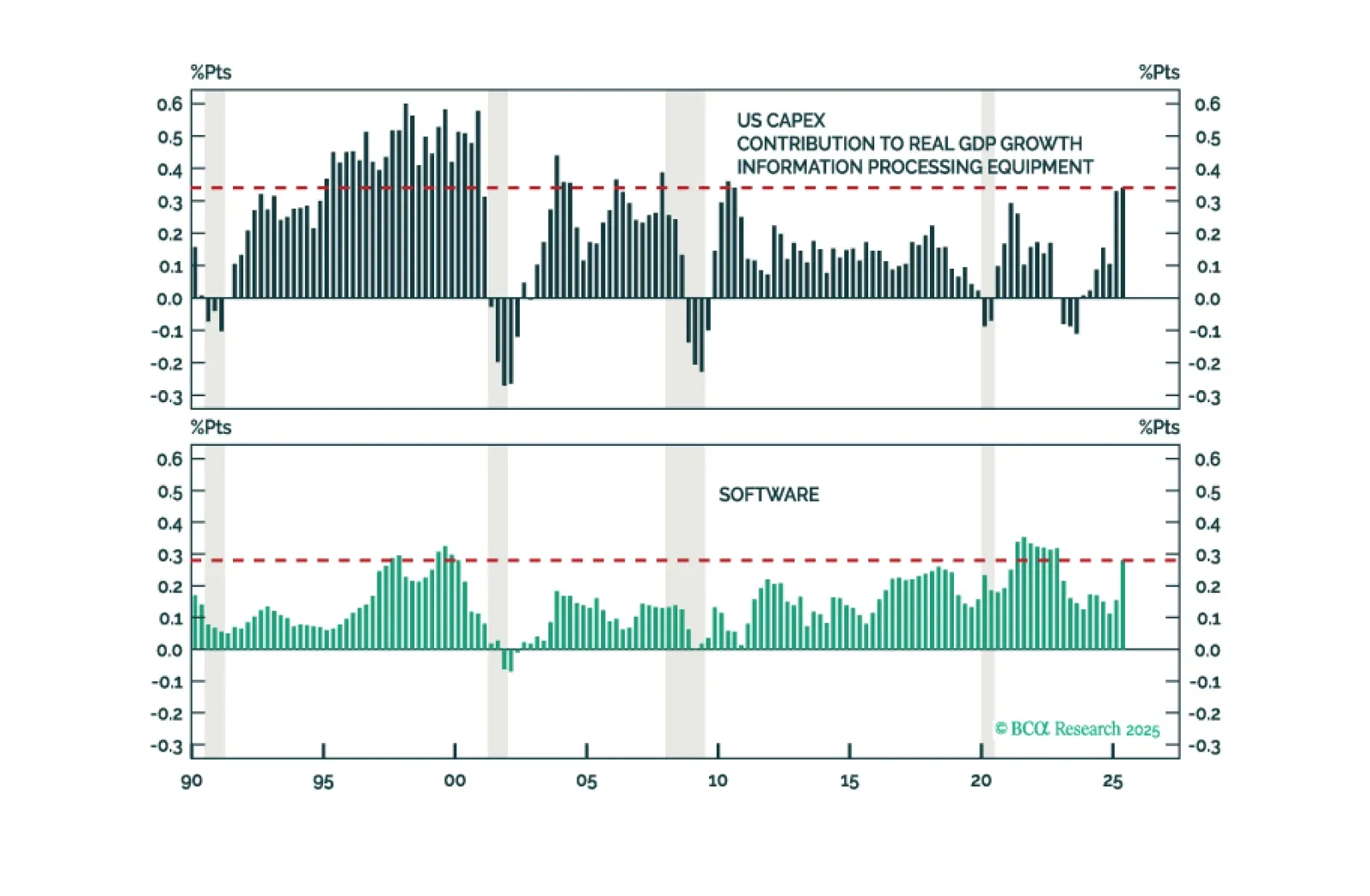
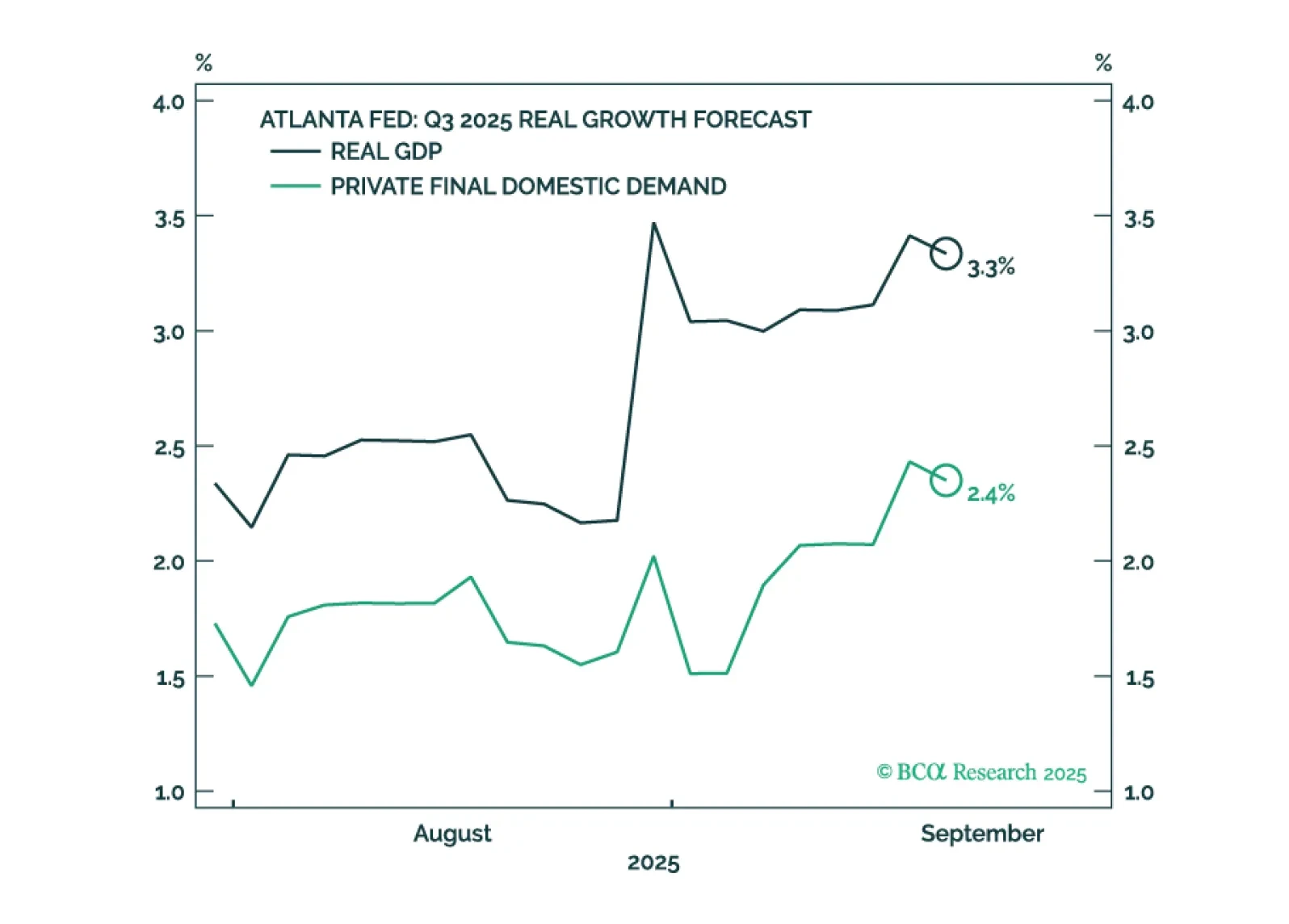
US GDP growth appears to have accelerated even as employment growth has faltered. We will make a final decision in early October when we publish our next Strategy Outlook, but most likely, we will cut our 12-month US recession probability to 40%-to-50% from 60% and turn tactically neutral on stocks, while still retaining a modest equity underweight over a 12-month horizon.