Skip to main content

Essentials

Concise macro insight that cuts through daily noise, helping clients stay informed on what matters in markets, why it matters, and how to talk about it, without spending hours reading research.
Explore Essentials
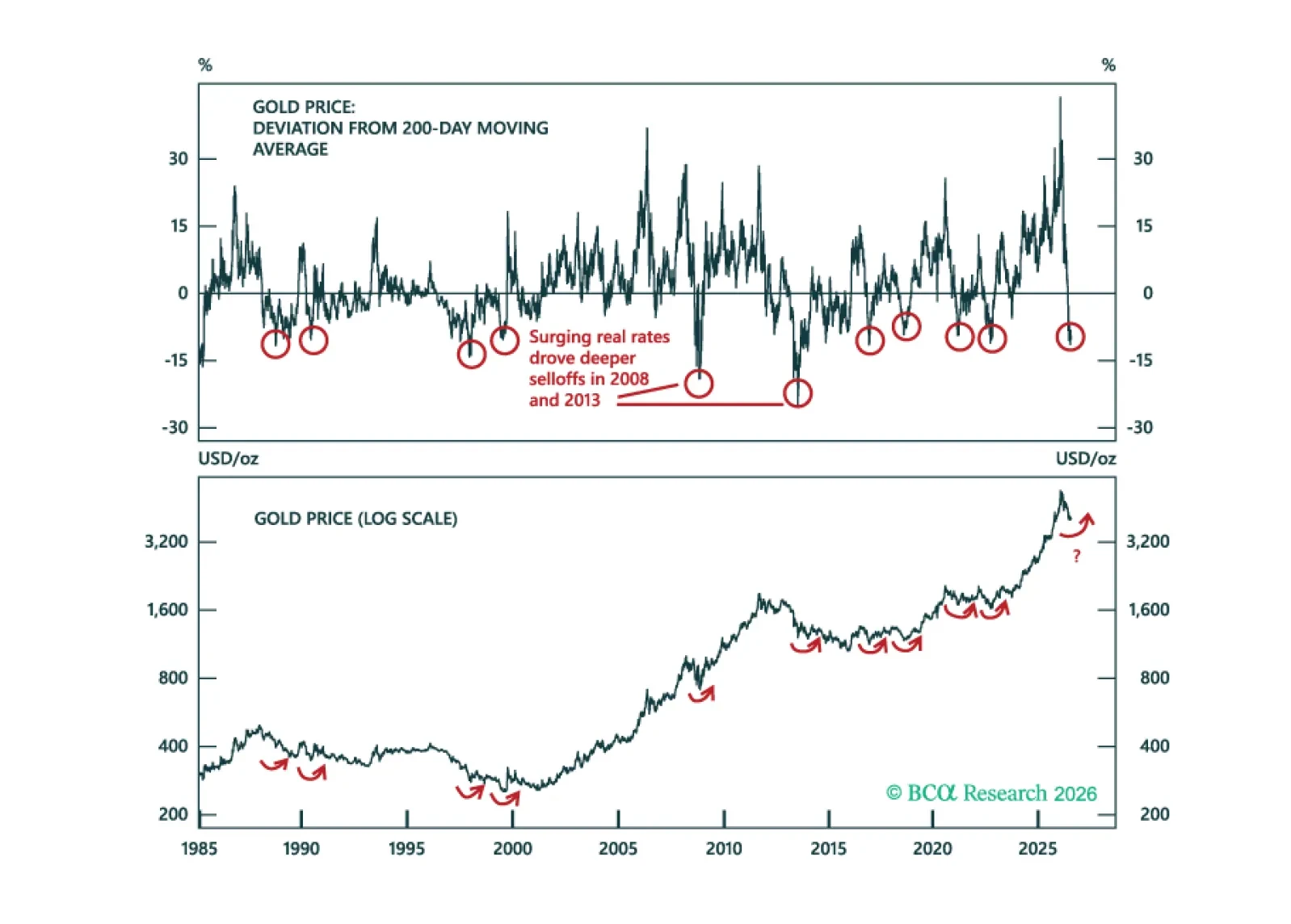
Bank Credit Analyst In this Special Report we argue that the worst of gold's downturn is likely behind us. Real rates and the dollar — which have reasserted themselves as gold's primary drivers — are set to shift from headwinds to tailwinds for the metal.
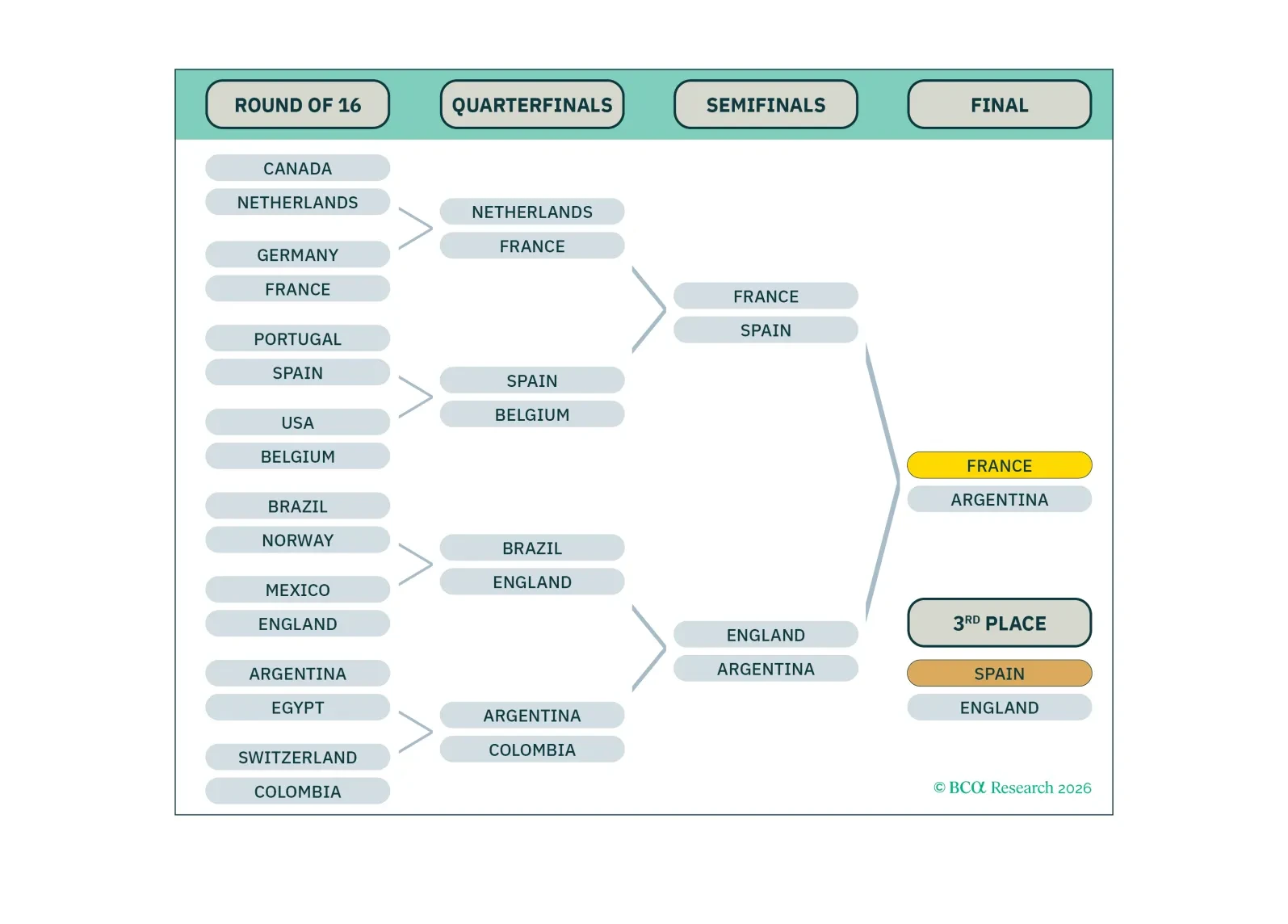
Bank Credit Analyst After an exciting group stage, we discuss the trends that have shaped the tournament and update our 2026 World Cup prediction.
Bank Credit Analyst Section I maps how the broad distribution of wealth gains is supporting US consumption. Section II examines how countries can meet swelling electricity demand. The winners will find paths to build the infrastructure needed to power the high-tech future.
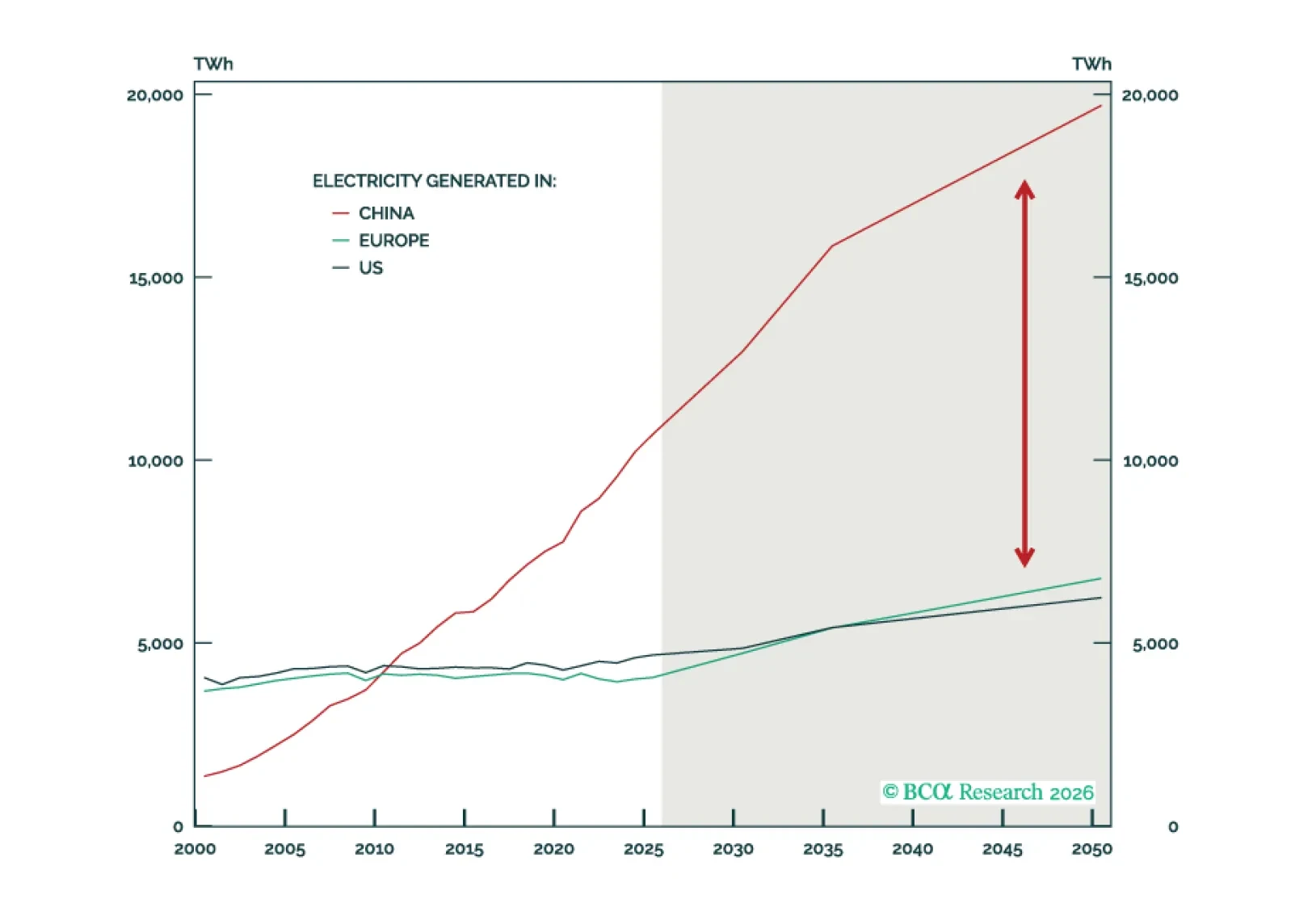
Special Report China holds a structural advantage in this "Age of Electricity" by operating the world's largest electricity system. However, this advantage has inherent limits, and the US remains competitive despite its challenges.
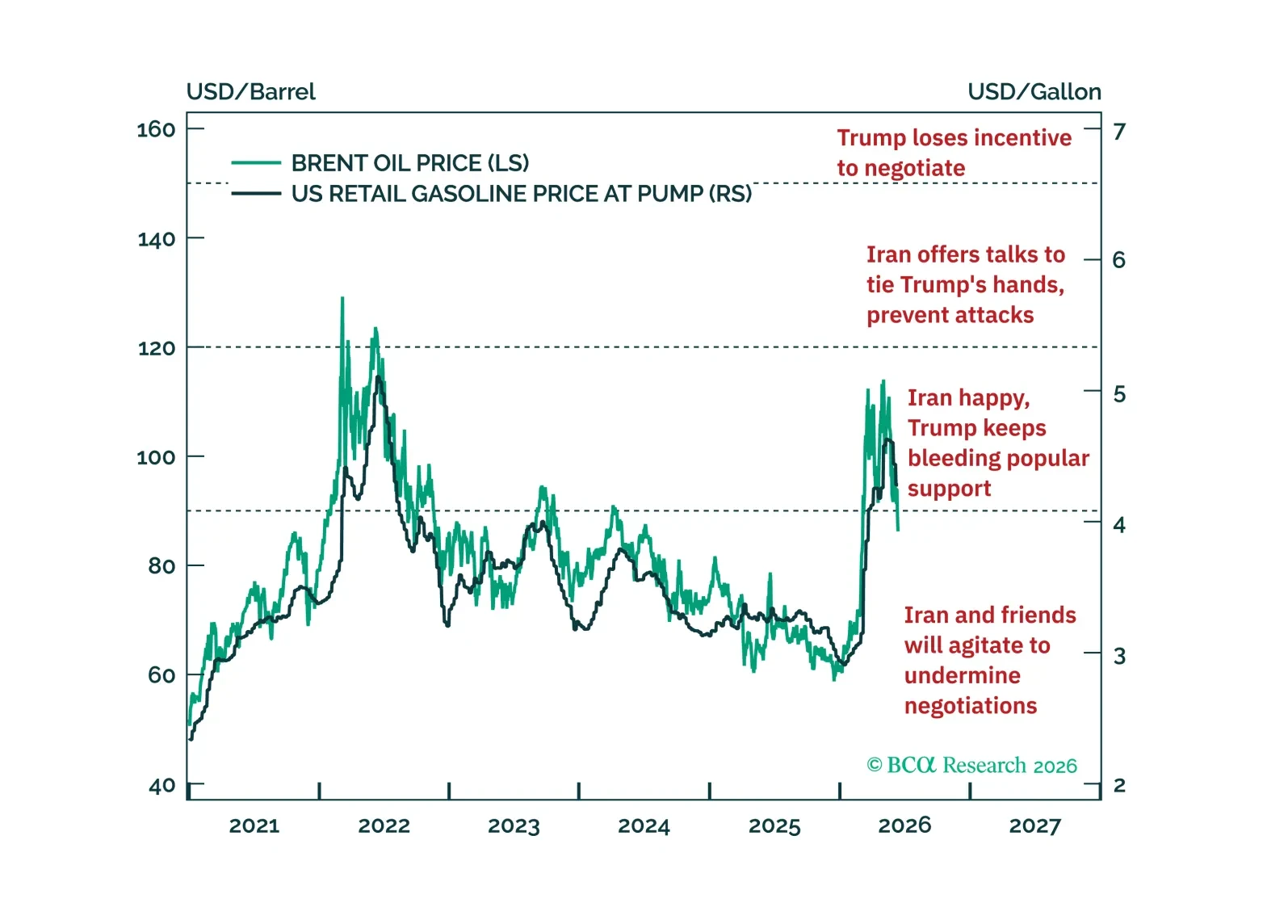
The US-Iran deal is a marginal improvement in global commodity supply risk, but we still give a 60% chance of renewed fighting later this year or in 2027.

Bank Credit Analyst Four years after correctly calling Argentina's triumph, the Most Important of all Unimportant Forecasts returns. Who does our model crown in 2026? Let's find out.
Bank Credit Analyst Every market cycle belongs to a longer history. The charts in the BCA Chartbook of Economic & Financial History trace the forces that have shaped economies, markets, and investment regimes across decades. That long view has guided BCA’s work since 1949.
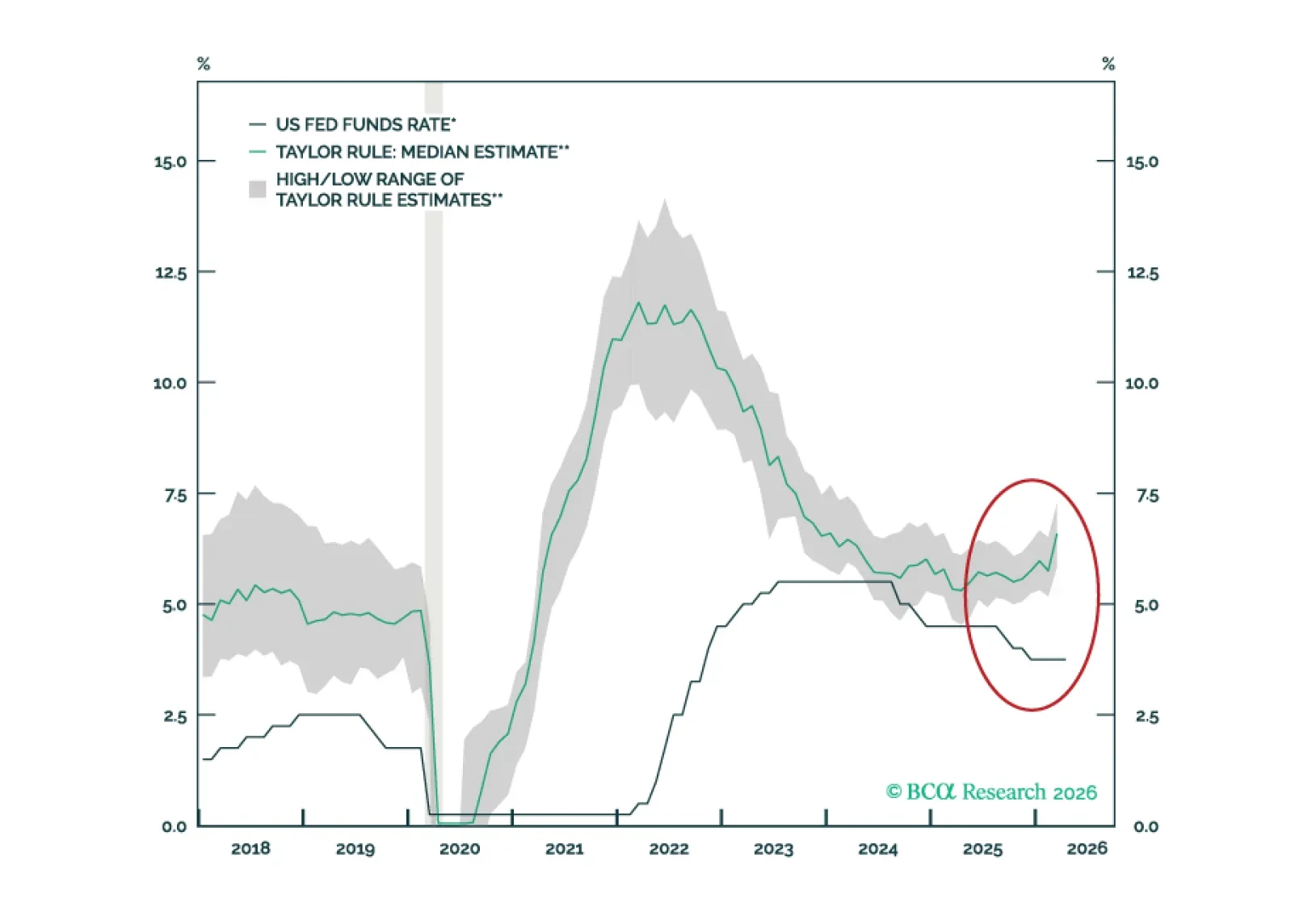
Special Report In Section II, Jonathan explores whether Kevin Warsh's appointment as Fed Chair signals a return to Greenspan-era, rules-based monetary policy.
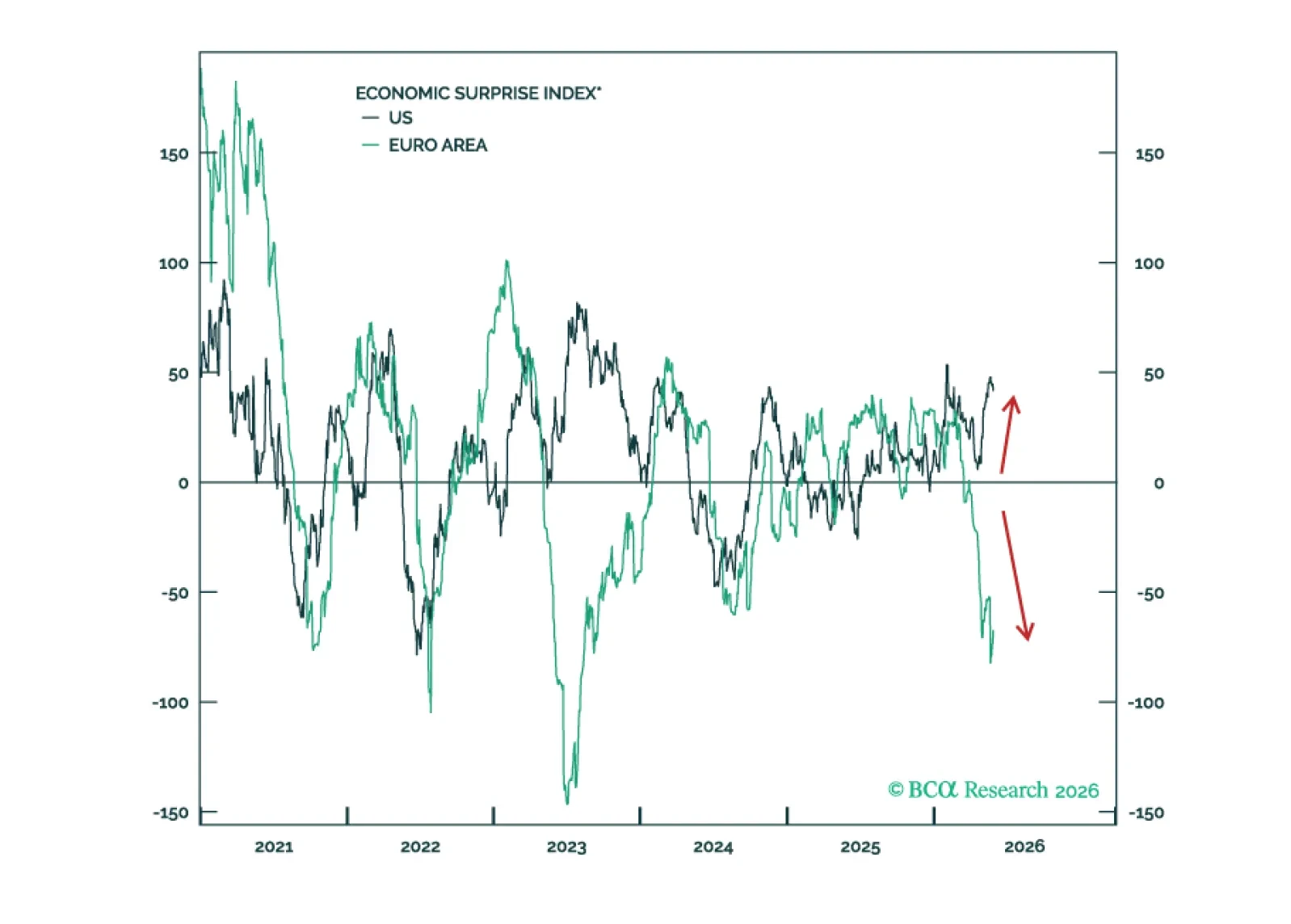
Bank Credit Analyst In Section I, Doug revisits the situation in the Strait of Hormuz and its implications for growth in Europe and the US. In Section II, Jonathan explores whether Kevin Warsh's appointment as Fed Chair signals a return to Greenspan-era, rules-based monetary policy.
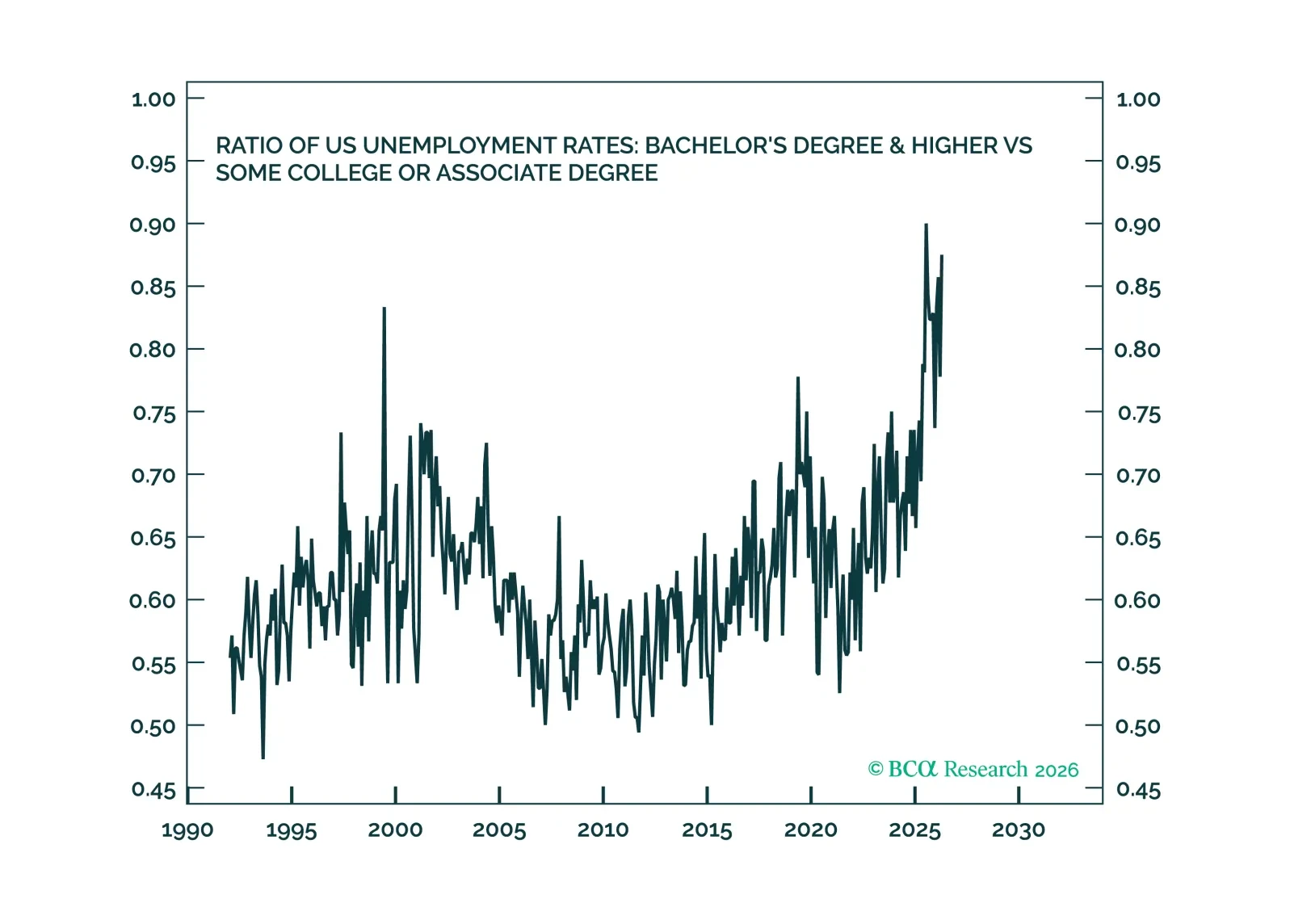
AI excels at IQ but fails miserably at EQ. Hence, AI will obsolete any job that relies on IQ, including many graduate-level jobs. But high-EQ humans will be in high demand to pair up with AI, and many of these jobs will be middle income jobs. We discuss the implication for the economy and markets. Plus, a new tactical trade is underweight global tech versus healthcare.