 GeoMacro
Find out more
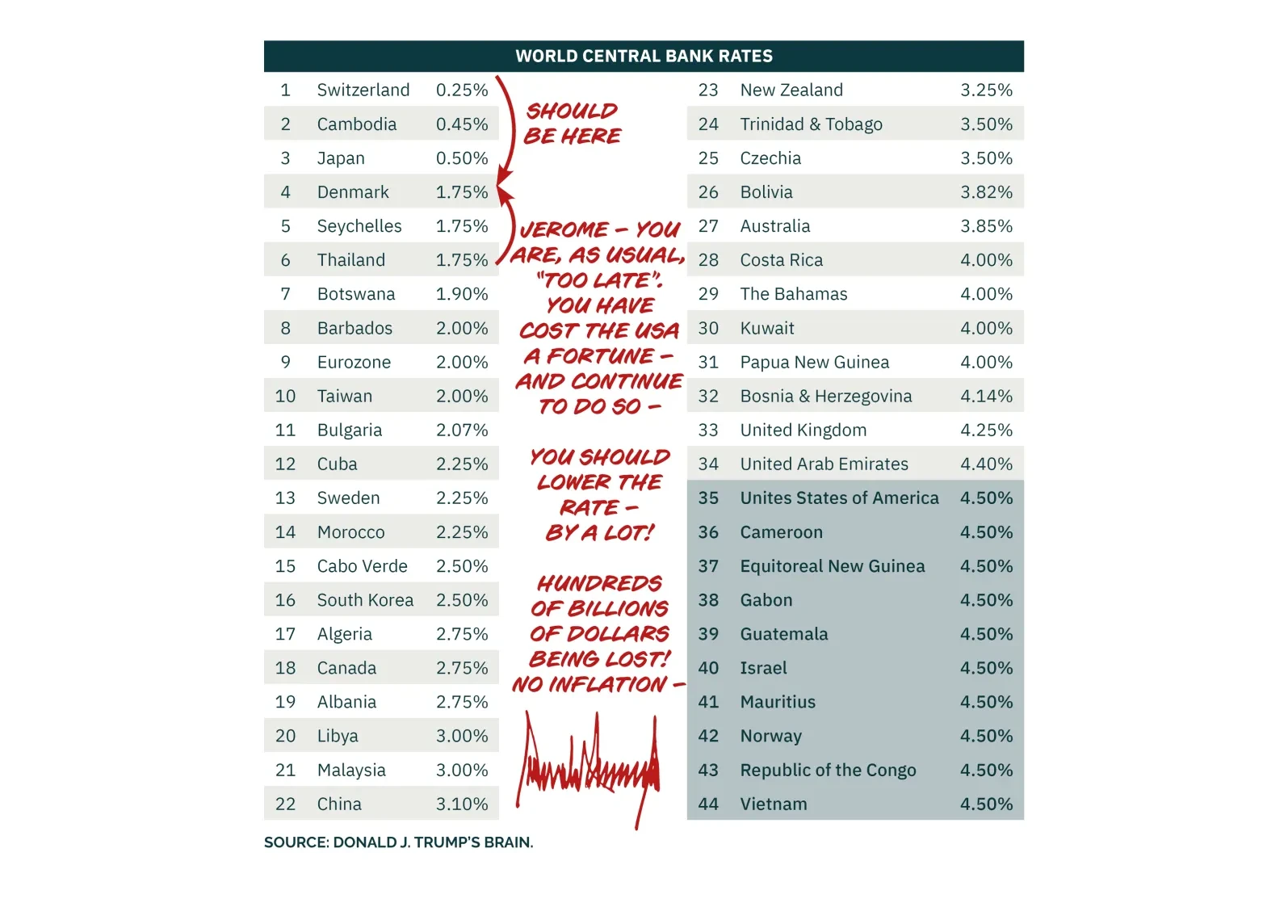
We have thrown caution to the wind and gone overweight equities. Why? Three reasons: the Fed is under immense political pressure to pivot, USD has depreciated, and inflation is in check. It is going to be a very difficult job for Fed Chair Powell to ignore the downside risks to both inflation and growth. If he does, he will be accused – correctly – of political bias.
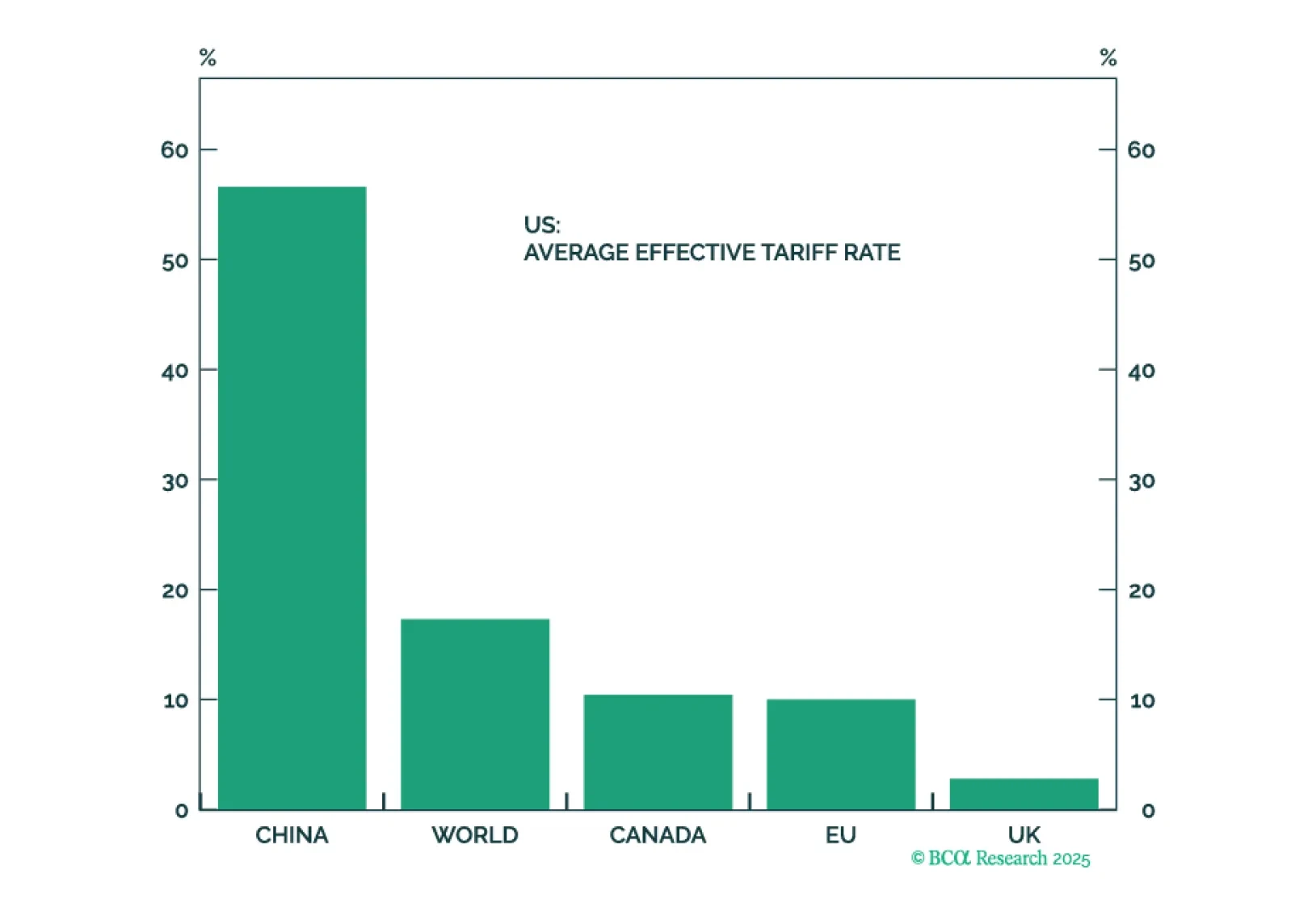
Acute geopolitical risks, like a massive oil shock, may be abating. But structural geopolitical risk remains high and could upset a blithe market. Cyclical economic risks are underrated as the US slows down and China continues to stumble. Investors should book some profits in anticipation of tariff implementation and a downturn in hard economic data.
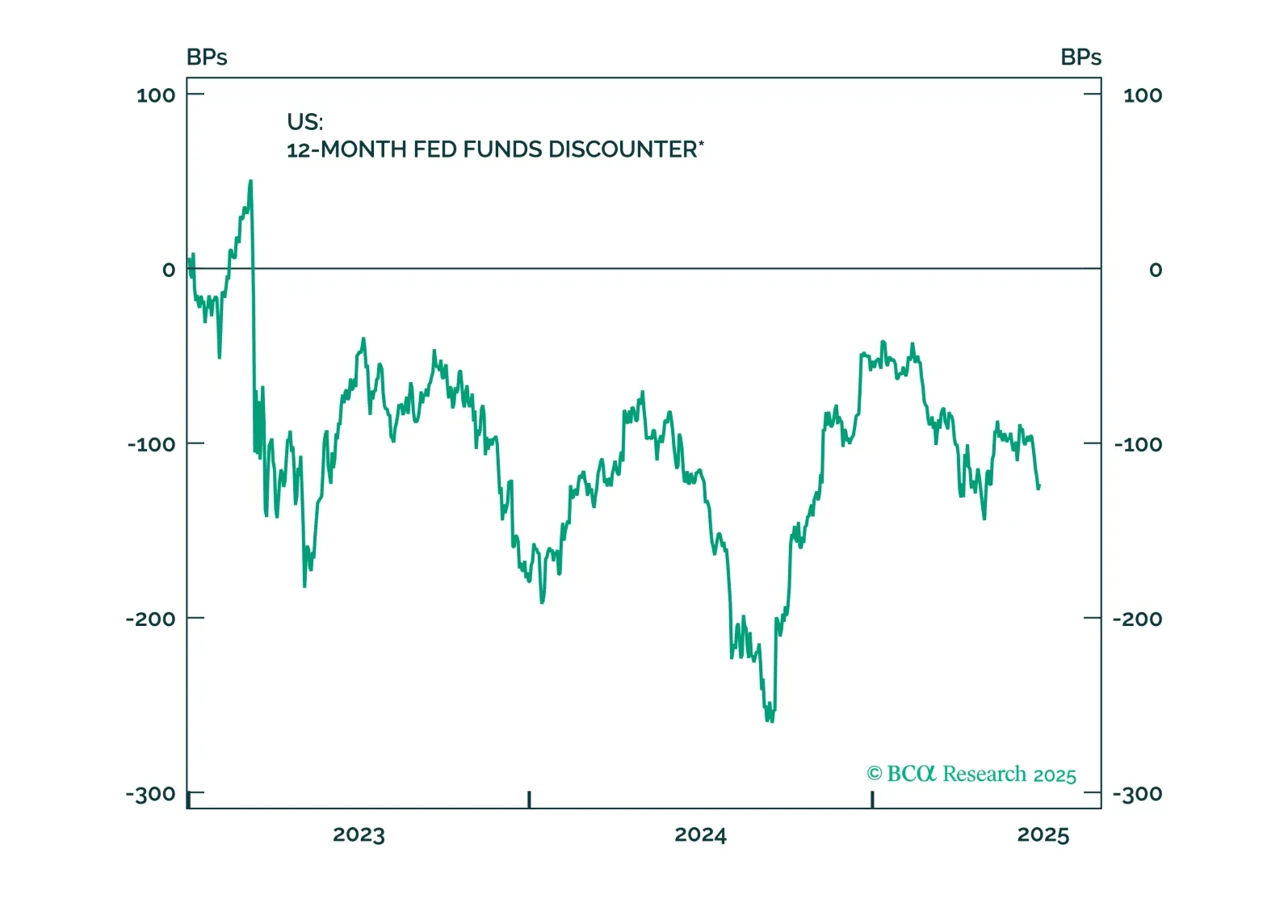
Monetary policy is about to become a powerful tailwind to the already bullish brew that includes Trump’s repeated step-downs from a global trade war, irrelevant geopolitical risks in the Middle East, and a fiscal policy that is no longer as alarming to the bond markets as the raft of campaign promises appears to be. Investors should hesitate to get overly bearish either bonds or stocks. However, we remain uber USD bears.
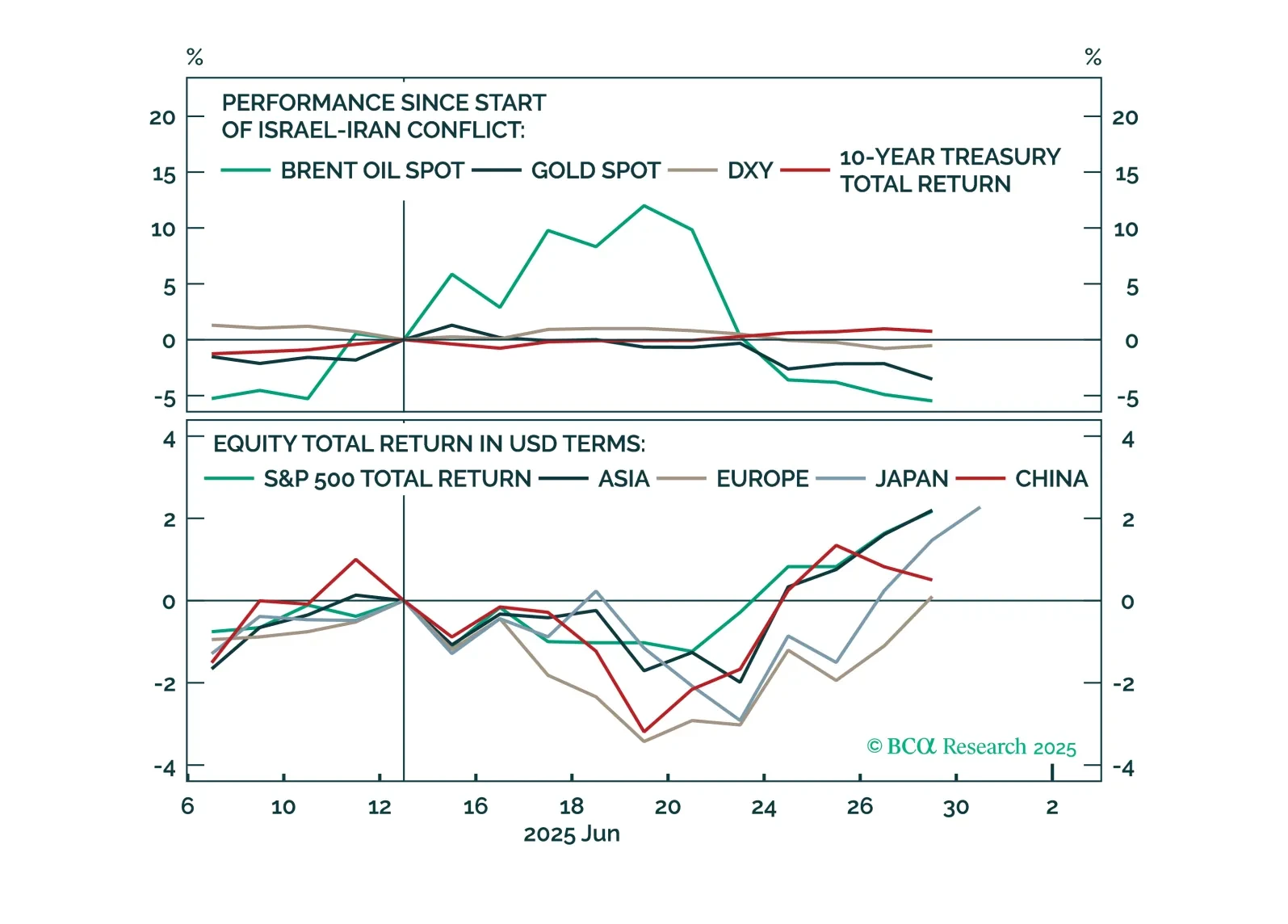
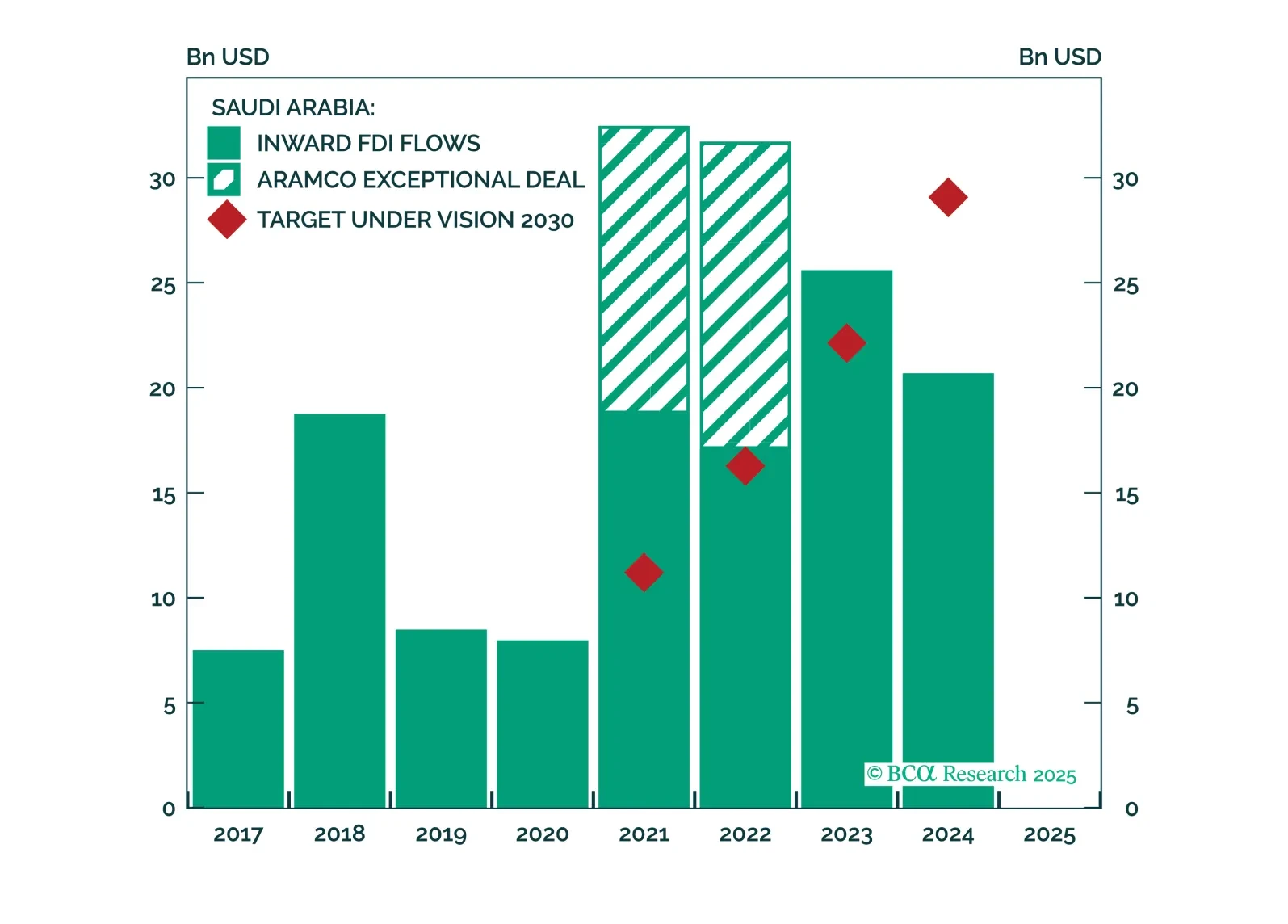
There is a thin line between geopolitical risk and Enlightenment, just ask Europe in the seventeenth century. The Middle East is exhibiting both. Investors are over-indexing on the negative – which has not impacted the investible universe – and ignoring the positives.
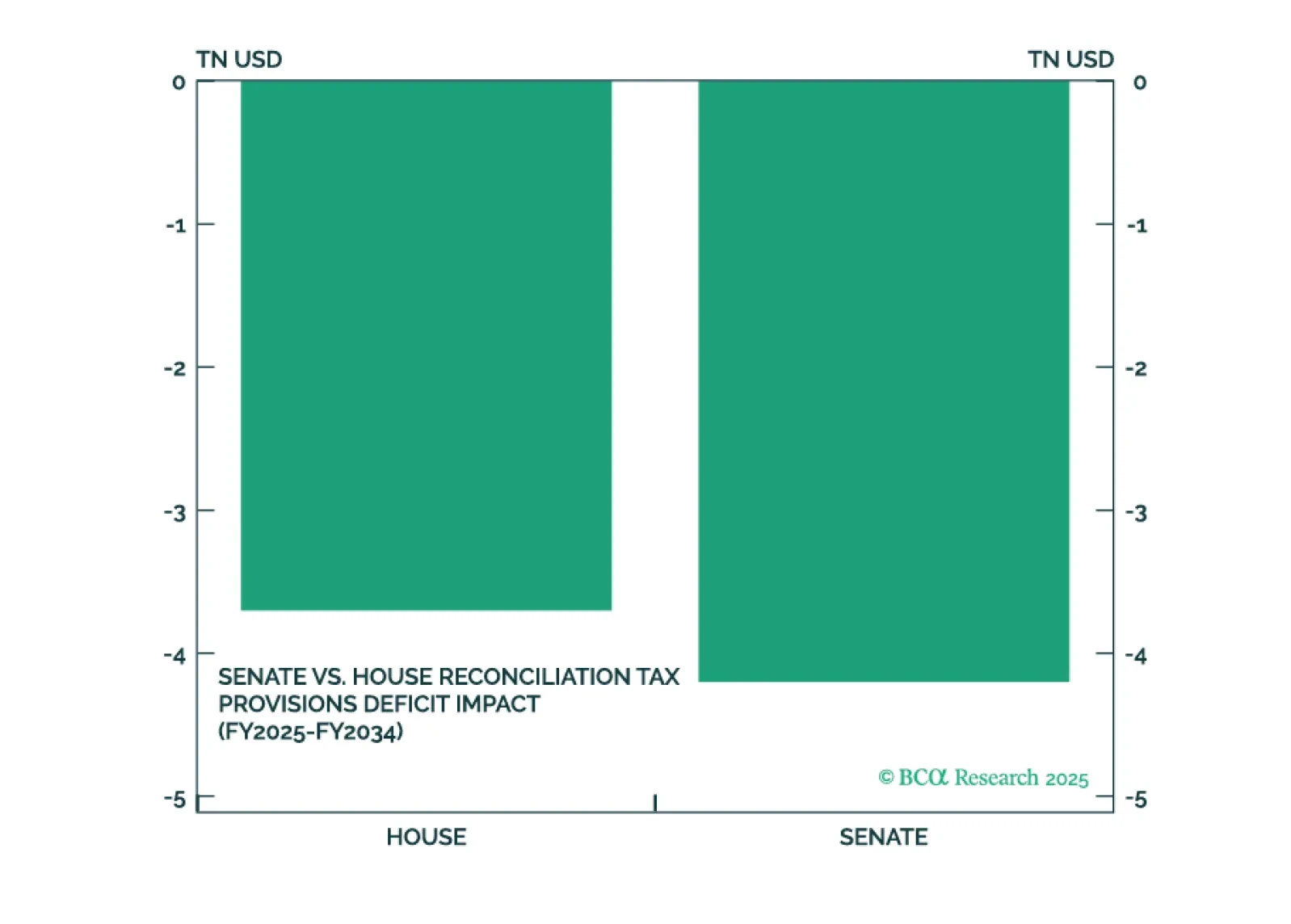
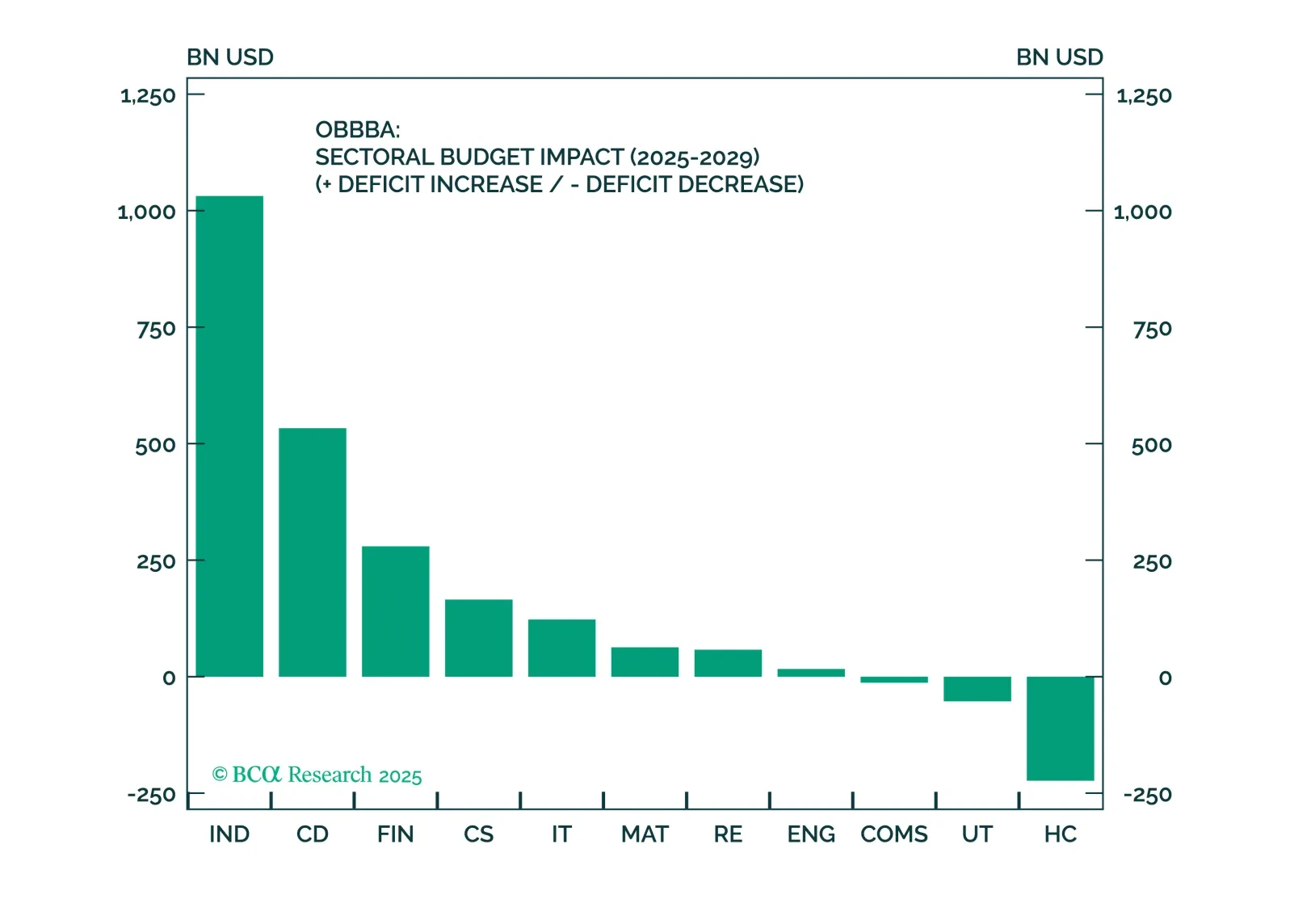
President Trump’s big beautiful bill will pass but faces near-term hurdles and will not tighten the government’s belt. It will combine with renewed tariff implementation to generate near-term risk for both the bond and stock market. The Iran crisis fizzled, saving Trump from a major oil shock that could have derailed his second term.
Since the start of Israel’s military operations against Iran on June 12, we warned clients that there would be an epic opportunity to fade geopolitical risk premium by shorting oil. We did it here, here, and again here. Over the weekend, however, we lost our cool and suggested that there could be more risk premium to fade as Iran and the US danced the dance of re-retaliation following President Trump’s decision to attack Iran’s nuclear sites directly.