 GeoMacro
Find out more
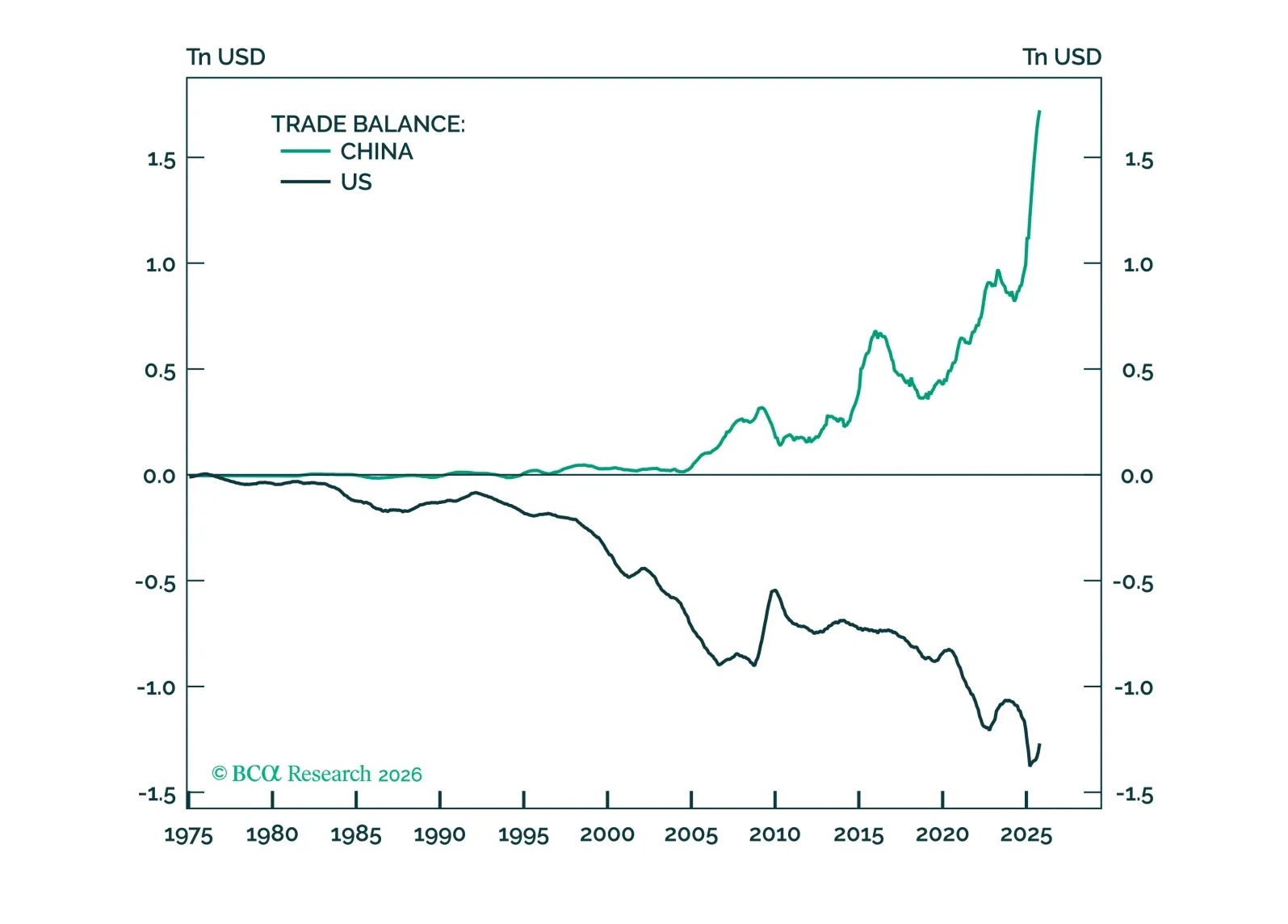
The CNY is undervalued and highly competitive. This gives China room to let the currency appreciate while remaining an export-driven powerhouse, gradually shifting from export intensity toward stronger domestic consumption. This achieves two objectives. First, it narrows the capital account deficit and strengthens the CNY’s role as a global anchor. Second, it enhances Beijing’s geopolitical autonomy by reducing reliance on foreign final demand.

President Donald Trump’s political capital is moderate, as he frontloaded his most disruptive policies within the first year.
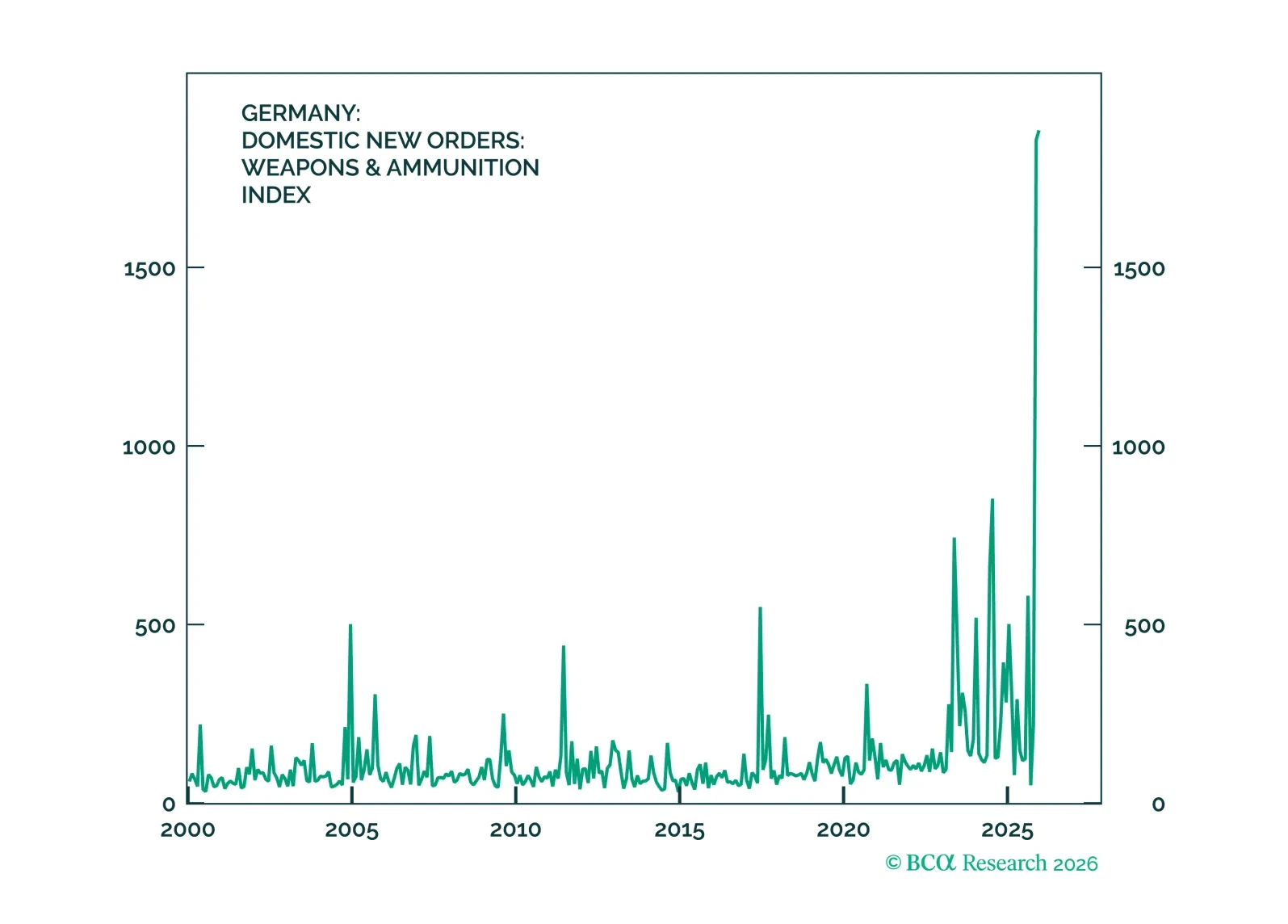
Beyond the imminent SCOTUS ruling, we revisit our bullish Europe thesis – with the Chart of the Month suggesting that Germany is so back – as well as our bearish USD view. Also, a few charts on oil and geopolitics.
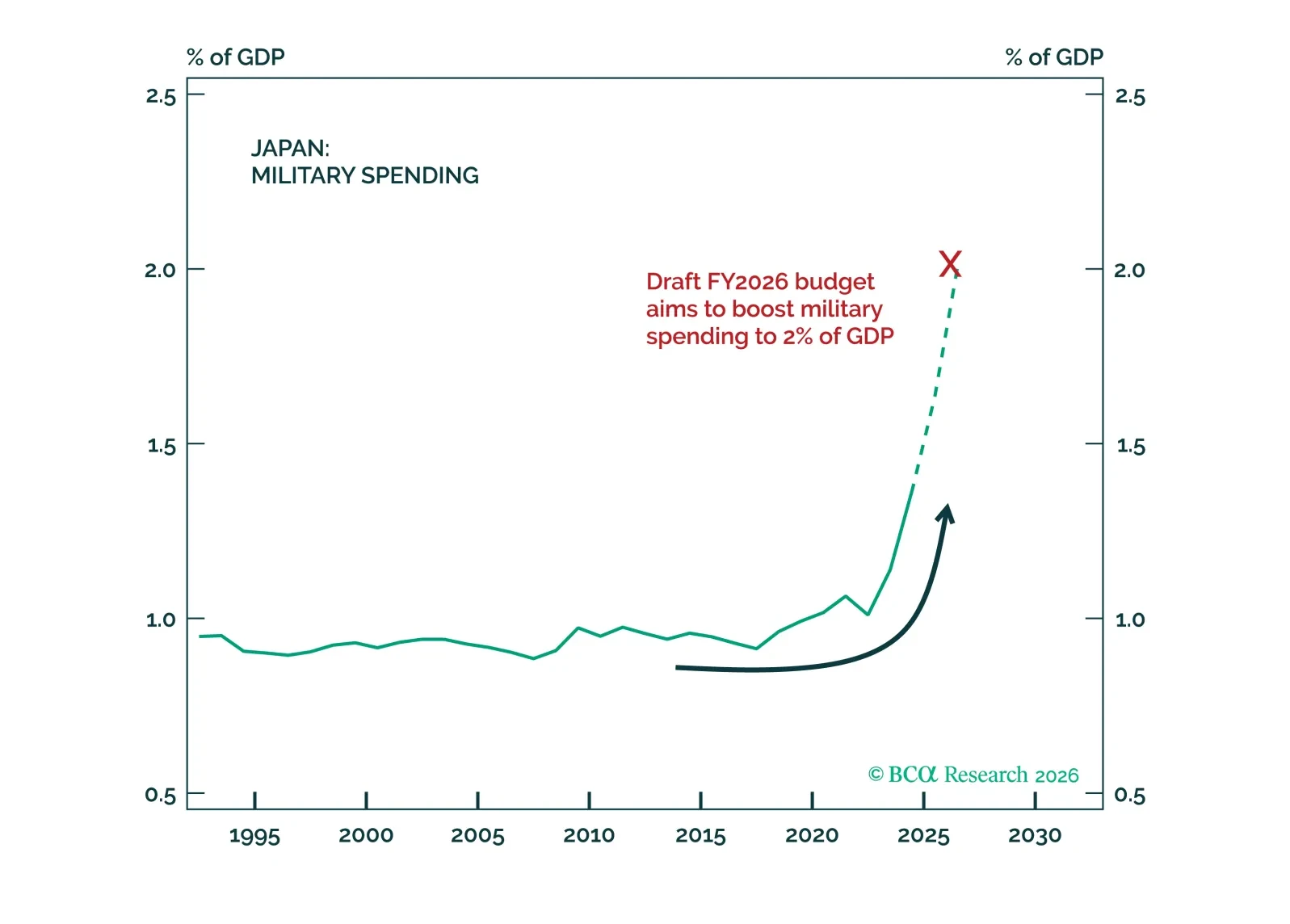
Ignore Japan's constitutional debate. Rearmament will accelerate anyway. Tech, defense stocks, and industrials will benefit. The threat to JGBs is real but will probably be contained.
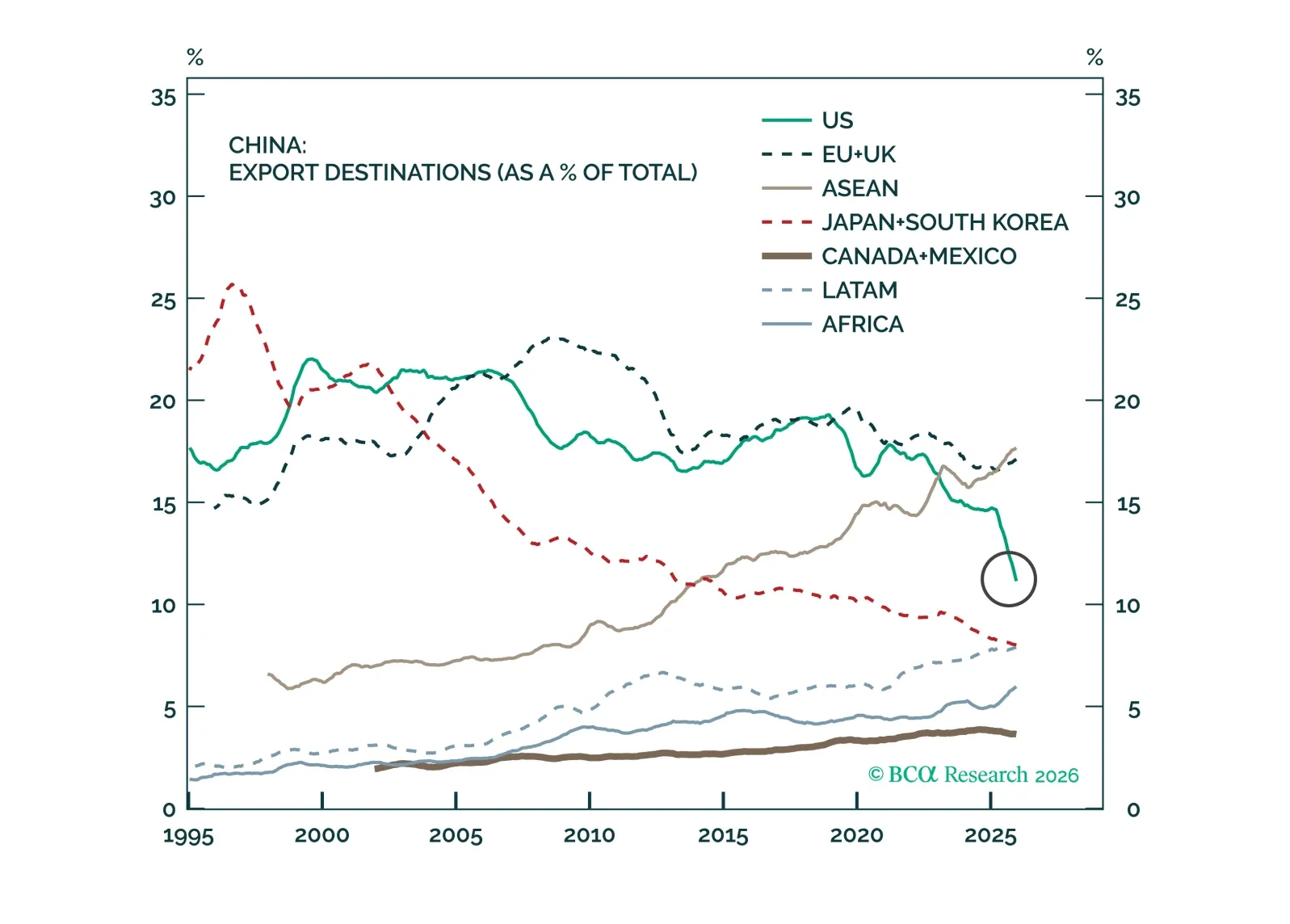
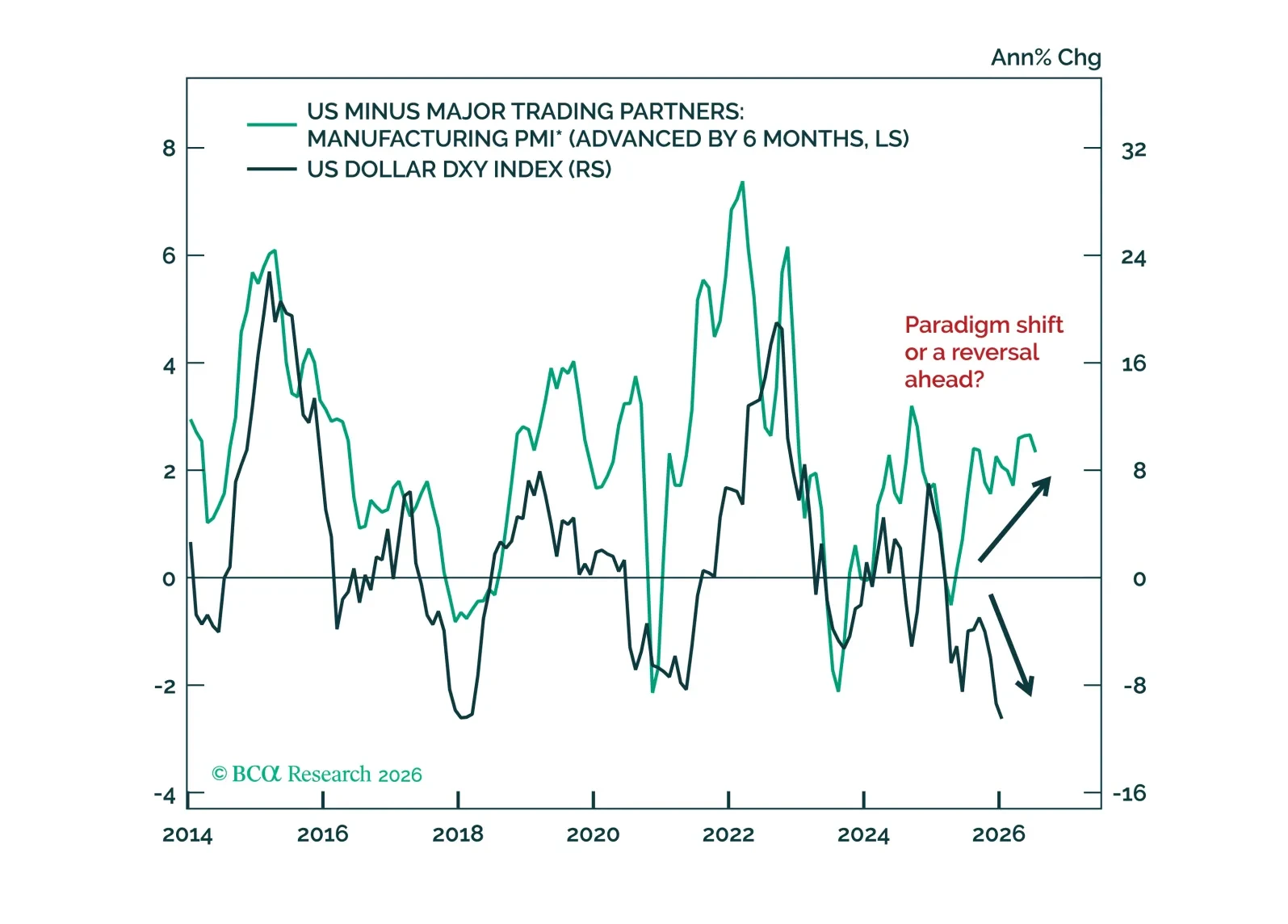
Sell America? No. The GeoMacro trade is Buy RoW! Left-tail risks are easing because the US isn’t collapsing. That argues for less enthusiasm for safe havens, not selling US assets. The S&P 500 can perform while remaining underweight the US – it happened in 2025 and will happen again.
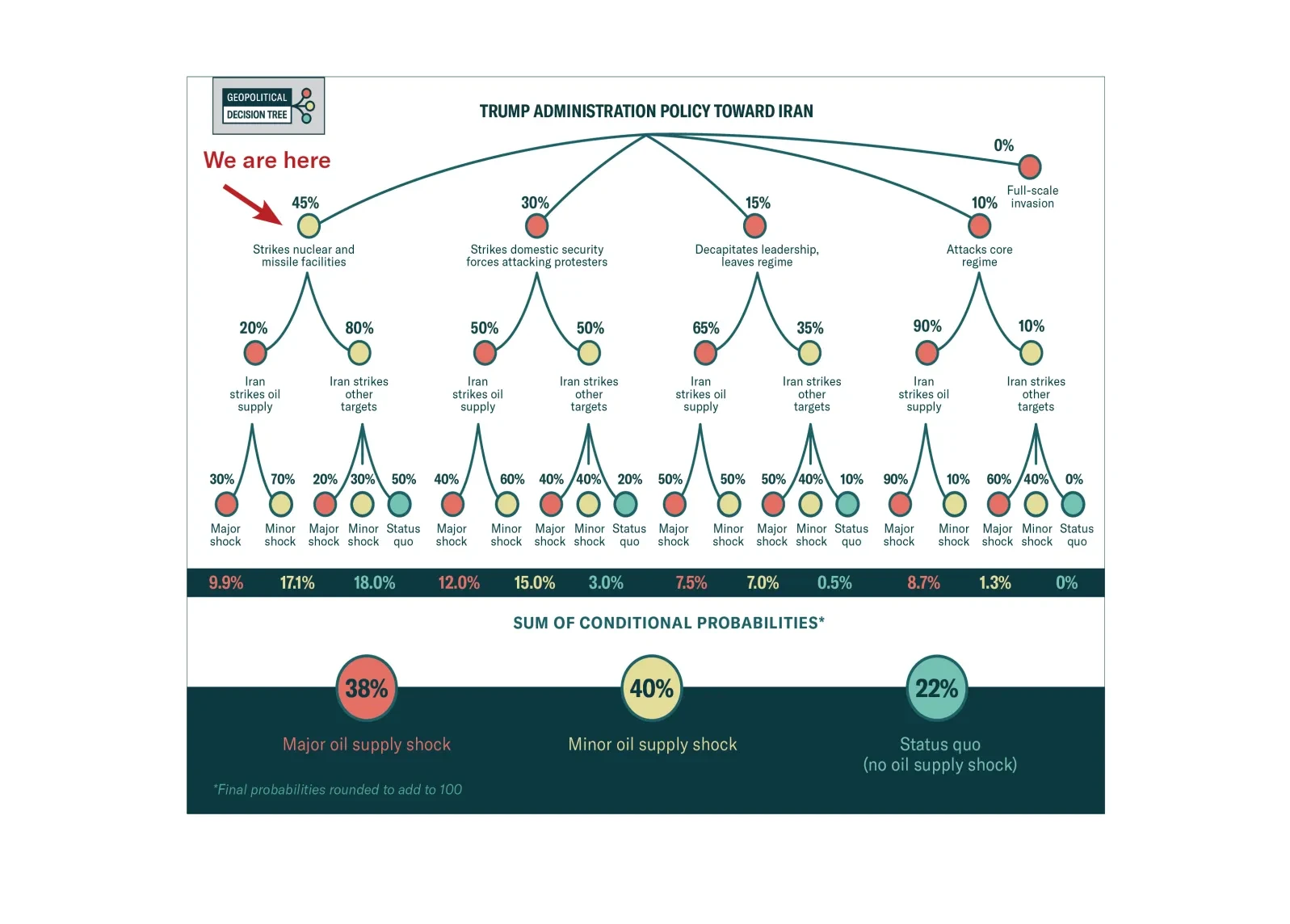
The US is likely to take significant military action in Iran, justifying our 40% risk of a major oil shock. Tactically go long Brent crude.
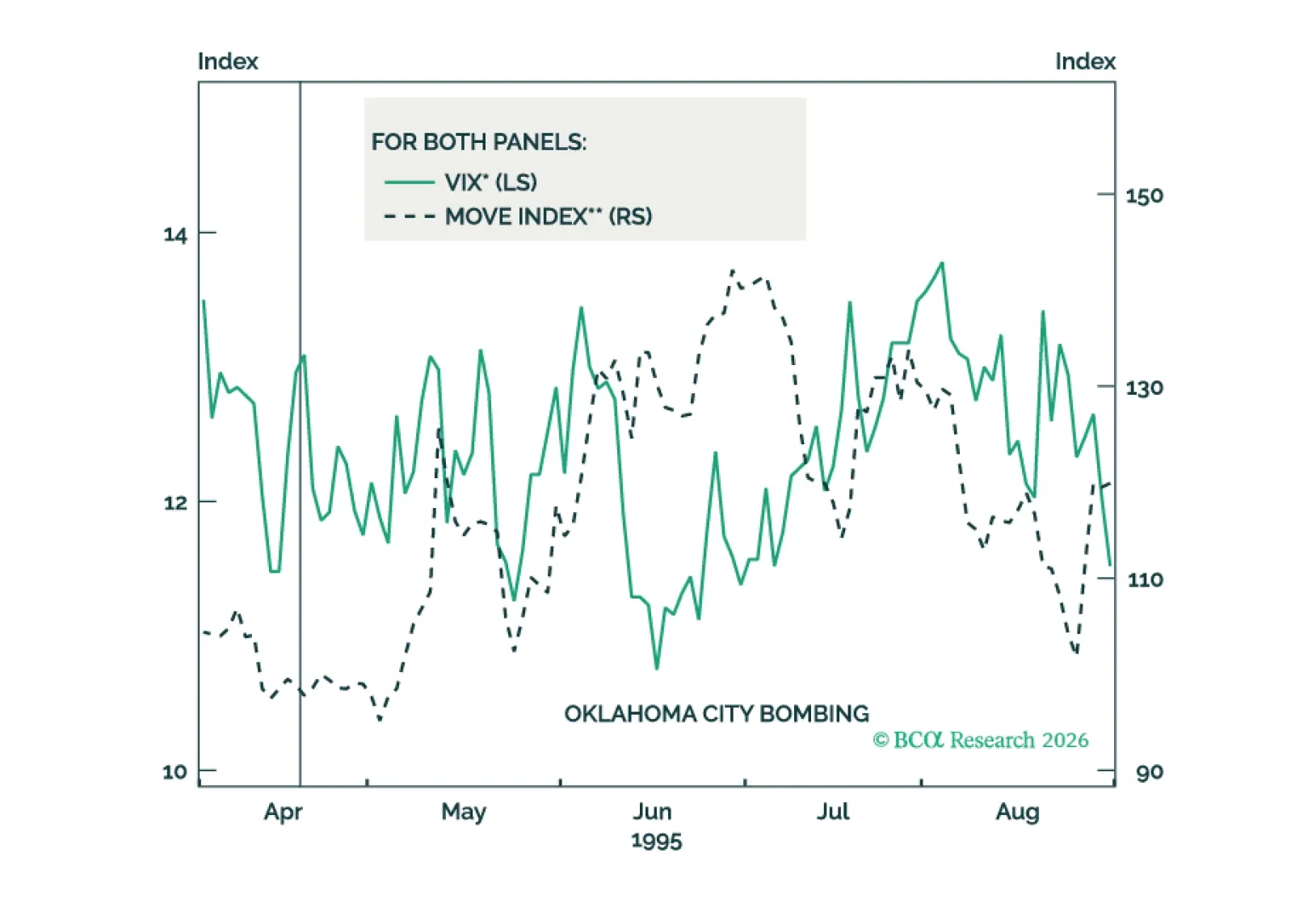
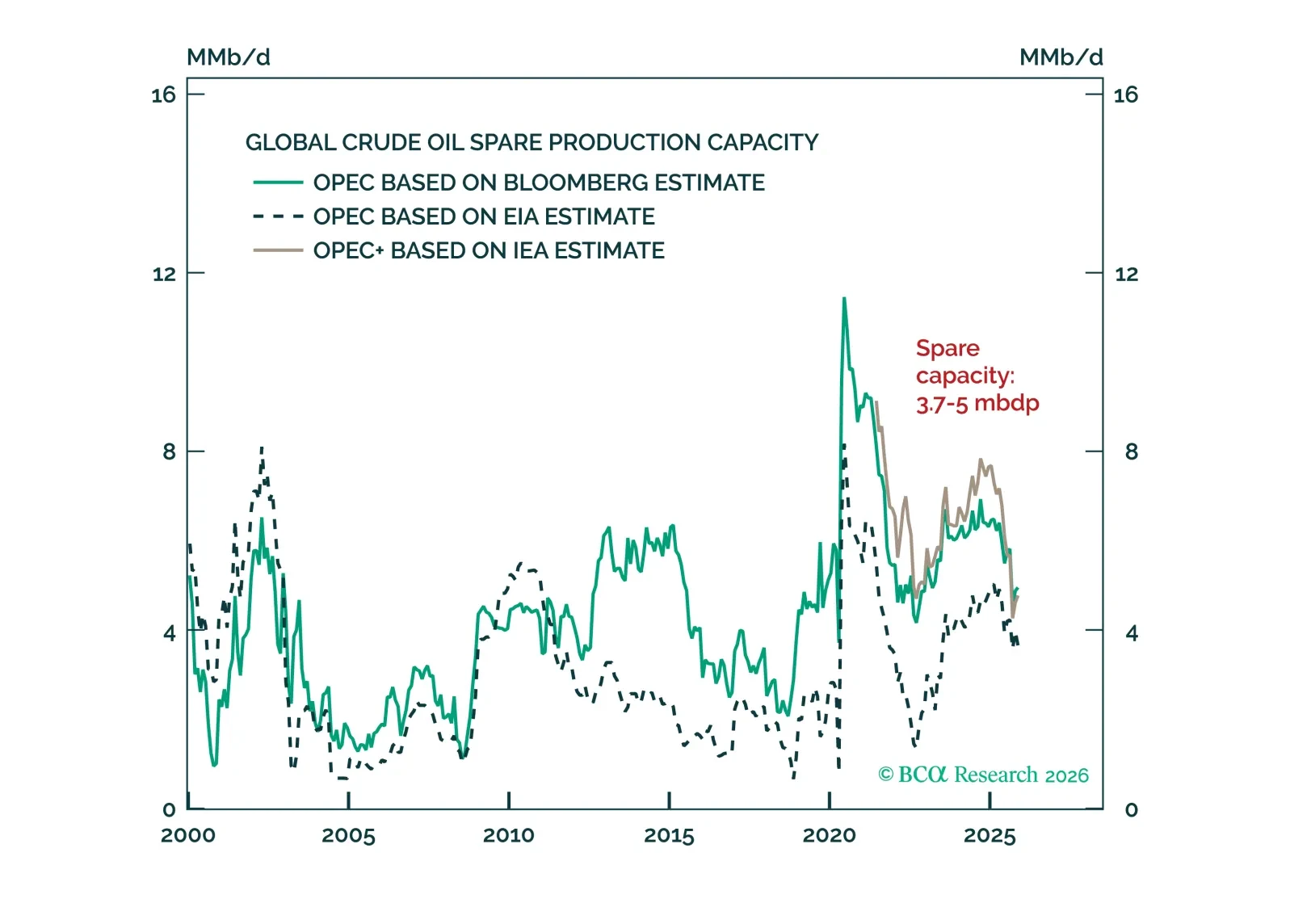
Our top five "Black Swan" risks this year are familiar but all too realistic in the current climate. Investors should stay overweight US equities and EM-ex-China until some hurdles are cleared.
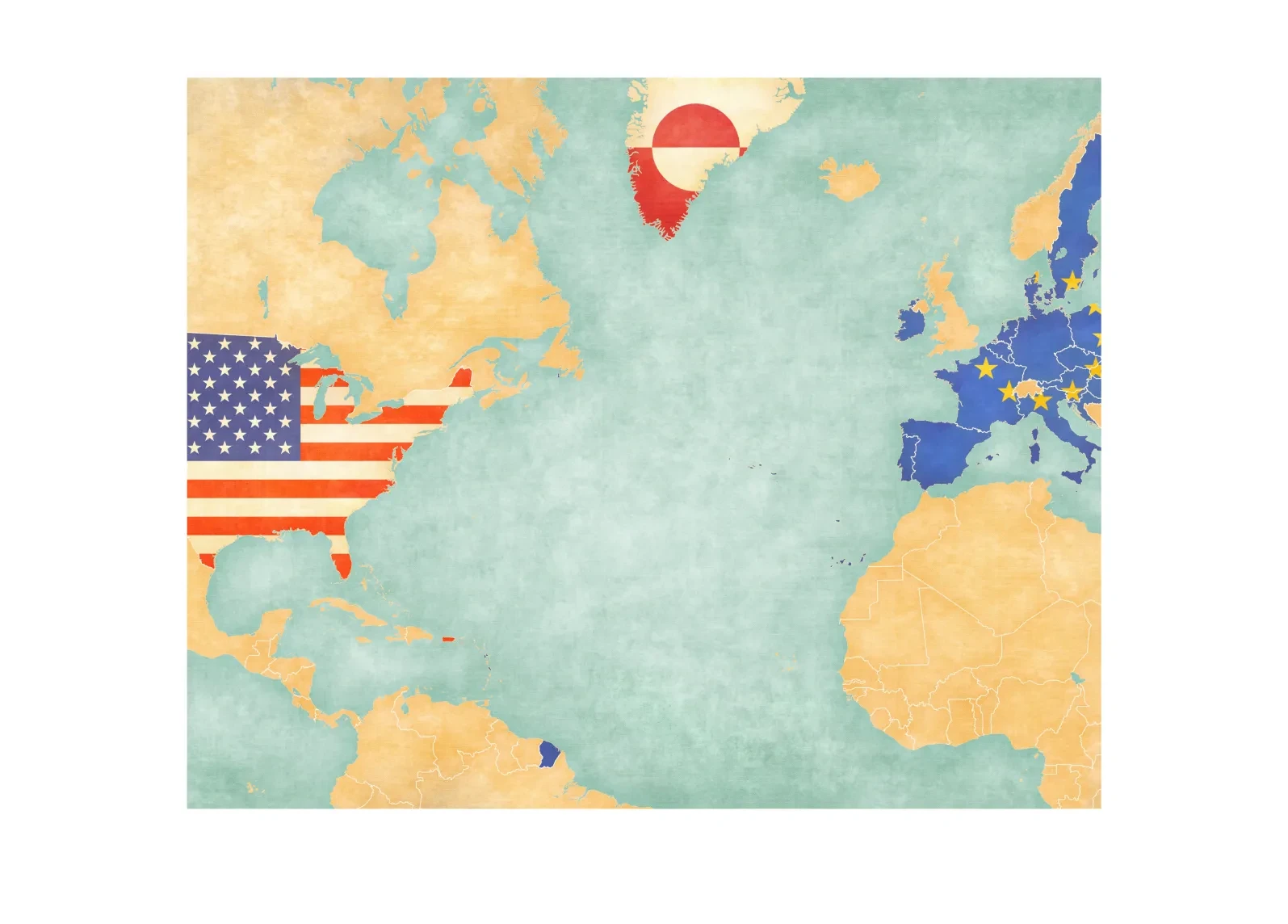
Our clients know that we have been very generous when it comes to analyzing President Trump’s policy choices and negotiating style. In our view, ascribing preferences to the man is a poor analytical framework. President Trump goes into every situation trying to maximize his gains, only adjusting his expectations and preferences as constraints become clear. As such, focus on constraints, not stated preferences. Where does Greenland fit in this paradigm?