 Essentials
Concise macro insight that cuts through daily noise, helping clients stay informed on what matters in markets, why it matters, and how to talk about it, without spending hours reading research.
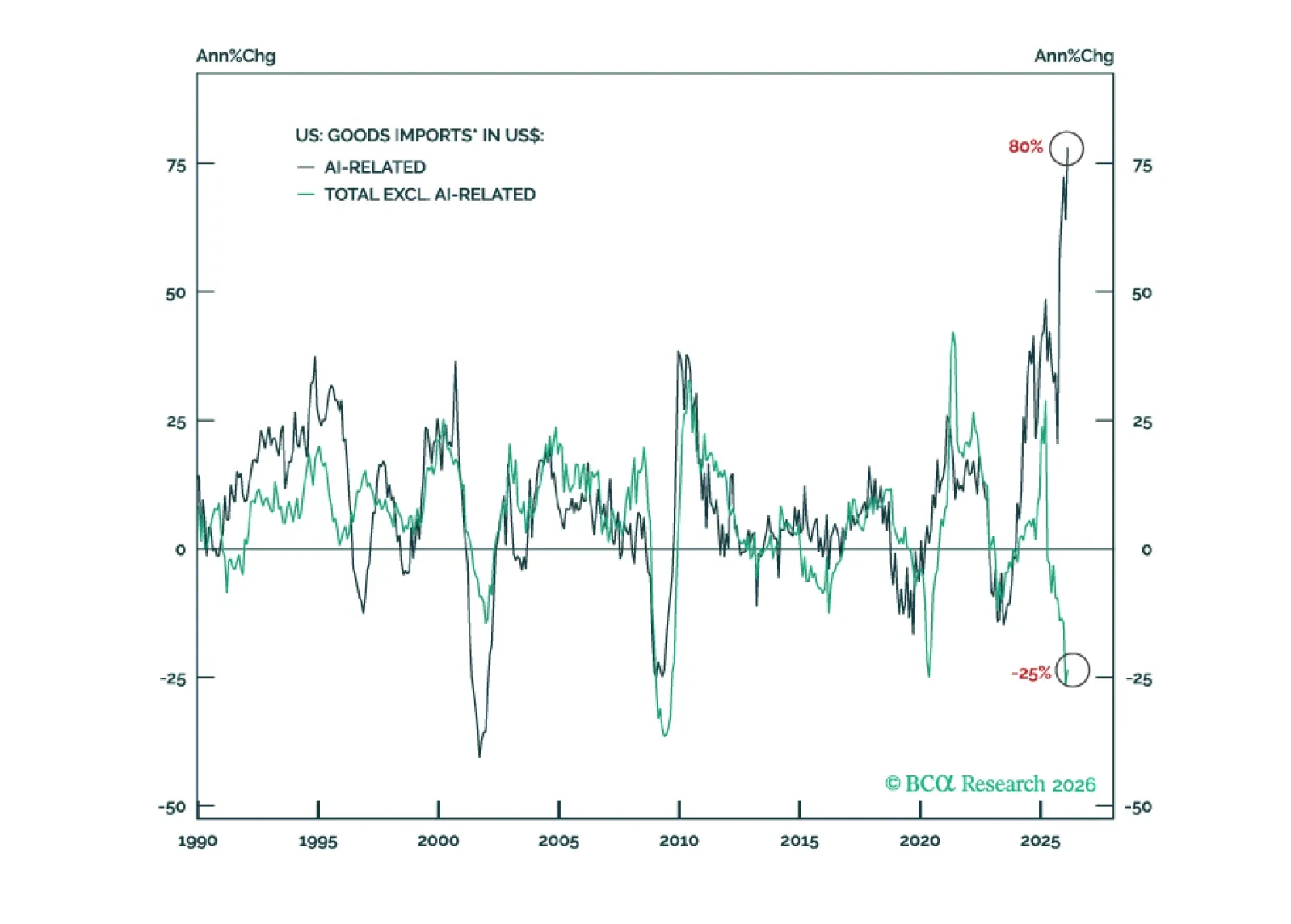
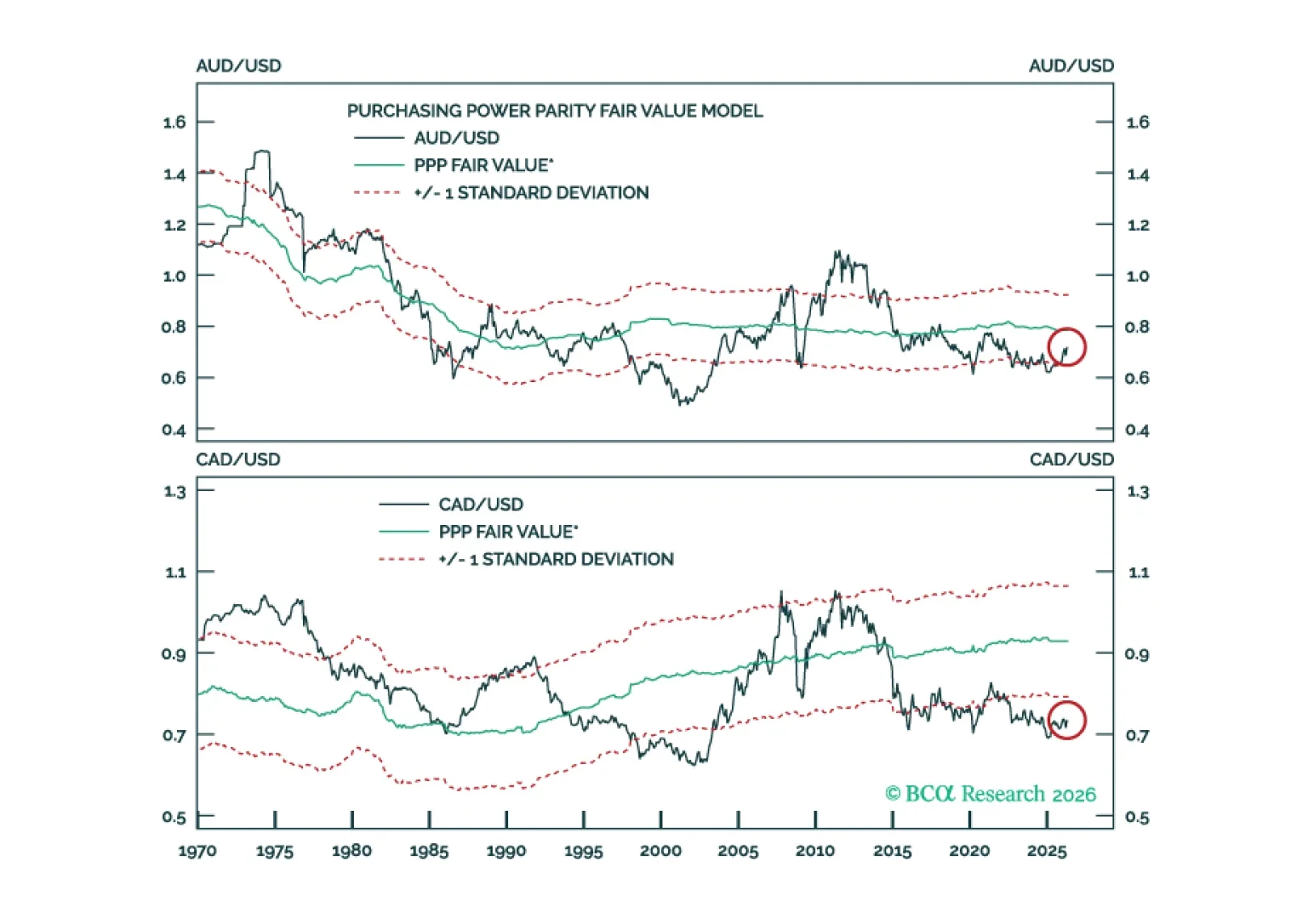
In Section I, Doug compares projected S&P 500 earnings and current capex to past cycles at the same stage of their expansions while also exploring the K-shaped bifurcation in business investment. In Section II, Mathieu argues that Australia and Canada are unloved, undervalued, and on the cusp of a structural re-rating. Long-term investors who wait for the catalysts to become obvious will miss the entry point.
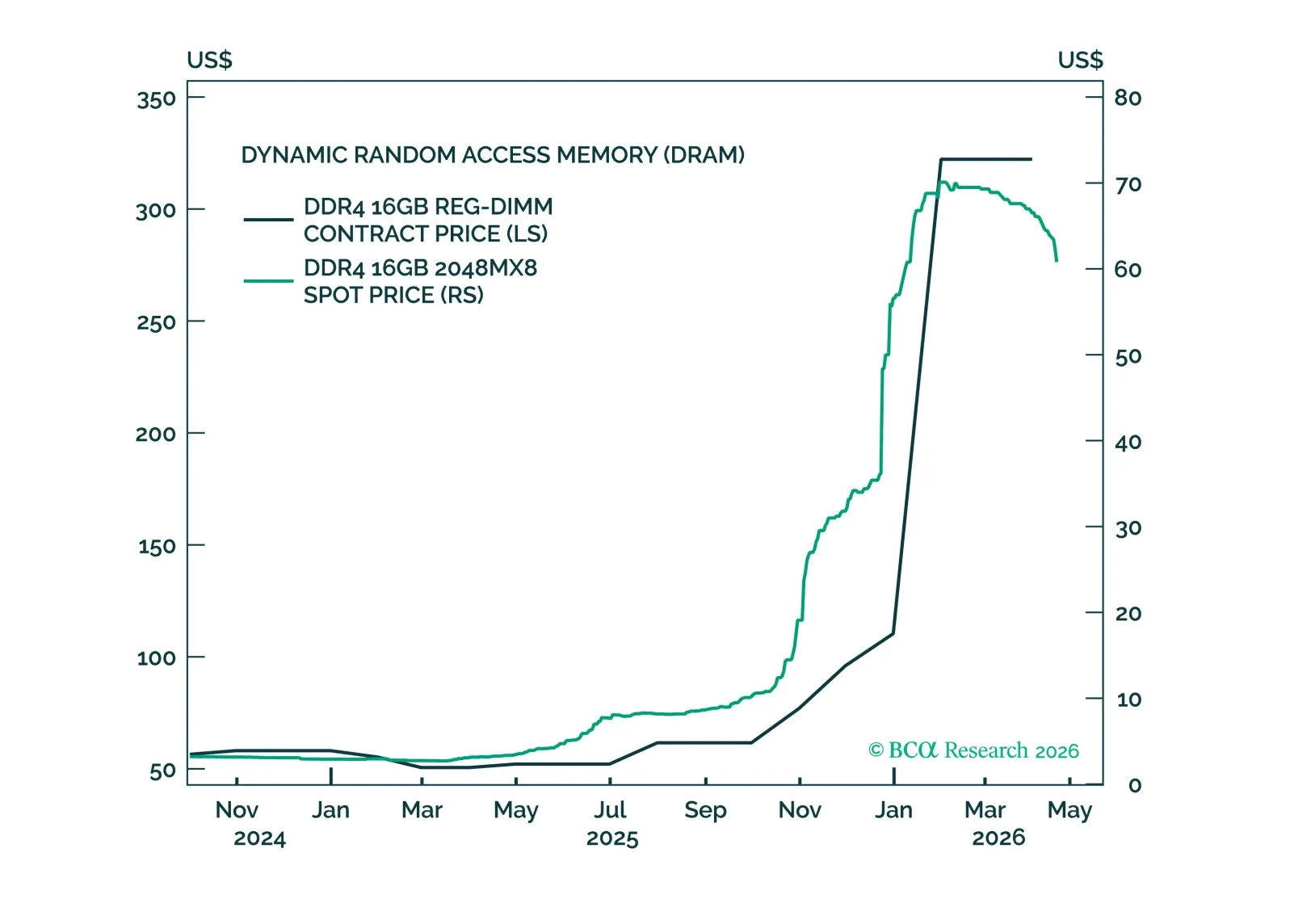
Most of the increase in S&P 500 earnings estimates this year has stemmed from shortages. The oil shortage, which has pushed up estimates for energy companies, will fade once the military conflict is resolved. However, the shortage of semiconductors and other AI paraphernalia could persist for a while longer. As such, we are moving our recommended 12-month equity allocation from a slight underweight to neutral. We are already neutral on a 3-month horizon.

We do not expect the oil shock to have a lasting effect on inflation. Looking further out, a variety of structural forces will influence inflation, including fiscal policy, globalization, demographics, and AI.
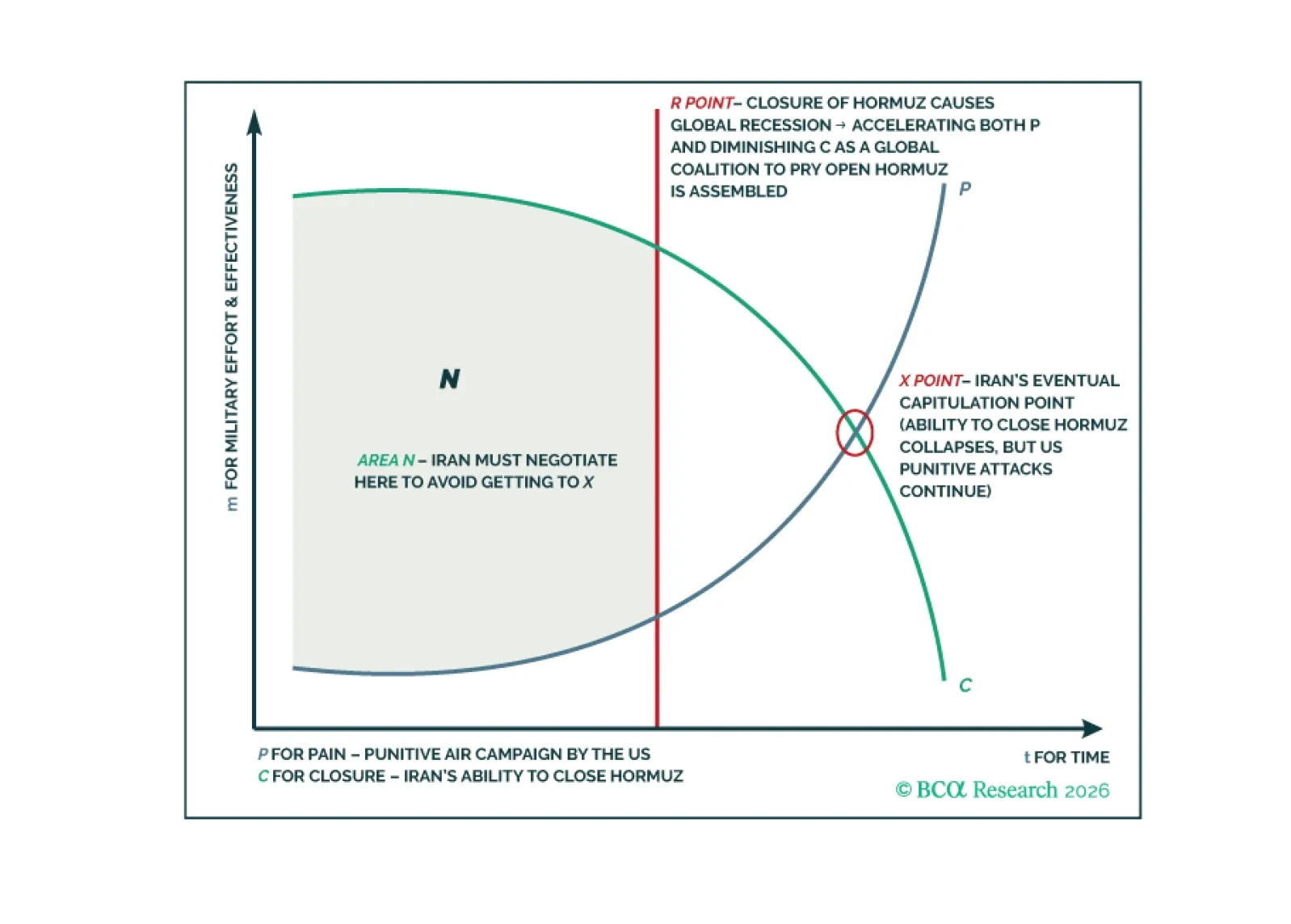
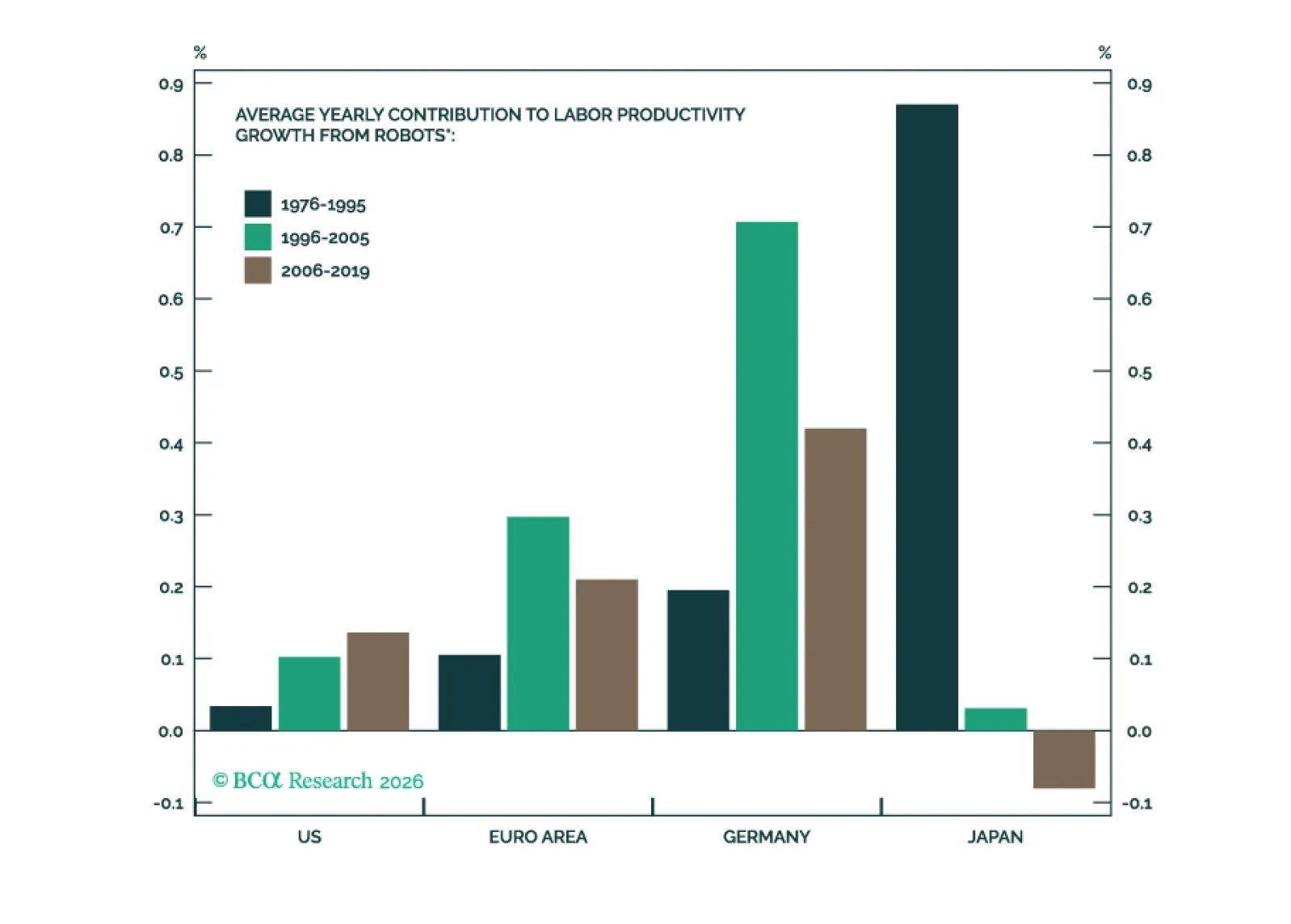
In Section I, Doug argues that investors should maintain mildly defensive positioning while awaiting the restoration of normalized shipping flows through the Strait of Hormuz. In Section II, Jonathan examines the humanoid robot segment of the emerging physical AI landscape, concluding that humanoid robots are a potential but not yet imminent investment theme.
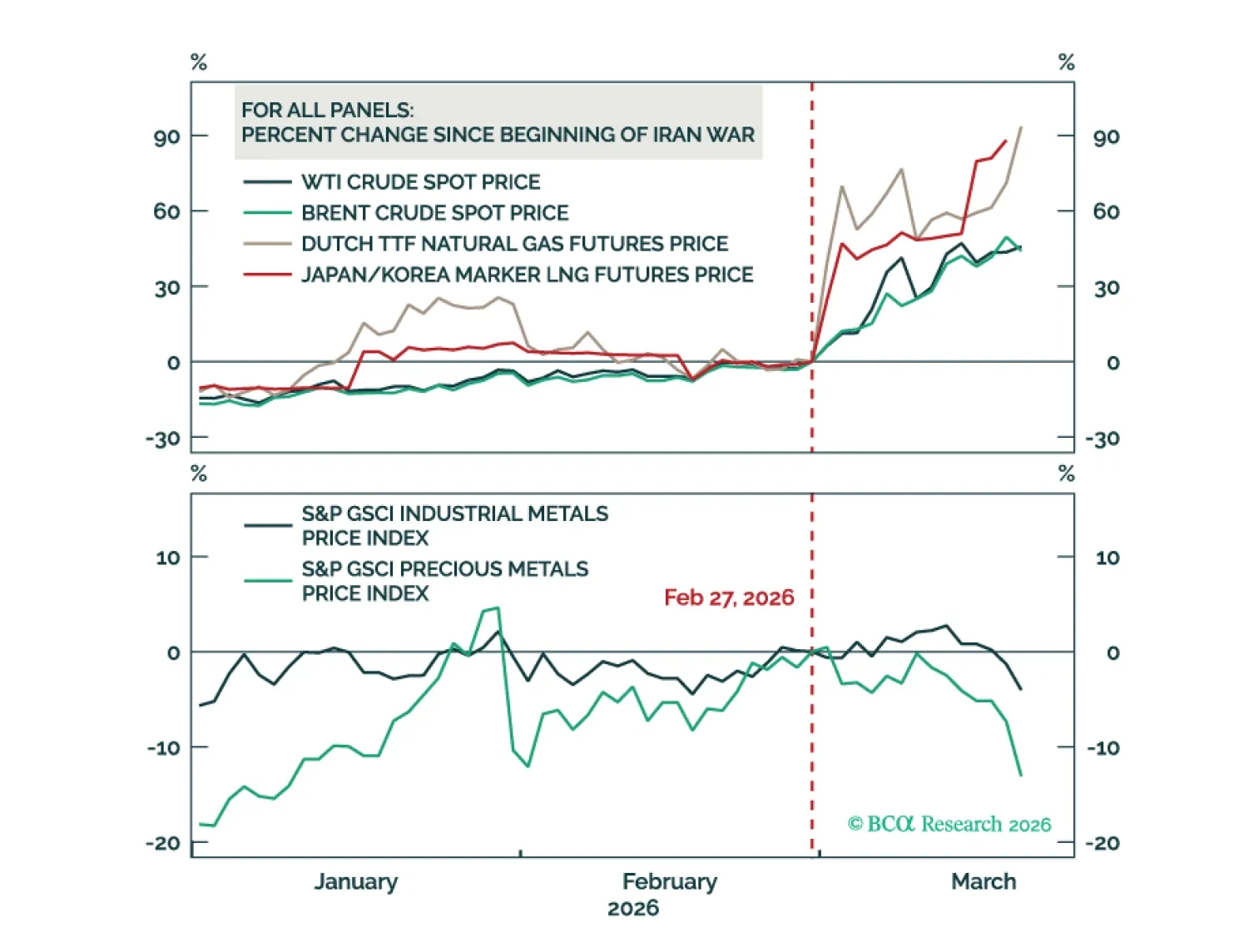
Higher oil prices threaten the global economy, warranting an underweight stance on equities. Over the long haul, industrial metals will fare better than crude.
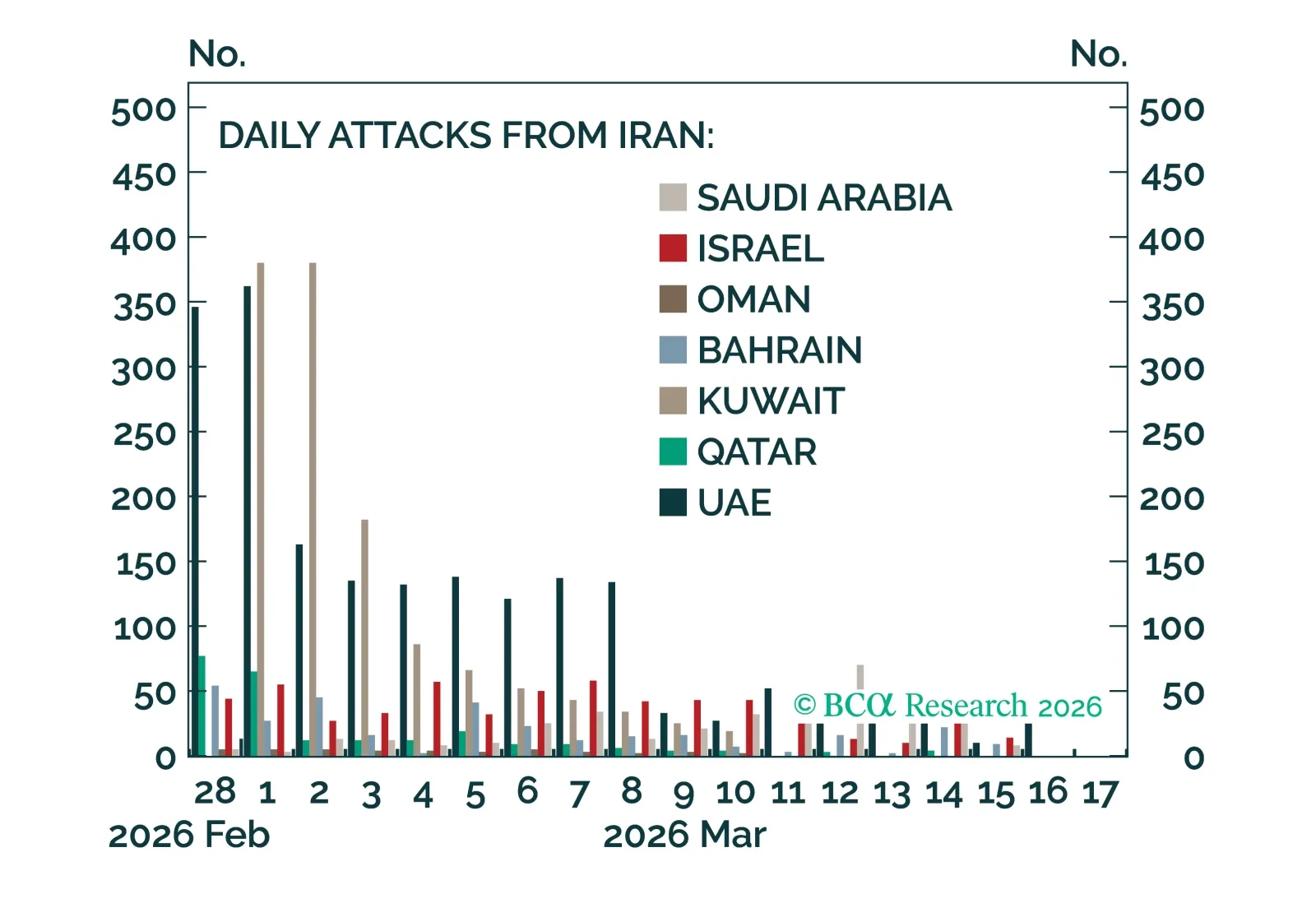
Overnight, the Israeli military reported that it managed to kill two high-profile Iranian leaders: the Secretary of the Supreme National Security Council and the leader of the internal paramilitary group, the Basij. Meanwhile, the Gulf States reported more interceptions of drones and missiles from Iran.
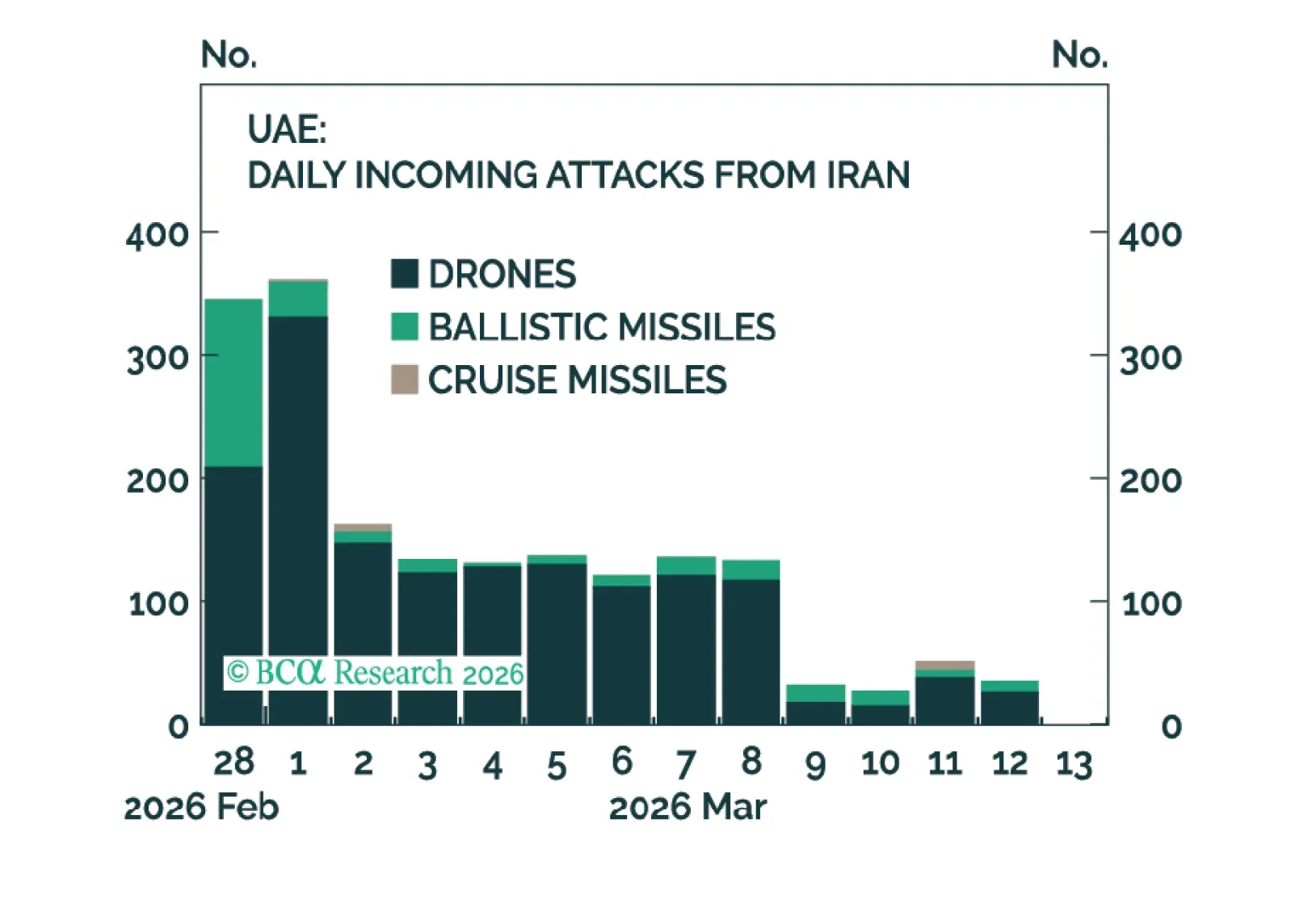
The conflict in the Middle East persists as the US and Israel continue their strikes, and so does Iran’s retaliation with drones and ballistic missiles against the Gulf States. The Strait of Hormuz is still essentially closed, despite some ships being allowed to traverse.
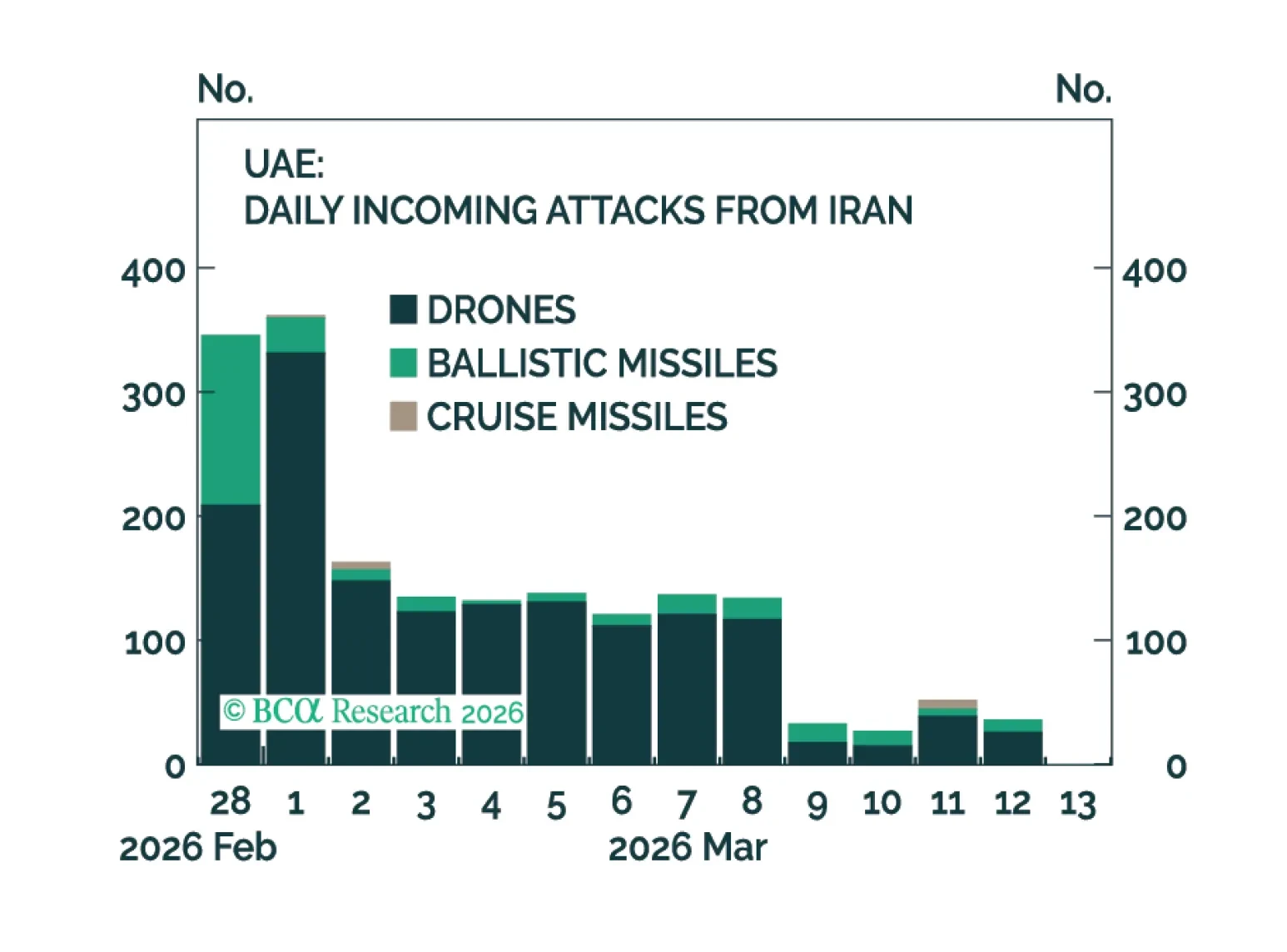
The conflict in the Middle East persists as the US and Israel keep striking at Iranian military and internal security sites, and Iran has responded with its own missiles and drones against the Gulf States. Although the pace of Iranian retaliation has declined, it appears to have stabilized, as evidenced by attacks against the UAE.