CoreMacro
Find out more
Markets initially celebrated the election results, but the party was less festive than it was in 2016-17. The macro backdrop is not as forgiving for deportations, reflation and tariffs as it was eight years ago, and the incoming administration could face a rougher ride than it did in its first go-round.
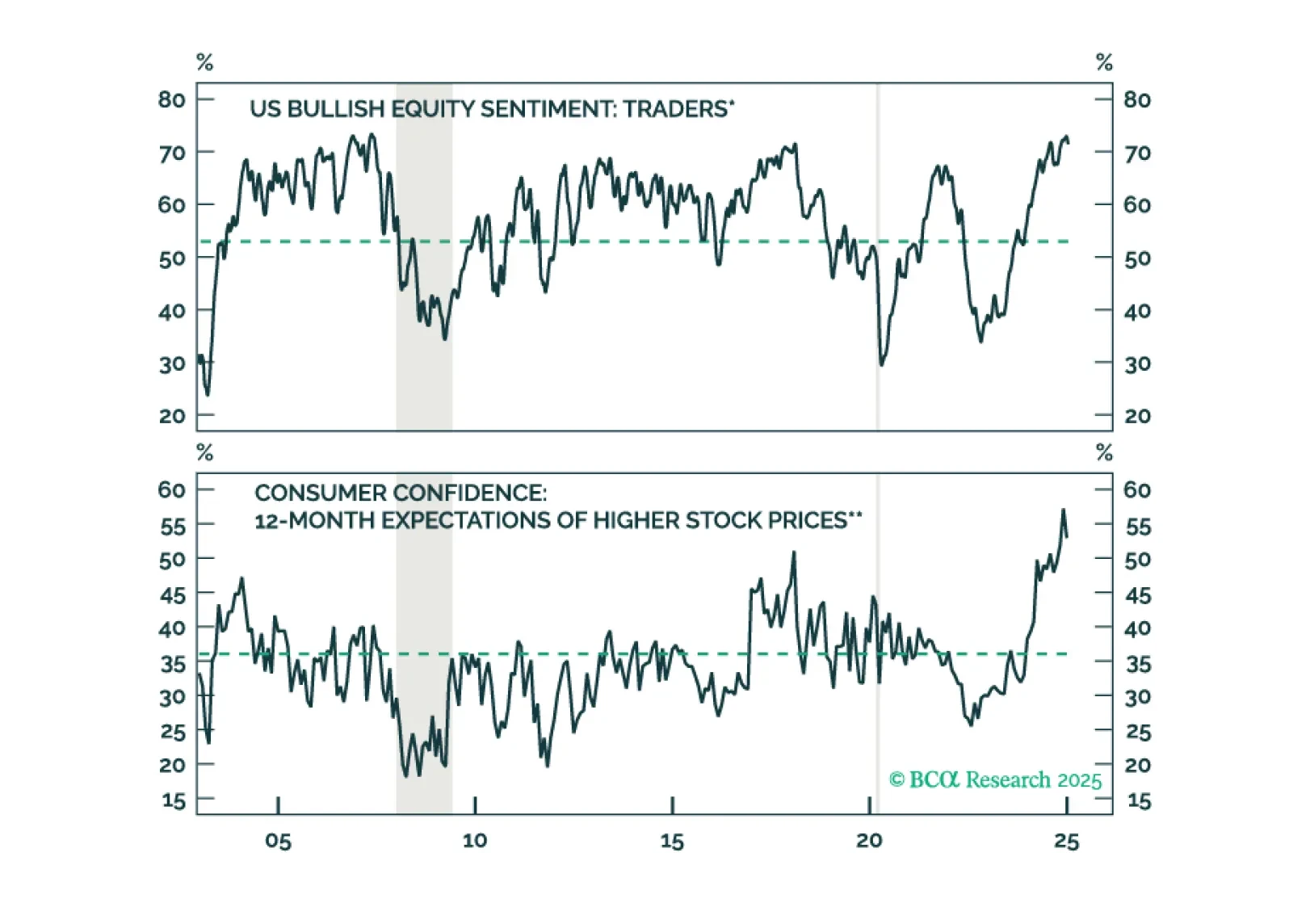
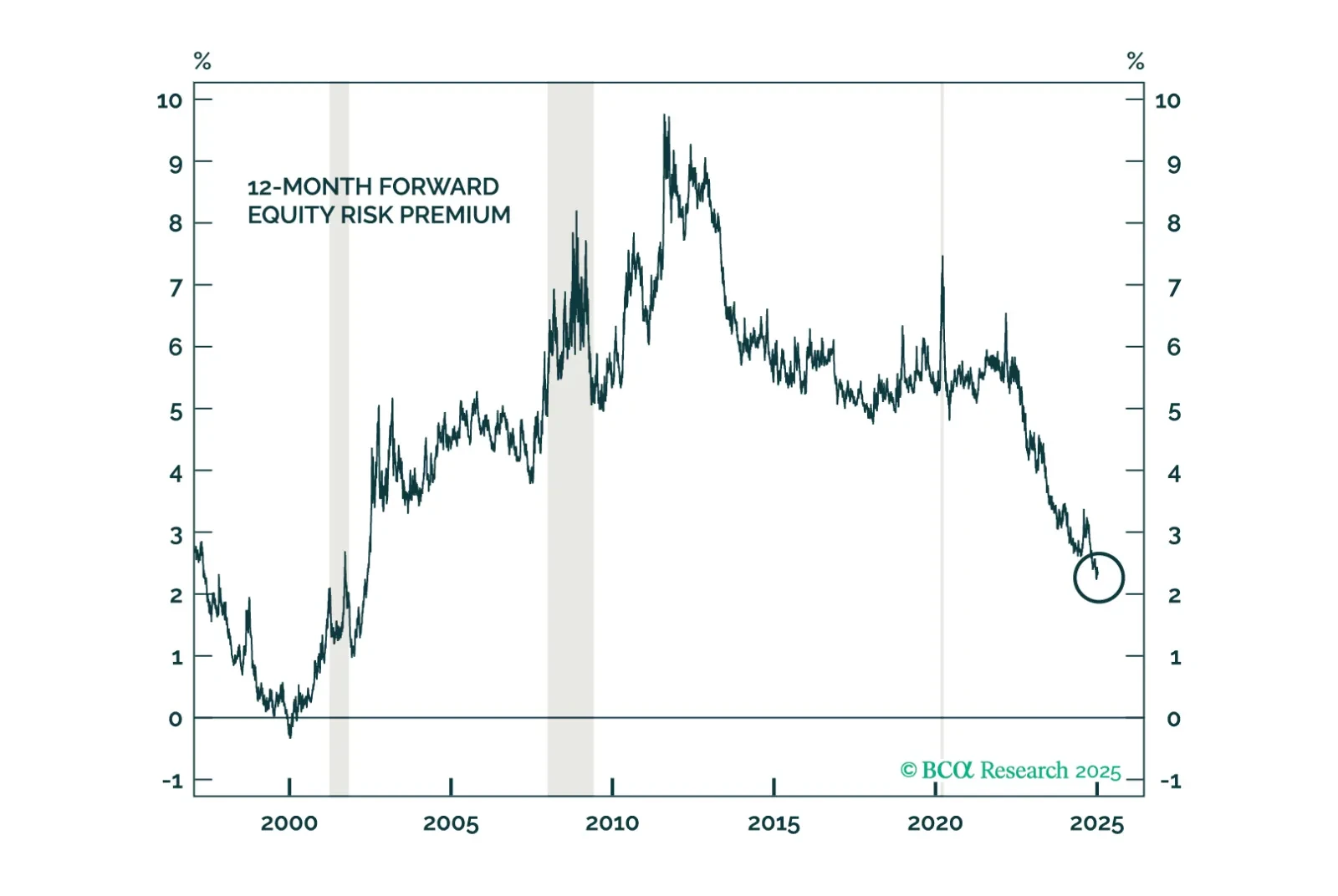
Stocks have climbed the wall of worry and we are about to see what is on the other side (it won’t be pretty). We will be using our MacroQuant model to determine when to go maximally underweight equities.
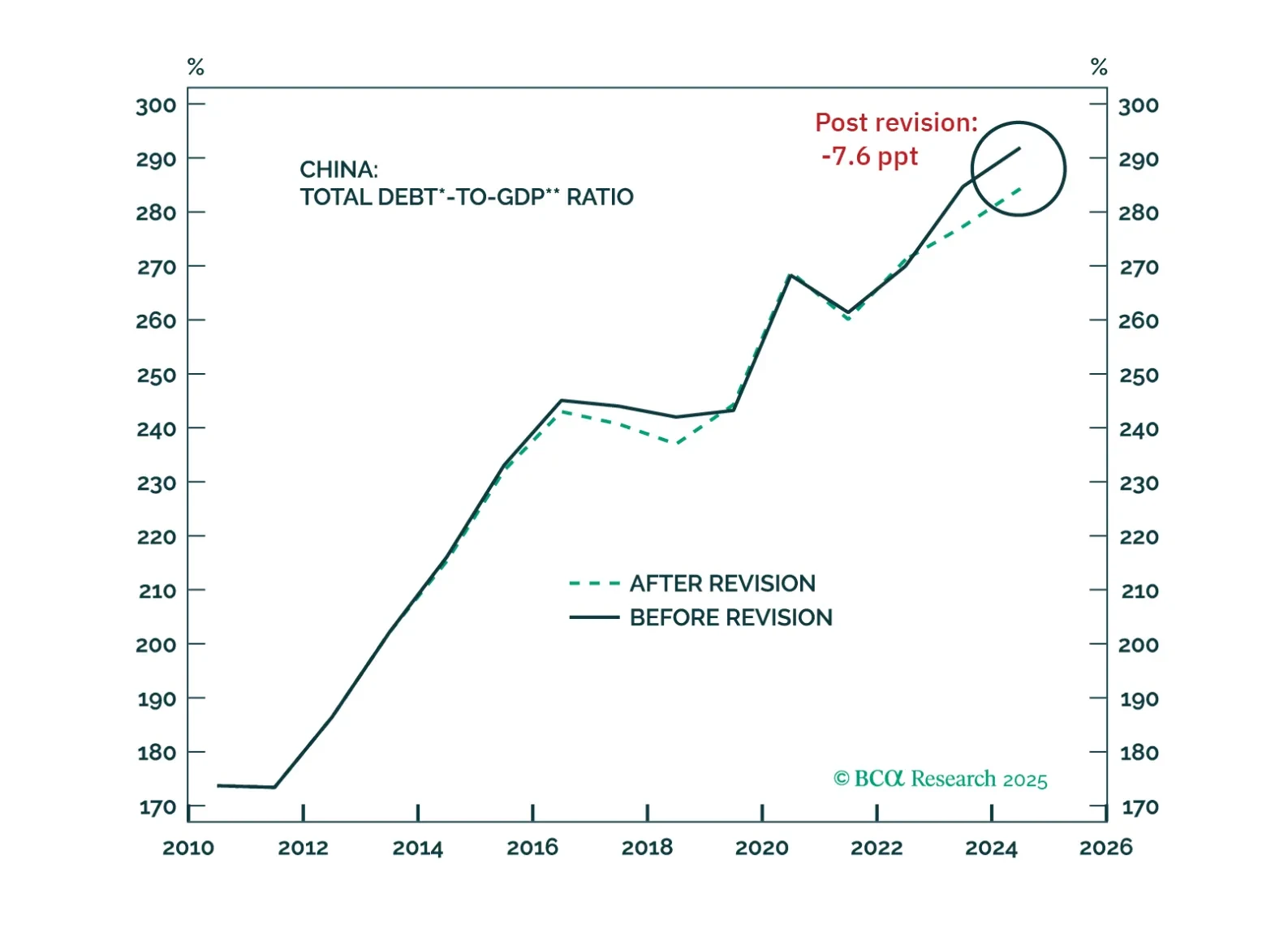
In this week’s report, we present our key takeaways from China's two notable adjustments recently implemented: an upward revision to its 2023 GDP and the reduction of the USD weighting in the RMB Exchange Rate Index.
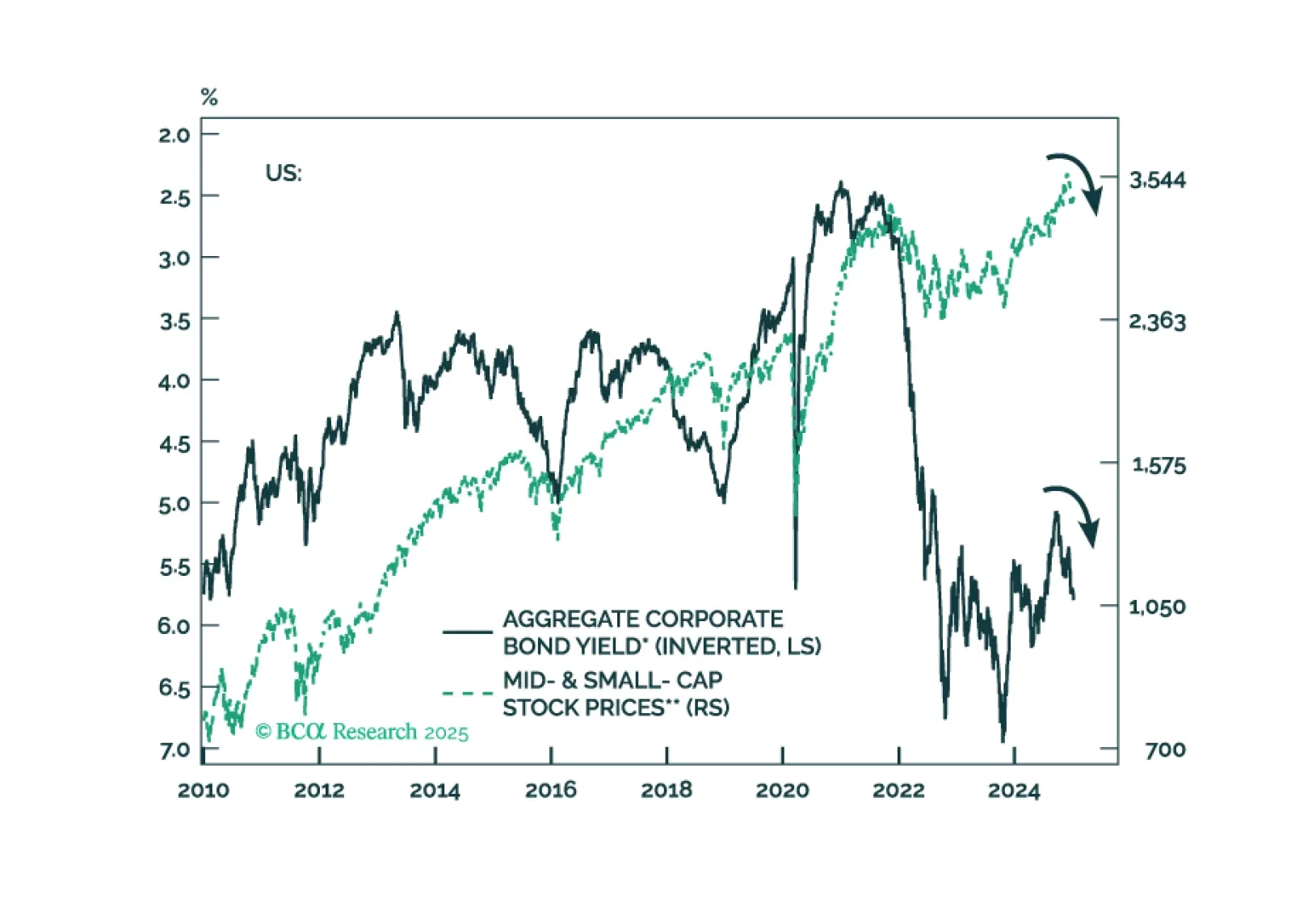
US bond yields will move higher, unleashing a storm in global financial markets. In the US, rising corporate bond yields will produce a selloff in share prices. In Mainstream EM, rising domestic and USD bond yields will weigh on share prices.
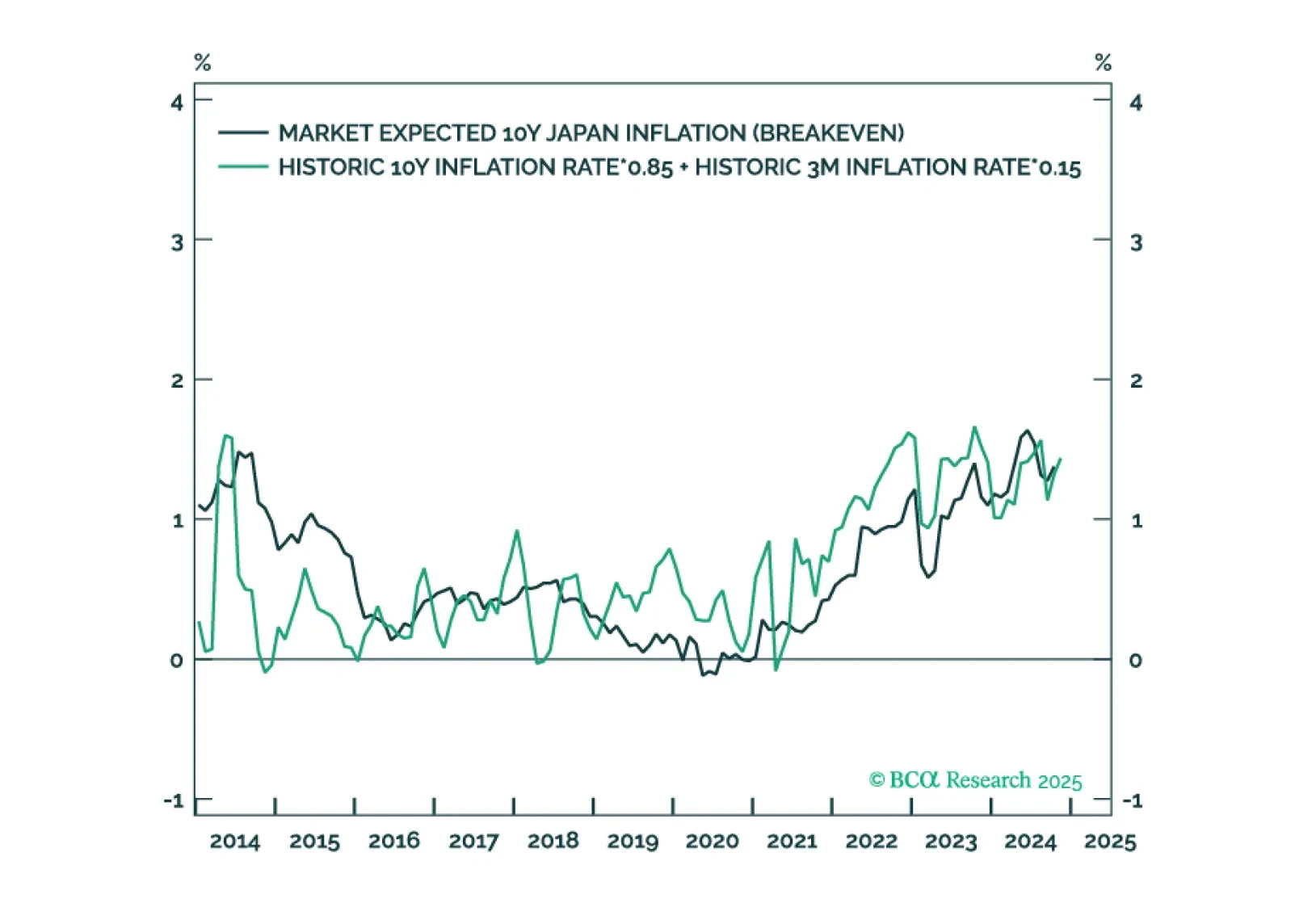
In most developed economies, rising inflation expectations will lift them further above the 2 percent target, limiting the scope for further interest rate cuts. But in Japan, rising inflation expectations will lift them up to the BoJ’s 2 percent target, removing the BoJ’s justification for its zero-interest rate policy. The normalisation of Japan’s monetary policy poses a big structural risk to stocks because Japan has been the main source of financial market liquidity, and thereby, of rising stock market valuations. From a timing perspective though, wait until the complexities of the price trends in USD/JPY and/or Nasdaq versus 30-year T-bond have collapsed. Plus: go tactically long copper.
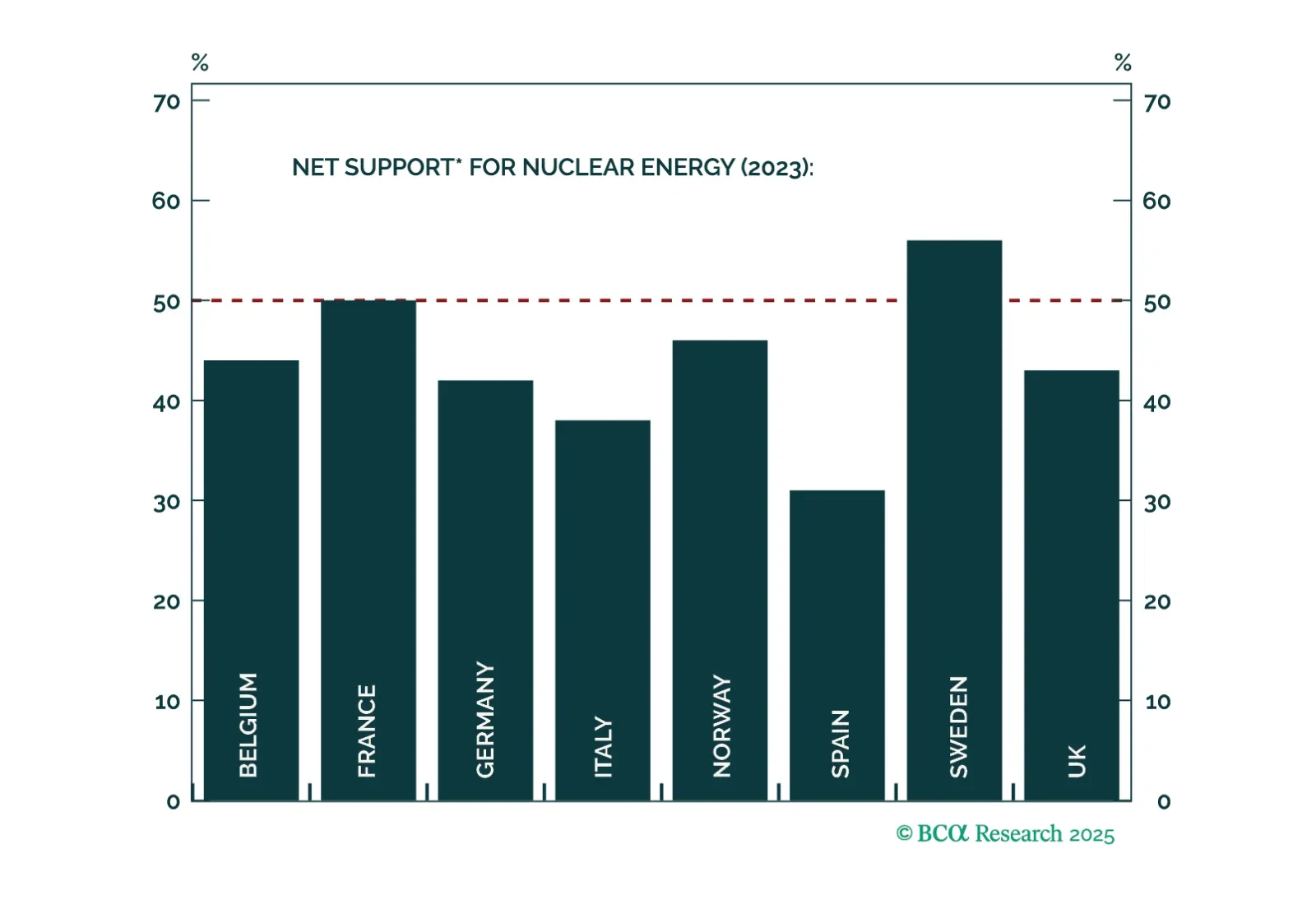
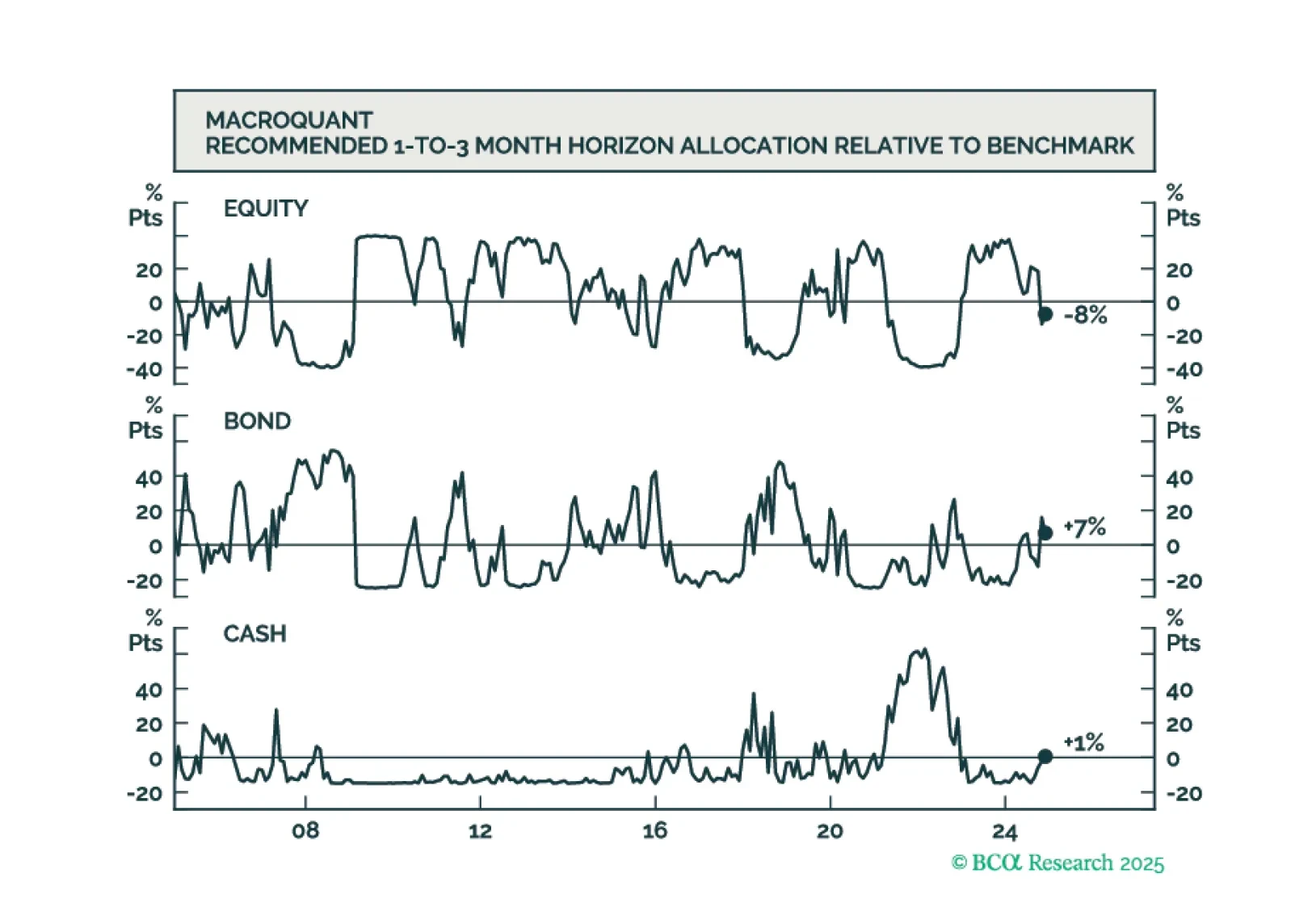
The latest version of the MacroQuant model sees the near-term risks to stocks as slightly tilted to the downside. It is neutral on bond duration and expects the US dollar to continue strengthening in the near term.
Our last publication of the year lets the charts do the talking about why we think the consumer post-pandemic momentum is fading along with the labor market.