
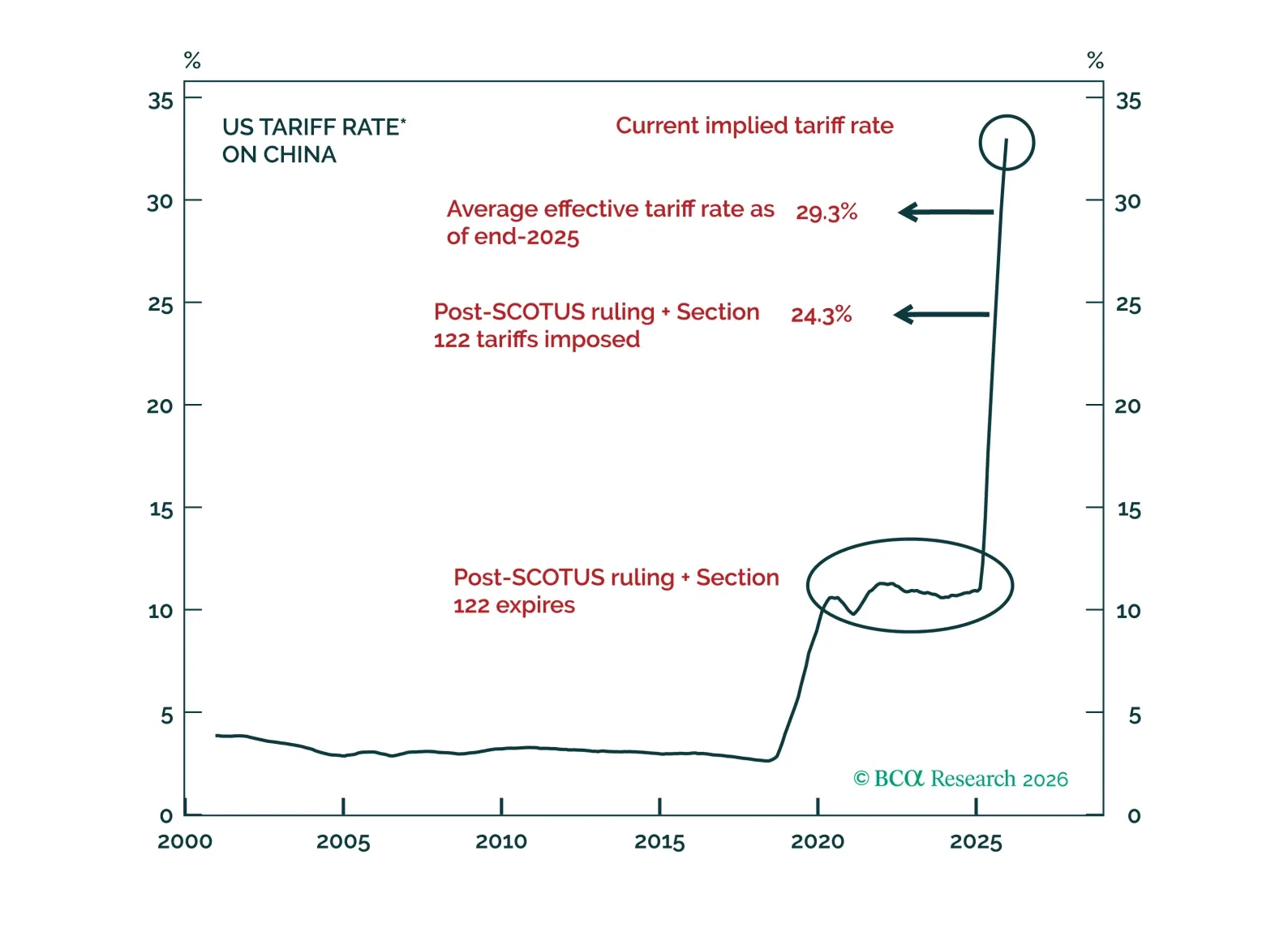
This report examines the implications for Chinese exports and global trade in light of the US Supreme Court’s ruling on tariffs.
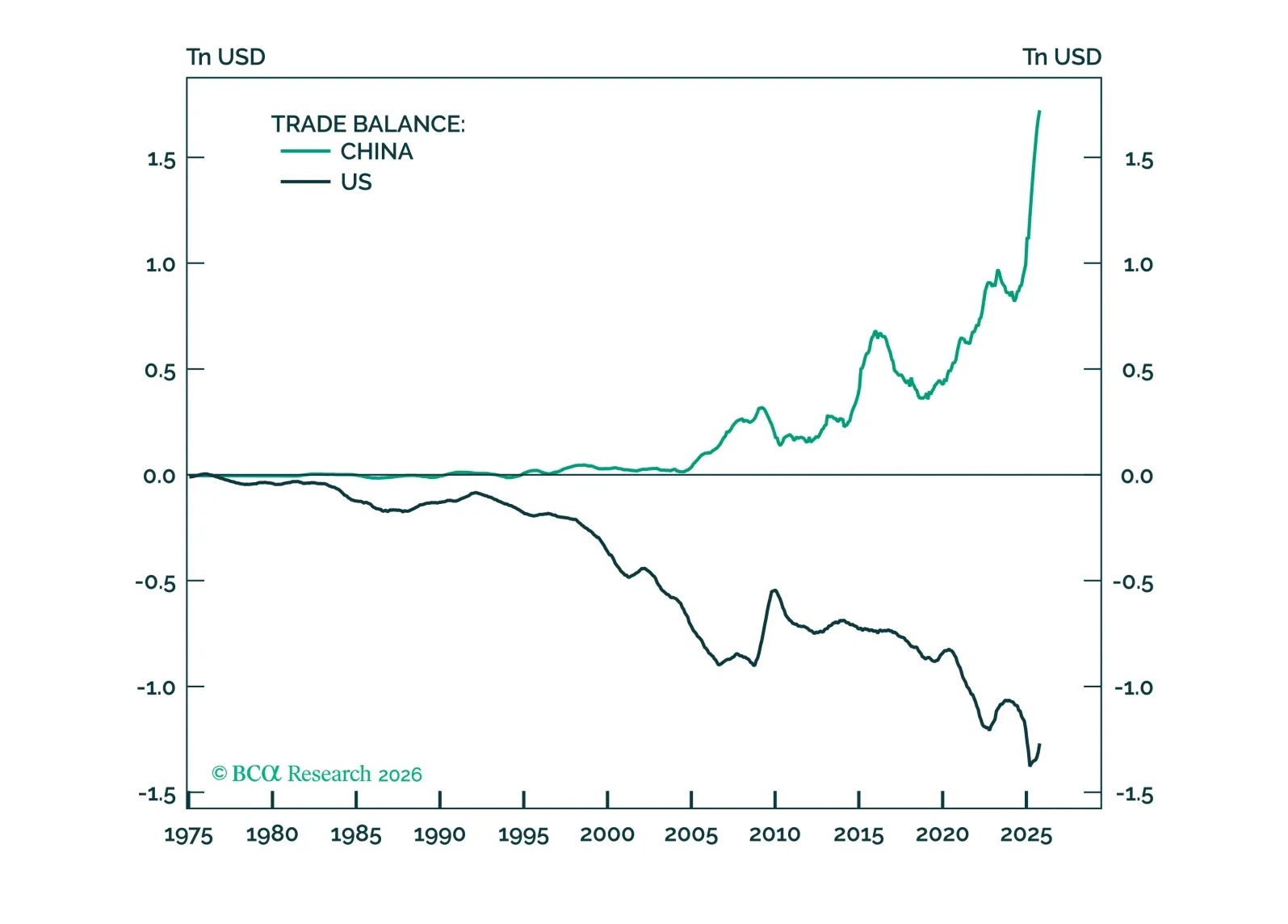
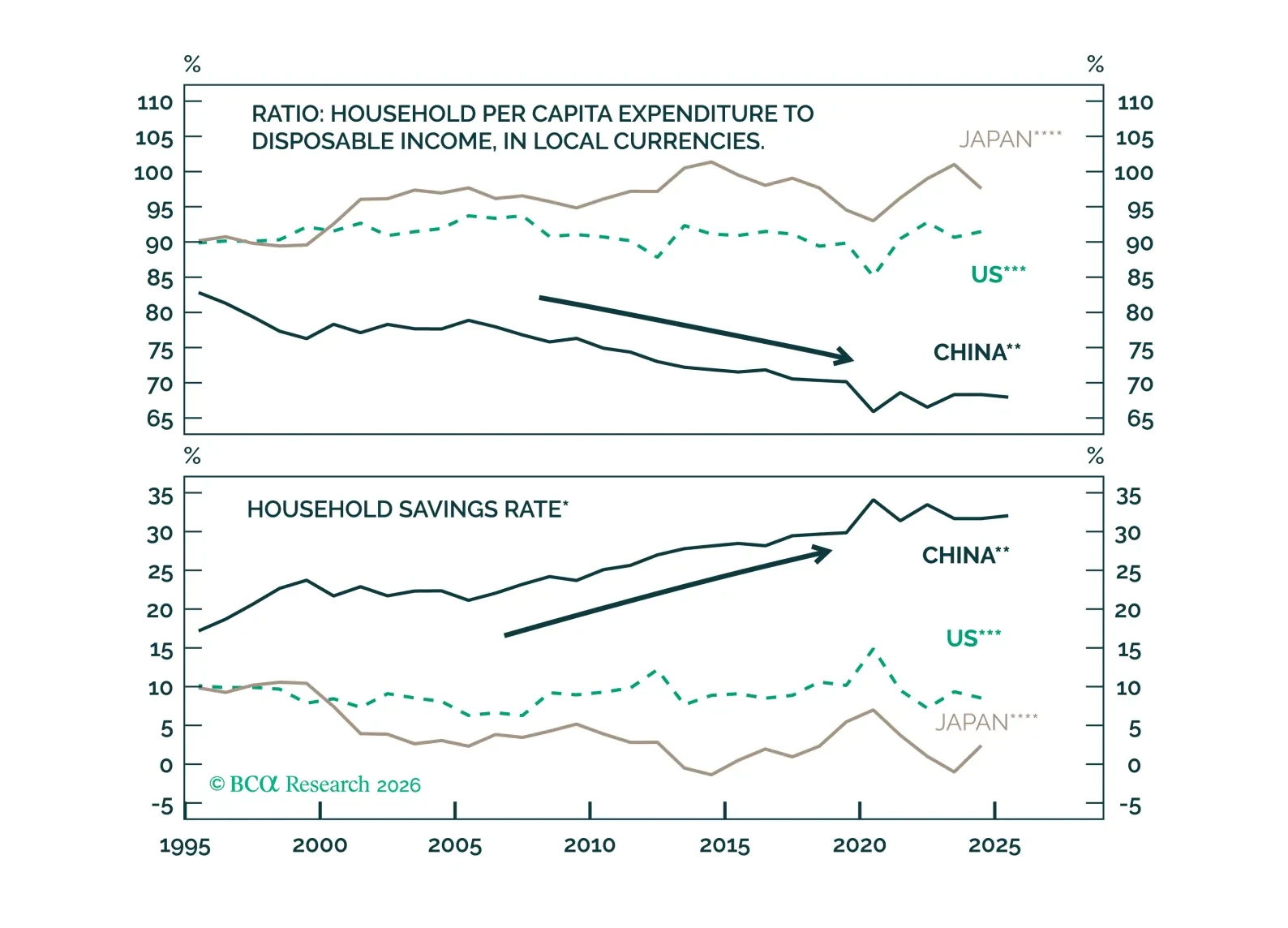
The CNY is undervalued and highly competitive. This gives China room to let the currency appreciate while remaining an export-driven powerhouse, gradually shifting from export intensity toward stronger domestic consumption. This achieves two objectives. First, it narrows the capital account deficit and strengthens the CNY’s role as a global anchor. Second, it enhances Beijing’s geopolitical autonomy by reducing reliance on foreign final demand.
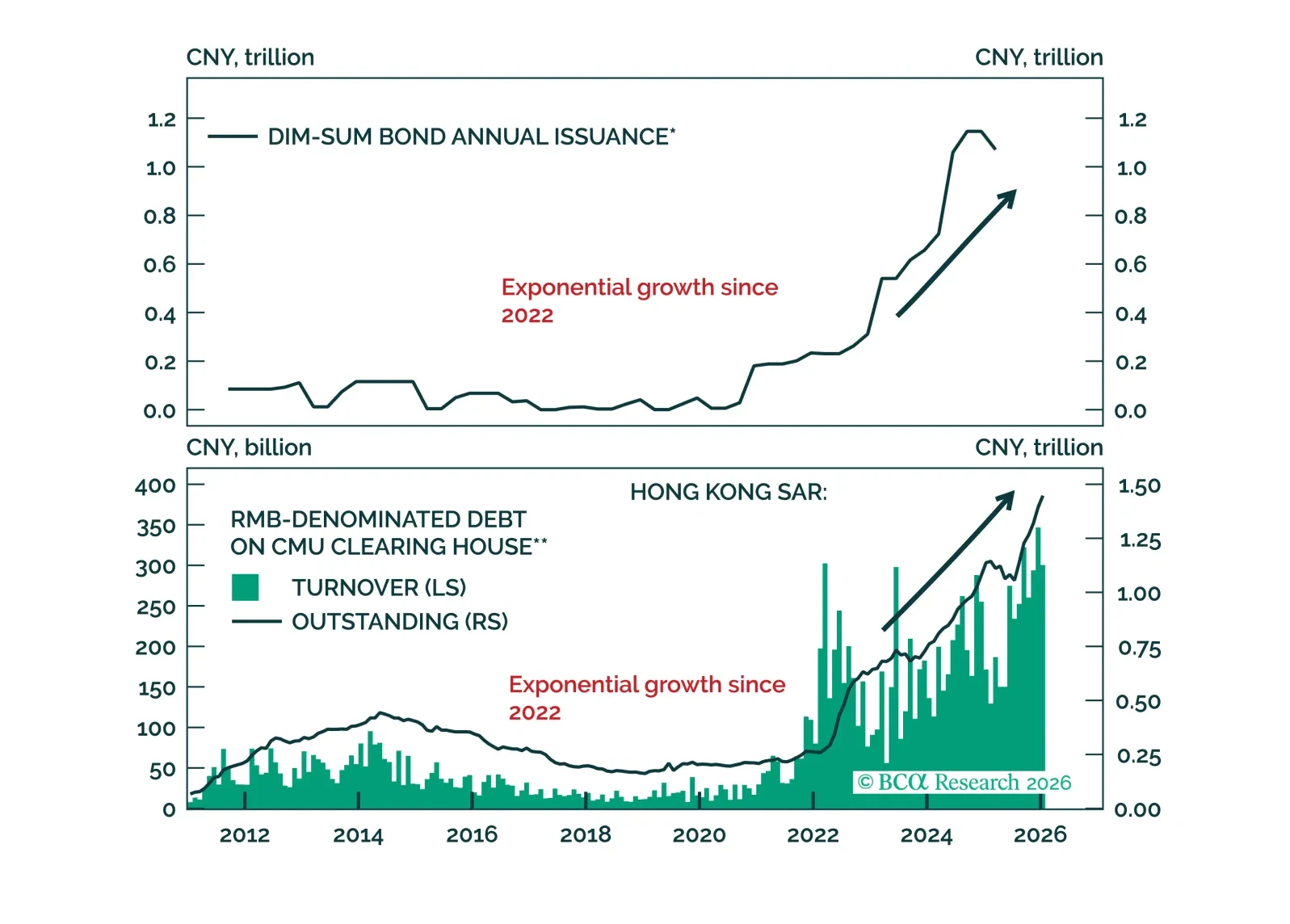
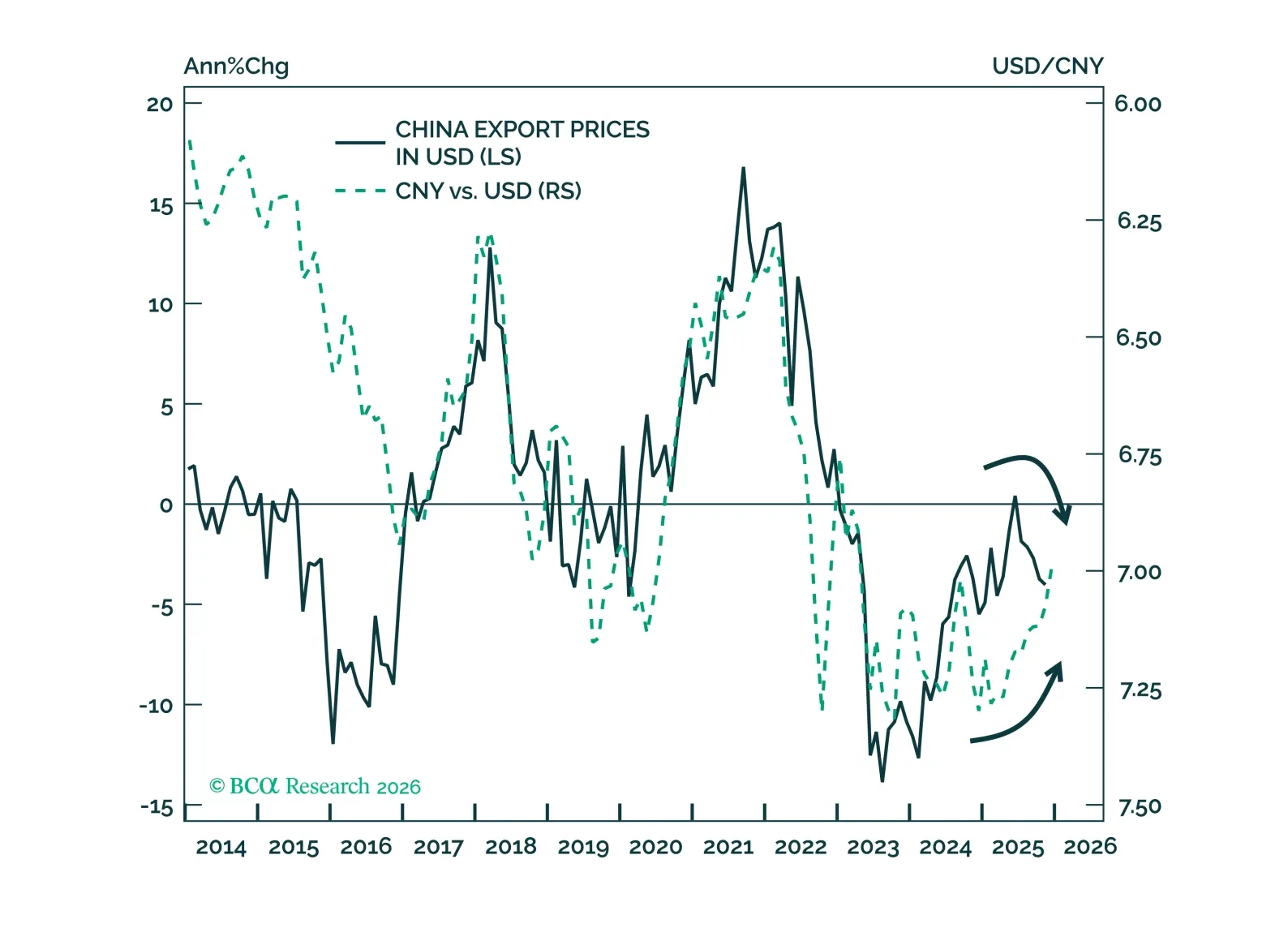
Our first release of the China High-Frequency Indicators for 2026 suggests that economic growth will continue to decelerate in Q1, leading us to adopt a tactically cautious stance on Chinese equities.
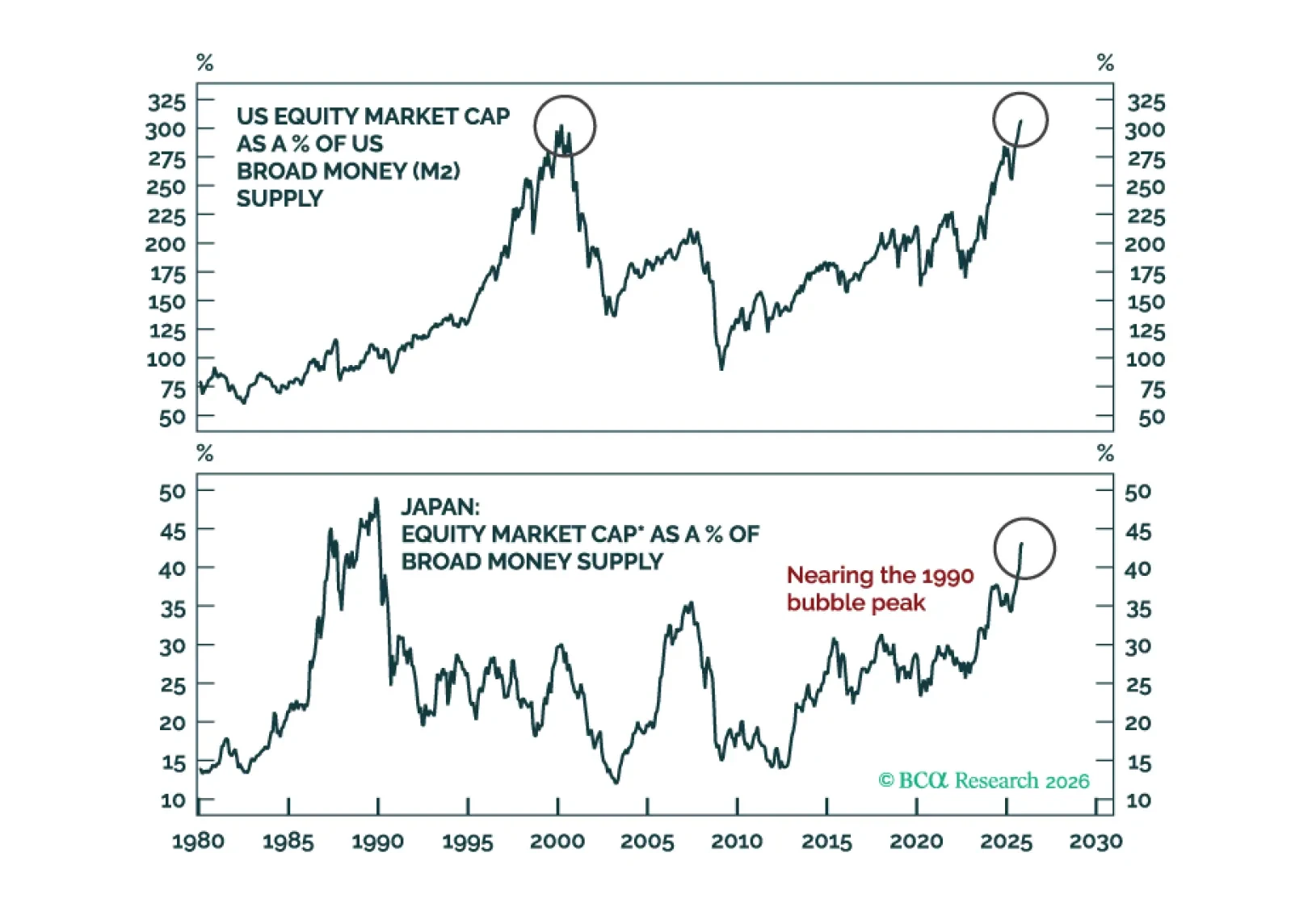
At major technical crossroads, markets eitherpull back before staging a sustainable breakout, or attempt to break out only to drop considerably (i.e., a fakeout). We believe the latter dynamics are more likely to play out.
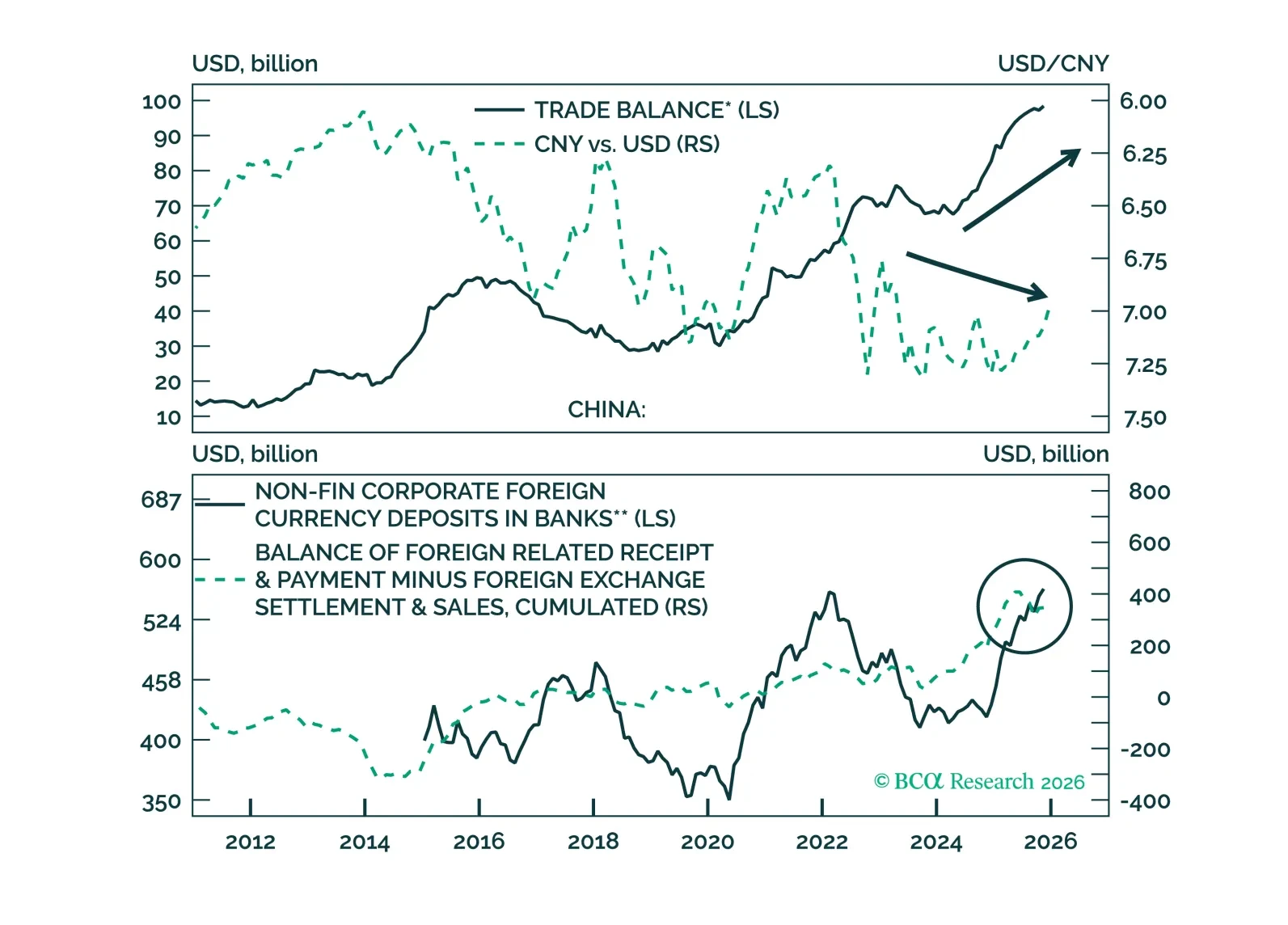
We explain the underlying catalysts for the RMB’s seasonal appreciation, and assess the upside potential for the currency in 2026.
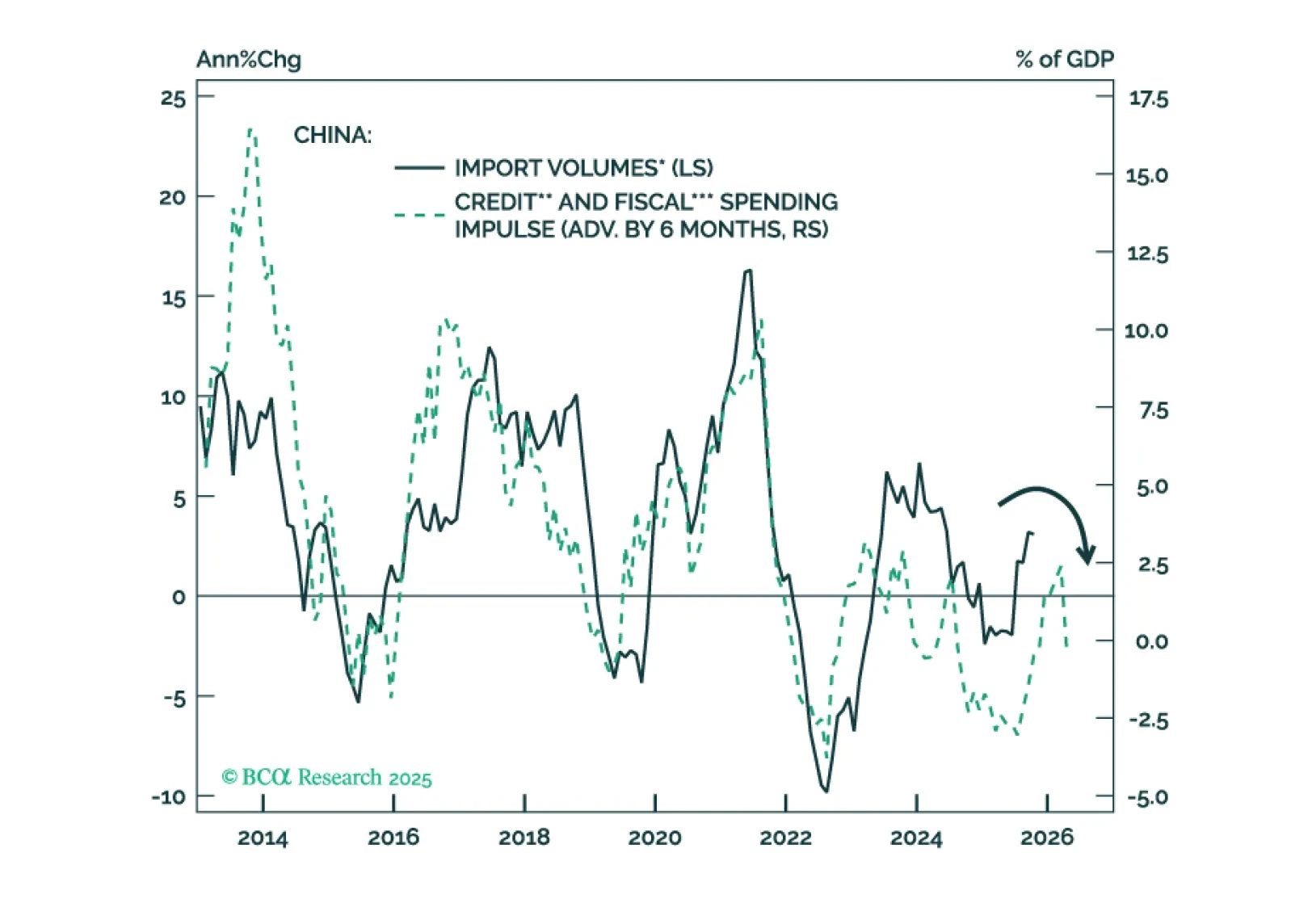
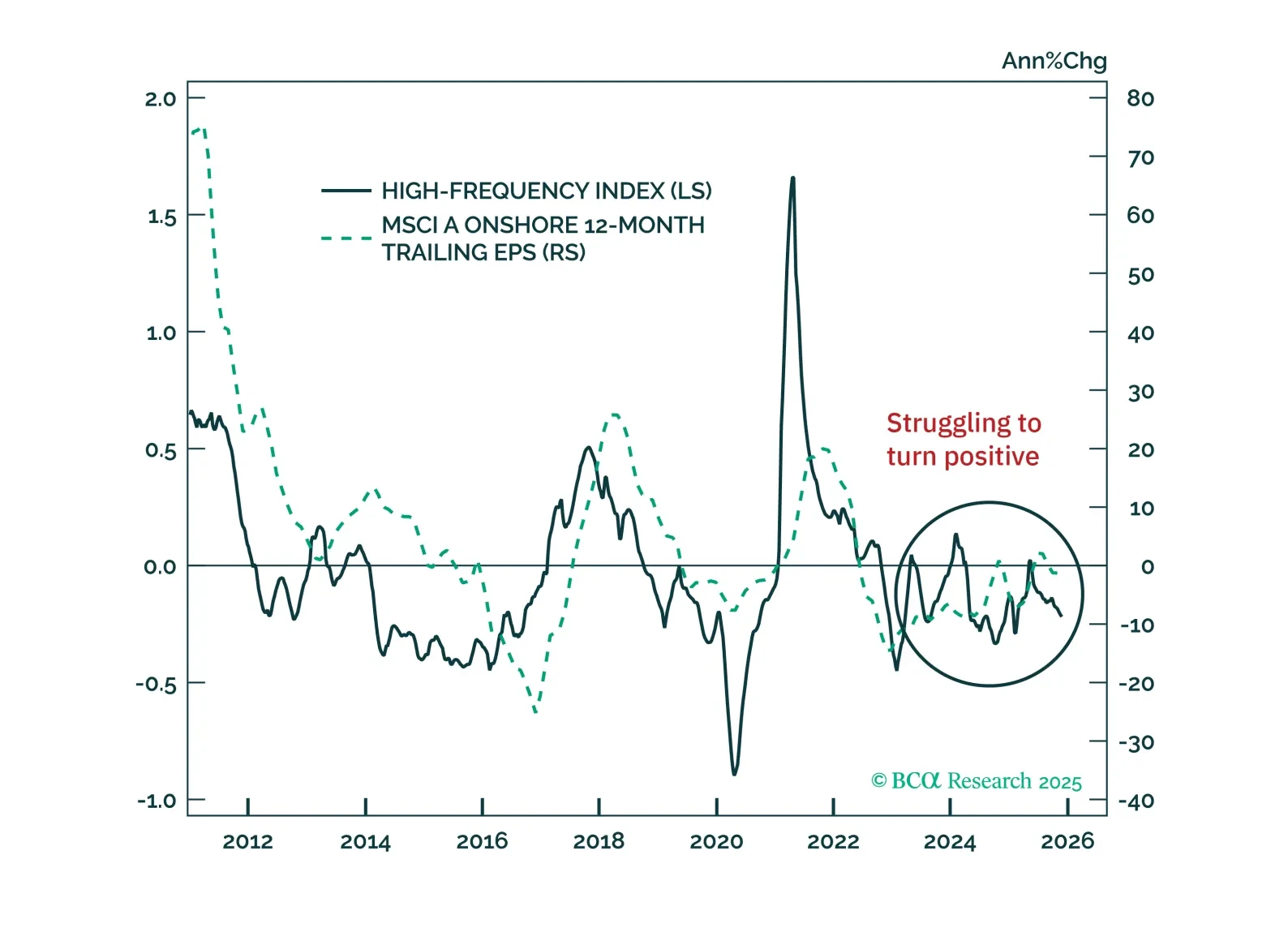
China’s economy is weakening across the board as global risk-off hits equities. With housing conditions worsening and exports contracting—a perfect storm—Beijing faces mounting pressure to deliver stronger, housing-focused stimulus.
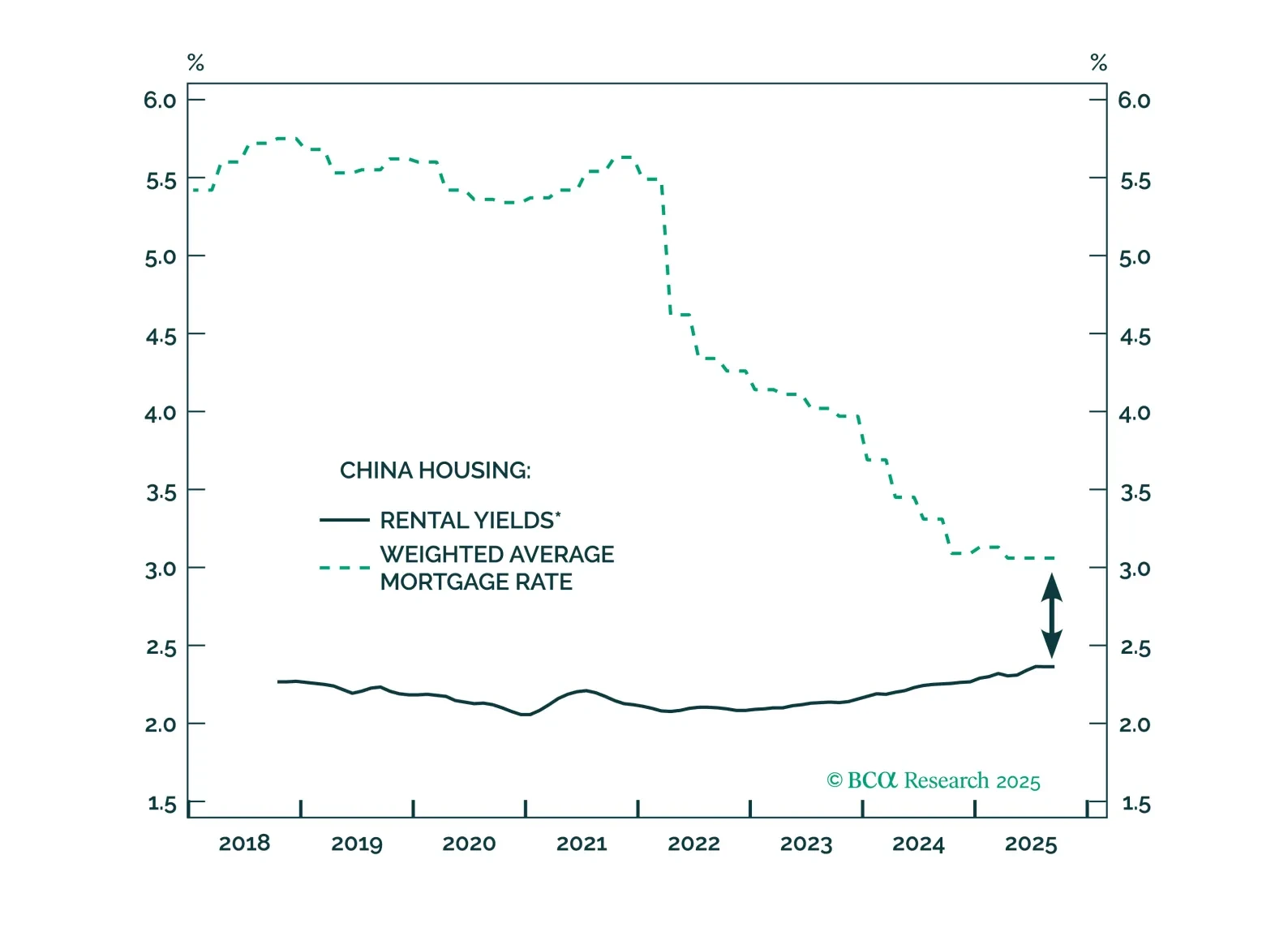
This report revisits China’s property market through both cyclical and structural lenses, assesses the likely policy responses, and evaluates their investment implications.