Latest from BCA Research

We explore how markets reacted to different oil supply shocks in the past, how conditions differ today, and provide a playbook for investors to navigate the current crisis. Remain neutral between equities, bonds, and cash. Downgrade Tail Risk Strategies from Max Overweight to Overweight.
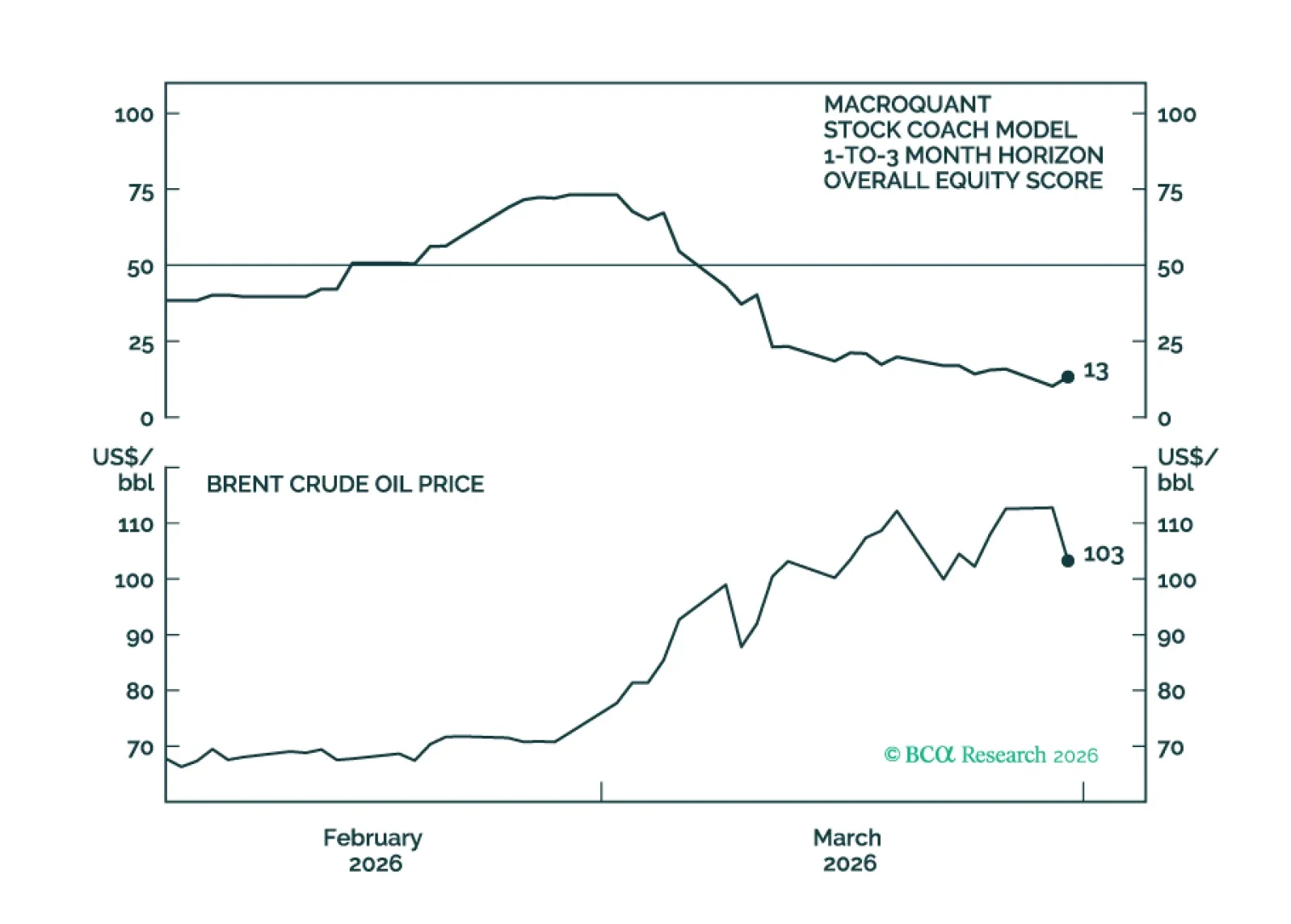
MacroQuant recommends a strong underweight position in equities, favors a below-benchmark duration stance in fixed-income portfolios, has become neutral-to-slightly positive on the US dollar, has downgraded gold to neutral and copper to a strong underweight, and is bullish on oil.
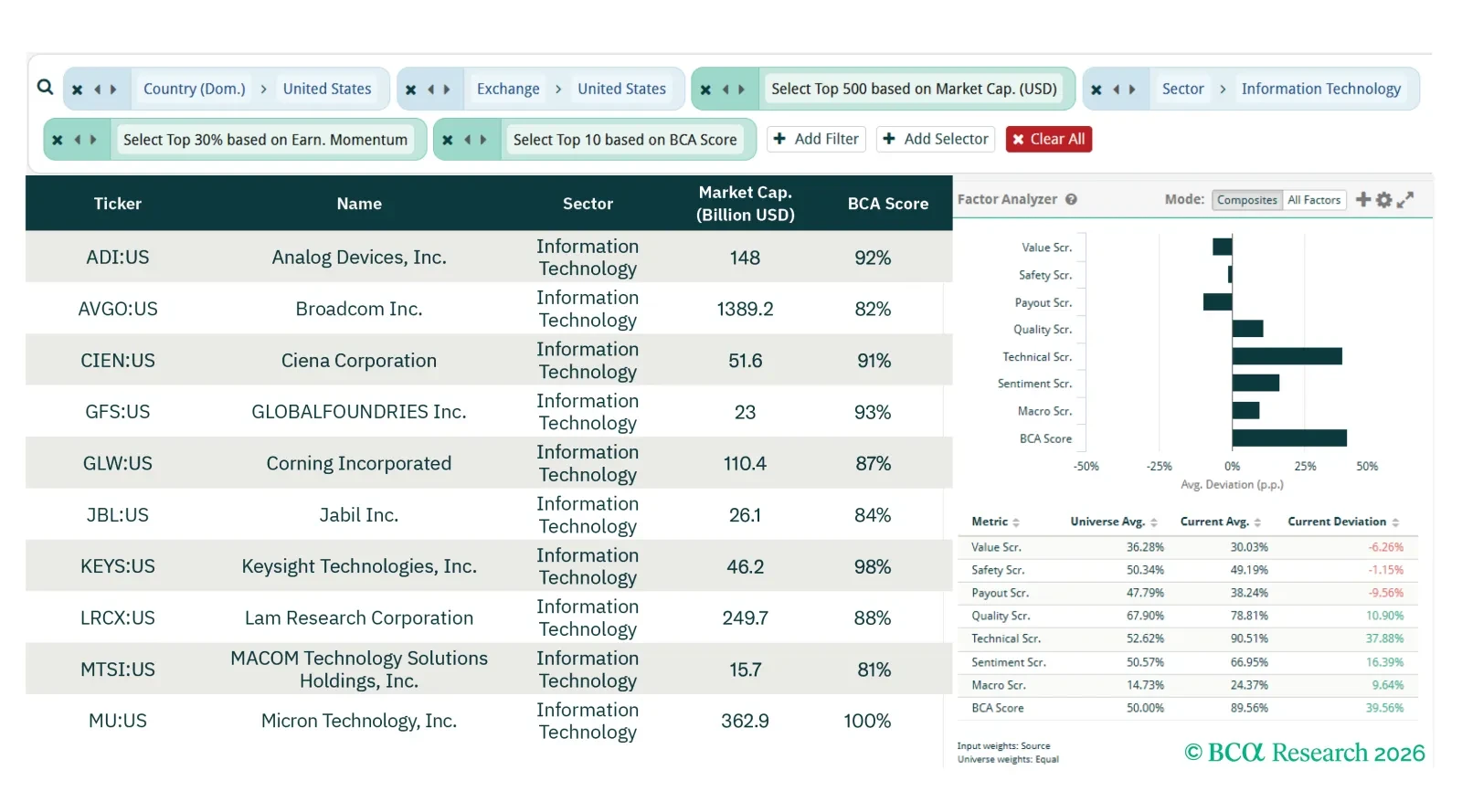
This screener report builds on the US Equity Strategy team's sector view published on 30 March 2026, where the team overweights Information Technology, Industrials, and Materials on a 3- to 12-month horizon. Here we utilize our screening tools to layer bottom-up stock selection onto their top-down sector views.
We are pleased to introduce our new Quarterly Investment Outlook, a joint publication bringing together the European Investment Strategy (EIS), Global Fixed Income Strategy (GFIS), and Foreign Exchange Strategy teams. The main takeaway of the current edition is that investors should not add risk. Markets are still focused on inflation, but the binding constraint is growth: if the energy shock persists into mid-April, a rapid shift toward recession pricing will follow.
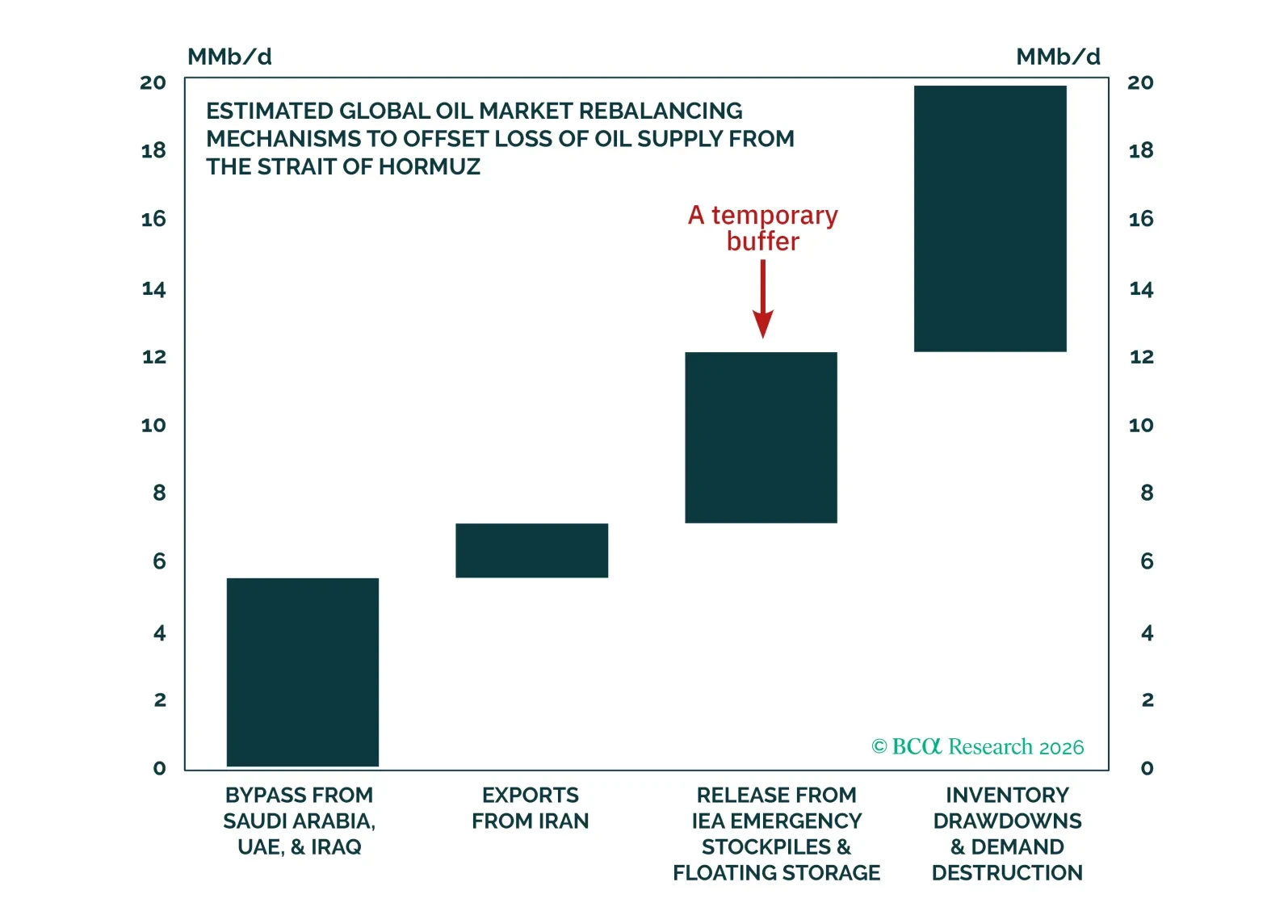
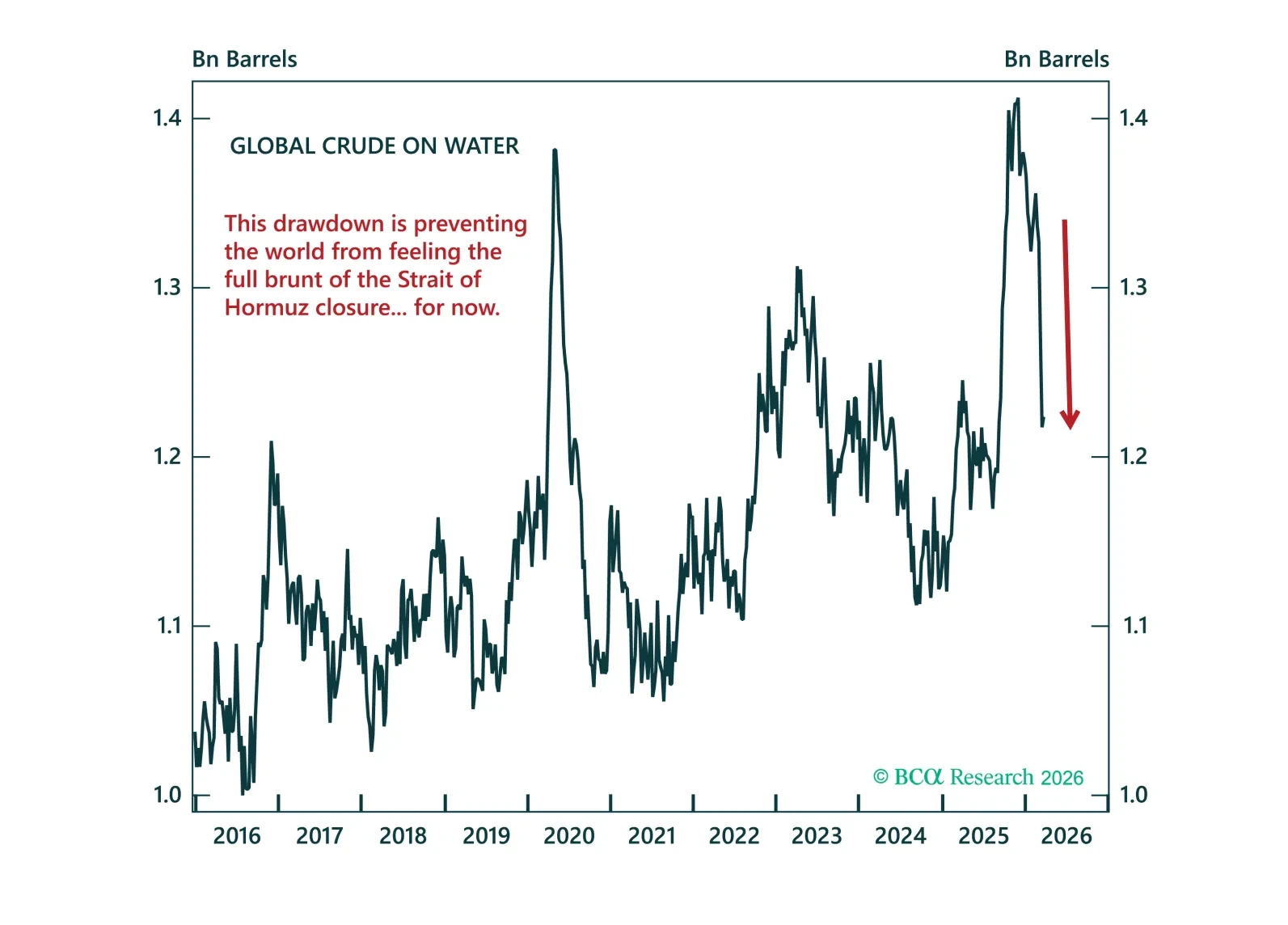
Over the past month, oil market participants have scrambled to fill the gap in global oil supply caused by the Strait of Hormuz’s closure. While these efforts have been impressive, the scale of the disruption means they are ultimately insufficient. Upside pressures will continue to dominate energy prices until transit through the Strait of Hormuz is restored.
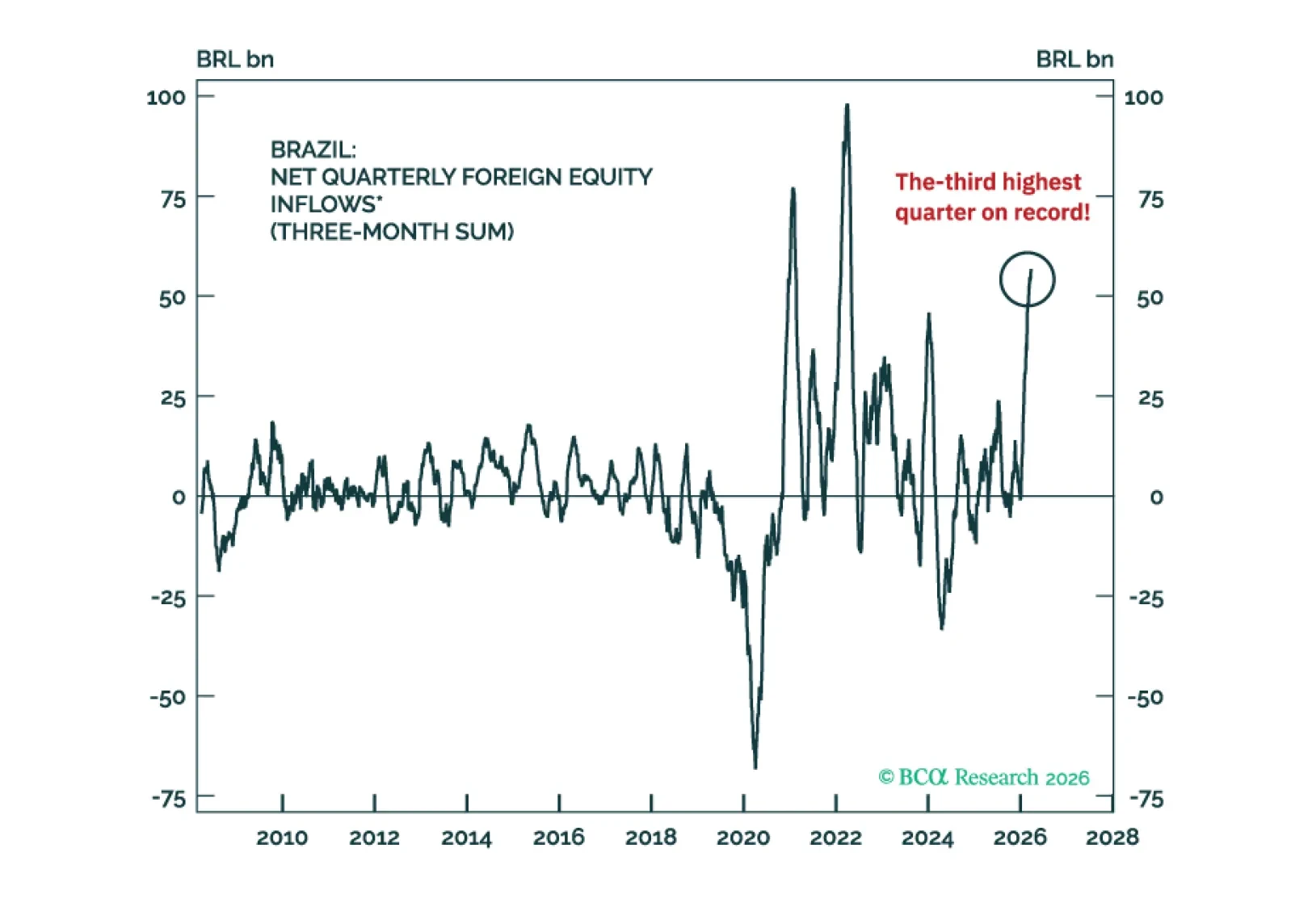
Overstretched foreign inflows into Brazilian markets will reverse, while soaring oil prices will not benefit Brazil in the near term. Avoid the country’s risk assets and the BRL, and stay underweight Brazilian equities and fixed income relative to EM. We also recommend paying 10-year Brazilian swap rates.
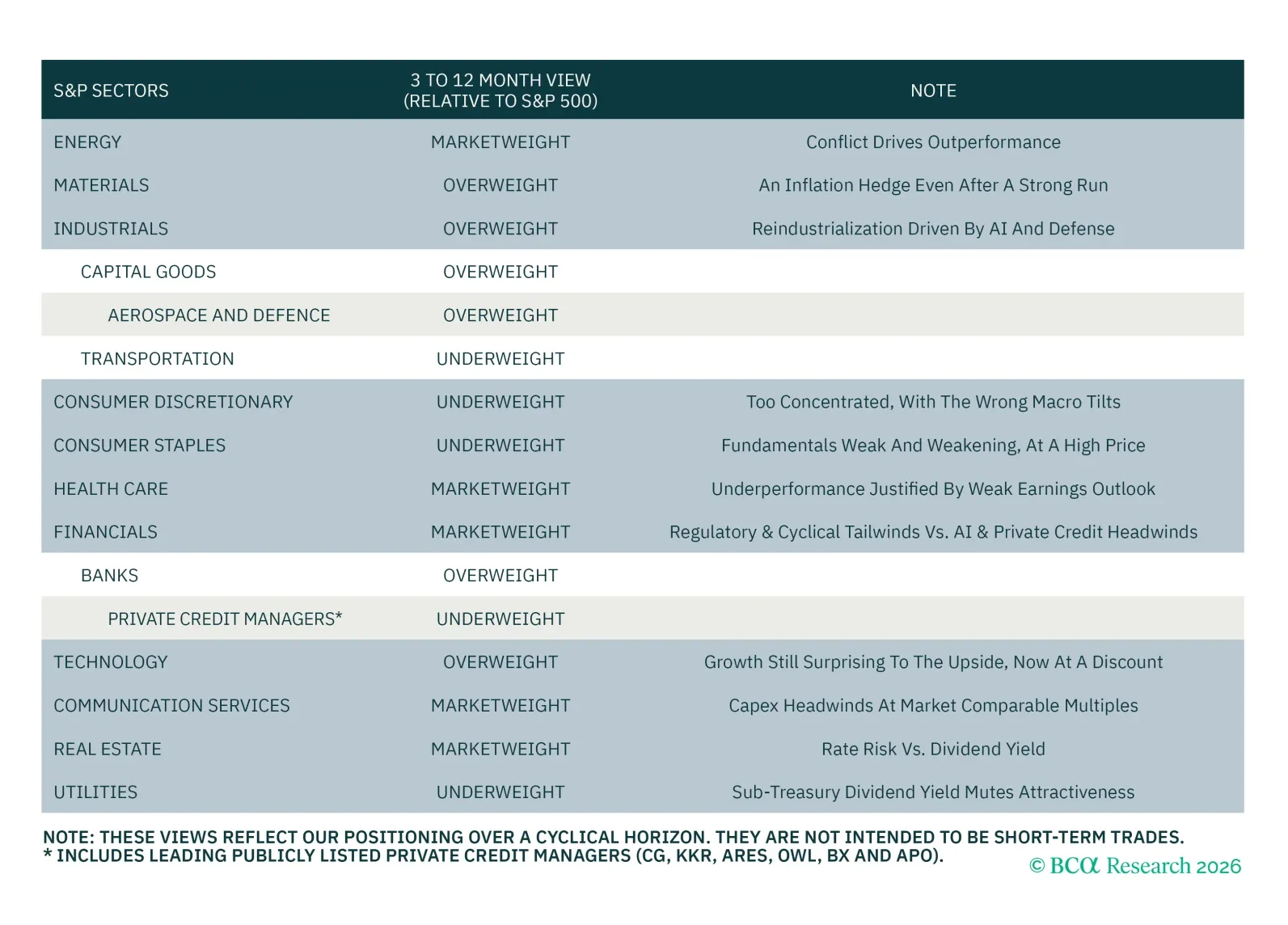
We continue to expect the S&P 500 to gain ground in 2026, driven by revenue growth, with limited scope for margin or multiple expansion. With cyclical upside tilted toward the investment side of the economy, we favor sectors with high-quality, revenue-driven earnings growth, leverage capex, and valuations that leave room for catch-up.

One month into the Iranian conflict, we take stock of how markets have moved so far and how some of the big open questions might influence them going forward. A long opportunity may be developing at the long end of the Treasury curve.
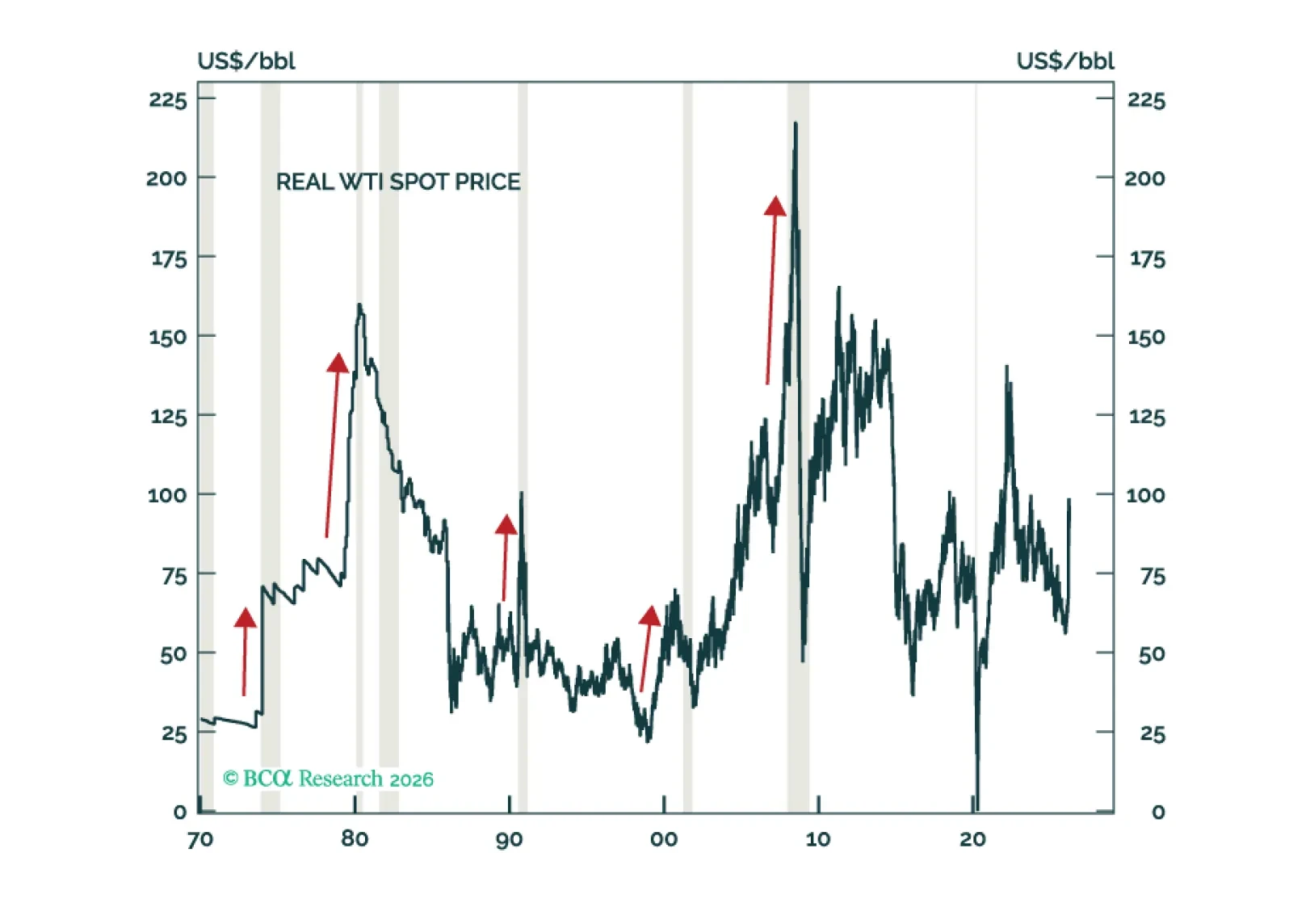
The current macro environment is a toxic brew of many of the same vulnerabilities that haunted the global economy in the lead-up to past recessions: Rising oil prices, an unsustainable tech capex boom, elevated equity valuations, excessively high homes prices, and brewing stresses in private credit and other parts of the financial system. While global equities look increasingly oversold in the very near term, they will still finish the year below current levels.
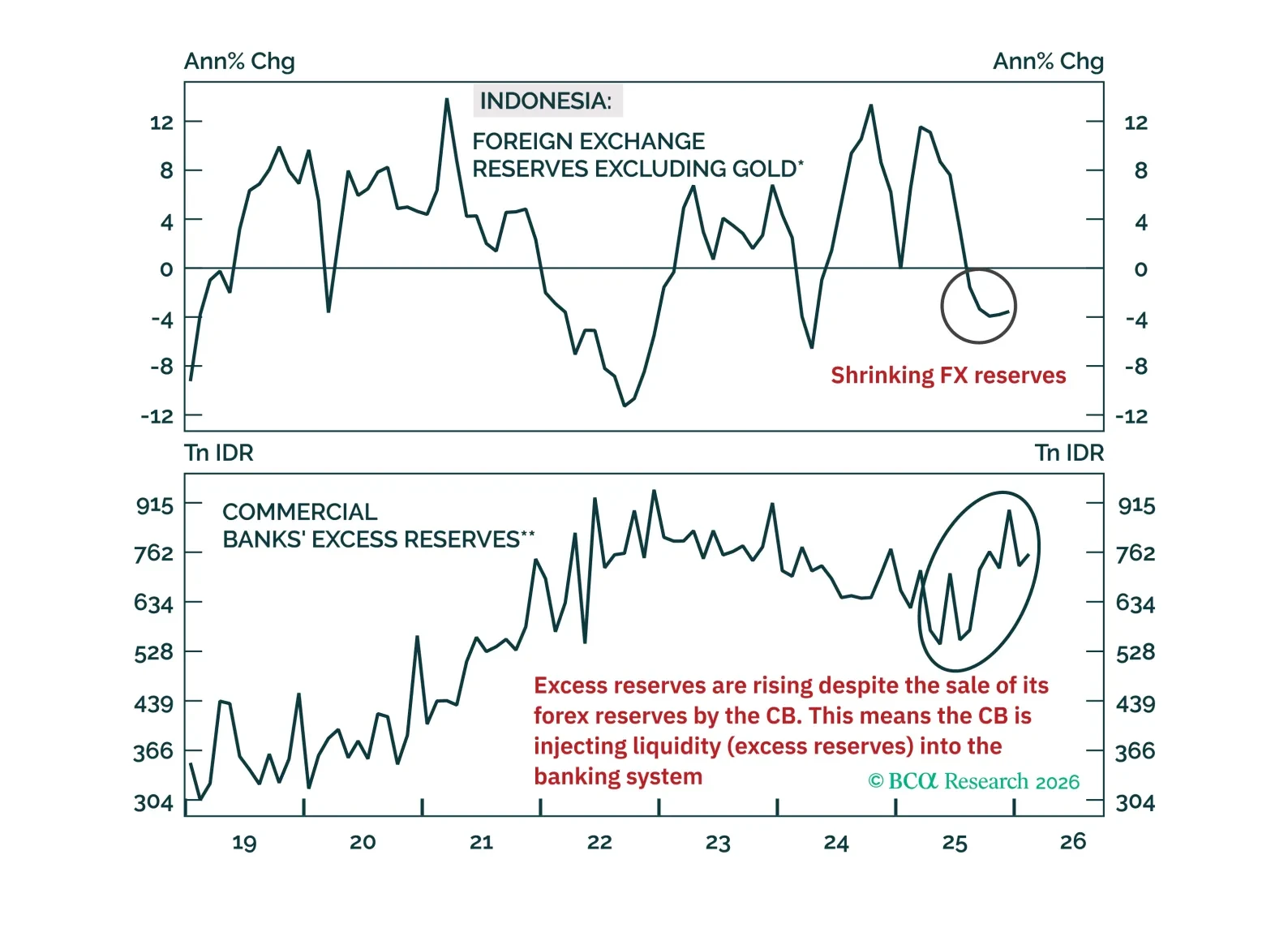
Indonesian rupiah will continue to plunge, and its local-currency bond yields will rise materially. Investors should short domestic bonds, currency unhedged.