Latest from BCA Research
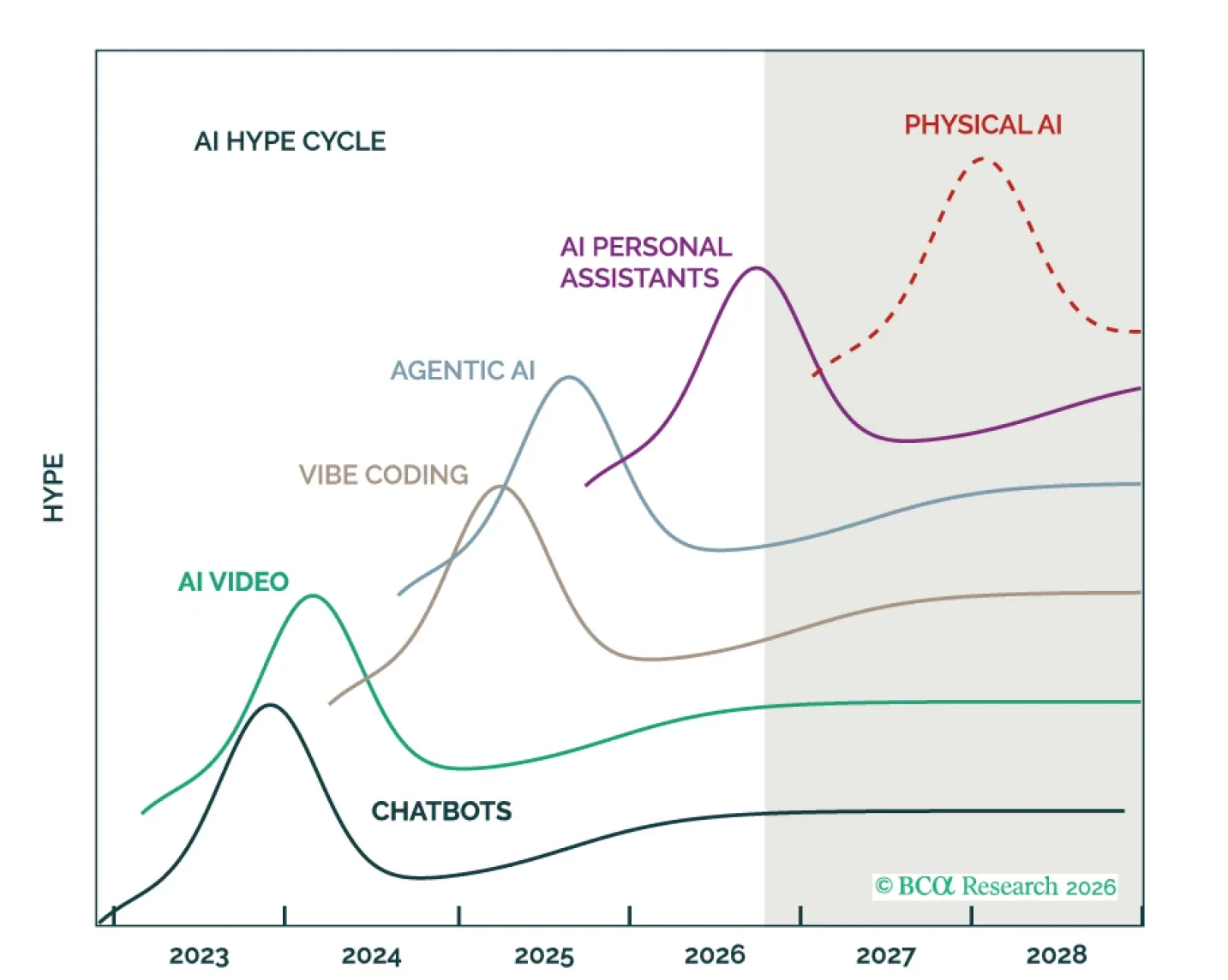
Since ChatGPT’s launch in late 2022, multiple waves of AI innovation have driven markets and dominated the conversation across the investment community. Drawing on an extensive set of questions from BCA clients and strategists, our new report tackles the uncertainties that remain: What beyond customer demand drives token consumption? Will open-weight models eventually dominate? And, perhaps most importantly, how worried should we be about AI-induced extinction?
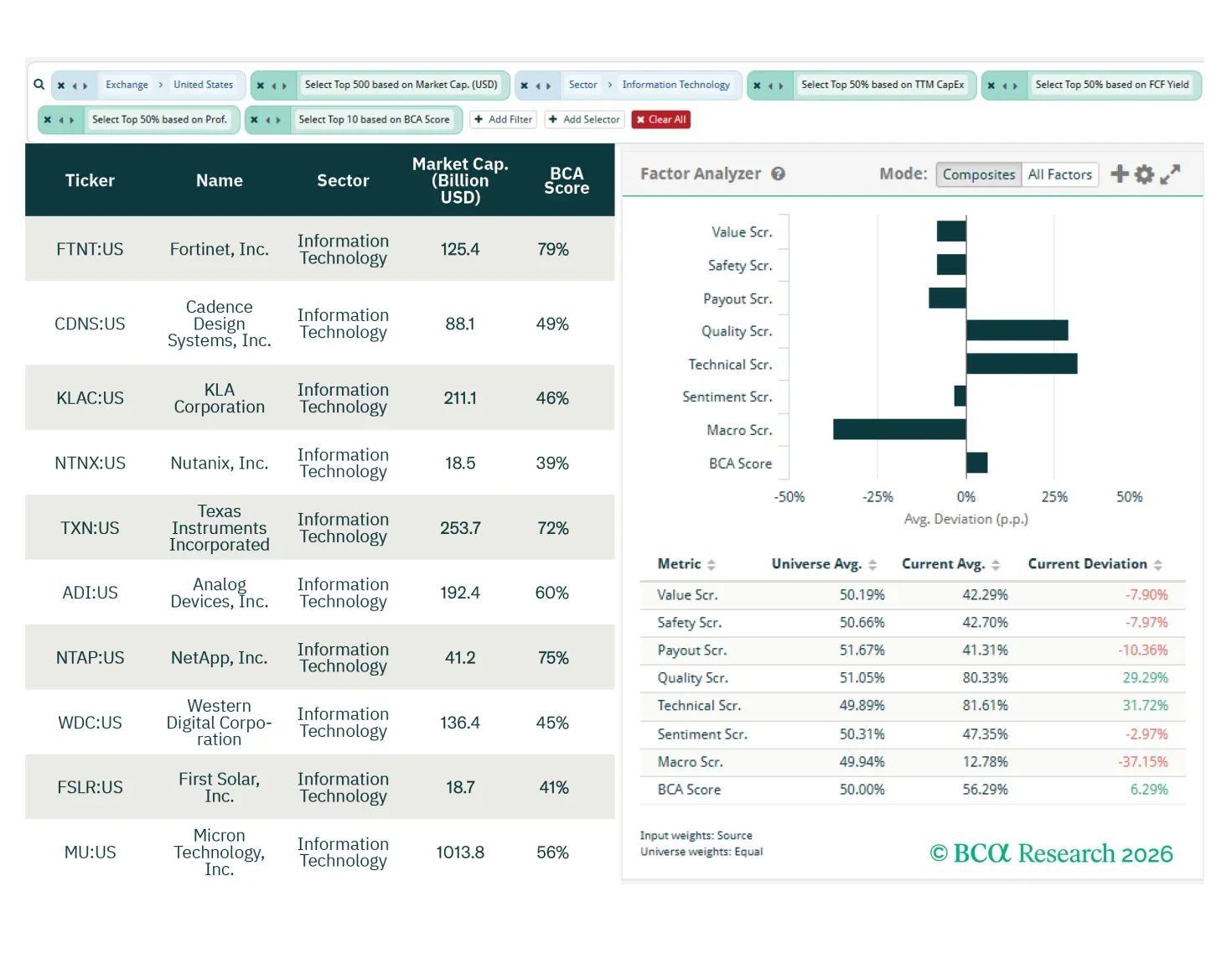
In this screener report, we explore opportunities in high-quality Tech, European integration winners, and selective US cyclicals in Industrials and Materials.
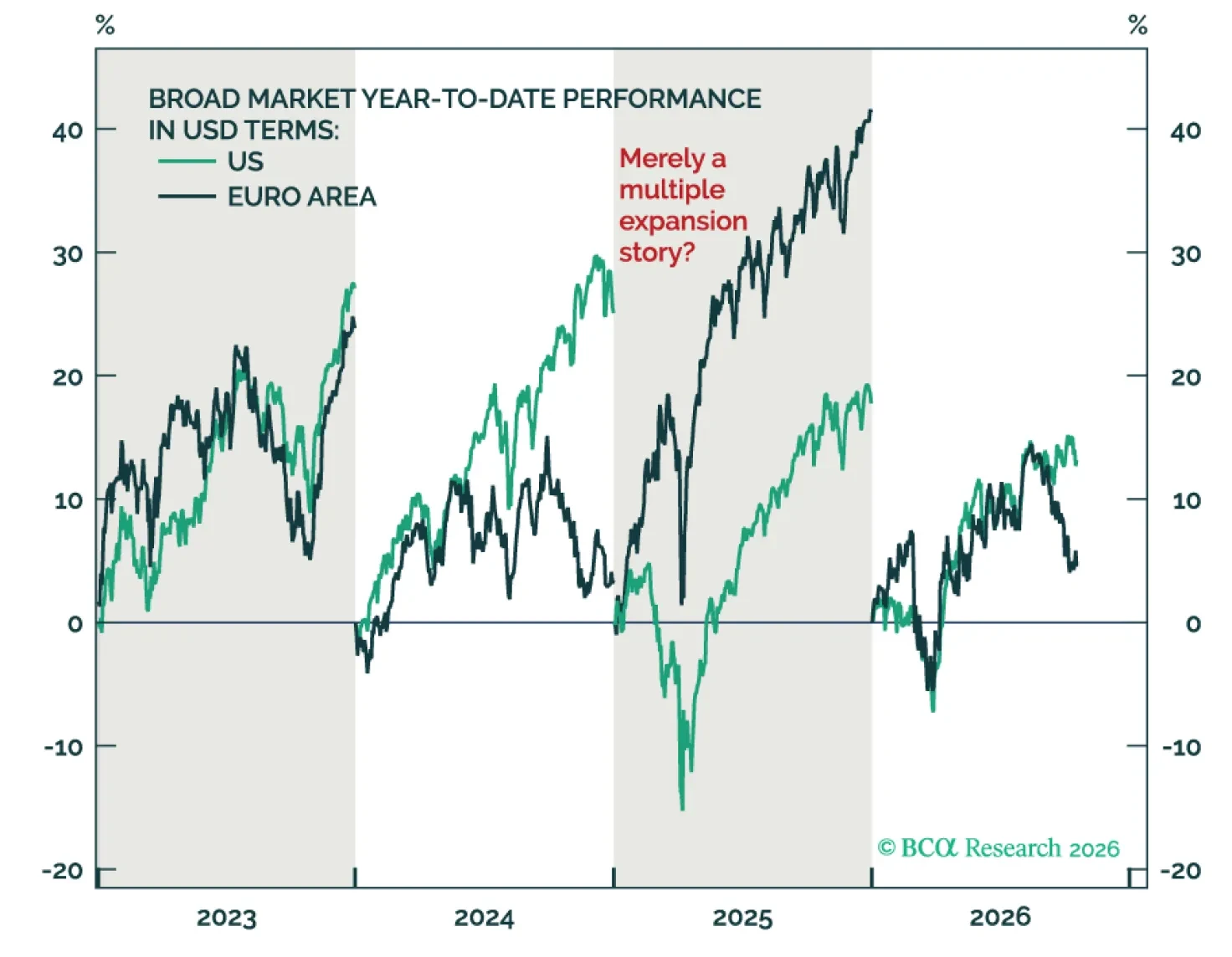
Europe has 99 problems, but the paucity of bearish views about the Old Continent is not one of them! And yet, somewhat shockingly, European assets have outperformed US assets over the past two years. Sure, markets make mistakes. But the macro graveyards are littered with investors who thought they were smarter than the markets. In this report, we suggest that Europe is on a cusp of significant structural reforms that will unlock value in its services sector. And that while many of the challenges are real, they’re either well understood or priced in.
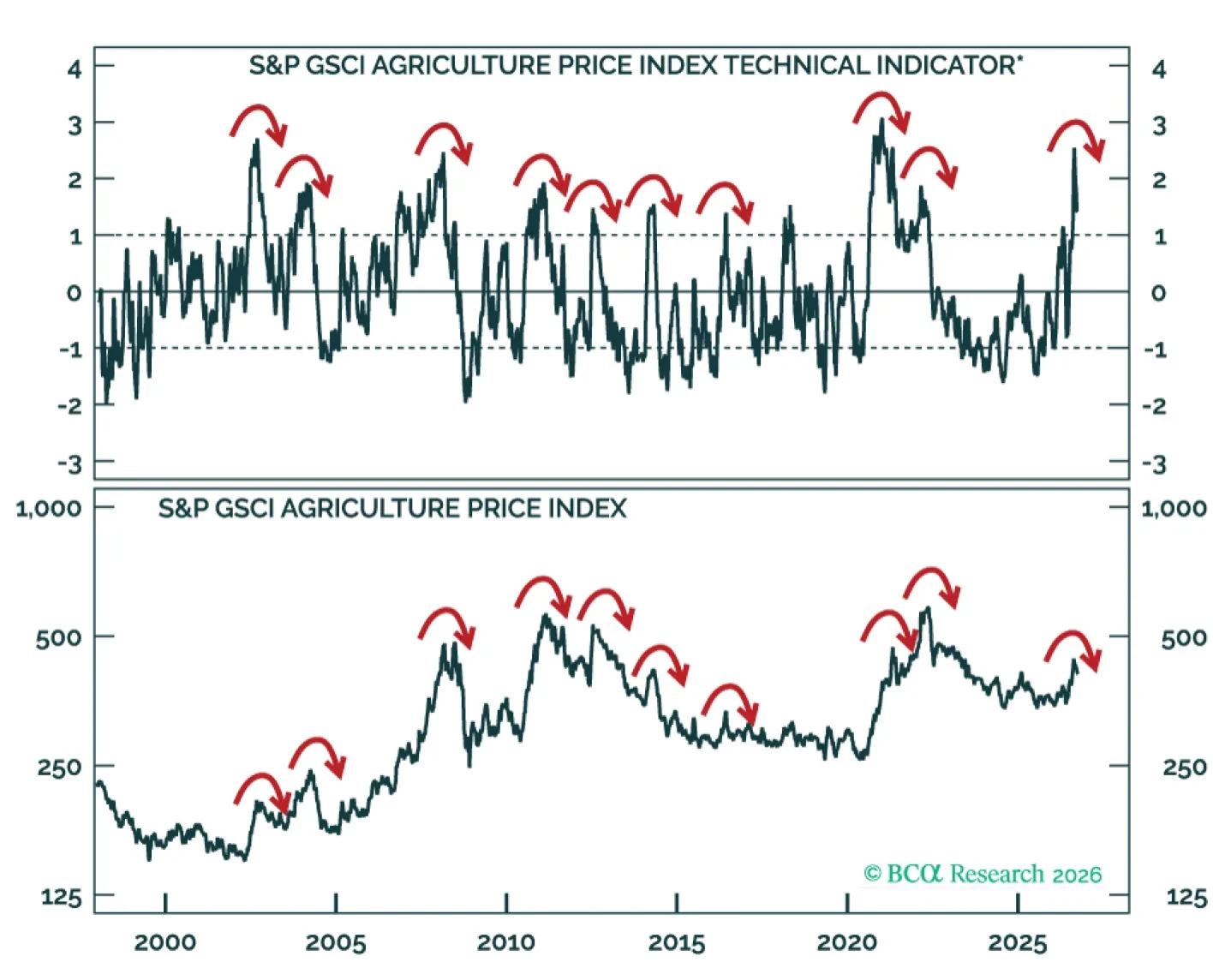
Ags have tumbled from overbought highs, and further near-term weakness is likely. But a “super” El Niño and an ongoing energy shock are setting the stage for the next rally.
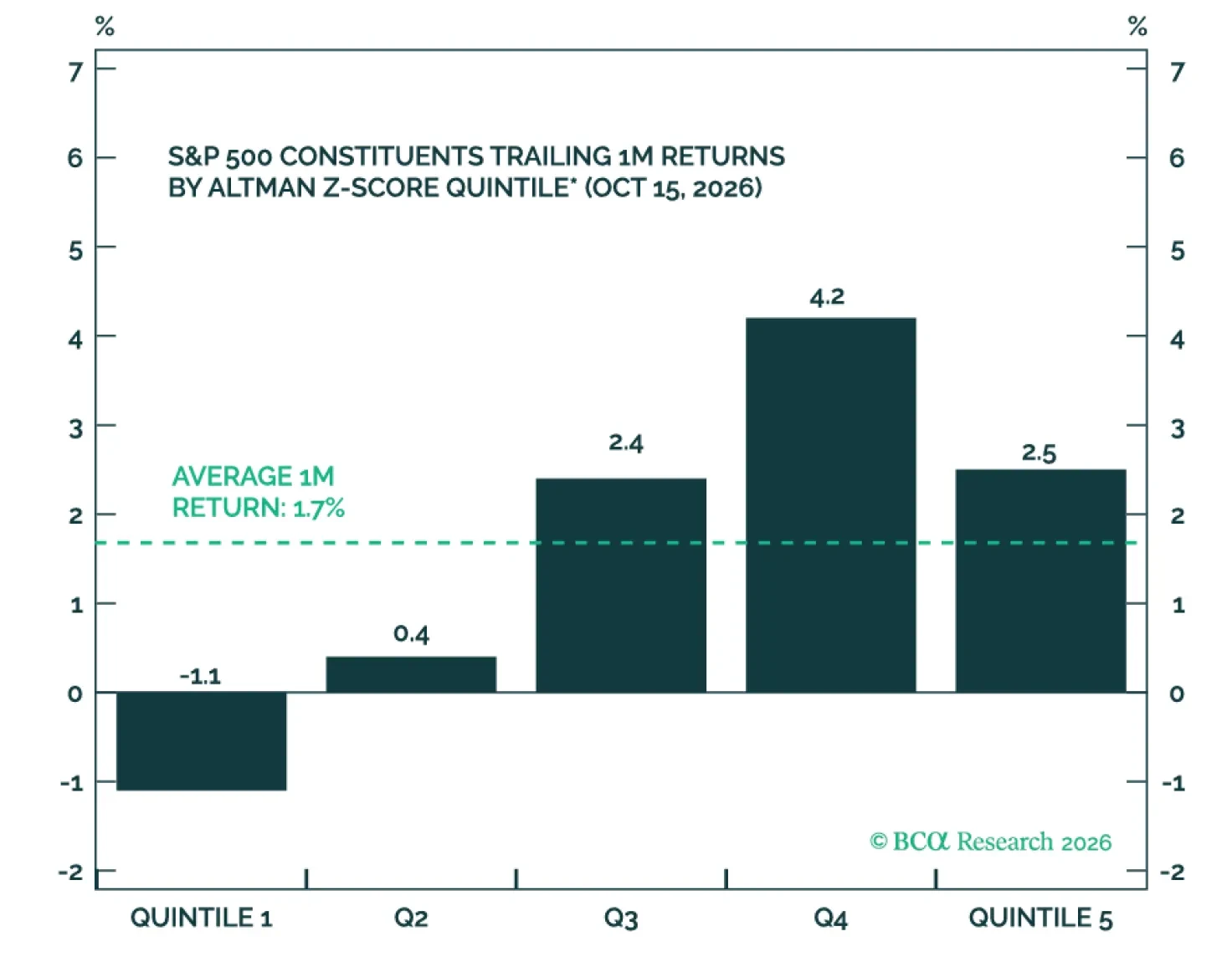
Credit spreads have widened as bond risks intensified, pressuring weak-balance-sheet companies. But the stress is narrow and valuations have already compressed, so equity risks look manageable. Rather than de-risk, we would lean into quality: large over small caps, quality capex, and defensible Tech margins, and look to Q3 earnings for confirmation.
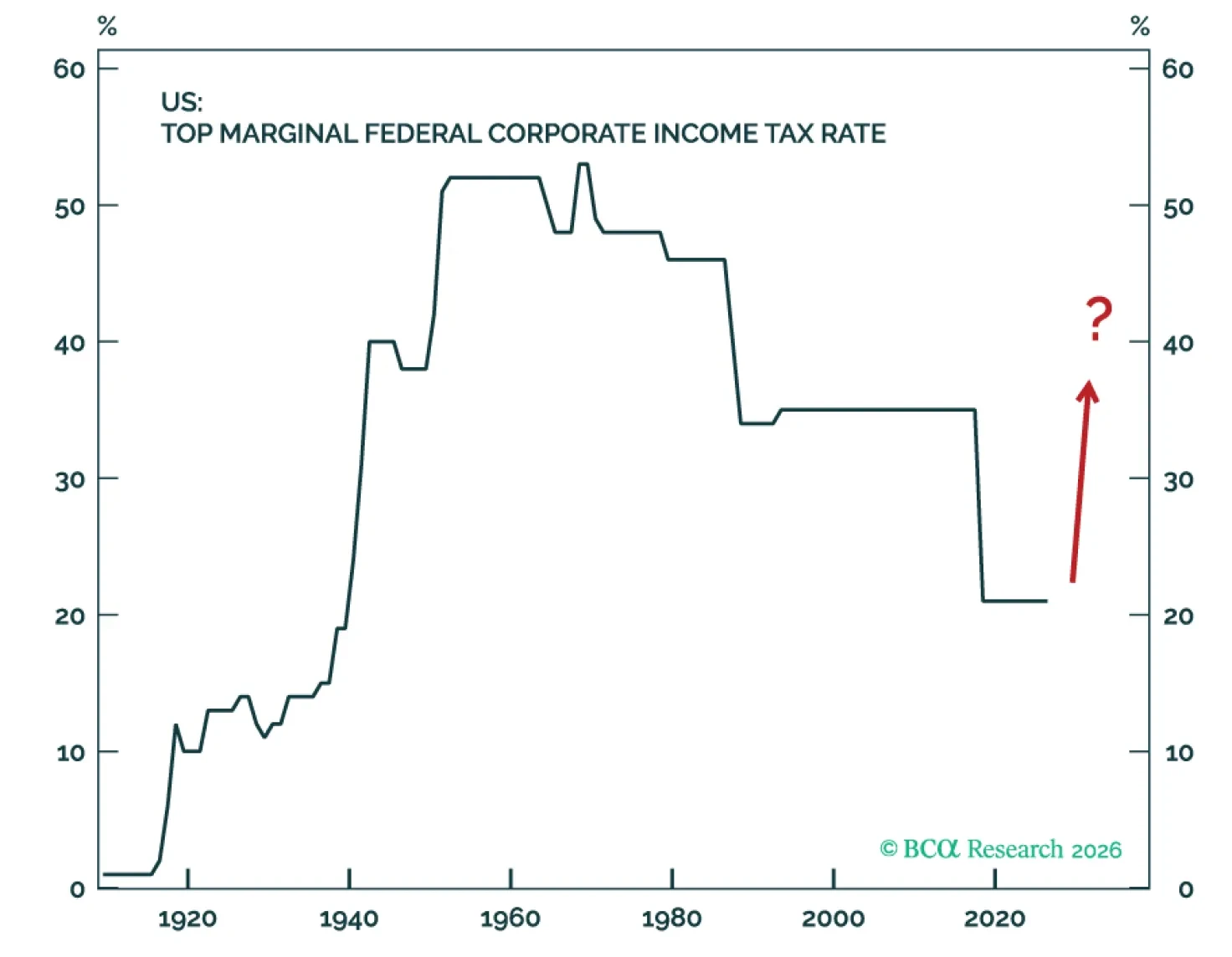
We highlight several potential inflections in well-established structural factors, pointing out ways that markets might respond differently this time to economic data and policy actions.
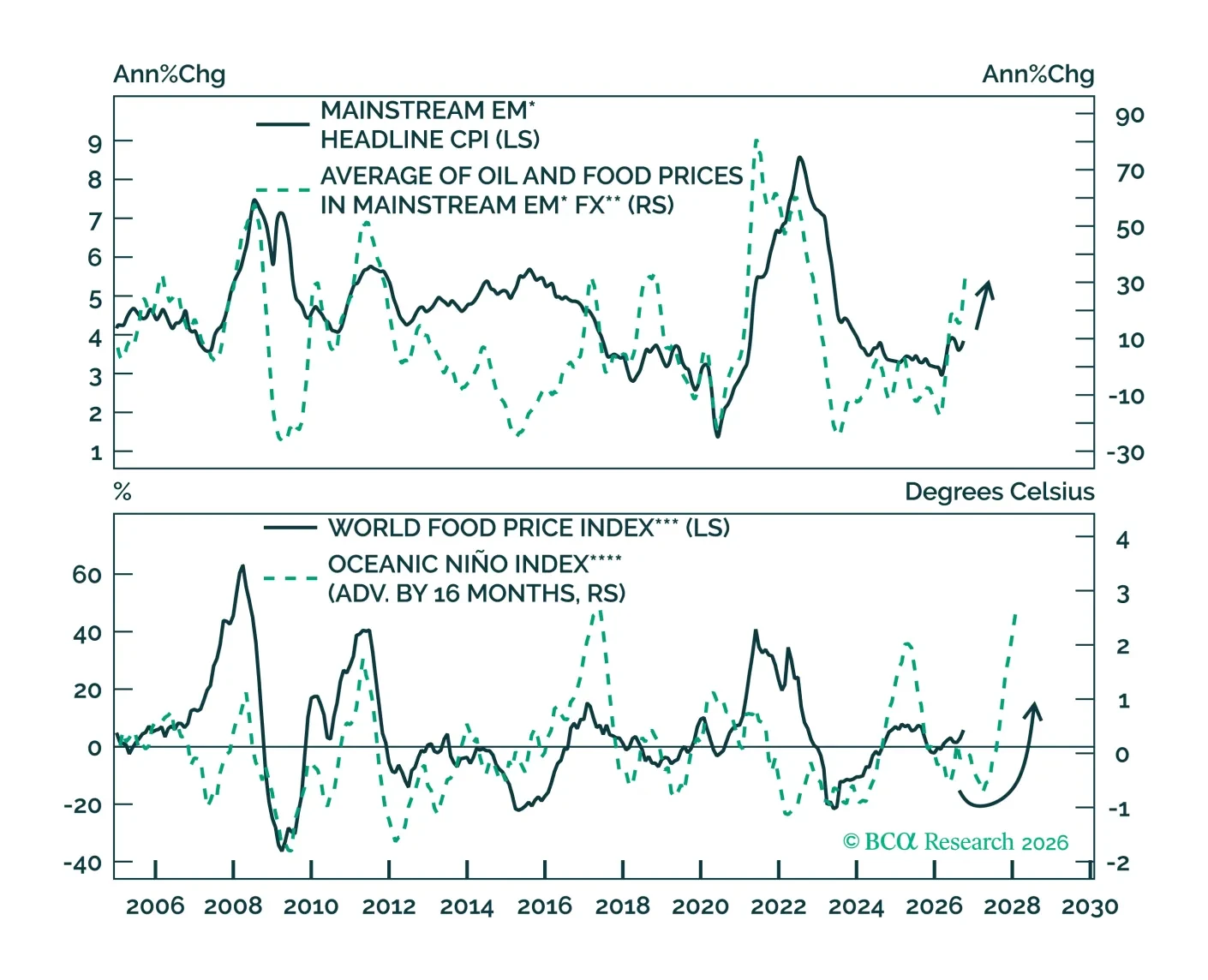
EM local bonds face near-term turbulence from rising inflation, global risk aversion, and currency weakness. Use the sell-off to build exposure: medium- and longer-term fundamentals remain favorable.
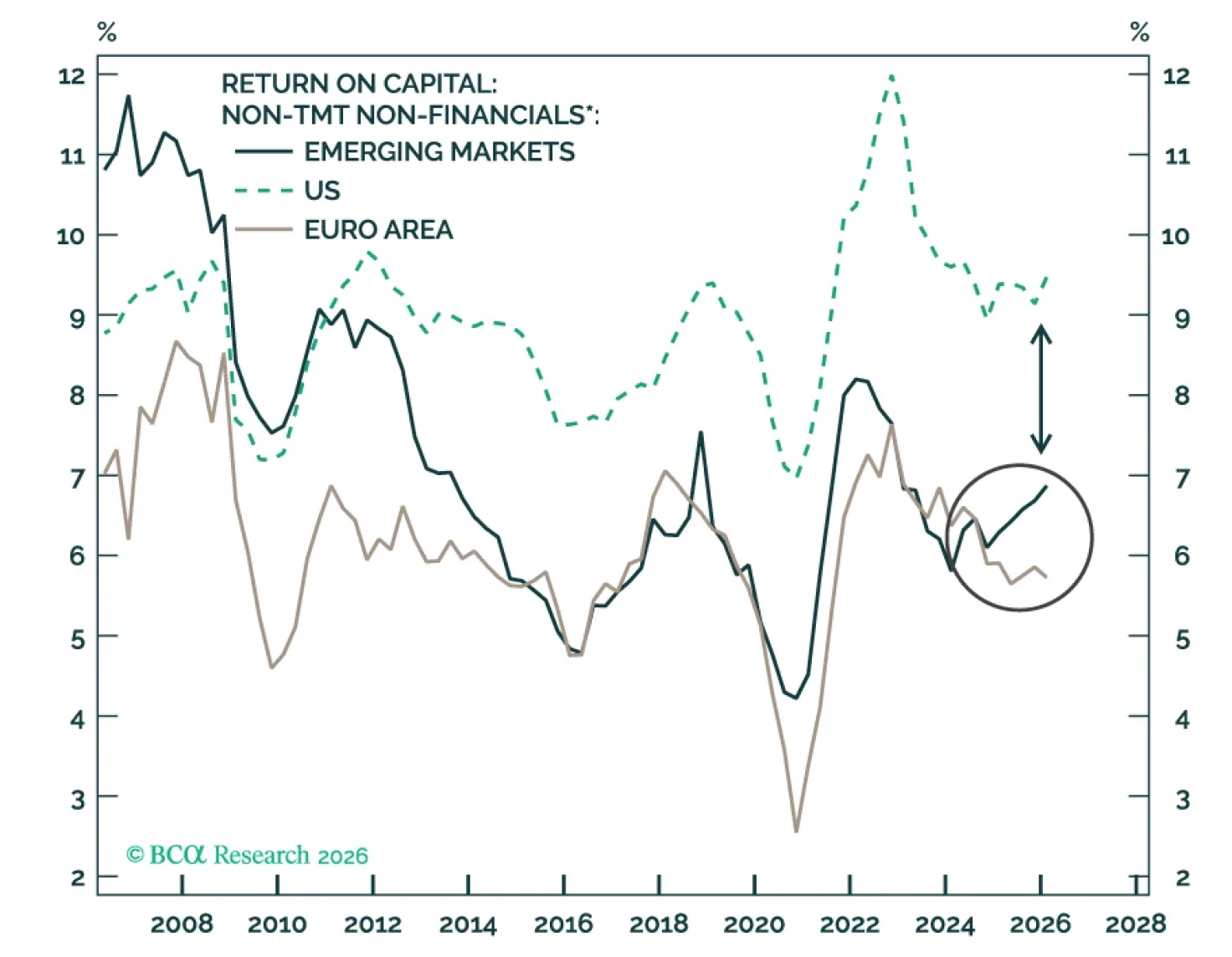
This series brings together five reports on corporate profitability across the US, Europe, Japan, China, and EM. The findings reveal a structurally desynchronized nature between regional corporate profitability. This is critical to alpha generation.