Dishaan Pandey
Research Associate
-
A House Divided: Index Calm Masking Election Risk
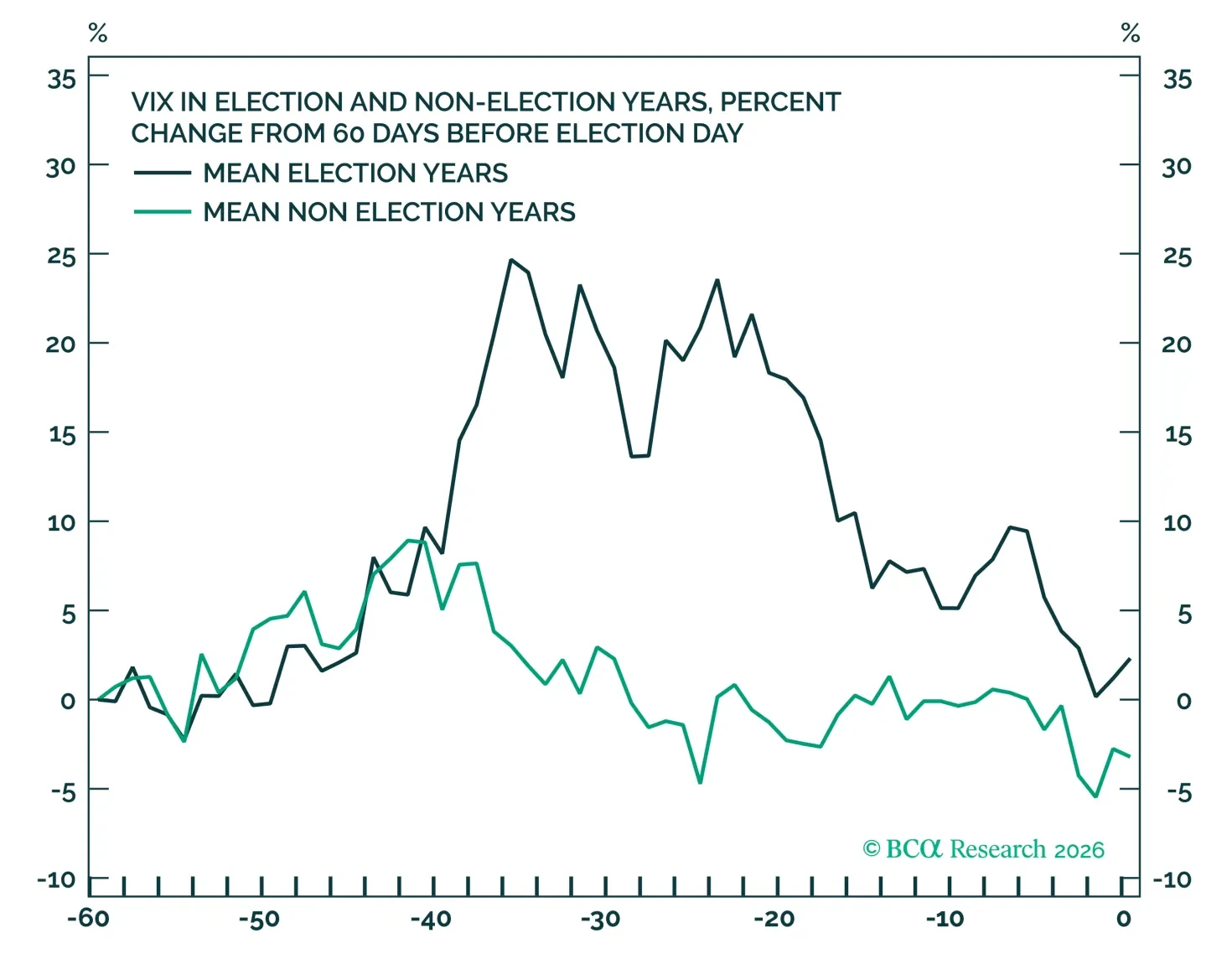
Betting markets give Democrats a 90%-plus chance of flipping the House, but history suggests a midterm flip is business as usual, not a signal for 2028. Volatility measures suggest little of the typical election risk is priced at the index level, but stock-level volatility is elevated, particularly in politically sensitive sectors, and politically exposed stocks are underperforming. Index protection looks inexpensive.
-
IP-Oh No! The Issuance Wave Is Muting Multiples
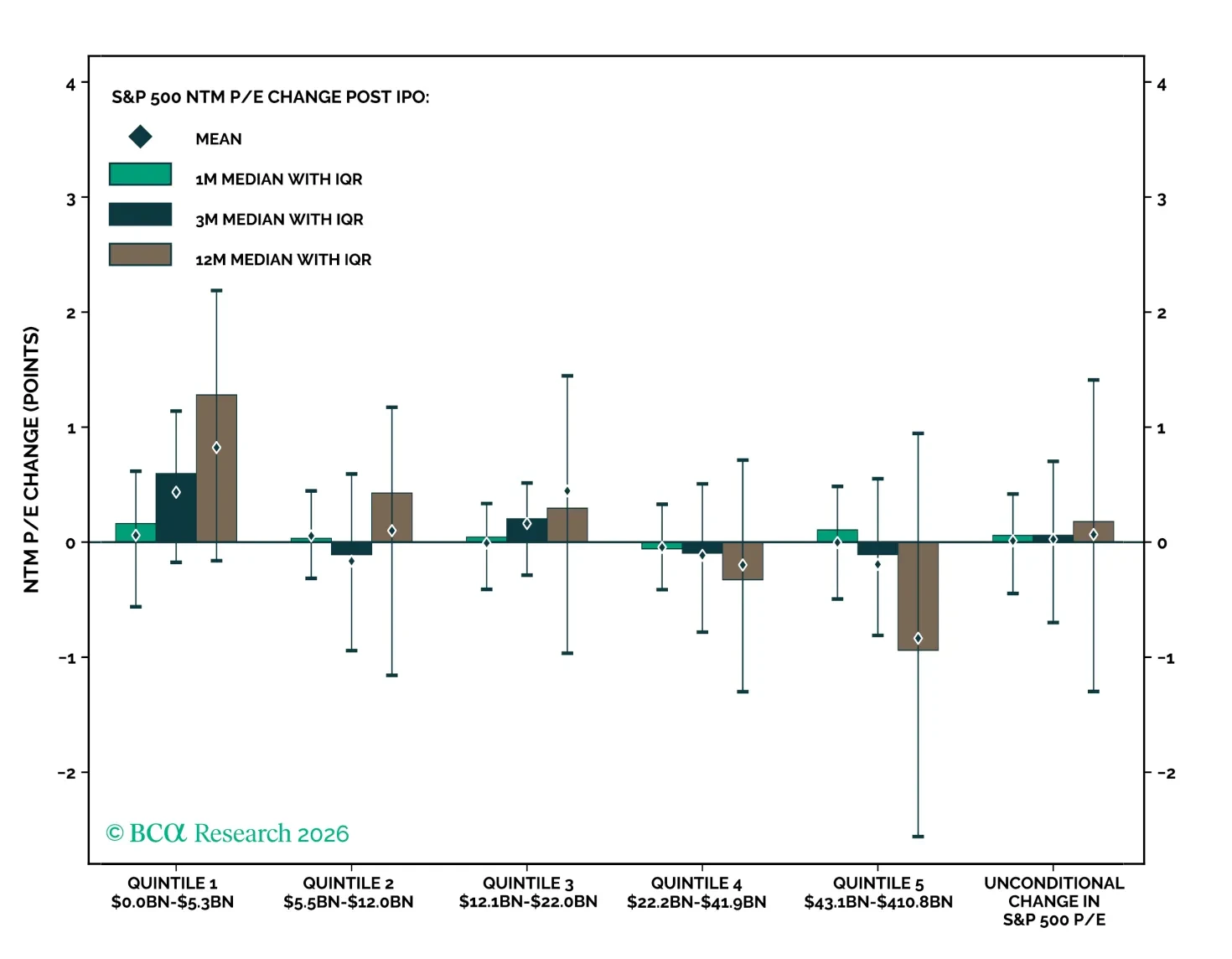
The IPO wave has arrived, dominated by SpaceX’s massive listing. Aftermarket performance has been weak, and elevated issuance is weighing on S&P 500 multiples, although some pressure is already priced. SpaceX remains only partly digested, while Anthropic and OpenAI will bring further supply and greater business model scrutiny.
-
A Time To Build, A Time To Tear Down: Who Is Creating Value In The AI Capex Boom And Who Is Destroying It?
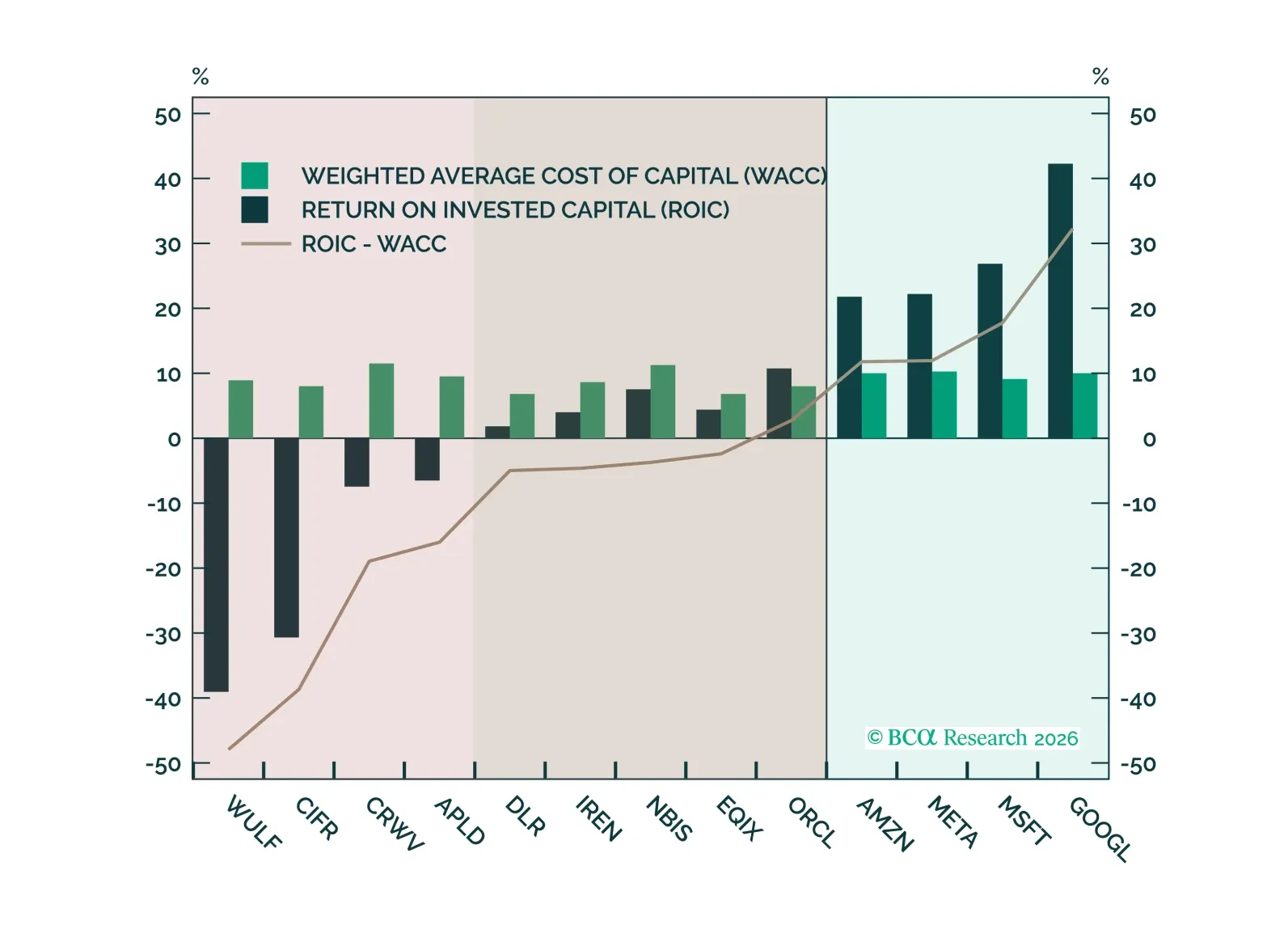
AI demand remains strong, but the capex boom is creating a growing divide within Tech. Hyperscalers combine superior margins, capital efficiency and financing capacity with multiple paths to monetize AI investment. Neoclouds rely more heavily on leverage and scarcity economics, potentially making them more vulnerable should capacity expand and compute pricing normalize.
-
Danger: Yield Curve Ahead
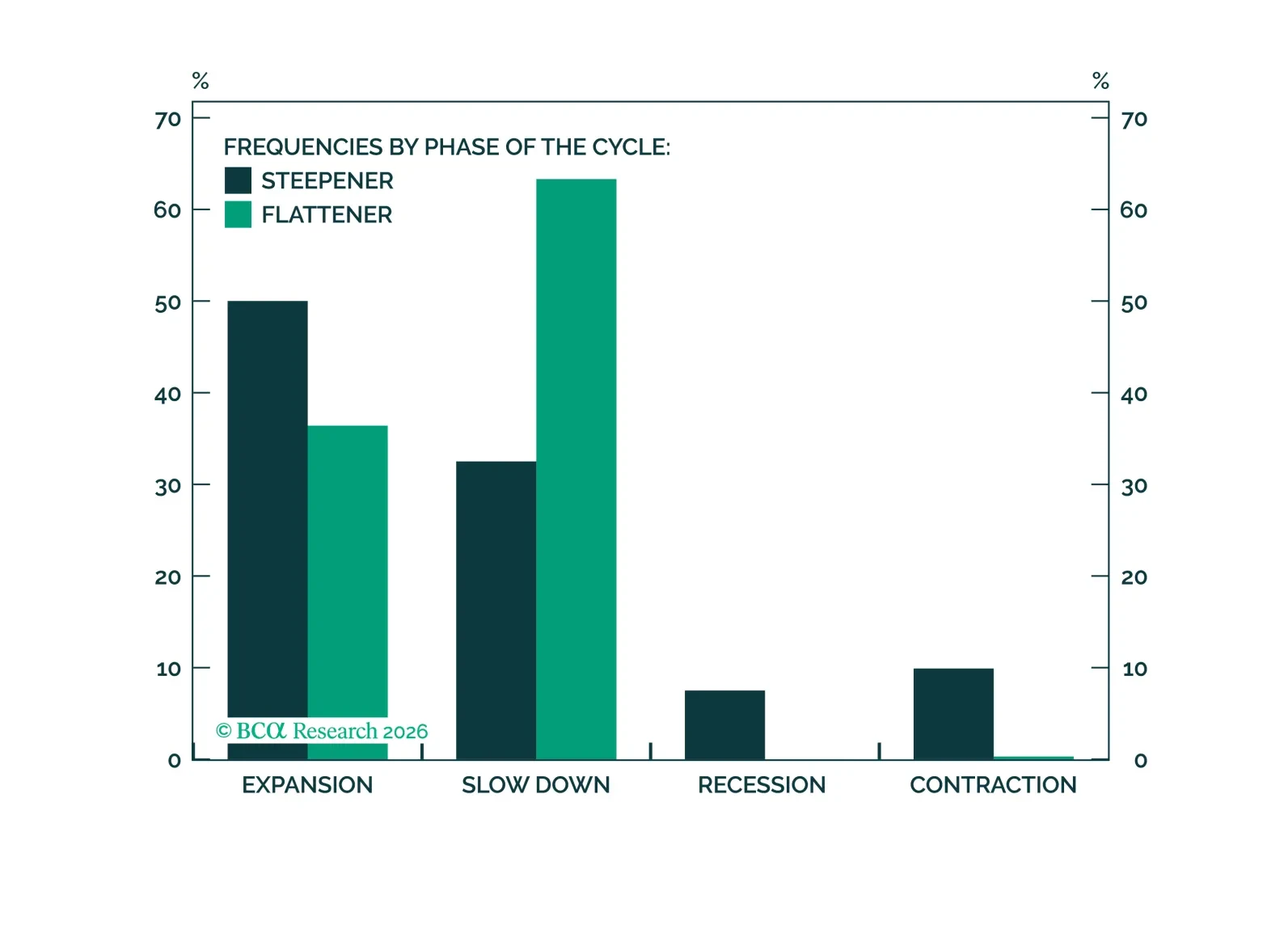
History suggests that the equity impact of rate moves depends heavily on the stock/bond correlation regime, and today’s positive correlation regime leaves the bond market as the main risk to equity multiples.
-
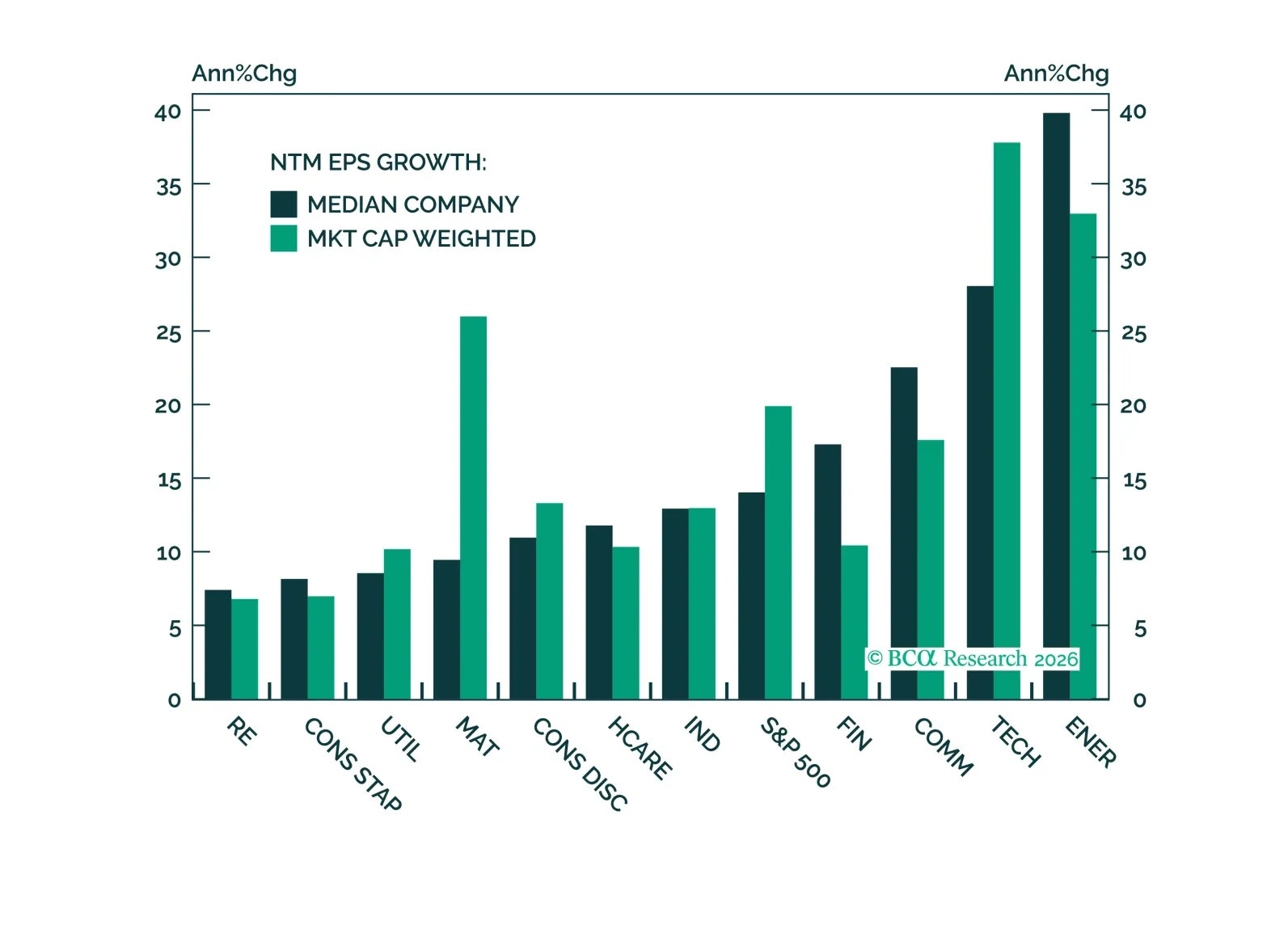
To 8100 And Beyond: Returns Will Need To Be Earned
The economy has shifted into Expansion, earnings growth is broader and stronger than we expected, and we are raising our 2026 S&P 500 target to 8100 on $330 of EPS. However, we are also cutting our year-end multiple to 24.5. From here, returns will need to come from earnings growth, not multiple expansion.
Noah Weisberger, Rishabh Shah, Dishaan Pandey
-
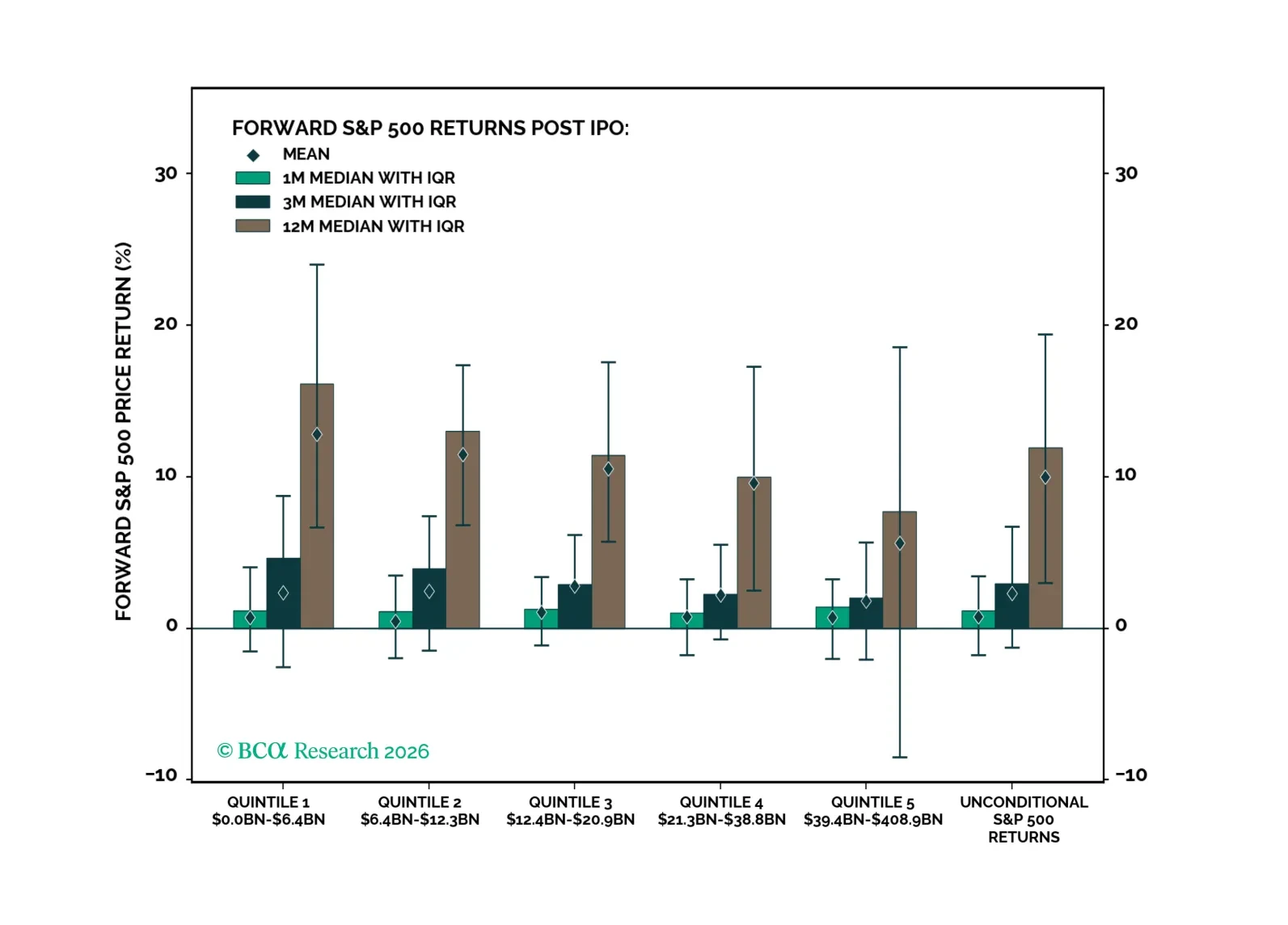
Monster IPOs: Too Big To Float?
Based on 40 years of history and some 12,000 IPOs, the evidence suggests that the coming IPO wave may dampen forward market returns, mute further multiple expansion, and possibly interrupt sector trends. That said, even monster-sized IPOs are unlikely to trigger a sustained bear market: only about 20% of mega-IPOs coincide with market peaks. The bigger risk is AI leadership rotation as new listings dilute scarcity premia in existing winners.
-
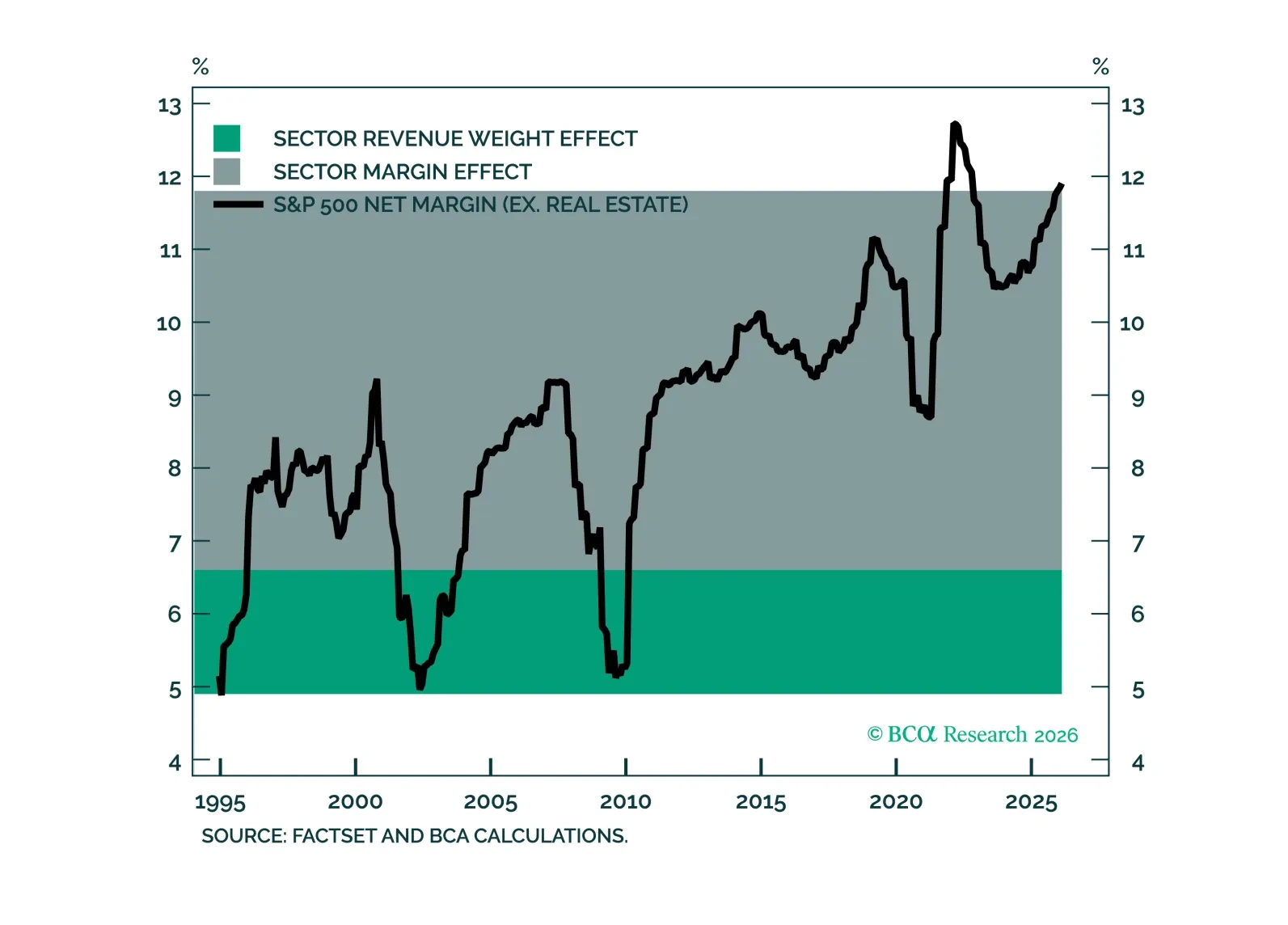
The Great American Profit Machine: What’s Next After 30 Years Of Margin Expansion
The long-run rise in S&P 500 margins reflects more than a shift toward higher-margin sectors. Most of the increase has come from higher profitability within sectors, supported by favorable mix of macro forces. Looking ahead, many of those tailwinds are likely to fade, with AI-driven productivity gains as a potential offsetting upside driver of margins.
-
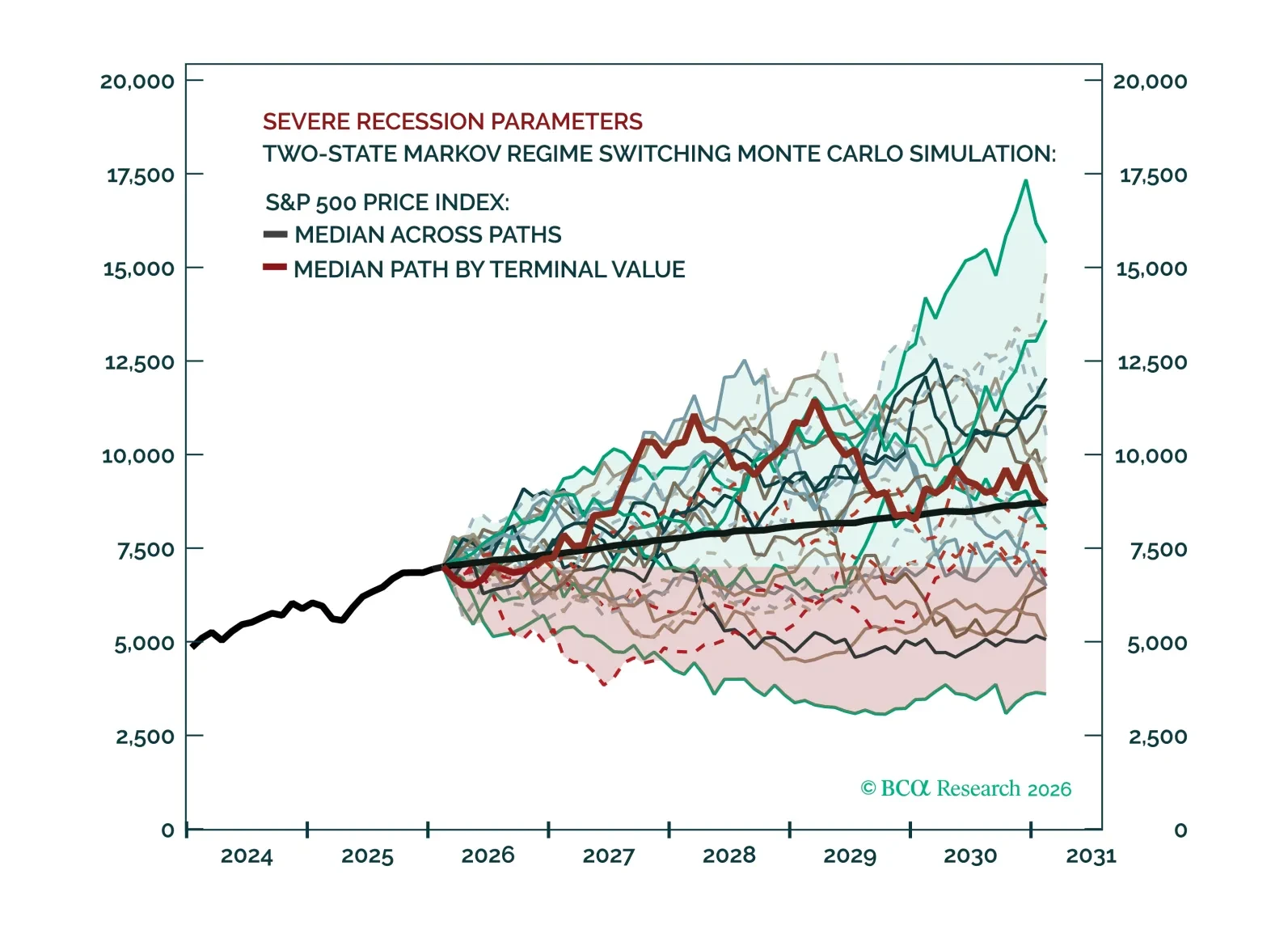
Turn, Turn, Turn: The Fundamental Anatomy of Market Turning Points
Recessions are inevitable but unpredictable. While earnings drive long‑term equity performance through the cycle, around turning points fundamentals follow a predictable sequence: multiples contract first, then prices, then earnings. Recessions can shift sector leadership, but simulations show that medium‑term index‑level upside remains intact unless future downturns are materially more severe than in history.