Sorry, you need to enable JavaScript to visit this website.
Skip to main content

Economy

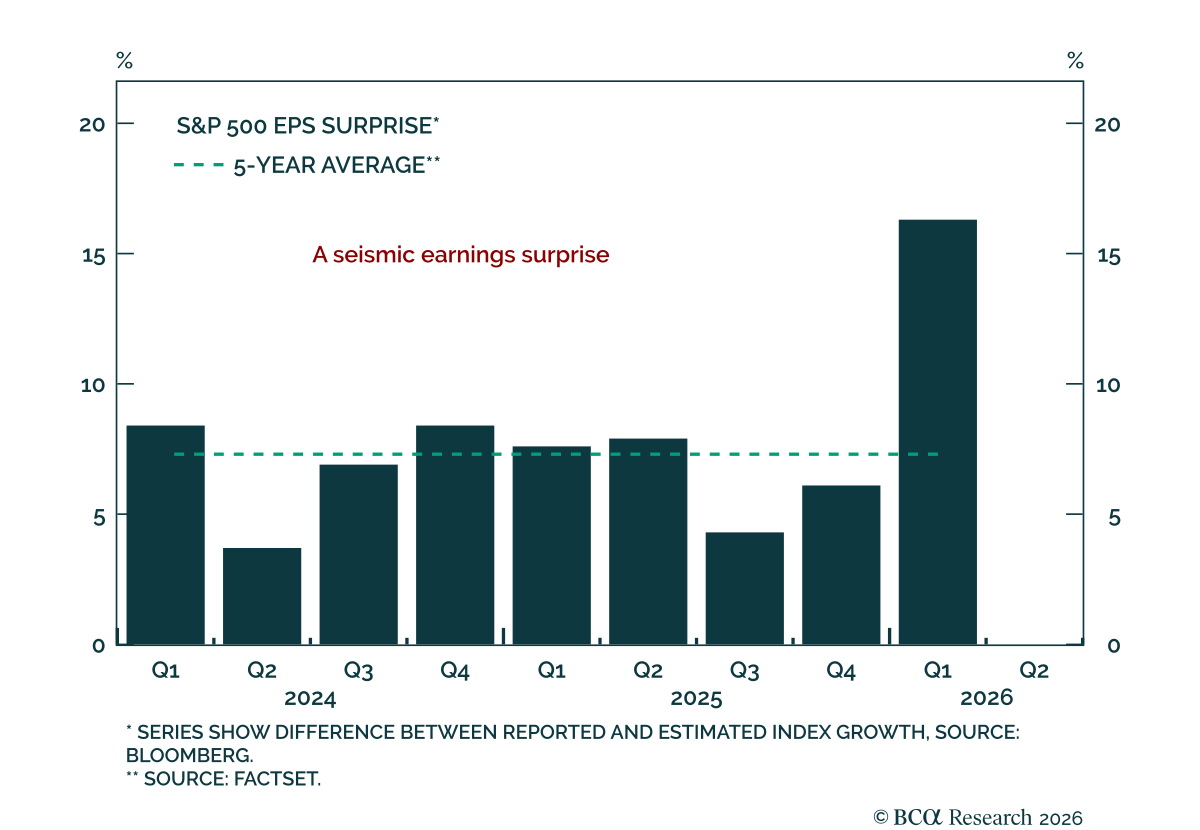
Our US Investment strategists remain constructive on the US economy as there is no evidence of overheating or looming stagflation. The S&P 500 has risen for eight straight weeks, supported by strong earnings. With 94% of constituents reporting, this quarter’s…
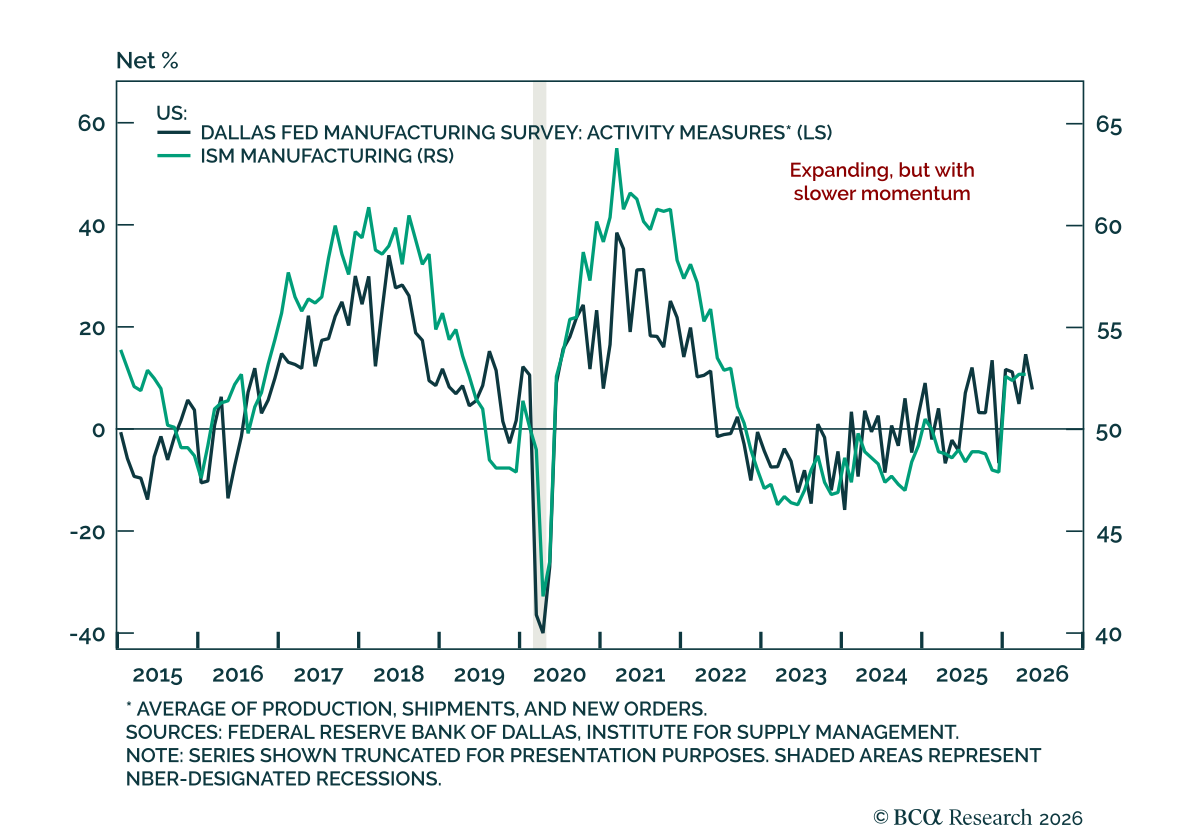
The Dallas Fed survey points to Texas manufacturing continuing to expand in May, but with slowing momentum. The production index fell 10 points to 9.4, signaling an average pace of output growth rather than a broad acceleration. The softer tone showed up…

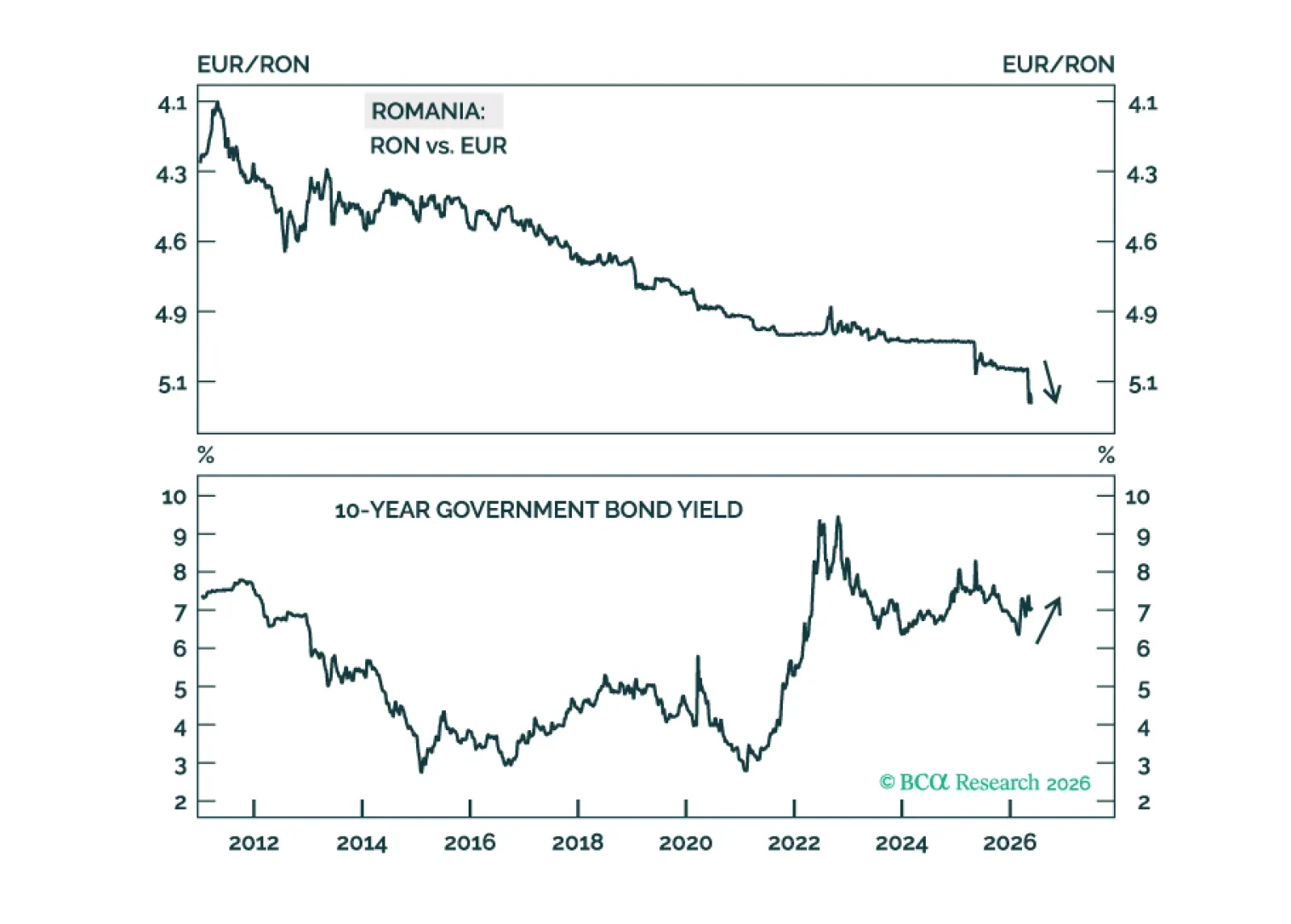
In Romania, large fiscal and current account deficits, high inflation, negative real rates, an overvalued exchange rate, and deteriorating growth point to budding currency devaluation. Investors should short the Romanian currency versus the euro and underweight Romanian local bonds, equities, and sovereign credit.
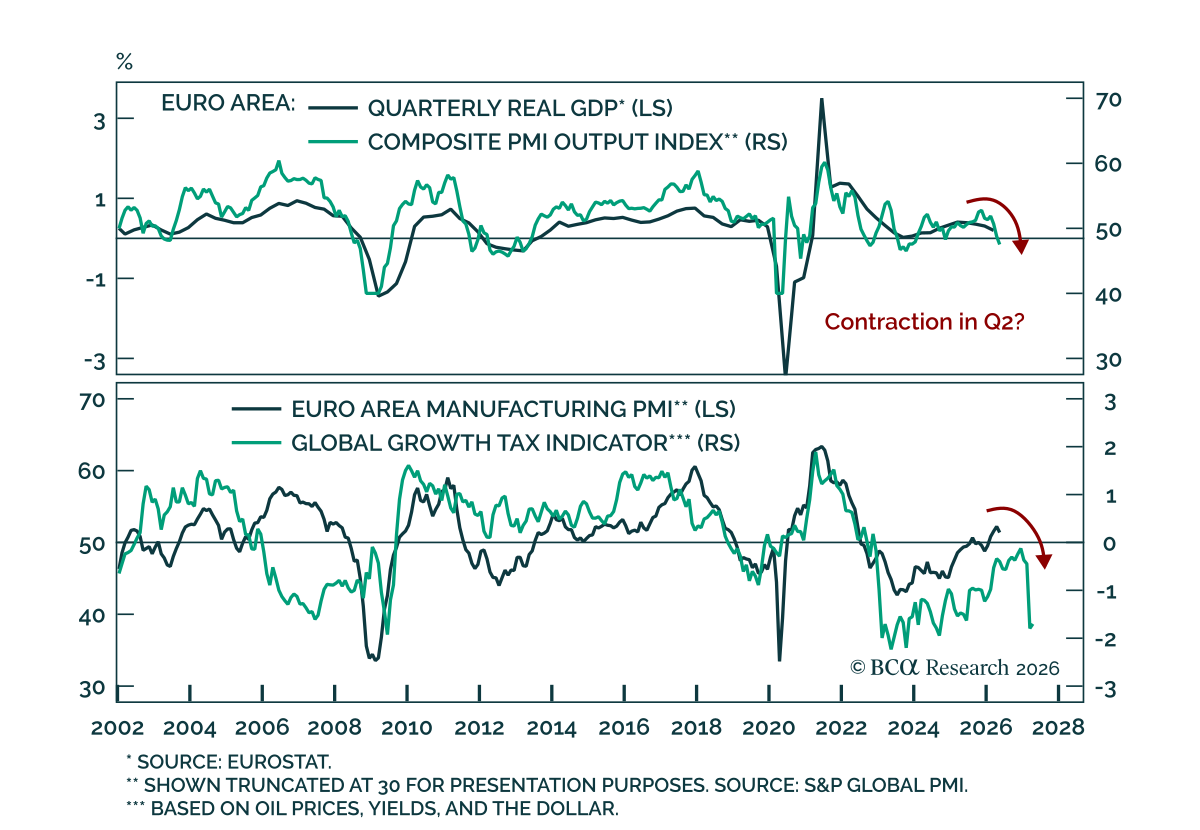
Our European strategists argue Europe is shifting from stagflation toward recession. Growth is weakening rapidly, labor markets are softening, and limited fiscal space leaves the economy exposed to renewed inflationary pressures, especially in food. The…
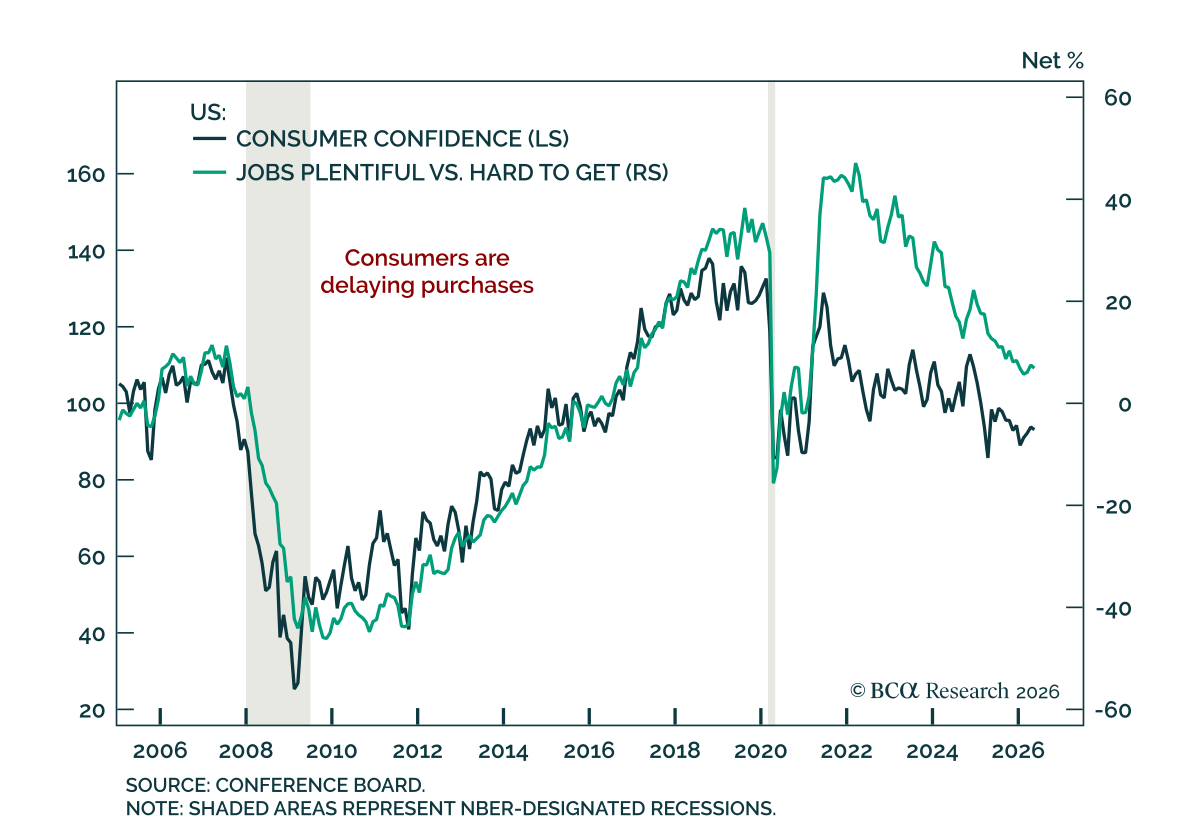
US consumer confidence softened marginally in May as high oil prices kept inflation pressure in focus. The Conference Board Consumer Confidence Index slipped to 93.1 from an upwardly revised 93.8 in April, but still came in slightly above consensus, with…

Against the earnings-versus-everything-else market backdrop, stellar earnings are easily outweighing elevated oil prices, rising yields and the increased probability that the Fed may hike rates before the year is out. US allocators should remain invested in equities.
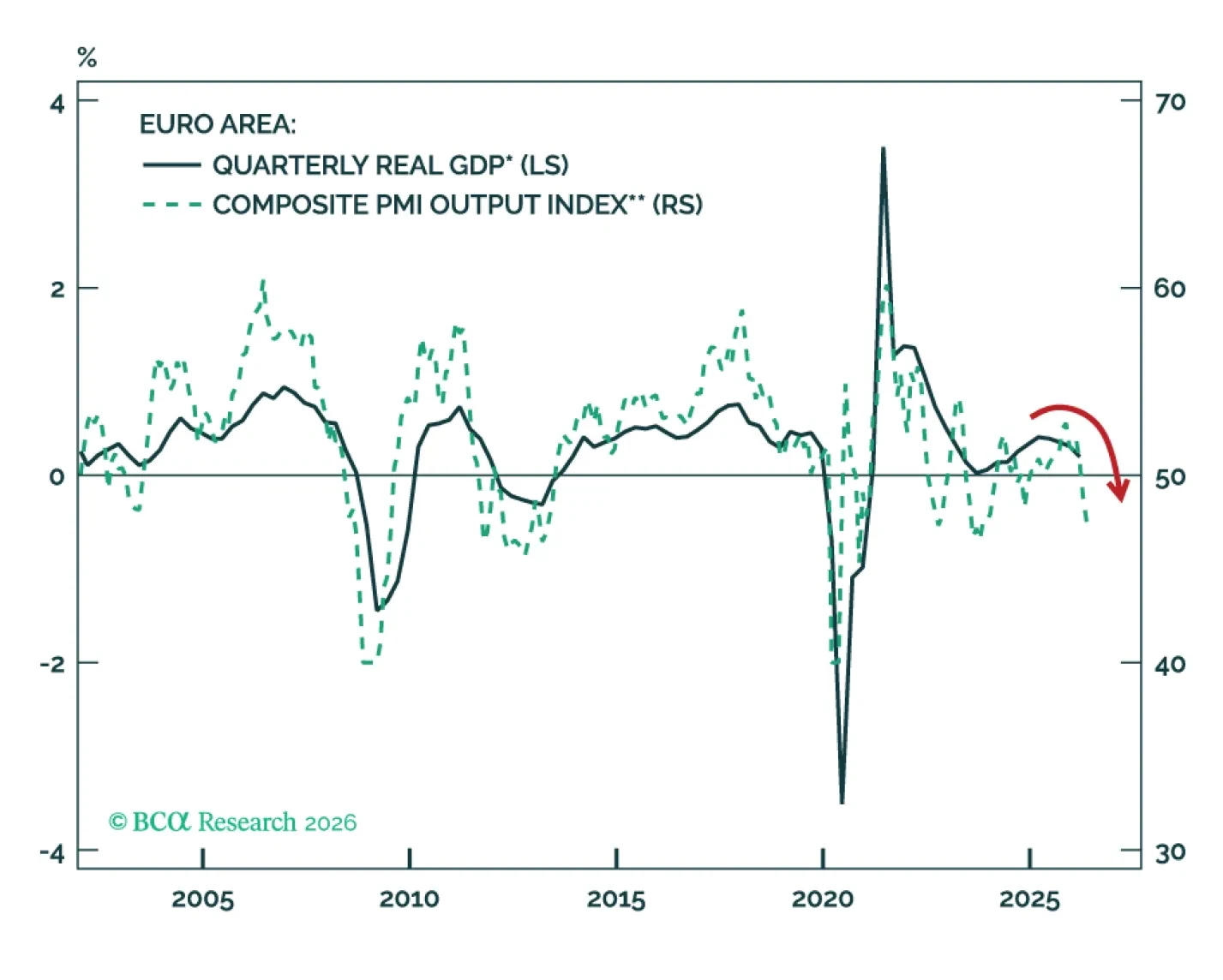
Europe is sliding from stagflation toward recession as prolonged disruptions in the Strait of Hormuz weaken growth, labor markets, and supply chains while keeping inflation elevated. Even if a US-Iran deal is reached, limited fiscal support and rising food inflation leave the Euro Area increasingly vulnerable to a deeper economic downturn.
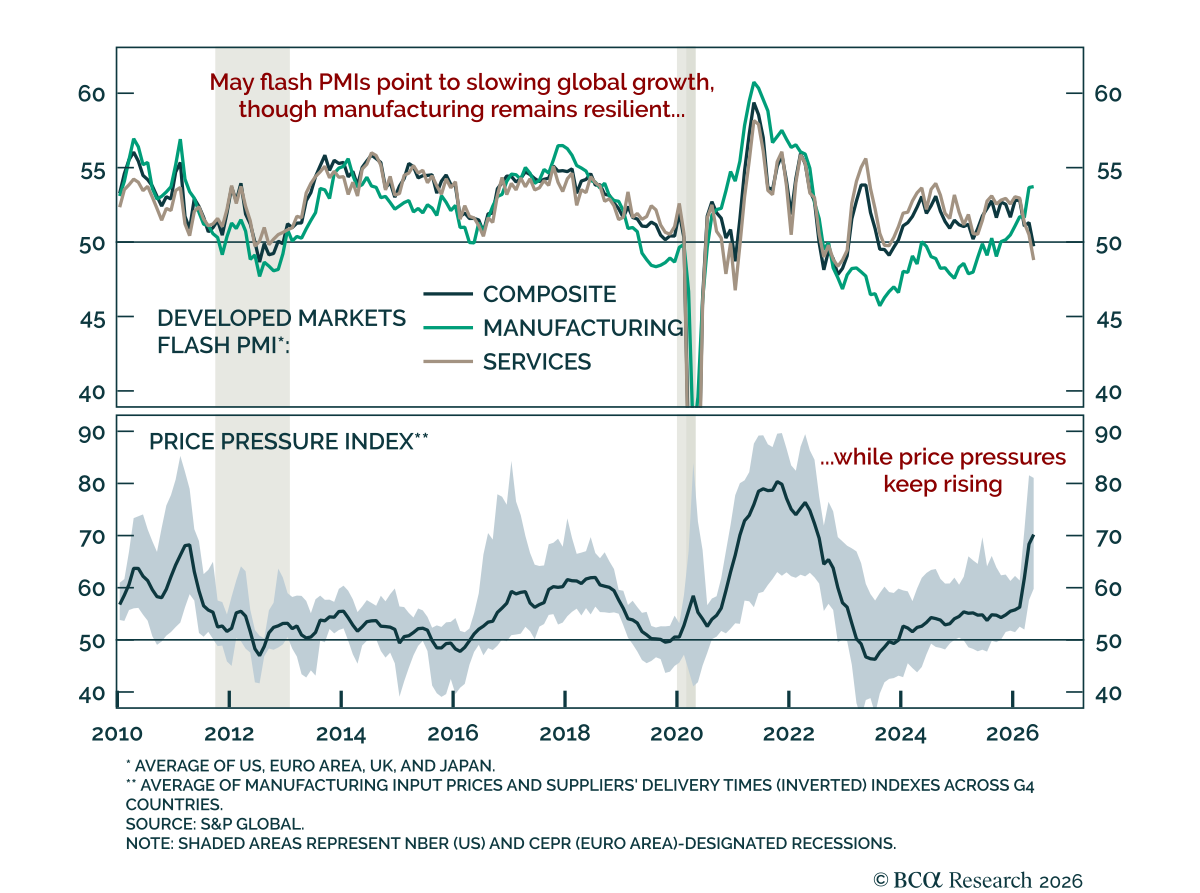
May flash PMIs point to US growth holding up better than the rest of the world. The US composite PMI held steady at 51.7, in line with expectations. Manufacturing rose to 55.3, beating expectations, while services moderated slightly to 50.9. Eurozone PMIs…
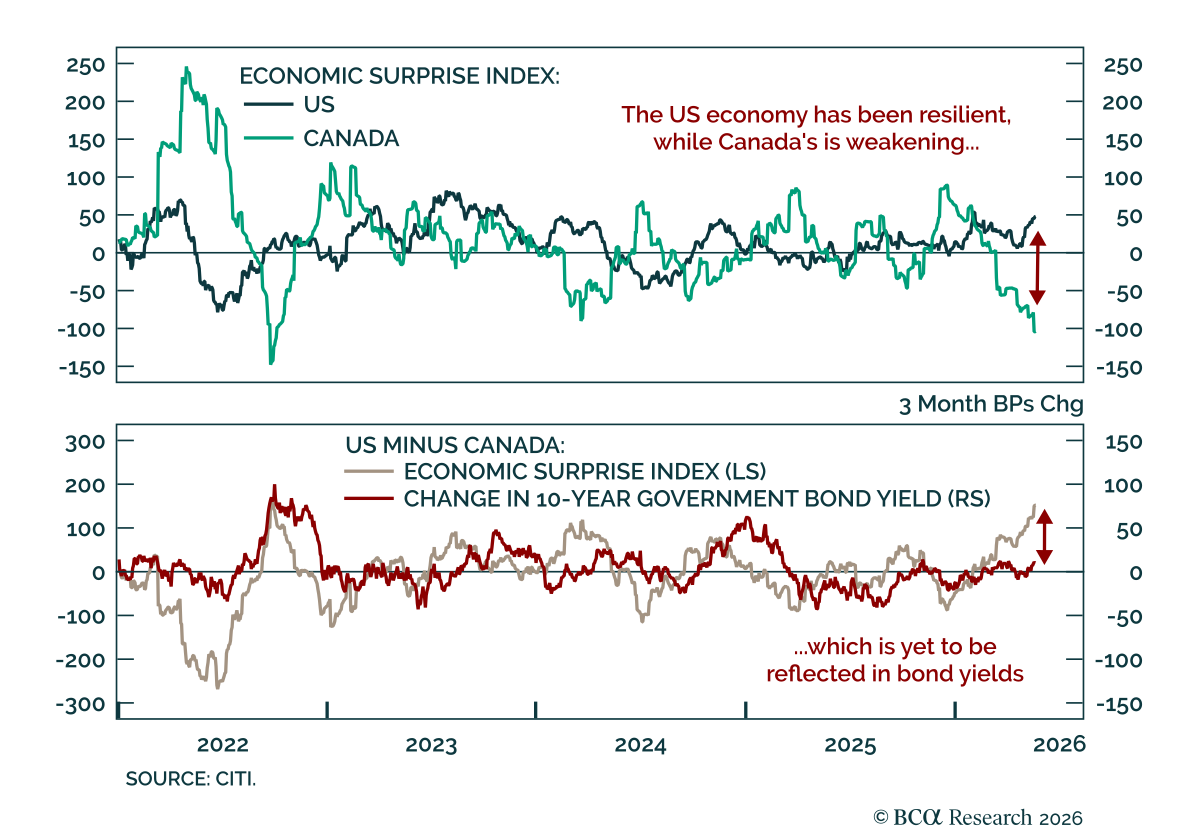
The US and Canada face increasingly different macro backdrops, and that divergence should support Canadian bonds versus Treasuries. US data has stayed resilient, surprising positively and showing growth momentum. Meanwhile, Canadian data has increasingly…
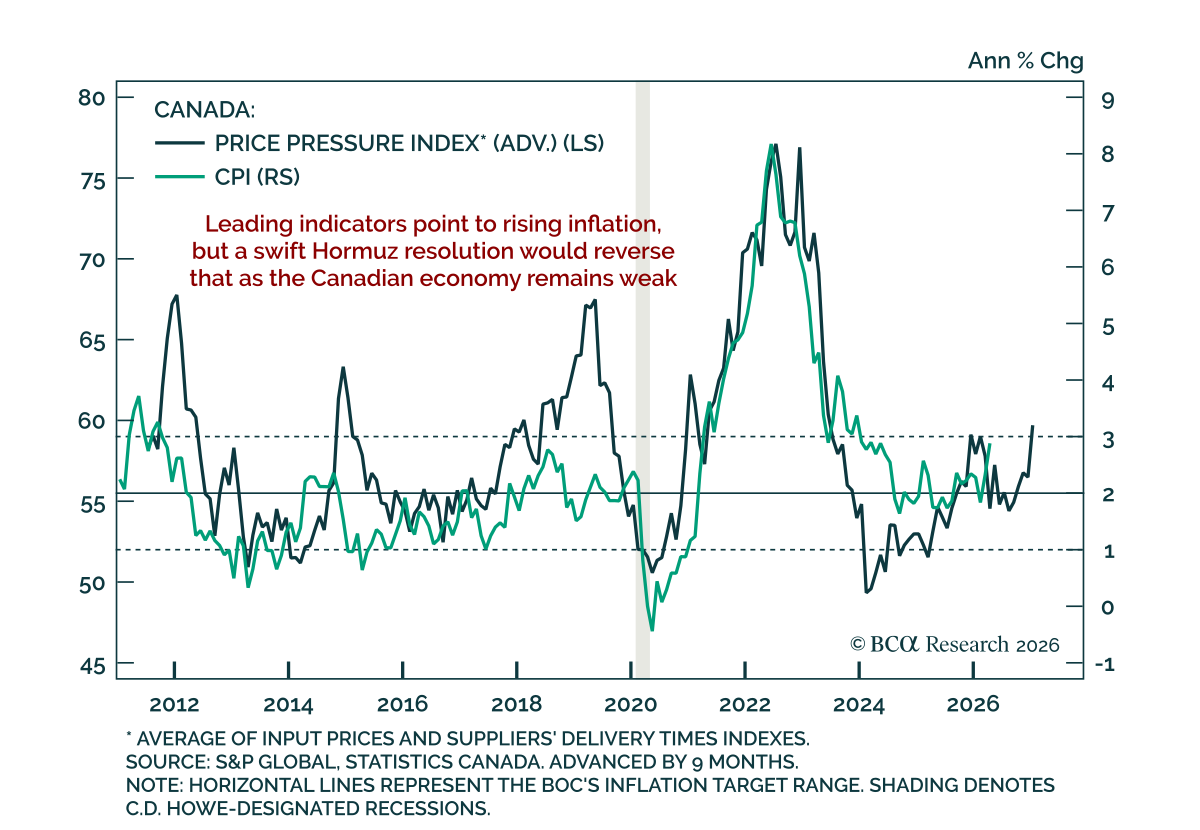
Canadian April inflation came in cooler than estimates, giving the Bank of Canada some reassurance even as headline CPI accelerated. Headline inflation rose to 2.8% y/y from 2.4%, but came in below the 3.1% consensus. Both of the Bank of Canada’s preferred…