Sorry, you need to enable JavaScript to visit this website.
Skip to main content

Economy

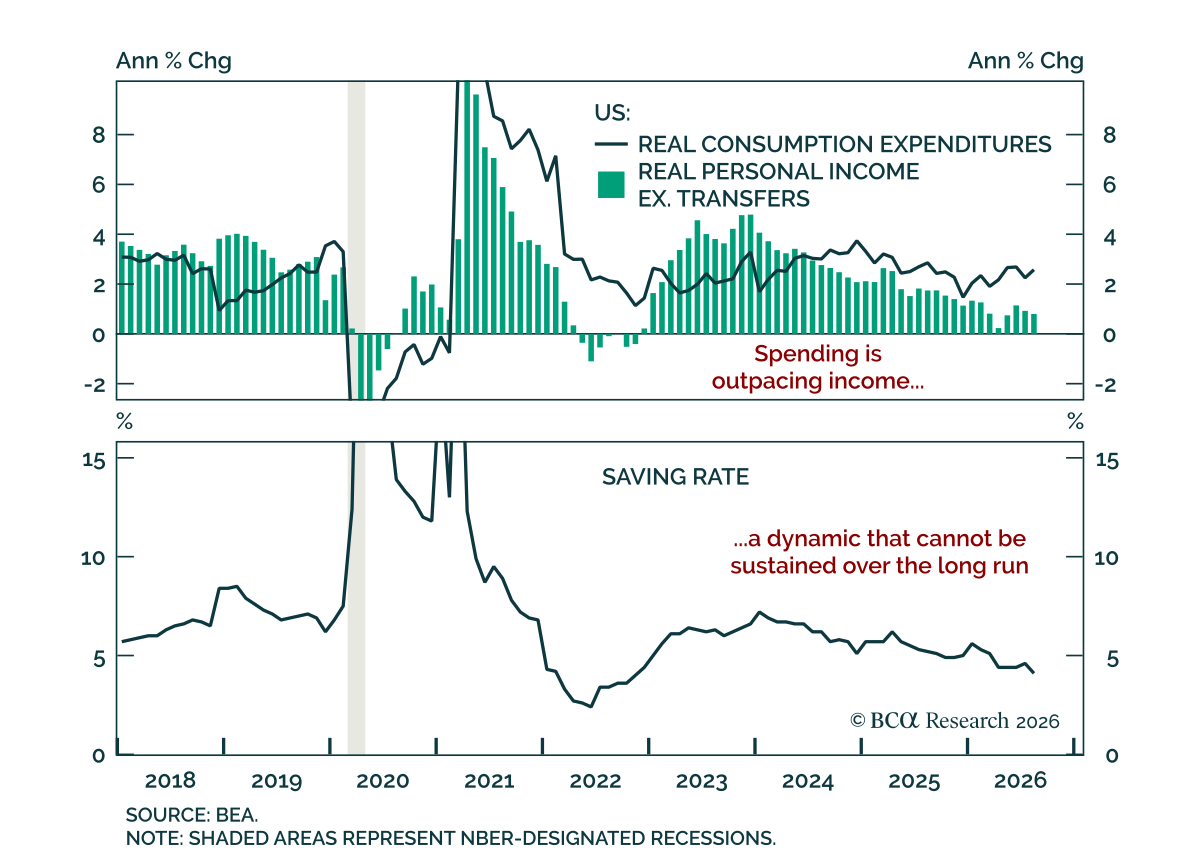
Our US Investment strategists see the US economy as increasingly sensitive to equity market moves and expect aggregate demand to lose momentum when the bull market cools. Income remains the single biggest influence on consumption, but it has ceded ground to…

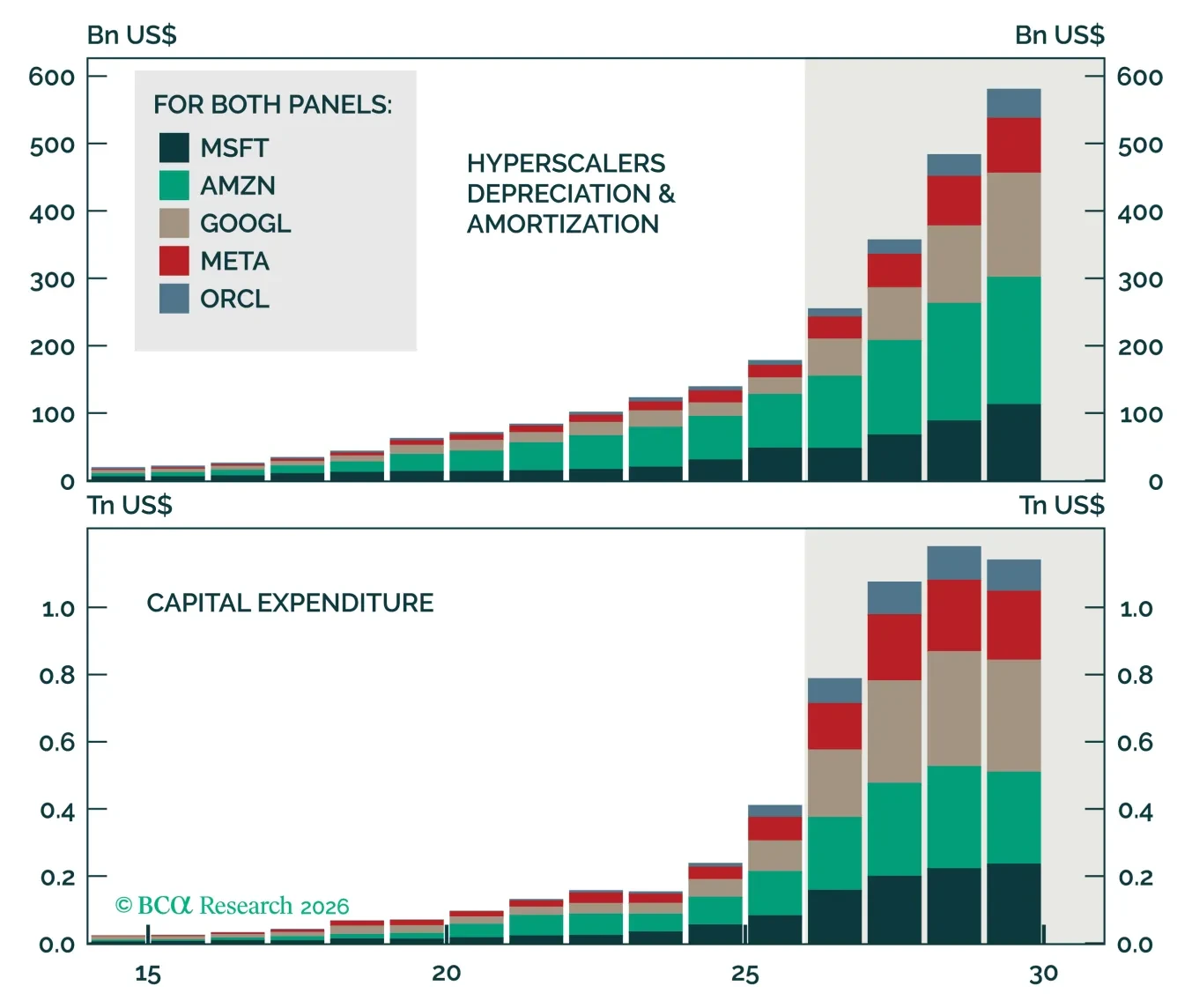
An acute shortage of AI hardware will support tech stocks into year-end. However, AI companies may need to ultimately generate $10 trillion per year in revenue to justify their capex. Barring a massive increase in productivity growth, this will be very difficult to achieve. Despite today’s Treasury announcement of upsized buyback operations, bond yields are likely to remain elevated over the coming months. Rising crack spreads have reduced the demand for crude, which is not encouraging for global growth. On the FX front, recent intervention to support the yen will probably be insufficient, but there is significant long-term upside for the currency.

Special Report

Four decades of robust stock market gains have positioned the equity wealth effect to play a larger role in the business cycle.

Canada’s recent run of better data is unlikely to last, as leading indicators remain sluggish and financial conditions have tightened. Economic data have outperformed expectations, particularly recent jobs reports. However, Canada exhibits the same broad…

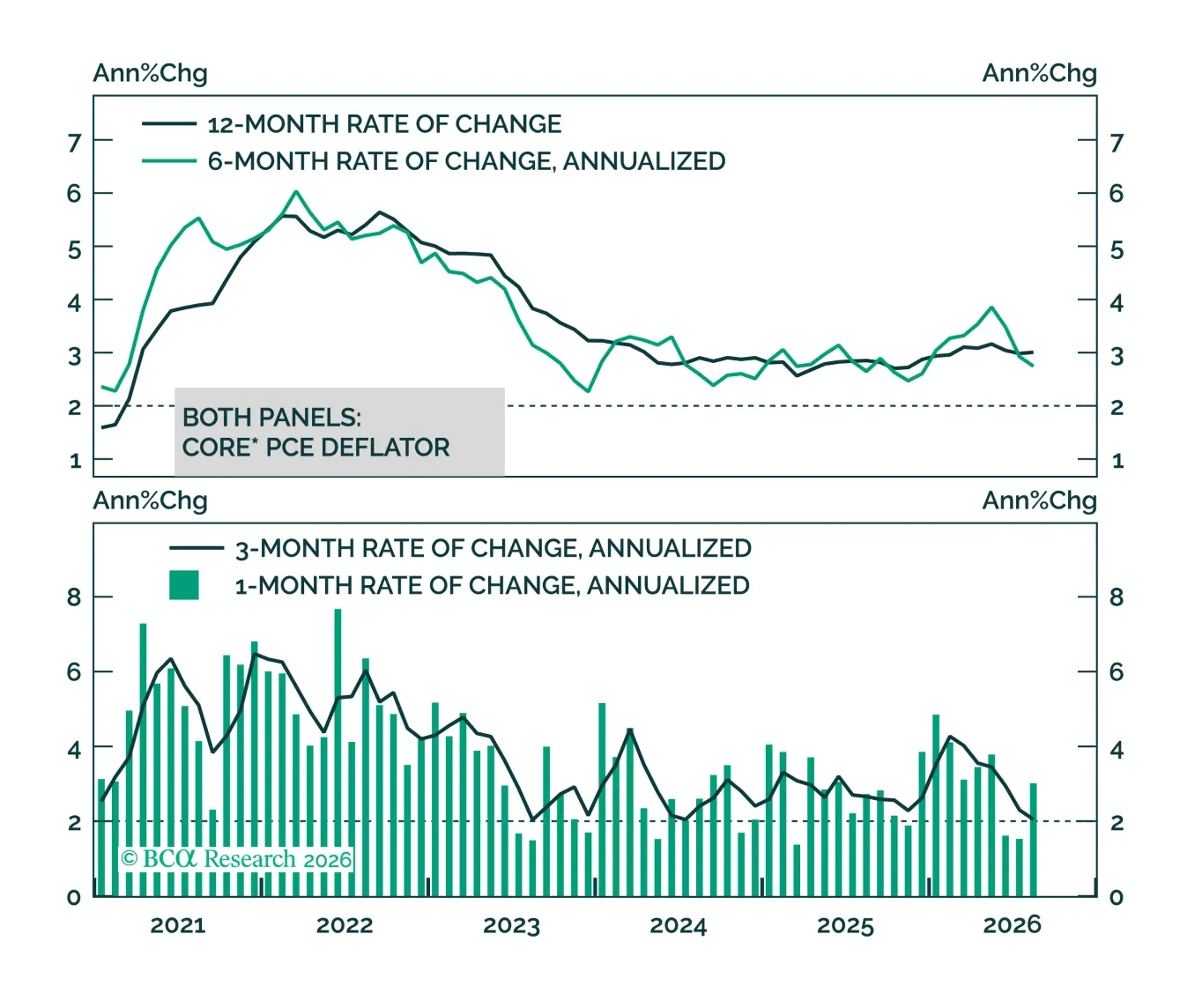
July’s CPI reading was low enough to keep the Fed on hold for now, but near-term upside inflation risks remain.

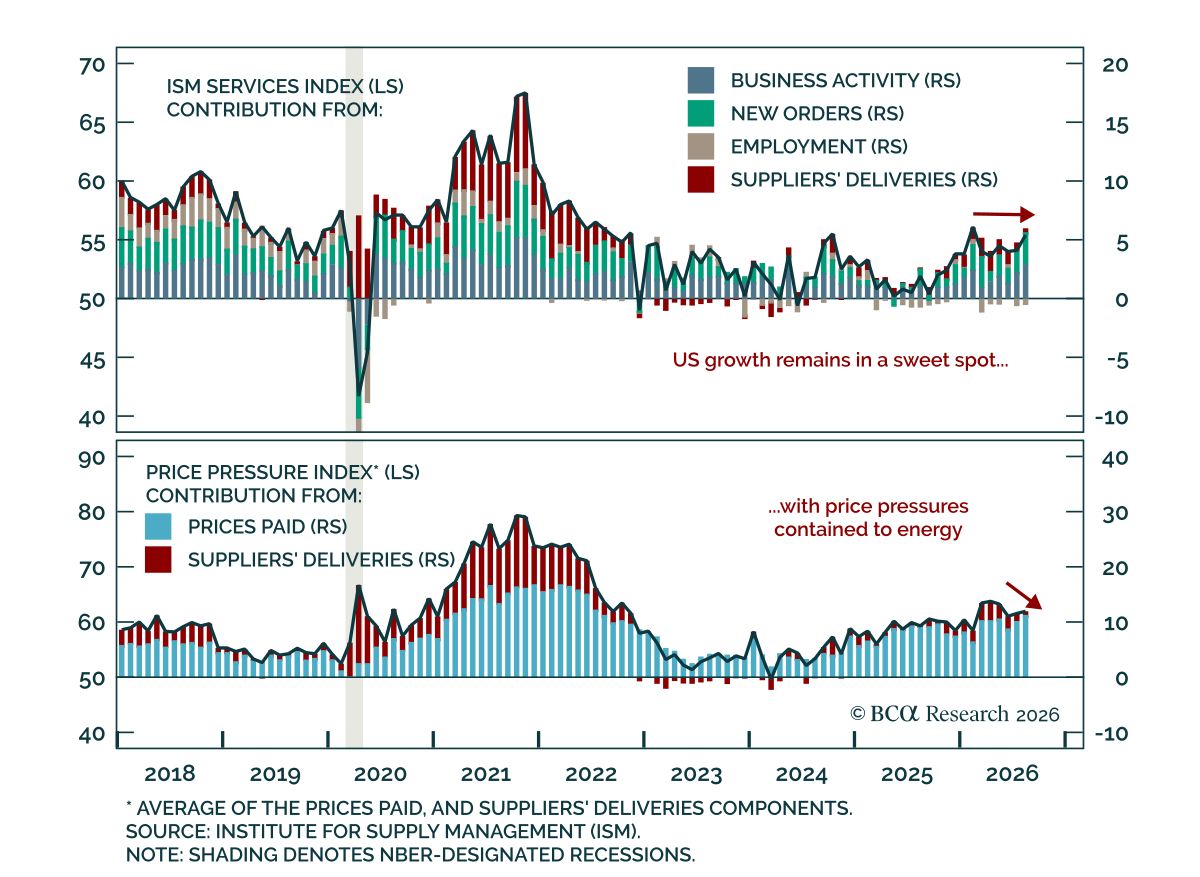
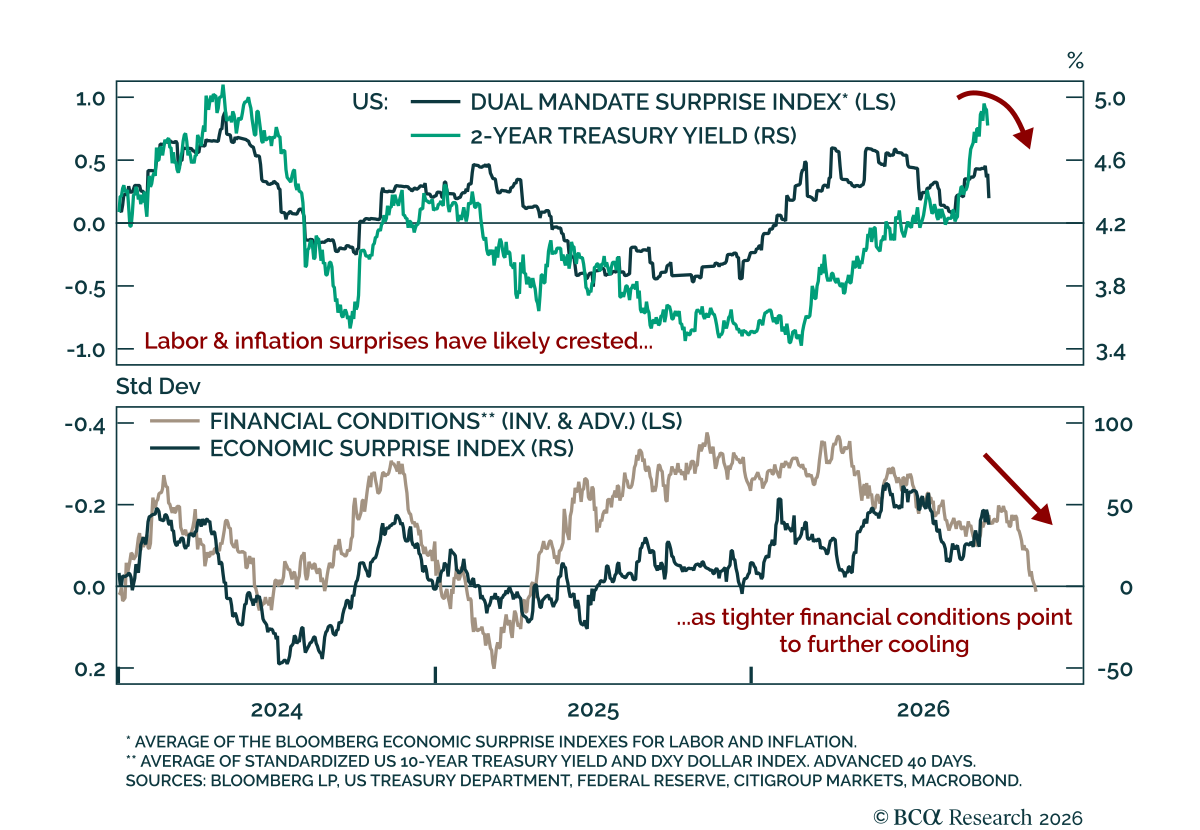
US economic resilience supports staying tactically overweight equities relative to bonds, but equity investors should prioritize quality when expressing cyclical exposure. Our tactical framework focuses on the reflexive loop between economic surprises and…
The July NFIB report was stronger than consensus, yet its labor signals are not convincing enough to suggest renewed inflation pressure. The Small Business Optimism Index rose to 99.8 from 97.4, driven by better expectations. Capex and hiring intentions…
The July Eco Watchers Survey confirms Japan’s strong economic momentum, while nascent overheating keeps pressure on the BoJ. The survey’s current conditions component beat estimates, rising to 45.7 from 44.0. The outlook component was slightly below estimates…
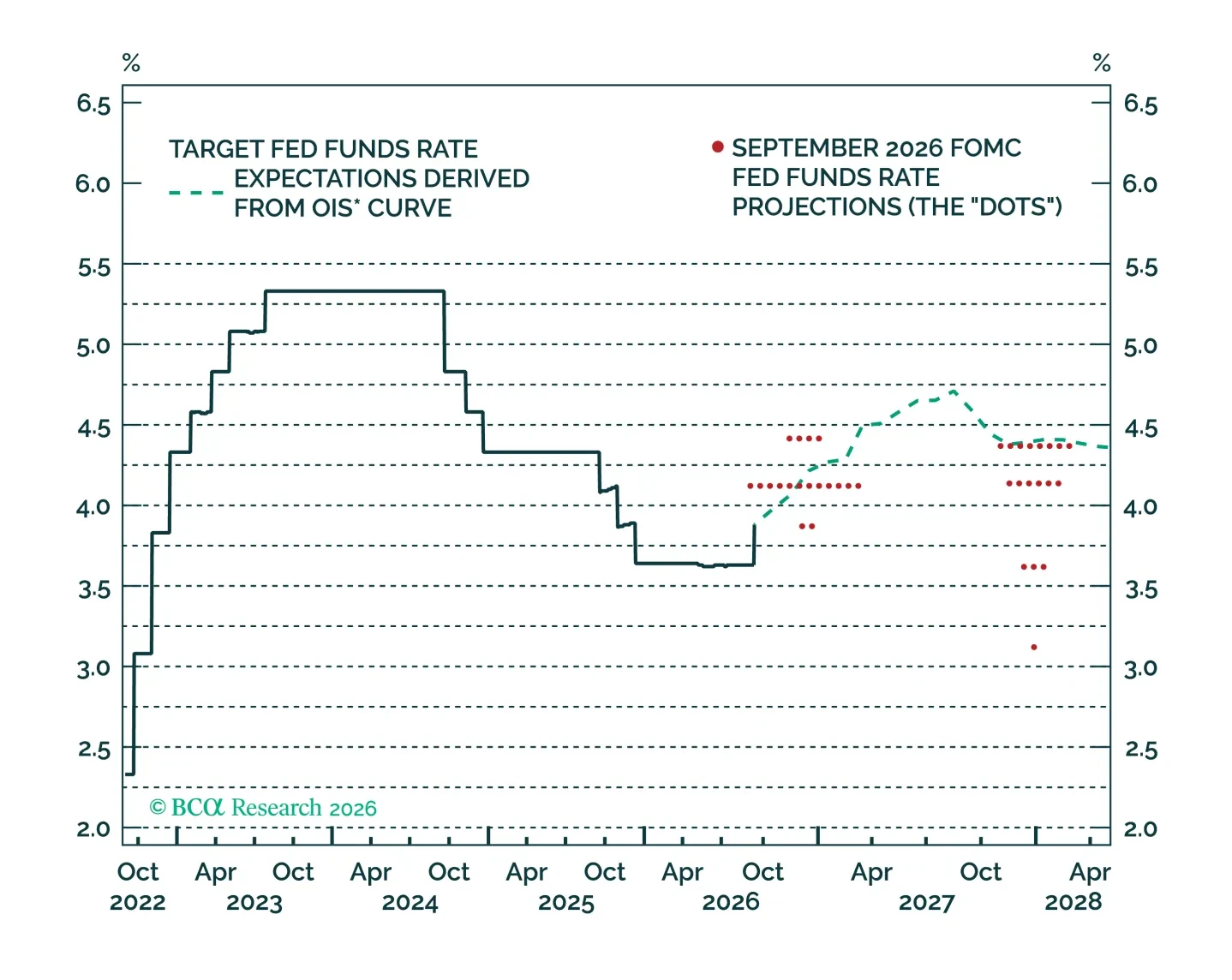
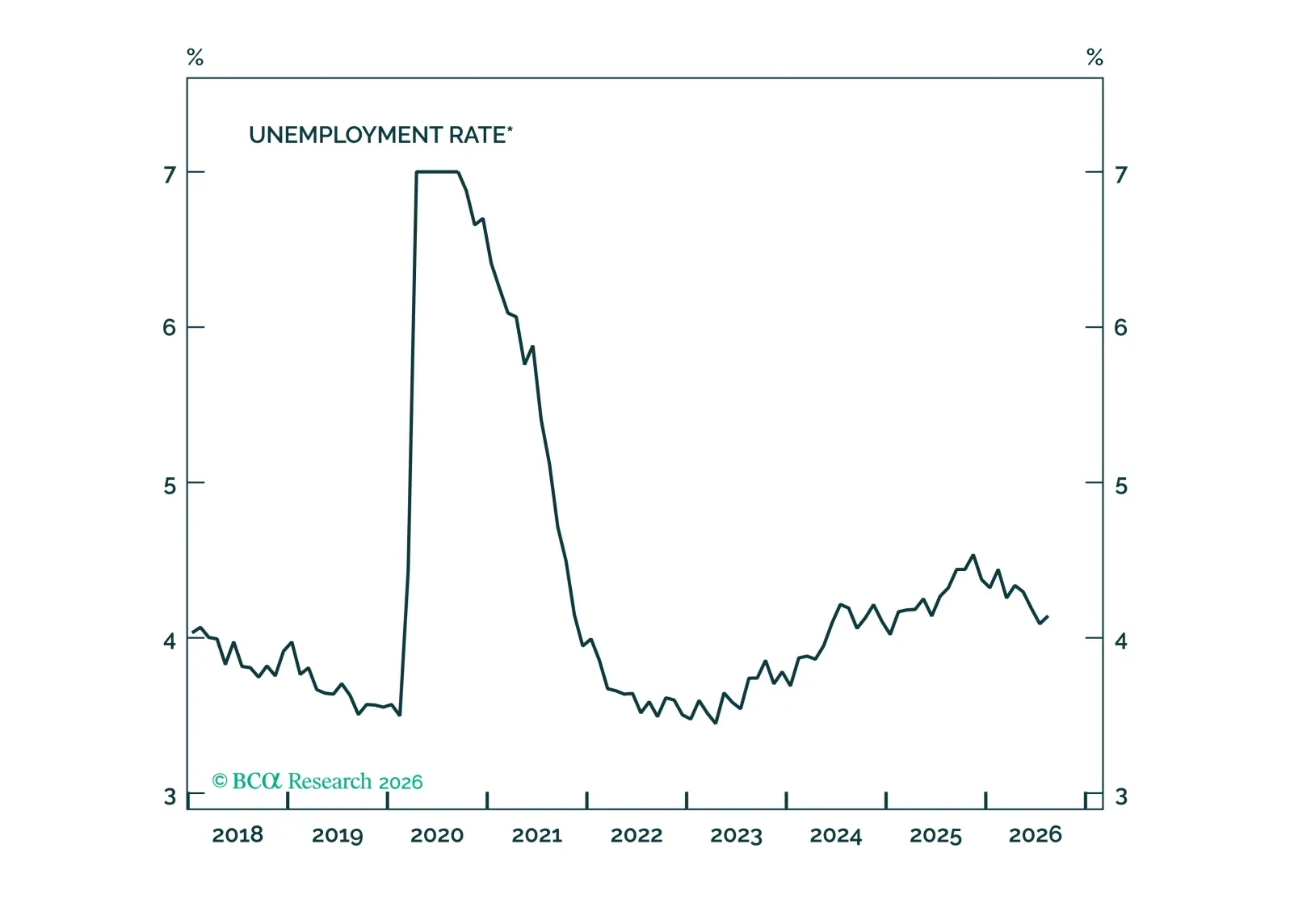
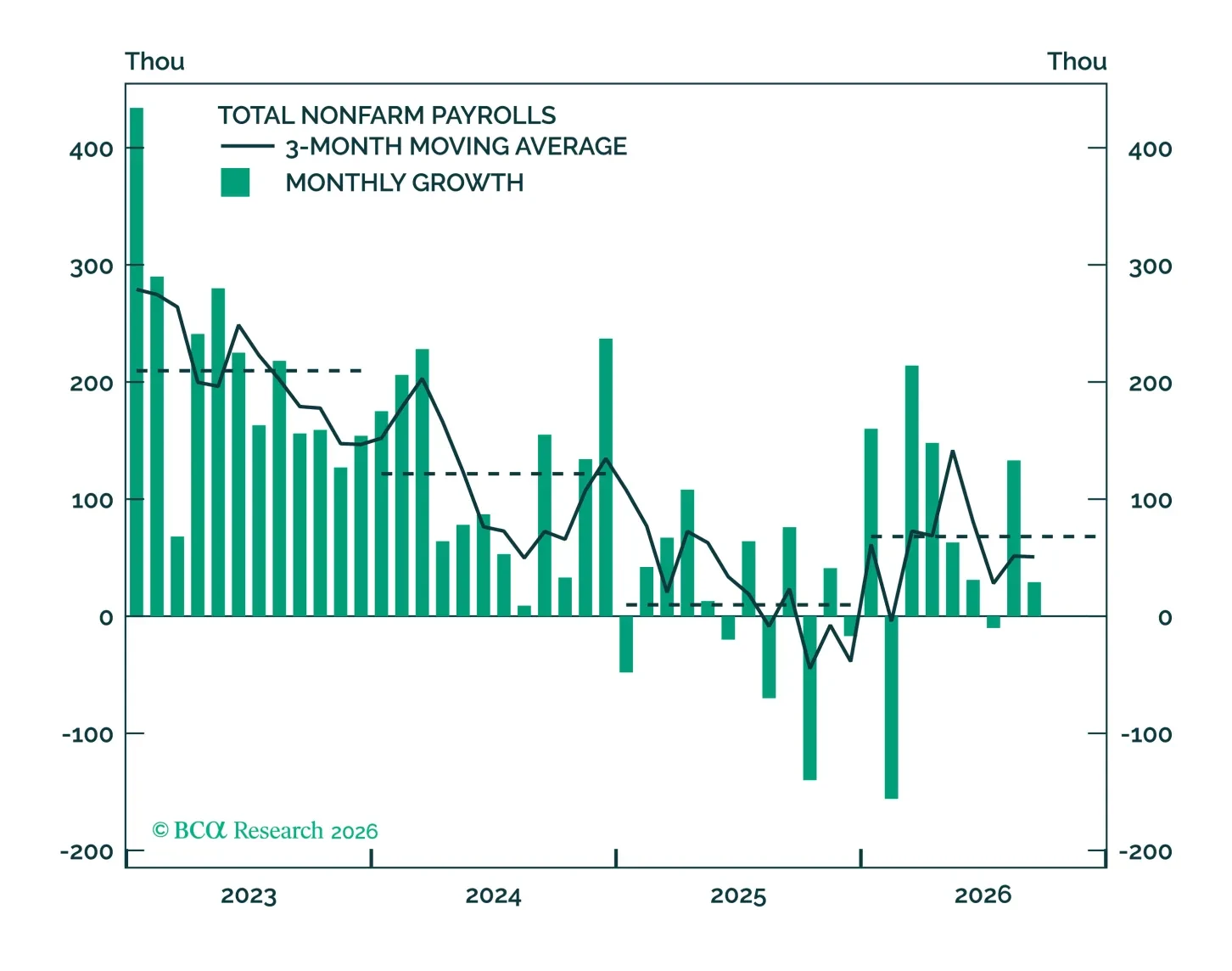
The evidence is increasingly clear that swings in labor supply, mostly related to immigration enforcement policy, have been the primary driver of nonfarm payroll growth during the past two years.This remained true in the July report which showed declines in both nonfarm employment (-23k) and the unemployment rate (from 4.19% to 4.09%). The driver of both moves was a 264k drop in the size of the labor force.When labor supply is this volatile, we should downplay measures of job growth and pay more attention to measures of labor market utilization.Measures of labor market utilization look broadly stable. The unemployment rate is trending down, but the prime-age (25-54) employment-to-population ratio has weakened, and the numbers of marginally attached and involuntary part-time workers are rising.We don’t think this morning’s jobs report reduces the odds of a September rate hike which, in our view, remain high. Next week’s July core CPI report will be a more important driver of near-term Fed policy.Please click here to access our US Labor Market Chartpack for more details on US employment trends. 
Special Report

China does not produce too much. It spends too little. The only viable way for China to reduce investment without raising unemployment is by lowering national savings. Doing so is likely to be politically challenging, however. This suggests that China will suffer from subpar growth and deflationary pressures for the foreseeable future.