 GeoMacro
A blend of geopolitics and macro, synthesizing the new and old macro to generate alpha and identify the beta through probability-weighted market views.
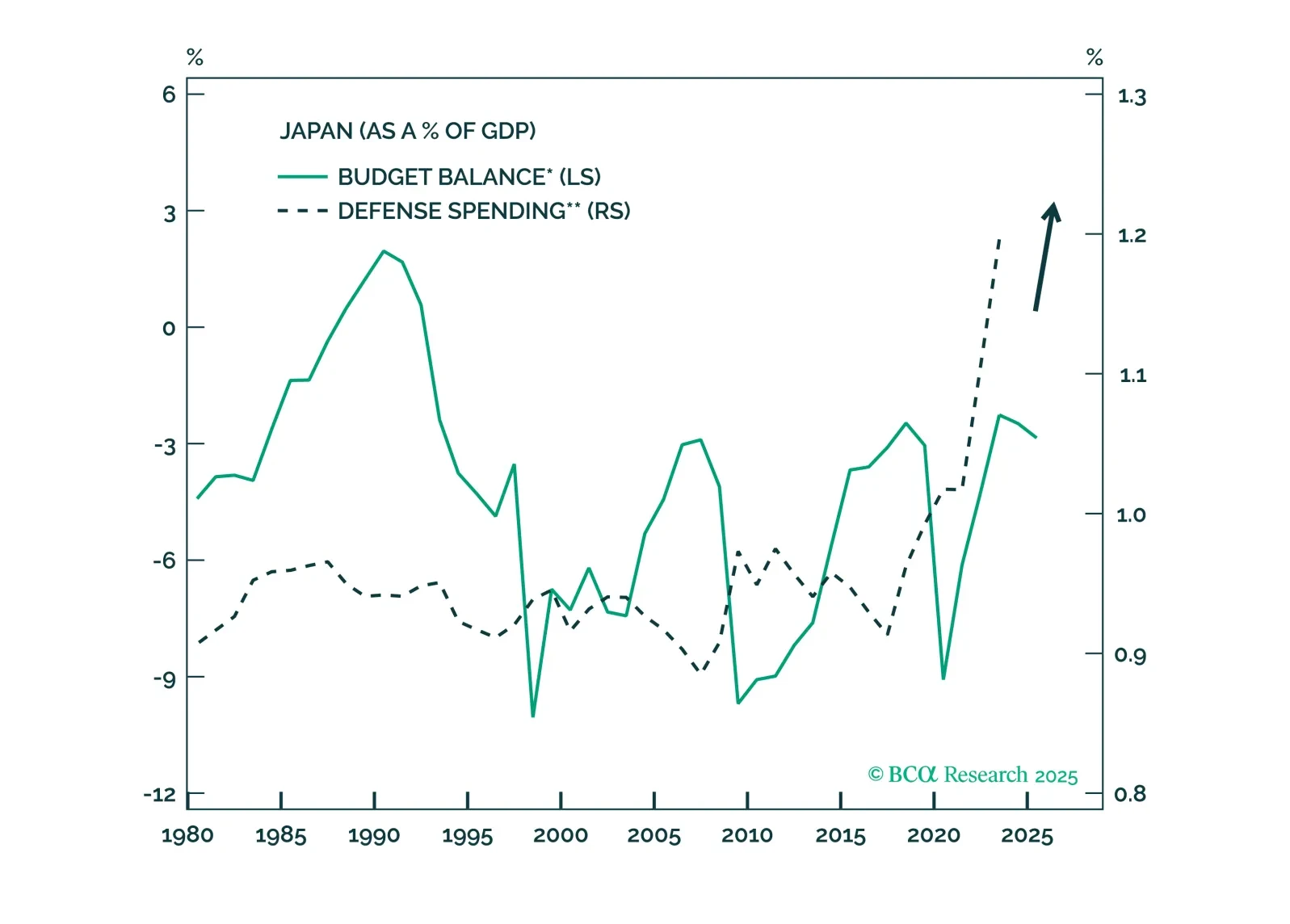
A world of political churn favors safe havens — buy yen, stay overweight US stocks, and avoid chasing the fragile rally in China.
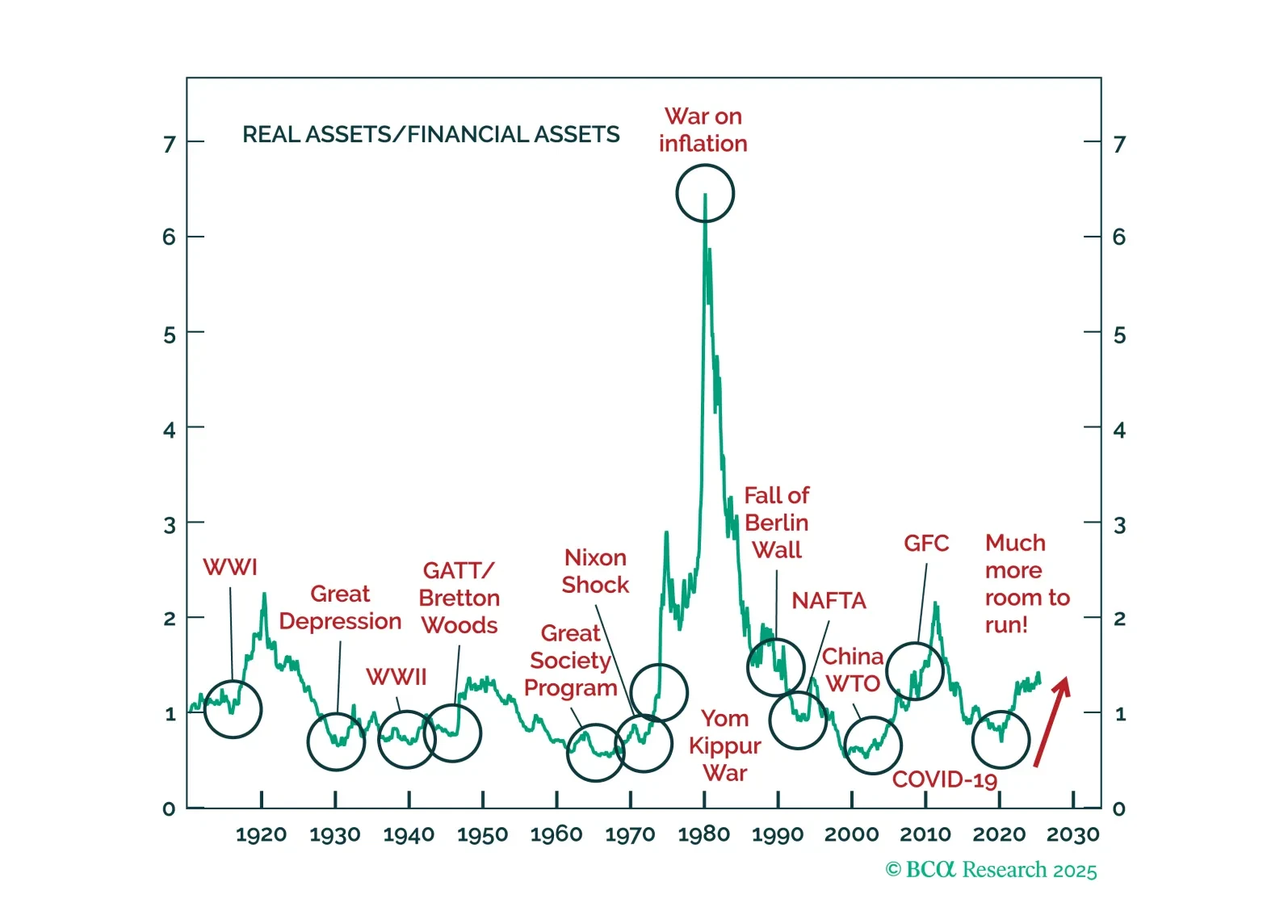
We remain bullish both bonds and equities, but conviction is falling. We are Luddites when it comes to the AI theme, but we have followed it regardless. A bubble is a bubble, not to be shorted. Yet Europe’s weak AI returns reveal 2025’s real story: the fall of King Dollar.
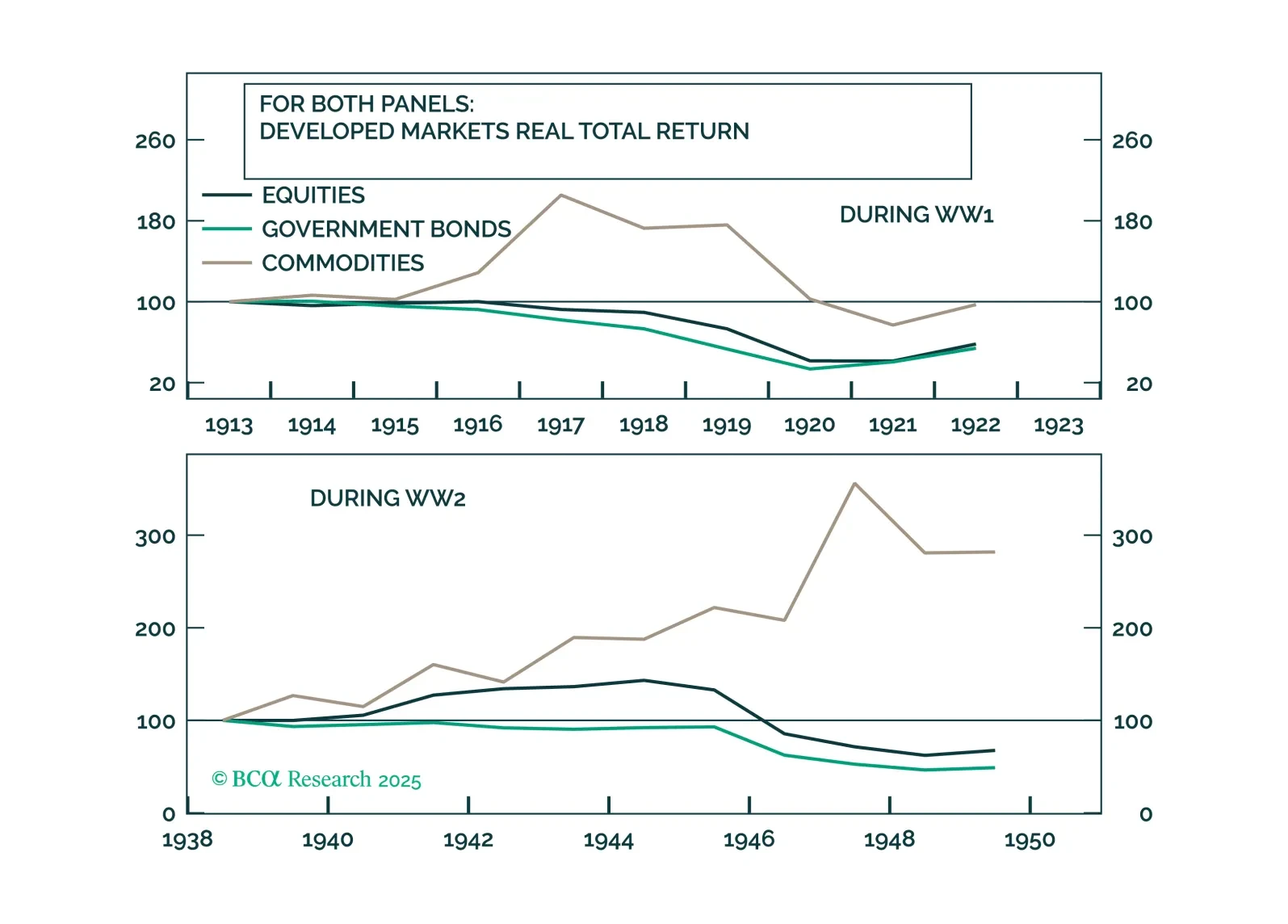
World War III will not happen. But if you disagree, here is our portfolio to hedge it: commodities, neutrals, and crypto.
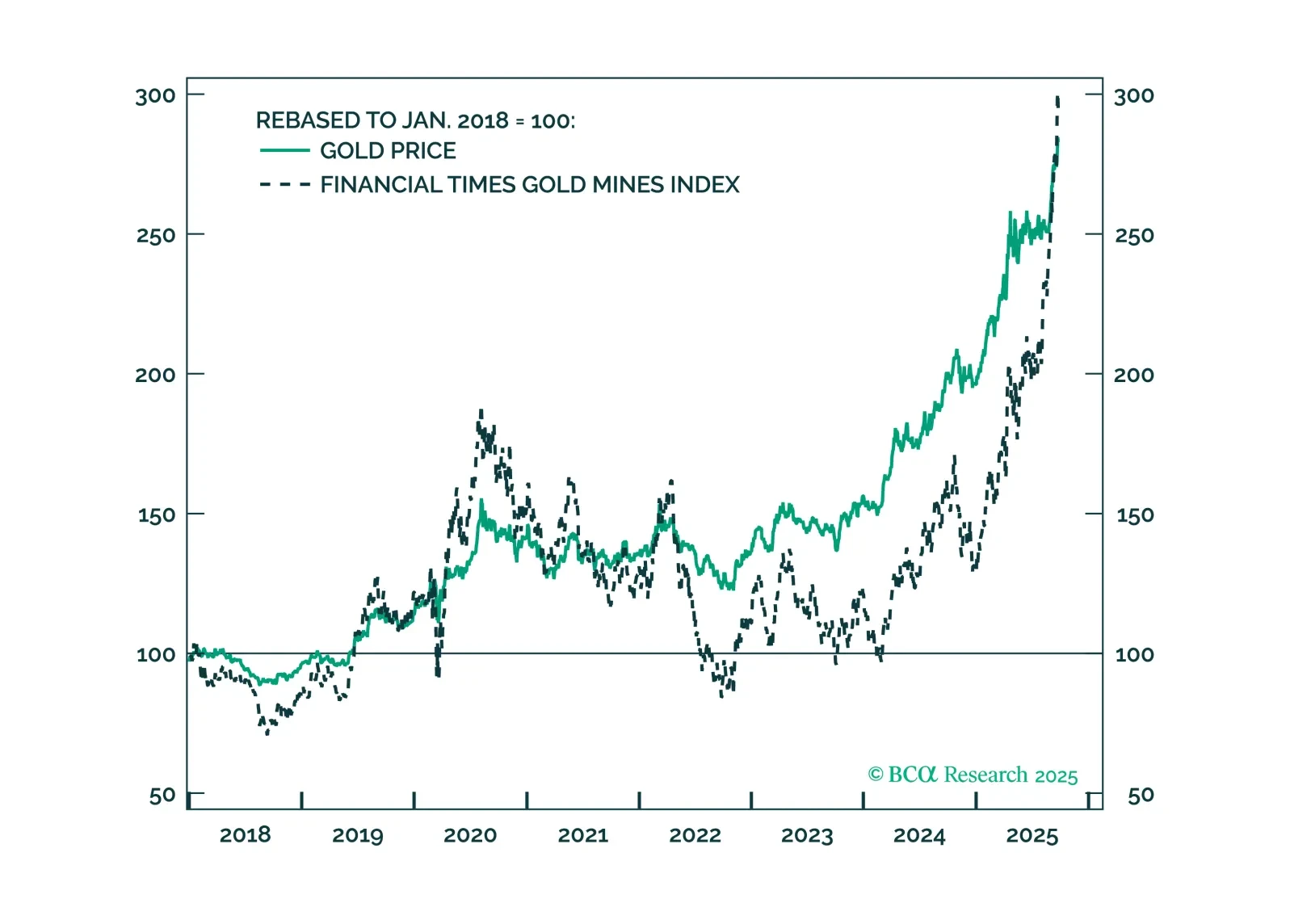
Rising Russia-NATO risks, tactical oil/gold trades, tougher sanctions on Russia (maybe China), China stimulus with ~5% growth target, and US checks on Trump’s ambitions will define Q4.
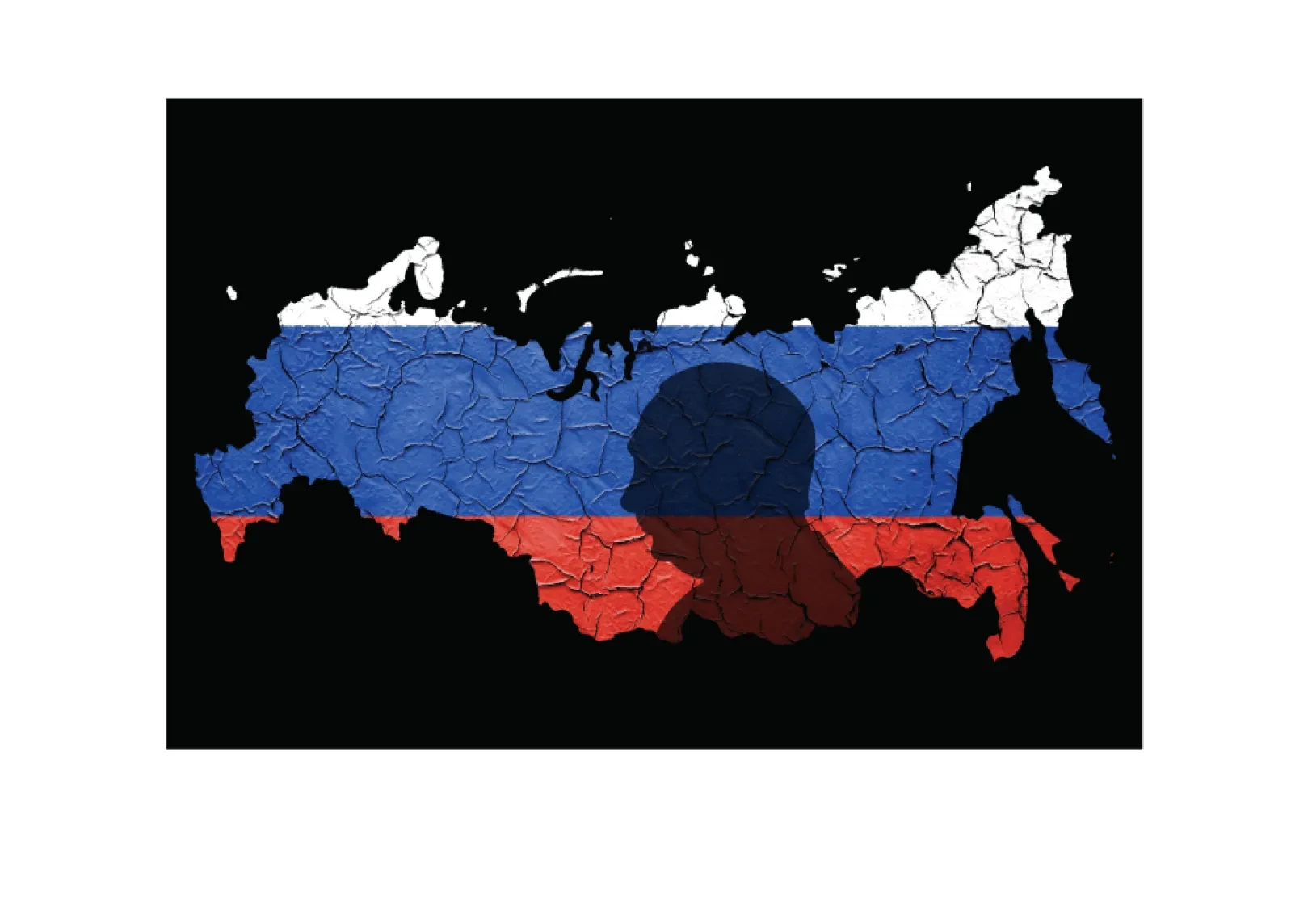
Putin’s position is weakening as Trump backs Ukraine, NATO threatens retaliation, and Ukrainian drones cripple Russian refineries. Moscow’s petty war aims embolden Eastern Europe, raising NATO-Russia confrontation risks. We remain long oil and long European defense stocks.
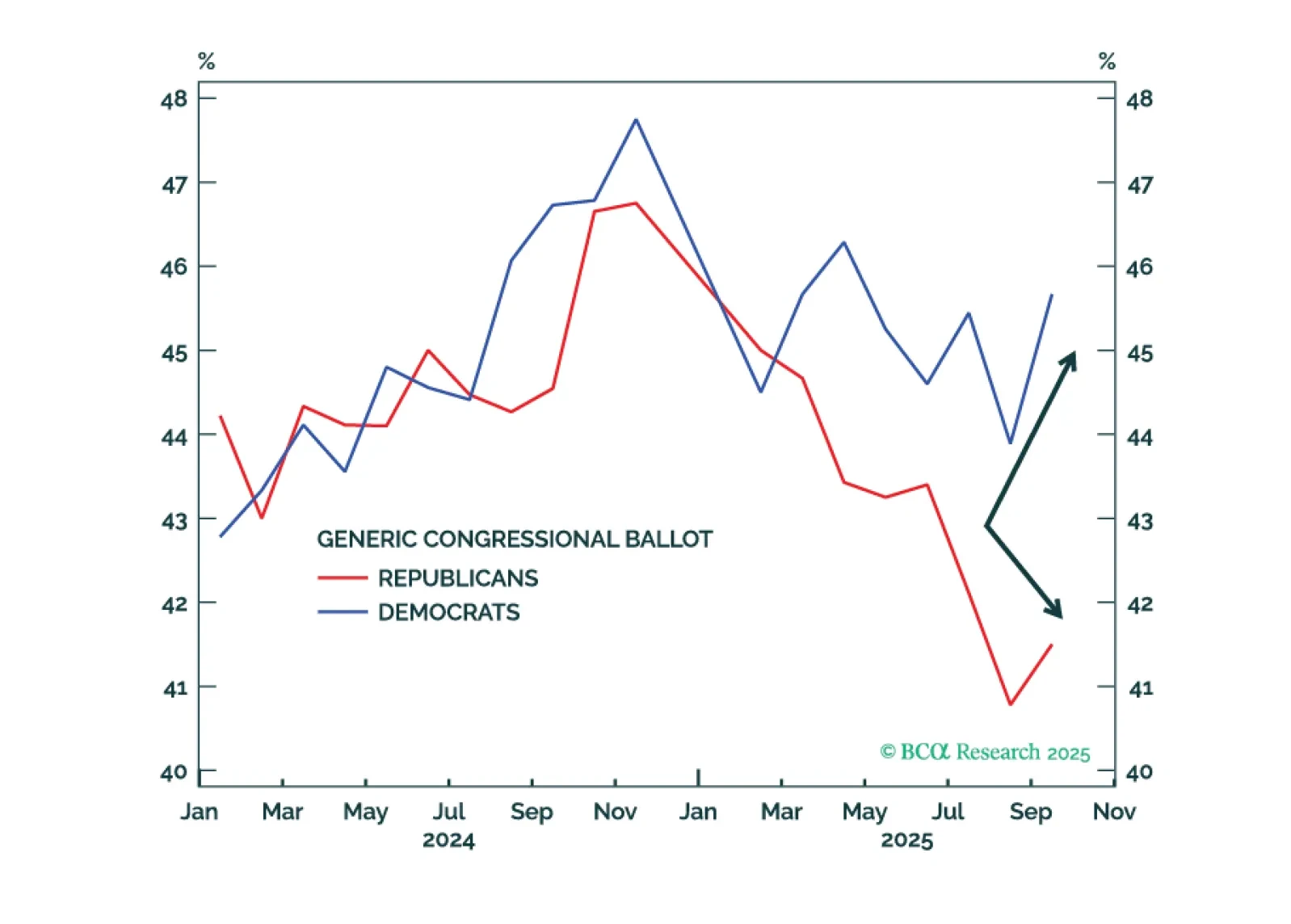
We give a one-third probability of a federal government shutdown. It probably will not happen before November. At worst, government shutdowns only cause temporary market volatility.
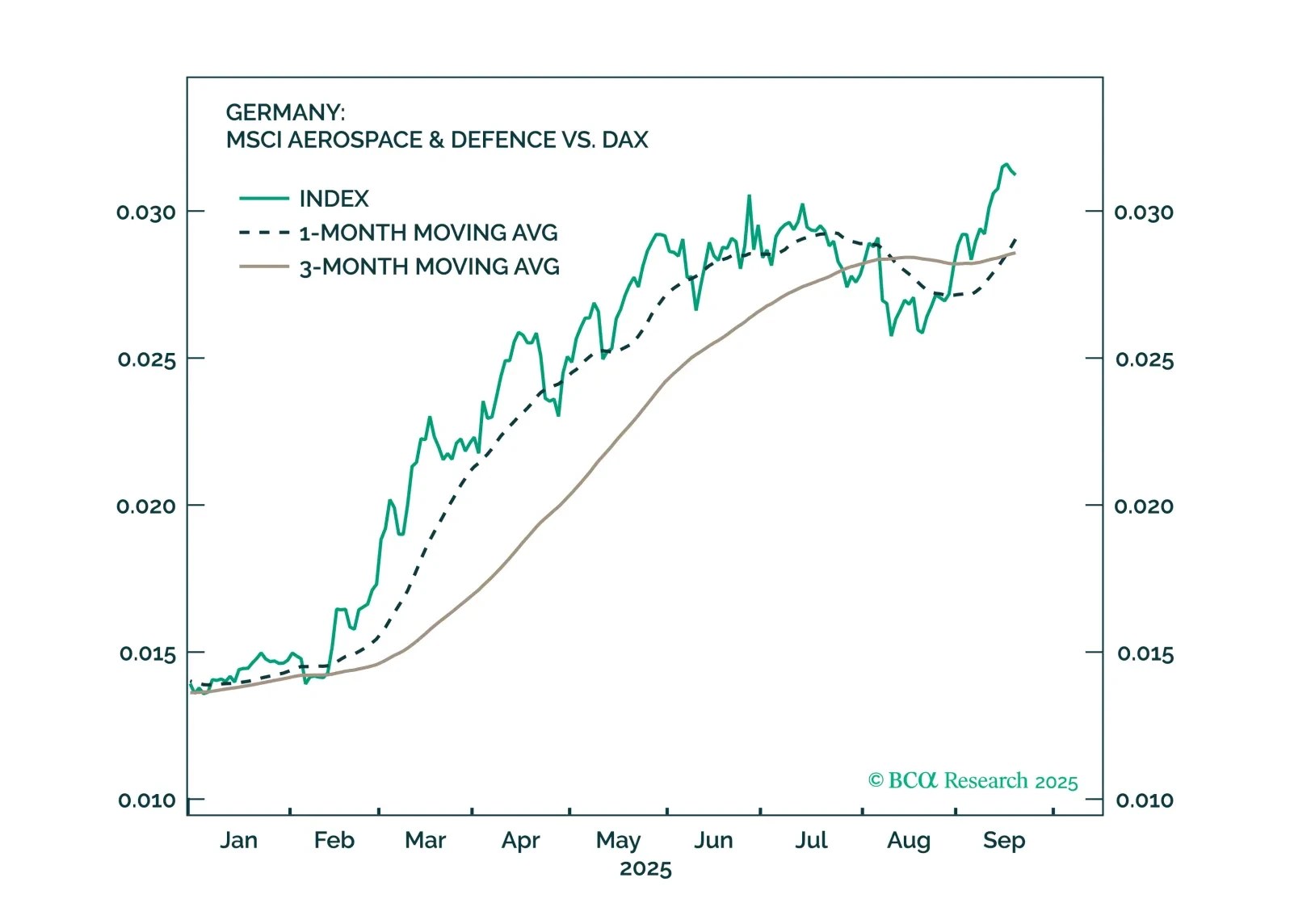
Germany is moving forward with implementing the large fiscal and defence spending announced earlier this year. Fiscal reforms are also positive, though they will fall short of expectations.
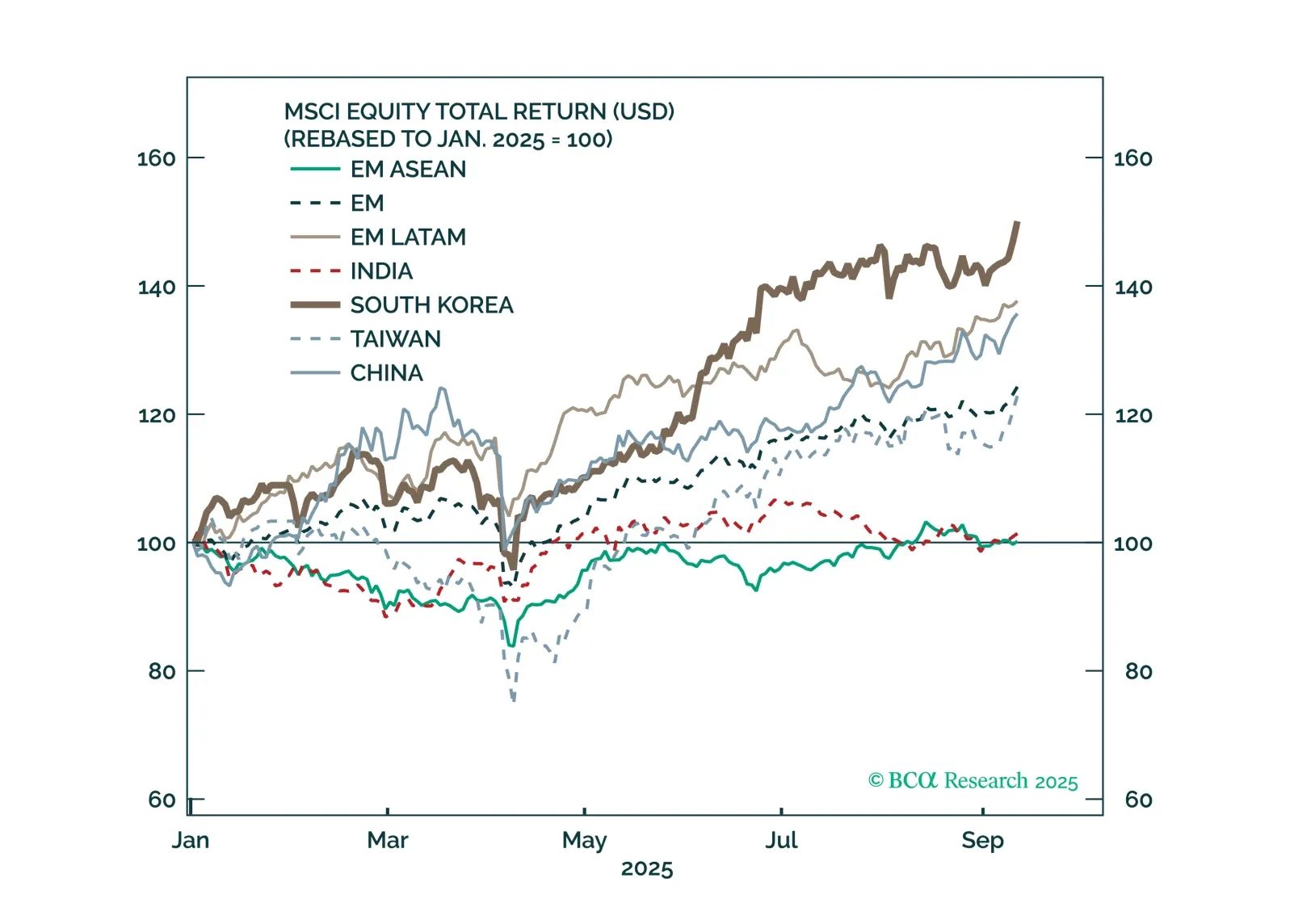
Political instability across Asia is colliding with the trade war fallout, forcing Southeast Asian economies to ease monetary and fiscal policy, while pushing the Bank of Japan in the opposite direction.
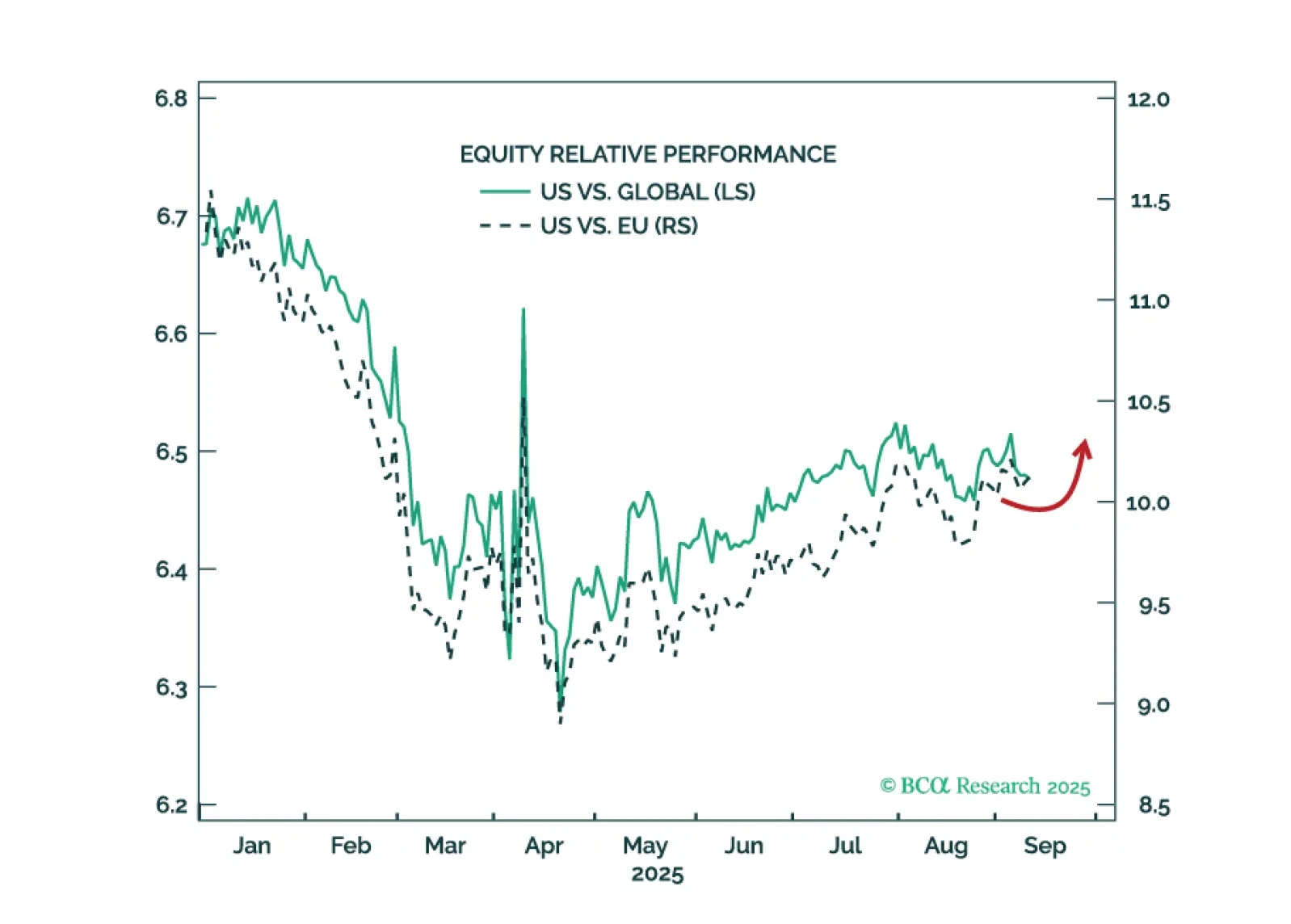
Russia’s recalcitrance will probably trigger a near-term global stock market correction by prompting larger sanctions and derailing US-China talks. But Israel’s actions do not raise our odds of a major oil shock.
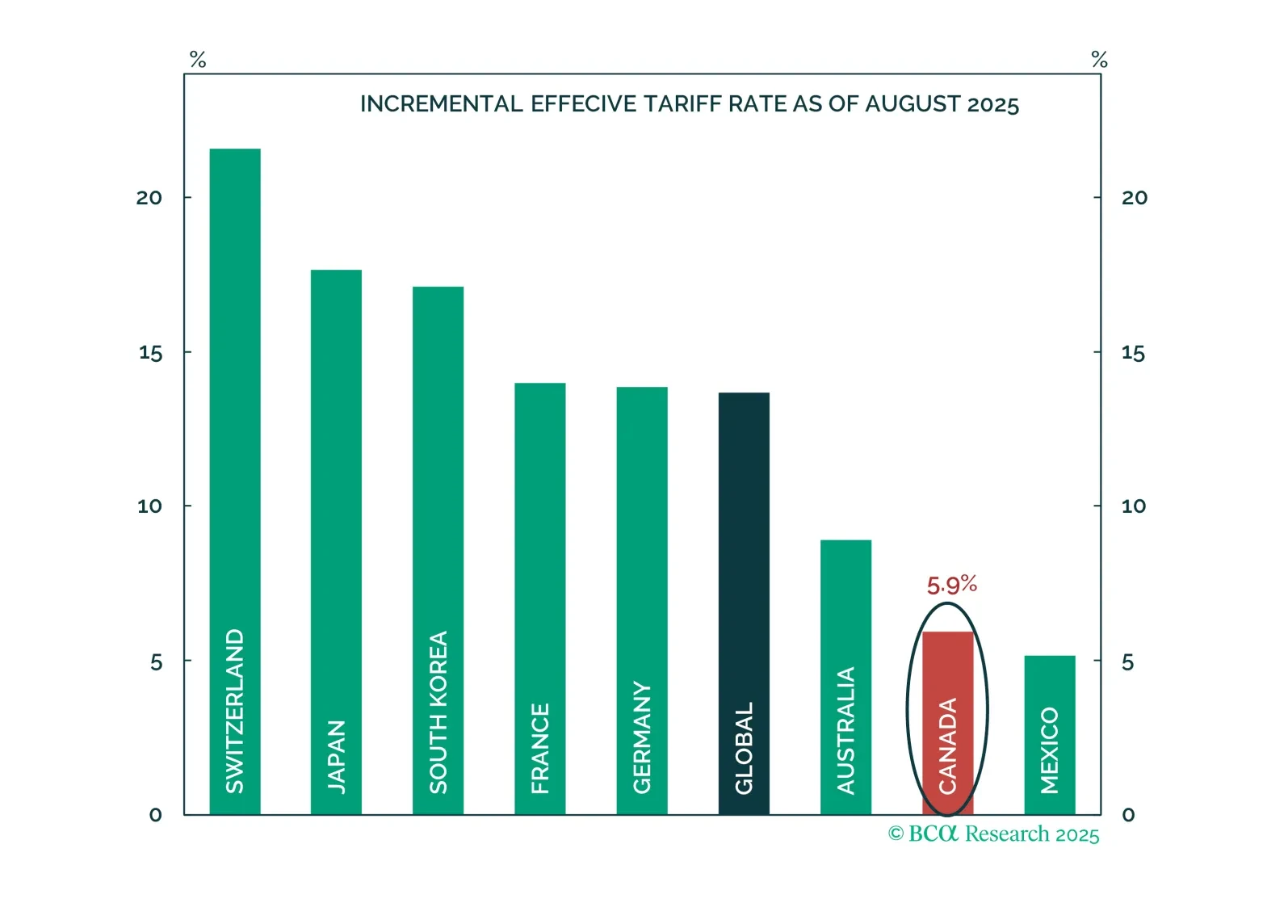
The equity bull market continues, as we have been expecting. The bears are over-indexed on the unorthodox policies of the Trump administration, failing to understand that those policies are negative for the USD, which is itself positive for stocks. Yes, a recession could befall the markets over the next two quarters. However, households are extremely de-levered. As such, as long as borrowing rates continue to fall, consumption could be held up by the transition from the cash-driven economy to a leverage-driven one.