Developed Countries
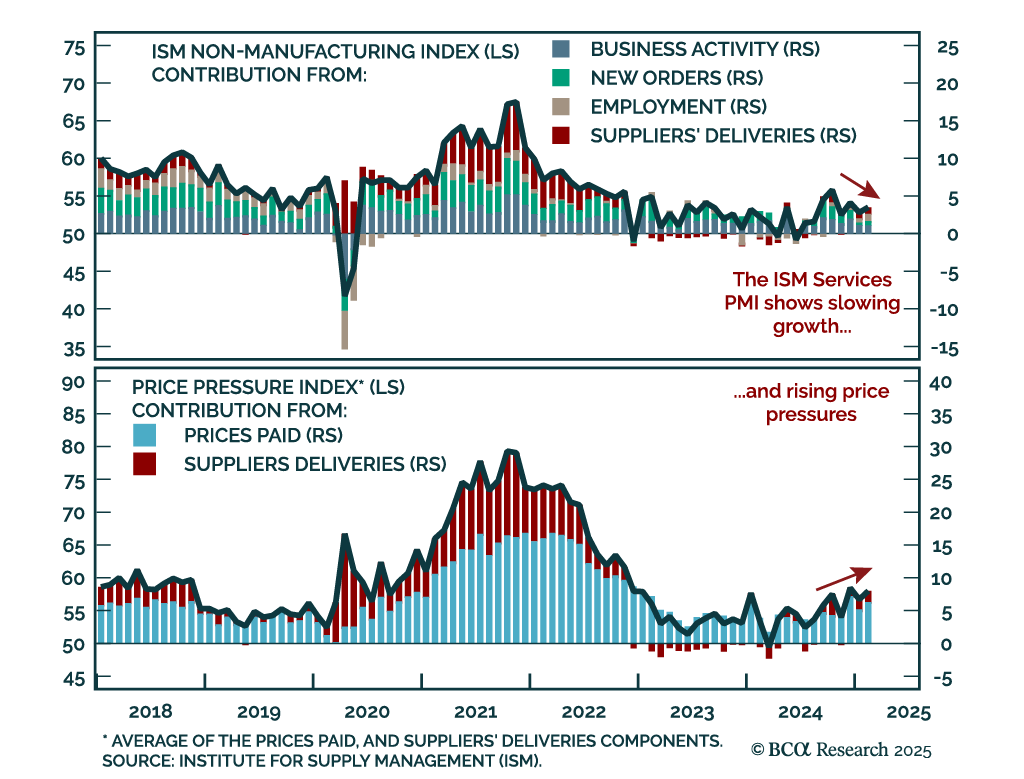
The February ISM Services beat estimates, rebounding to 53.5 from 52.8. All activity subcomponents increased, with new orders and employment ticking up. Price pressures however also increased, as prices paid went up and suppliers’ delivery times…
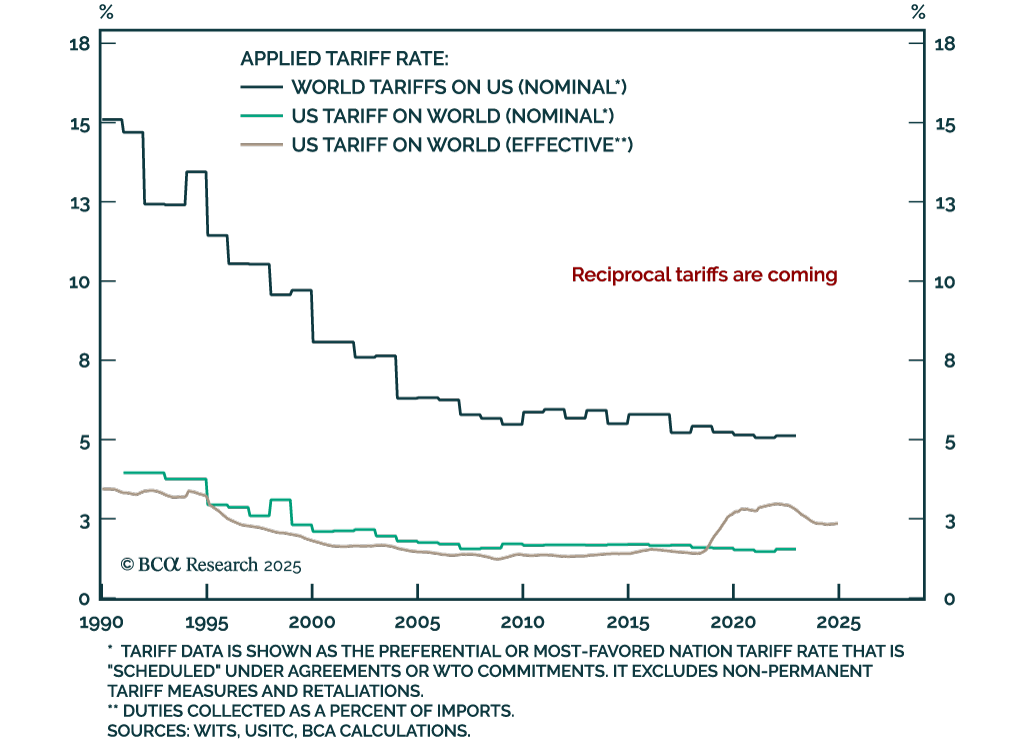
The Trump administration launched its biggest trade action on Tuesday, levying 25% tariffs on Canadian and Mexican goods, and an additional 10% to current tariffs on Chinese imports. Given its crucial role in US supply chains, Canadian energy only sees a 10%…
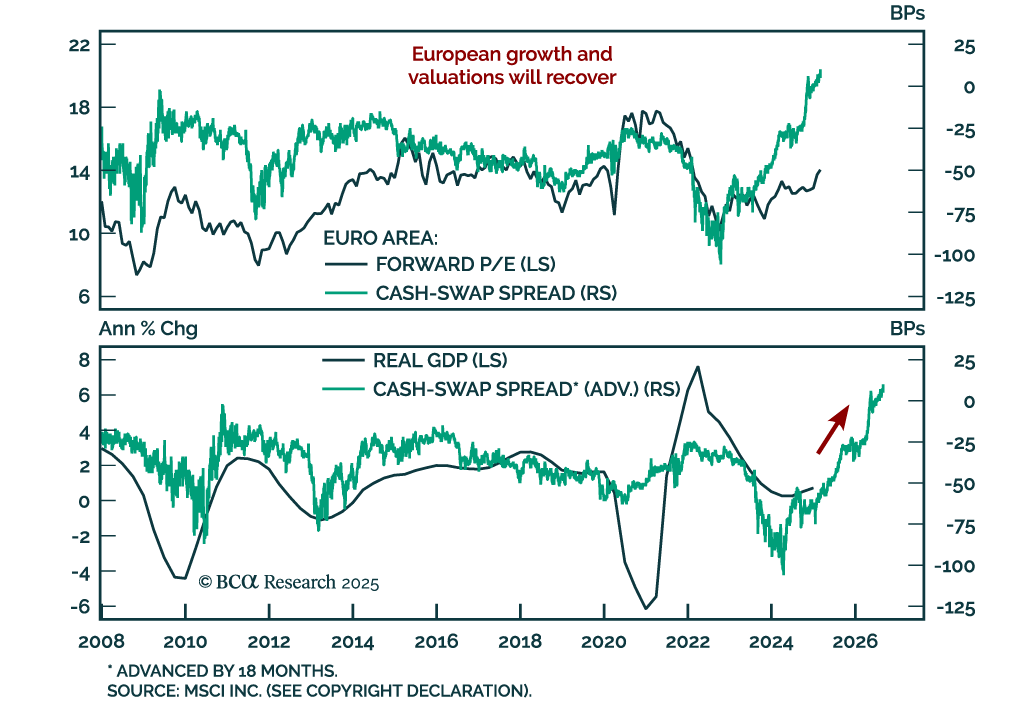
Our European strategists see Europe escaping its liquidity trap, which will create a structural tailwind for European assets. Europe’s resilience amid global shocks is supported by a shift away from precautionary money demand, signaling increased…
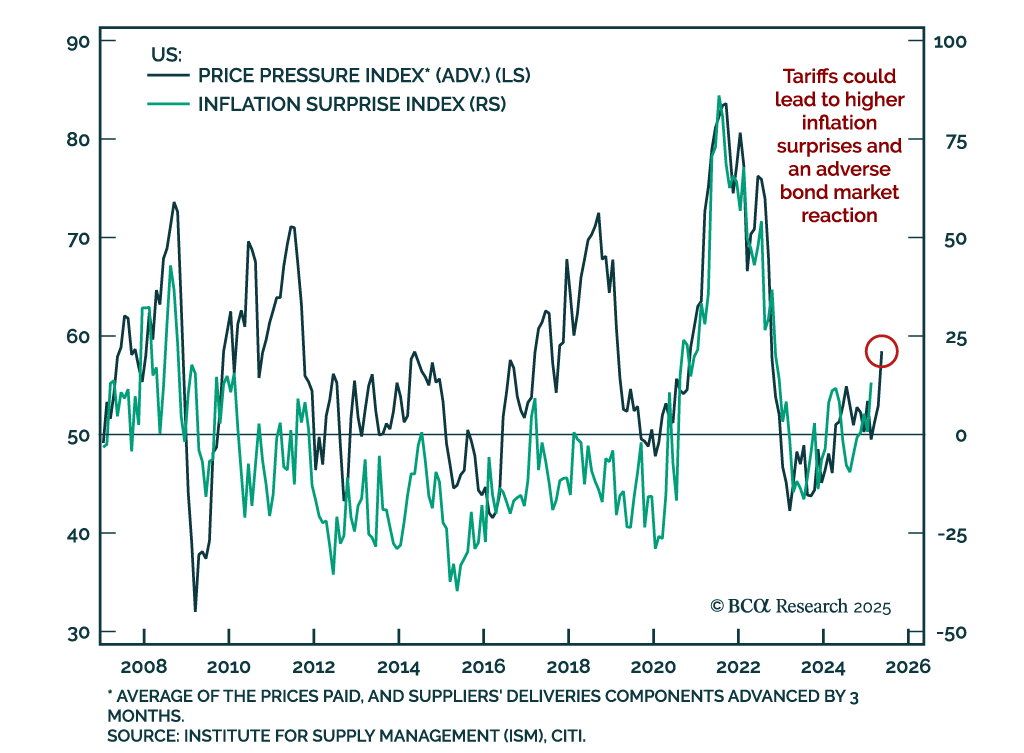
Leading US growth indicators have slowed, with economic surprises now in negative territory. However, Monday’s ISM Manufacturing showed that while activity is slowing due to tariffs uncertainty, supply-side price pressures are increasing. Our Price…

February flash inflation for the Eurozone was slightly hotter than expected but nonetheless declined, with both headline and core inflation falling 0.1% to 2.4% y/y and 2.6%, respectively. Services inflation also declined to 3.7% from 3.9%. While Europe…
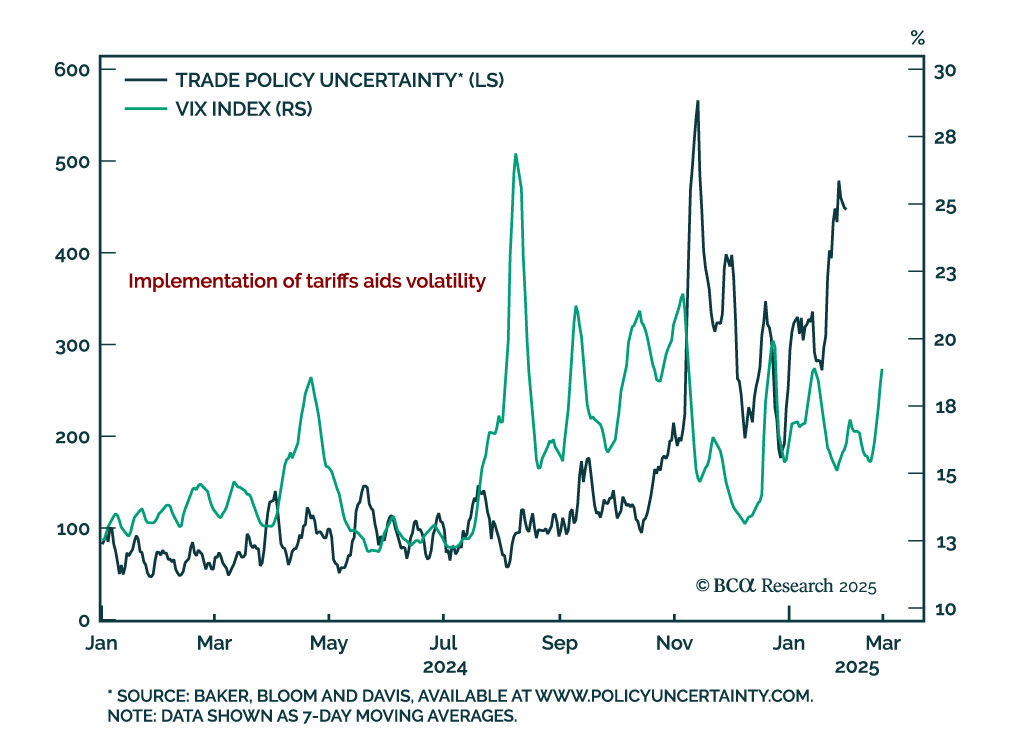
Our Geopolitical strategists received a lot of client questions following rapid US political developments, and addressed them in their latest report. US policy uncertainty is spiking, driving global uncertainty higher. Tariff implementation in March and…
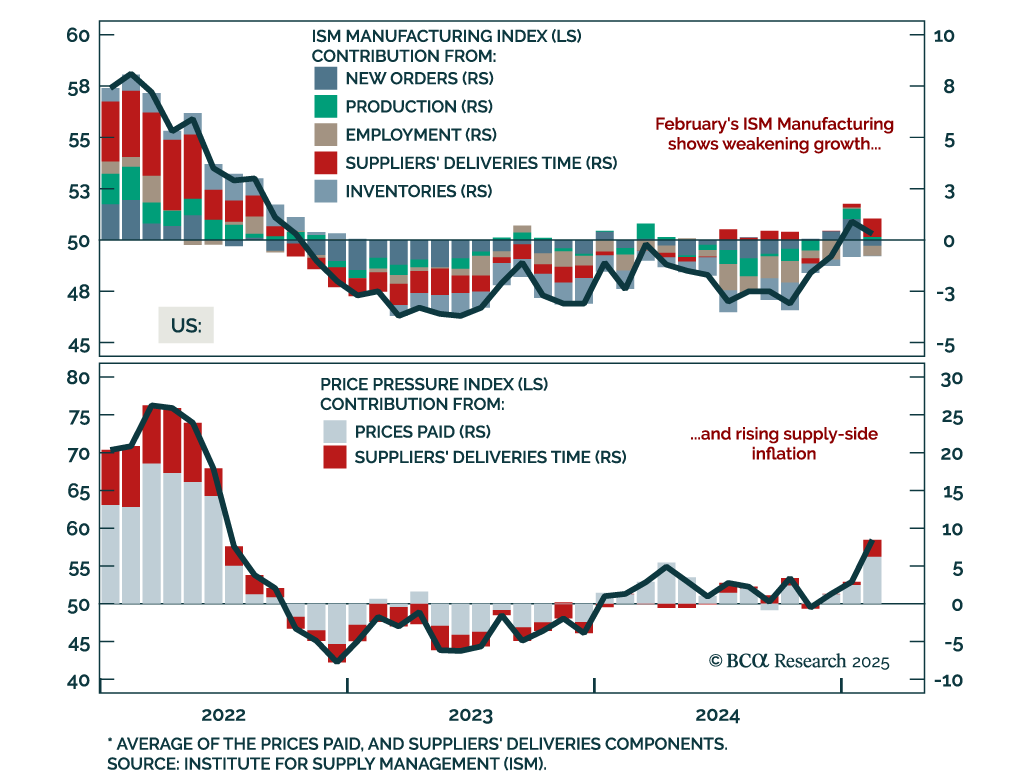
The February ISM Manufacturing index was weaker than expected, declining to 50.3 from 50.9. New orders plunged to 48.6 from 55.1, with employment also contracting. Price pressures however increased. Prices paid and suppliers’ delivery times jumped to their…
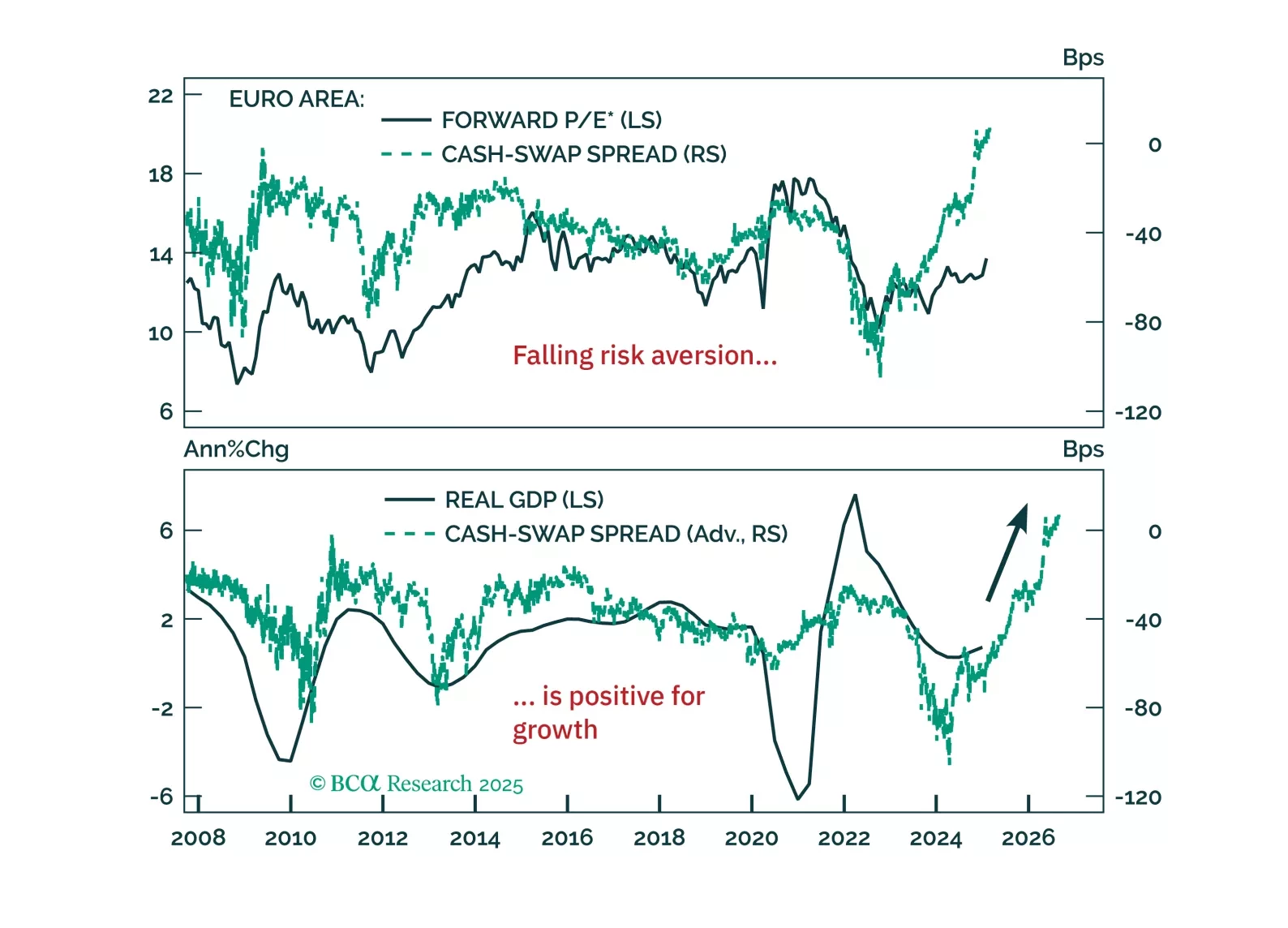
Europe’s resilience to global liquidity deterioration isn’t a fluke—it signals a structural shift. Our latest report explains why the decline in precautionary money demand marks the end of Europe’s liquidity trap and what it means for investors.
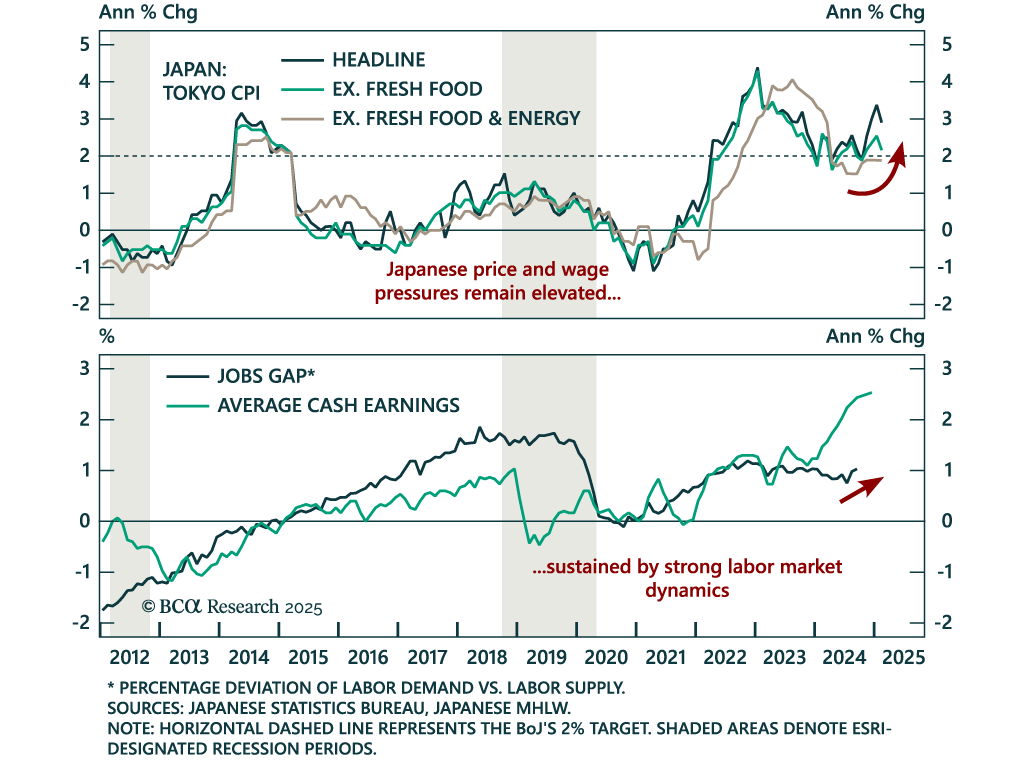
The February Tokyo CPI print came in slightly cooler than expected. Headline inflation moderated to 2.9% y/y from 3.4%, while “core core” was steady at 1.9%. The Tokyo CPI gives an advance reading on national price pressures, and the data suggests…
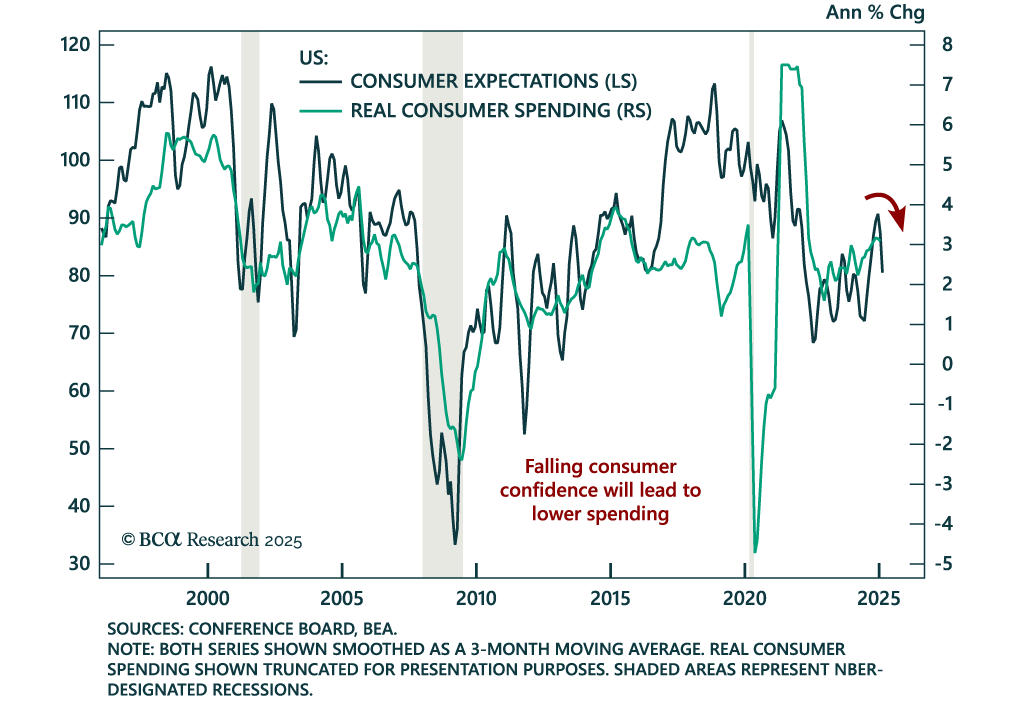
January PCE inflation was in line with expectations, with headline and core inflation rising 0.3% m/m, leaving the respective annual growth rates at 2.5% and 2.6%, near the Fed’s projection for 2025. Consumer spending missed expectations and was weak in both…