Latest from BCA Research
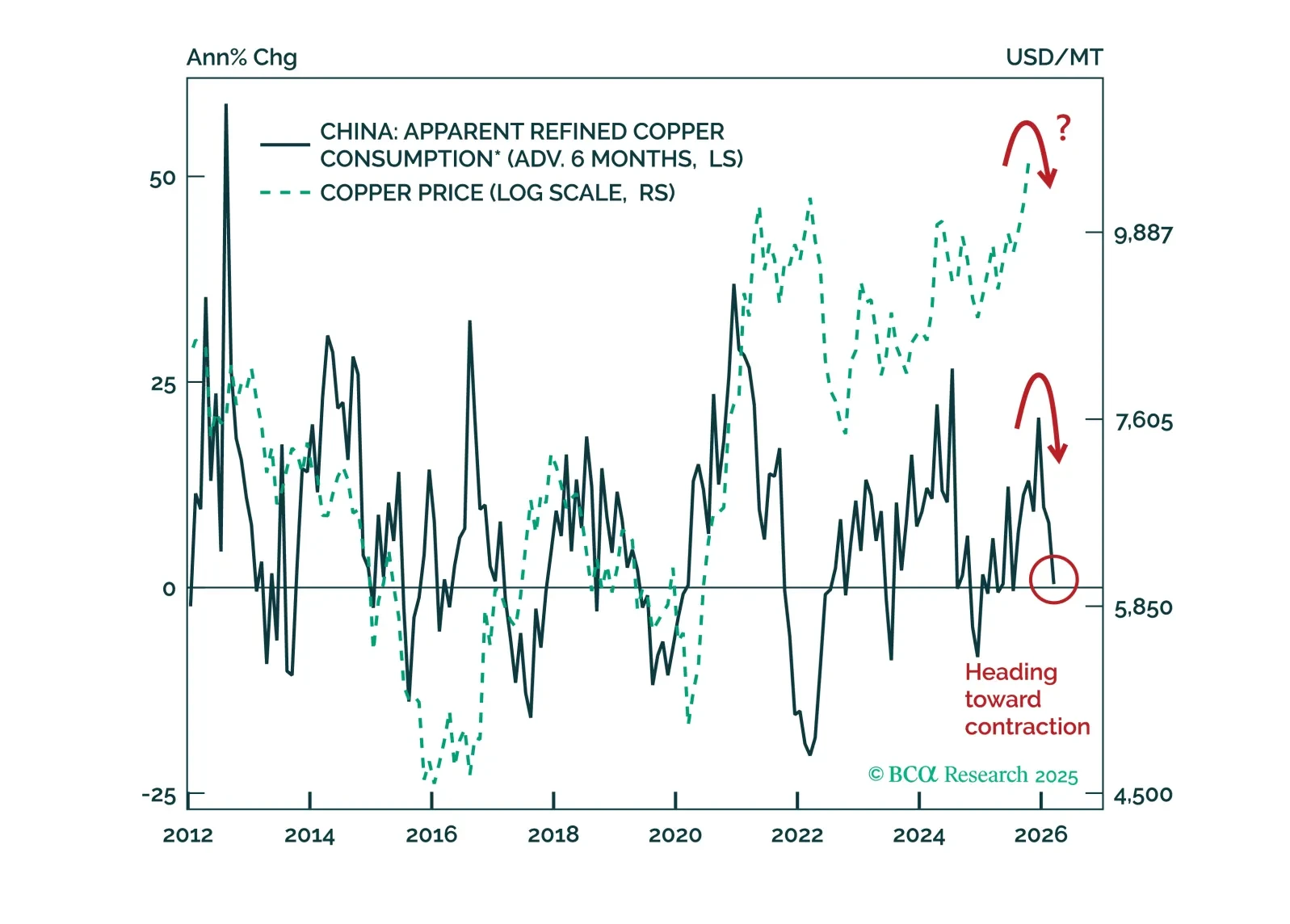
Should investors chase the copper rally or use the latest bout of strength as an opportunity to sell? We warn that weakening Chinese demand and shrinking global manufacturing will weigh on the metal’s price over a cyclical timeframe.
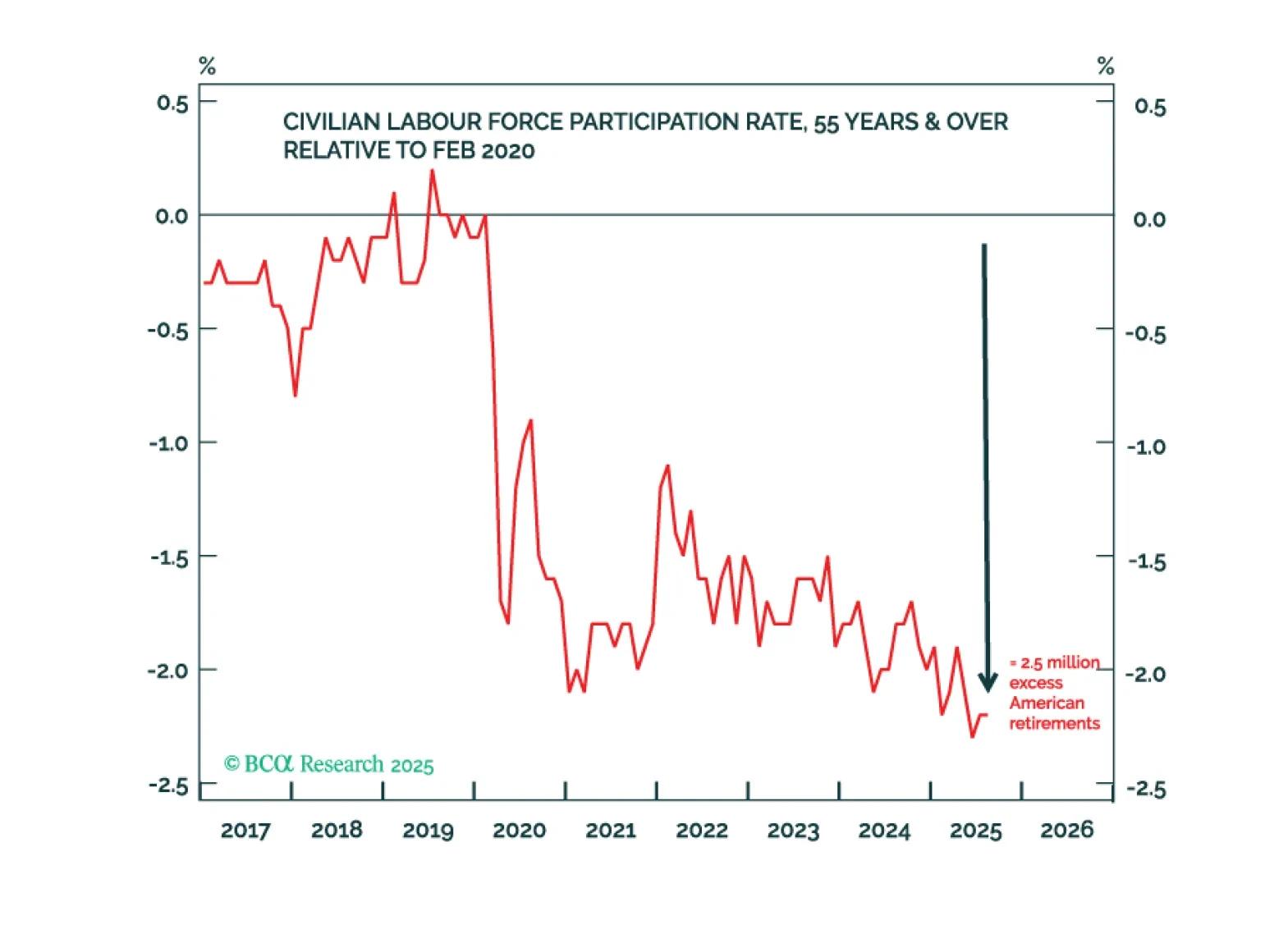
The greater risk to the world economy in 2026-27 is not that a recession triggers a market crash, but that a market crash triggers a recession. This is because a market crash will destroy the wealth that is funding the crucial marginal spending of 2.5 million excess American retirees. Plus, a new tactical trade is: Overweight Switzerland (SMI) versus UK (FTSE 100).
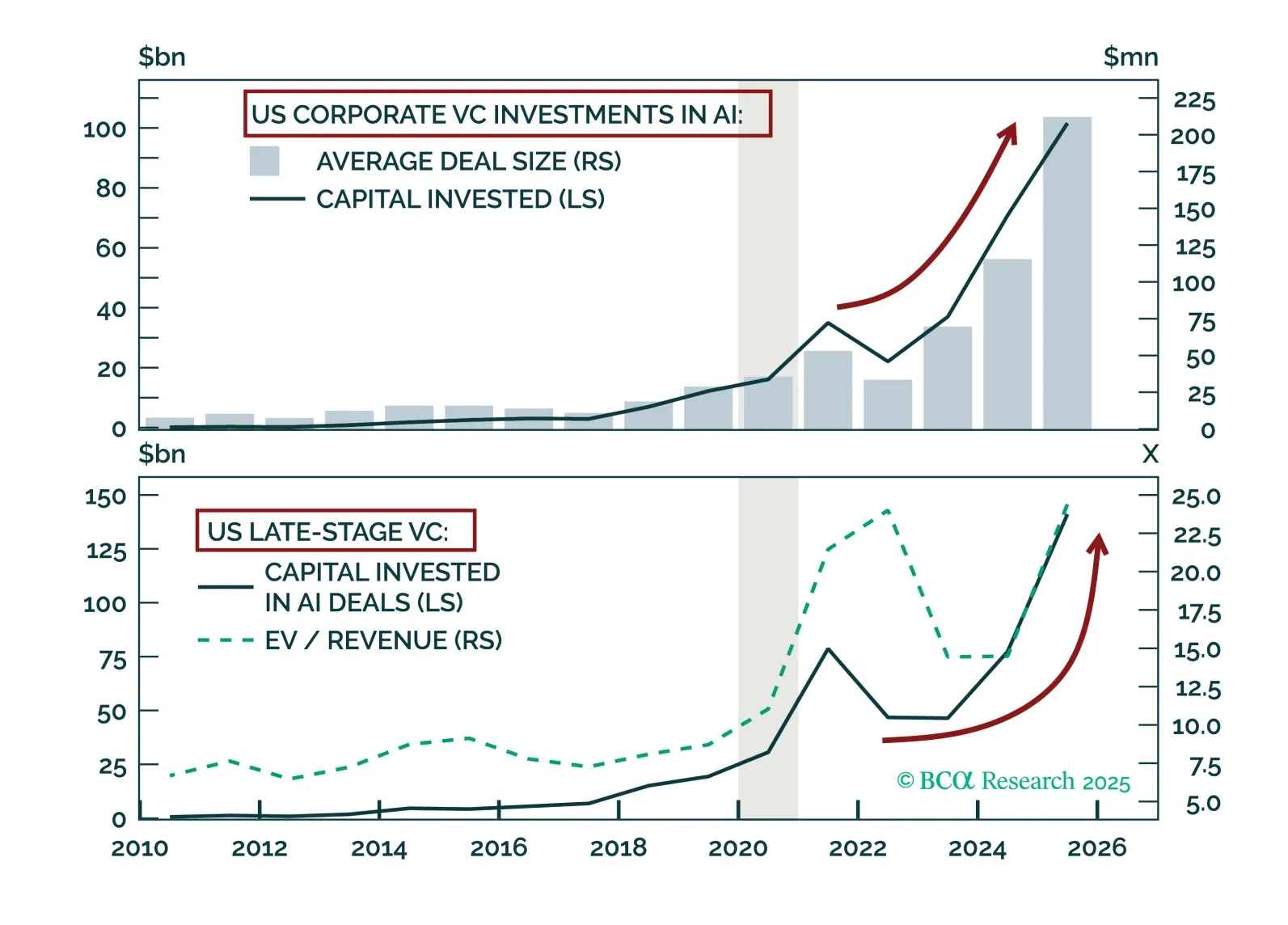
Our latest chartpack provides a comprehensive view across asset classes, highlighting current positioning, risks, and opportunities. Real Estate remains our highest conviction asset class. Private Credit will remain in the headlines amid stresses from 2020–2021 loan vintages. In Late-Stage Venture Capital, AI-related risks continue to build, while an improving US IPO market contends with a softening labor backdrop. Buyouts remain a key focus as the distribution bottleneck persists, setting the stage for improved entry opportunities.
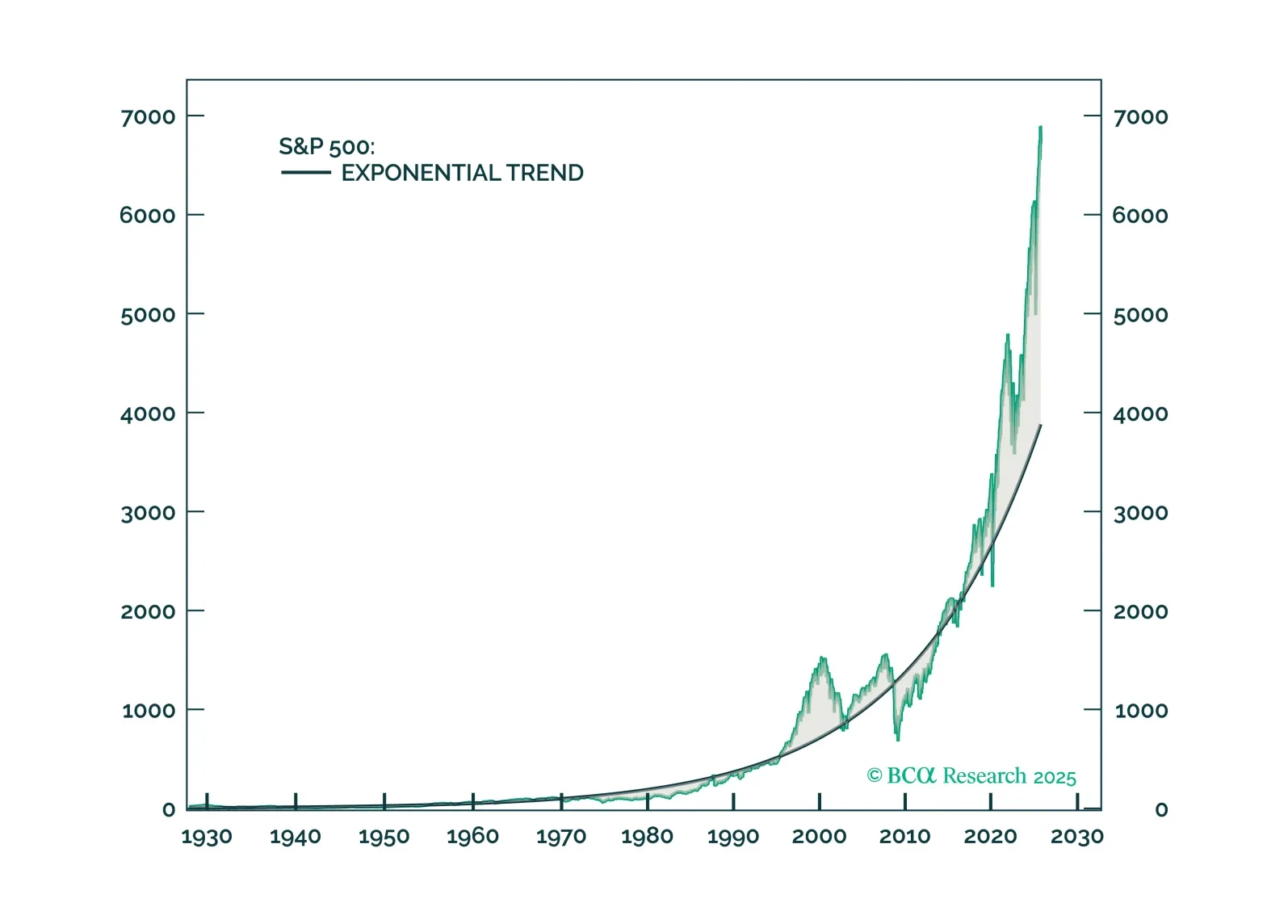
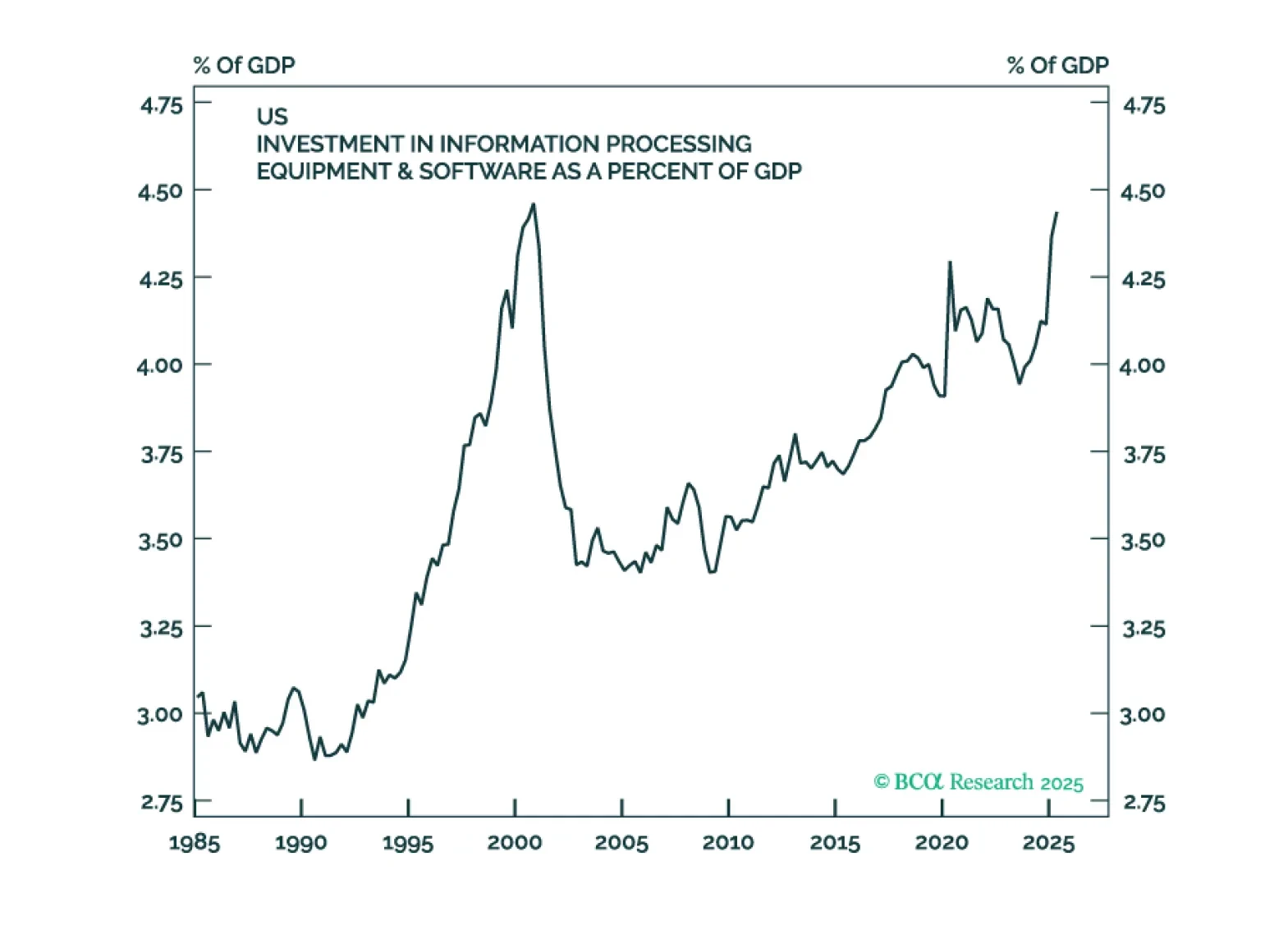
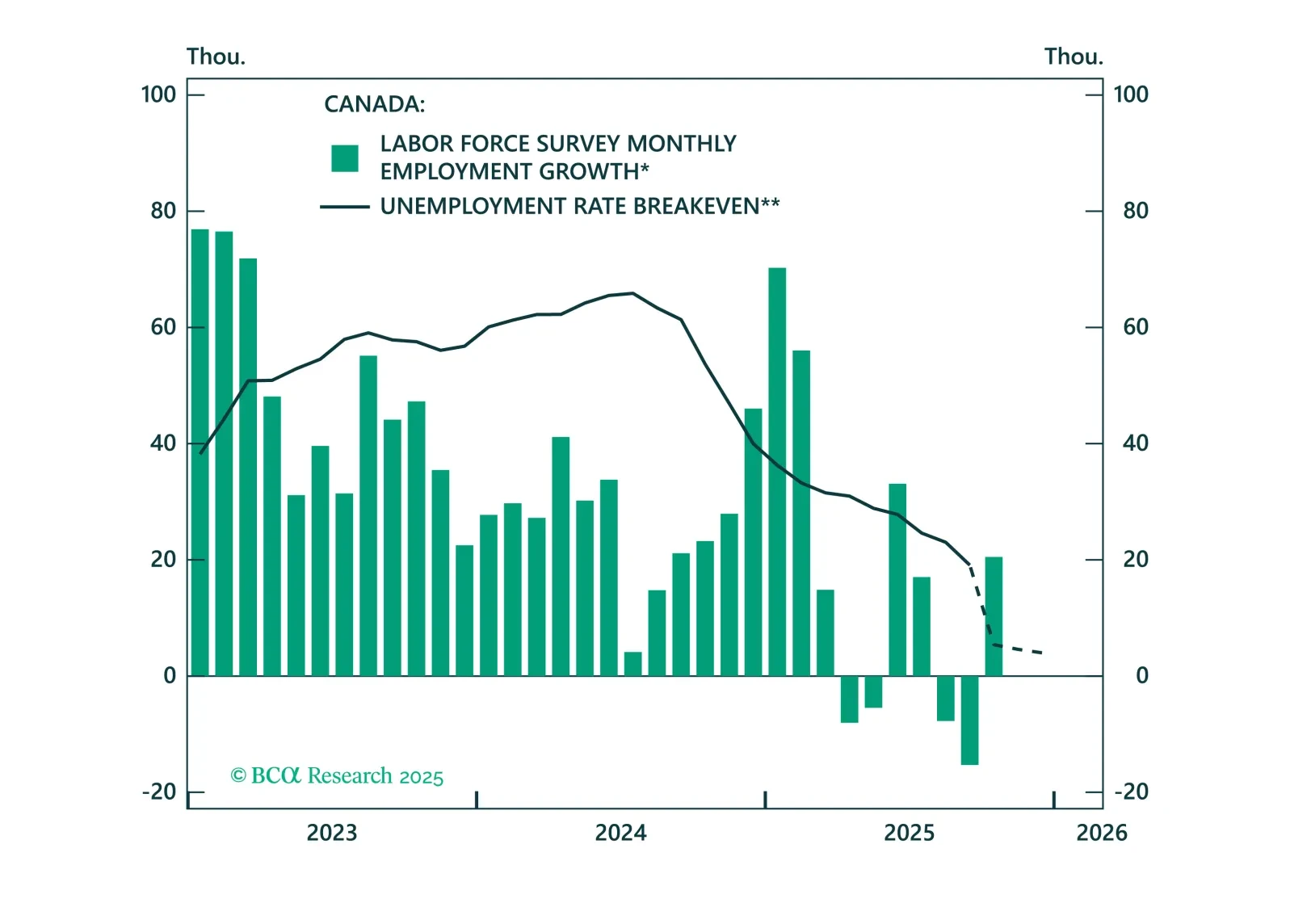
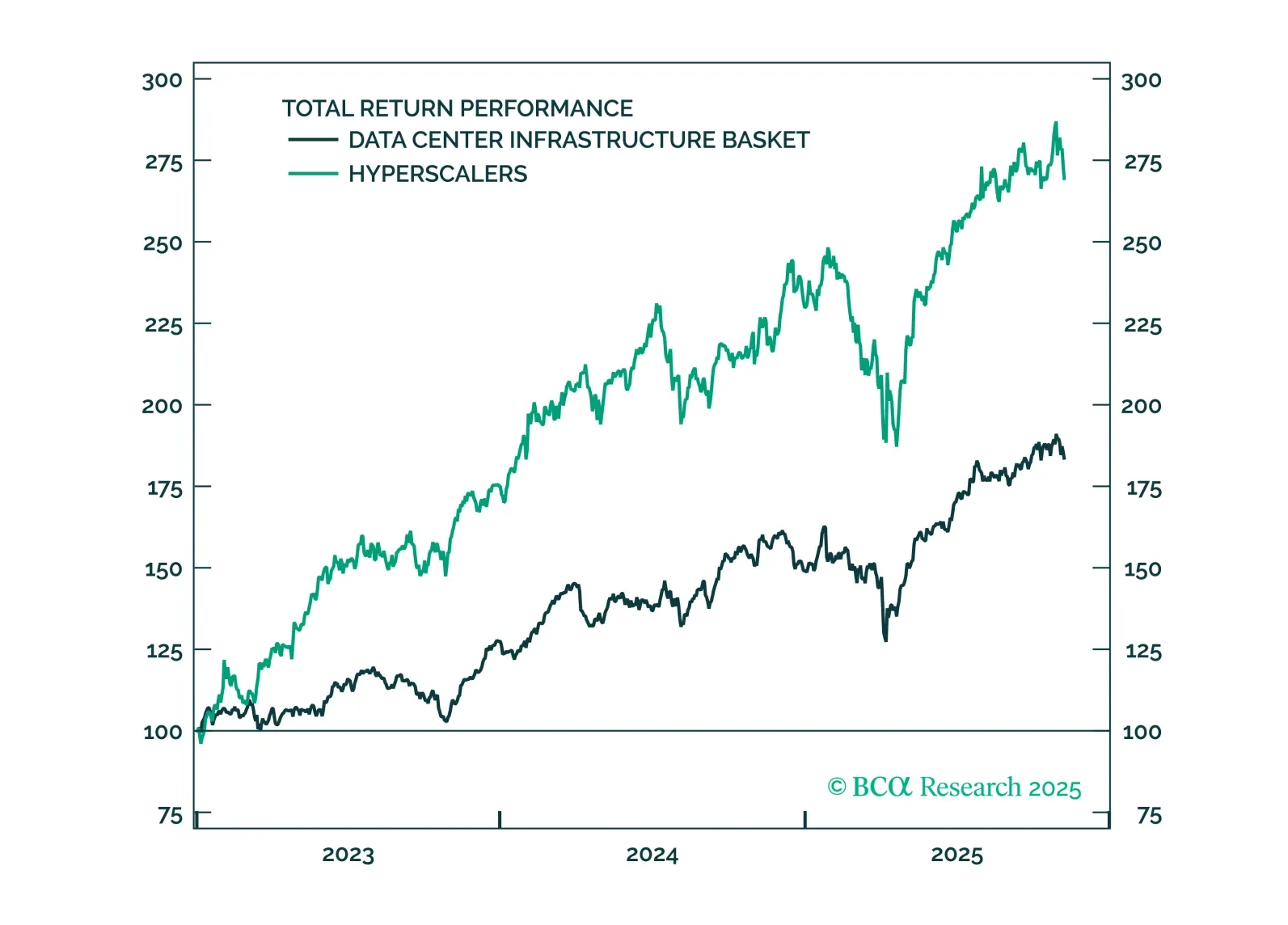
What would “Old Man Partridge” say about the end of 2025? Risks are mounting everywhere one looks. The labor market is more than wobbly. The AI capex boom is a bubble, the front pages proclaim. And geopolitical tensions have been percolating throughout the year. The odds are that the venerable investor from the Reminiscences of a Stock Operator would cast a tired glance from behind his spectacles and utter, under his breath, “Well, you know this is a bull market.”
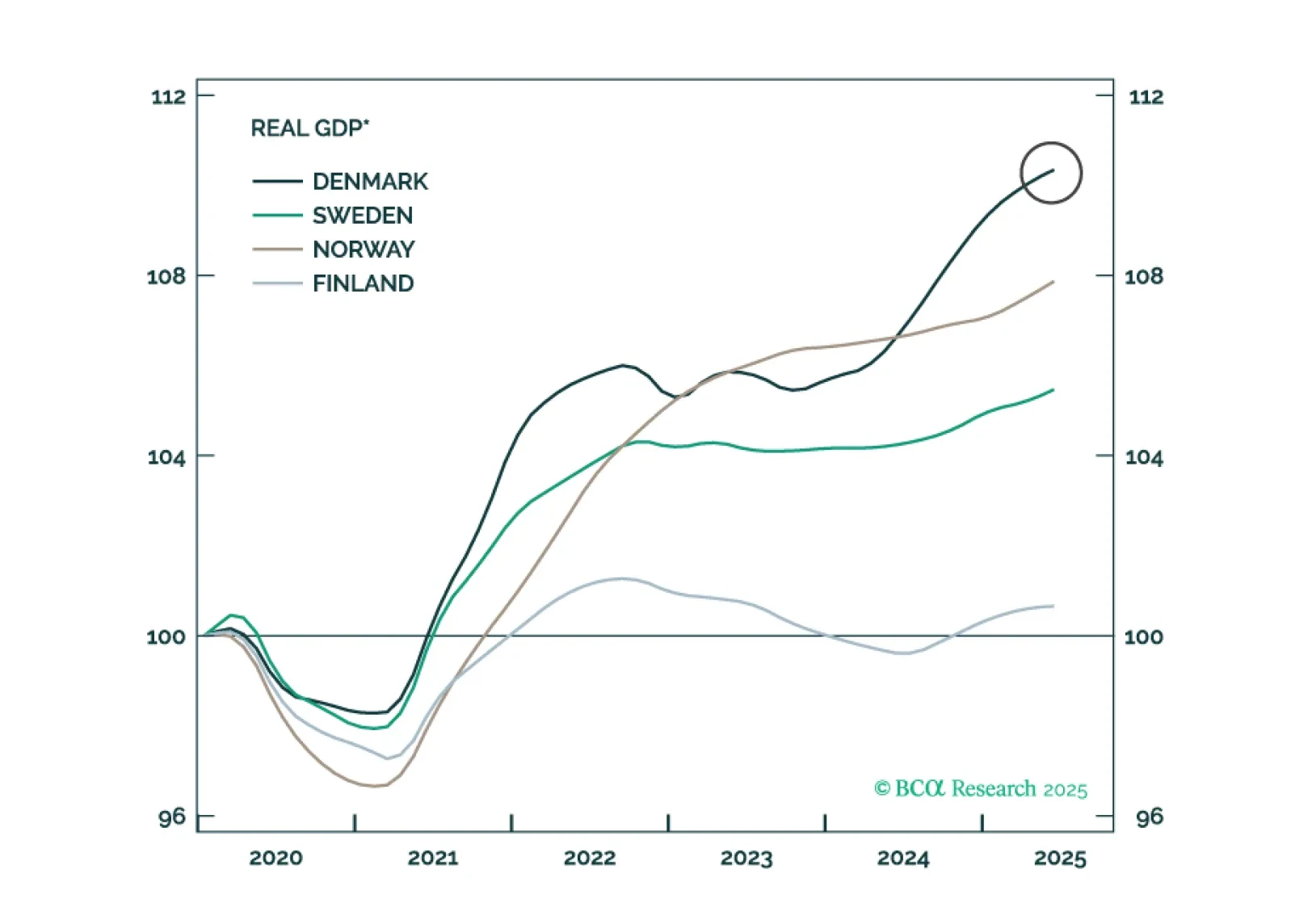
The Nordic central banks are now aligned in pause mode, but their economies are diverging. With Swedish prospects improving and Norwegian headwinds mounting, we are turning overweight on Swedish equities and shorting NOK/SEK.
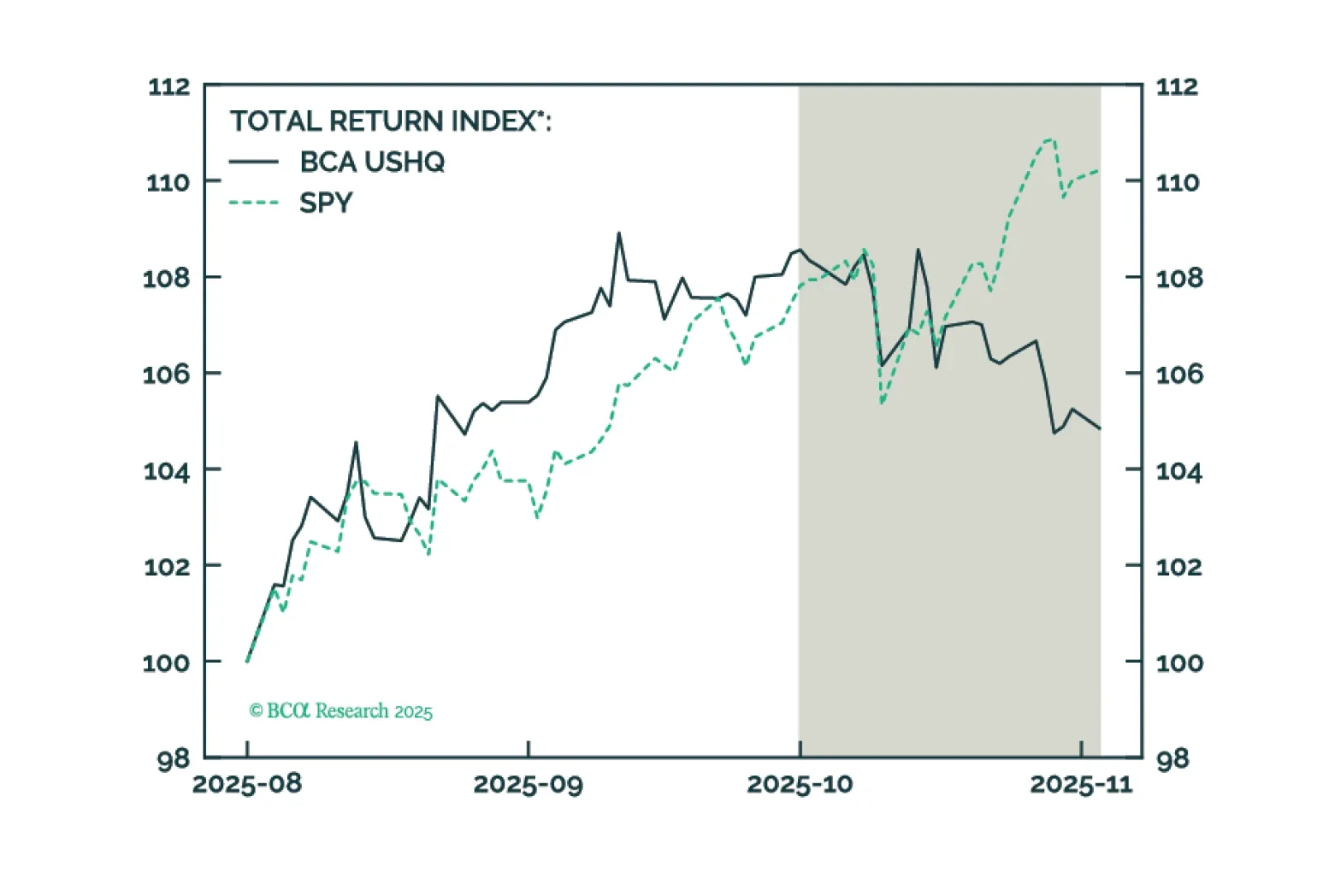
The US High Quality portfolio underperformed its benchmark through October, returning -3.42%, whilst its SPY benchmark returned 2.23%. Our US High Quality SMID portfolio experienced a modest decline in performance this month. The portfolio returned -0.27%, underperforming its MSCI US Small and Mid Cap benchmark by 4bps.