Skip to main content

Essentials

Concise macro insight that cuts through daily noise, helping clients stay informed on what matters in markets, why it matters, and how to talk about it, without spending hours reading research.

Explore Essentials
Bank Credit Analyst In Section I, Doug notes that weak US consumer sentiment is beginning to manifest. A wide sweep of consumer-facing companies have lowered guidance, and monoline credit card lenders shed nearly 20% over just three weeks across late February and early March. If the US enters a recession sometime this year as we expect, it will likely lead to a global recession and a global equity bear market. Investors should remain defensively positioned. In Section II, Jonathan presents a new indicator that investors can use to track the odds of bubble formation in real time and shows how it fits into a larger framework that accurately explains US bear market severity over the past century. The US equity market is not in a bubble today, but it is meaningfully overvalued. Investors should expect a relatively severe cumulative loss from equities in a recession scenario.
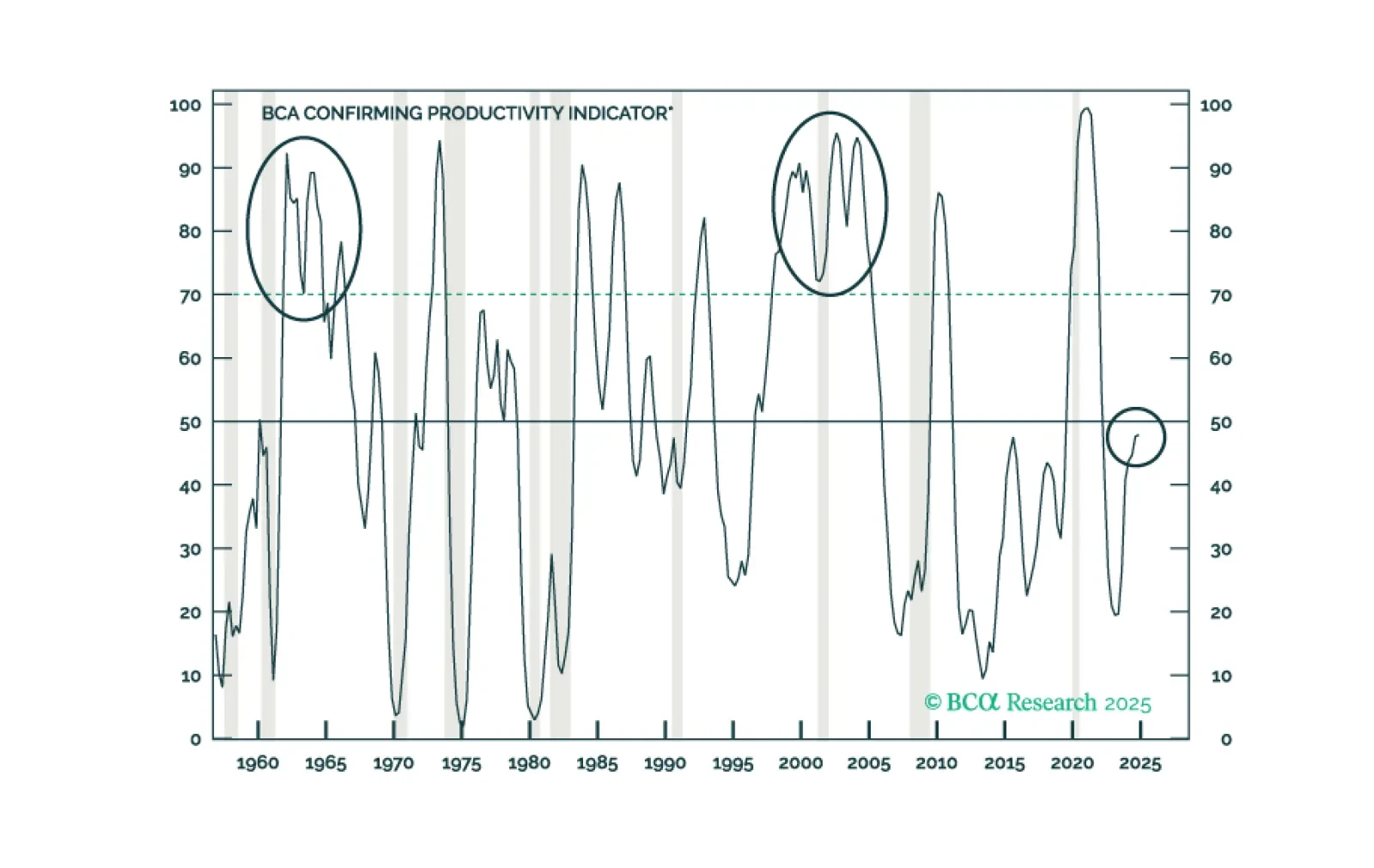
Bank Credit Analyst In Section II, Jonathan presents a checklist that investors can use to confirm whether AI’s purported productivity gains are real. The checklist does not currently suggest that artificial intelligence is meaningfully boosting productivity growth. US equity valuation reflects very significant optimism about AI, underscoring the profound risk facing equity investors if the narrative about AI shifts in a pessimistic direction.
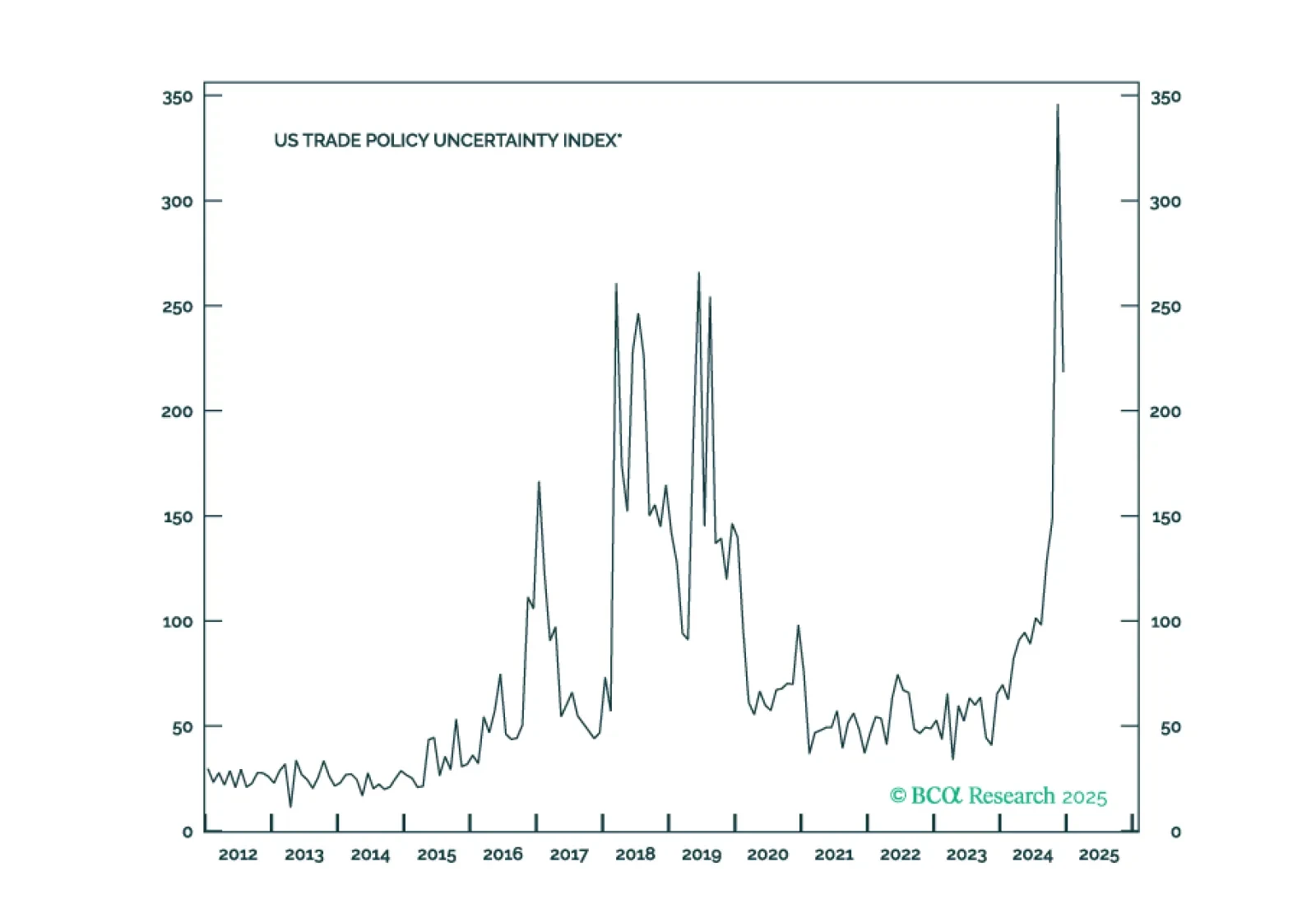
Bank Credit Analyst In Section I, Doug notes that the chaos of the new administration, including bellicose tariff threats and DOGE’s abrasive and indiscriminate approach, are sowing uncertainty and fortifying economic headwinds. Lowered guidance of prominent retailers, alongside weakening services PMIs, bode poorly for economic activity considering that improving manufacturing PMIs likely reflect tariff frontrunning. A recession remains our base case, suggesting that investors should be underweight stocks within multi-asset portfolios. In Section II, Jonathan presents a checklist that investors can use to confirm whether AI’s purported productivity gains are real. The checklist does not currently suggest that artificial intelligence is meaningfully boosting productivity growth. US equity valuation reflects very significant optimism about AI, underscoring the profound risk facing equity investors if the narrative about AI shifts in a pessimistic direction.
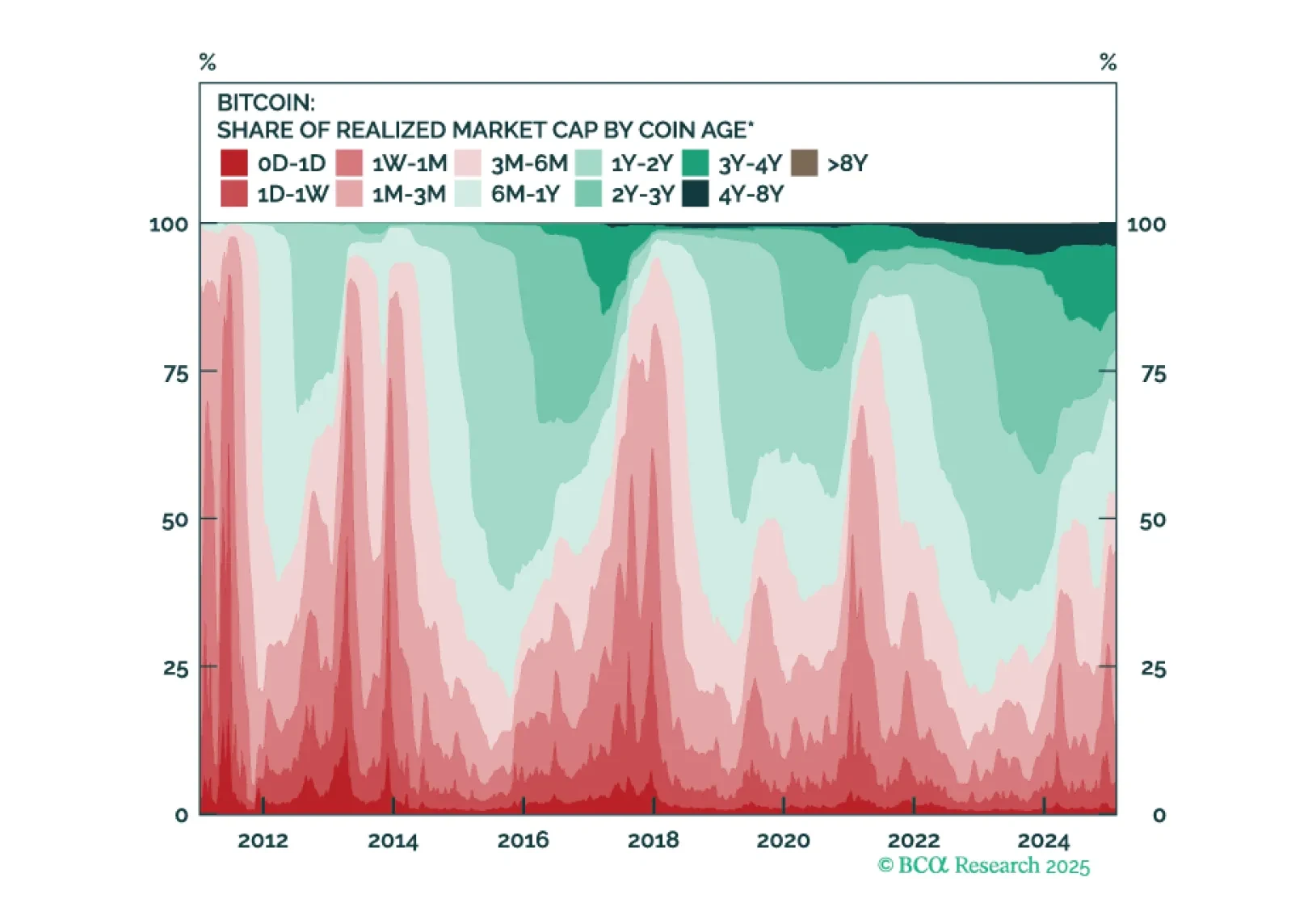
In this report, we reassess our bullish stance on crypto from early 2023, following Bitcoin’s recent all-time highs. While institutional adoption is broadening, there are also signs of excessive exuberance, speculation, and optimism. Given these conditions, a near-term correction appears likely. We are booking profits and will look to re-enter the market at $75,000.
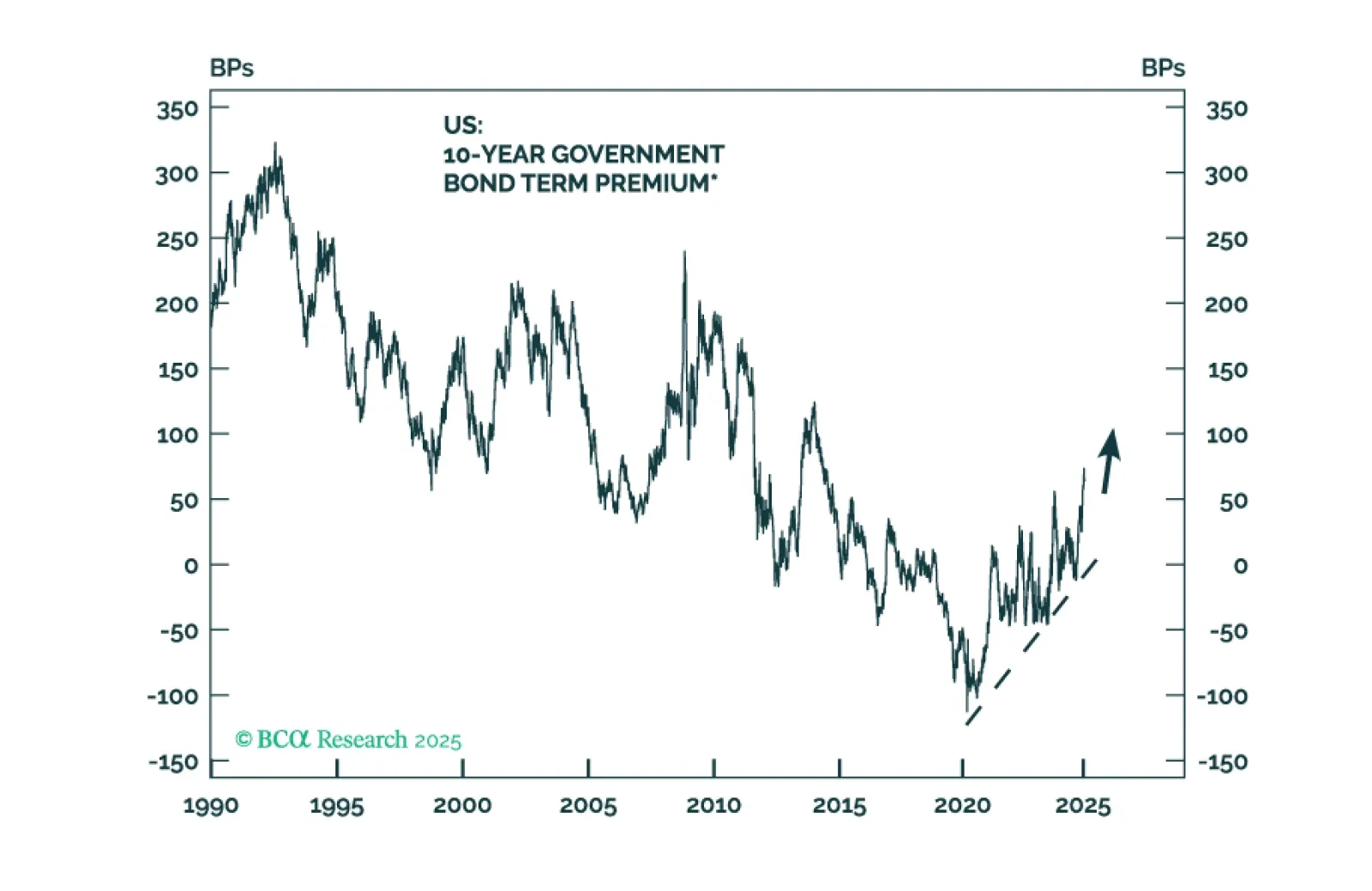
Special Report This is a follow-up report on Bessenomics – the policy mix that US Treasury Secretary Scott Bessent plans to pursue. The direction of US and global financial markets depends on the amount of fiscal tightening required to bring down US interest rates. Can the Trump administration cut fiscal spending just enough to bring down US bond yields but not cause a recession?
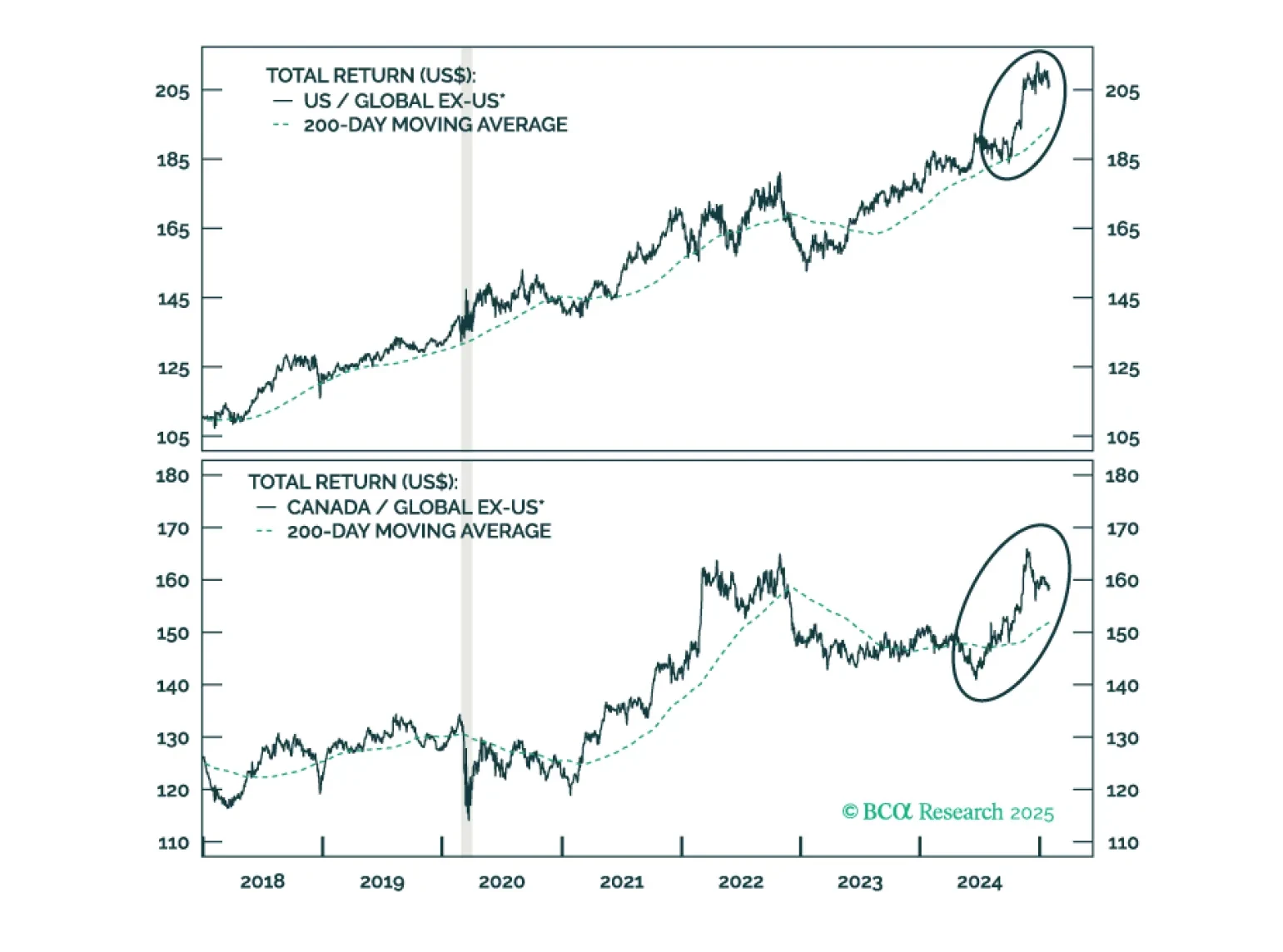
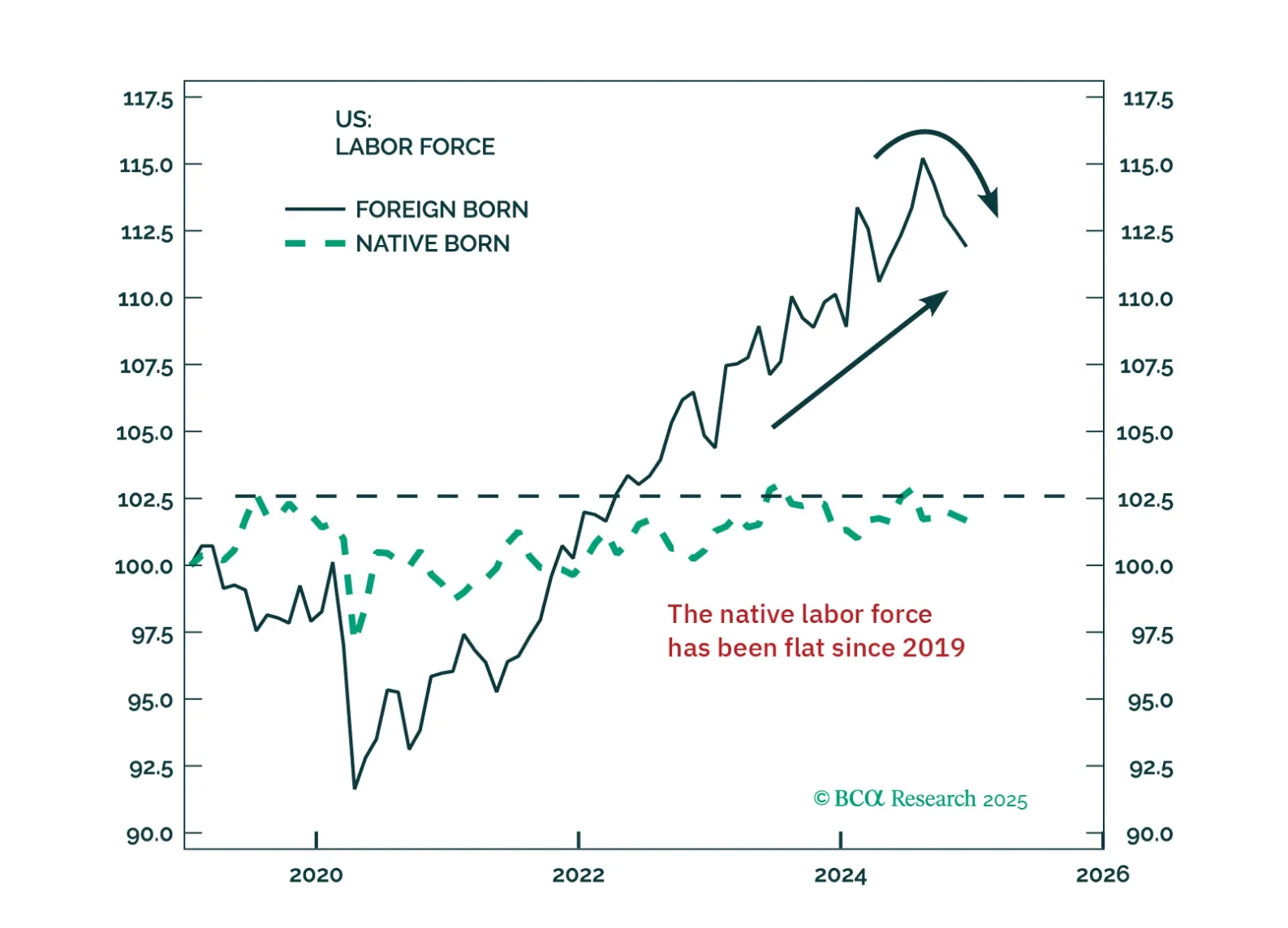
Bank Credit Analyst In Section I, Doug highlights that recent trade developments and news from the AI space are both consistent with a conservative investment stance. US final demand was robust in Q4, but the economy is still walking a tightrope as cracks in the labor market emerge. It is possible that an unorthodox set of policy prescriptions will cause US growth to inflect higher, but that is not yet our base case view. We recommend downgrading global growth stocks to underweight versus value. In Section II, Jonathan provides an update on Canada following strong performance from Canadian stocks last year. On a tactical basis, underweight Canada versus global ex-US on the expectation of tariffs targeting Canada and Mexico. Following a sell off, or if a trade war is avoided, investors should place Canadian stocks on upgrade watch with the goal of moving to a modest overweight versus global ex-US.
Bank Credit Analyst Jonathan provides an update on Canada following strong performance from Canadian stocks last year. On a tactical basis, underweight Canada versus global ex-US on the expectation of tariffs targeting Canada and Mexico. Following a sell off, or if a trade war is avoided, investors should place Canadian stocks on upgrade watch with the goal of moving to a modest overweight versus global ex-US.
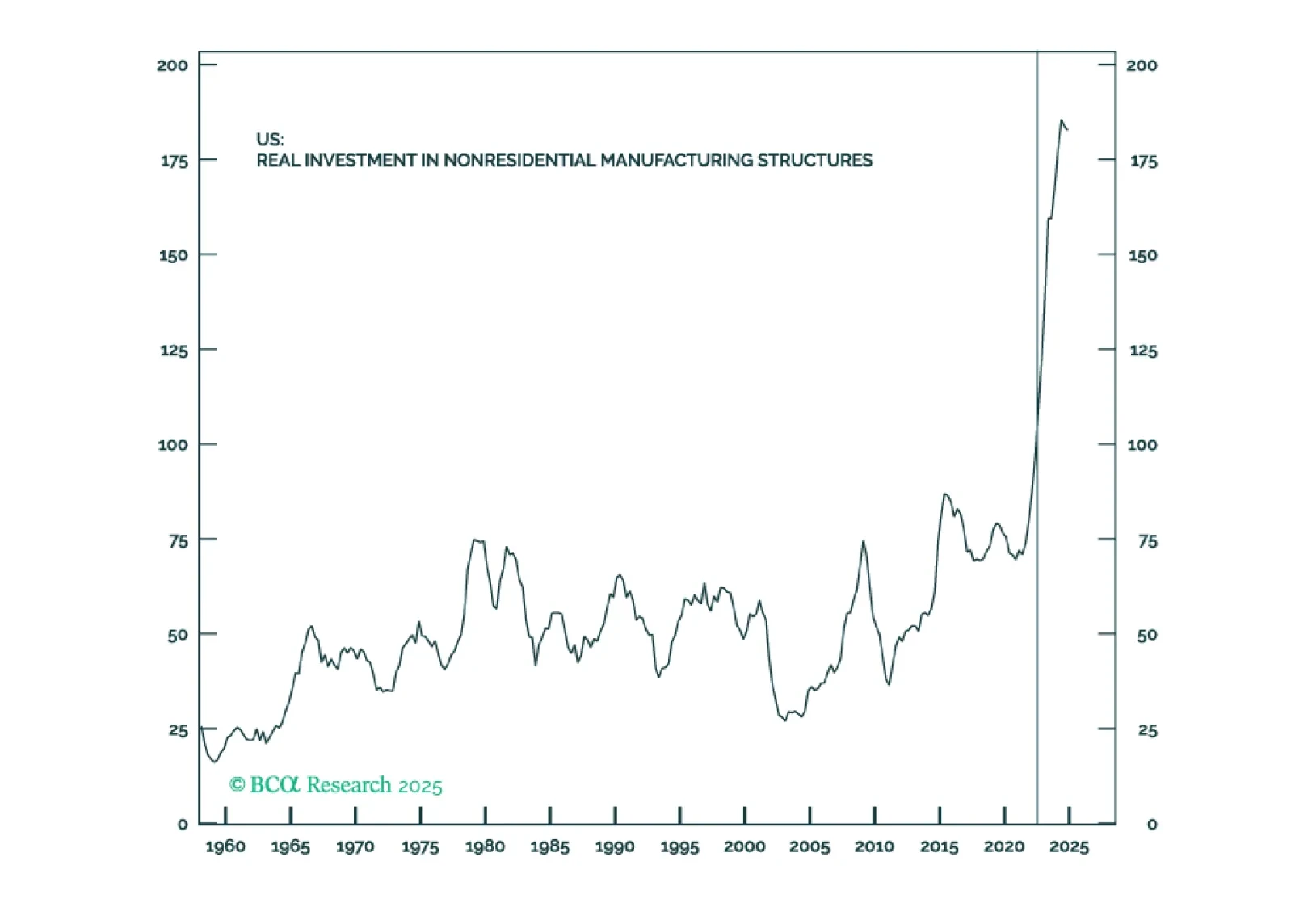
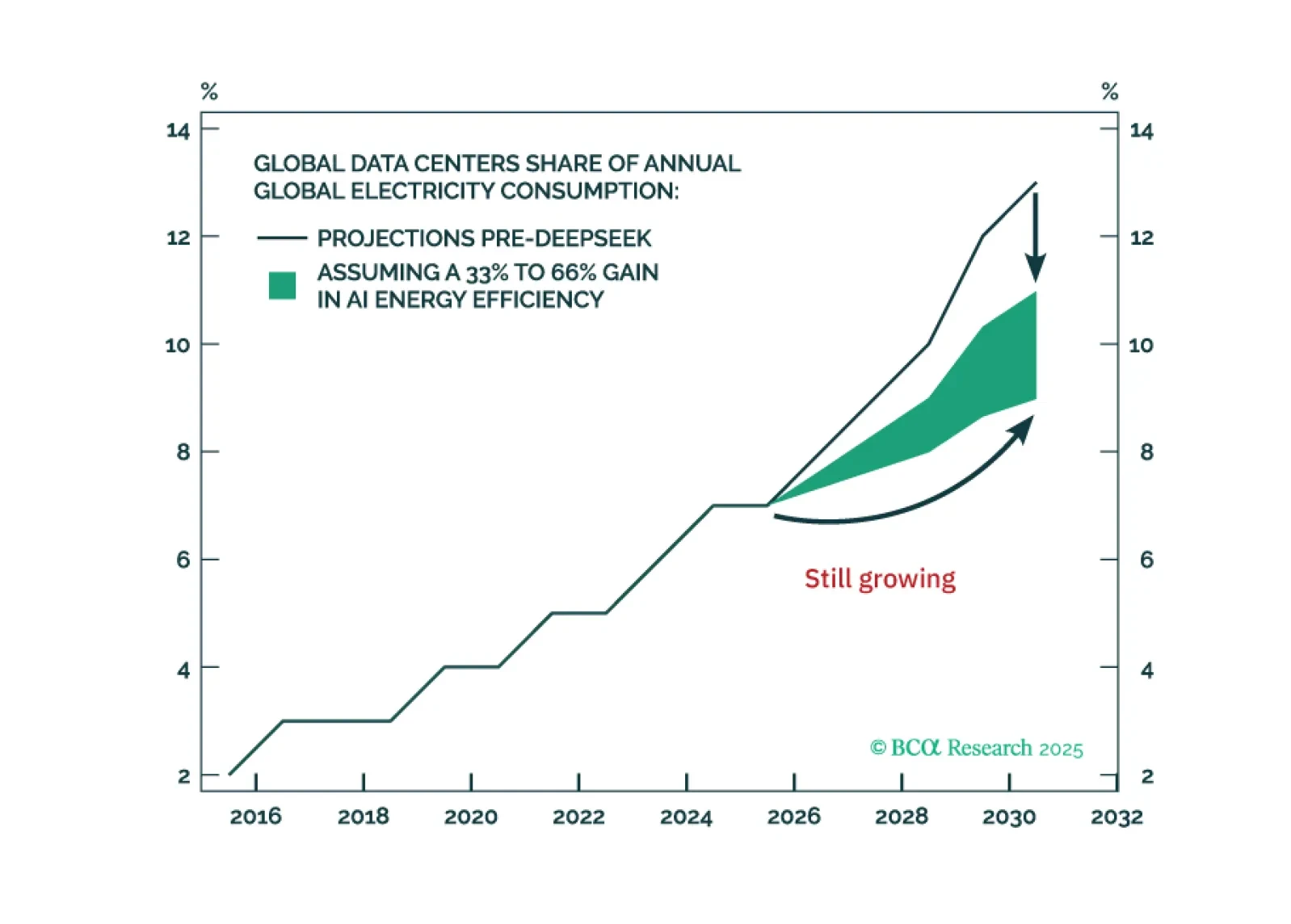
Bank Credit Analyst AI will continue to support future nuclear energy demand. Investors should view the recent pullback as a buying opportunity.
Special Report There is no better way to gauge the macro policies of the new US administration than being privy to President Donald Trump’s discussions with the new Treasury Secretary, Scott Bessent. While we do not have inside information, we have put the pieces of the puzzle together to help clients see the big picture. This report presents our take on a hypothetical conversation between President Trump and Scott Bessent that led to the latter’s appointment as Treasury secretary.