Skip to main content

Essentials

Concise macro insight that cuts through daily noise, helping clients stay informed on what matters in markets, why it matters, and how to talk about it, without spending hours reading research.

Explore Essentials
Bank Credit Analyst
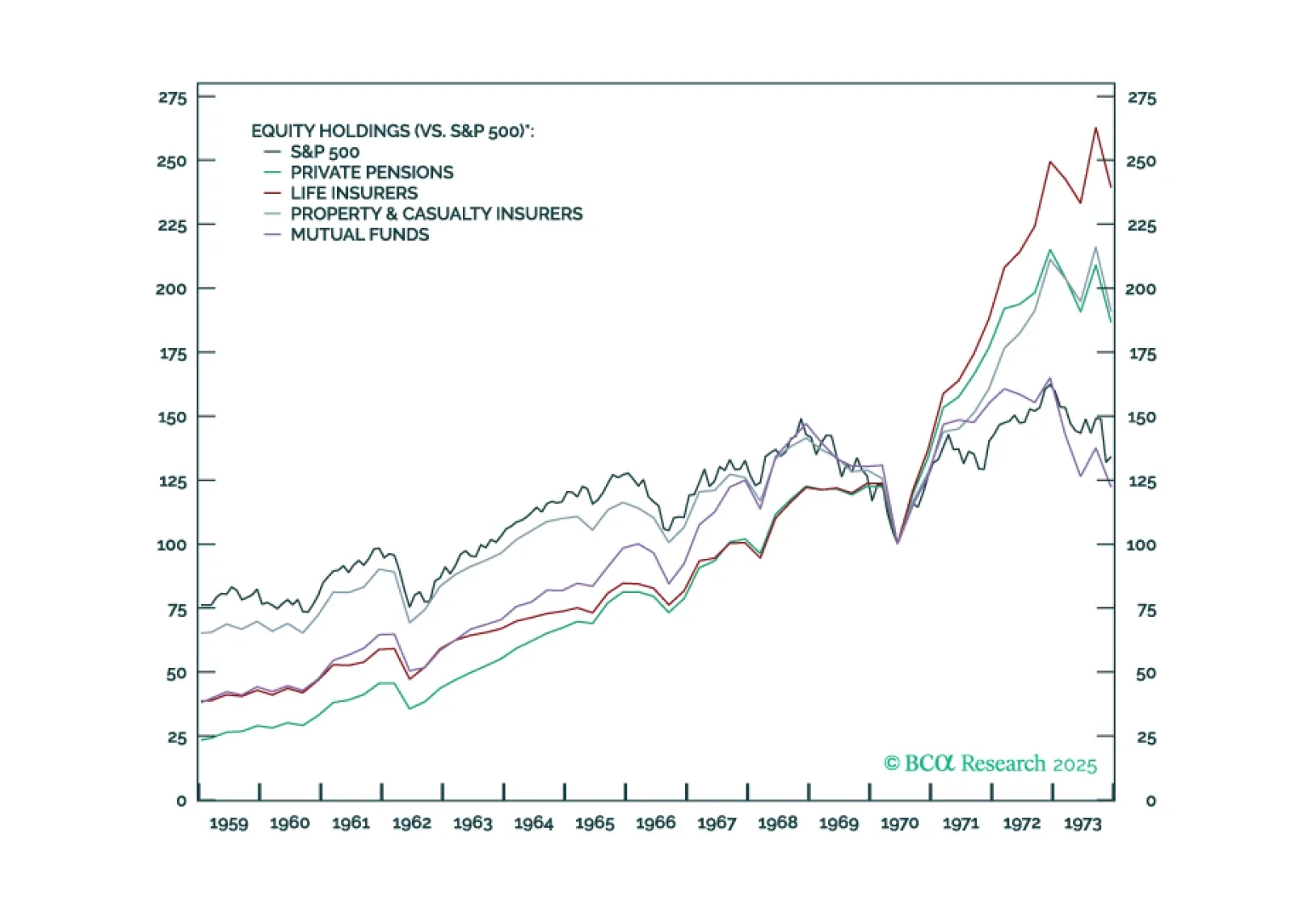
Special Report At the beginning of the 1970s, investors flocked to a select group of growth stocks loosely known as the Nifty Fifty. These companies’ earnings growth was considered so dependable that they were touted as “one-decision” stocks that a shareholder would never have to sell.
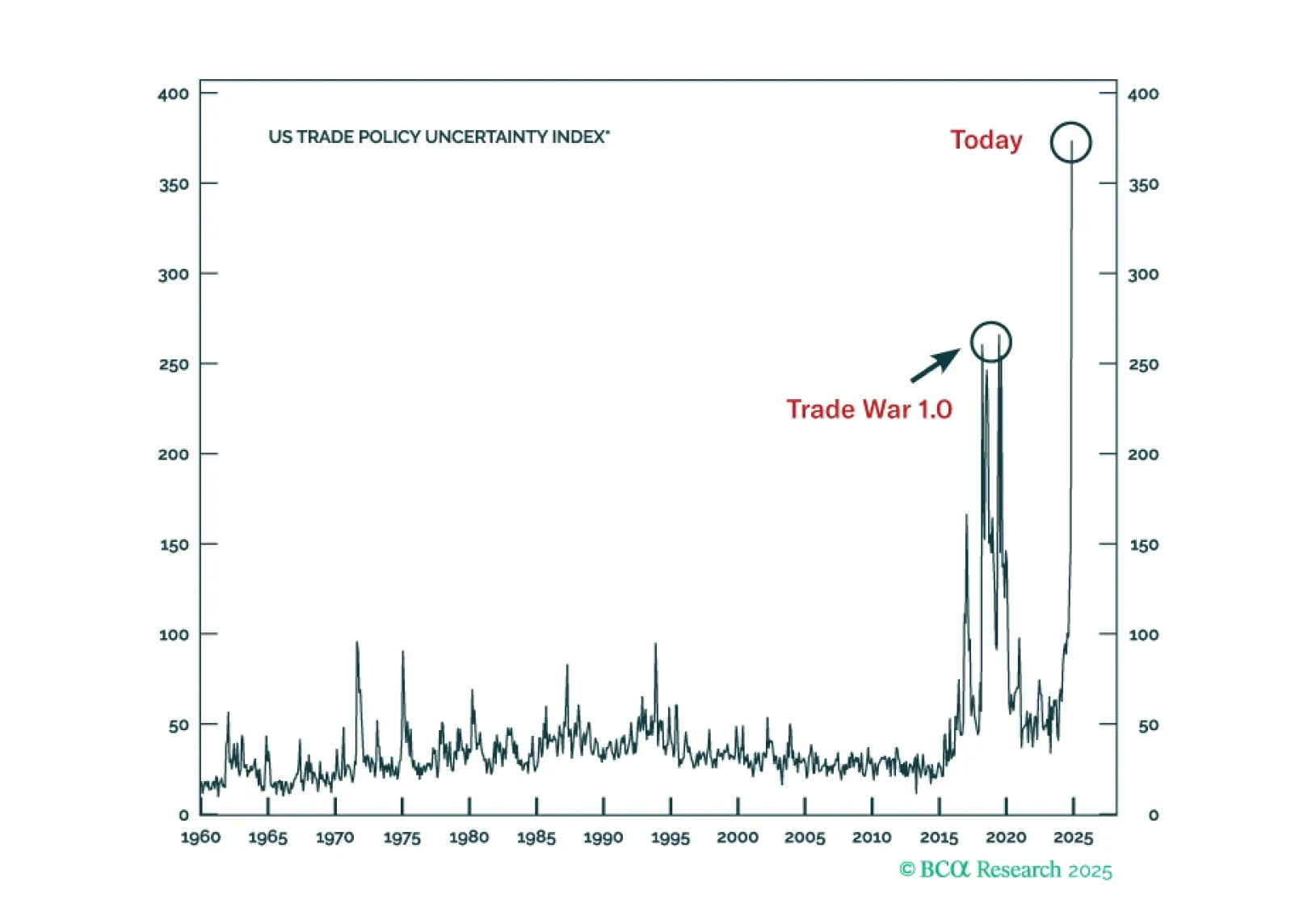
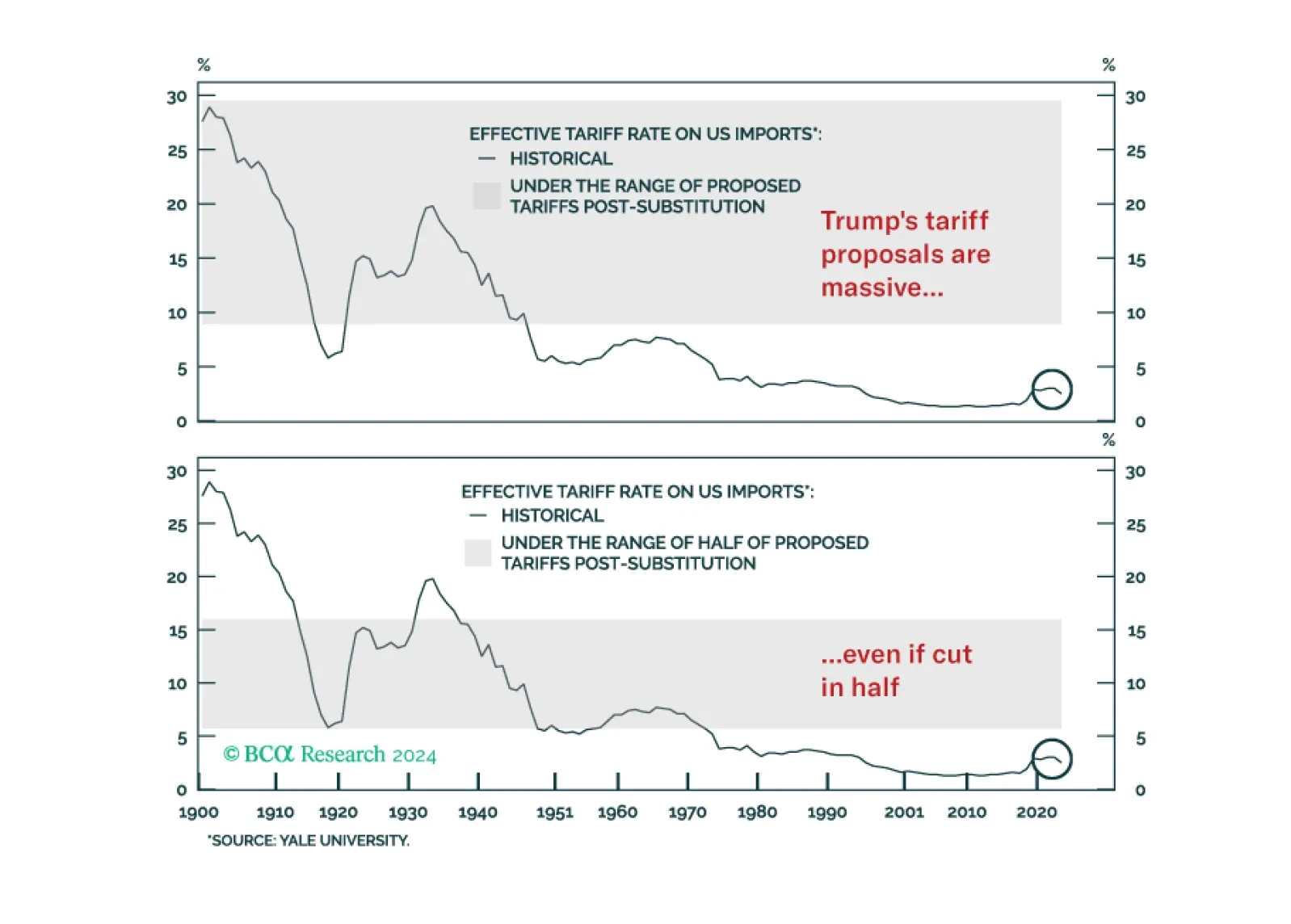
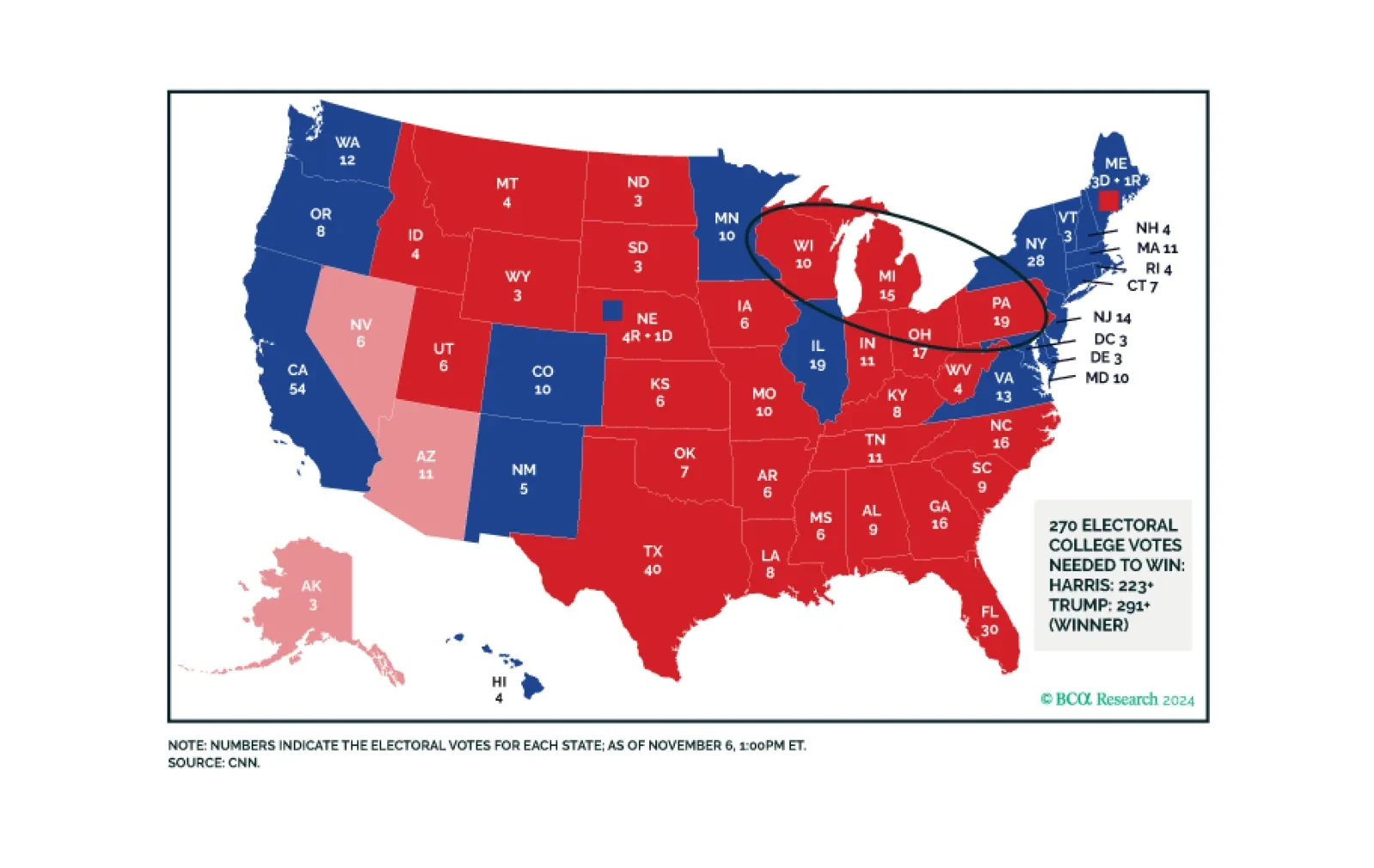
Bank Credit Analyst Trump’s resounding victory brings a popular mandate that ensures deregulation and higher trade tariffs. Higher budget deficit and immigration reform are also in the cards as the Republicans look like they may squeak a thin margin in the House of Representatives. Foreign policy will become more unilateral, with US assets outperforming initially.
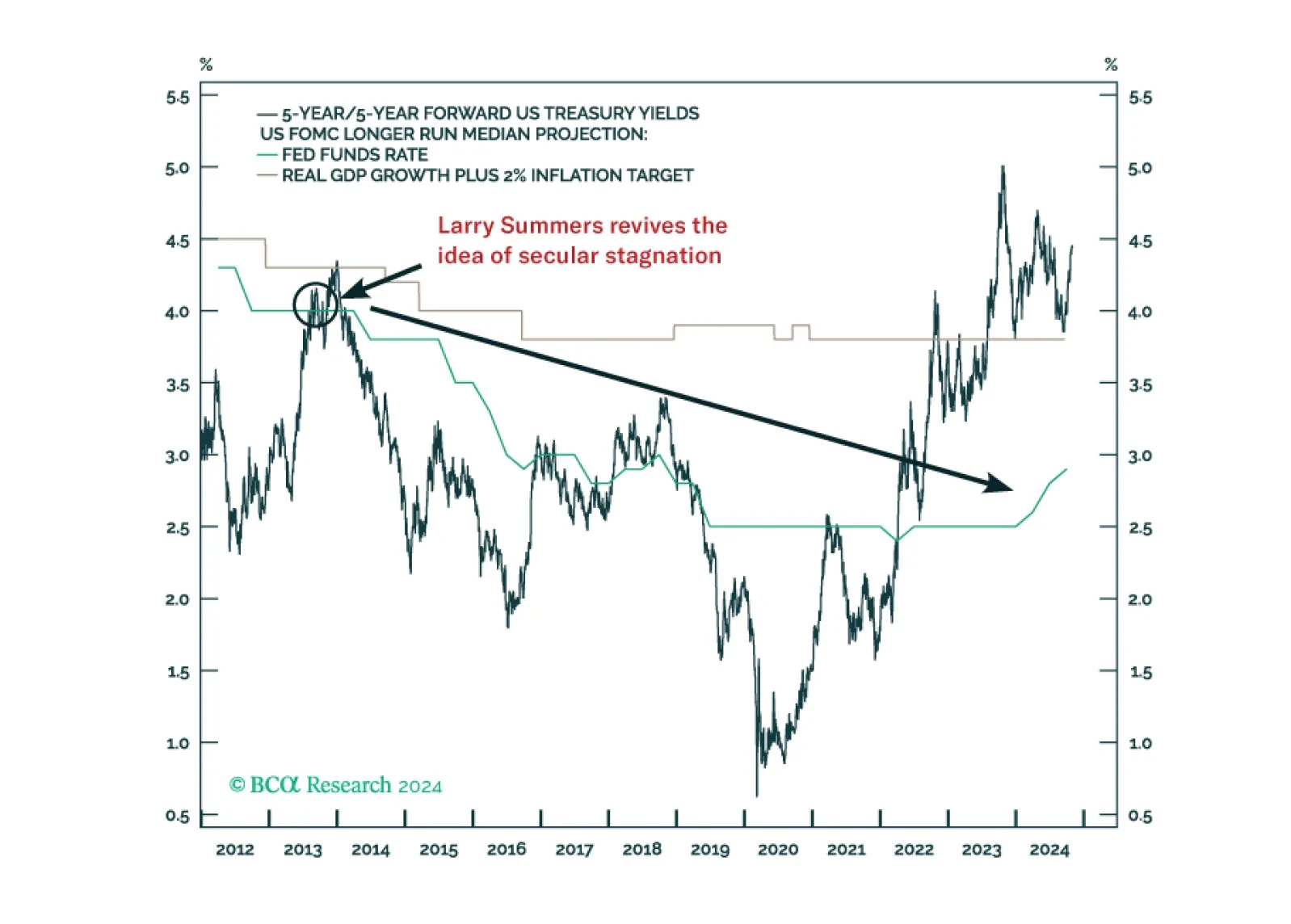
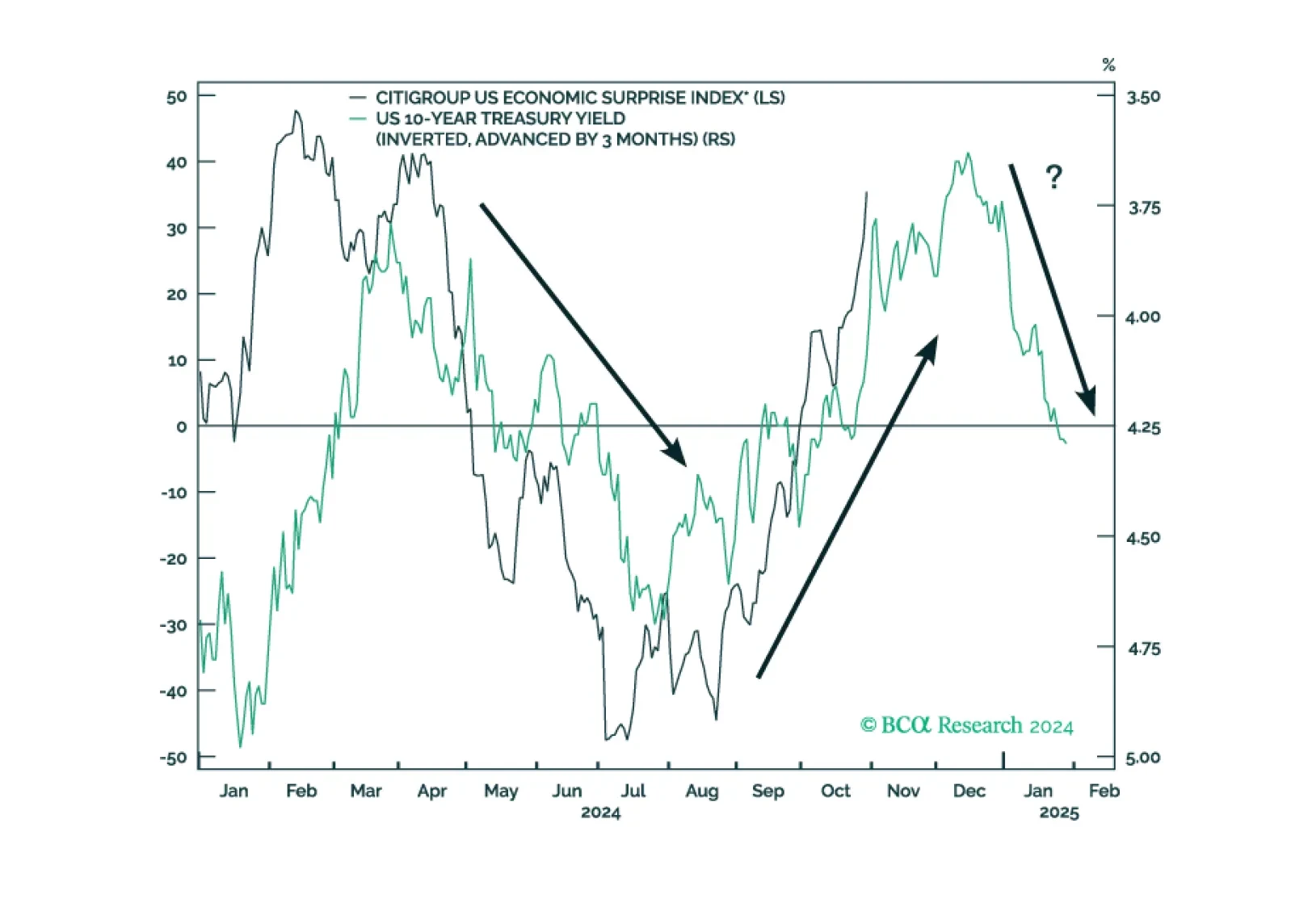
Bank Credit Analyst In Section I, we explain how recent positive data surprises are connected to expectations of Fed easing, meaning that they are self-limiting. Yields will rise even further if US economic data continue to surprise to the upside, which will put the US back on a recessionary path. A Republican sweep has the potential to be positive for US economic growth over the next year, but trade action under a second Trump presidency will likely be aggressive and economically damaging unless deftly offset by sufficiently large fiscal thrust. In Section II, we explain why the Fed is not politically biased, but has become structurally dovish because of the GFC, its shaken confidence in the “stars”, and its ability to forecast the economy. Over the next year, the Fed may appear to be acting in a politically biased way even if it is merely responding to economic developments. The Fed’s independence could be challenged under a Trump presidency if trade action is not severe.
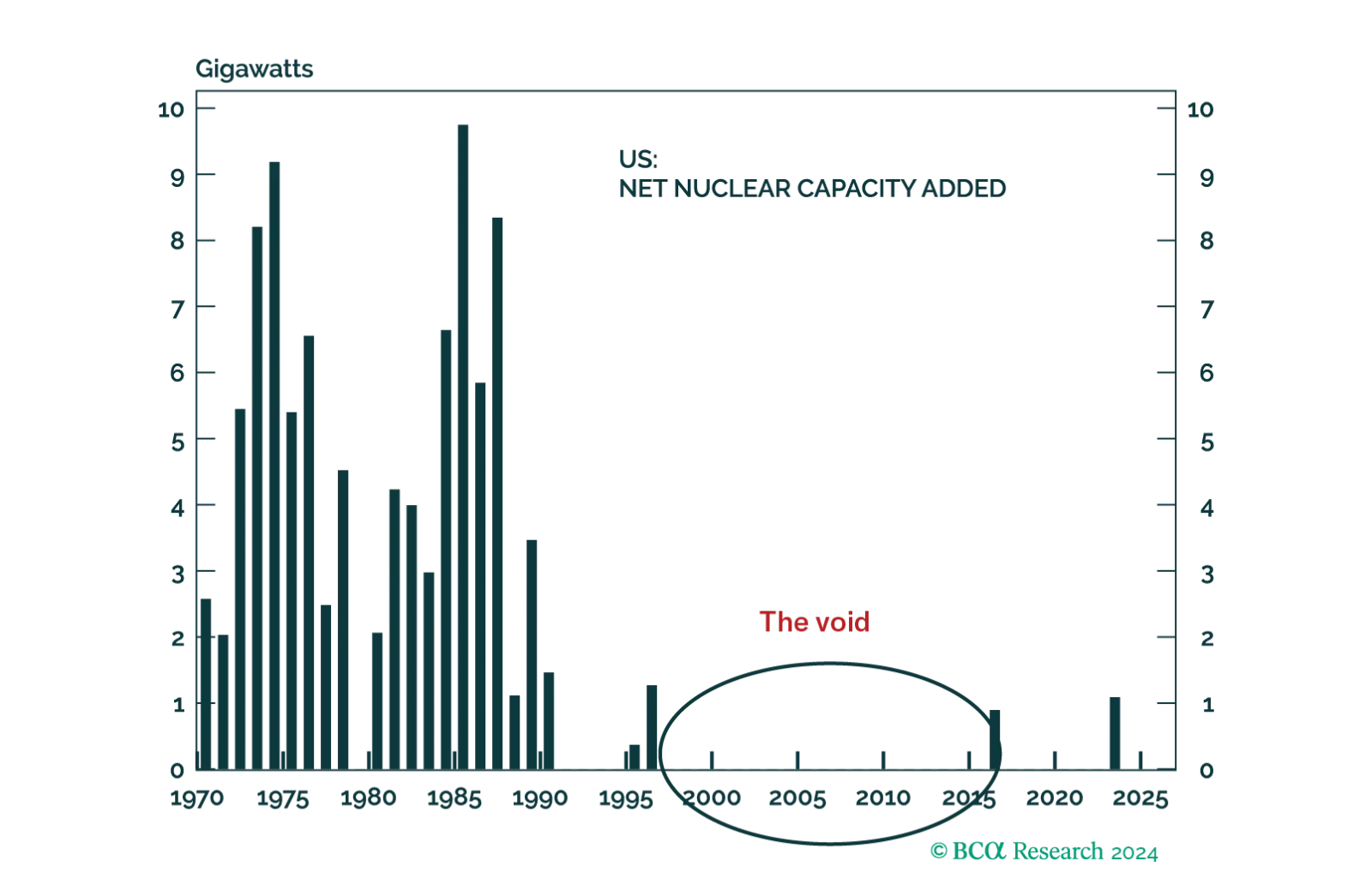
Bank Credit Analyst US nuclear energy is in a state of decay. The industry lacks standardization, making it expensive and timely to deploy new nuclear energy projects. Policy support is also lacking compared to other energy sources. Public opinion on nuclear energy is warming but will do little for commercial uptake – investors still face massively high startup costs. Meanwhile, competition is heating up. China is fast approaching the global top spot with its grand nuclear energy strategy. For once, the US may not be the best investment case we have all come to know.
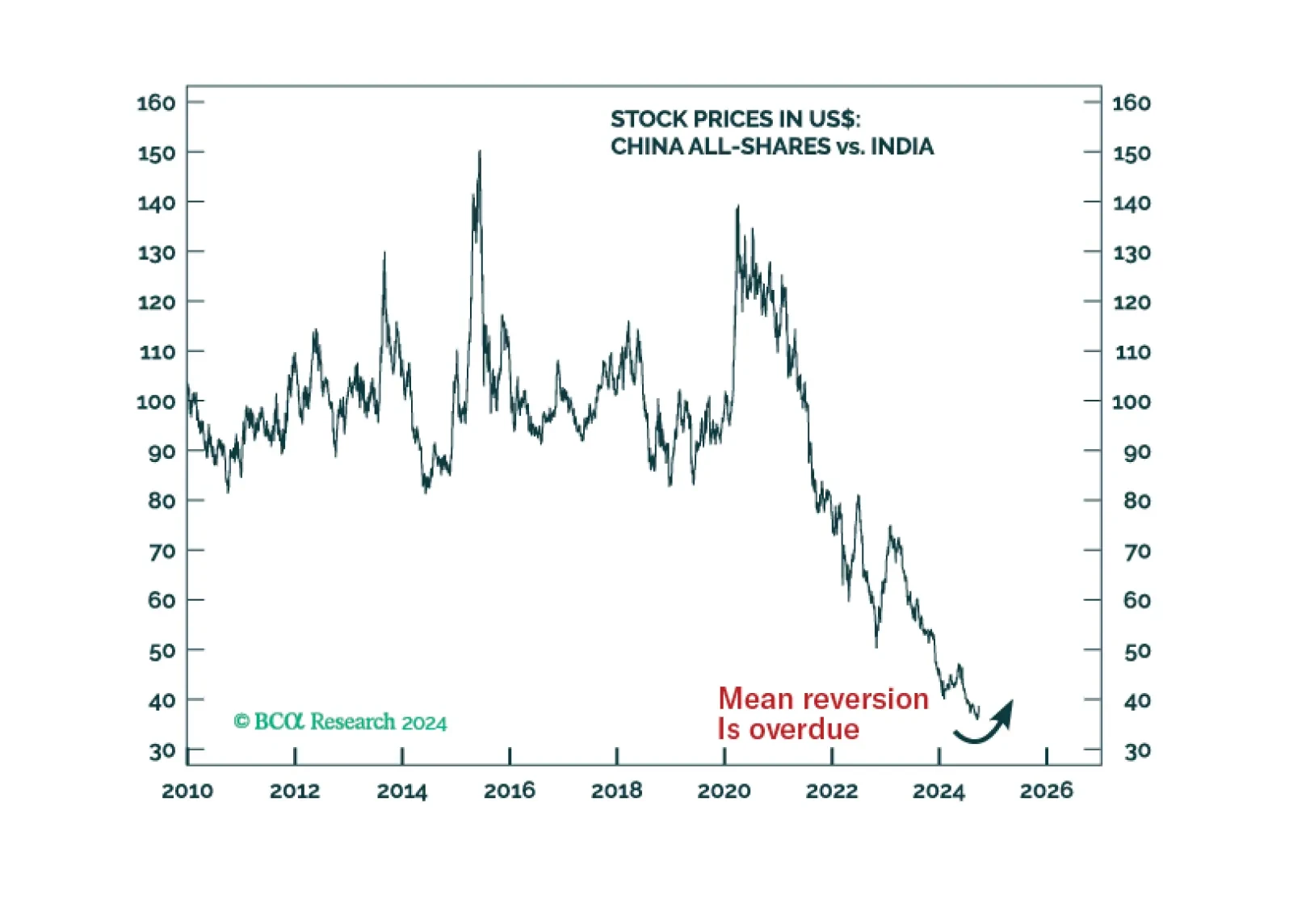
Bank Credit Analyst The adrenaline from the recent policy stimulus might be sufficient to produce a window of outperformance for Chinese equities and China-plays in financial markets. However, this adrenaline will not extend to China's real economy. Net-net, we are upgrading the allocation to EM in a global equity portfolio from underweight to neutral.
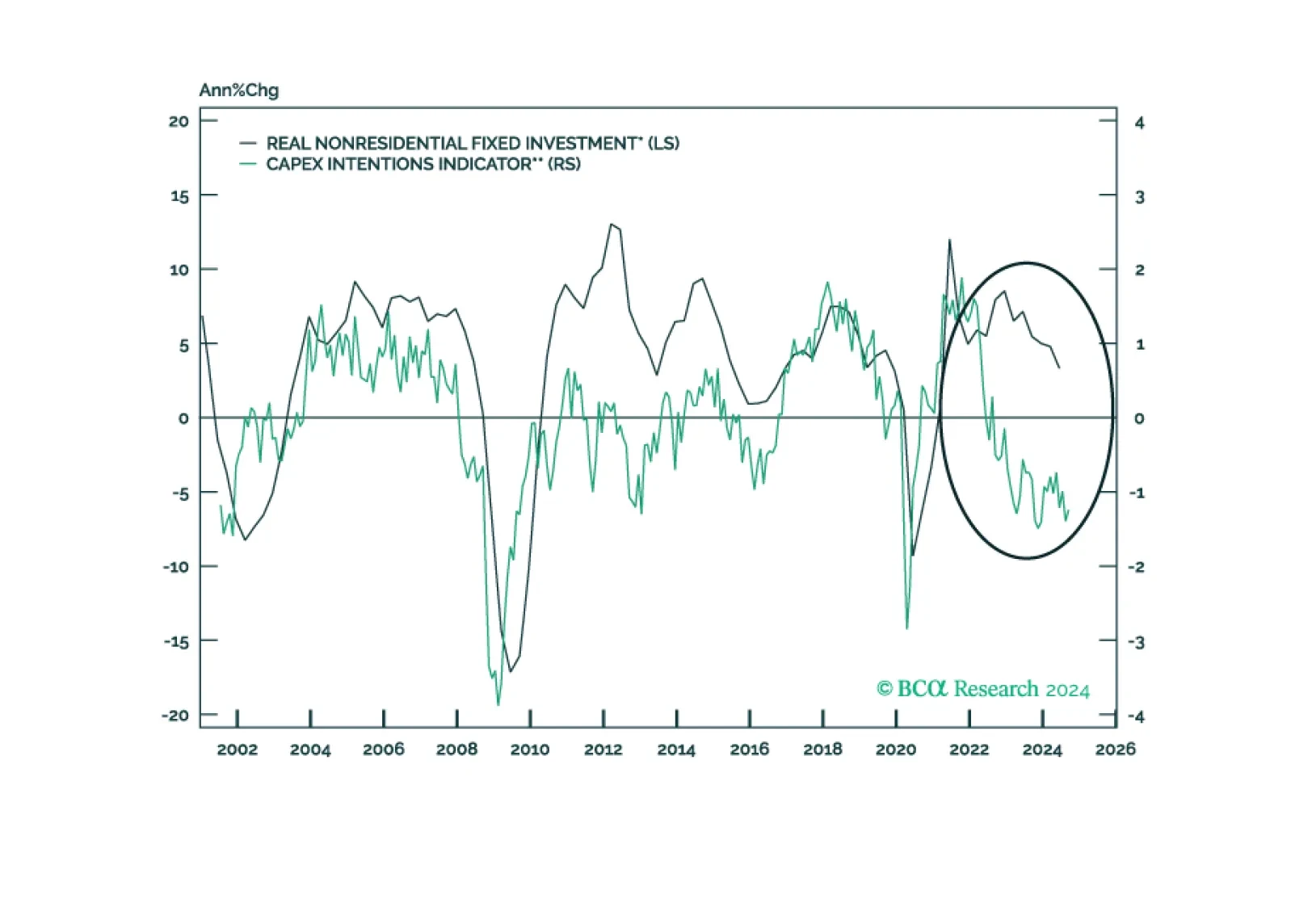
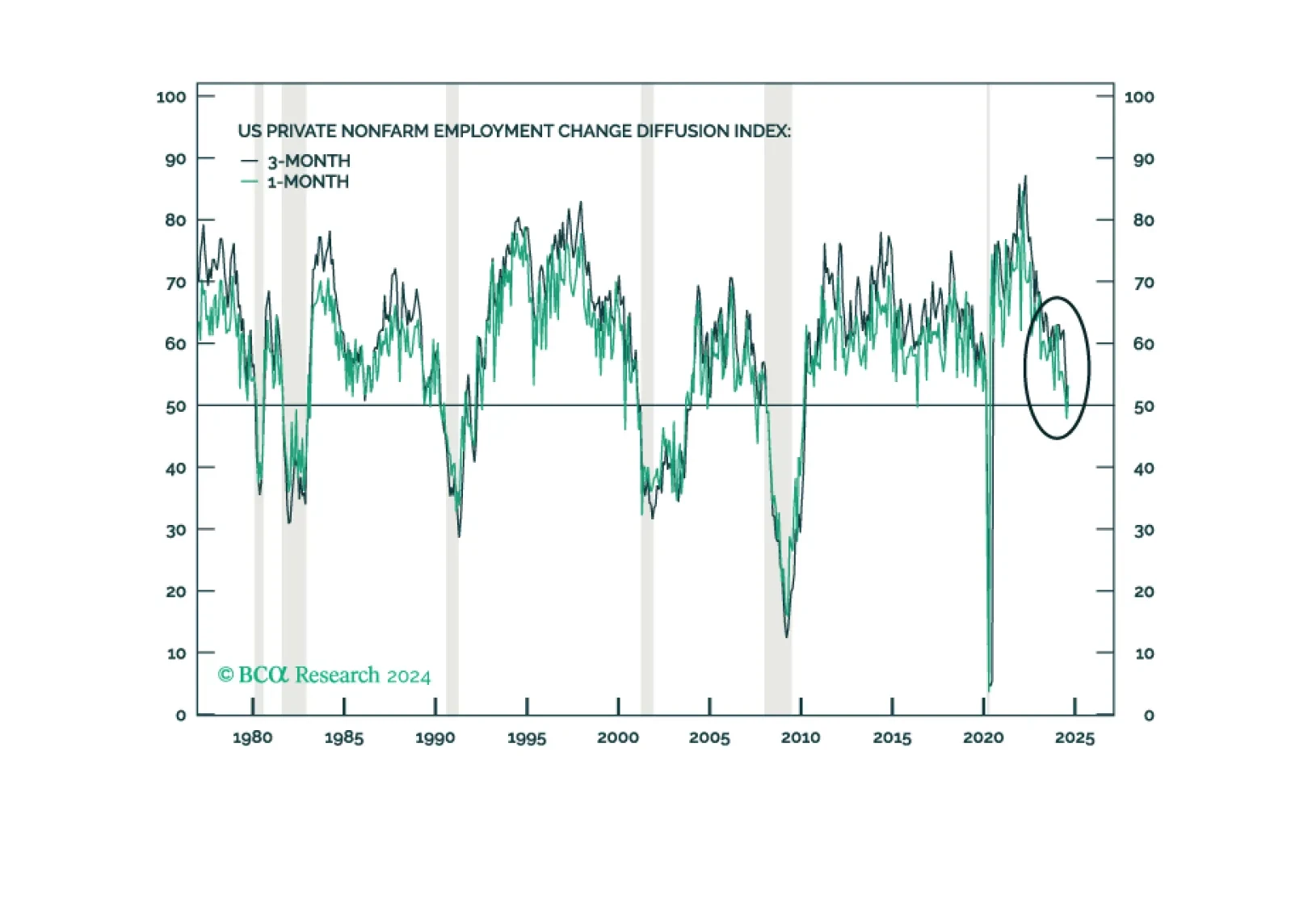
Bank Credit Analyst In Section I, we provide an update of our views following the September FOMC meeting and recent announcements from Chinese policymakers. The Fed’s decision this month has modestly increased the odds of a temporary soft-landing outcome. Still, recession remains our base case scenario, and forceful easing also raises the odds that disinflation will end or that inflation will reaccelerate. In China, policymakers are reacting in a panicked fashion to an impending major slowdown. They will likely succeed at preventing that decline, but preventing a further slowdown does not equate to a major acceleration in growth. Stay conservatively positioned. In Section II, we review why real nonresidential fixed investment is unlikely to prevent a US recession.