Skip to main content

Essentials

Concise macro insight that cuts through daily noise, helping clients stay informed on what matters in markets, why it matters, and how to talk about it, without spending hours reading research.
Explore Essentials
Bank Credit Analyst In Section II, Chester reviews the outlook for stablecoins, cryptocurrencies, and central bank digital currencies.
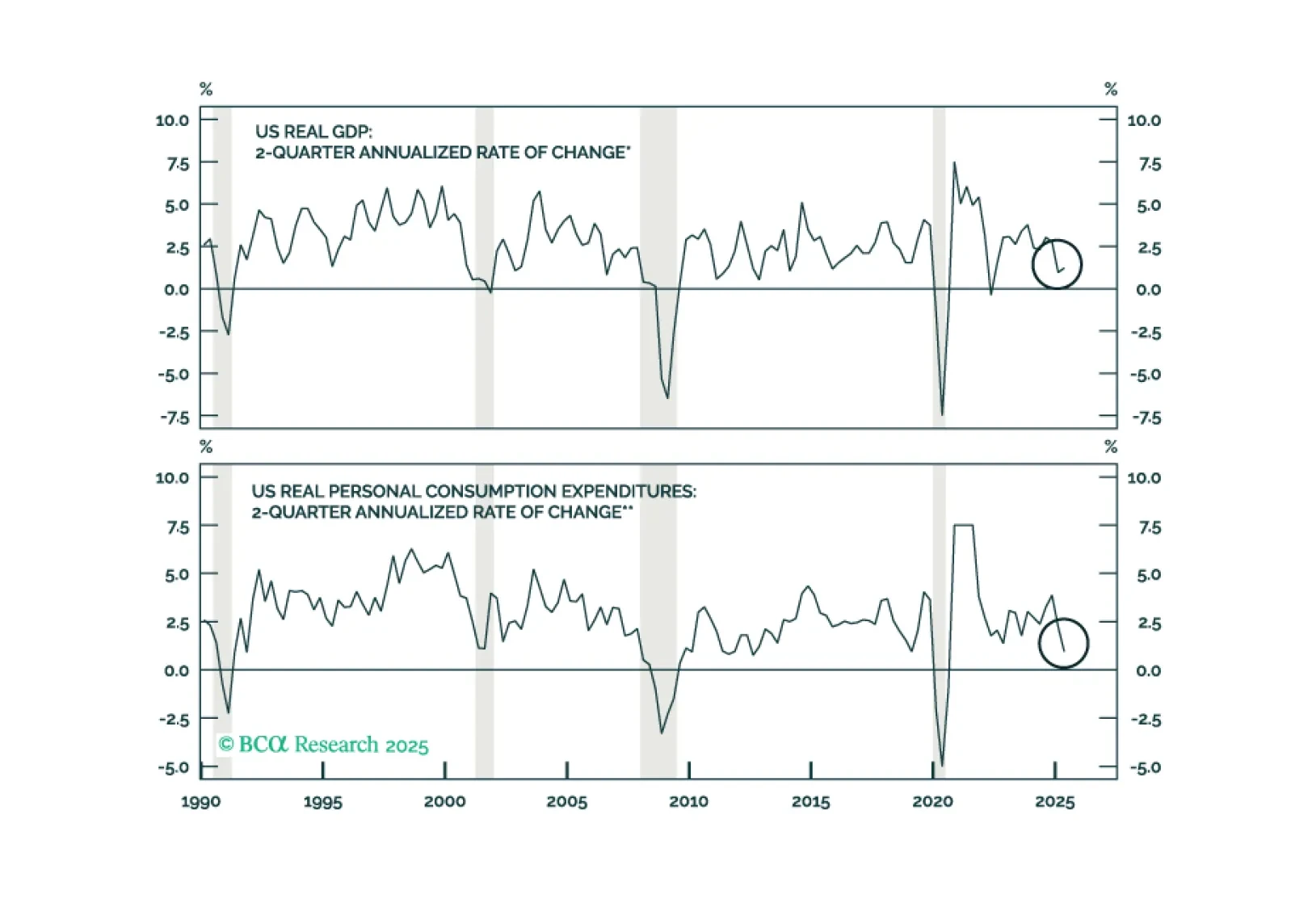
Bank Credit Analyst In Section I, Doug weighs the recent reduction in trade uncertainty against the clear signs of labor market and consumer weakness. In Section II, Jonathan reviews the US fiscal outlook in the wake of the passage of the OBBBA.
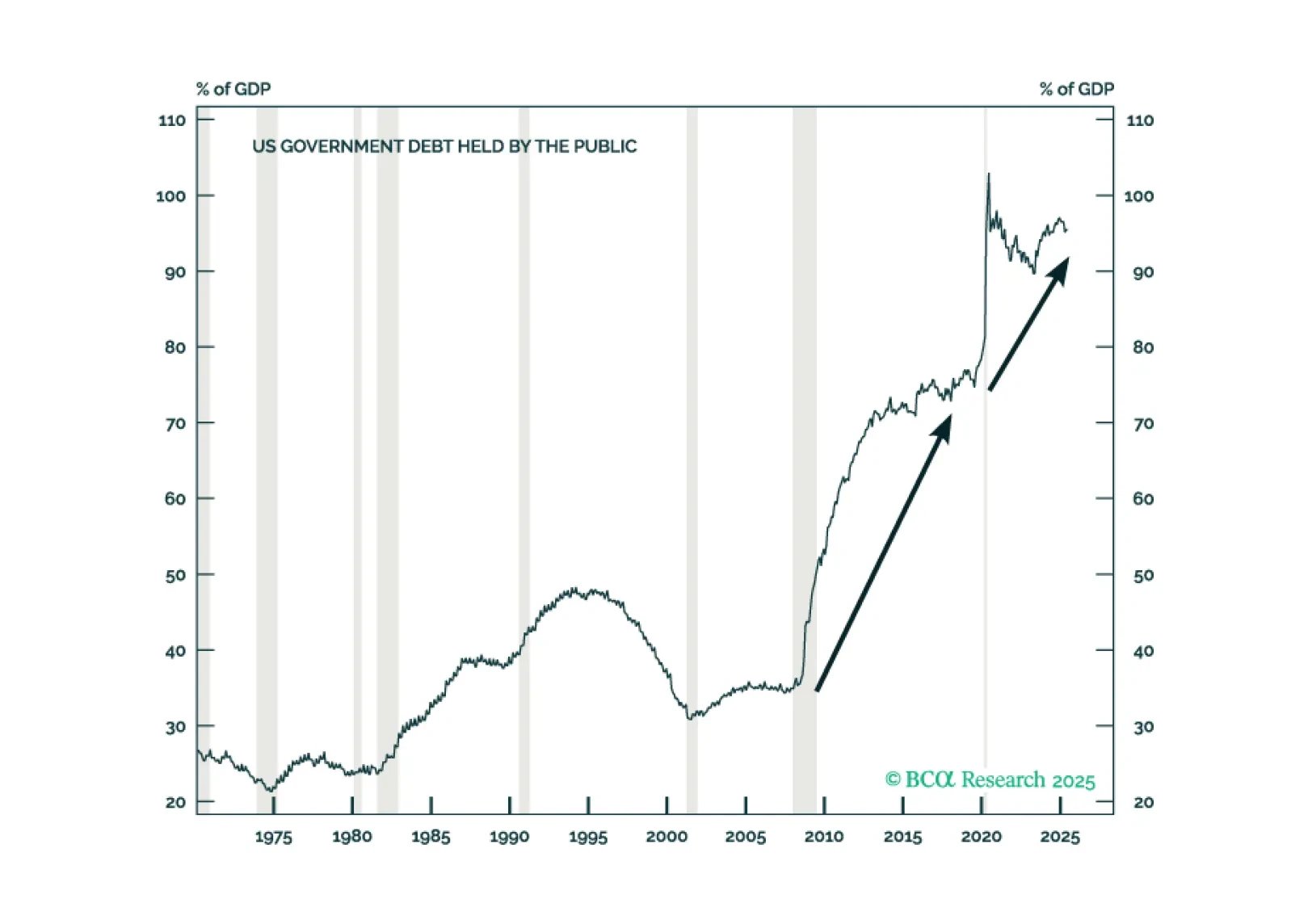
Bank Credit Analyst In Section II, Jonathan reviews the US fiscal outlook in the wake of the passage of the OBBBA.
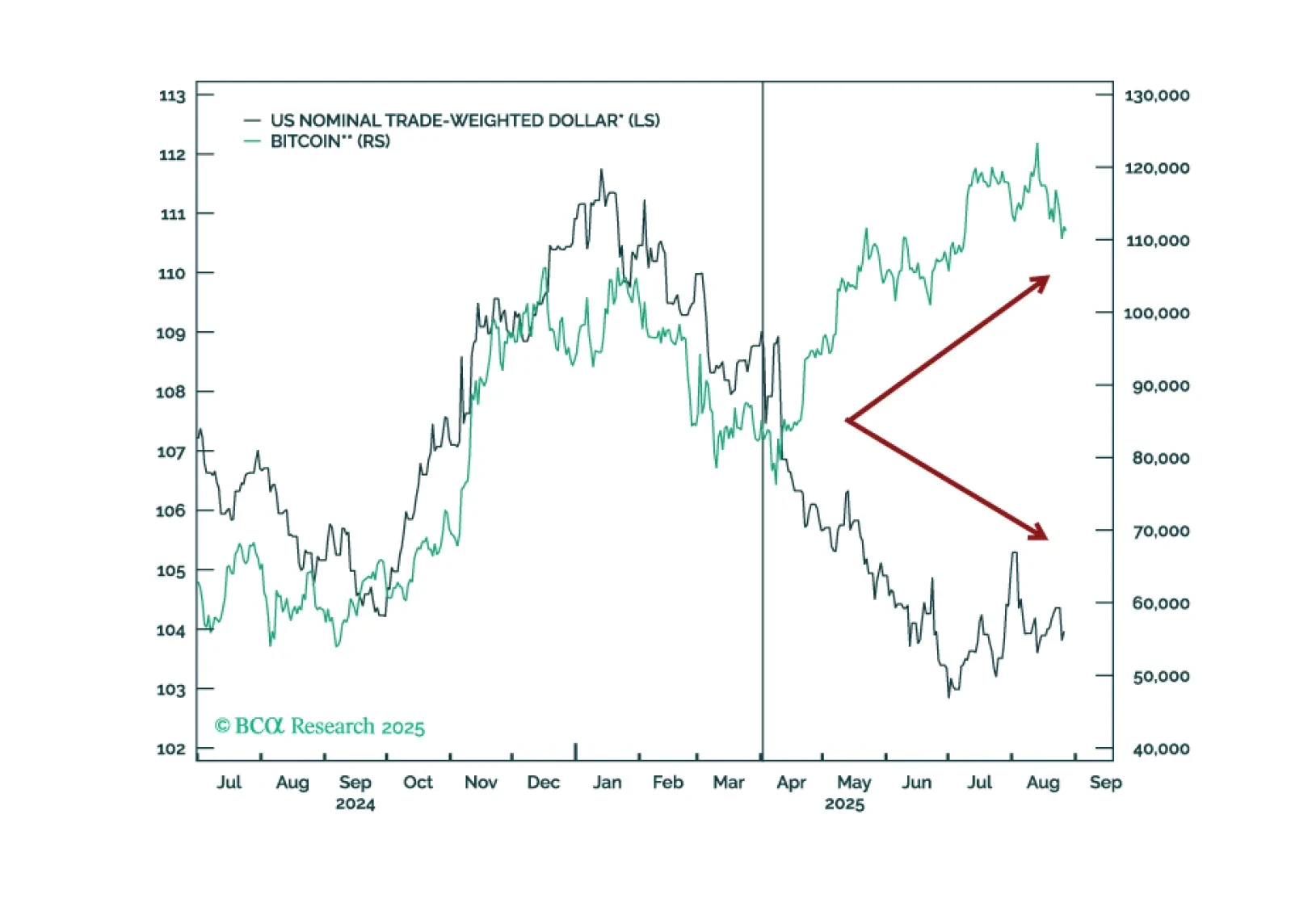
Special Report In Section II, Jonathan presents the bullish case for the US dollar over the coming year.
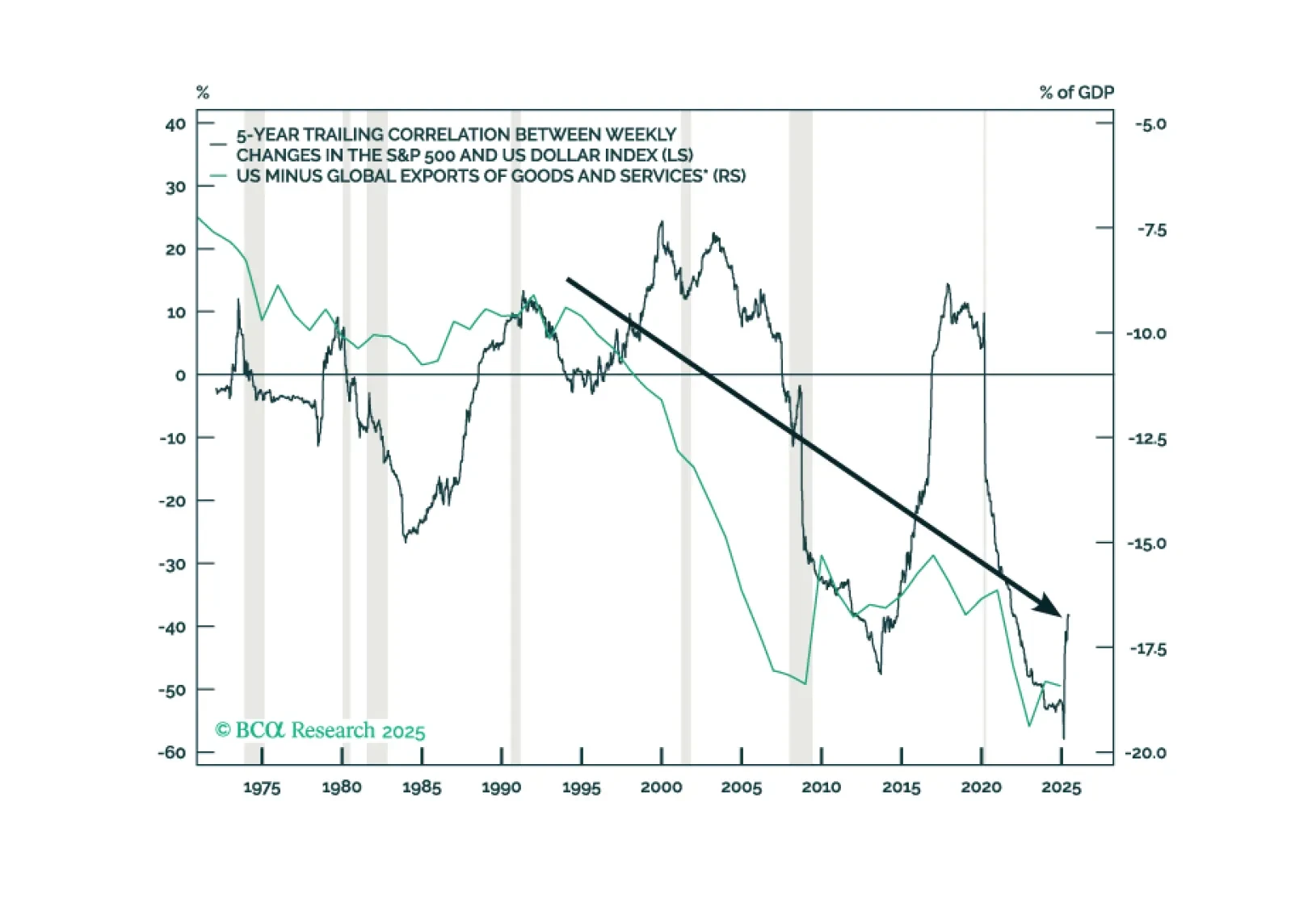
Bank Credit Analyst In Section I, Doug underscores that the full weight of tariffs has yet to be felt on the US and global economies, against the dangerous backdrop of a softening labor market. In Section II, Jonathan presents the bullish case for the US dollar over the coming year.
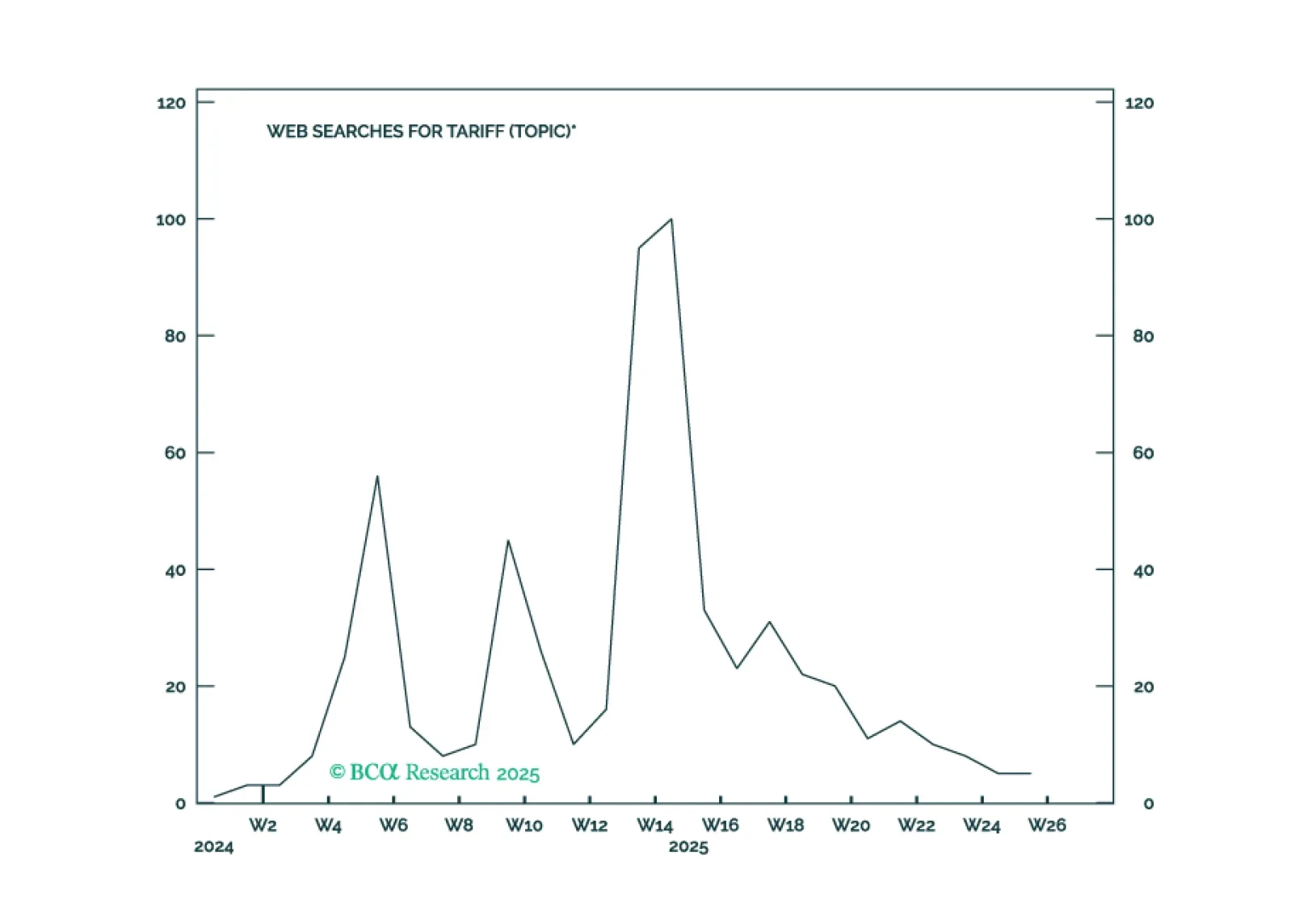
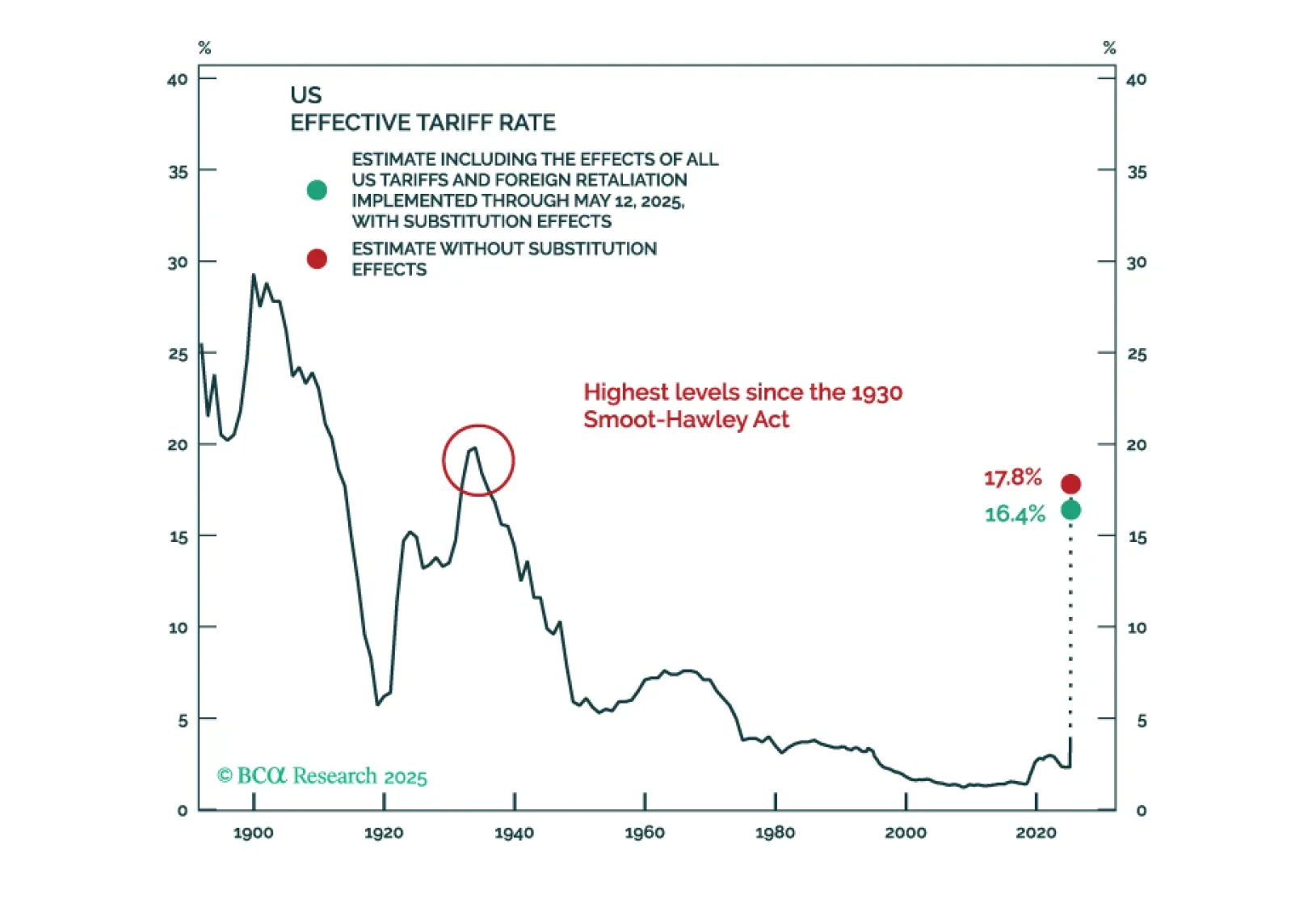
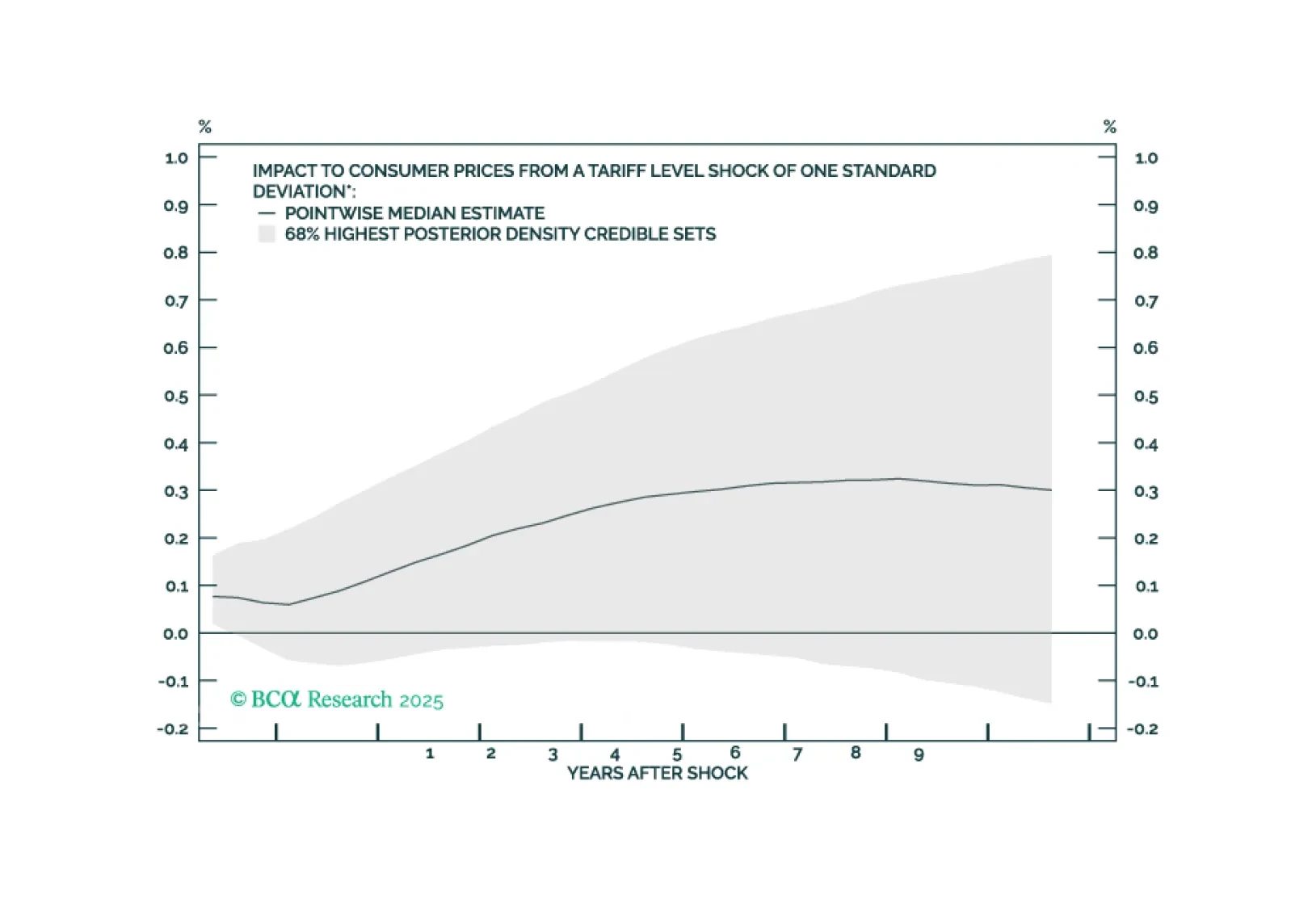
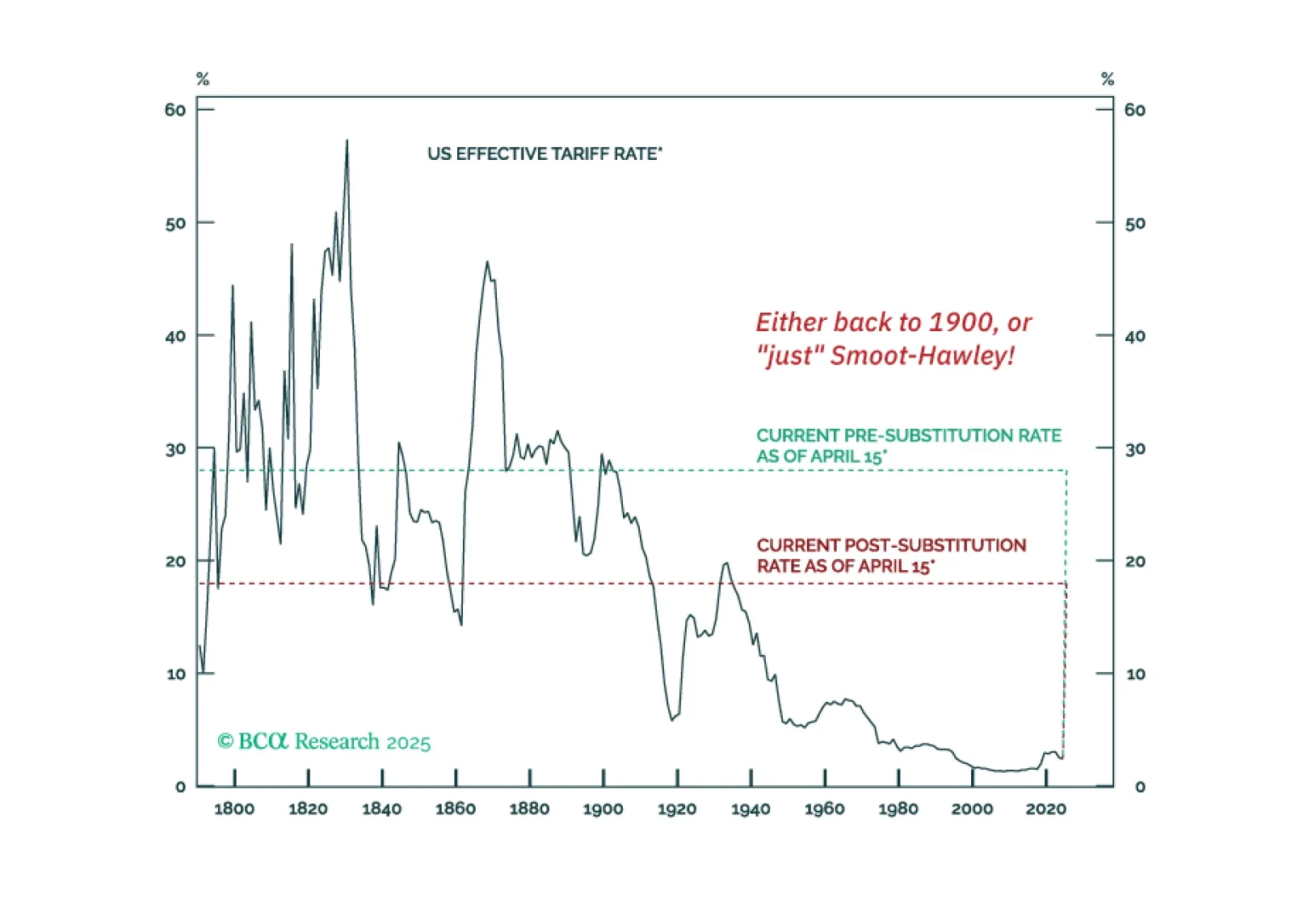
Bank Credit Analyst In Section I, Doug warns that US trade policy may produce a considerably worse outcome than investors currently expect. The administration’s apparent 10% tariff baseline is likely to be negative for the US economy and particularly the small business sector. Investors should remain defensively positioned for now, although judicial constraints on the administration’s ability to wage a trade war, if confirmed, would sharply reduce our estimated recession probability. In Section II, Jonathan discusses the arguments in favor and against the view that US inflation will be structurally elevated over the longer term. Our base case view remains that US inflation will not be significantly above 2%, but this view may change if US tariffs are put in place permanently and the US avoids a recession.
Bank Credit Analyst In Section II, Jonathan discusses the arguments in favor and against the view that US inflation will be structurally elevated over the longer term. Our base case view remains that US inflation will not be significantly above 2%, but this view may change if US tariffs are put in place permanently and the US avoids a recession.
Bank Credit Analyst This report is an edited transcript of our recent conversation with Mr. X and his daughter, Ms. X, who visited our office to discuss the rapidly evolving economic outlook. The US and global economies are likely to enter a recession this year barring a decisive tariff reversal or the passage of significant fiscal stimulus. Even the latter is not clearly bullish for stocks, as it risks a stagflationary outcome. Investors should be underweight stocks versus bonds and should respond to clear signs of stagflation by lowering fixed-income portfolio duration. We continue to recommend defensive equity sector positioning, an overweight stance toward value stocks, an underweight stance toward small caps, and gold over cyclically sensitive commodities.
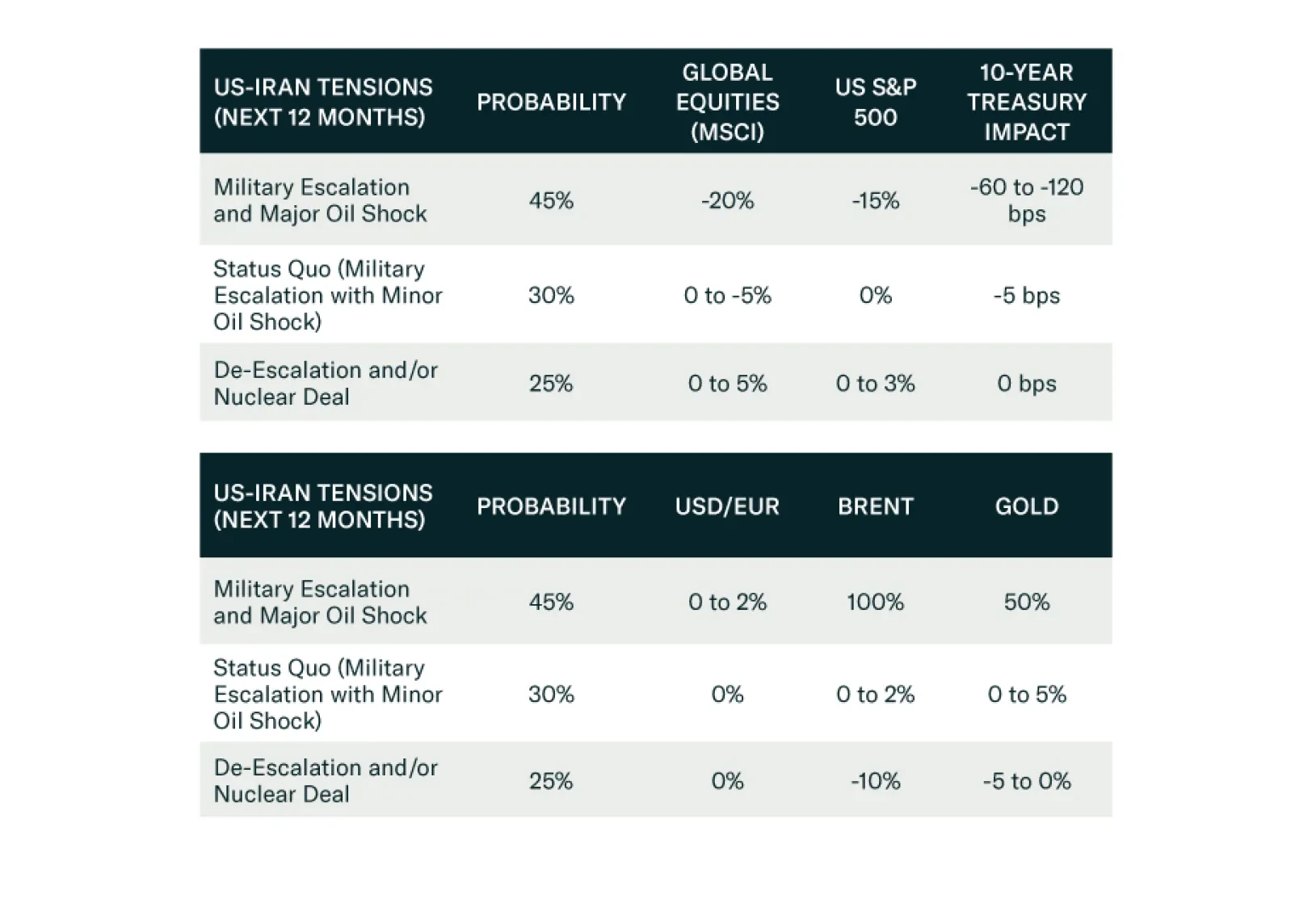
Bank Credit Analyst As high-stakes US-Iran negotiations begin, investors face yet another geopolitical risk, on top of tariffs and trade war. In this collaborative project, we combined BCA’s scenario analysis, probabilities, and financial market impacts with Axioma/Simcorp’s advanced risk analytics platform to produce a valuable contribution to risk management.
Bank Credit Analyst In Section II, Jonathan presents a new indicator that investors can use to track the odds of bubble formation in real time and shows how it fits into a larger framework that accurately explains US bear market severity over the past century. The US equity market is not in a bubble today, but it is meaningfully overvalued. Investors should expect a relatively severe cumulative loss from equities in a recession scenario.