Equities
Macro, fundamental, and quantitative analysis translated into actionable equity views across sectors, factors, themes, and baskets.
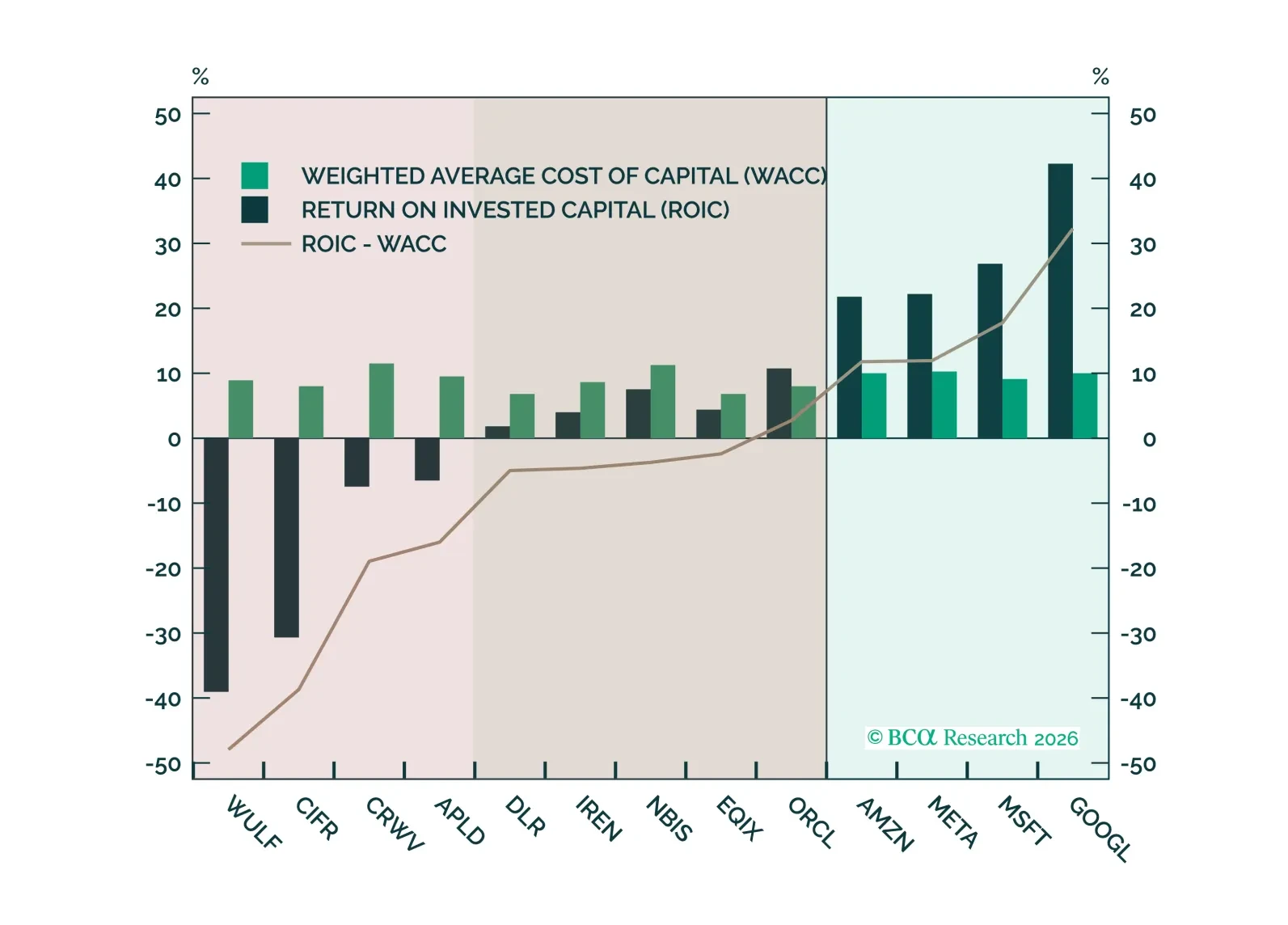
AI demand remains strong, but the capex boom is creating a growing divide within Tech. Hyperscalers combine superior margins, capital efficiency and financing capacity with multiple paths to monetize AI investment. Neoclouds rely more heavily on leverage and scarcity economics, potentially making them more vulnerable should capacity expand and compute pricing normalize.
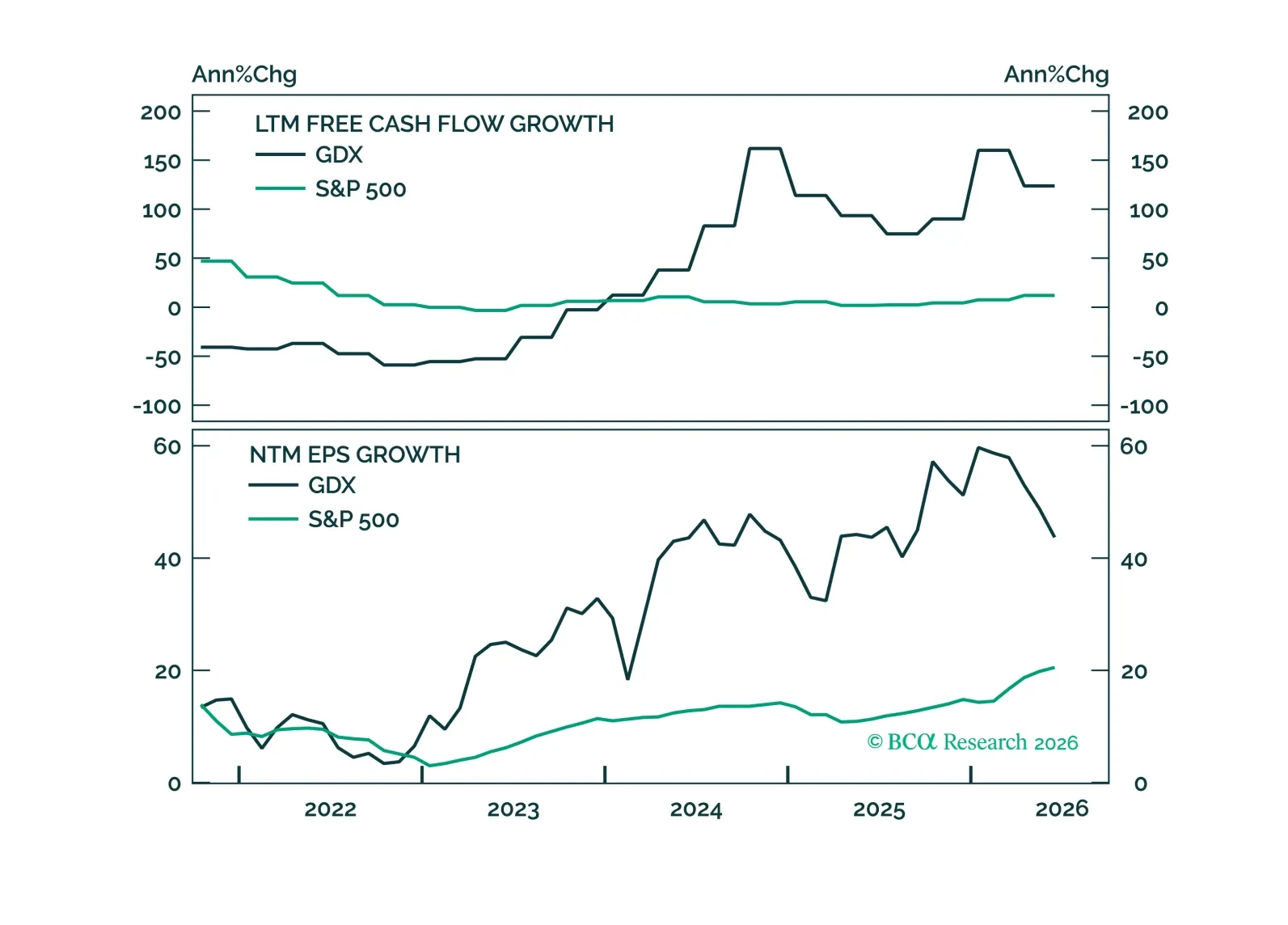
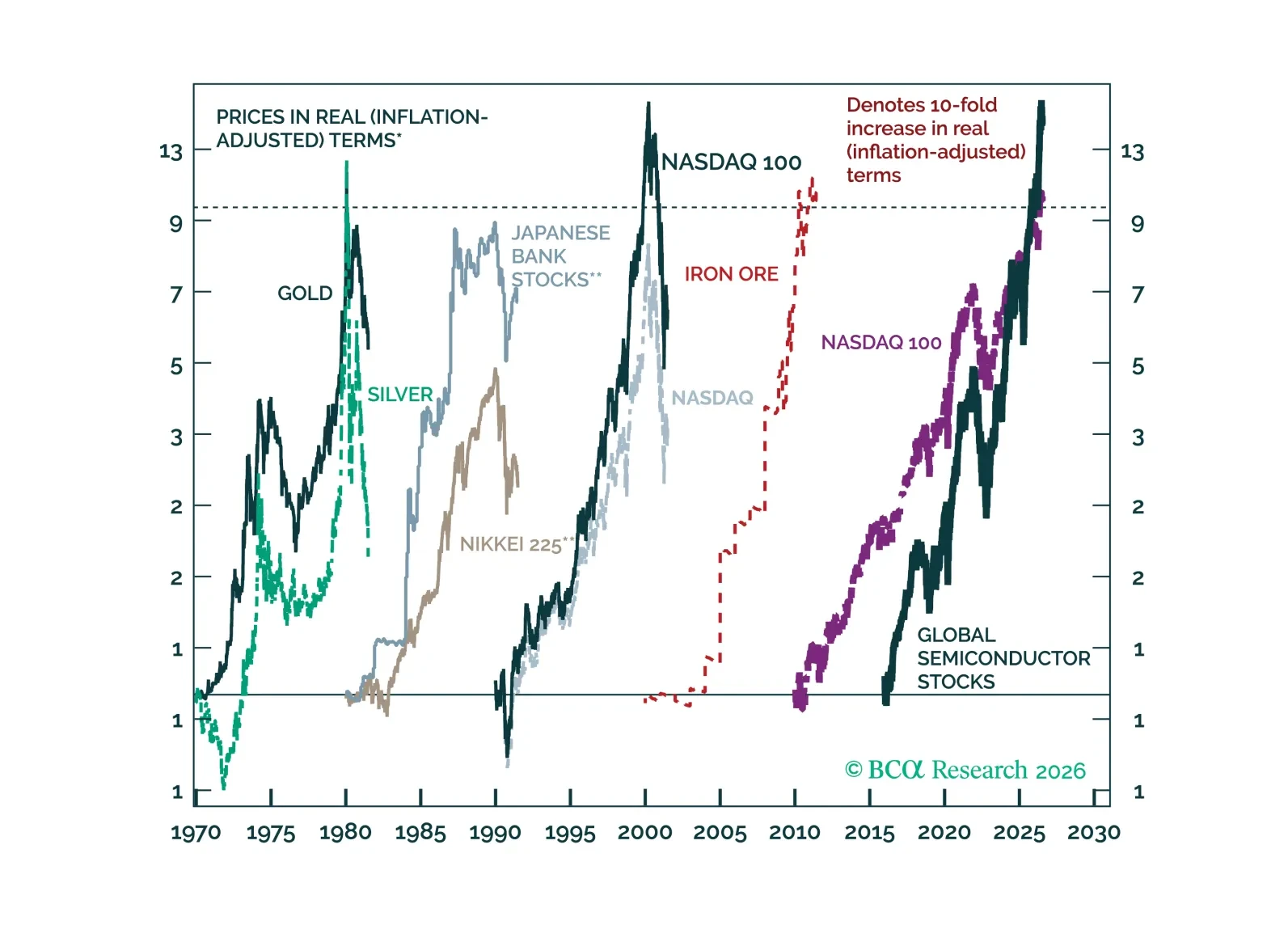
Gold and goldminers have corrected 25% from January highs. With our commodity team bullish gold, we are getting long GDX. Goldminers offer a gold-linked hedge against macro outcomes that would likely be damaging for equities, while improvements in profitability, capital discipline, and balance-sheet quality make the sector attractive in its own right, and it is largely independent of AI risk.
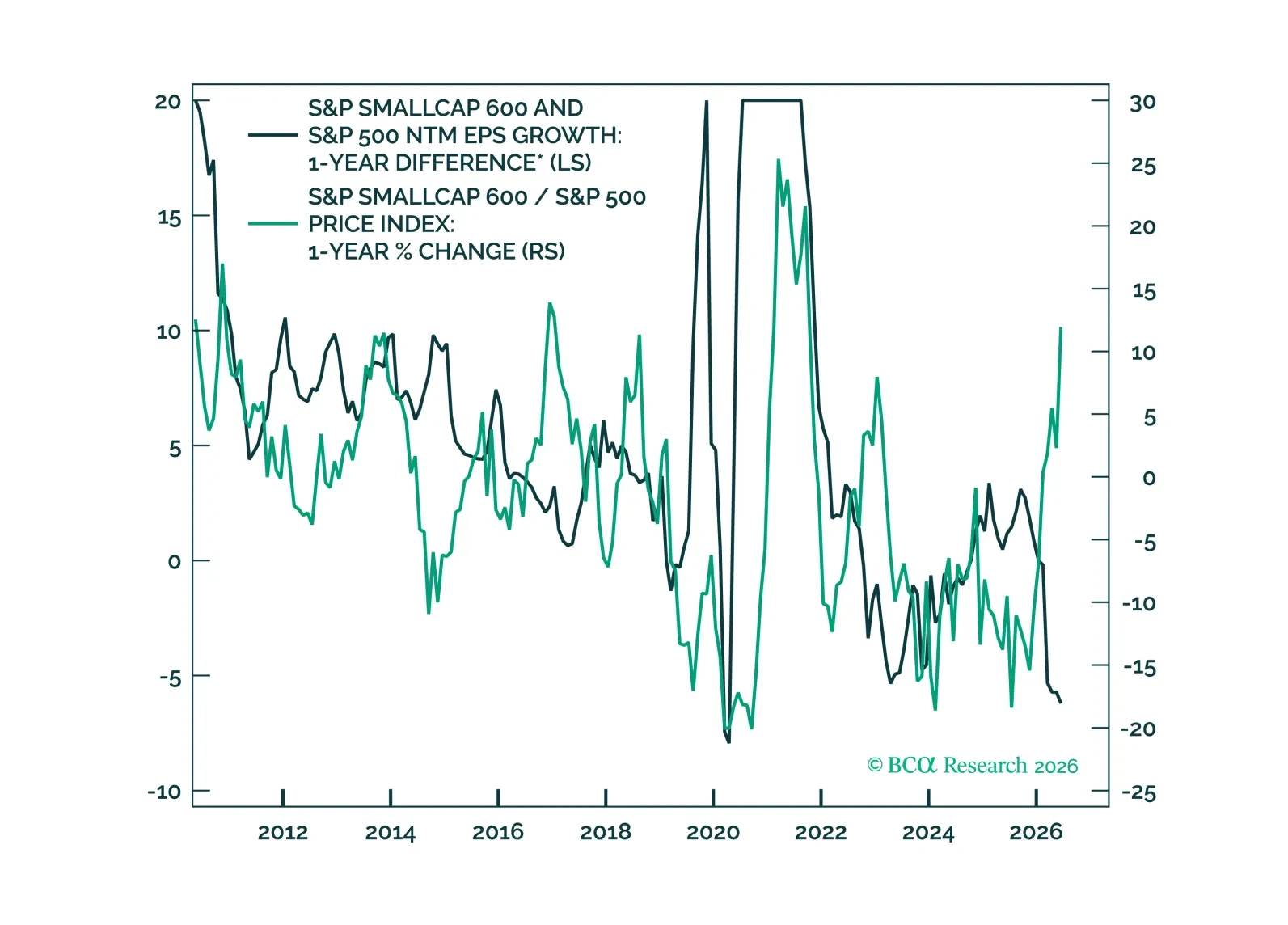
Small-cap outperformance has been driven mostly by within-sector stock selection, not differences in sector weighting. With the small-cap earnings catch-up reversing and leverage rising, we would fade the low-quality small-cap rally. We still want cyclical and AI exposure, but through higher-quality large caps rather than highly levered small-cap Tech. We are also opening a small-cap Health Care trade as an idiosyncratic way to gain exposure to the M&A cycle.
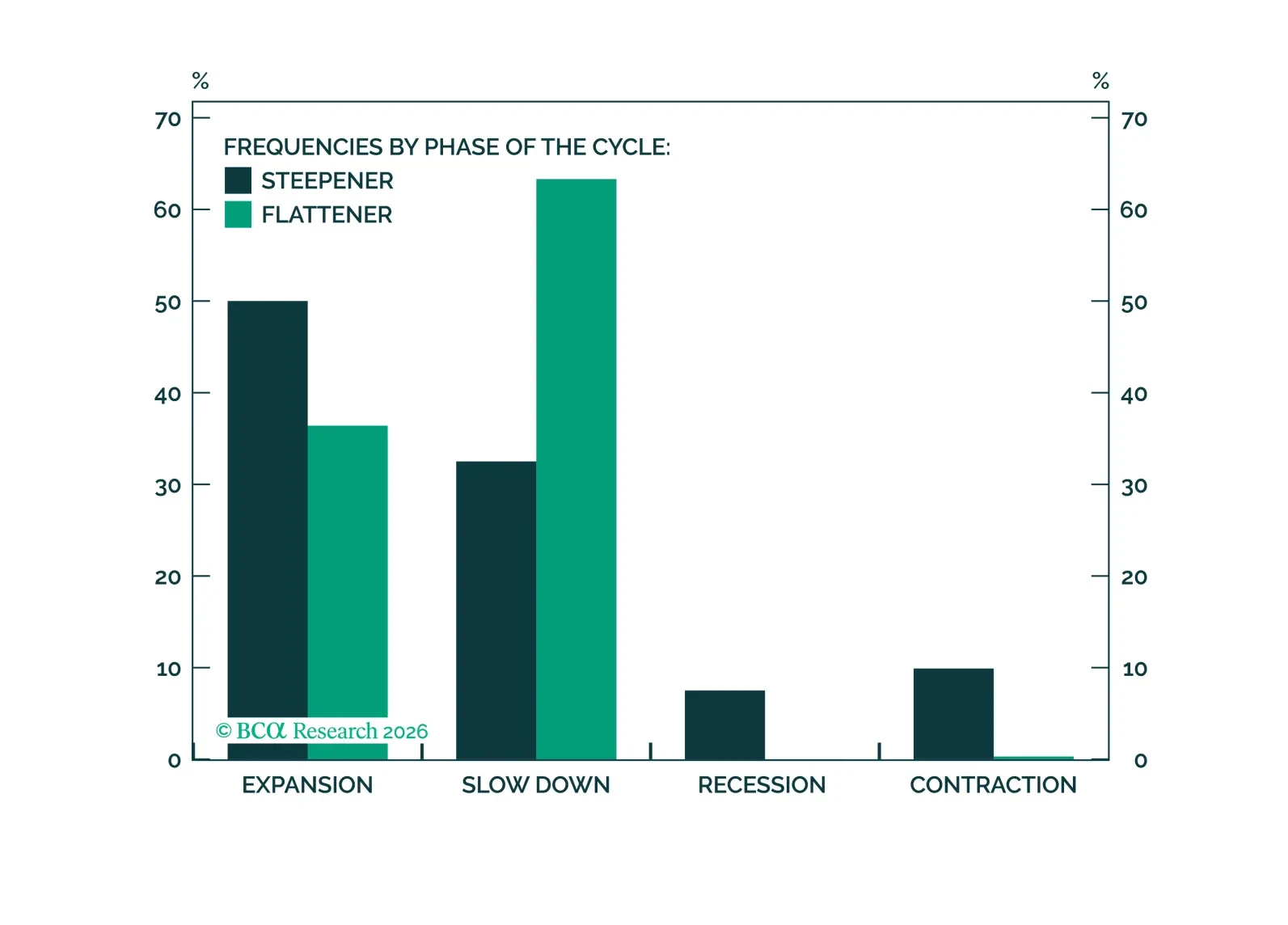
History suggests that the equity impact of rate moves depends heavily on the stock/bond correlation regime, and today’s positive correlation regime leaves the bond market as the main risk to equity multiples.
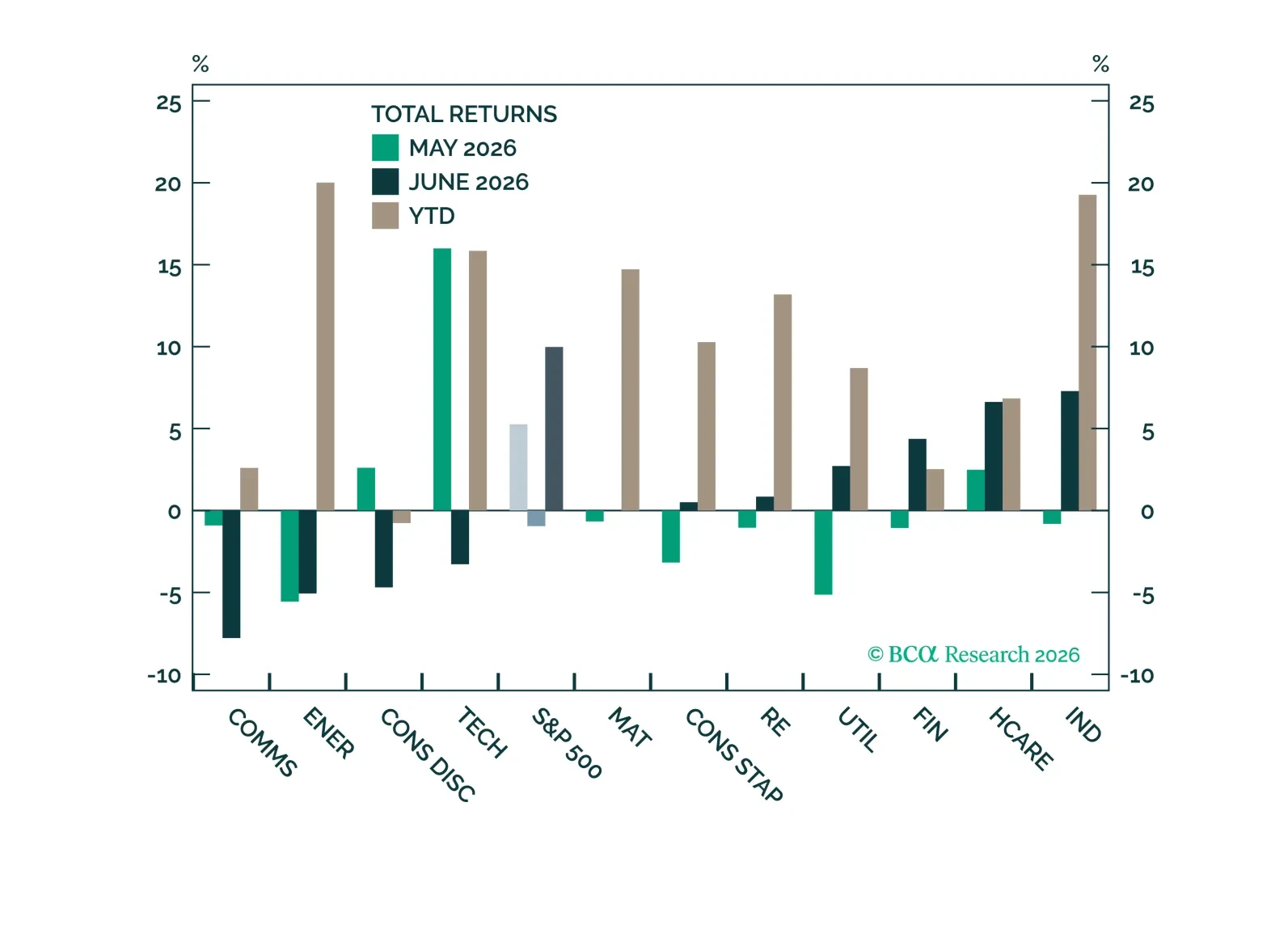
S&P 500 performance rotated in June, but fundamental growth remains strong across sectors, with earnings and revenue growth extending well beyond the largest mega-cap companies.
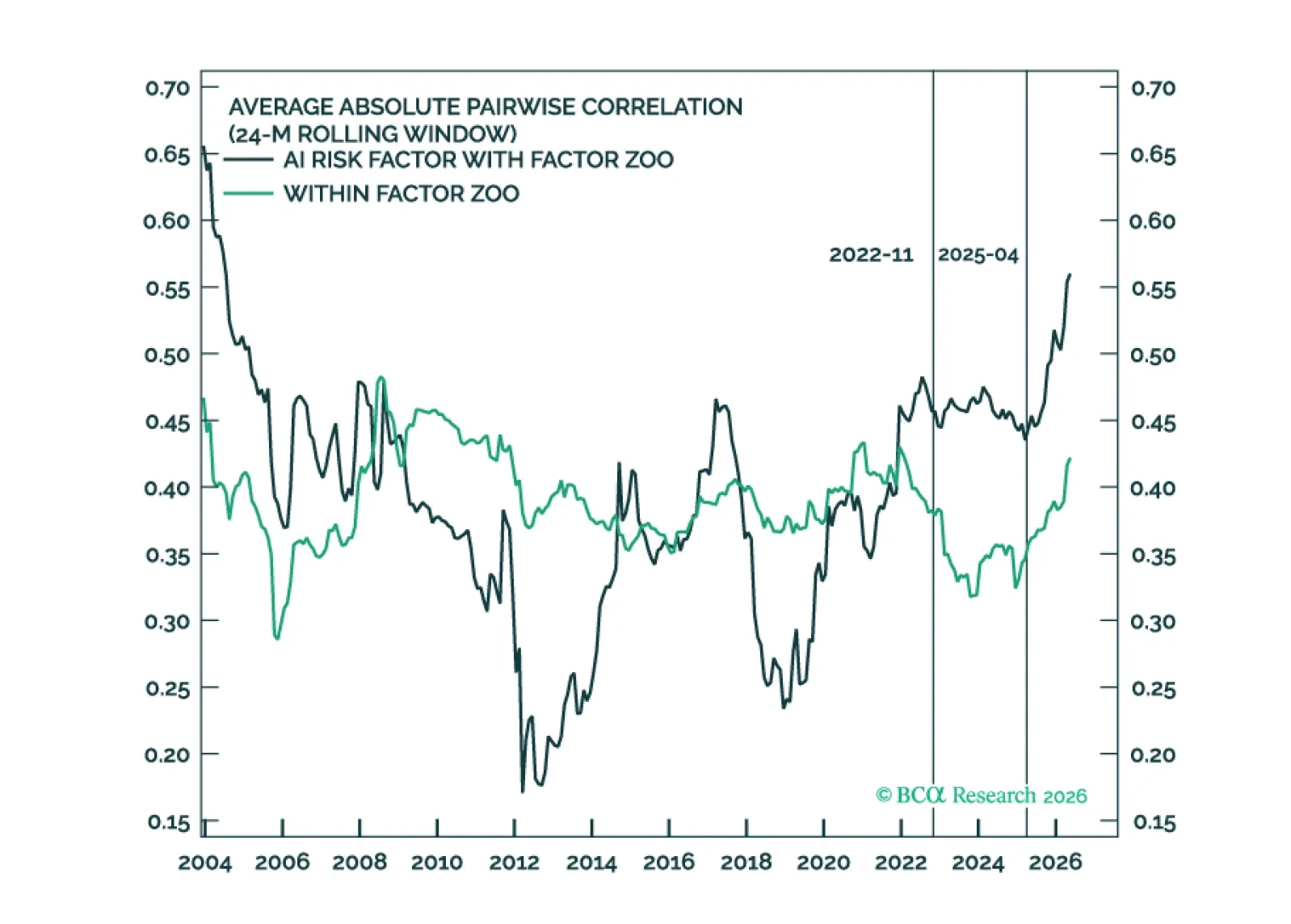
The S&P 500 has become increasingly concentrated. We know that. But the critical question is not how many stocks are driving the market; it is how many factors are driving stocks. We define an AI risk factor to test whether AI has become the dominant common exposure throughout much of the factor zoo.
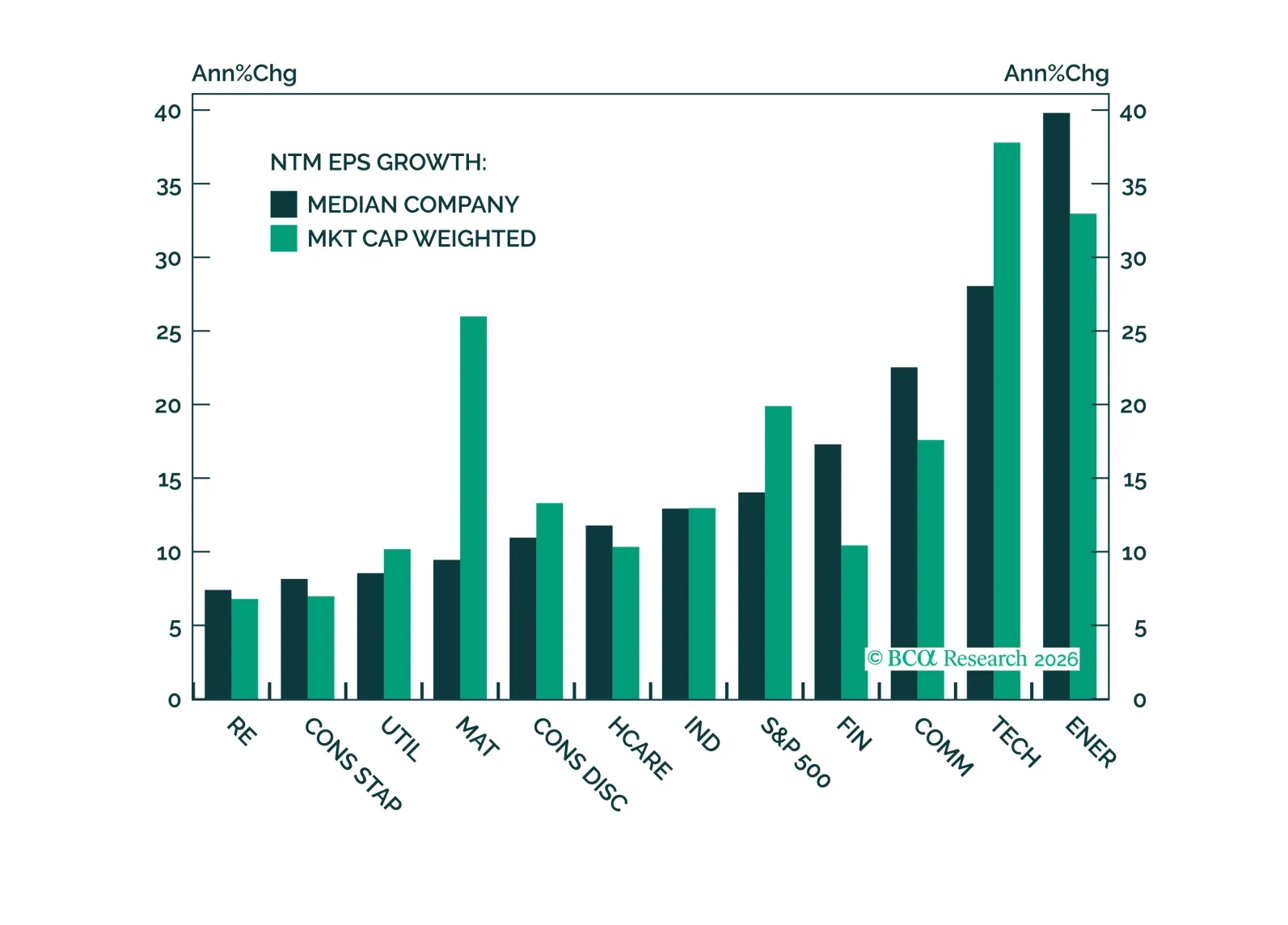
The economy has shifted into Expansion, earnings growth is broader and stronger than we expected, and we are raising our 2026 S&P 500 target to 8100 on $330 of EPS. However, we are also cutting our year-end multiple to 24.5. From here, returns will need to come from earnings growth, not multiple expansion.
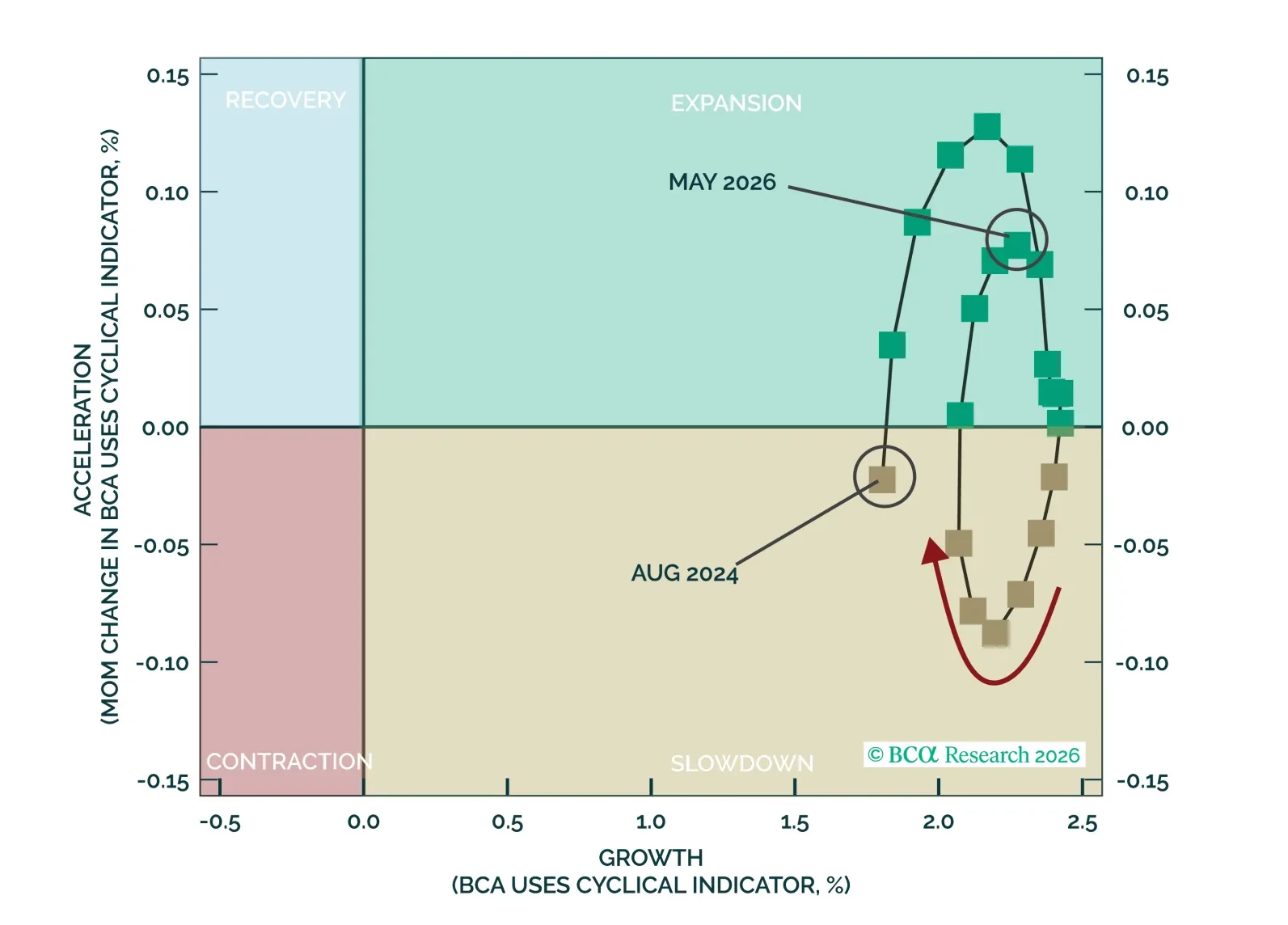
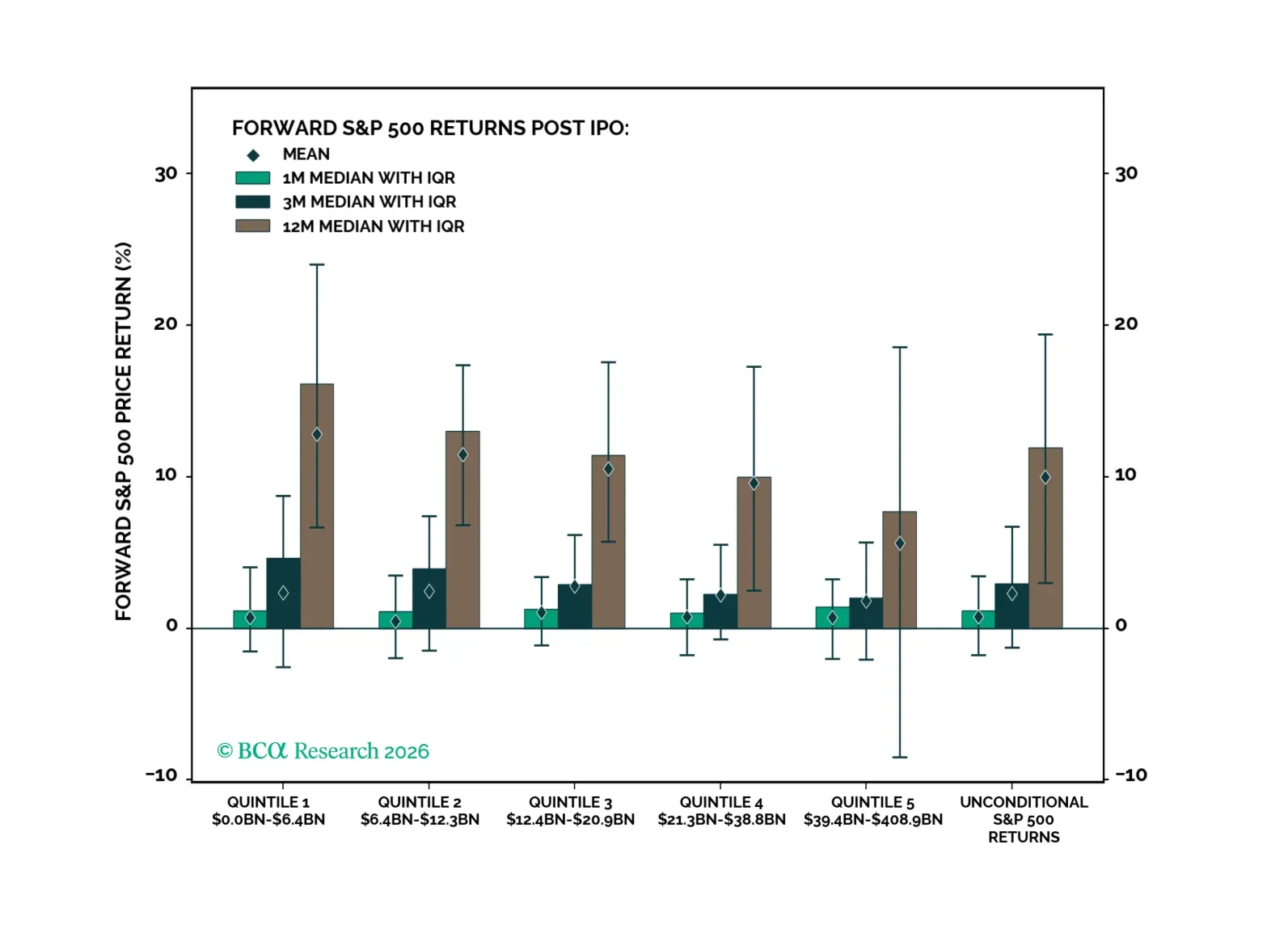
The June swoon looks like a rotation and rebalancing-driven air pocket, not a regime break. Economic growth, earnings revisions, and AI-driven capex demand remain firm, but rising yields, inflation concerns, Fed uncertainty, and a looming IPO wave are likely to constrain further multiple expansion. But progress toward a resolution of mid-east tensions, rallying bonds, and falling oil prices, have motivated us to add a tactical long consumer discretionary trade.