China
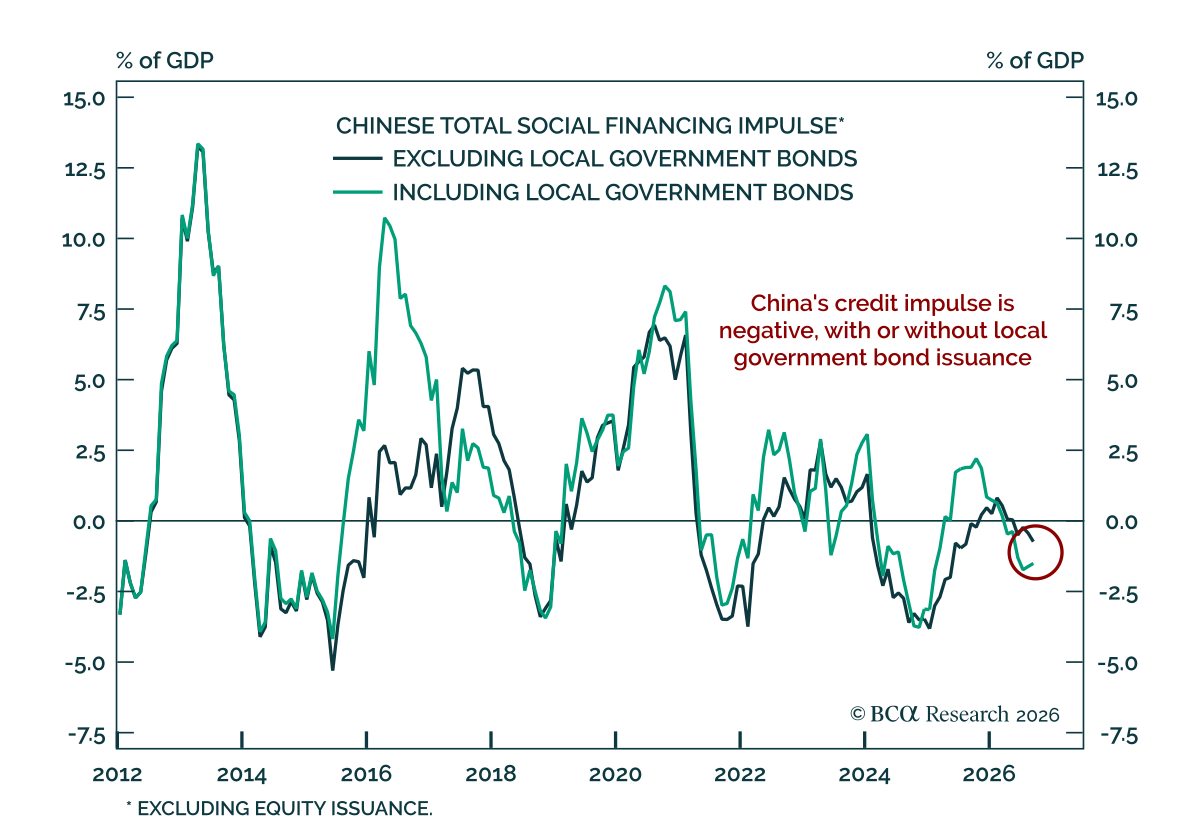
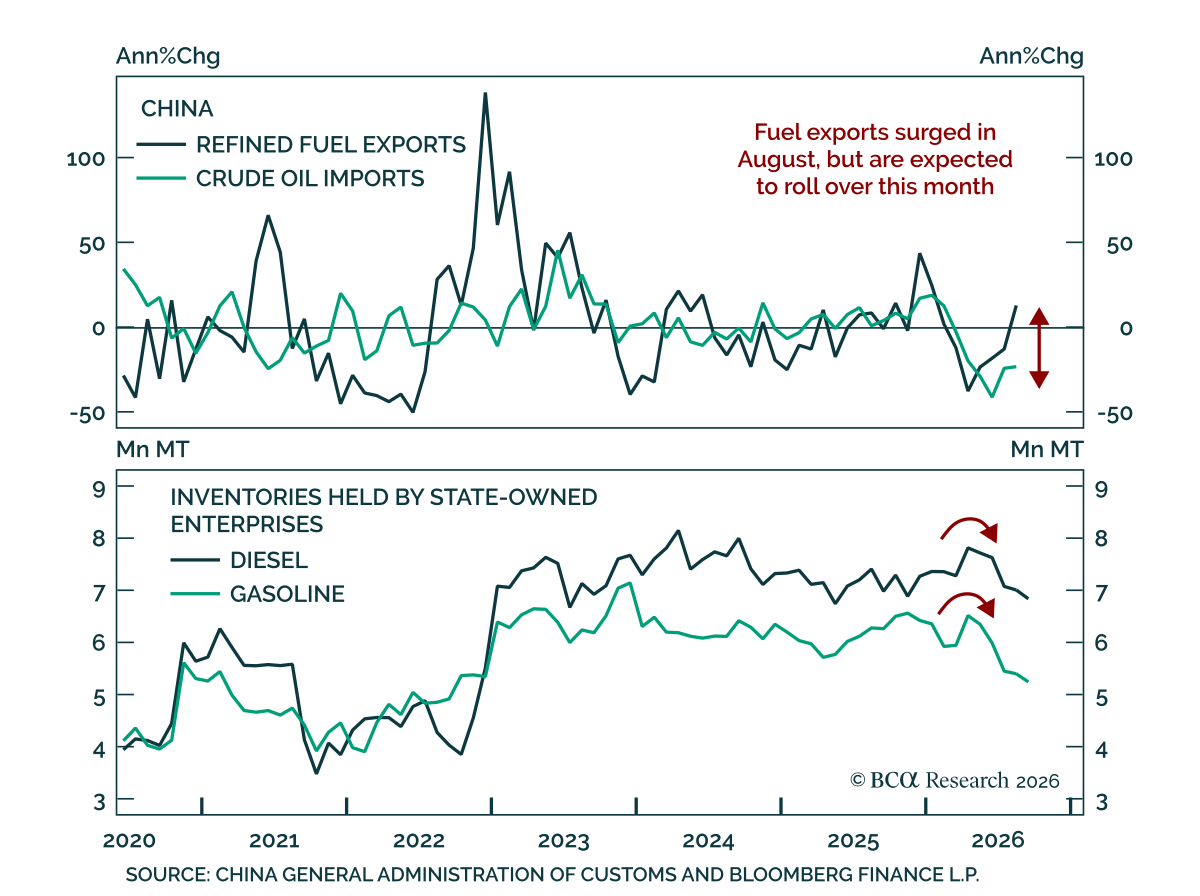
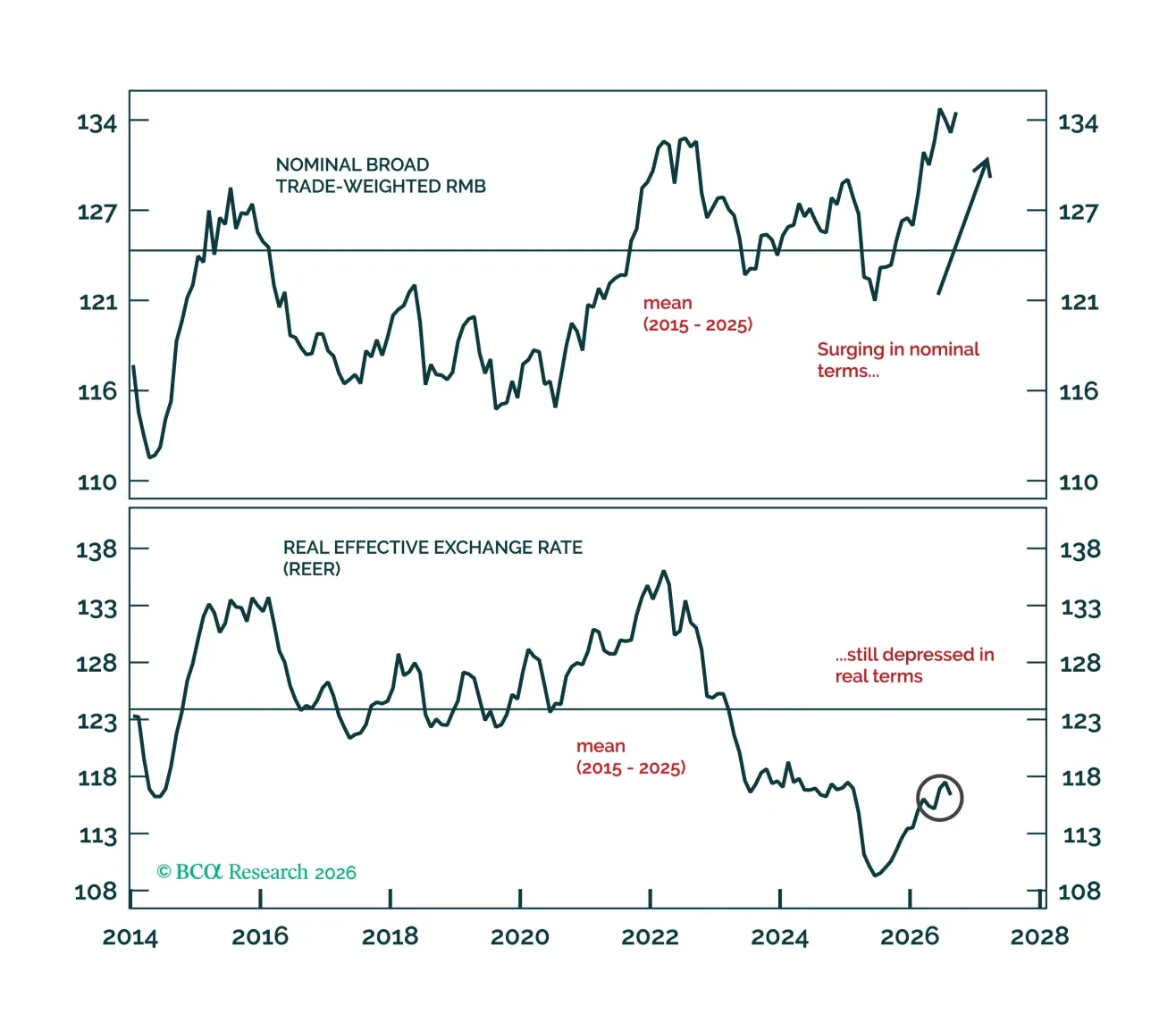
China's policy stance is gradually becoming more supportive of households, but a decisive reflationary pivot has yet to materialize. In the meantime, we favor large state-owned banks and onshore utilities as defensive plays.
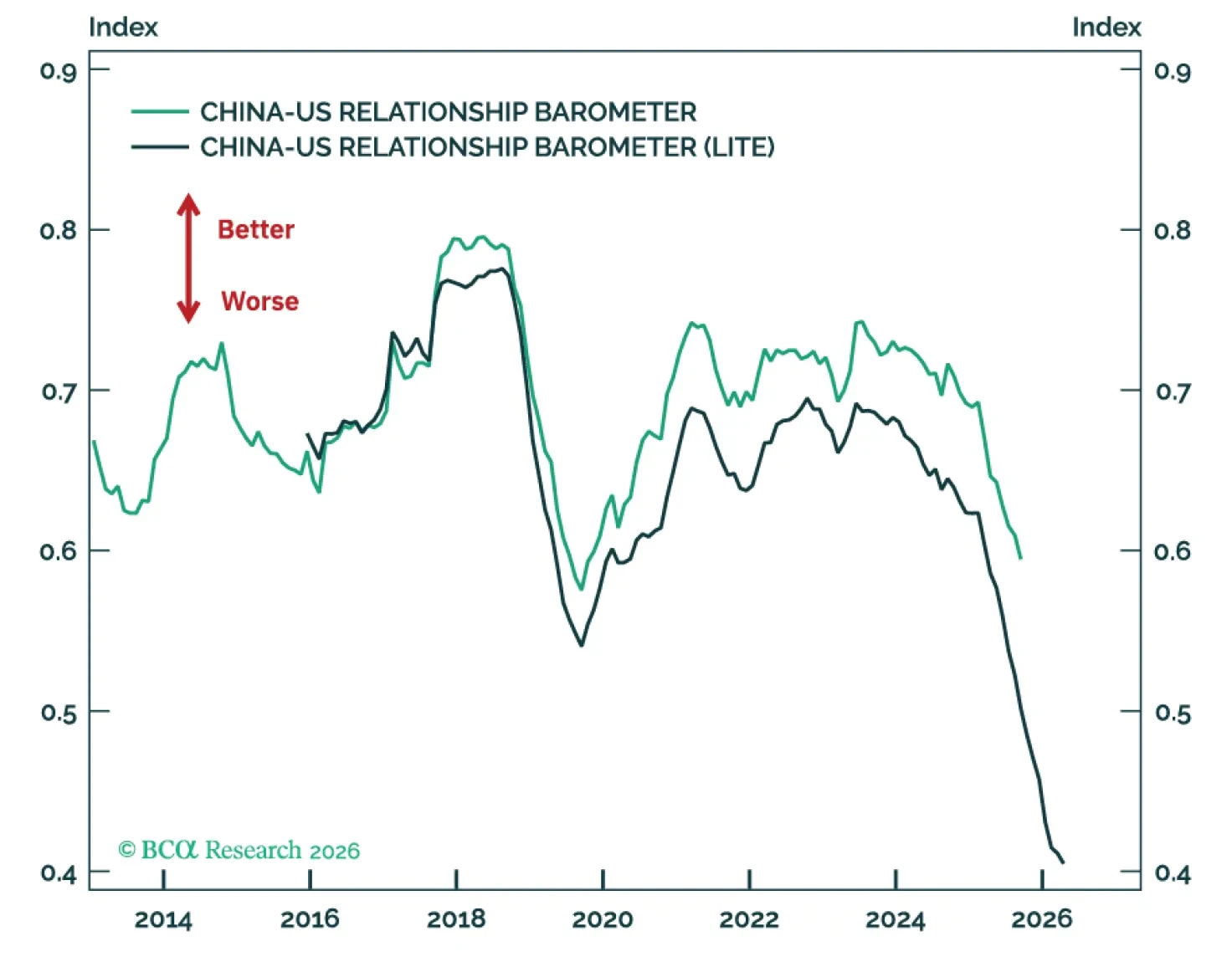
The Trump-Xi summit does not imply concrete benefits to US-China trade. Strategic tensions persist, forcing China to increase fiscal stimulus in 2027.
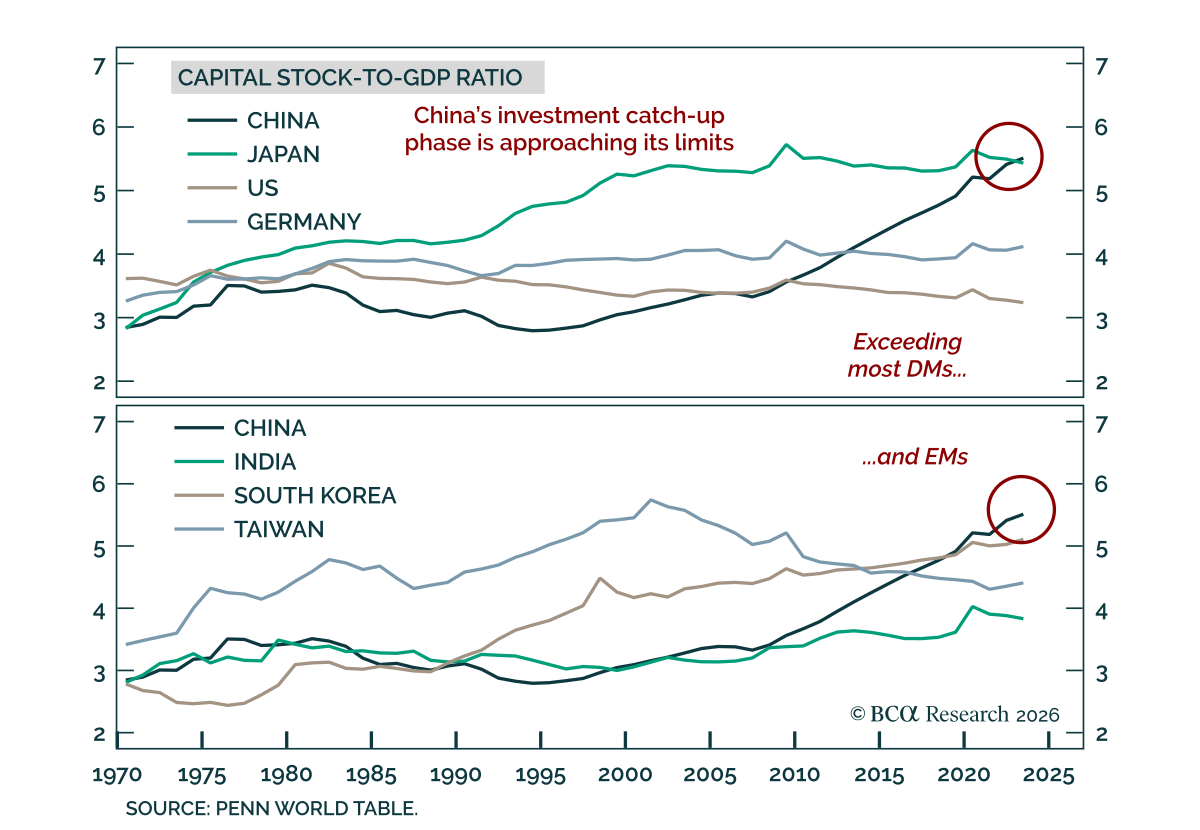
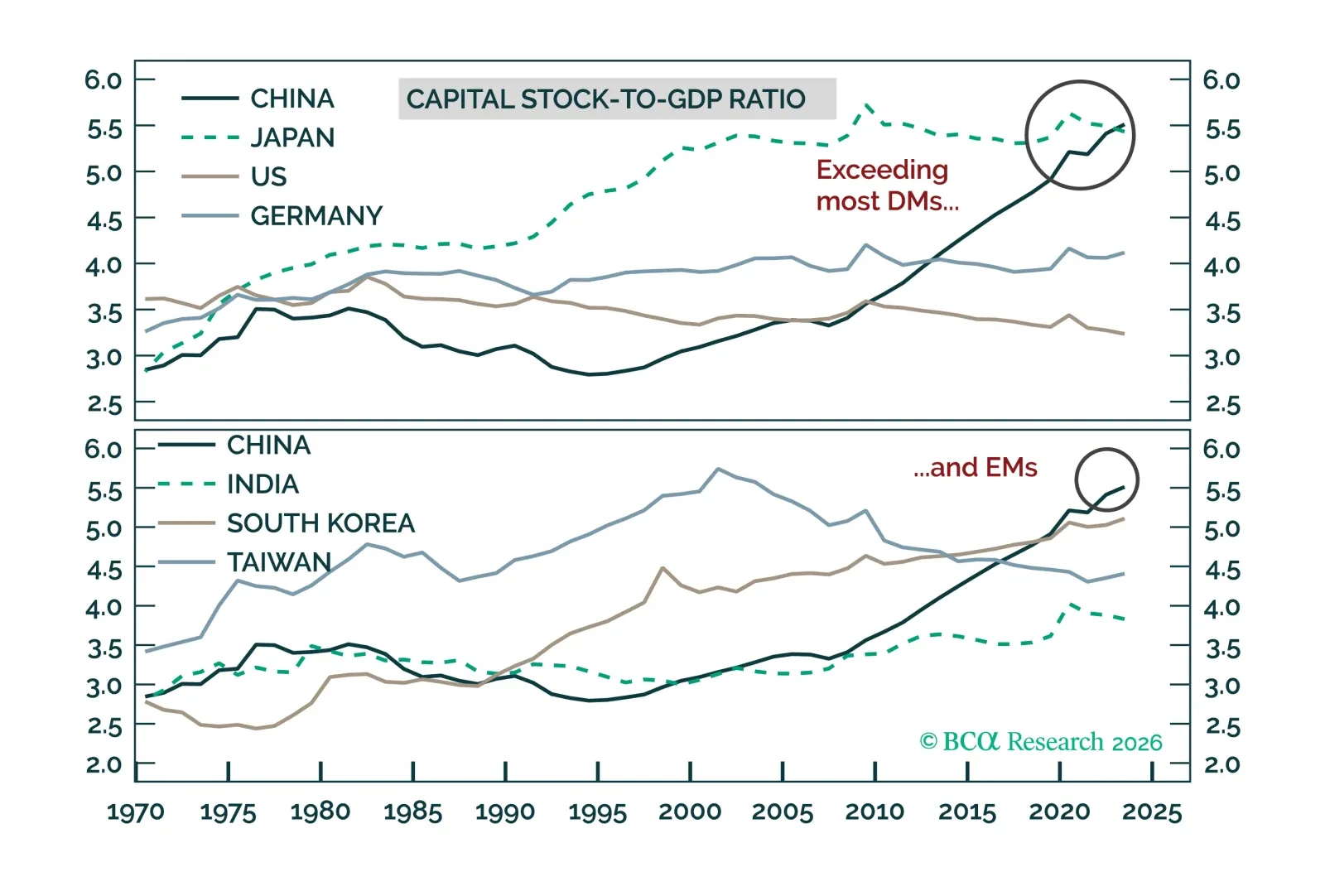
China’s investment has hit cyclical and structural limits. Mounting economic pressures will likely push Beijing toward a more aggressive, consumer-focused reflationary stance over the next one to two years.
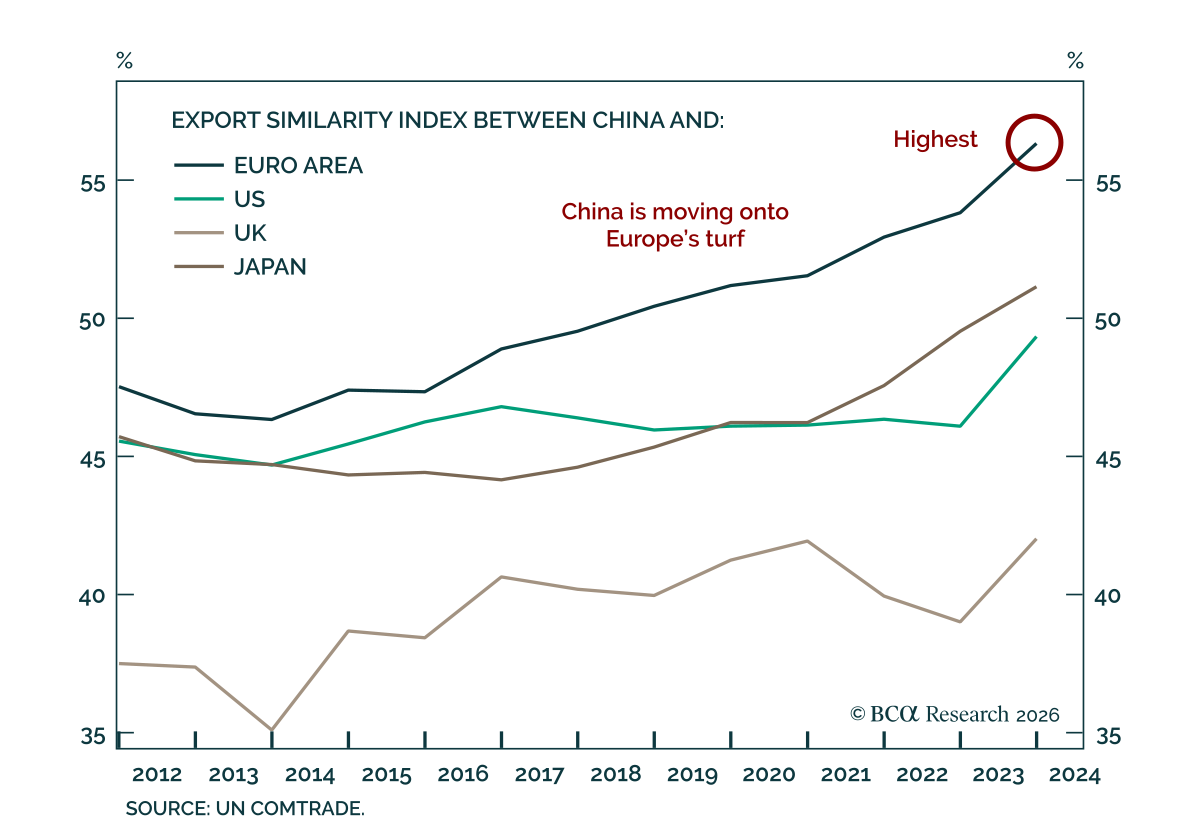
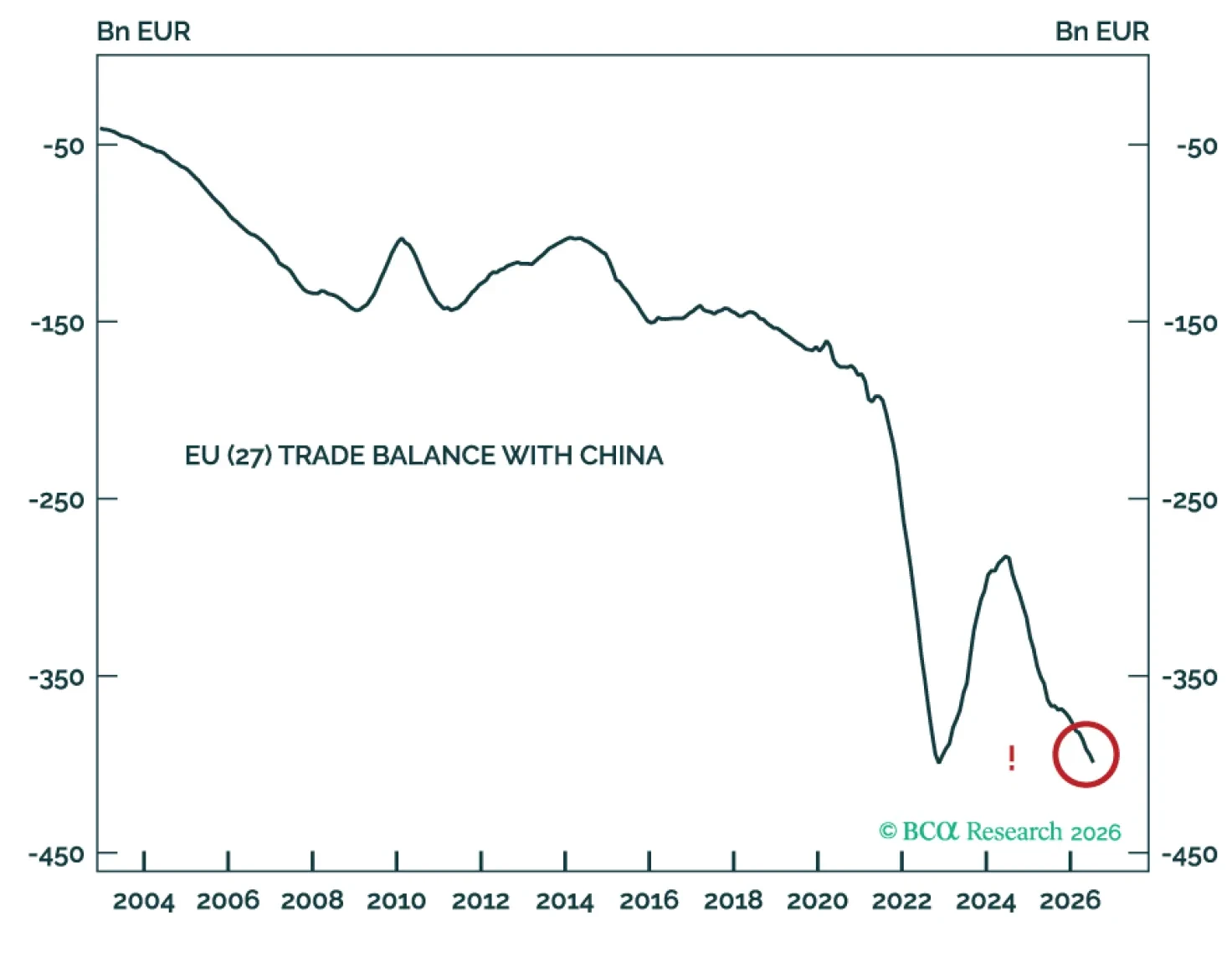
China shock 2.0 threatens Europe’s industrial core, but it is also forcing a long-overdue response. China stands to lose more than the EU from the coming confrontation. Beijing cannot afford to alienate Europe while its domestic demand remains weak. Europe, meanwhile, can turn protectionism into a stronger fiscal multiplier and an industrial revival.
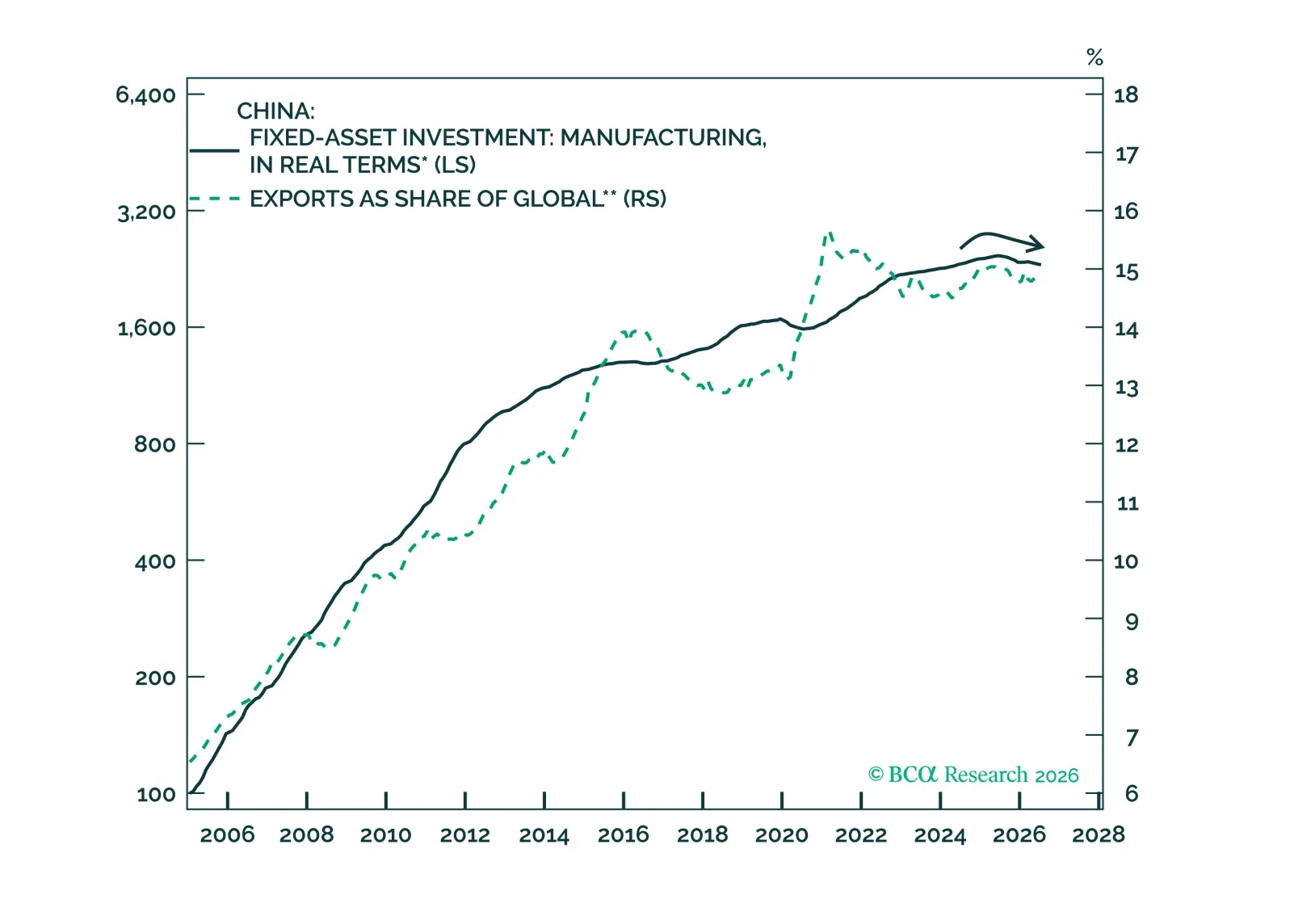
China’s manufacturing edge should endure in the next few years. AI will challenge the country’s advantage in some industries, but geopolitics and weakening productive investment pose greater threats to sustaining China’s industrial leadership.
