GeoMacro
Find out more
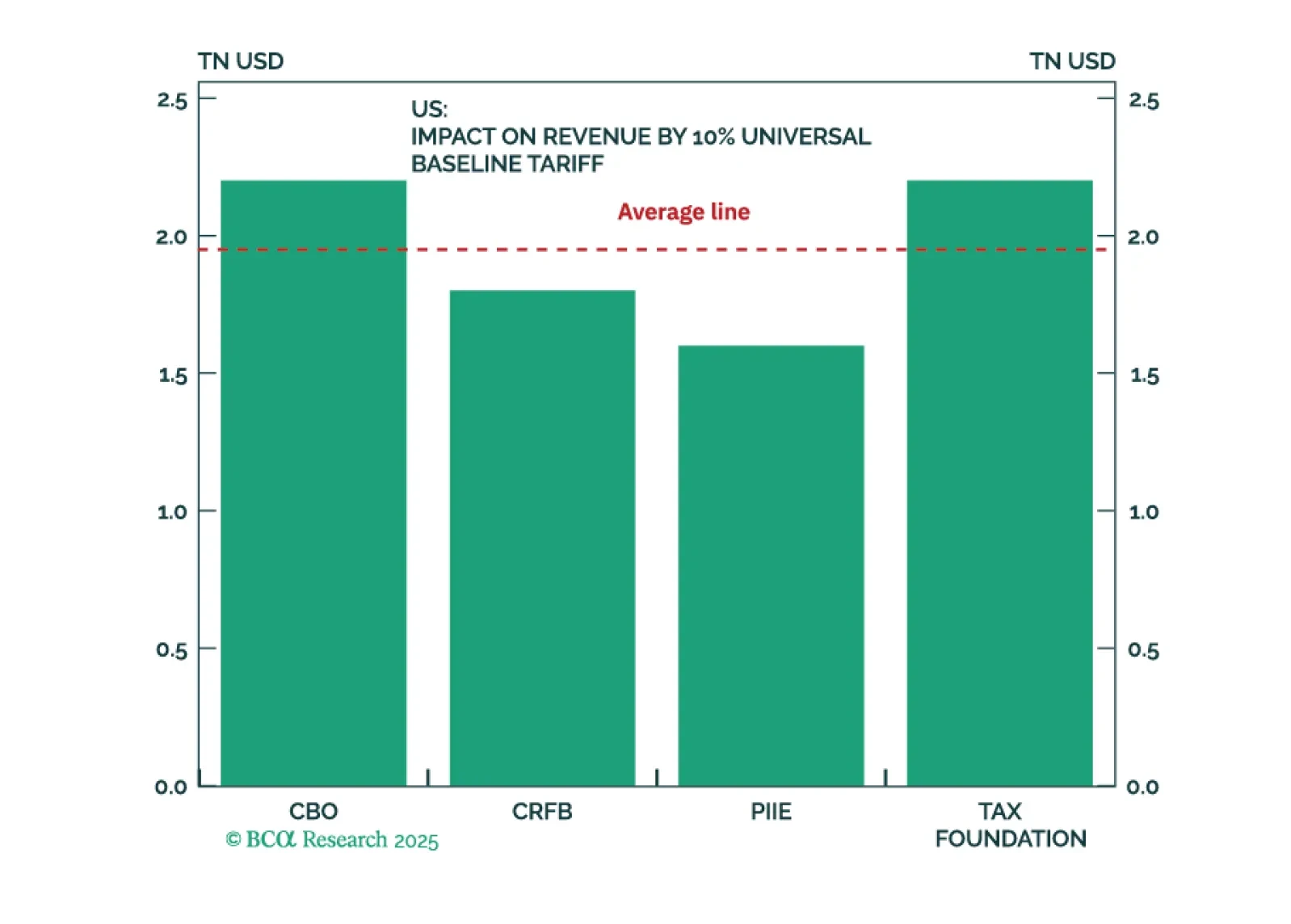
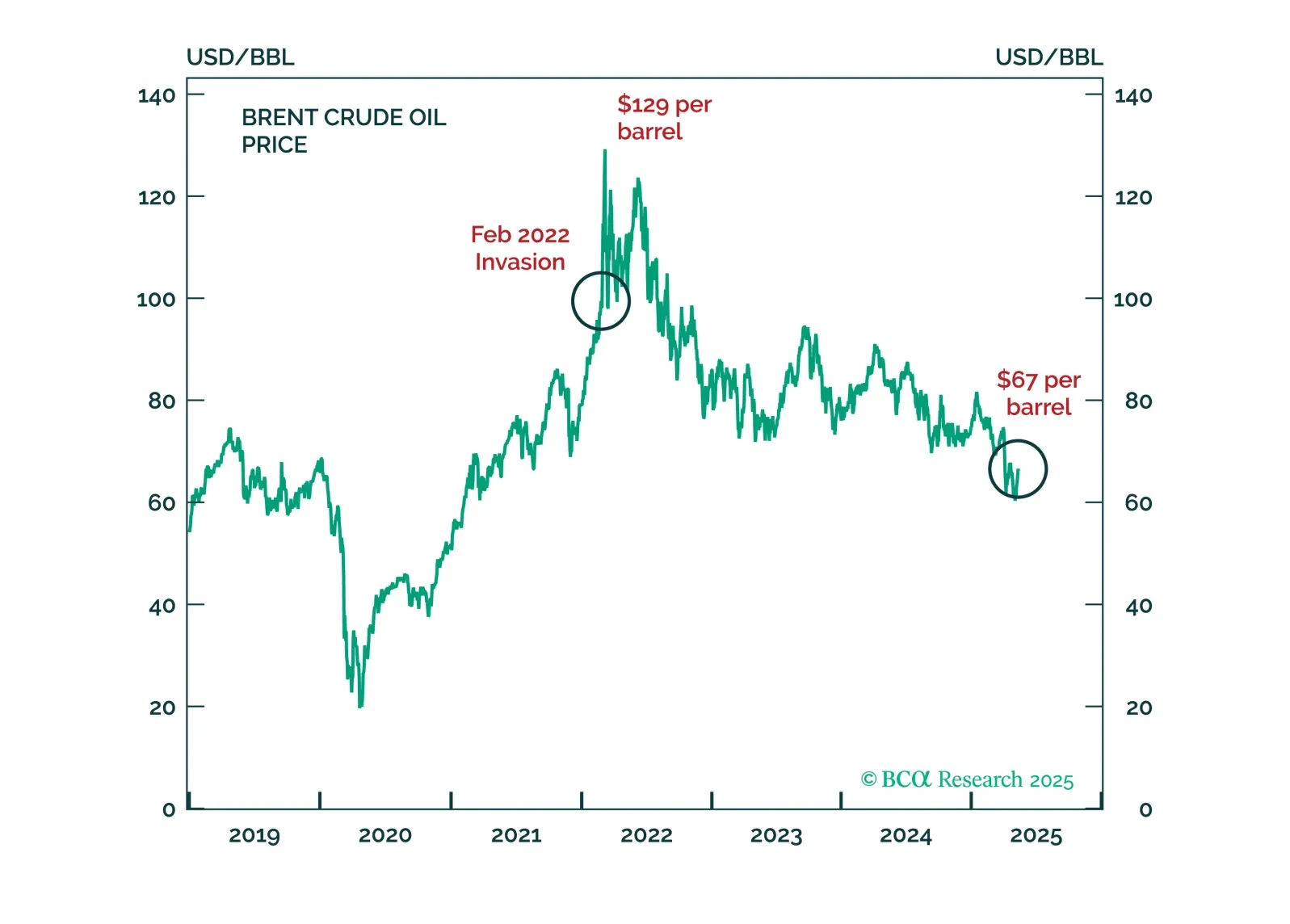
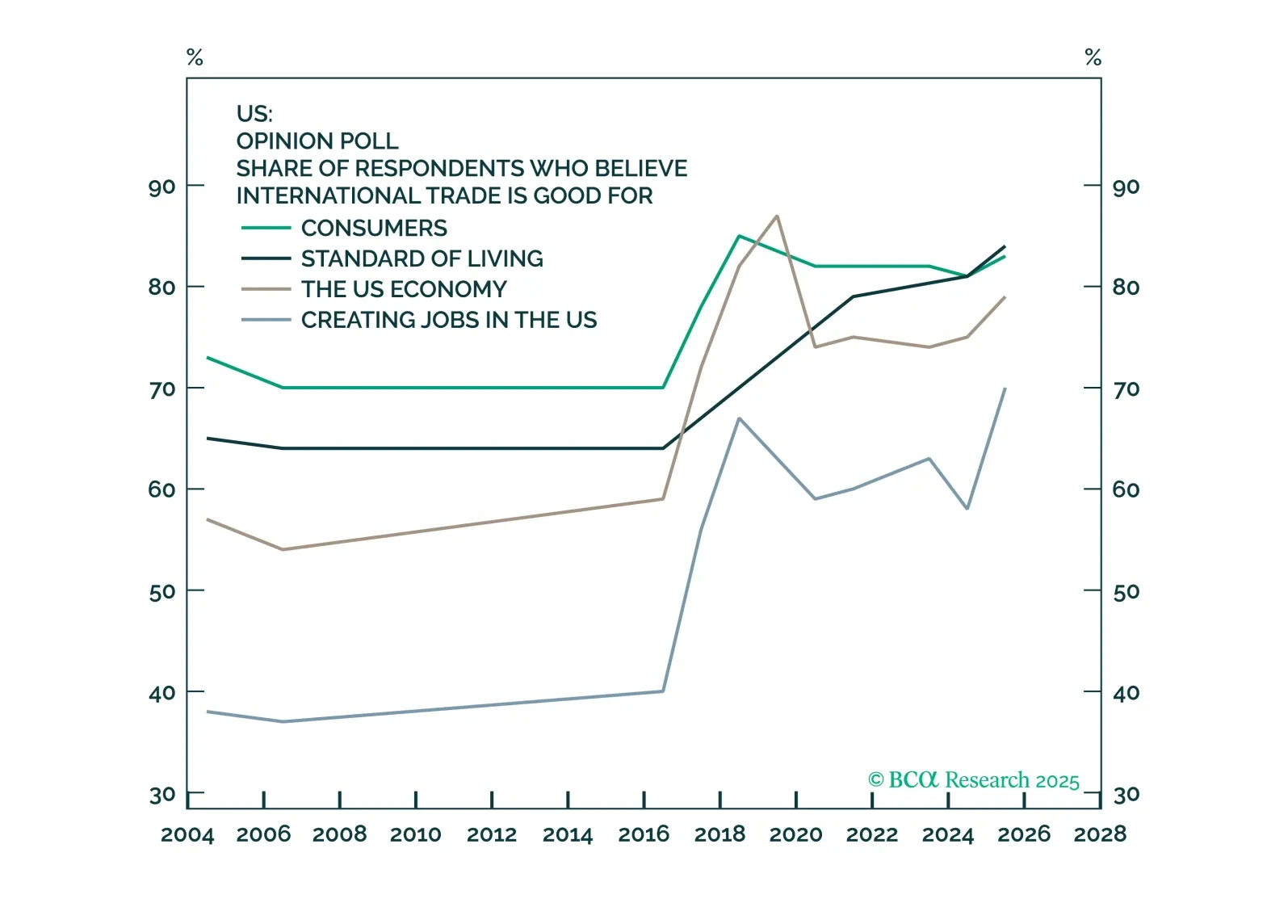
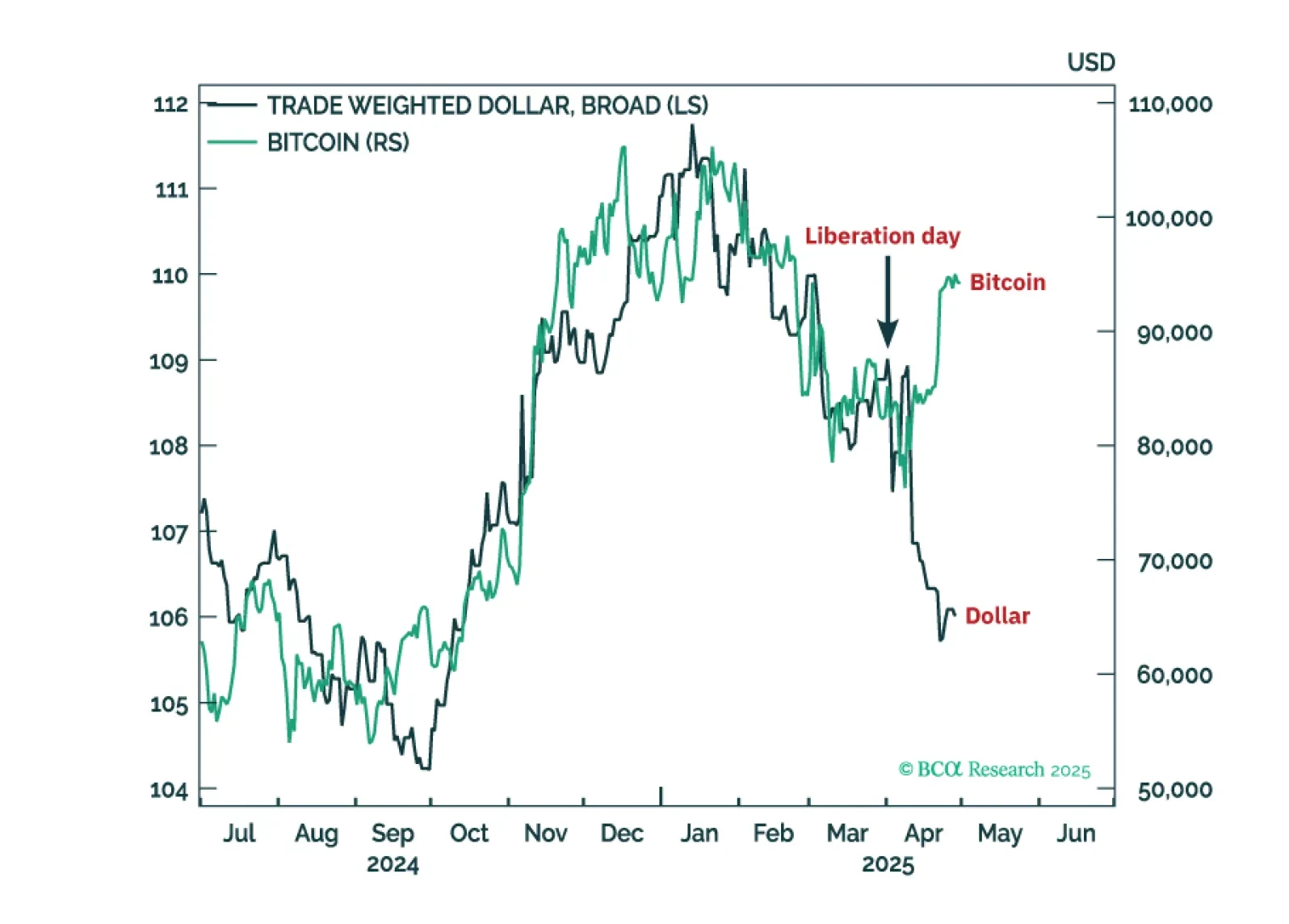
President Trump has pivoted towards negotiations as quickly as we expected (as in: QUICKLY). However, we did not expect the pivot on China to be as thorough and immediate. Markets have cheered the event. Not merely because US trade with China is substantive, but because investors are (correctly) assessing that if Trump can make a deal with China, he can make it with everyone. And he will. Nonetheless, investors should expect one or two more twists in the saga.

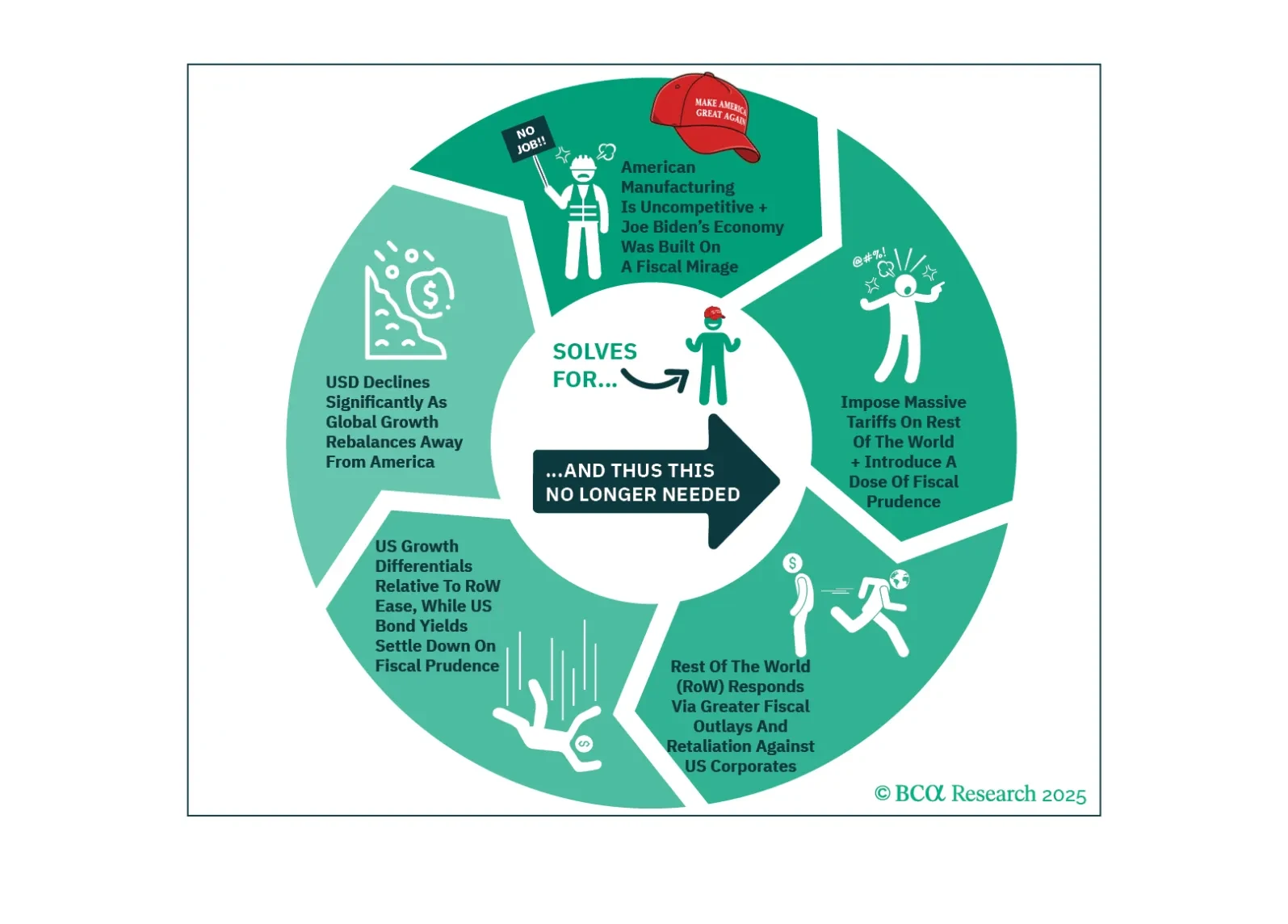
The announced US-China deal has taken everyone – even us, the authors of the implicitly bullish Seven Steps of Maximum Pressure – by surprise. President Trump has signaled a pause in the fight against China. Yes, the situation can reverse, but when your Secretary Treasury says things like “neither side wants to decouple,” the world should listen.
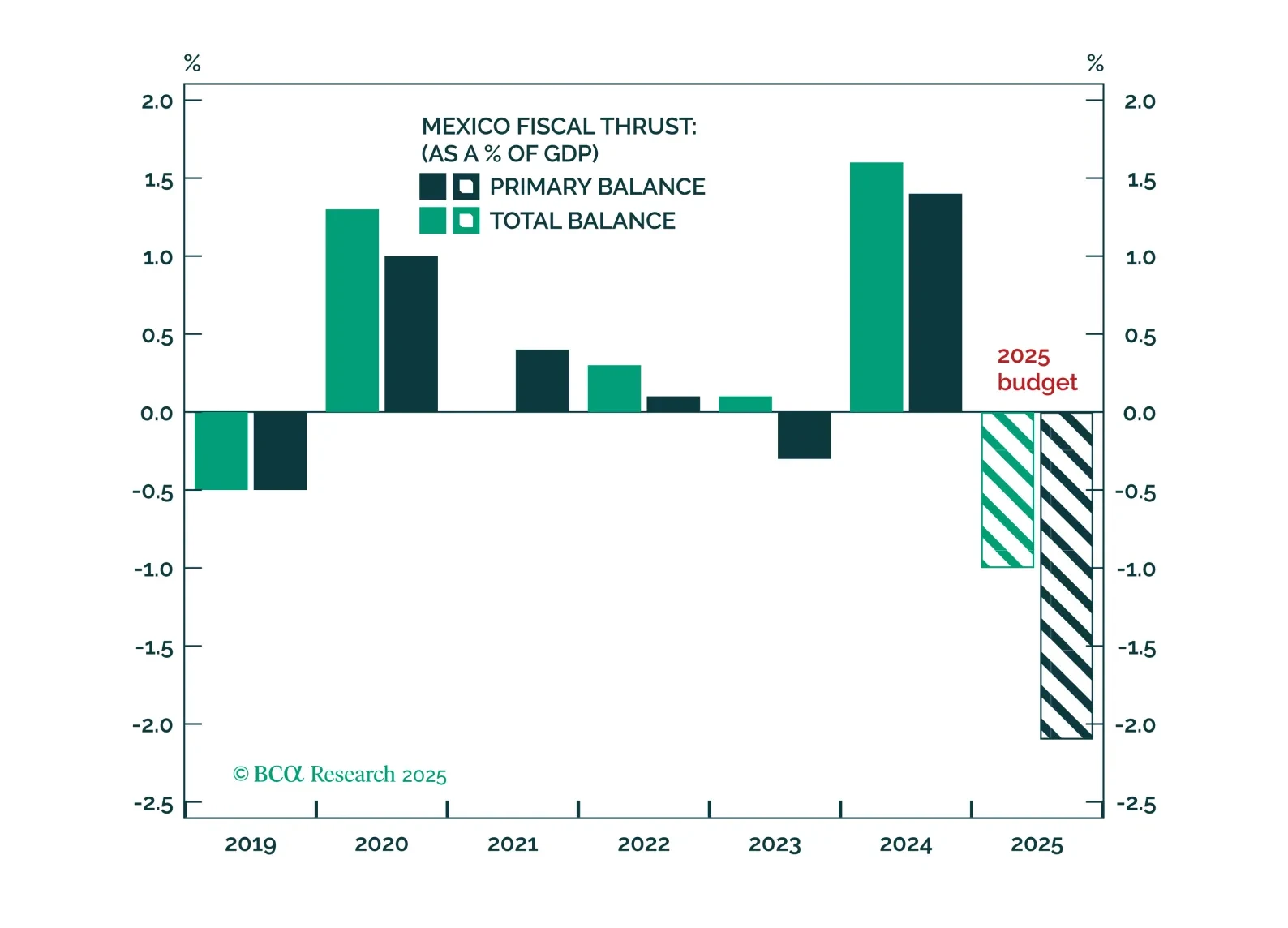
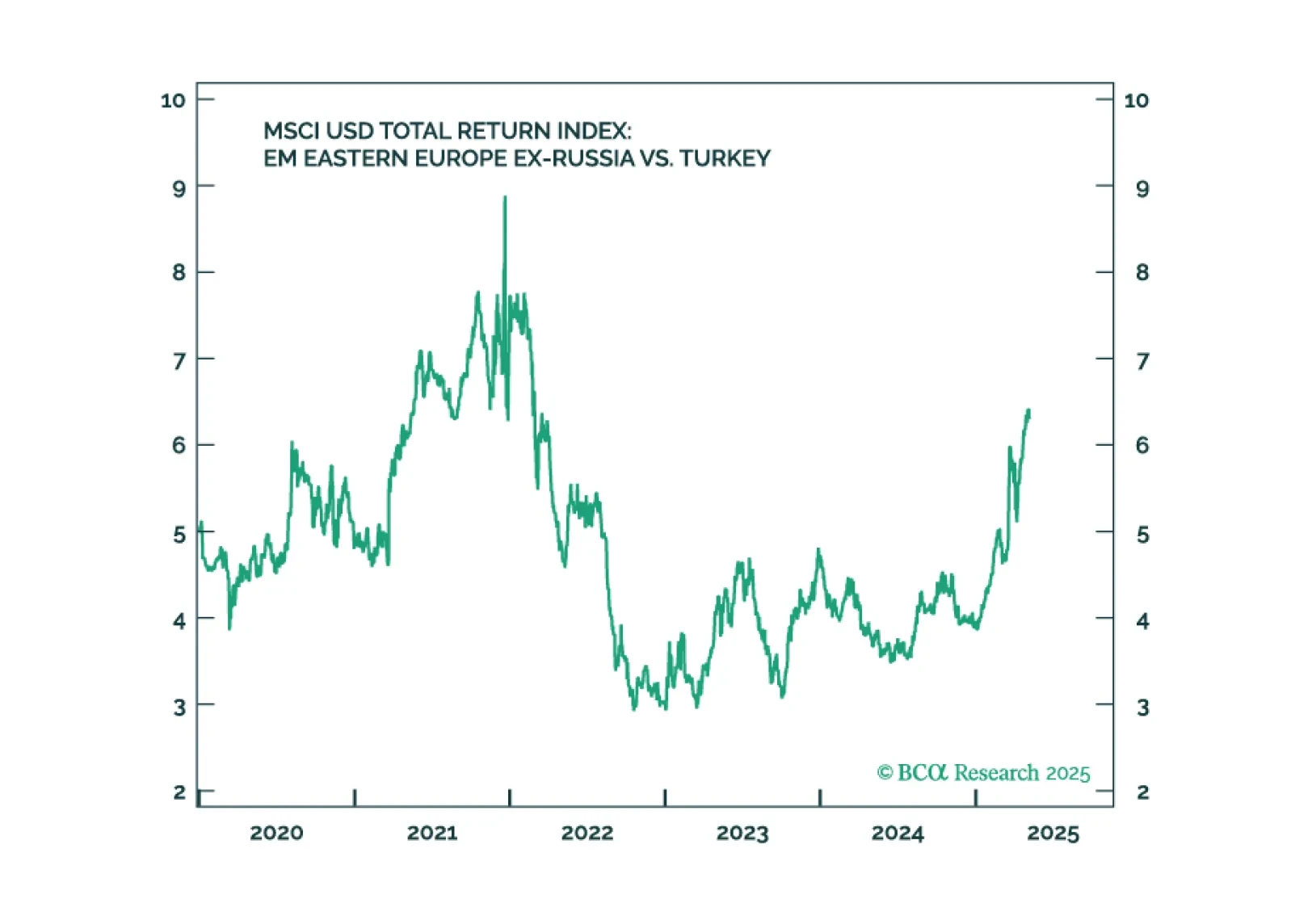
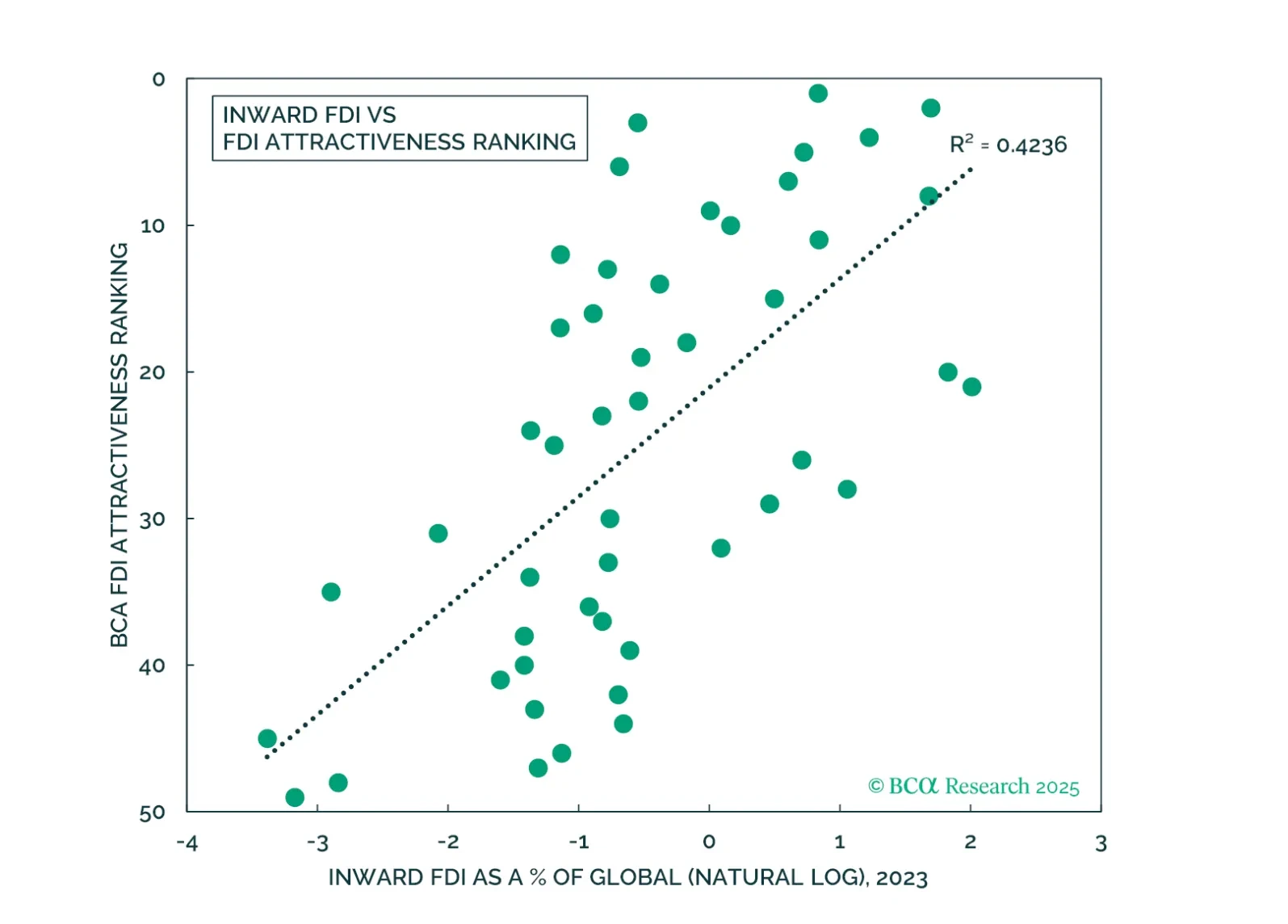
In our Beta report, we do something different. We focus on what factors create a macro context that is conducive to FDI inflows. Market size, trade openness, and infrastructure quality drive appeal, but secondary factors like governance and overall business climate play a meaningful role as well. As FDI reshuffles around geopolitics and new supply chains, competition will heat up among both destinations and investors.
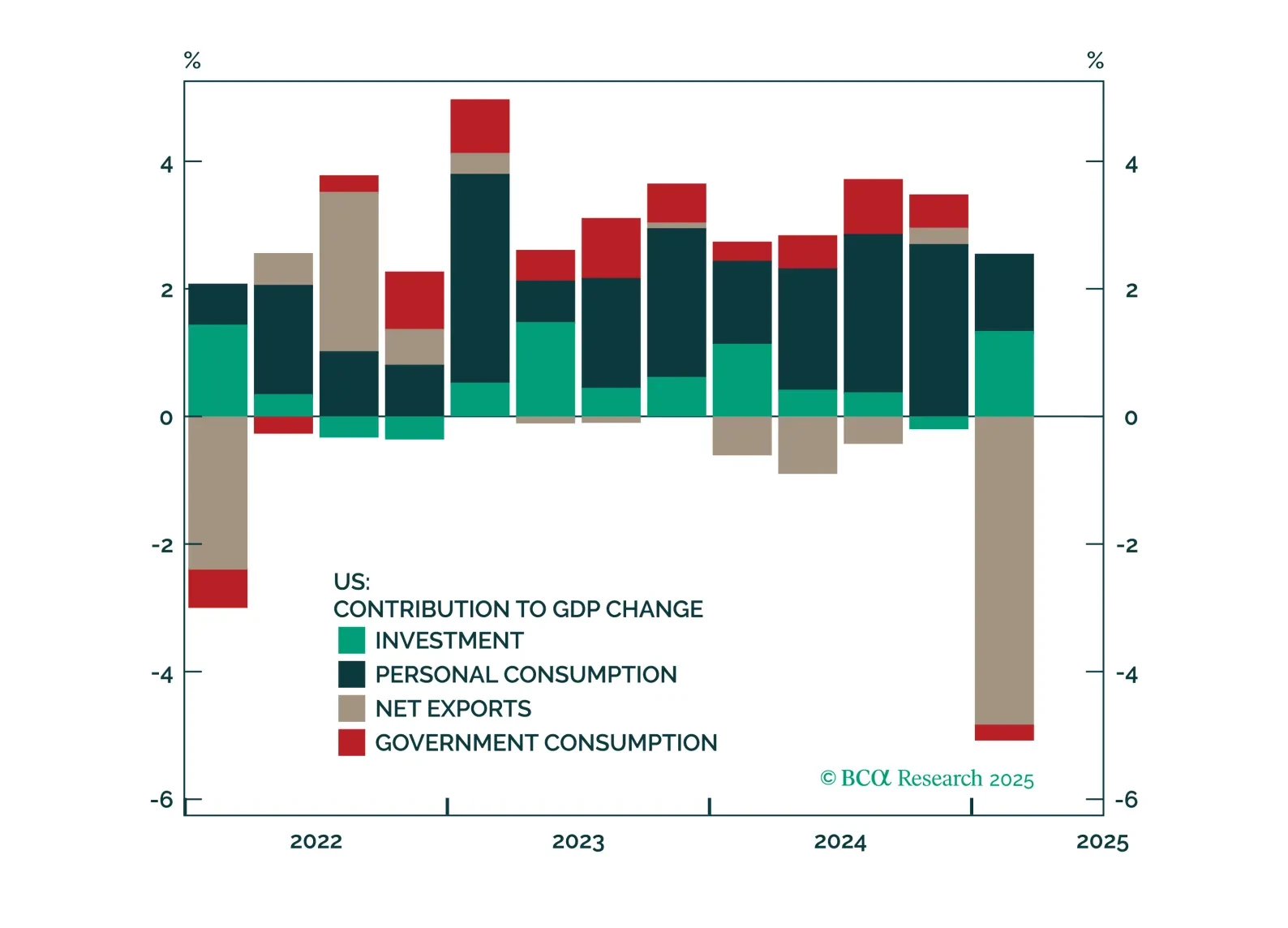
Negotiations on trade, Iran, and Ukraine will prove critical this month. Markets will remain volatile because positive data surprises enable the White House to press its hawkish tariff hikes, while negative surprises force the White House to backpedal.
In our Alpha report, we explain how to trade the trade war and then conduct a scenario analysis for global asset allocation. The short version is that a policy induced recession has to be traded based on policy, not hard macroeconomic data.