 GeoMacro
Find out more
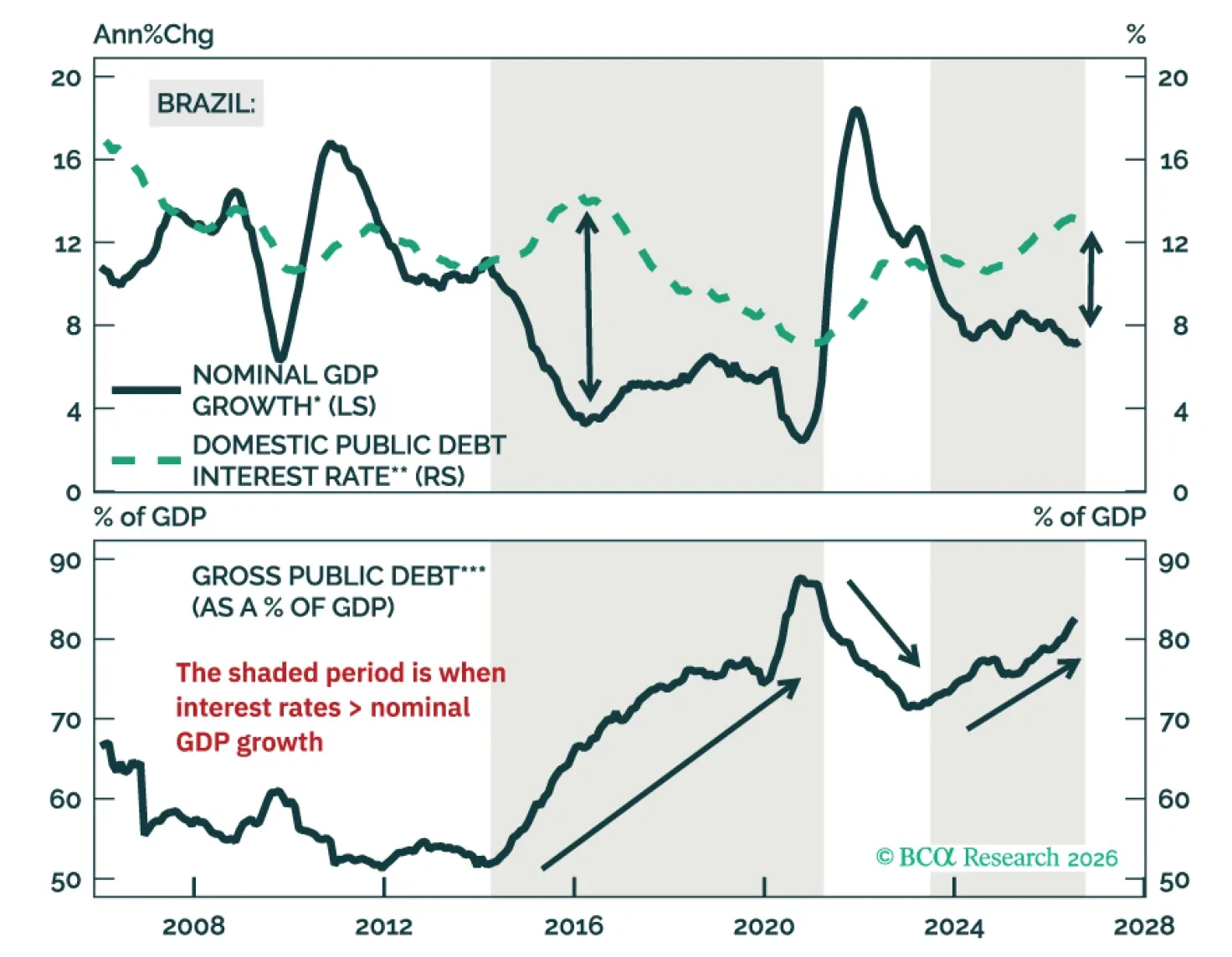
The most bullish development for Brazil from the weekend’s elections was not the higher odds of a right-wing presidency, but the likely president’s (Flávio Bolsonaro) stronghold in Congress. Upgrade Brazilian fixed-income markets to overweight and equities to neutral within their respective EM portfolios.

Most investors would argue that Europe overregulates relative to the US. However, that was not always the case. Political Scientist David Vogel of University of California, Berkeley, posited that the two economies shifted models in the 1990s. Prior to that decade, the US led health, safety, and environmental regulations, having far more stringent rules than Europe. As a prominent example of this, it was the US that quickly banned all non-essential CFCs, chemicals that harm the ozone layer, whereas European governments did not act initially, favoring their industries while awaiting evidence.

The world has descended into a full blown Doomer panic since the 27-year-old Anthropic engineer quit over the threat that AI would cause human extinction. Now-famous Jacob Coxon posted that “The people building AI earnestly believe that it could kill us all by the end of the decade. This is not a marketing stunt.”
The situation in the Middle East is becoming complicated. Over the past week, several events raise the odds that Brent prices could burst through their 2026 high of $126 per barrel.
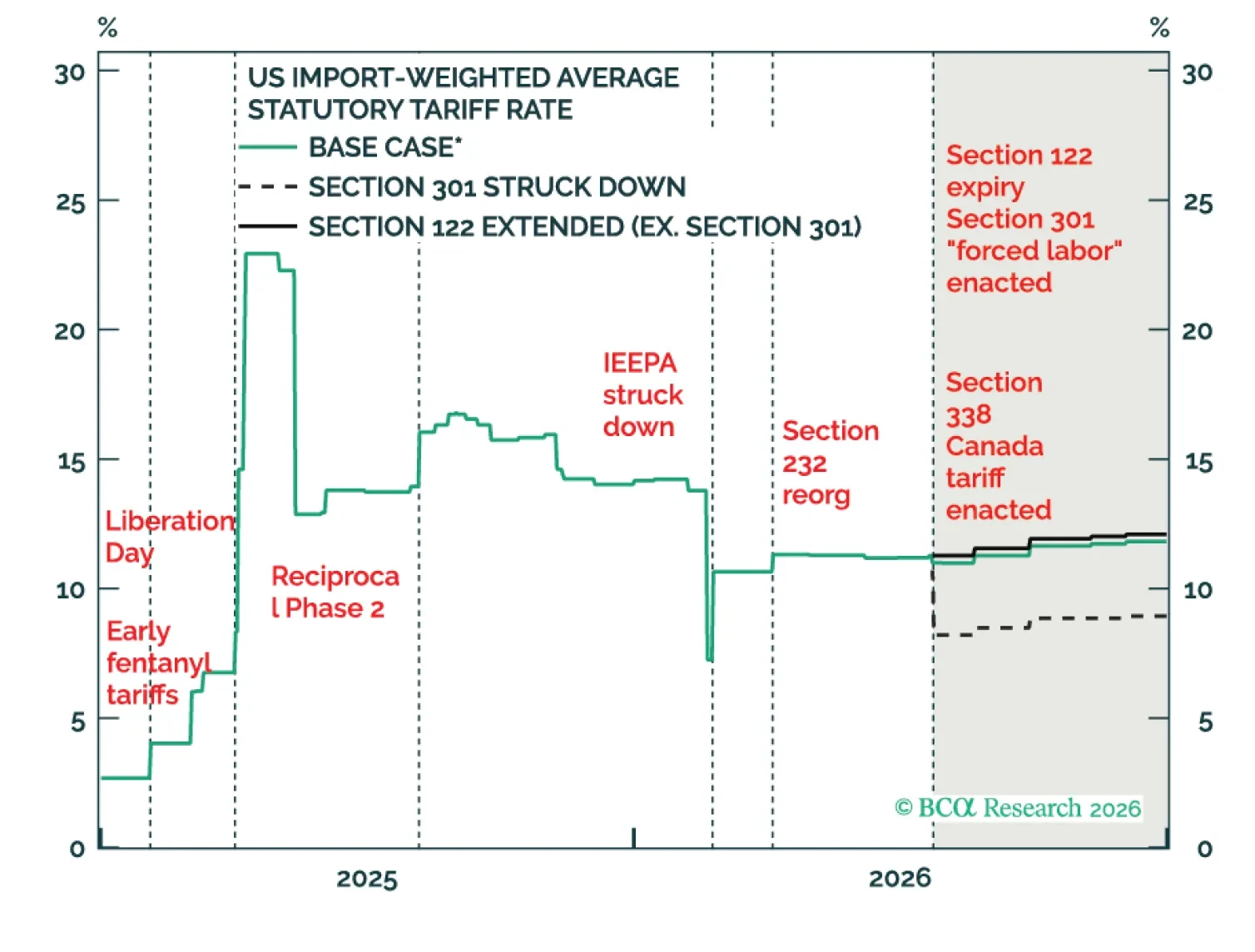
President Trump is raising tariffs again, now through 2027 – and more countries will retaliate this time. While markets can climb over “Liberation Day 2.0,” investors should be wary of today's aggressive policies engendering drastic policy change in 2028.
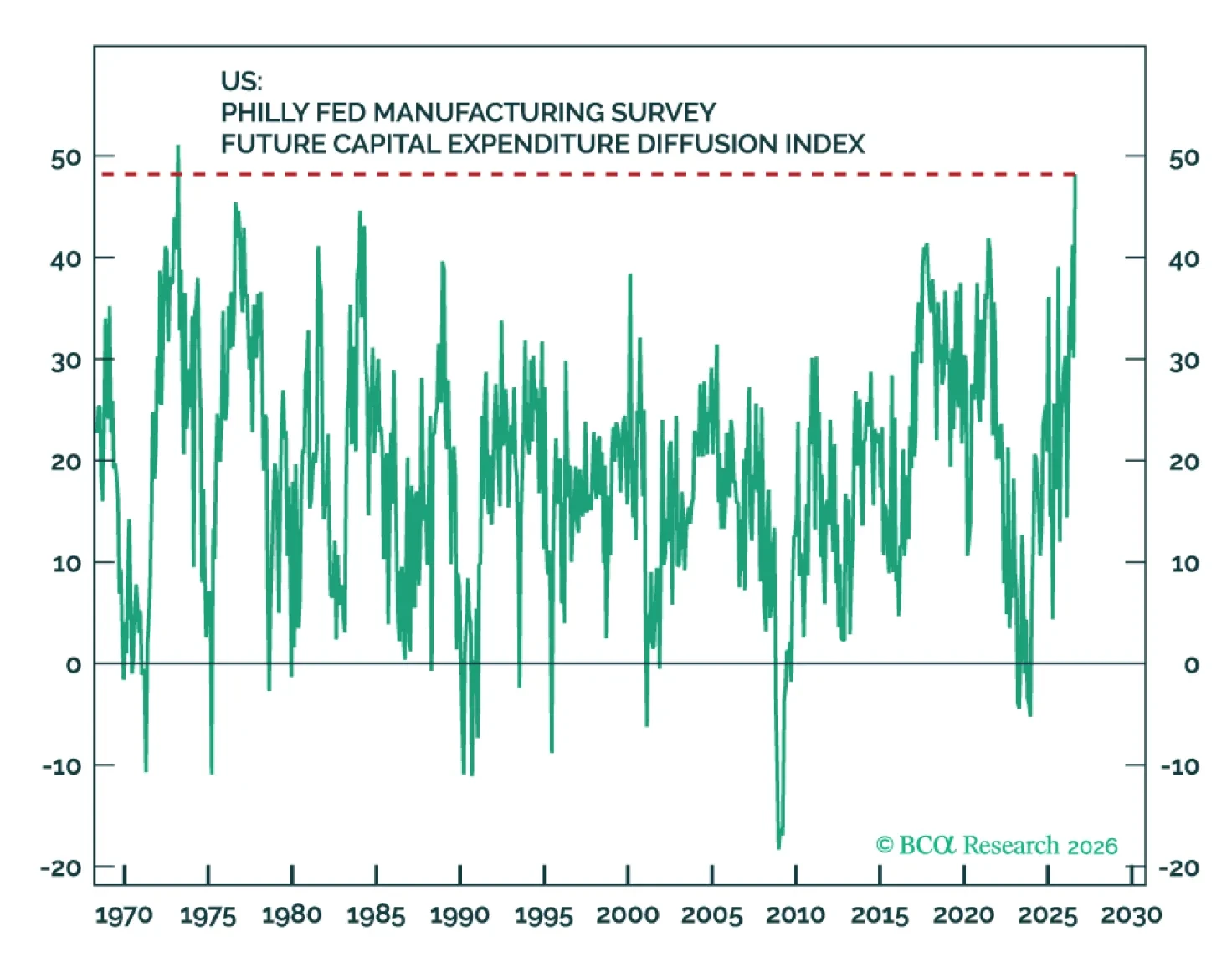
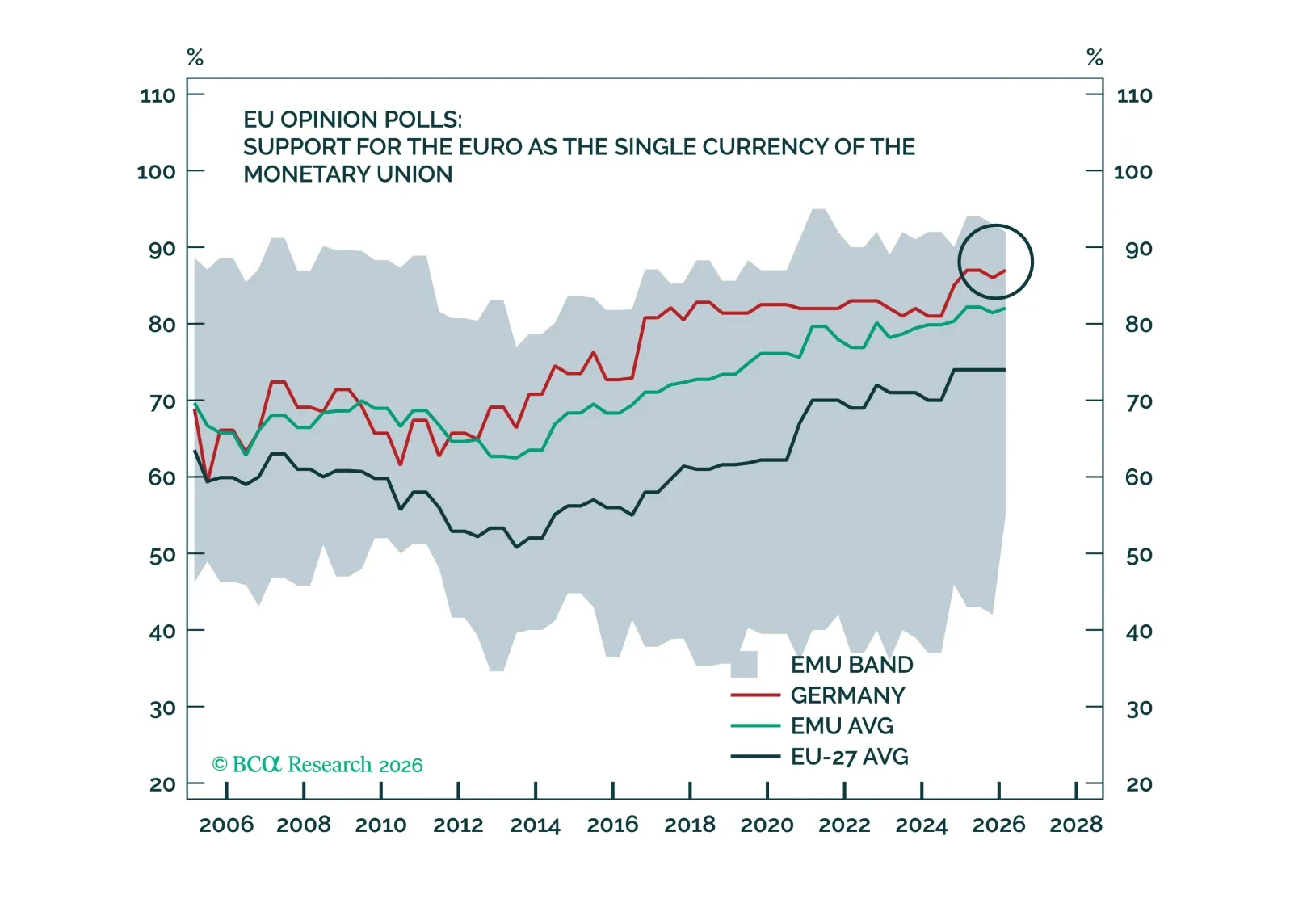
Alternative for Germany’s election win in the state of Saxony-Anhalt is overrated.

There is no evidence that there is a run on US government bonds. All the data at our disposal, and the curated views of our bond specialists, suggest that the US bond market may have 99 problems, but a coordinated run on its safe haven status is not one.
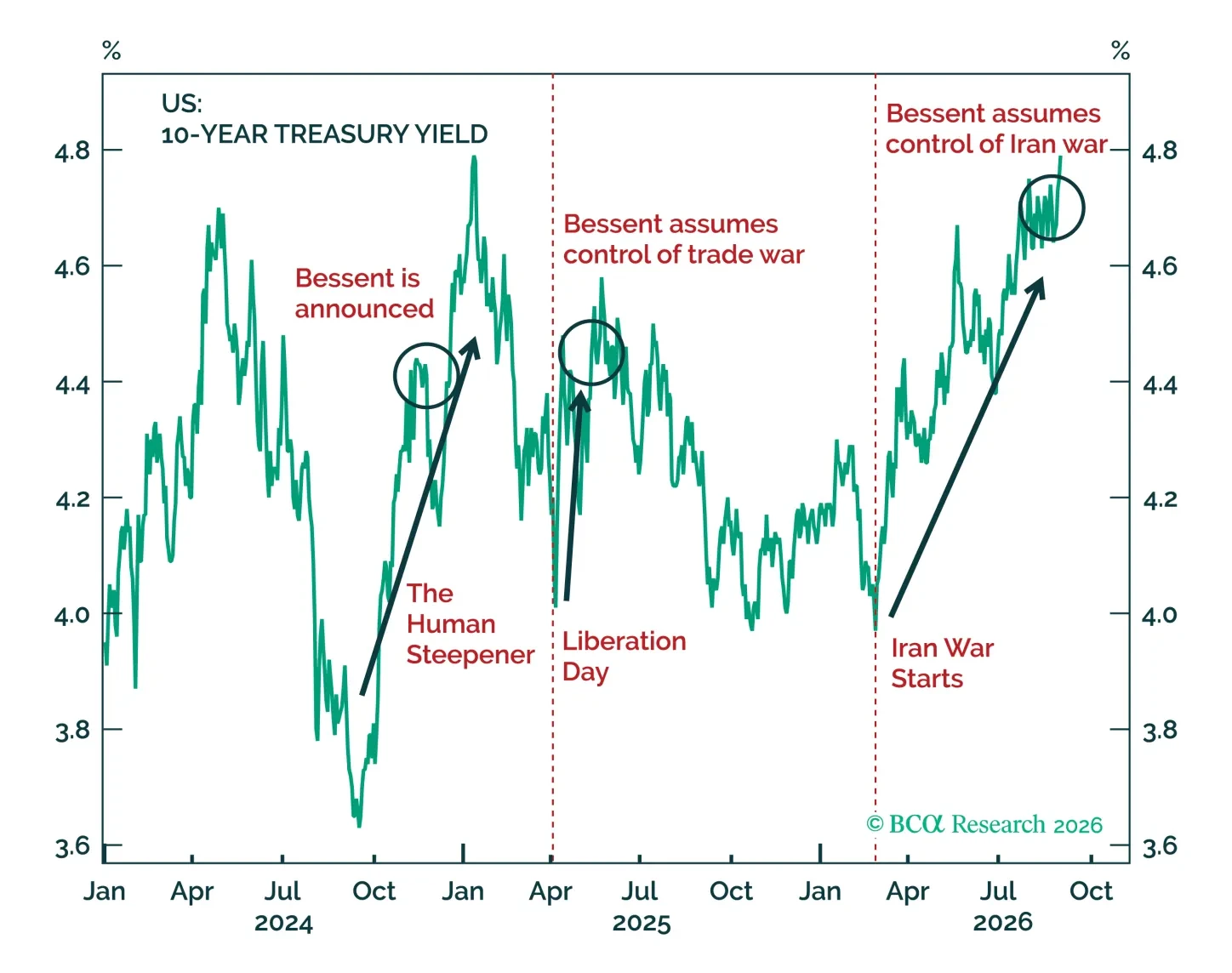
Markets have become obsessed with the rise of global long-dated yields. To some extent, we agree with the concern. Bonds are trading on "vibes," alarmed by the incoherent US geopolitical policy. Oil prices are obviously the conduit between that policy and the markets. On the other hand, growth is also robust. As such, bond market selloff is not all just negativity. The one secular theme driving the bond market selloff that does not bother us all that much is fiscal policy. We see signs — including actual budget deficit data! — that the US, policymakers and voters alike, is starting to understand that there are limits to profligacy. As such, we would advise clients with a long term focus to begin nibbling at the hated bonds.