 GeoMacro
A blend of geopolitics and macro, synthesizing the new and old macro to generate alpha and identify the beta through probability-weighted market views.
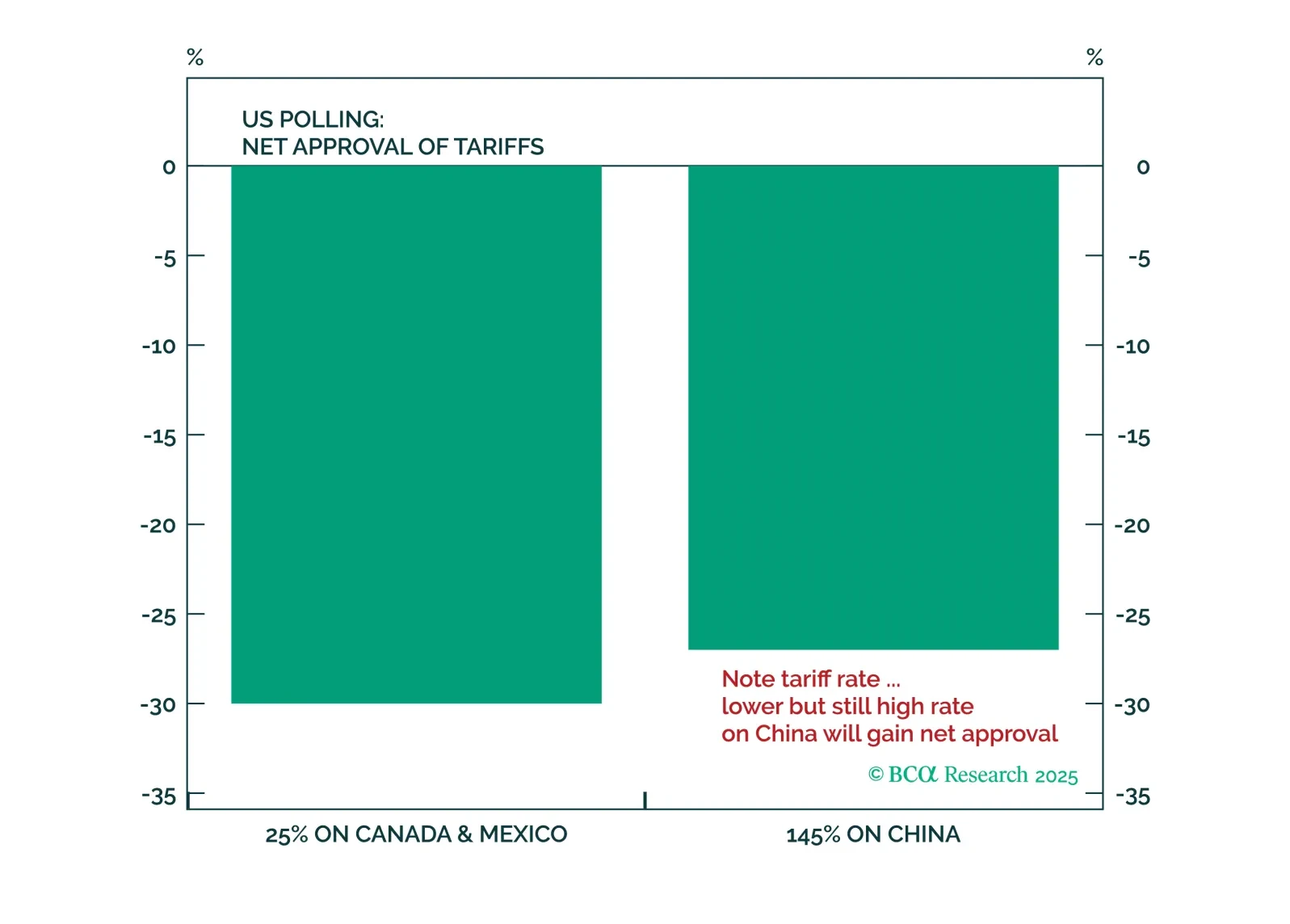
President Trump faces new restrictions on his trade powers coming from the US judicial branch, but they will not prevent him from continuing to restrict trade and investment with China. Rather, they will establish some curbs against entirely arbitrary executive tariffs, especially when wielded against US allies and partners.

On September 11, 1990, President George H. W. Bush addressed a joint session of Congress. The speech – which has come to be known as the “New World Order” address – referenced the emergence of a new geopolitical paradigm. While Bush Sr. was rather vague about what that paradigm was, his national security team filled out the details in subsequent addresses and writings. On December 4, 1992, as Bush Sr. announced the deployment of US troops to Somalia, it became clear that the New World Order was American hegemony.

Several clients hailing from the global allocator community have schooled us to the existence of the “Section 899,” a feature of the “One Big Beautiful Bill Act” (OBBBA) that passed the House of Representatives on May 22. The bill is currently being reviewed by the Senate and Section 899 – which adds a new section to the US tax code titled “Enforcement of Remedies Against Unfair Foreign Taxes” – is likely to remain in place.
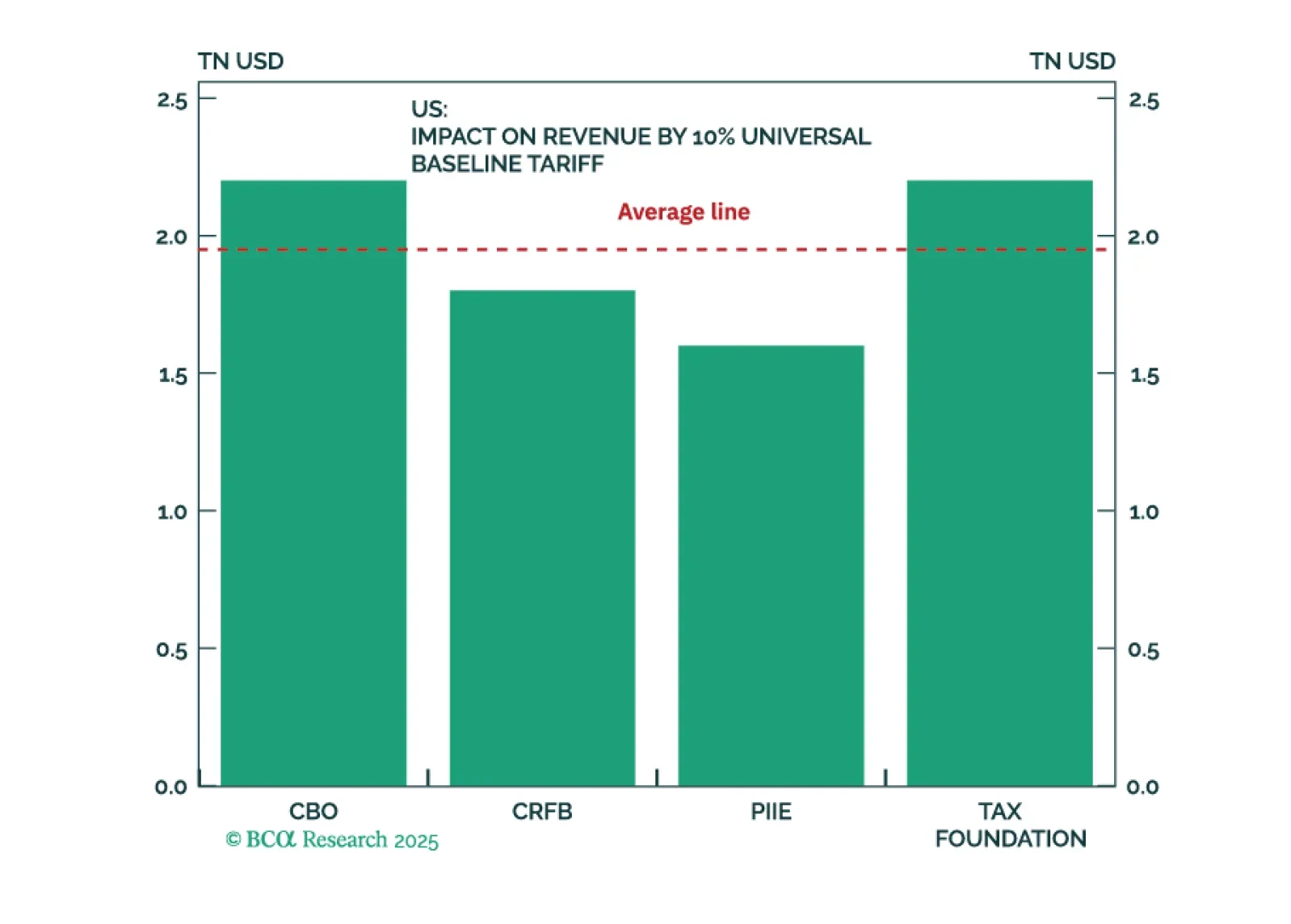
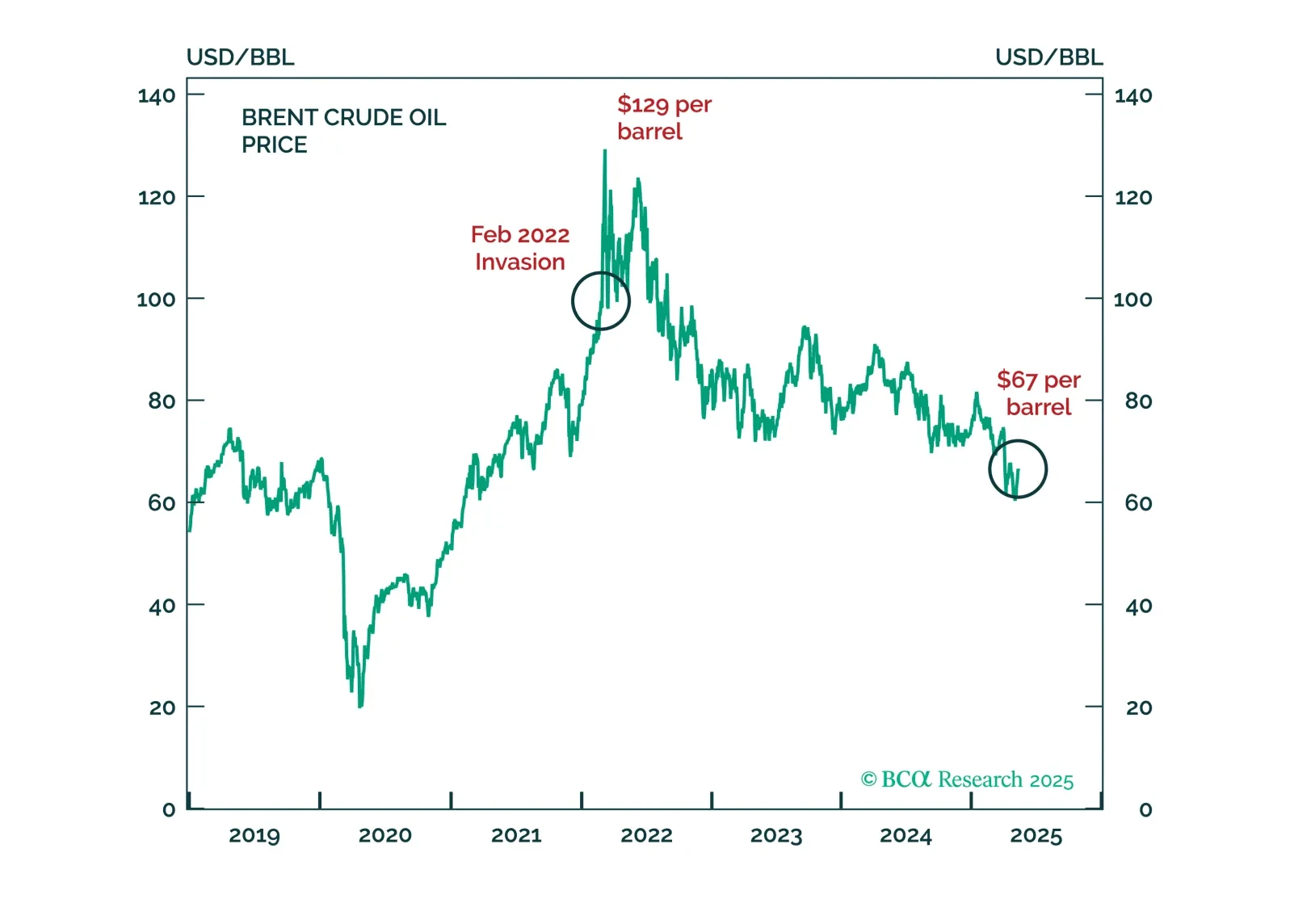
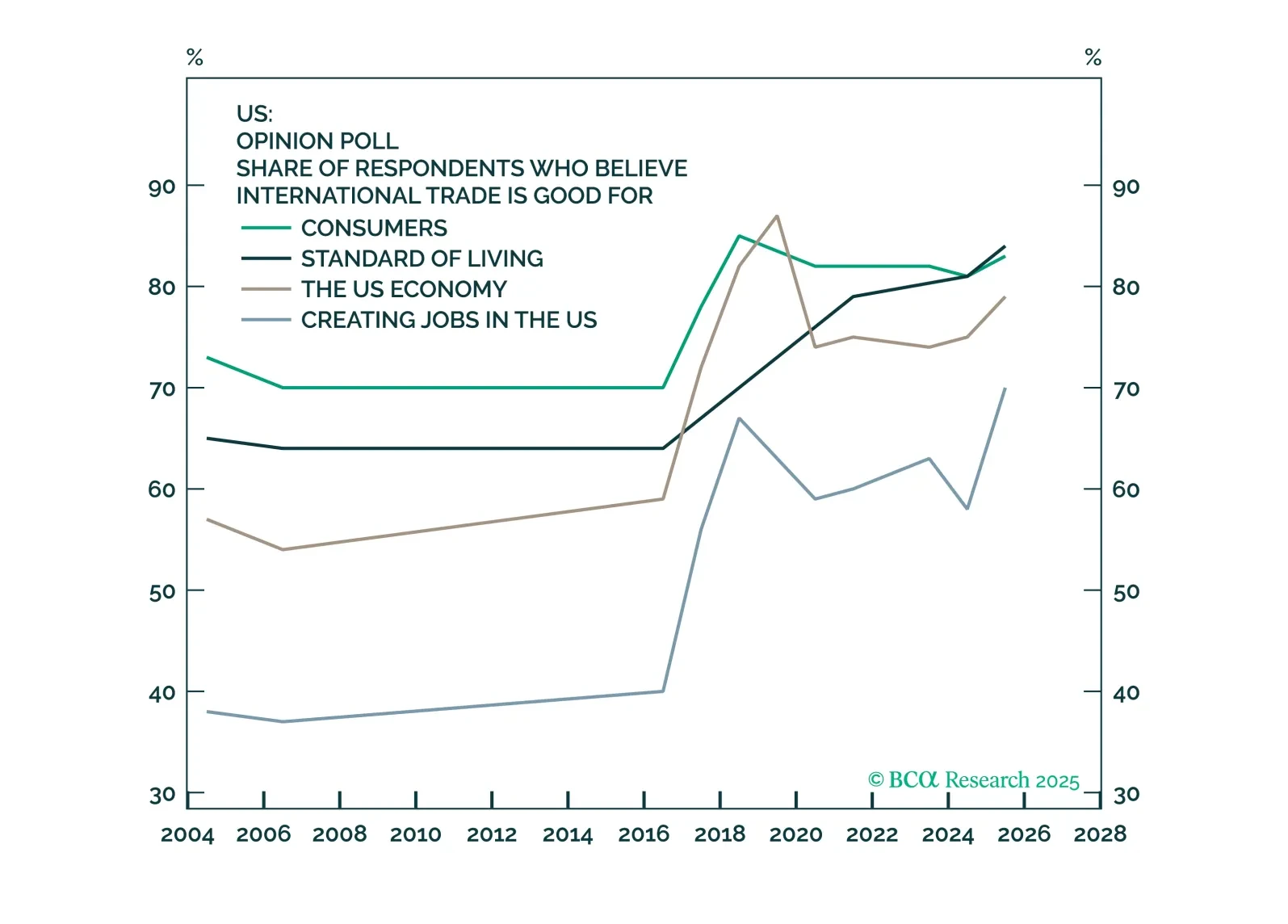
President Trump has pivoted towards negotiations as quickly as we expected (as in: QUICKLY). However, we did not expect the pivot on China to be as thorough and immediate. Markets have cheered the event. Not merely because US trade with China is substantive, but because investors are (correctly) assessing that if Trump can make a deal with China, he can make it with everyone. And he will. Nonetheless, investors should expect one or two more twists in the saga.

The announced US-China deal has taken everyone – even us, the authors of the implicitly bullish Seven Steps of Maximum Pressure – by surprise. President Trump has signaled a pause in the fight against China. Yes, the situation can reverse, but when your Secretary Treasury says things like “neither side wants to decouple,” the world should listen.
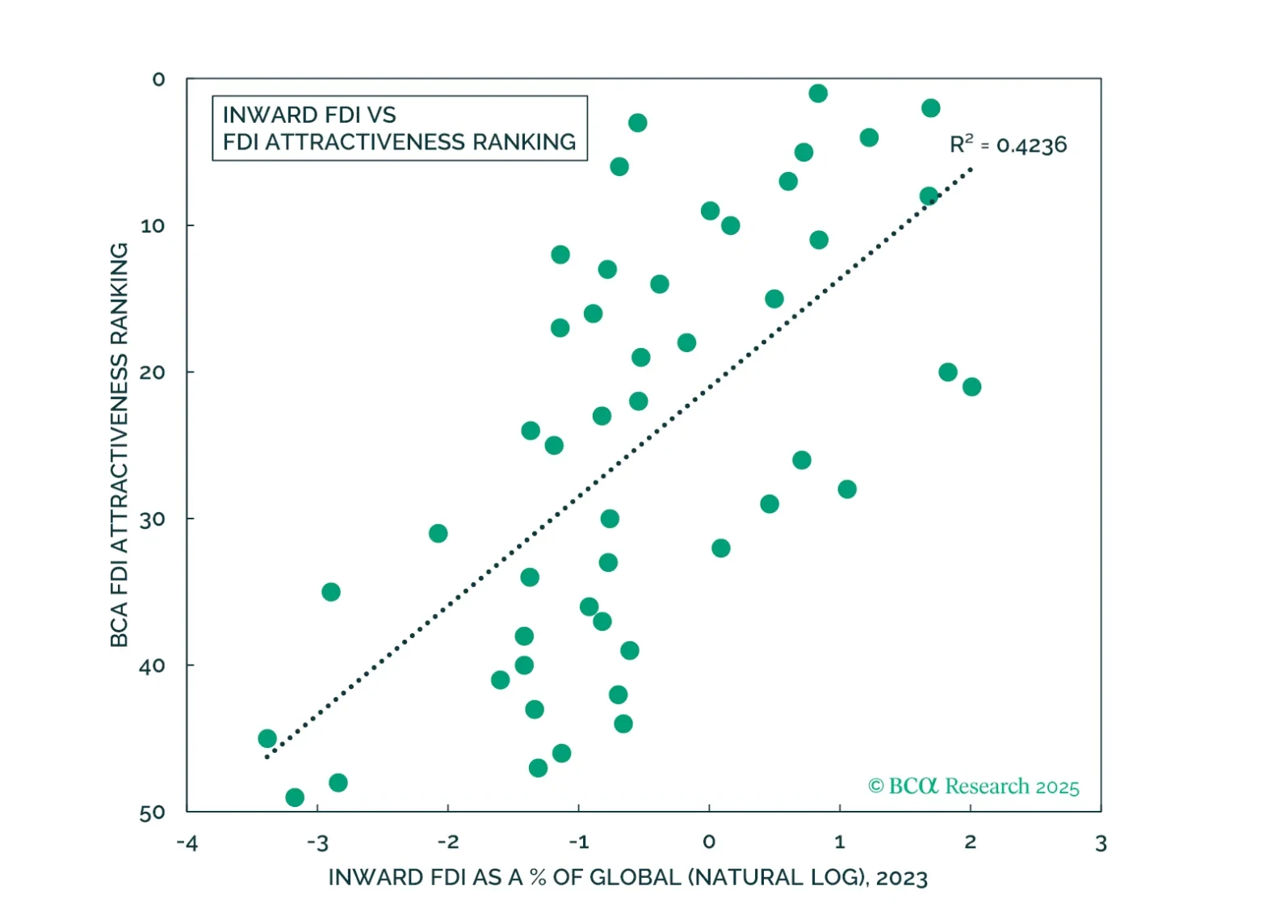
In our Beta report, we do something different. We focus on what factors create a macro context that is conducive to FDI inflows. Market size, trade openness, and infrastructure quality drive appeal, but secondary factors like governance and overall business climate play a meaningful role as well. As FDI reshuffles around geopolitics and new supply chains, competition will heat up among both destinations and investors.