Latest from BCA Research
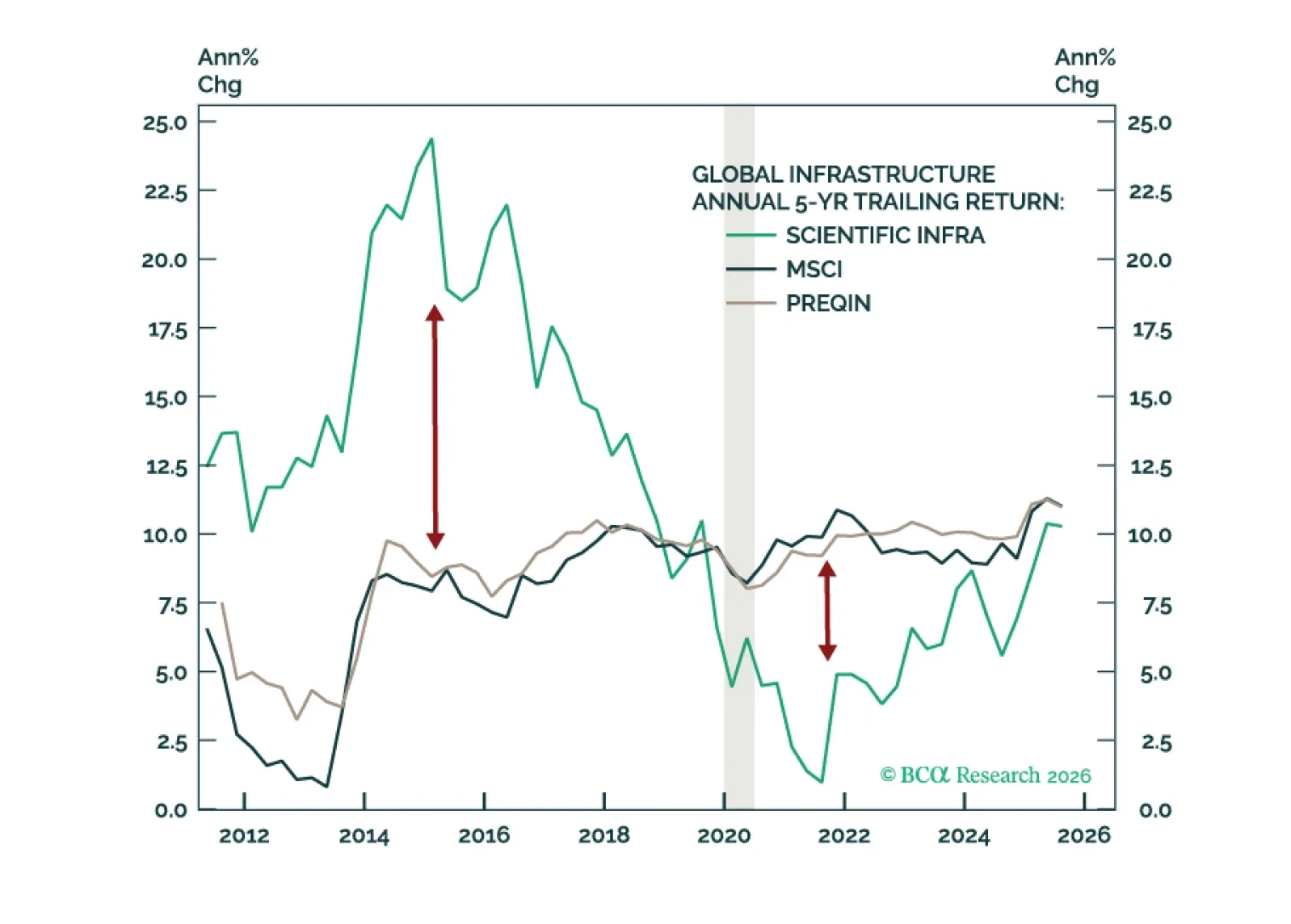
Private Infrastructure is the fastest growing alternative asset class. While metrics vary across data providers, differences largely reflect sector and regional mix. Core Infrastructure inflows have been strong, reversing declines seen in preceding years. Recent returns have been robust, and despite valuation dispersion, levels do not appear stretched.
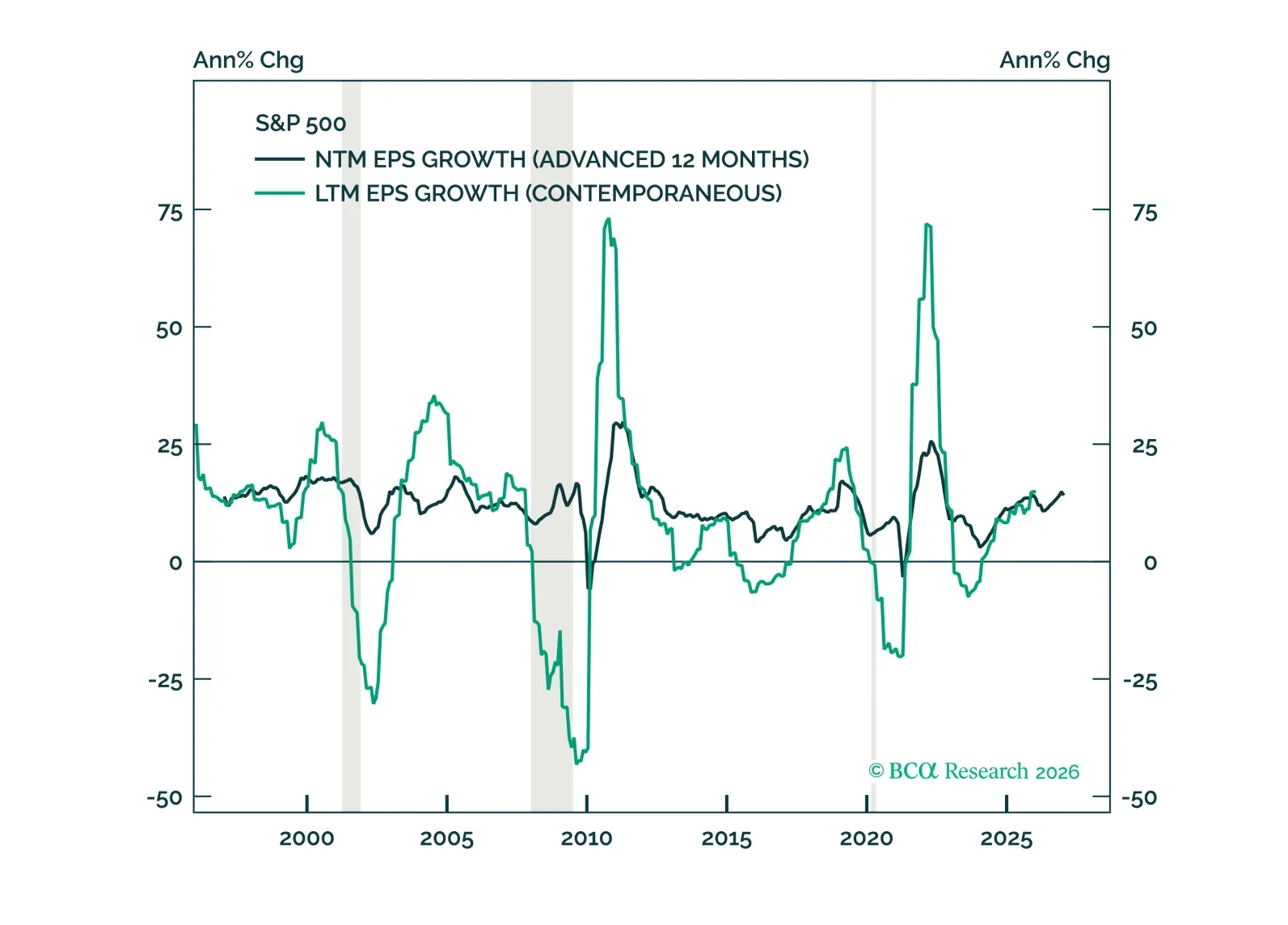
Earnings strength, durability, and breadth are all improving. As the market transitions from multiple-driven to earnings-driven returns, this backdrop supports continued gains in 2026—but with less concentration and greater scope for laggards to catch up rather than leaders to roll over.
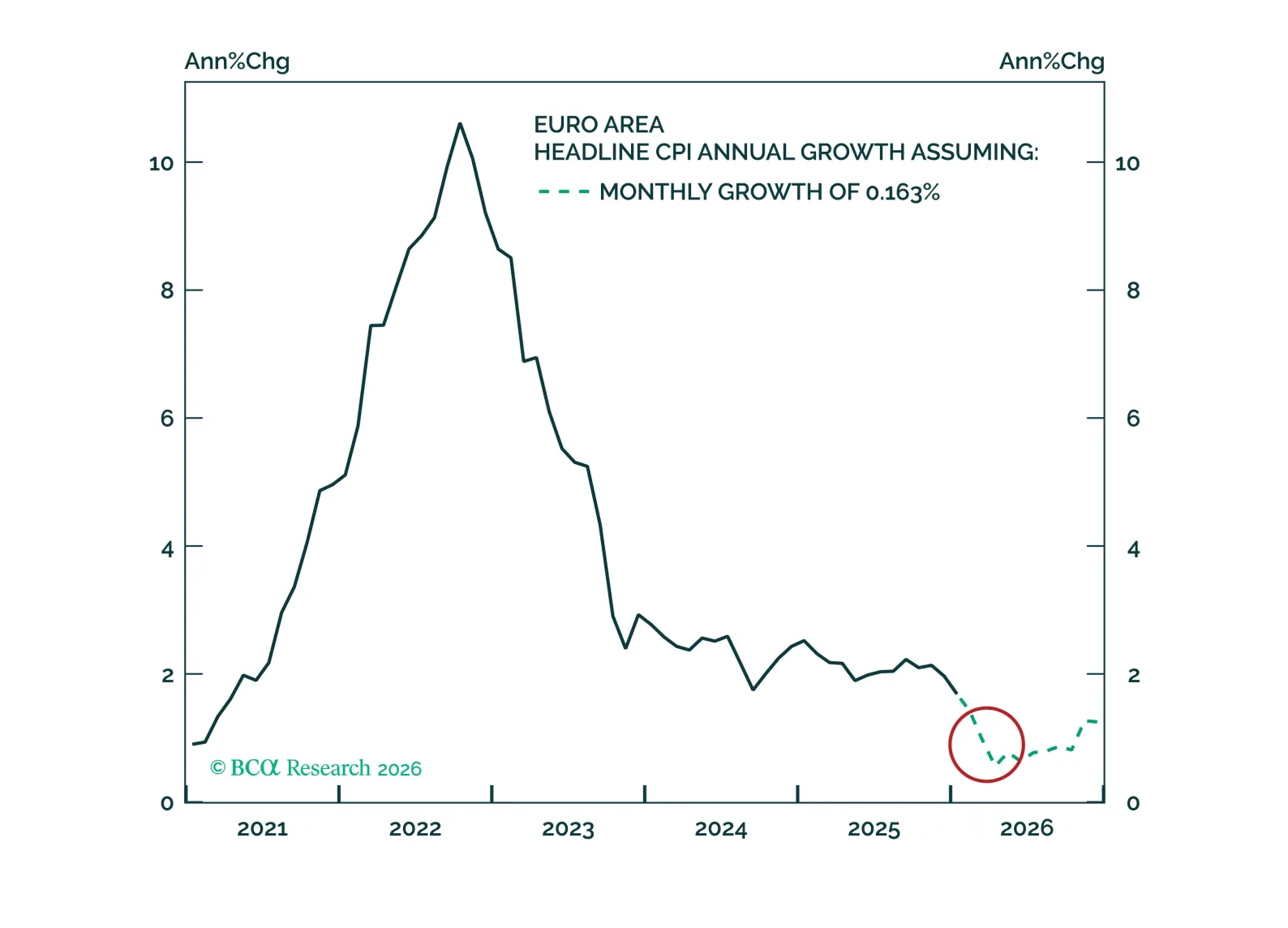
The ECB is about to make its first policy mistake in the current cycle by being complacent about the downside risks to inflation. The confluence of base effects, a stronger euro, food and energy deflation, and rapid services disinflation will push headline inflation closer to 1% in the first half of the year. This significant undershoot will force the ECB to deliver reflationary cuts. Go long the September 2026 3-month Euribor futures and tactically reduce exposure to inflation-linked bonds in the Eurozone.
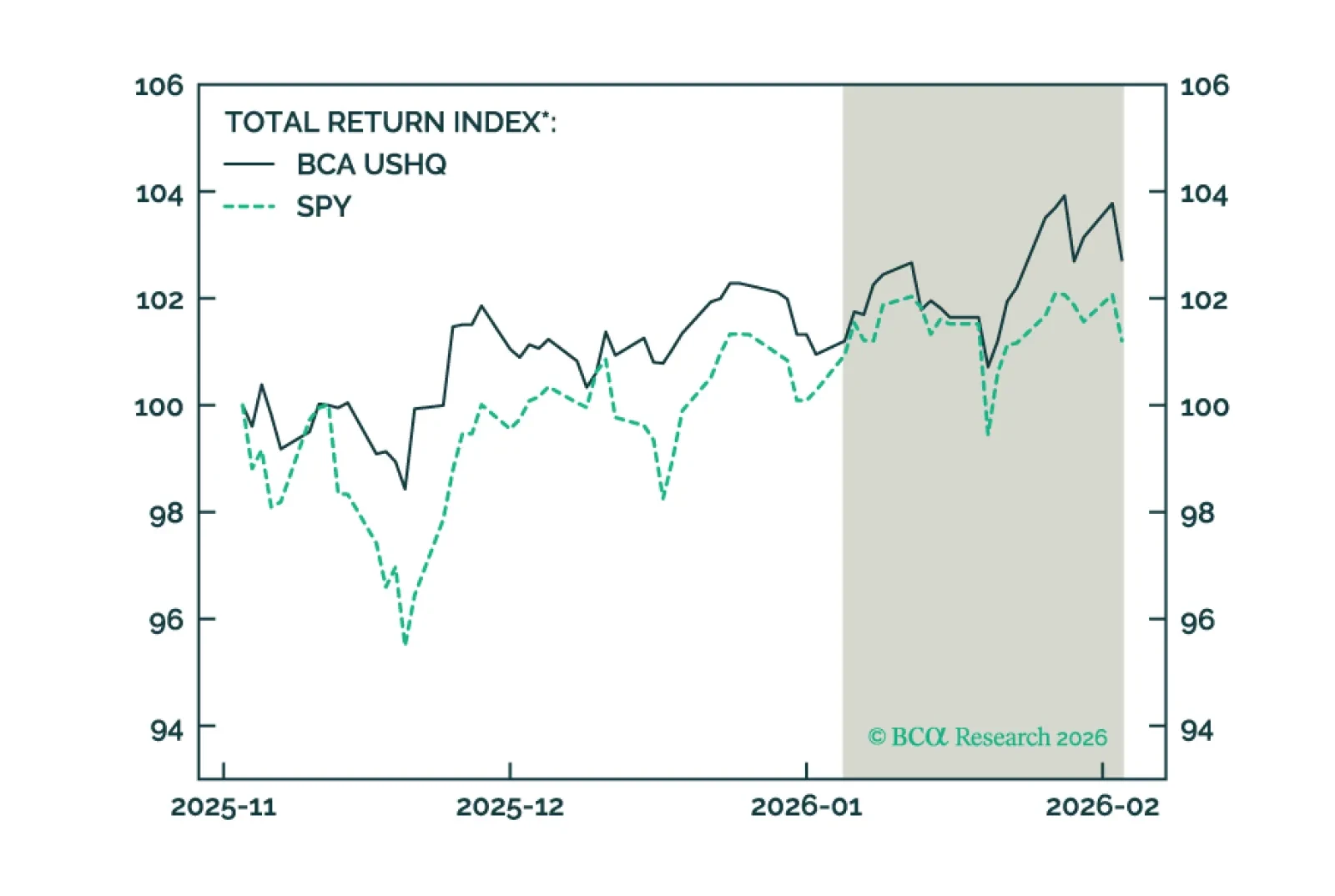
The US High Quality portfolio outperformed its benchmark through January, returning 1.50%, while its SPY benchmark returned 0.26%. On a trailing three-month basis, the USHQ portfolio’s performance was stronger than the benchmark as well, with USHQ outperforming by approx. 152bps.
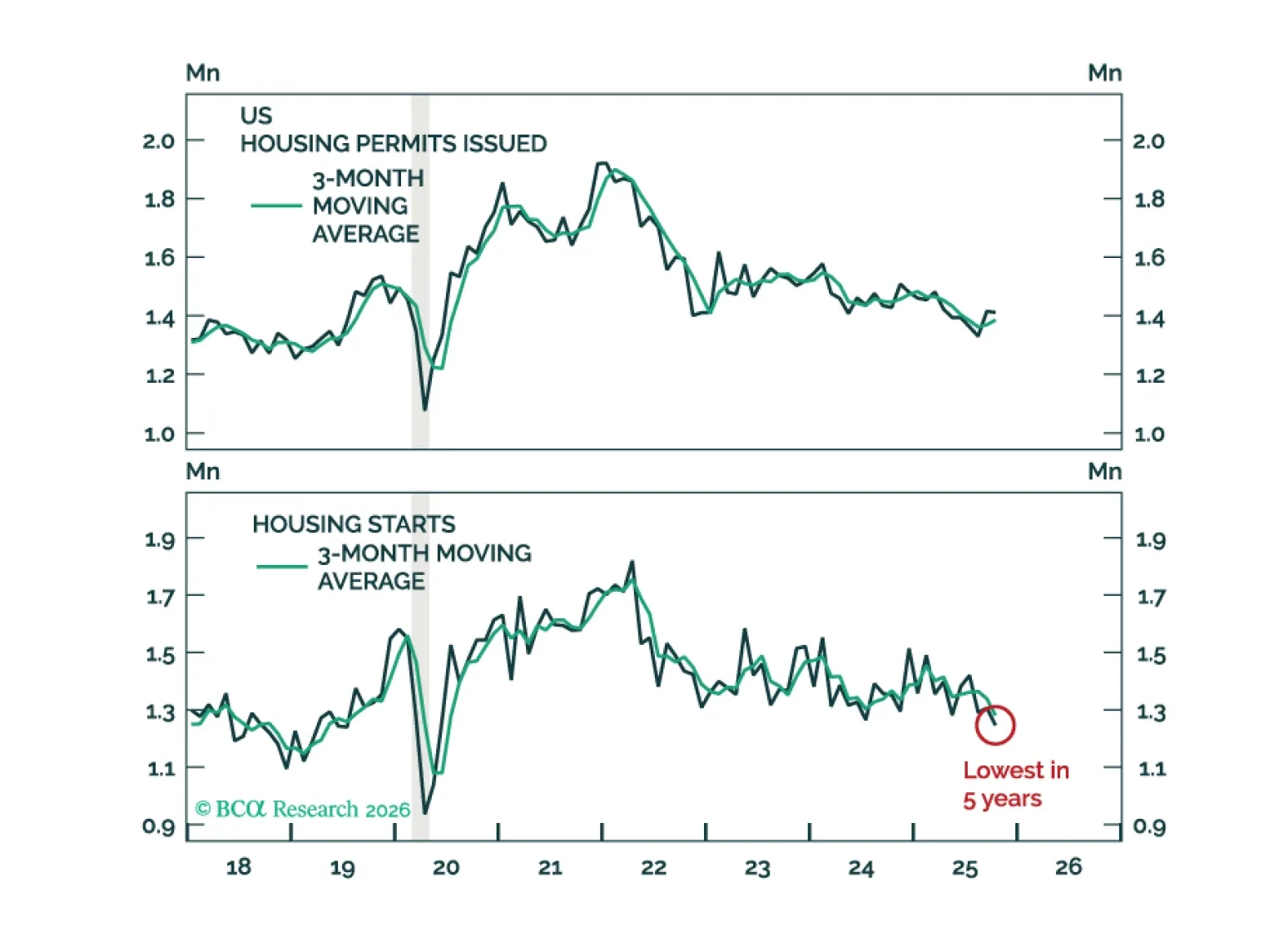
The US residential real estate market remains soft. While the decline in mortgage rates is a positive, it is too early to bet on housing becoming the engine of growth for the US economy this year.
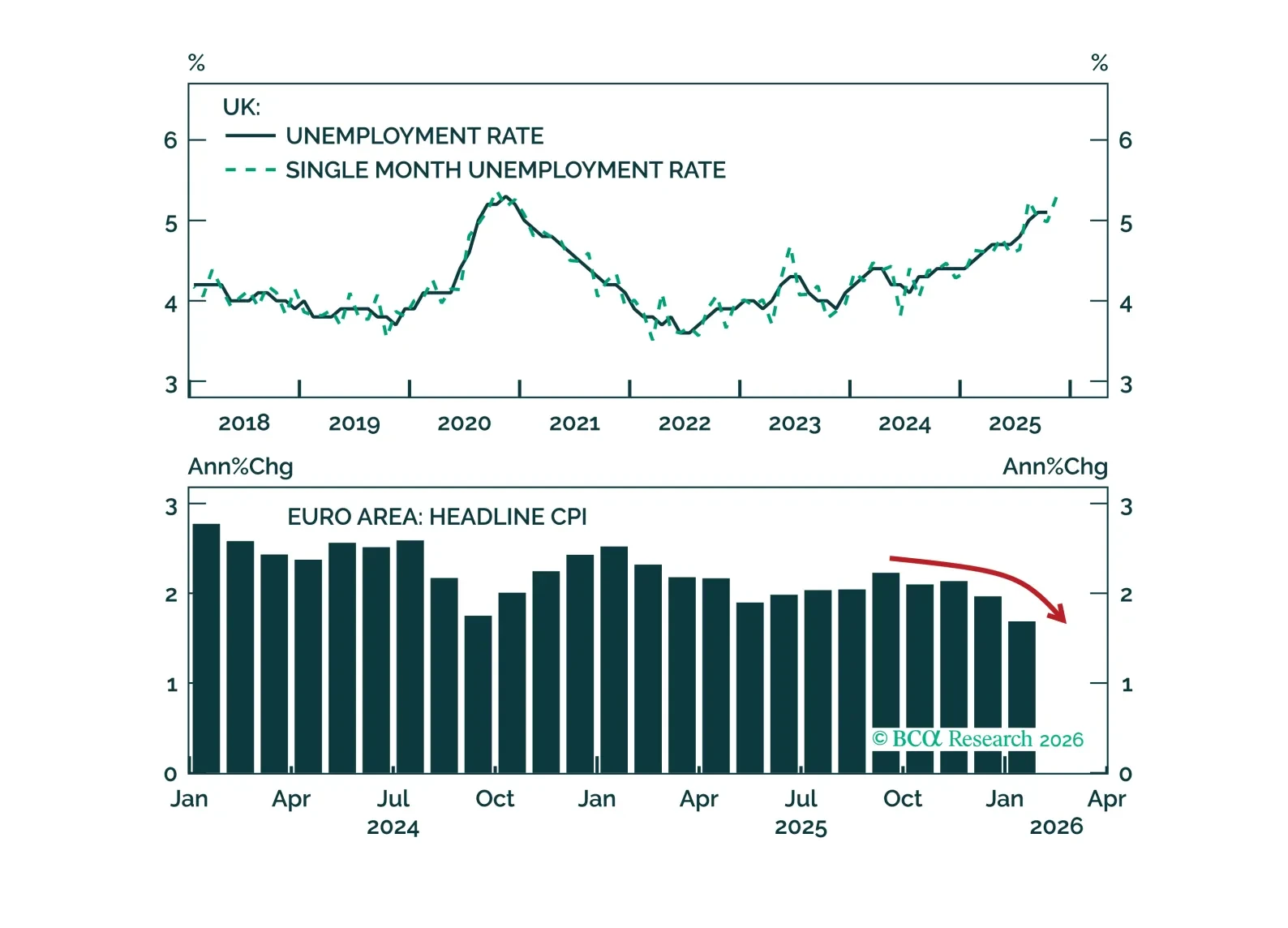
This week’s central bank meetings are a good reminder that monetary policy can still surprise. The Bank of England sounded more dovish, and the European Central Bank sounded complacent about the inflation undershoot. Meanwhile, the Reserve Bank of Australia hiked rates earlier this week. Investors should remain overweight UK Gilts, position for more ECB easing by going long the September 2026 3-month Euribor futures, and fade further rate hikes priced in Australia.
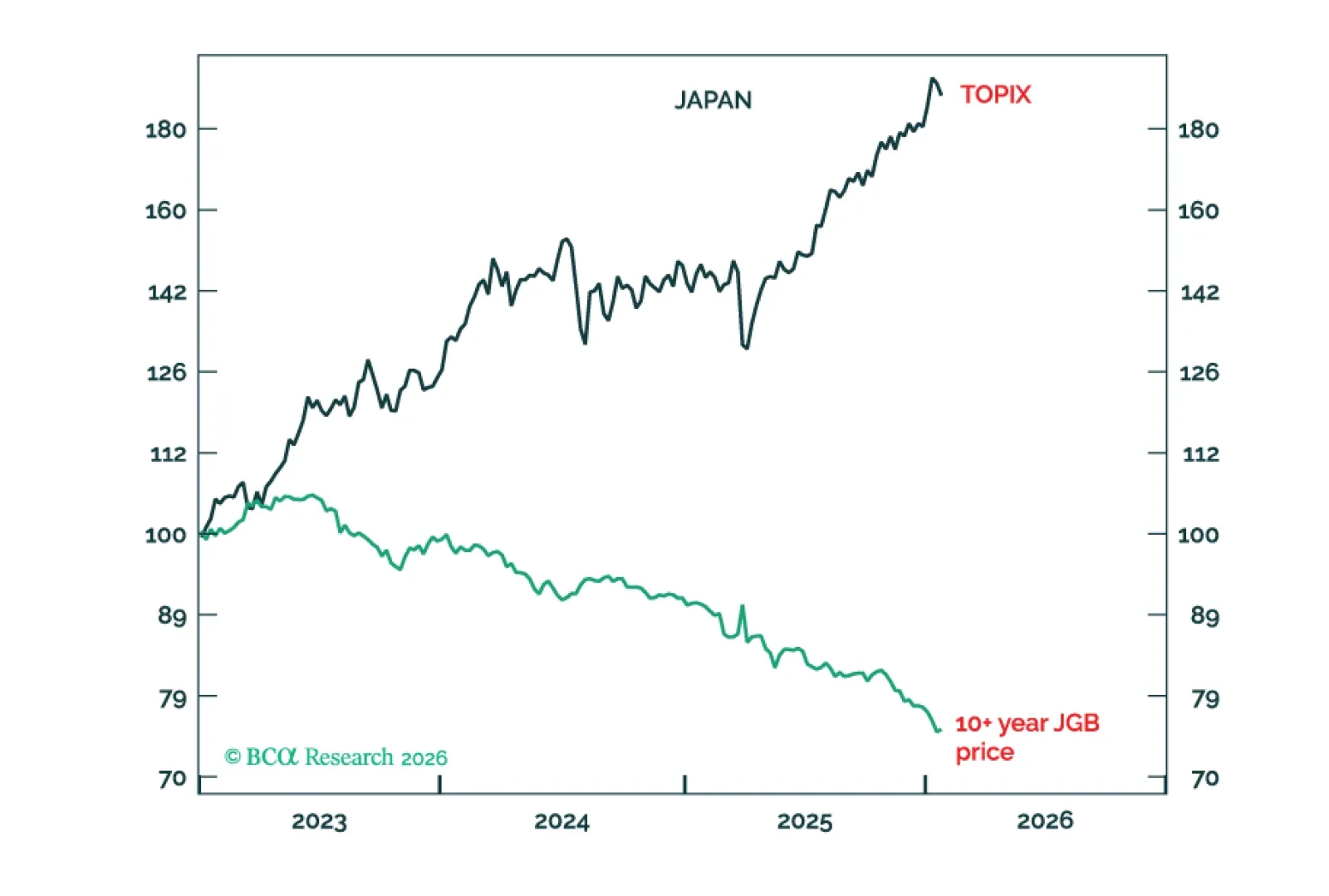
The US and Japan are in the same predicament: save the bond market or save the stock market? How this predicament will be resolved is the biggest global macro call of 2026-27. Plus: a new tactical trade is to go short AUD/JPY.
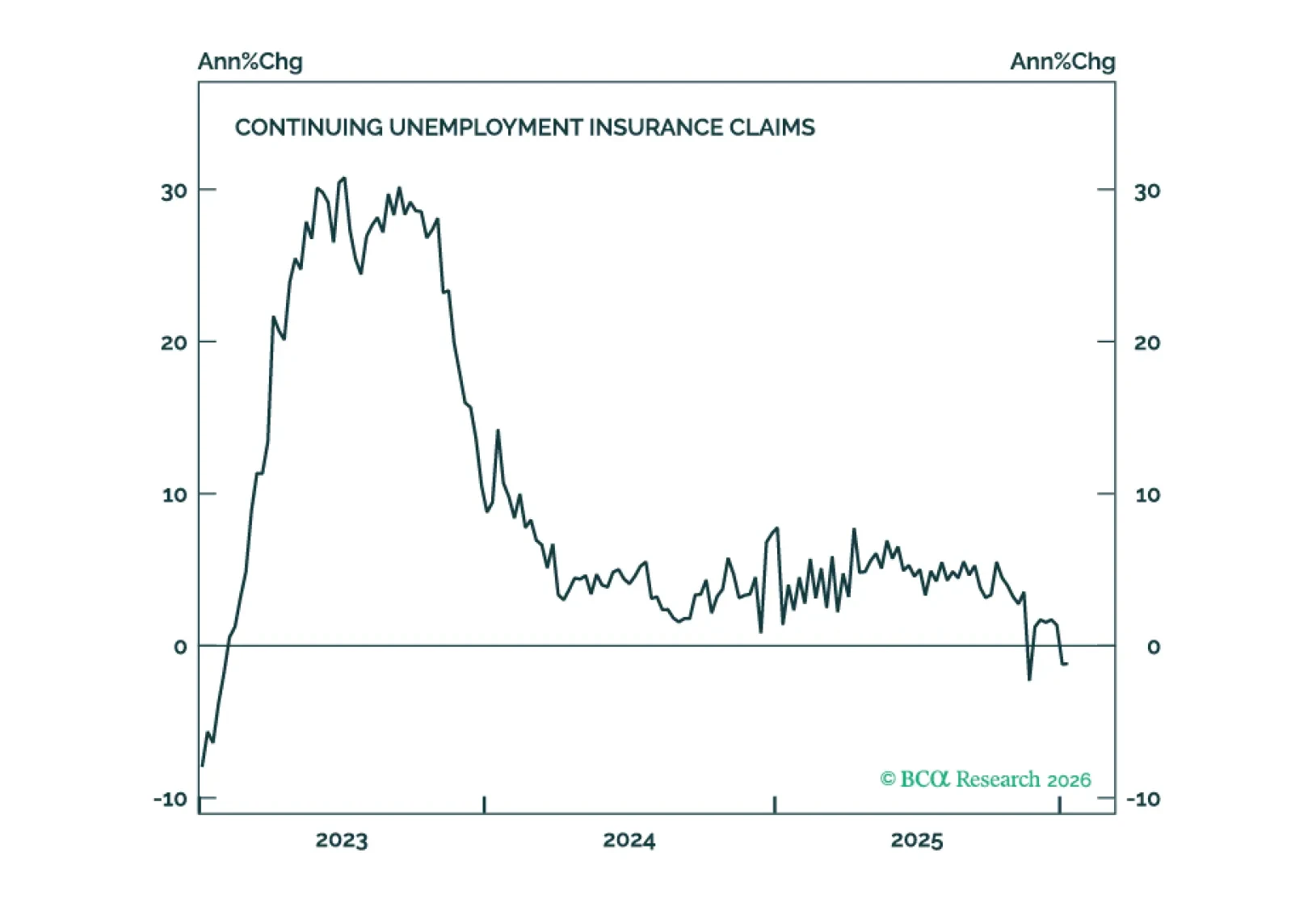
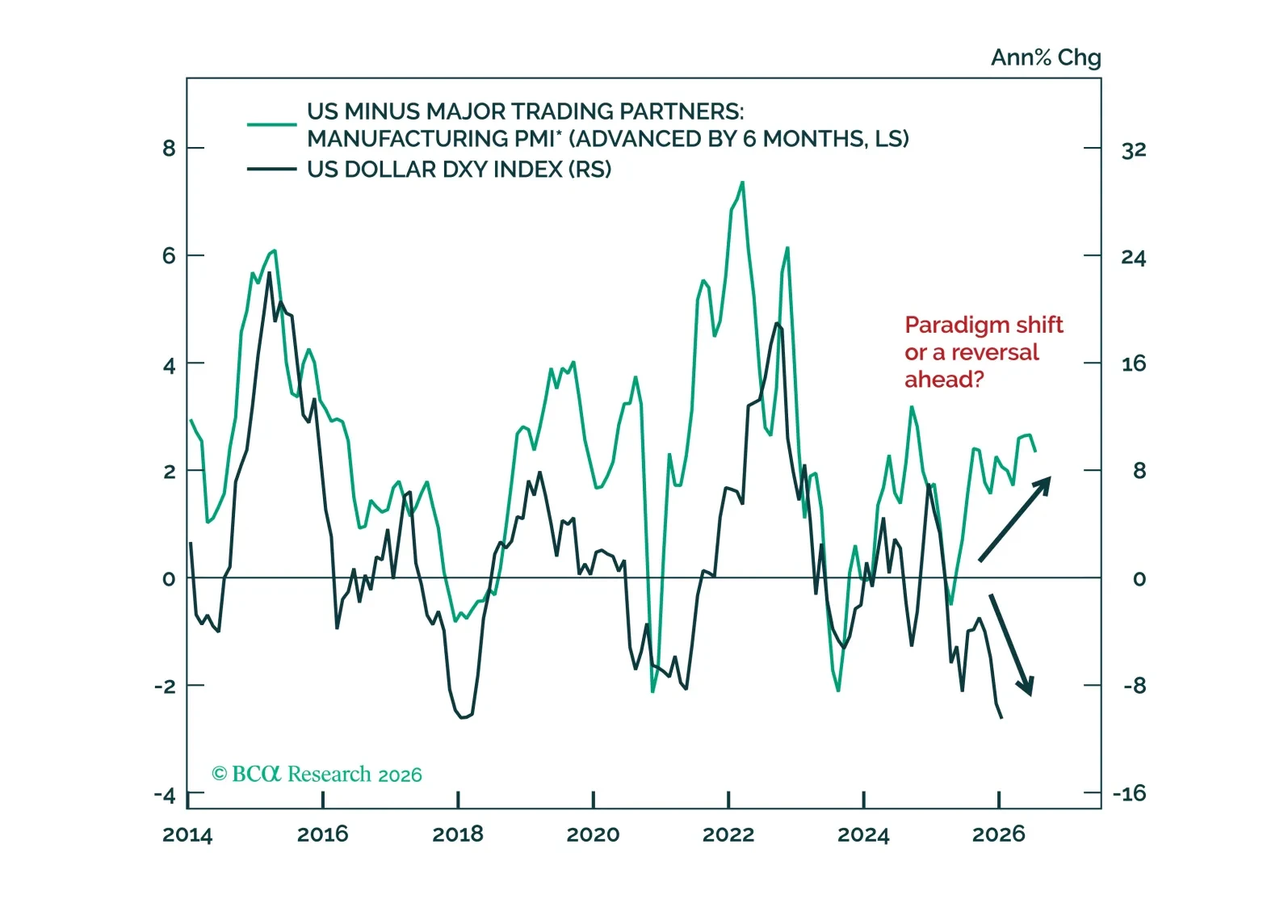
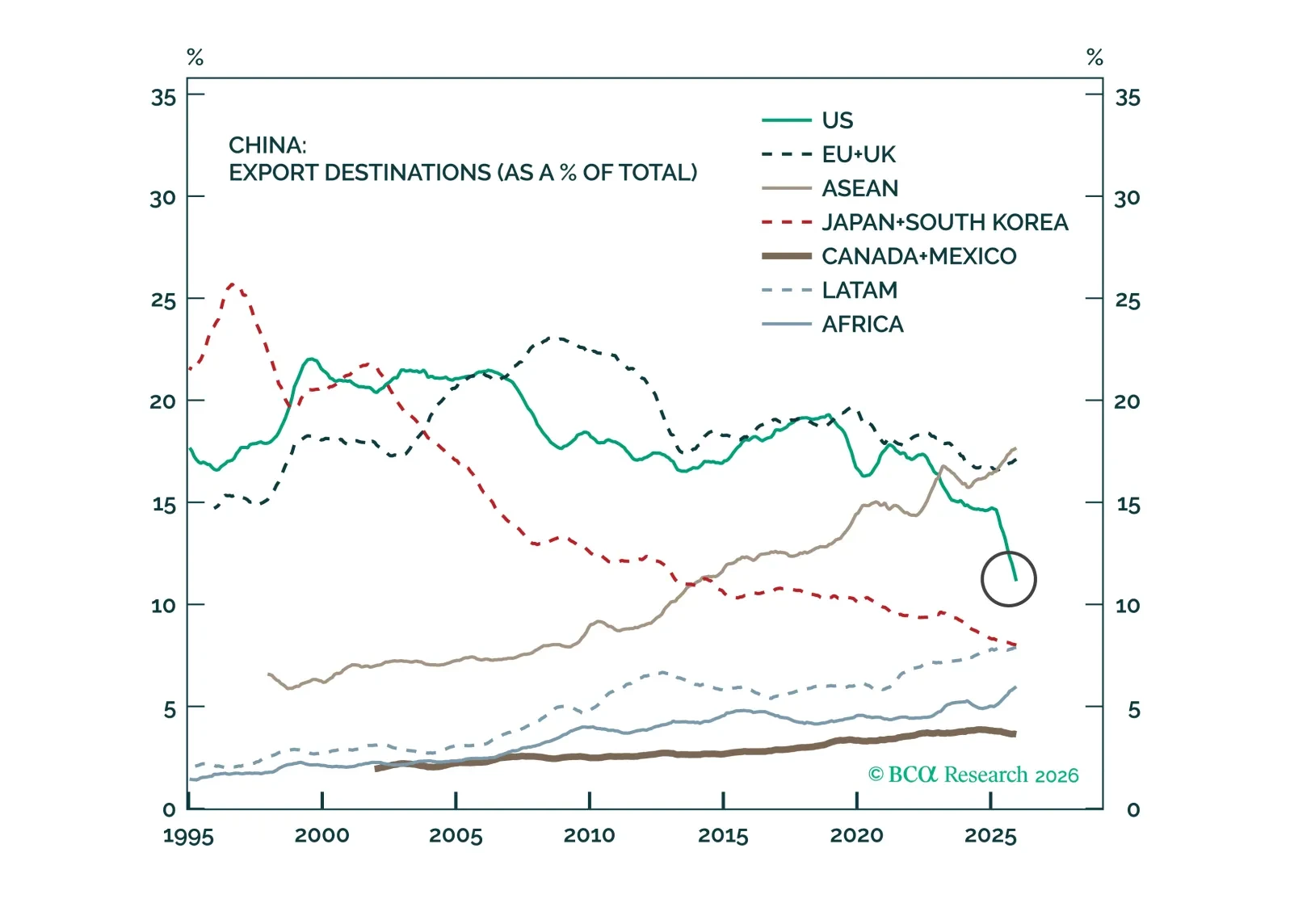
Sell America? No. The GeoMacro trade is Buy RoW! Left-tail risks are easing because the US isn’t collapsing. That argues for less enthusiasm for safe havens, not selling US assets. The S&P 500 can perform while remaining underweight the US – it happened in 2025 and will happen again.