景気循環
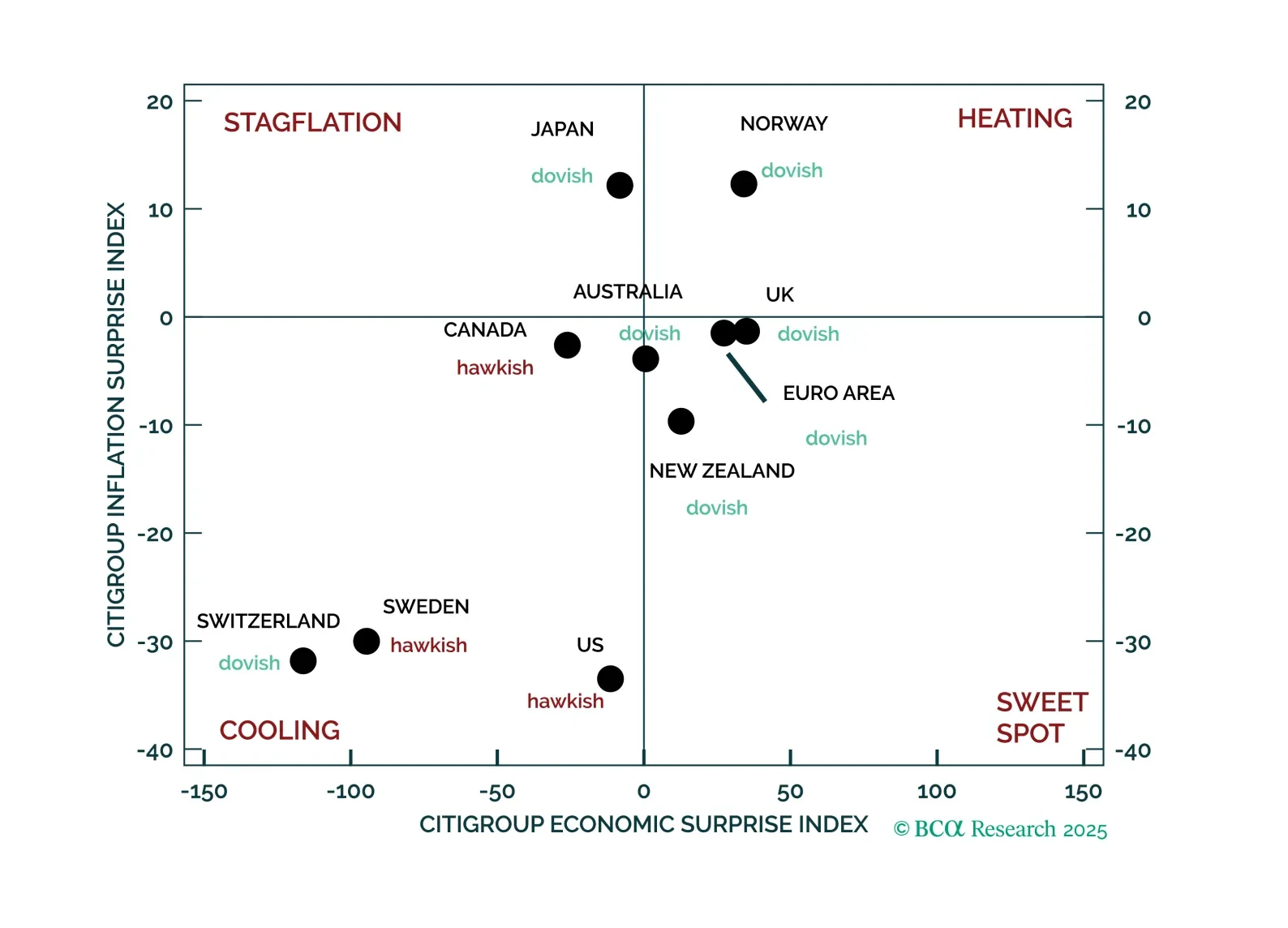
私たちは、外国為替市場において経済、インフレ、金融政策のサプライズに基づいて投資を行う体系的なアプローチを採用しています。このフレームワークからのシグナルは、USDの下落が一時的に停止し、最近のユーロ高が部分的に反転するという我々のFXストラテジストの戦術的な見解と概ね一致しています。
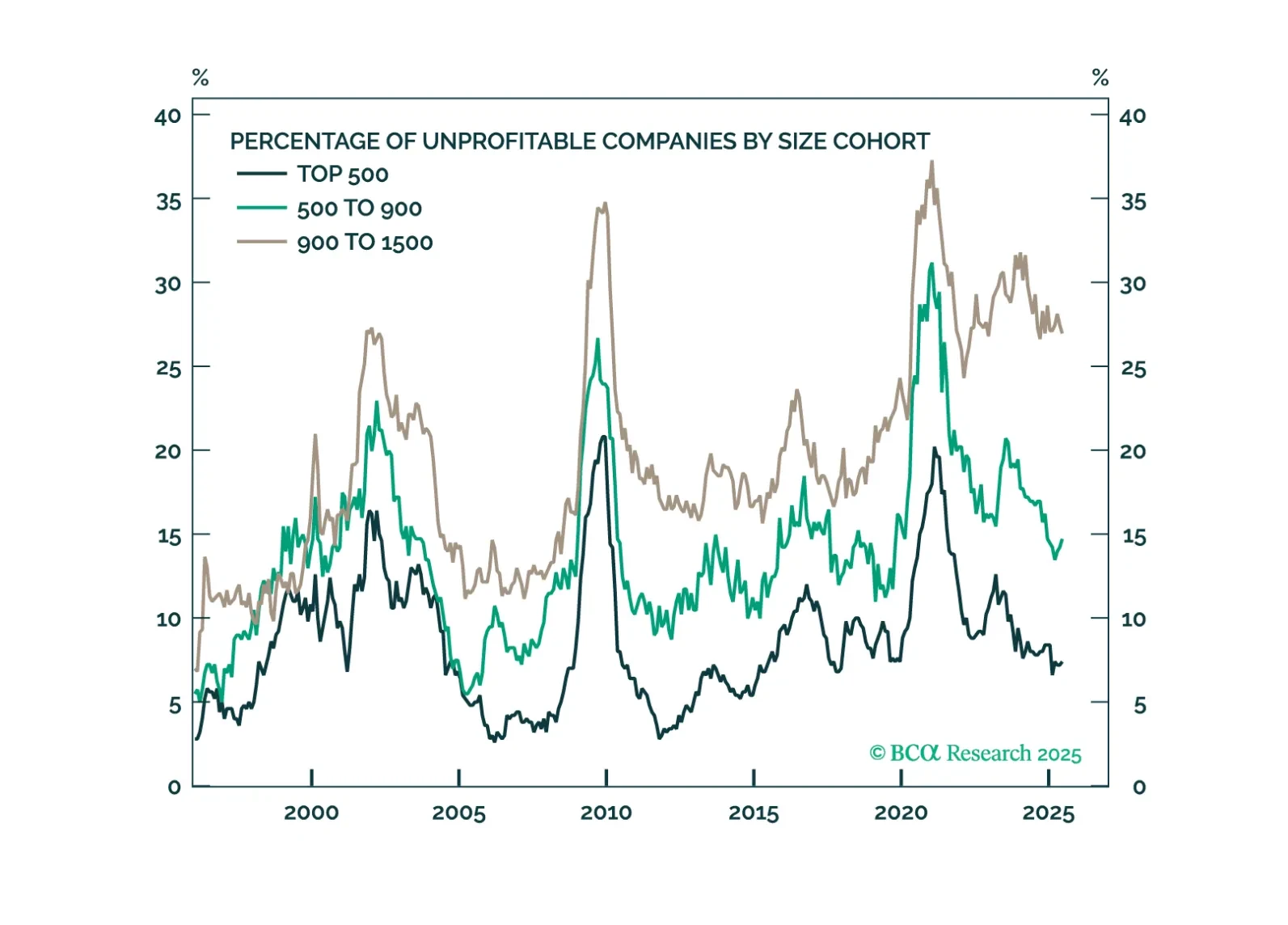
最近、小型株はアウトパフォームの兆しを見せています。本レポートでは、長期的な構造的トレンド、マクロ経済の背景、関税の影響、その他の重要な要因を分析し、この反発が持続可能かどうかを検証します。
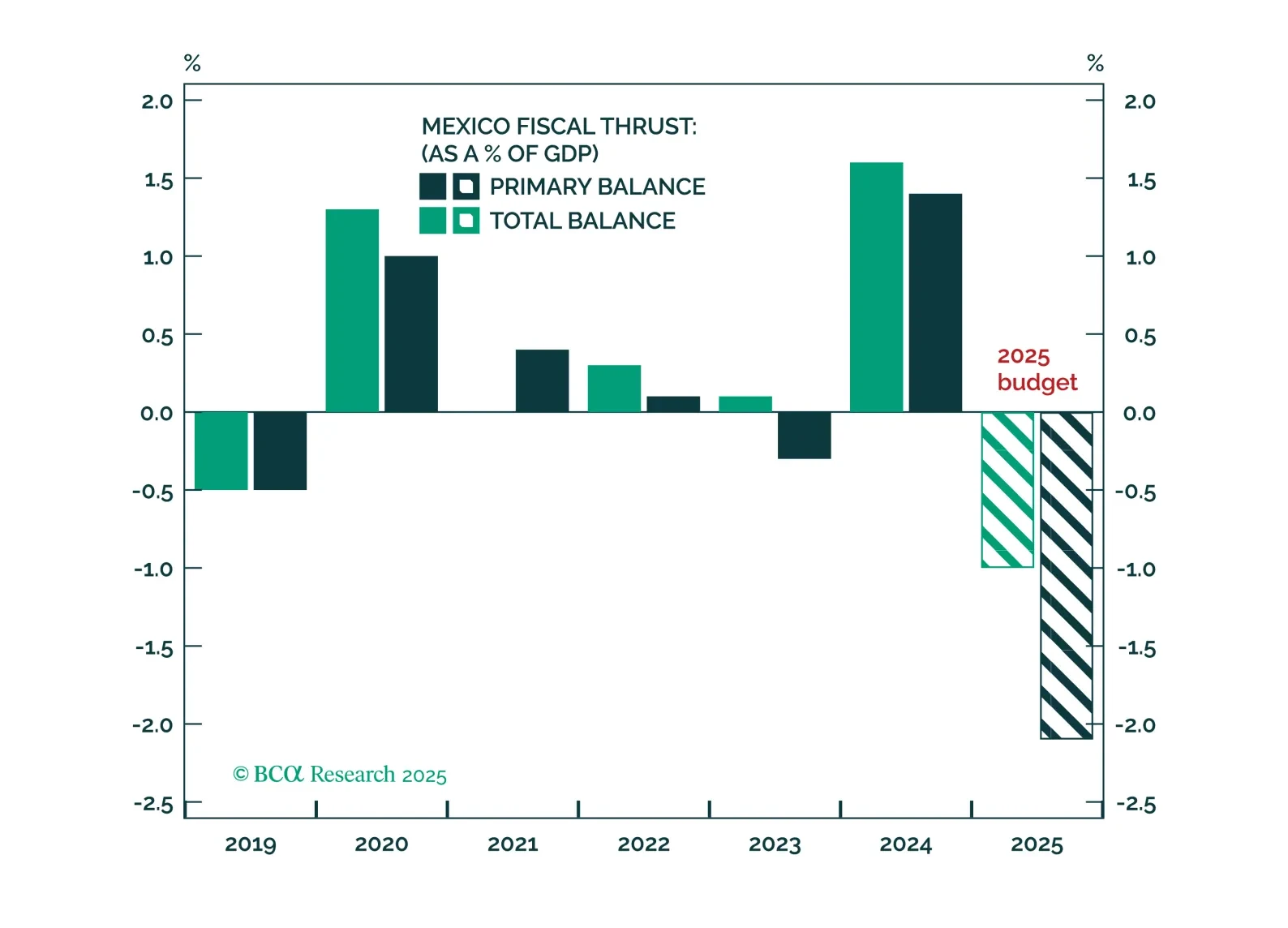
Short-term pain from Trump-related concessions, fiscal tightening amid a US and Mexican slowdown, and rising labor slack will weigh further on Mexican assets. But long-run, policy direction will capitalize on the nearshoring trend and resume the trend of Mexican asset outperformance relative to other emerging markets.
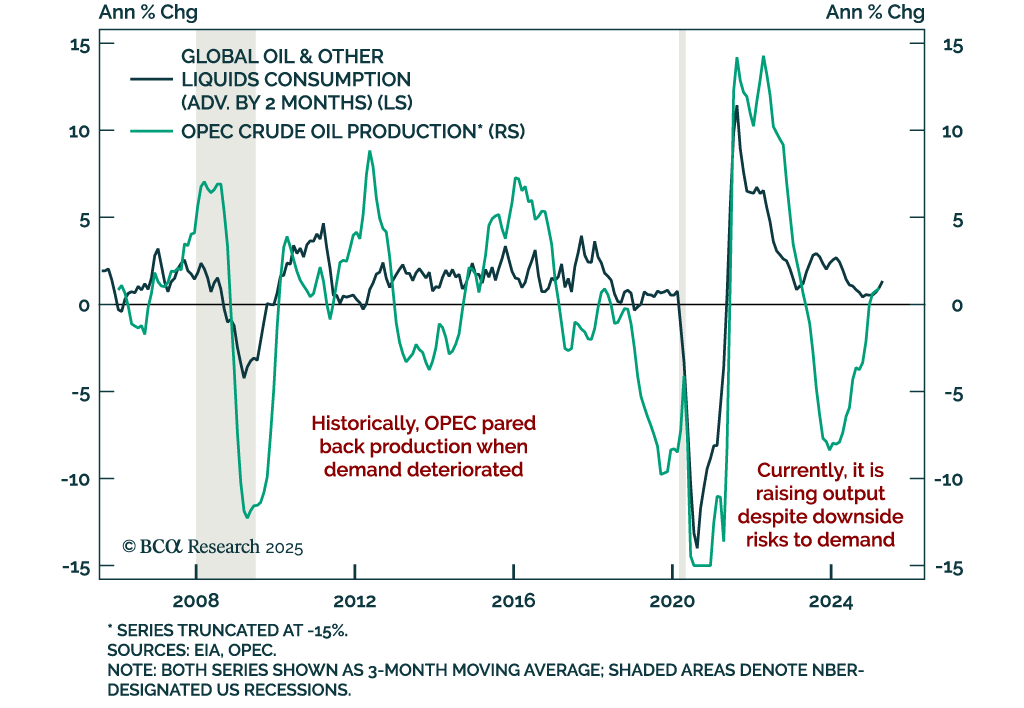
Oil has borne the brunt of the year-to-date deterioration in cyclically sensitive financial assets. It is a key underperformer both within the commodity space and among global risk assets. This underperformance underscores that in addition to the trade war-induced headwind to demand, bearish supply-side developments are also weighing down on crude prices. As we discuss in this report, these dynamics will likely continue exerting downside pressure on oil prices over the coming weeks and months.
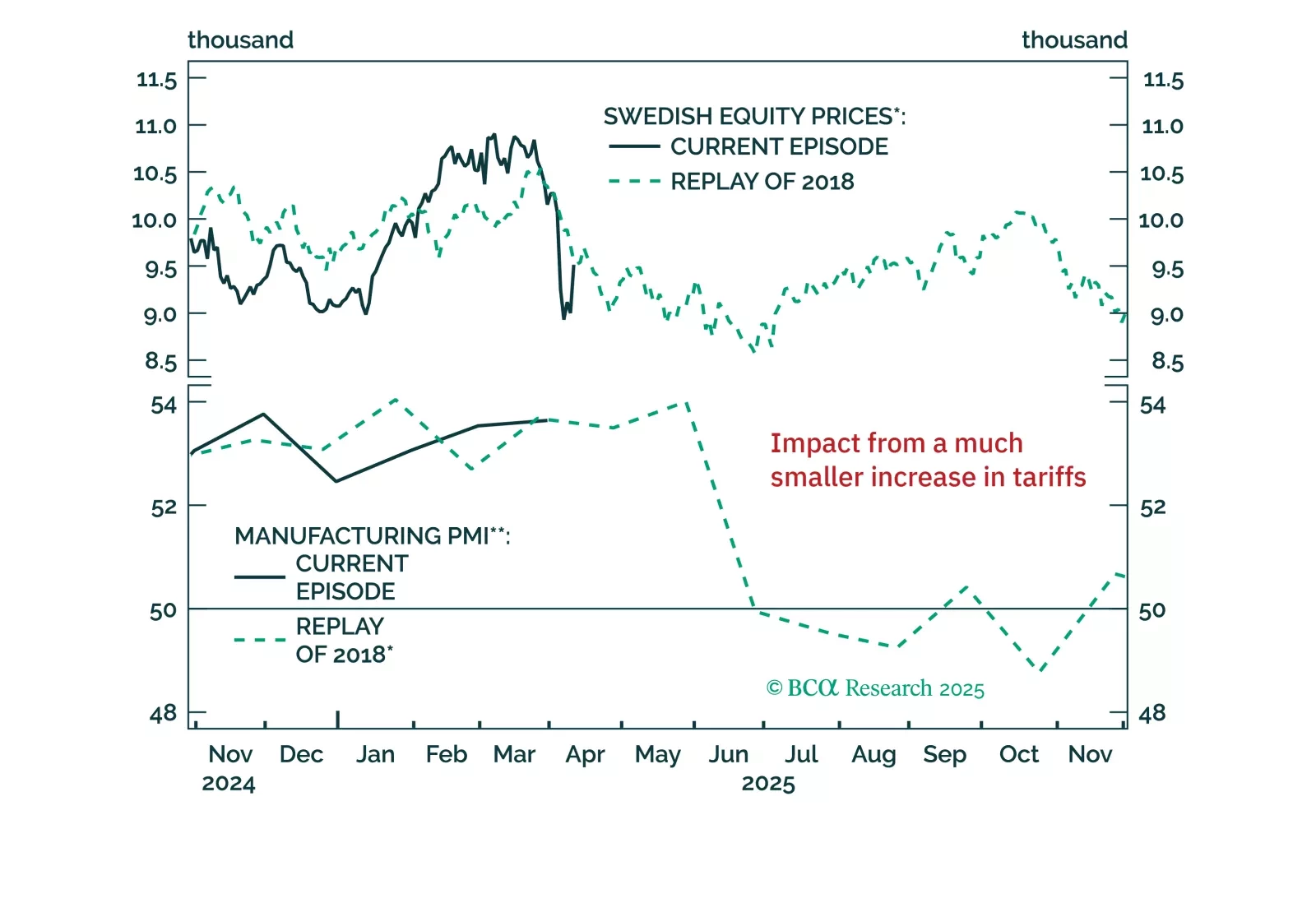
Europe’s near-term outlook remains clouded by uncertainty, even after the tariff reprieve. Our latest update breaks down why the risks to growth, profits, and financial conditions are still skewed to the downside — with Sweden standing out as a key bellwether.
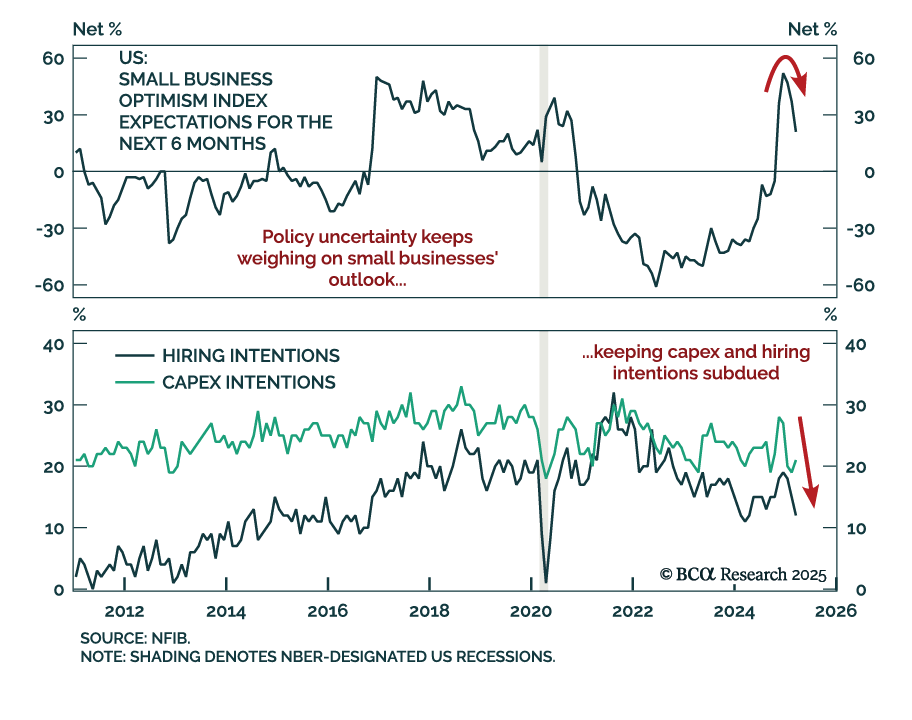
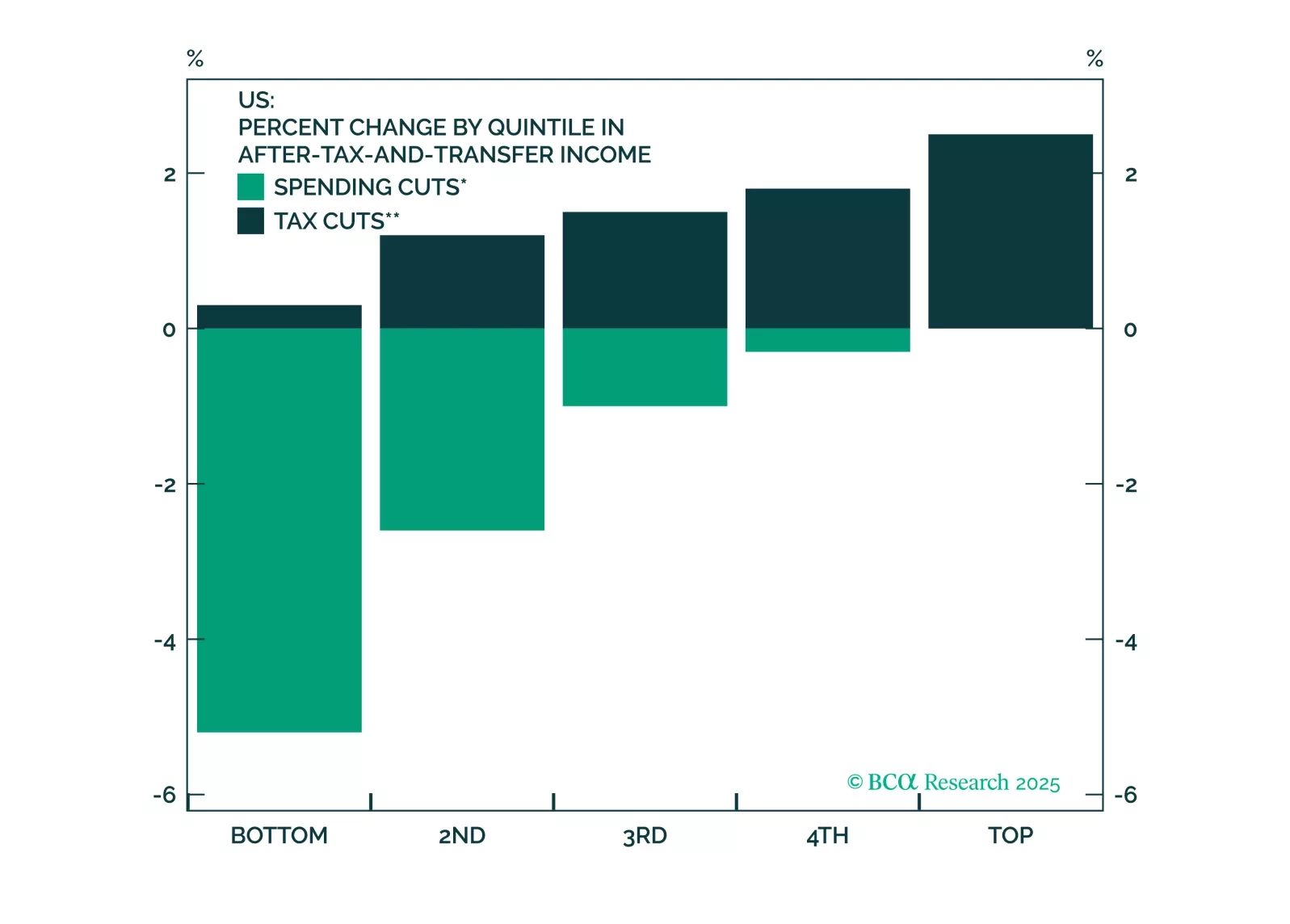
Stocks will continue to struggle in the second quarter as President Trump tries to implement tariffs. Tax cuts will only temporarily dispel growth fears, if at all. Middle Eastern instability will add oil price surprises to an environment that is looking fairly stagflationary.