Skip to main content

Portfolio

Public-private allocation guidance, capital market assumptions, and strategic insight to help investors build forward-looking portfolios they can act on and defend.
Find out more
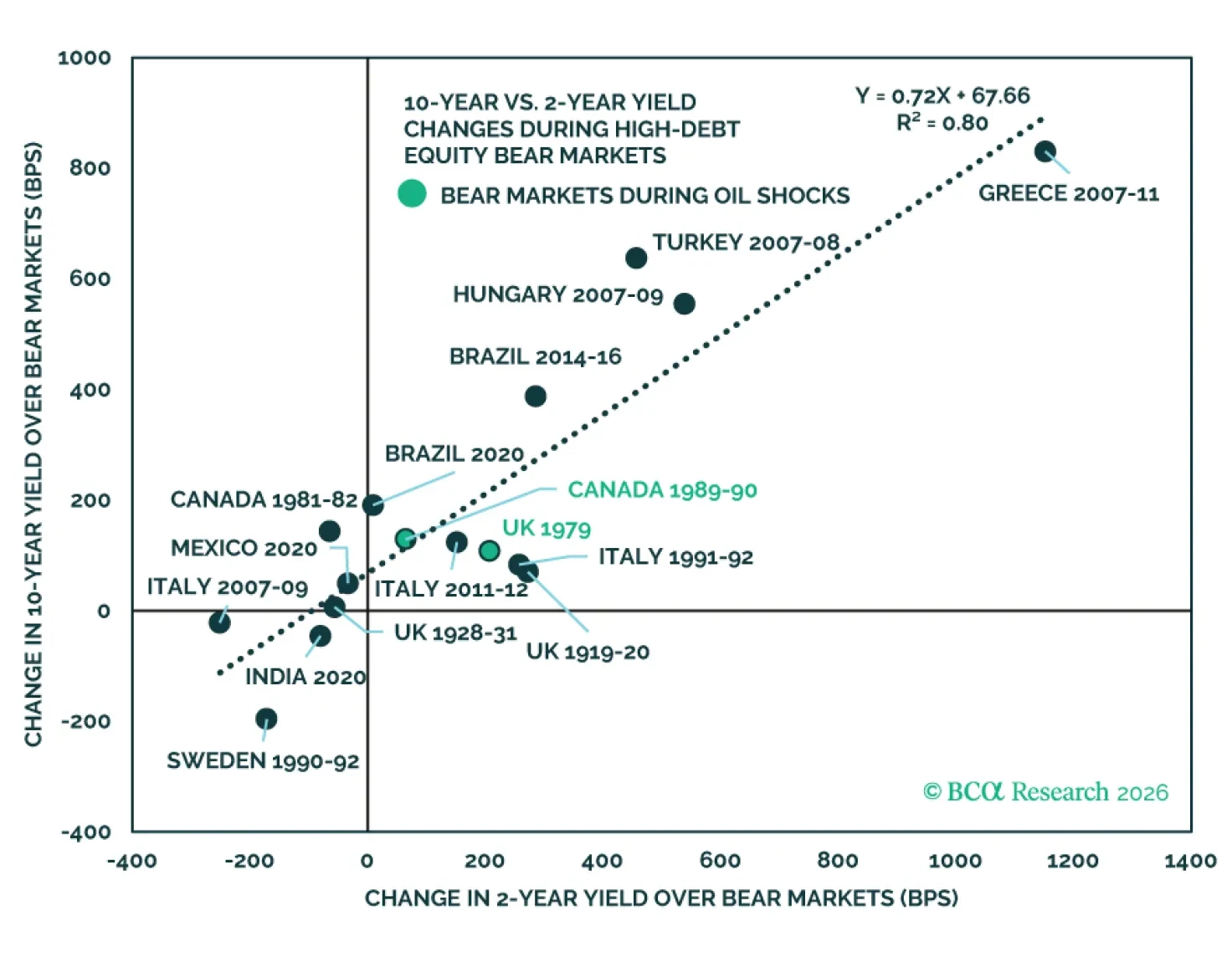
History suggests central bank policy determines how bonds behave in recessions, even for high-debt countries. The Fed should be able to cut into a slowdown, making Treasurys an effective equity hedge… for USD-based investors. Foreign investors will see currency depreciation erase their gains.
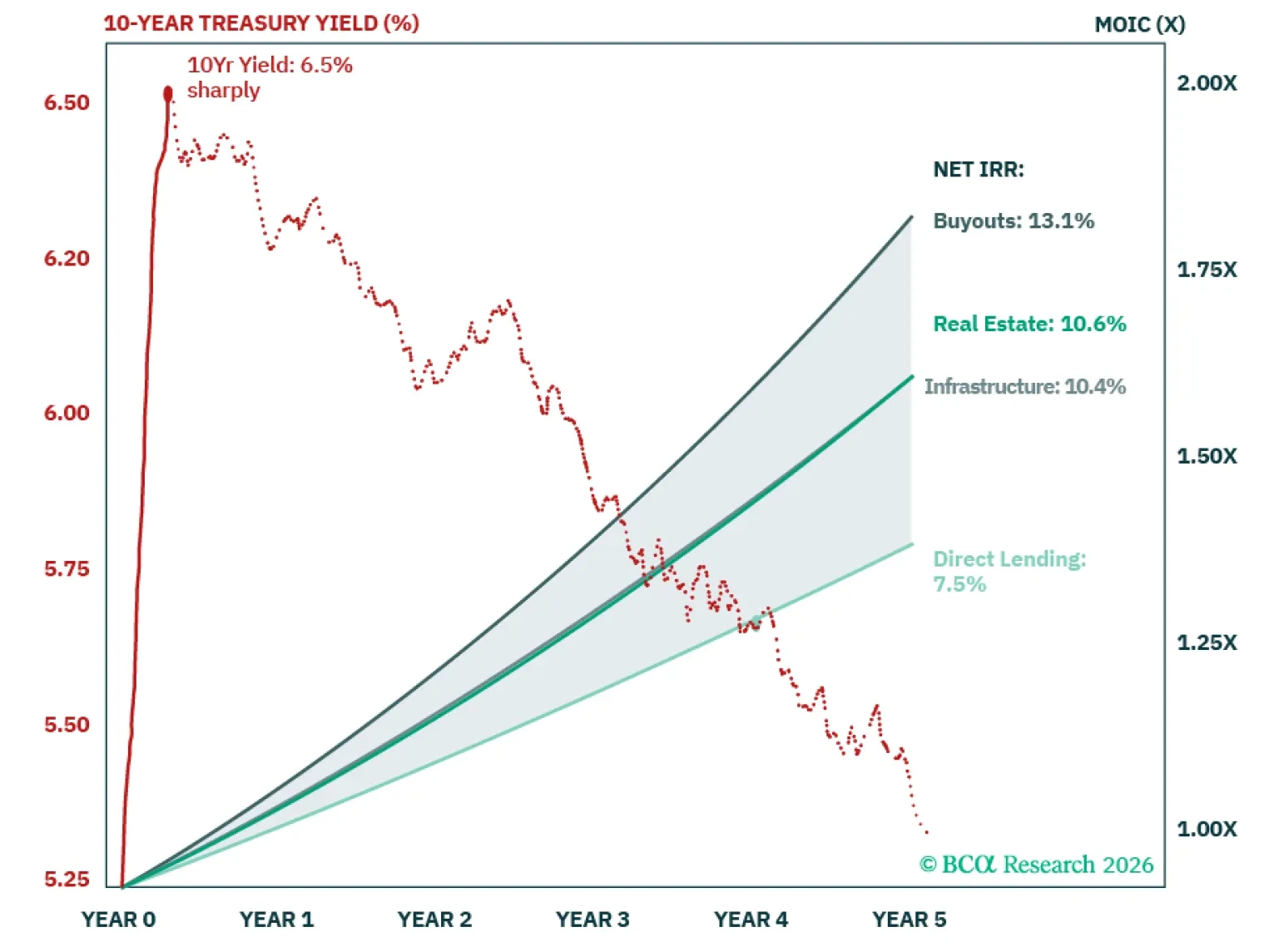
Special Report With capital locked up for years, scenario analysis is especially valuable for Private Market investors. We provide a framework for mapping returns on new investments if the US 10-year yield hits 6.5%, a level last seen in 2000. Just do not expect the risk premiums of that era.
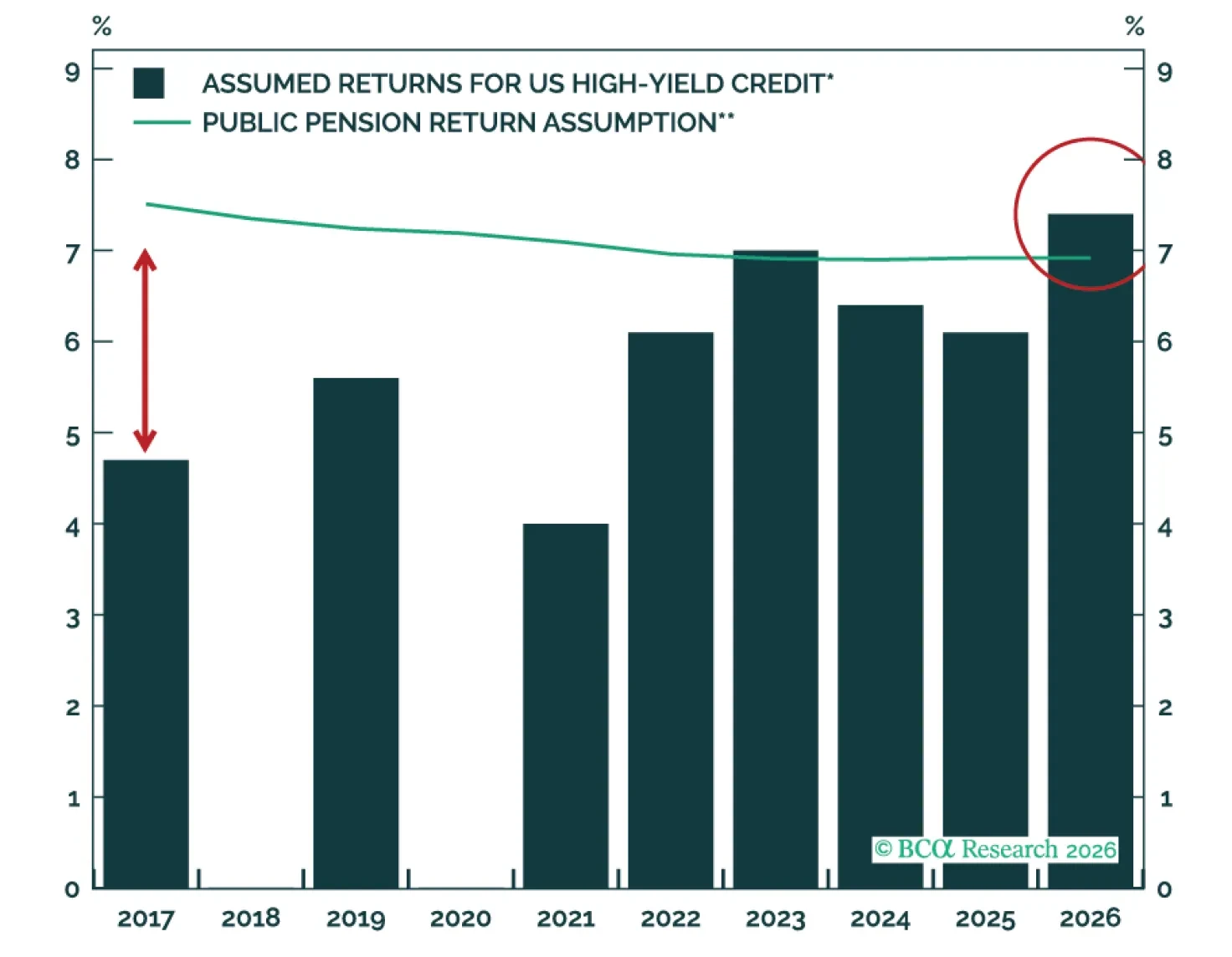
Higher rates have changed the opportunity set. Overweight High-Yield Credit, both within asset allocation and versus Private Credit. Investors are no longer picking up pennies in front of a steamroller.
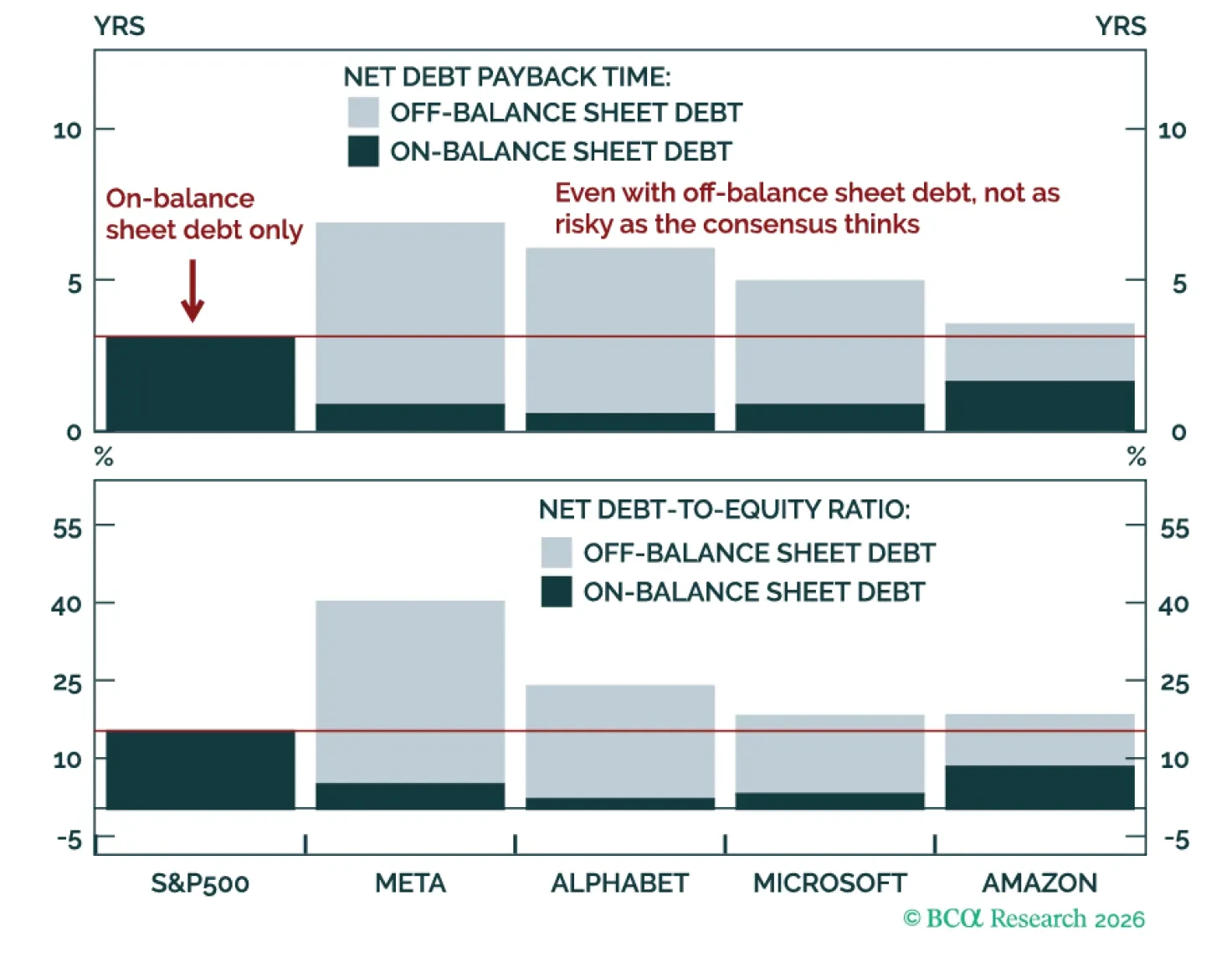
Nerves are rising around Data Center financing but most of the fear comes from GPU financing. GPUs are not Data Centers. Data Center collateral is solid, and so are the tenants.
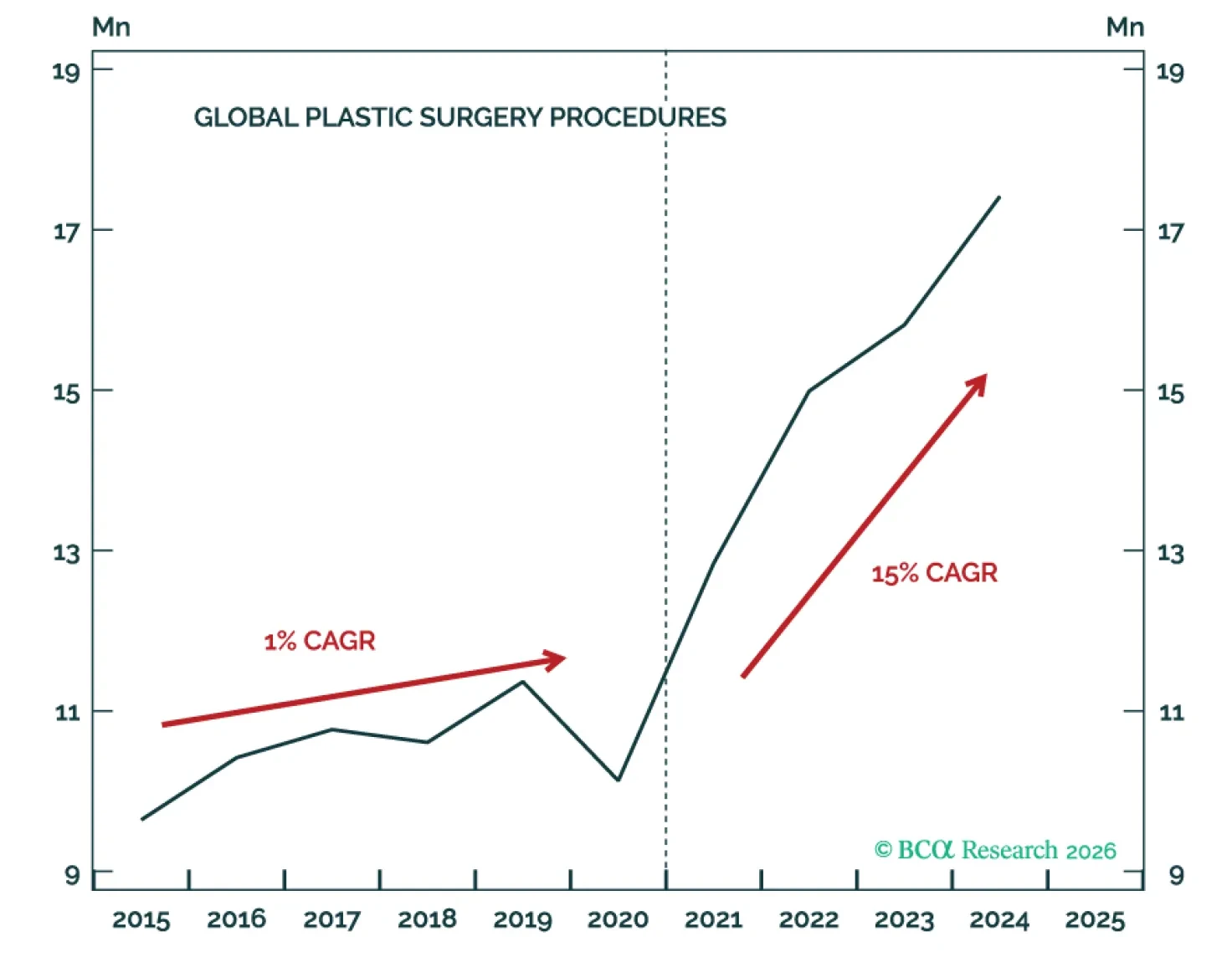
Special Report The rise of remote work, online dating, and other demographic changes are increasing the demand for aesthetics. GLP-1s provide an effective and inexpensive cure for obesity, and their secondary effect “Ozempic face” has structurally altered the demand for aesthetic procedures and skincare. Long GLP-1 producers, biostimulator injectable producers, and K-Beauty contract manufacturers.
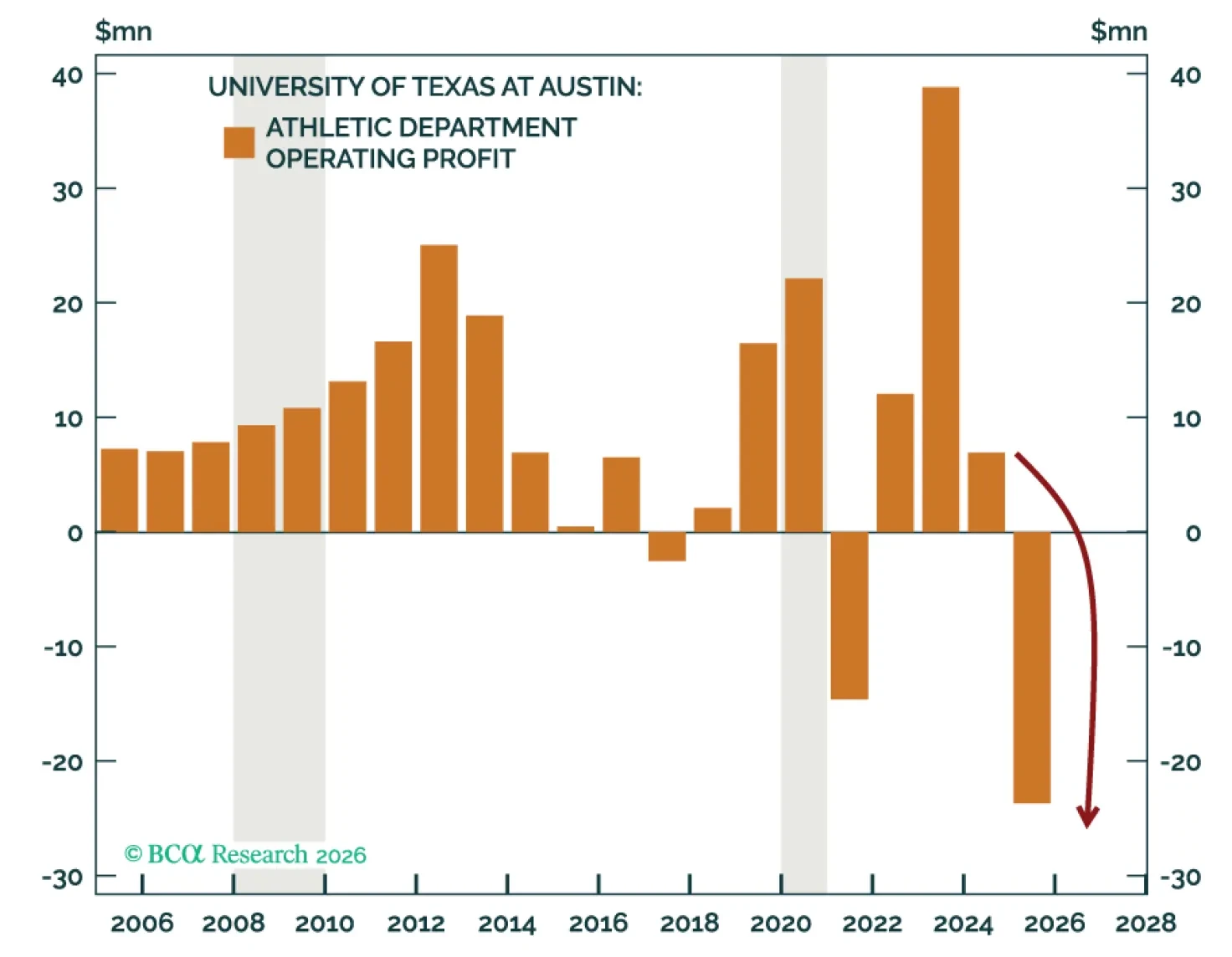
It is that time of year again for our annual Private Equity & Sports report. This year, we examine private capital's entry into college sports. Athletic departments generate significant revenue, but margins are under pressure. Colleges still hold untapped assets that private partners will help monetize.
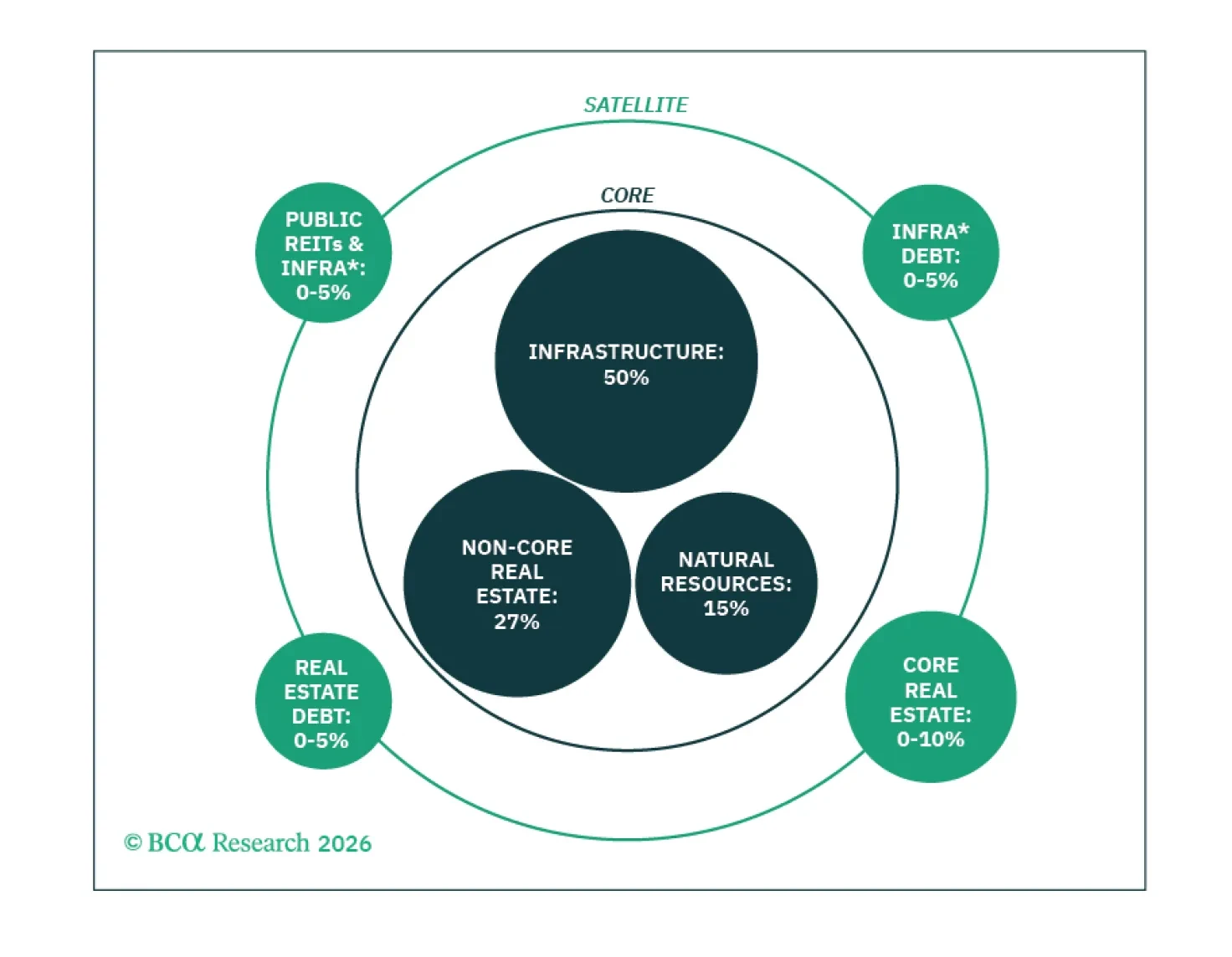
Special Report Real Assets remain underweight in investor portfolios, a gap the 2020s bond bear market has exposed. We provide specifics on constructing a portfolio that supplies more than diversification, it delivers return. The specific weightings may not fit every investor, but the three core principles behind them can.
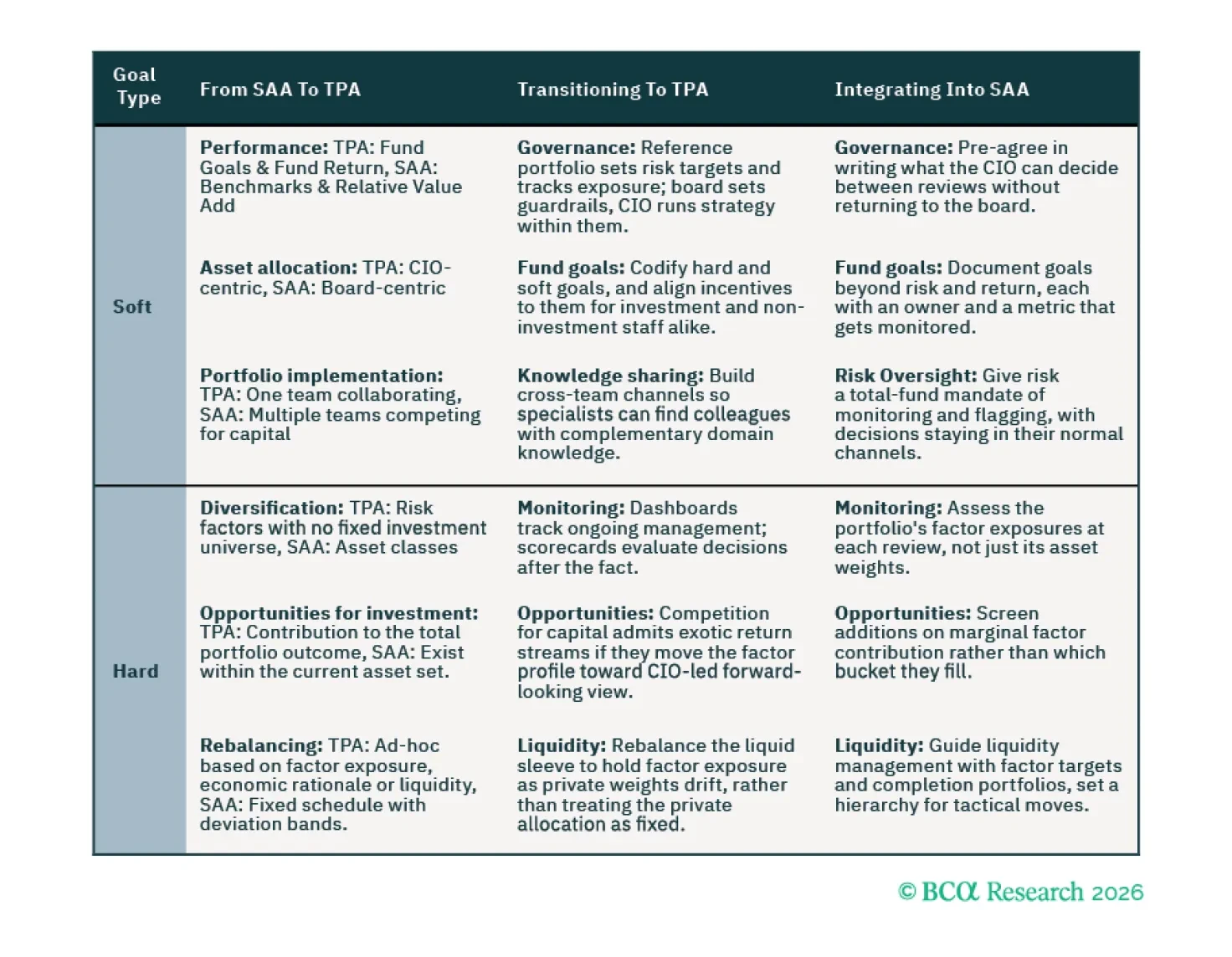
Special Report High-profile adoptions of the Total Portfolio Approach (TPA) and the often-cited outperformance of TPA funds have generated FOMO among funds following an SAA framework. Buzzwords and vague rulesets frustrate anyone trying to learn more. We combed through the TPA literature, built practical examples, and found that many components are just best practices, repackaged. Our suggestion: look past the hype, adopt what fits, ignore what doesn't.
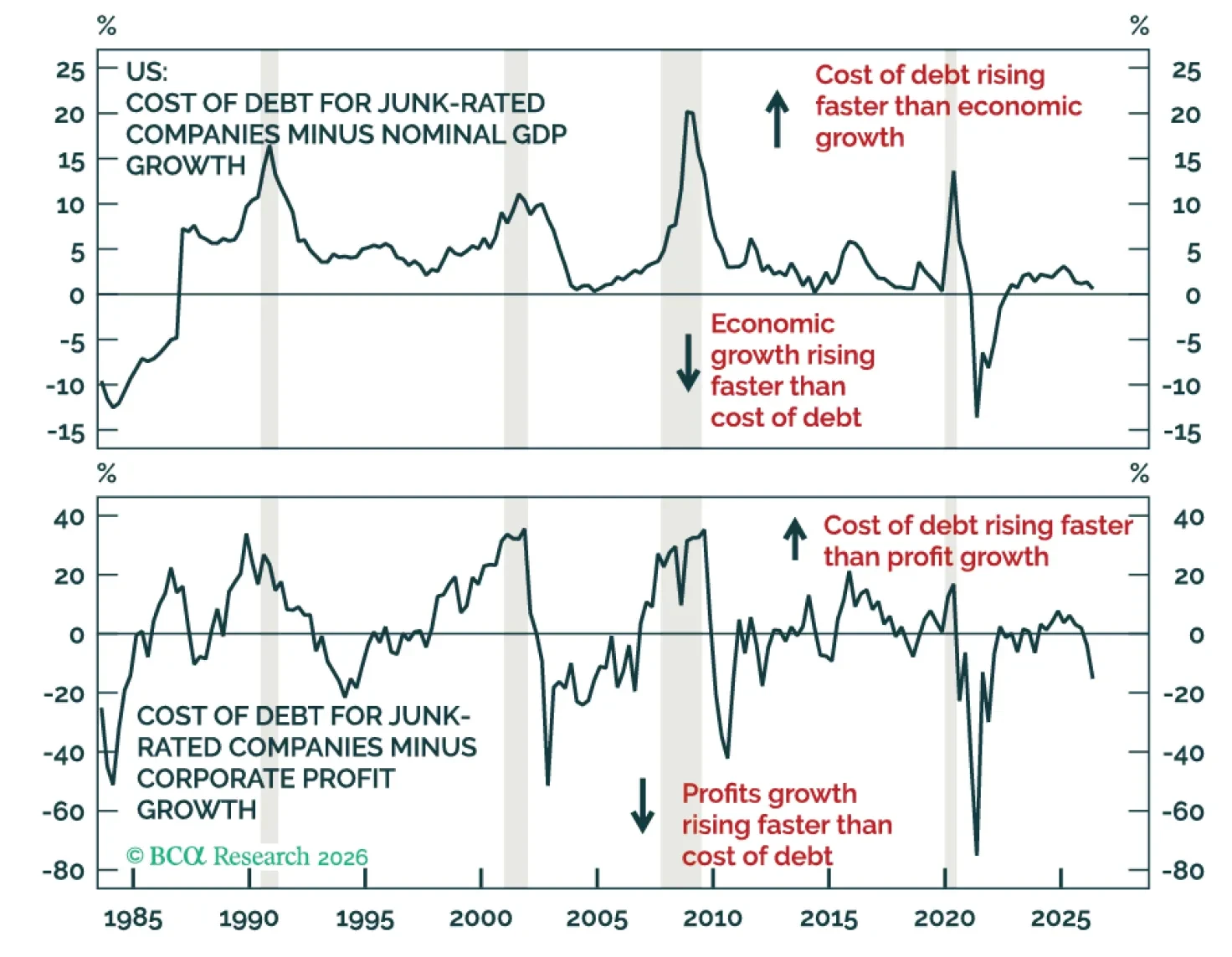
Investors overestimate the threat current interest rate levels pose to both equities and the economy. Despite a rising long end, the gap between high-yield borrowing costs and both nominal growth and corporate profits is at five-year lows and falling. Remain overweight equities. Within Fixed Income, Upgrade High Yield and Downgrade Government Bonds and EM Debt. Downgrade Chinese Equities to Neutral.
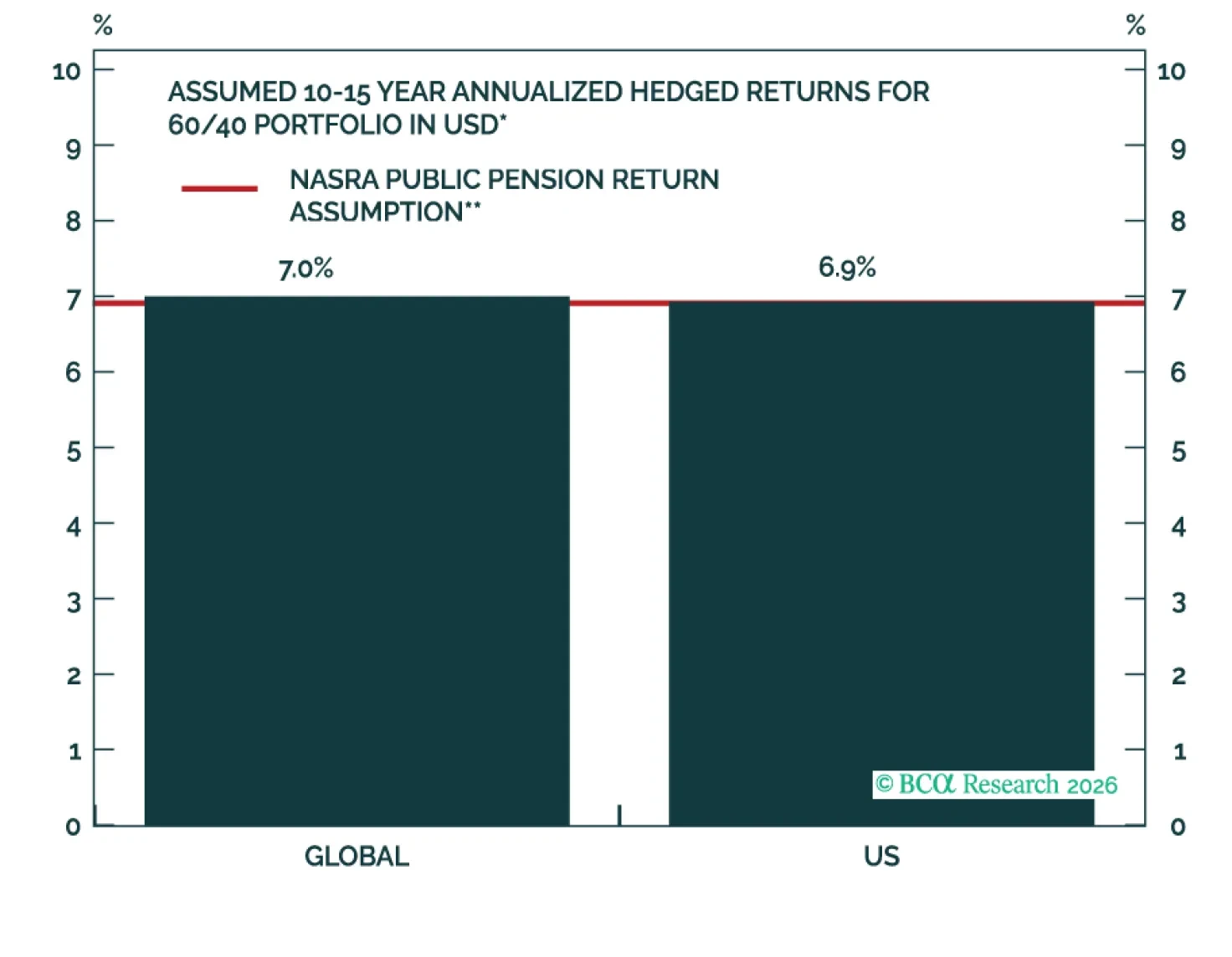
Special Report We estimate that a US 60/40 portfolio will return 6.9% over the next 10-to-15 years. In this update, we include hedging costs projections and revamp our scenario analysis to incorporate hypothetical outcomes to the AI capex cycle.