Insights
Access expert research, timely insights, and exclusive webcasts to help you make confident, data-driven decisions.

Webcast Replay
Jeremie and Robert discussed:
- Has the energy shock caused irreversible damage to the European economy?
- Central banks so far refrained from hiking. Will they continue to stay put?
- How is the energy shock affecting Europe relative to the US? What are the equity, fixed income, and currency implications?

Webcast Replay
In this webcast Ryan discussed the outlook for US inflation and consider whether rising consumer prices will force the Fed to hike rates in the coming months. The Webcast addressed the following questions:
- Will the oil price shock have only a temporary impact on US inflation, or will it send consumer prices sustainably higher?
- Is the US labor market heating up or cooling off?
- What economic scenarios would push the Fed toward rate hikes or rate cuts?
- Which US fixed income sectors stand to profit from an extended period of on-hold Fed policy?

Webcast Replay
Chief Strategists Marko Papic, Matt Gertken and Roukaya Ibrahim discussed:
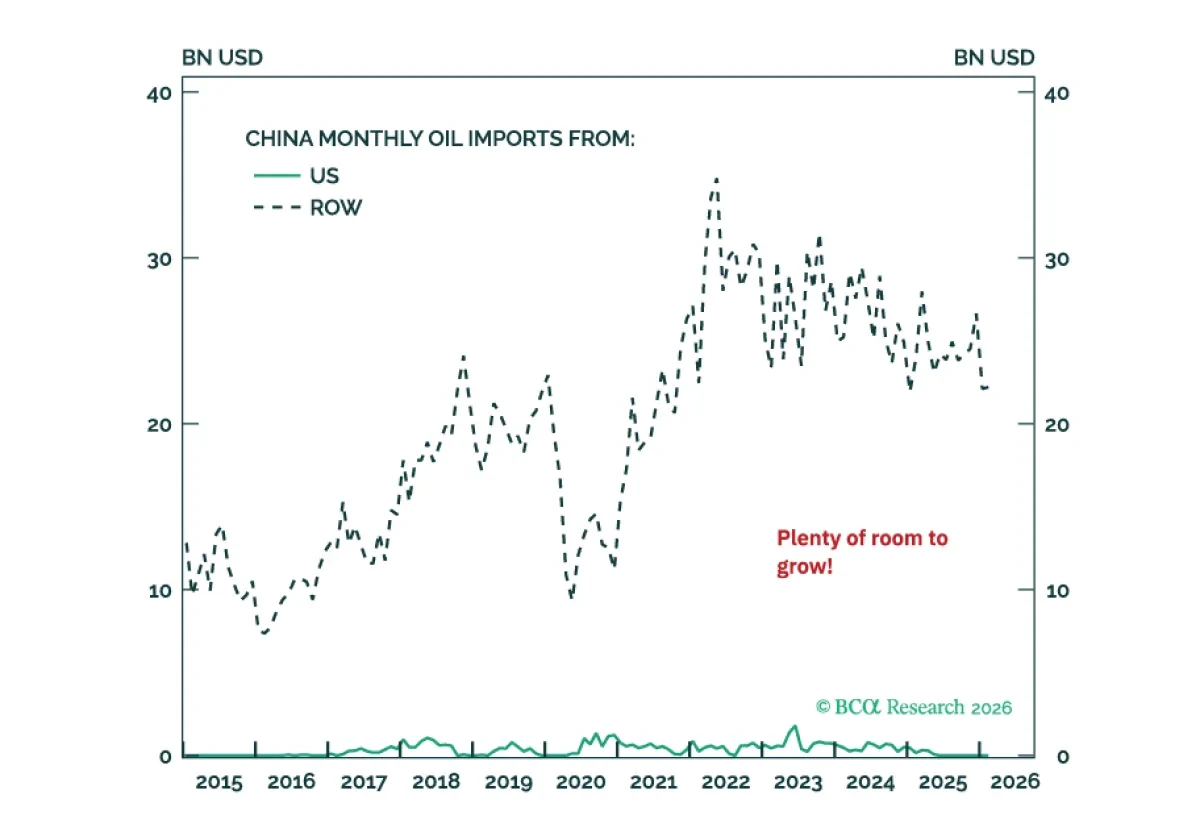
- President Trump heads to China this week for critical talks with Xi Jinping that will focus on the war in Iran and global stability.
- If the US cannot offer significant strategic concessions for China's sphere of influence, then China may not join the pressure campaign against Iran.
- Meanwhile the "kinetic equilibrium" in the Persian Gulf faces renewed threats as the US and Iran trade barbs over how to restart shipping.
- The good news is that both sides are trading proposals — and the number of attacks has tended to decline since the April ceasefire.
- The bad news is that Iran remains unwilling to abandon its nuclear program, the US maintains its blockade, and Iran will attack US naval escorts of commercial ships.
- What will come of the US-China talks? Will Iran and the US manage to restart shipping? Can global financial markets continue to weather the Hormuz shock?