Latest from BCA Research
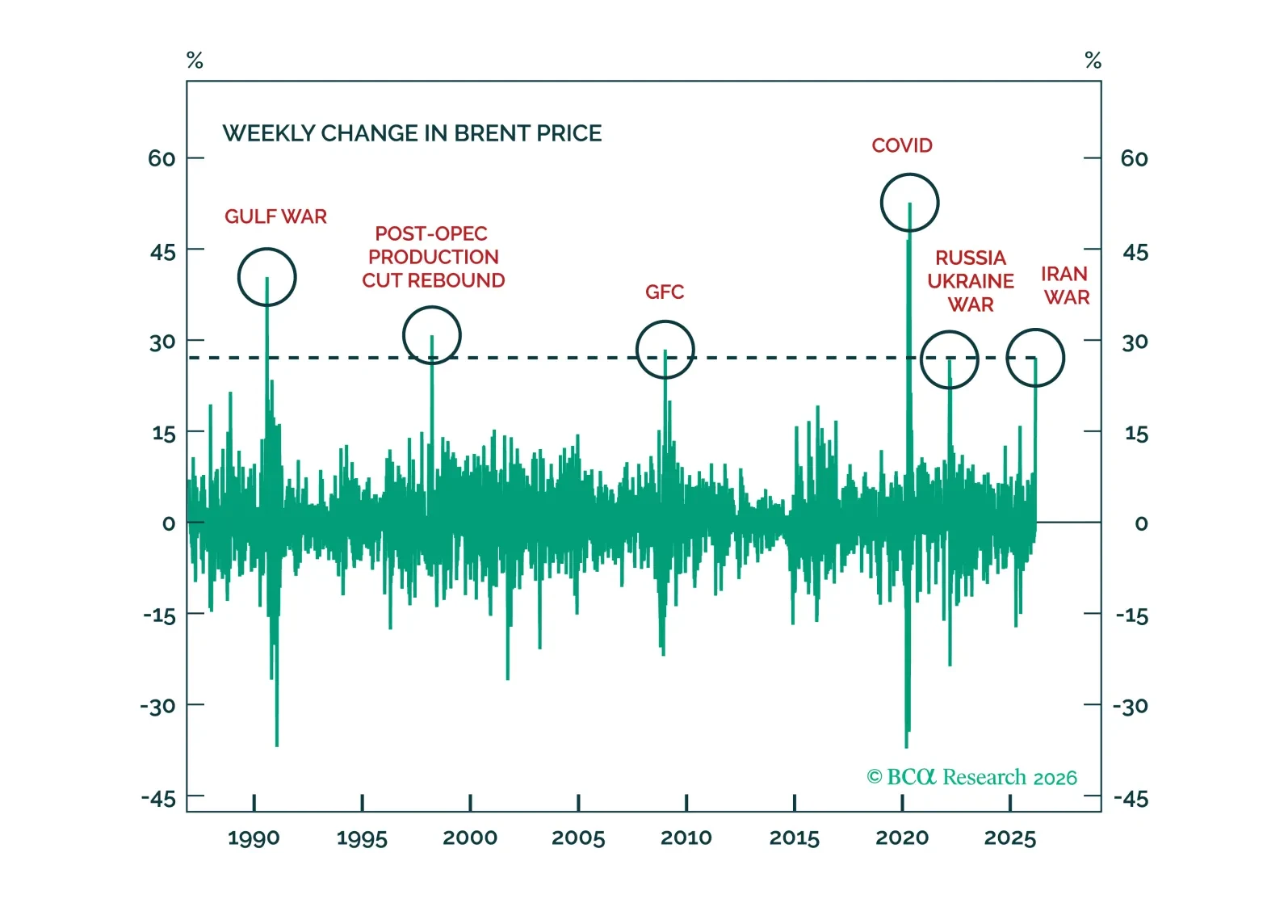
In this monthly iteration of our chartpack, we focus exclusively on just two questions. First, we present four scenarios for how the situation in the Middle East develops. Second, what happens if the pernicious scenarios come to dominate, how investors should play a global recession, were it to occur.
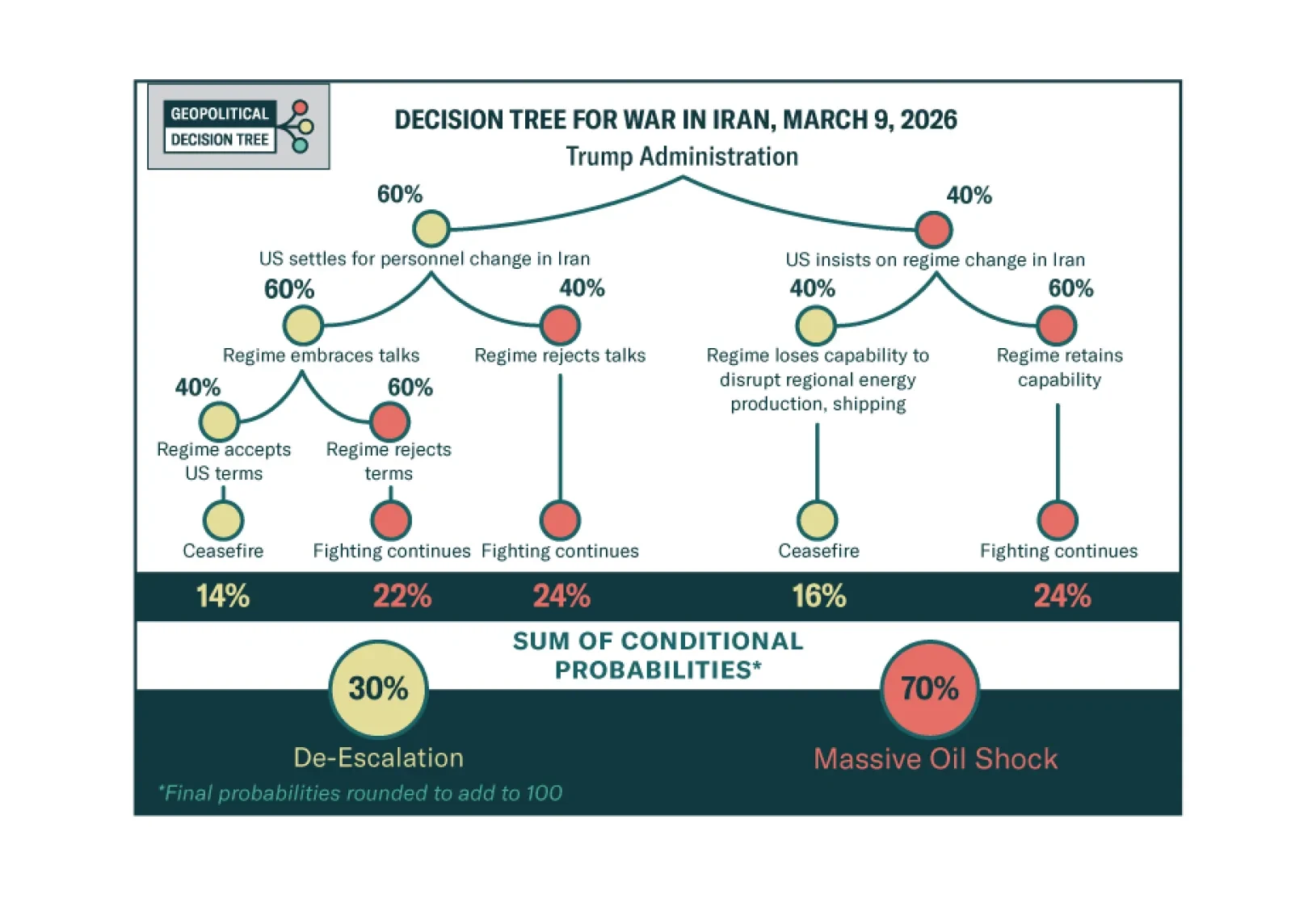
Close oil trades tactically, but beware lingering economic costs of the Iran war this year.
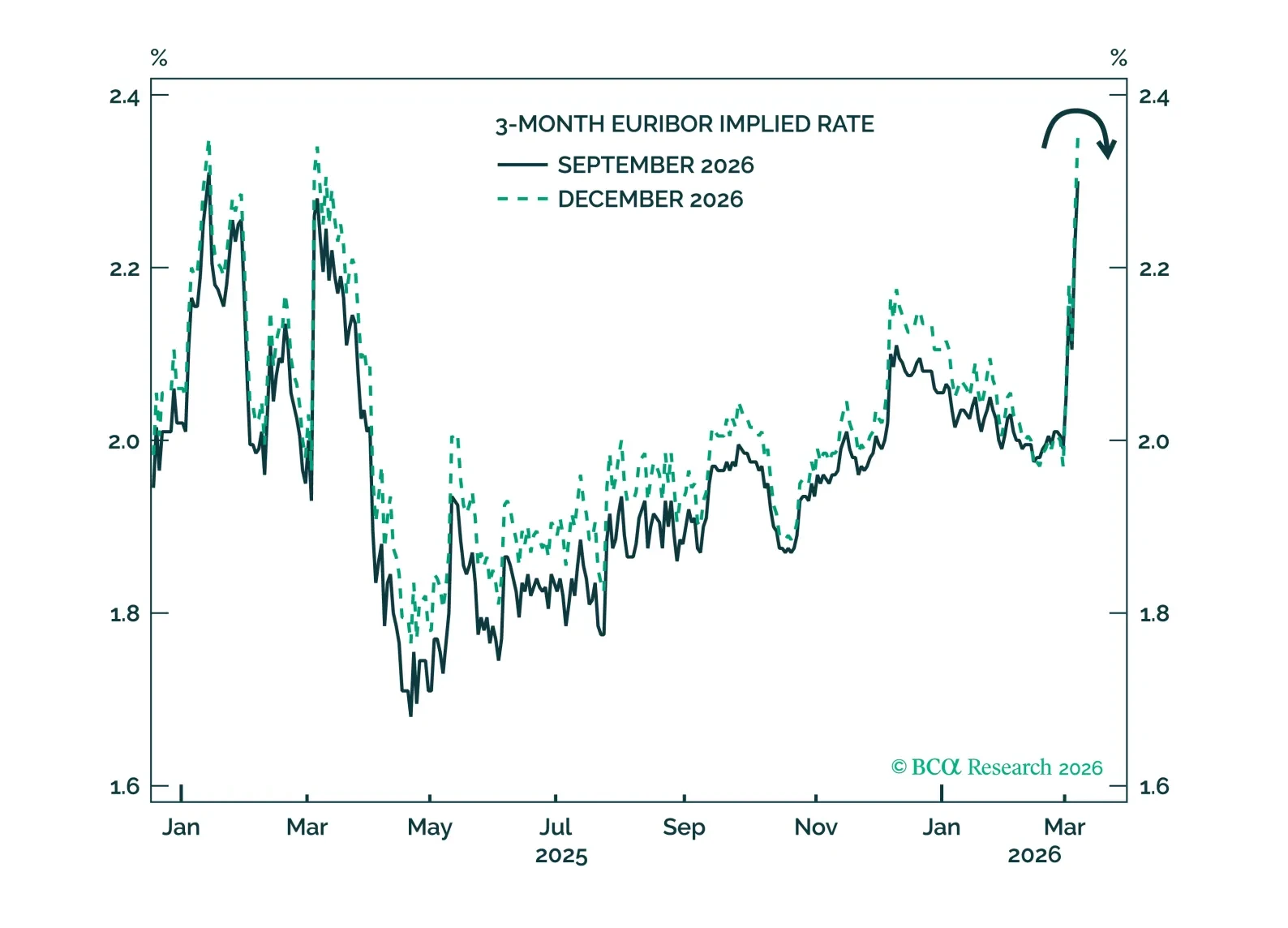
If the 2022 roadmap is any guide, equity markets and cyclical currencies will trough only after confirming that the peak in energy prices is in the rearview mirror. In the very near term, investors should focus on P&L preservation. Reduce exposure to equities, and seek refuge in gold, and inflation-linked bonds (ILBs). Amid a very different demand side than in 2022, today’s supply shock is unlikely to generate lasting inflation, and investors should fade rate-hike odds.
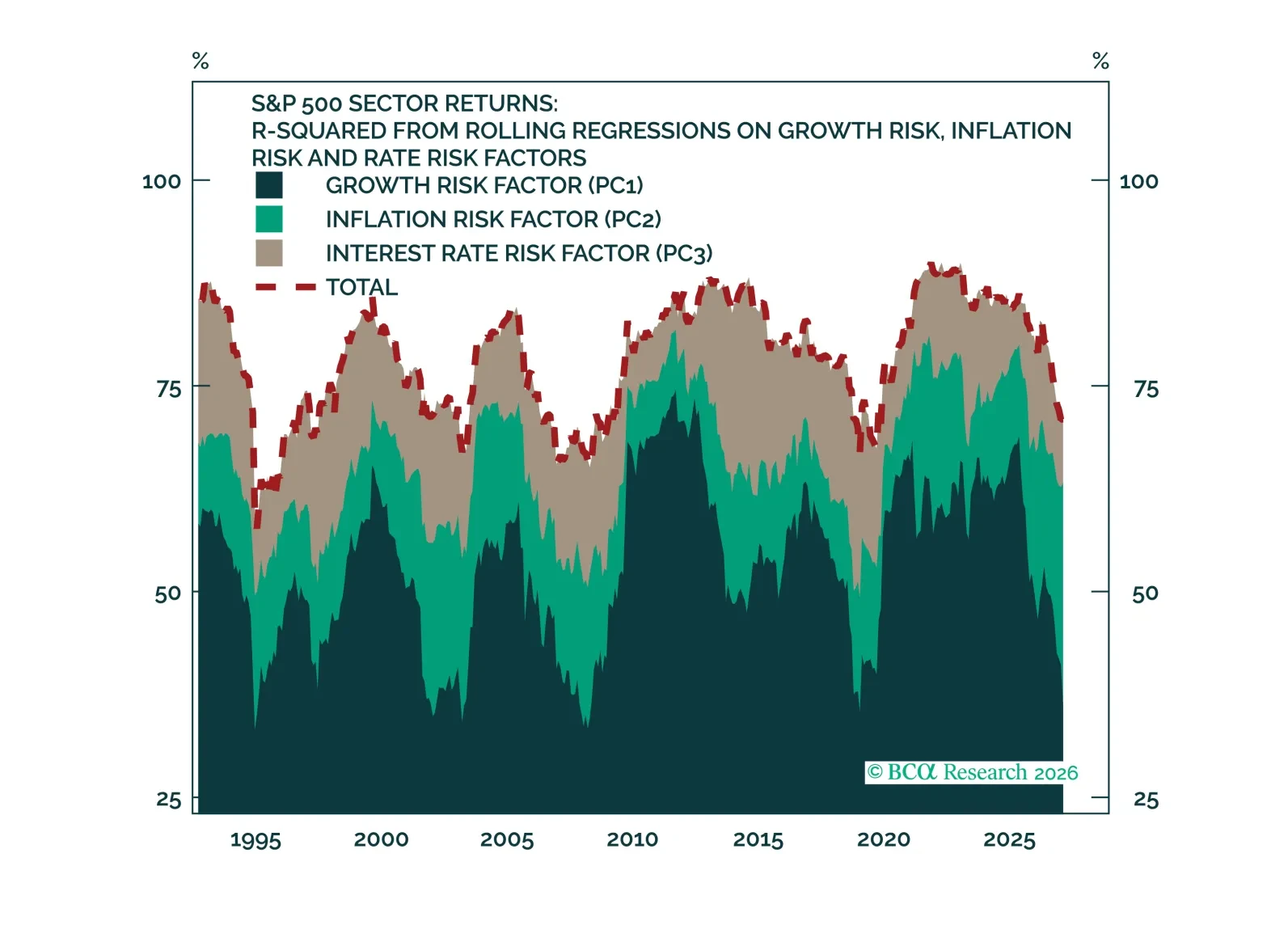
Growth, inflation, and rate risk drive sector returns and fundamentals, but macro’s explanatory power is at multi-decade lows. Long/short industry-group baskets show the equity market has turned pessimistic about growth, a potential opportunity as the macro data firm. The market’s inflation view has climbed, a move that may be harder to fade given rising oil prices.
Investors have decided that the news flow out of the Middle East over the weekend was beyond negative, it is borderline apocalyptic. There are several reasons to agree with this assessment.
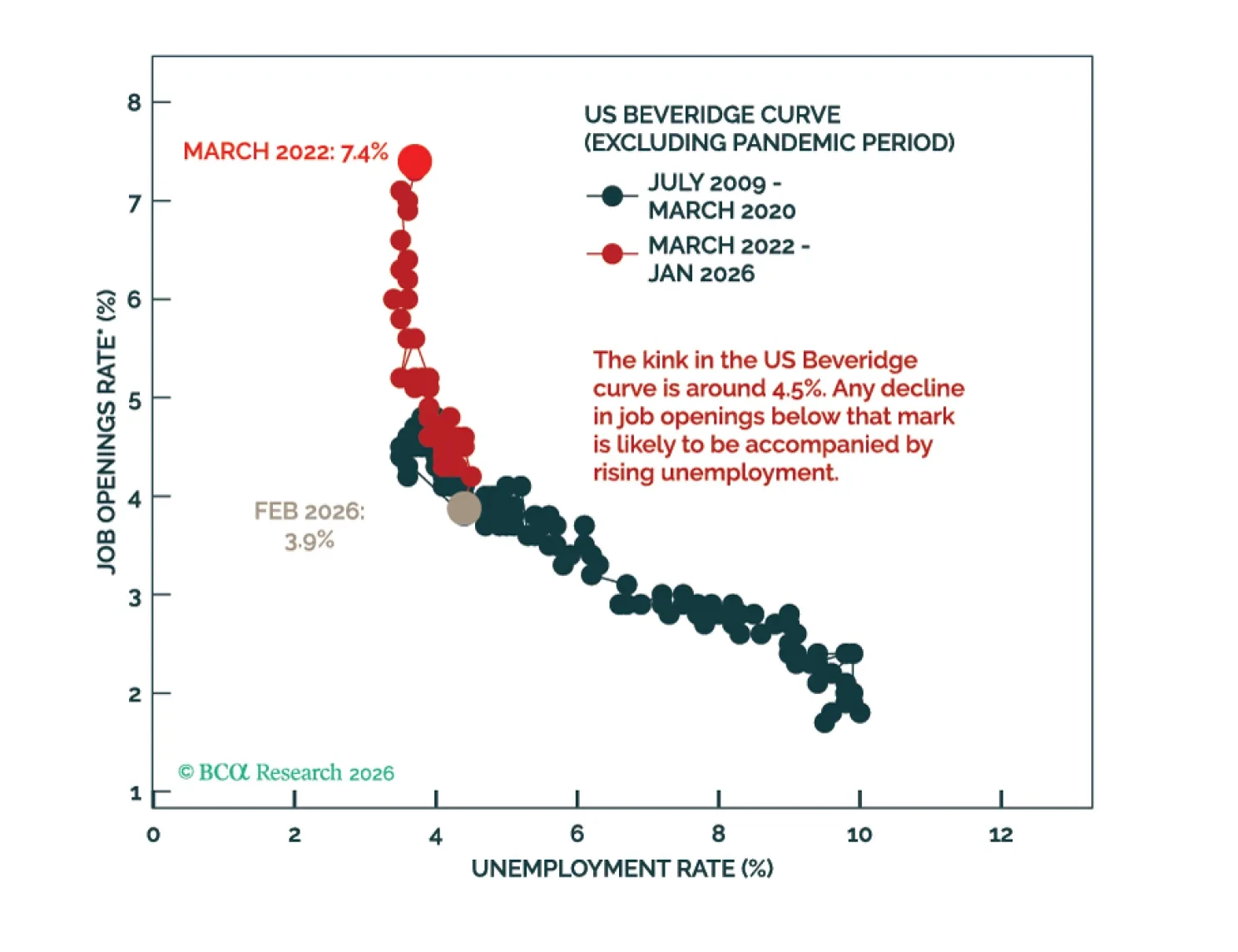
The basic idea behind the kinked Phillips curve framework is that there is a non-linear relationship between inflation and unemployment. When long-term inflation expectations are well anchored and the economy is operating along the steep portion of the aggregate labor supply curve, falling labor demand mainly leads to slower wage growth and fewer job openings rather than lower employment.
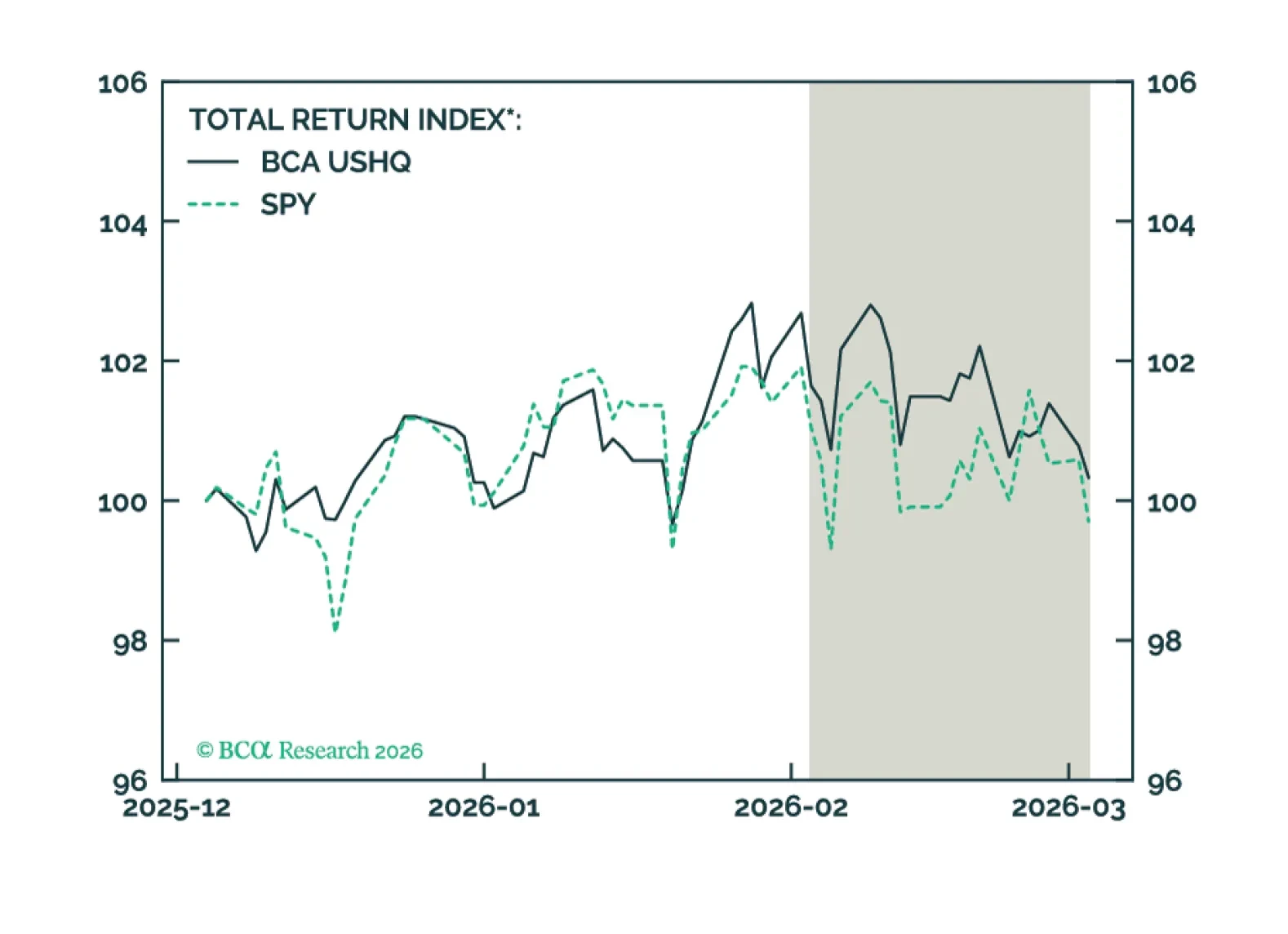
The US High Quality portfolio continues to outperform its benchmark through February, returning -1.29%, while its SPY benchmark returned -1.33%. On a trailing three-month basis, the USHQ portfolio’s performance was stronger than the benchmark as well, with USHQ outperforming by approx. 63bps.
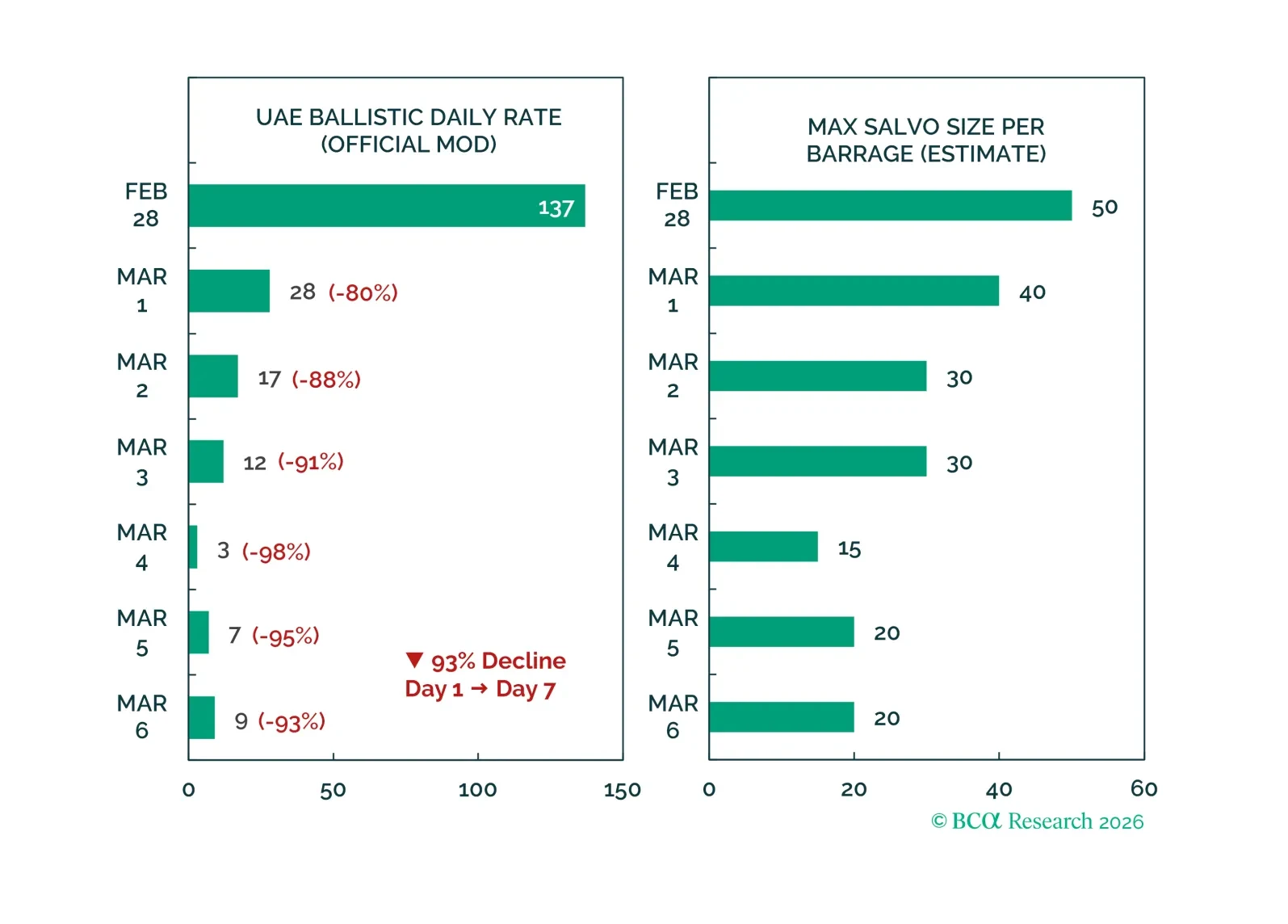
Instead of a normal missive, I am sending all my clients today a very lightly edited internal email that I just shared with the whole firm. I hope that it illustrates to you some of the … “fear”… that we all share with each other behind closed doors here at BCA Research as colleagues and teammates. Hopefully you see some of it in our research as well. That “cold sweat” is a necessary part of anyone in research and strategy roles. Once we lose it, we become disconnected from our clients who are in the trenches and the frontlines.

Looking through month-to-month volatility, job growth’s underlying trend is stable and consistent with a flat-to-slightly higher unemployment rate.