Skip to main content

Latest from BCA Research
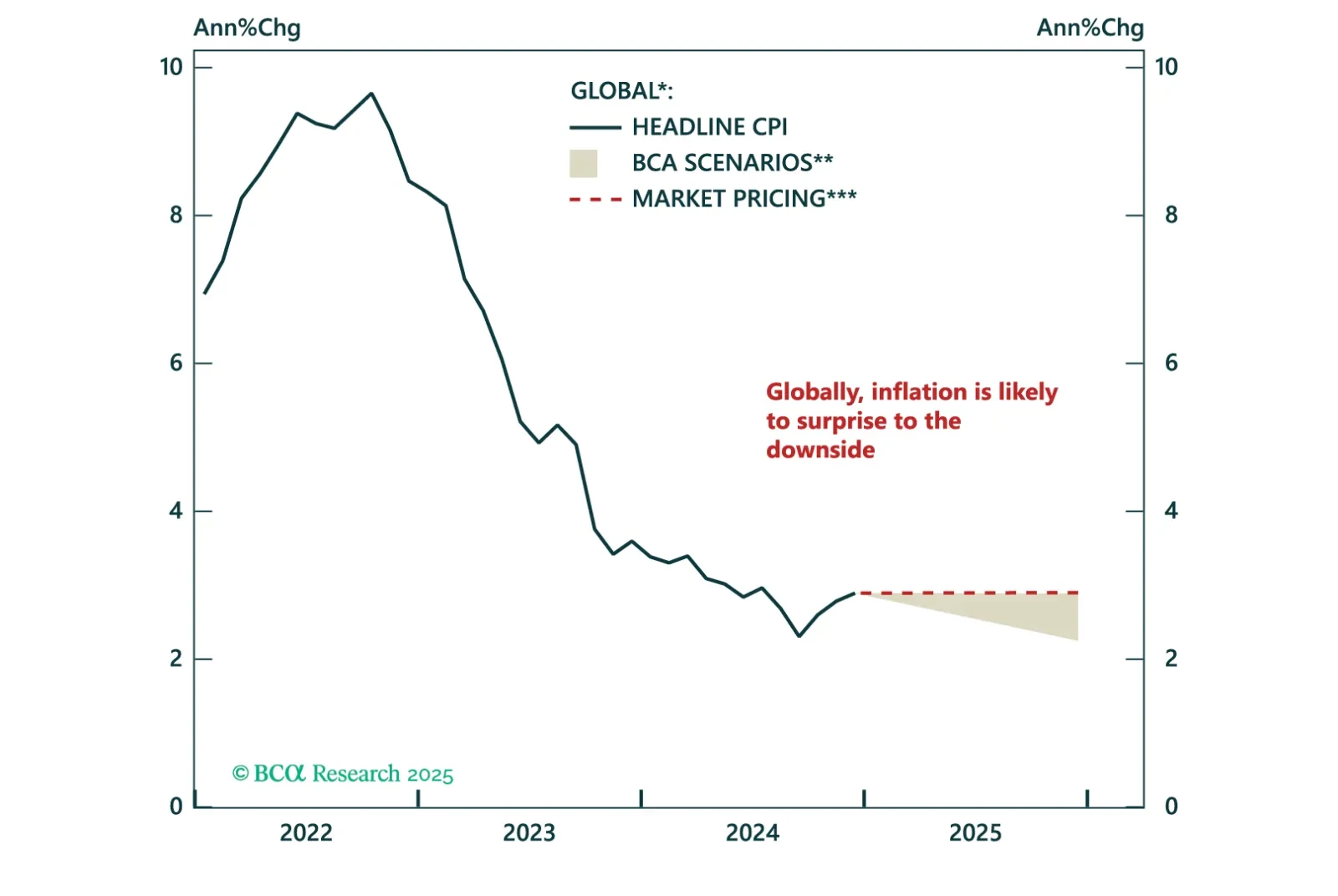
Special Report Inflation concerns are starting to ramp up again due to potentially inflationary policies from the new Trump administration. These concerns mostly affect the US inflation outlook. Evidence from forward-looking indicators shows that the global disinflationary trend remains intact. Today’s Special Report covers the global inflation outlook in 2025 and the implications for inflation-linked bonds.
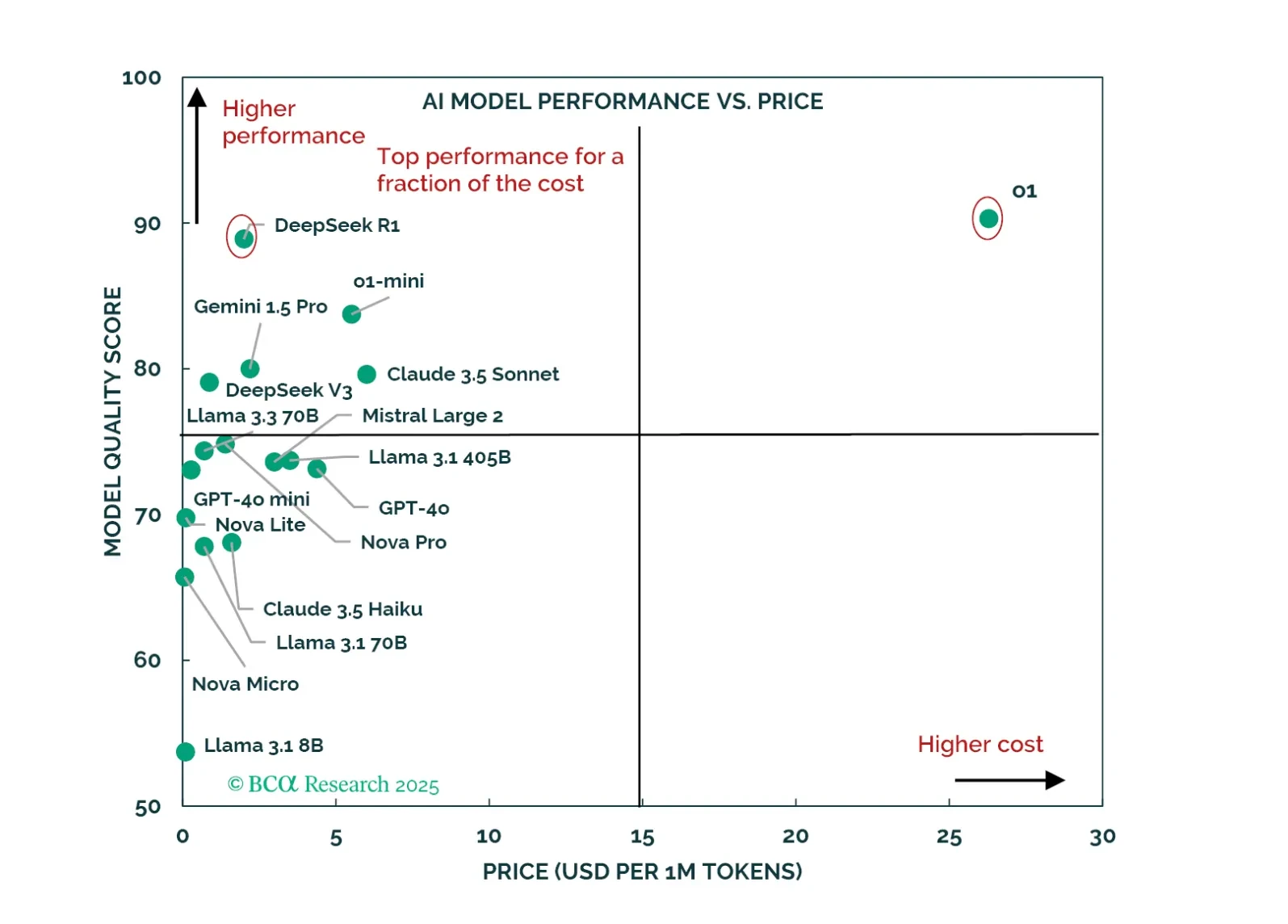
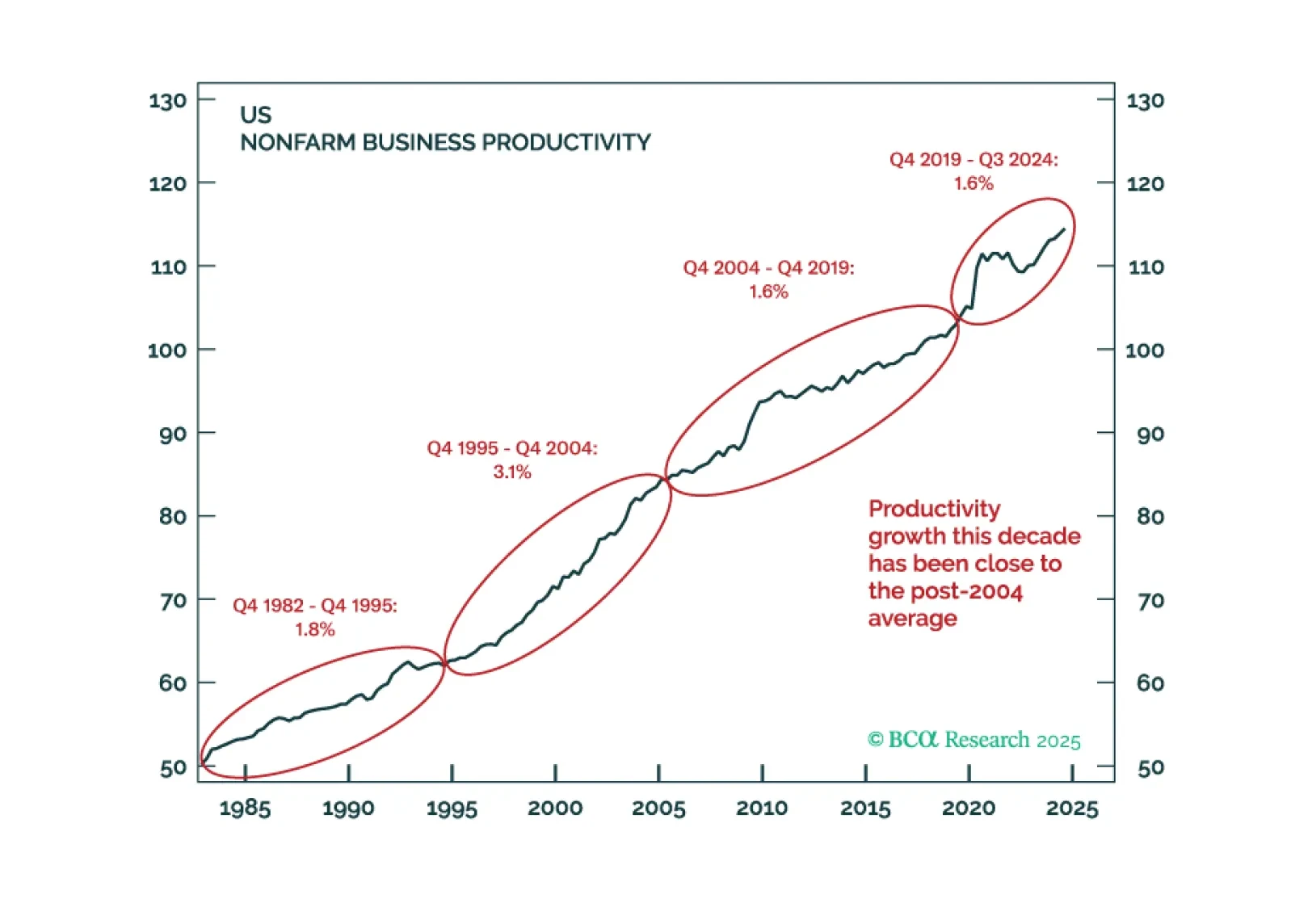
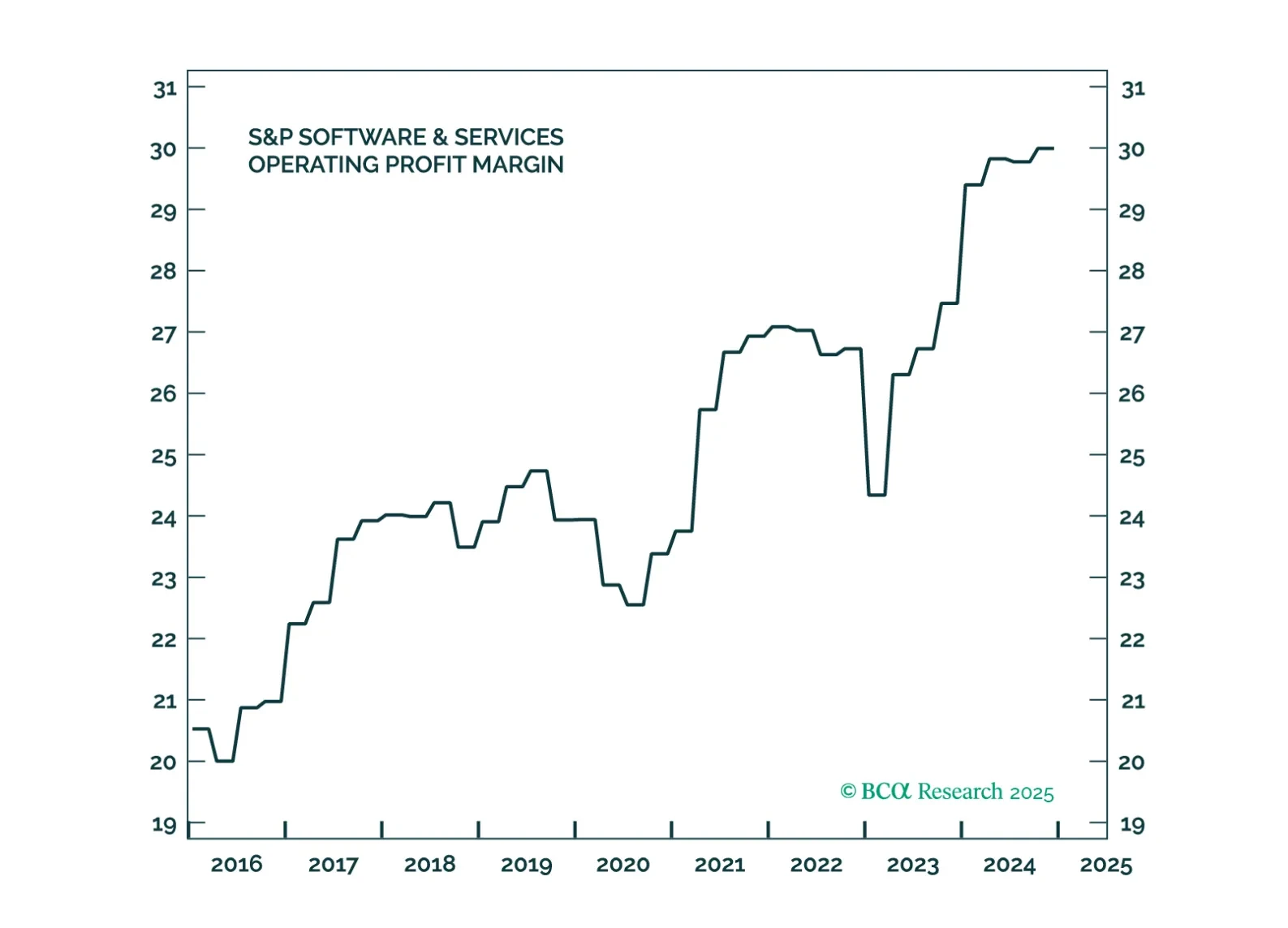
Special Report GAI is a double-edged sword for S&S. Companies without GAI applications find that GAI crowds out their offering from IT budgets. In contrast, companies with GAI offering find that high inference costs make new products less lucrative than the cloud-subscription model that has propelled their margins to all-time highs. The effect of DeepSeek on the industry is generally positive, as it will help it lower costs of GAI-based software products.
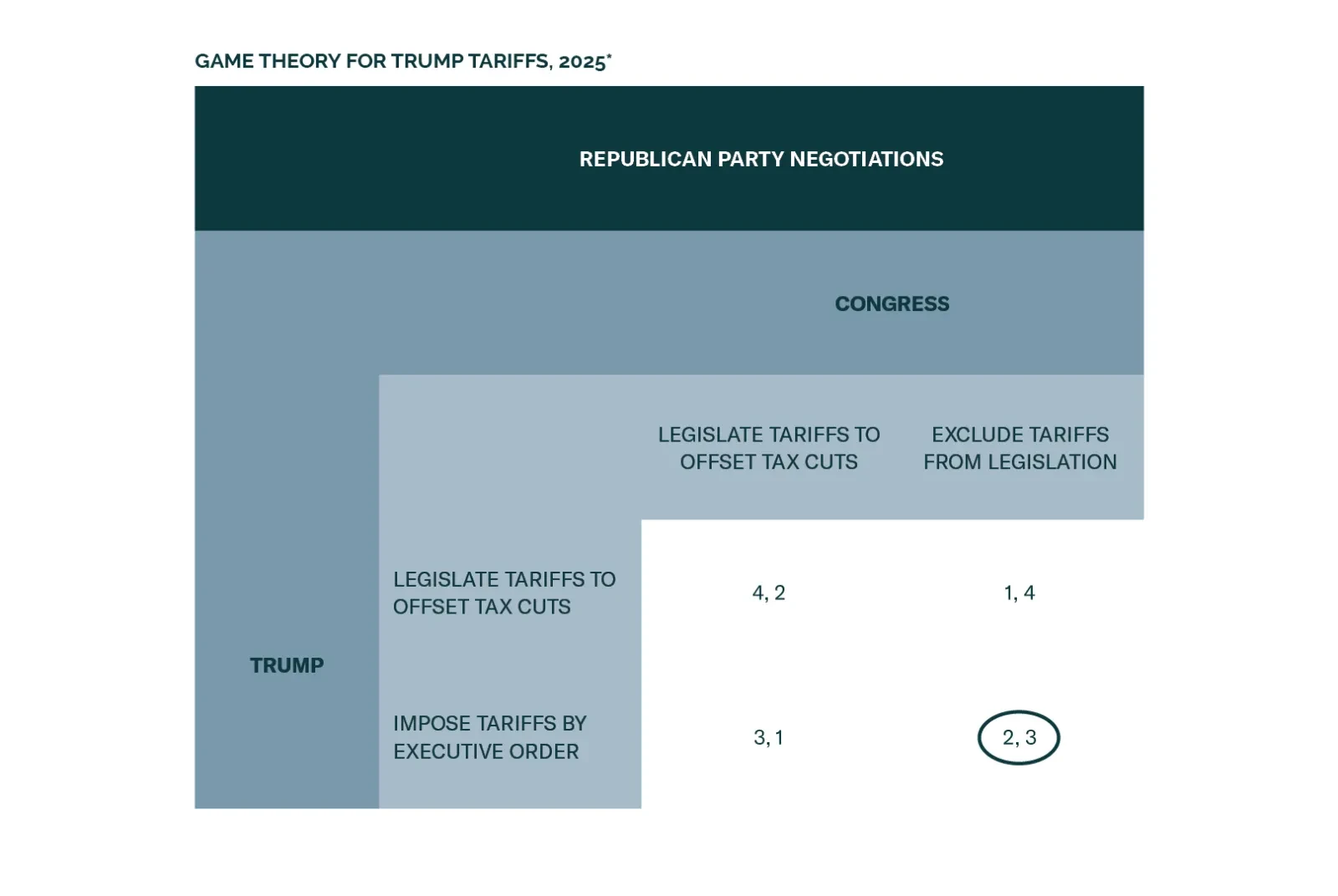
Special Report Simple games allow us to model several of the Trump administration’s most disruptive policies in 2025. We find that markets face an increase in volatility as Congress expands the budget, Trump implements tariffs on the world, China retaliates, and Taiwan tensions persist. A ceasefire in Ukraine is a marginally positive outcome for Europe, although it is not a long-term peace treaty.
Special Report In this Special Report, we share our “thoughts from the field,” gathered during a week of panels and conversations at the World Economic Forum in Davos. Our main takeaways include China’s rising global presence (despite its deceptive absence at the forum), the rising consensus on AI investment as the new corporate best practice, mounting stakes in the AI race, and the global shift toward MAGA-branded ideology as President Trump enters his second term. We also reflect on the surprising lack of geopolitical focus in the discussions and the forum’s broader role in the global geopolitical landscape.
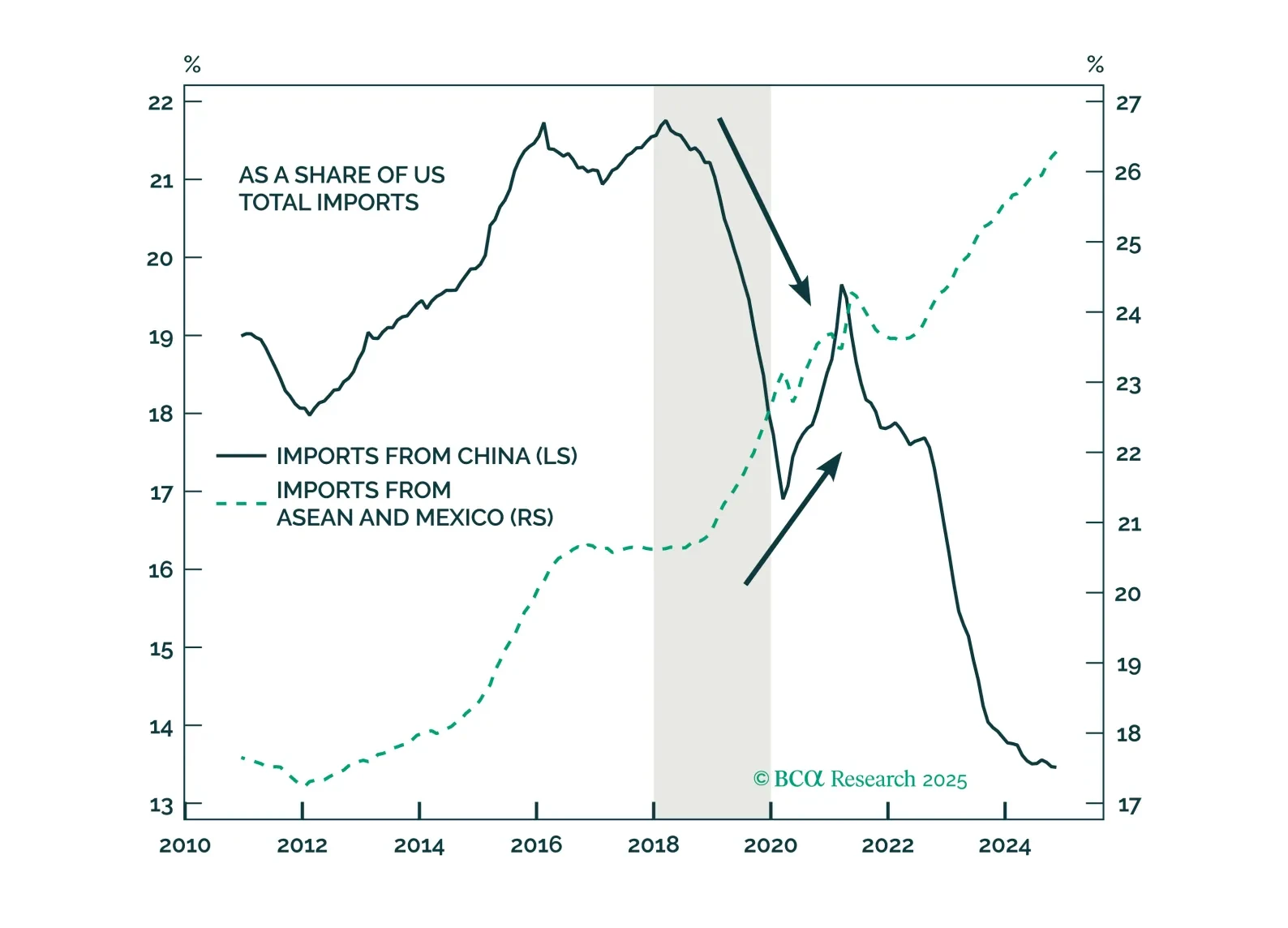
Special Report We anticipate decisive tariff measures early in Trump’s second term. In this Special Report, we explore how the costs of higher tariffs might be distributed among foreign suppliers, U.S. importers, and consumers.
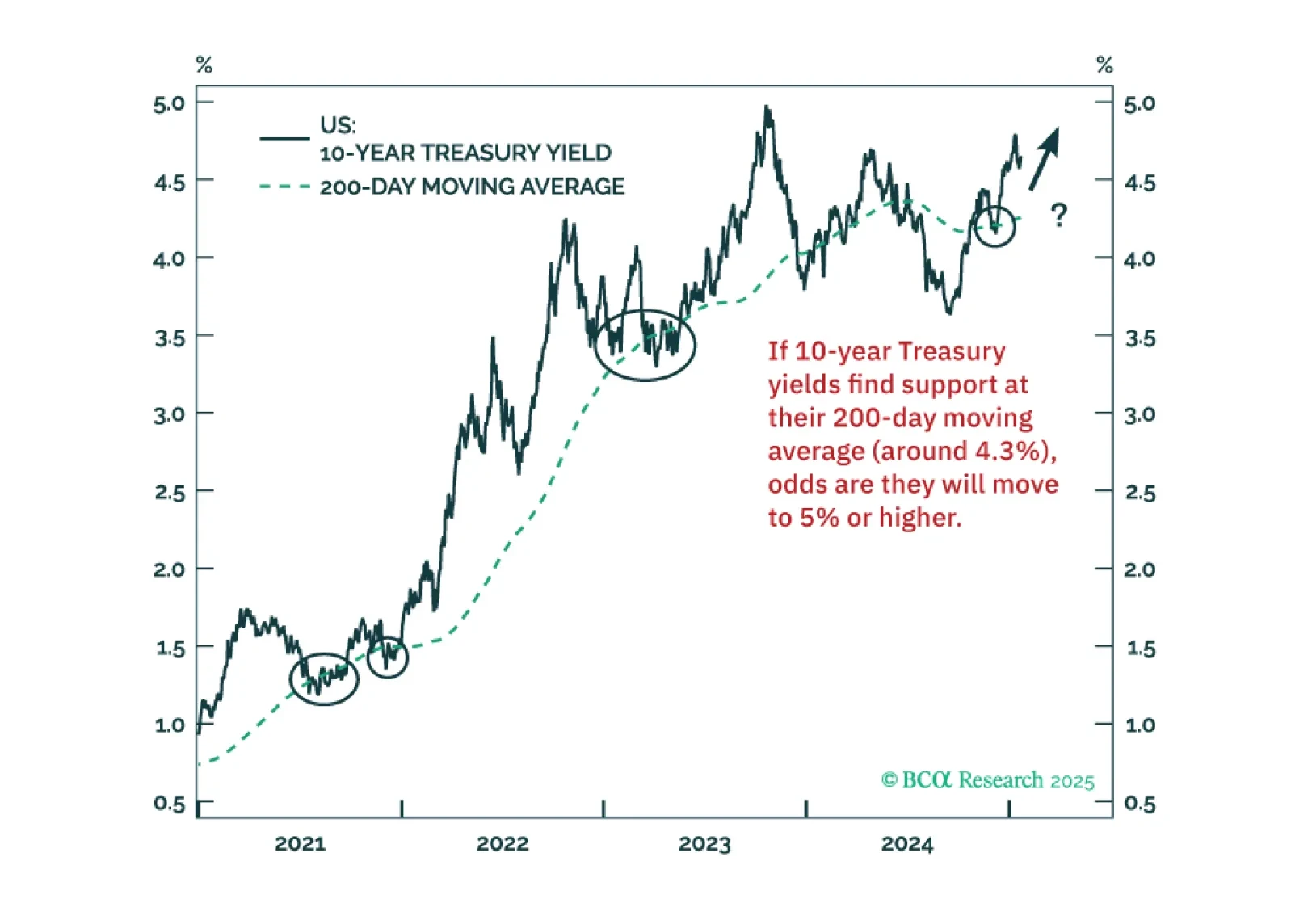
Last week, I visited clients in Europe. My recent report on Bessenomics – the name we gave to US Treasury Secretary Scott Bessent's policy mix – was often the focal point of the discussions. We will continue discussing Bessenomics, its progress, and its investment implications in forthcoming reports. In the meantime, we are sending my chart pack used during this trip as a Charts That Matter publication – a chart-based report. It covers the following areas: China, Bessenomics, US fixed income, global currencies, EM credit markets, the global ex-US business cycle, EM and US equities, and an EM local bond relative value matrix. In my opinion, the most important variable in global financial markets are US long-term Treasury yields. If they hold above their 200-day moving average, odds are that new highs lie ahead. My hunch is that 10-year yields will break above 5%. When and as this happens, global risk assets will sell off considerably.
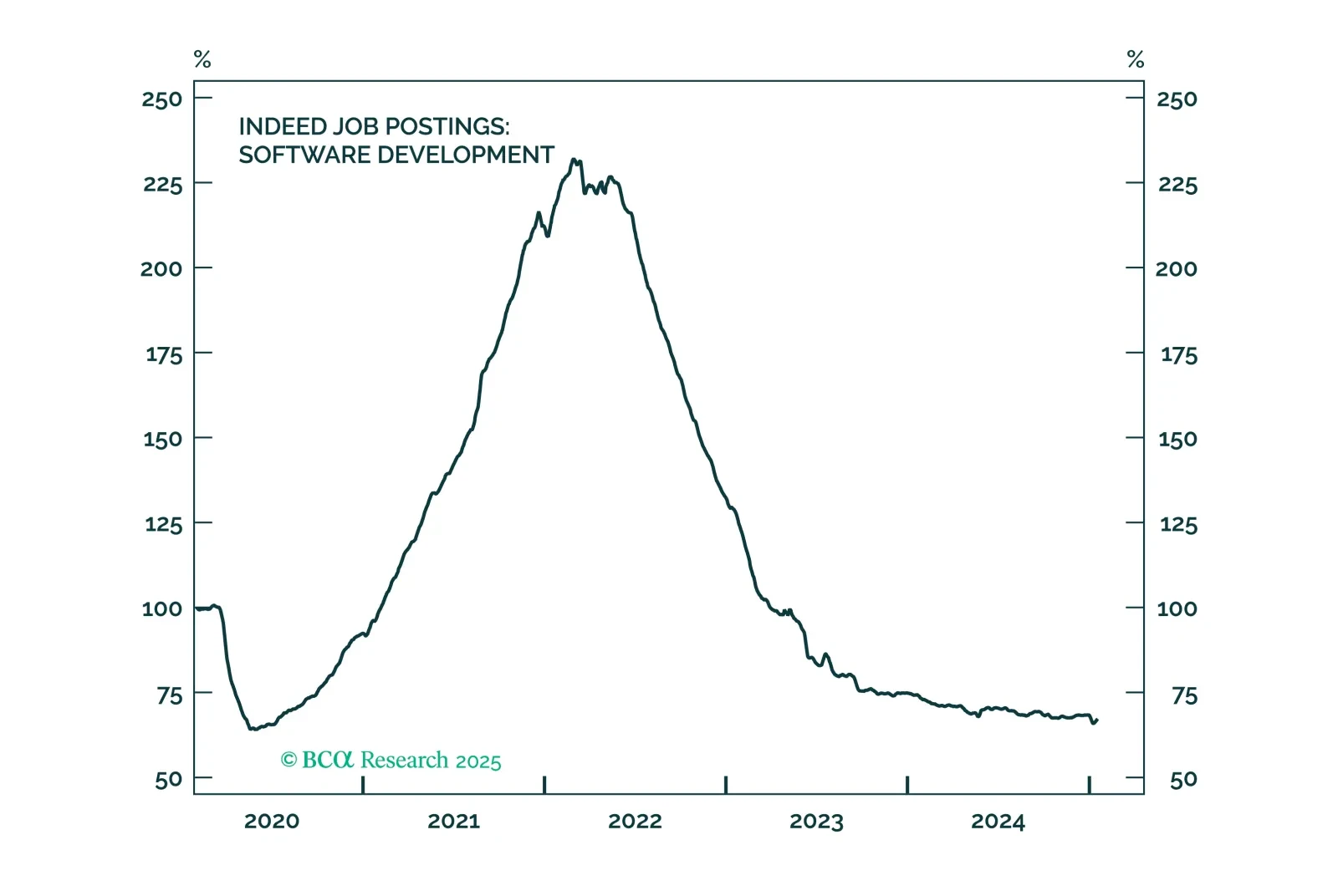
We were stopped out of our defensive asset allocation recommendations last Thursday, when the S&P 500 closed above 6,100, but our reading of the labor market tea leaves still supports a bearish fundamental view.
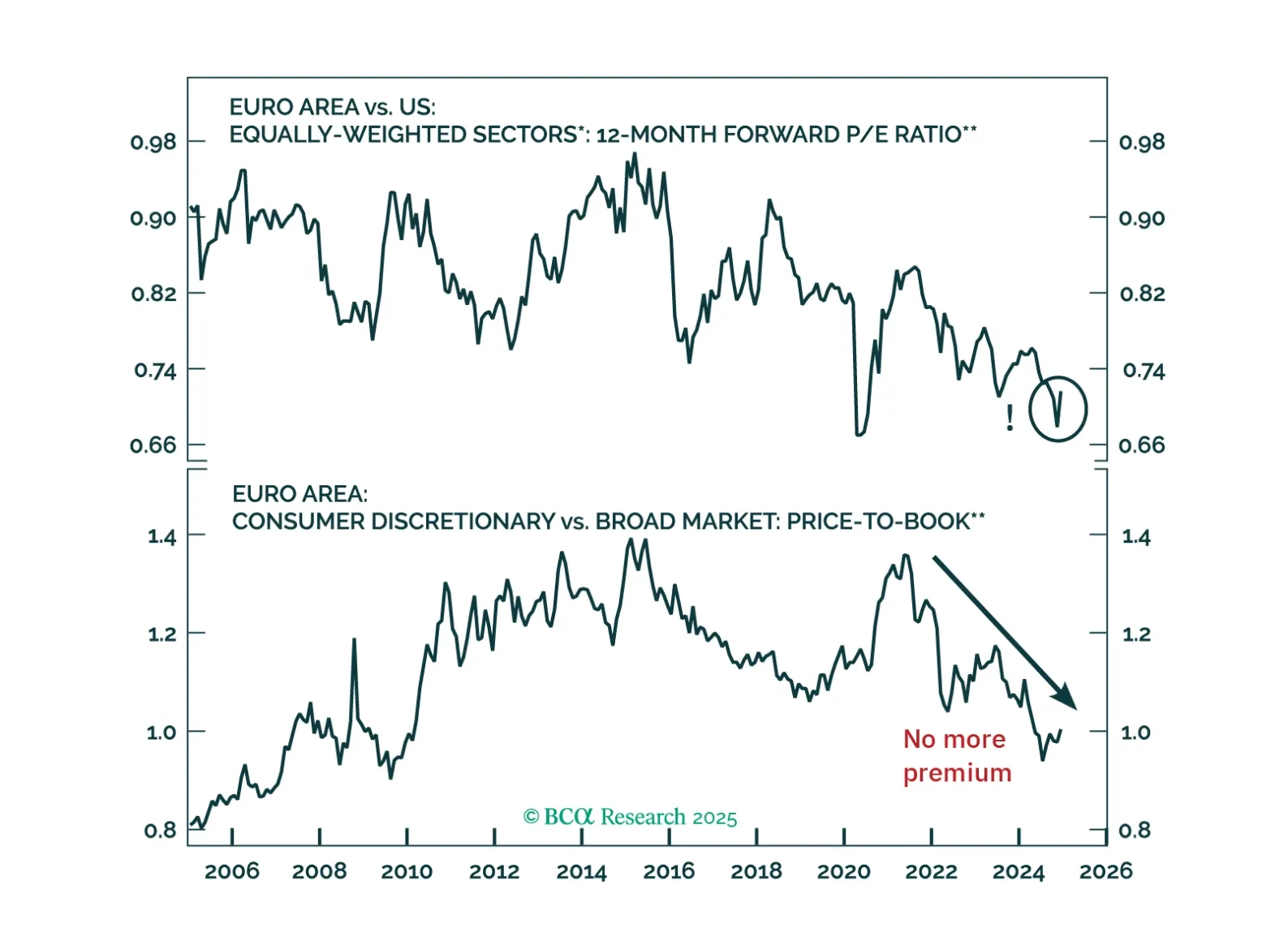
Global risk assets are engulfed in a wave of euphoria, which is pulling Europe higher along the way. However, risks still abound. How should investors adjust their allocation to Europe under these highly uncertain conditions?
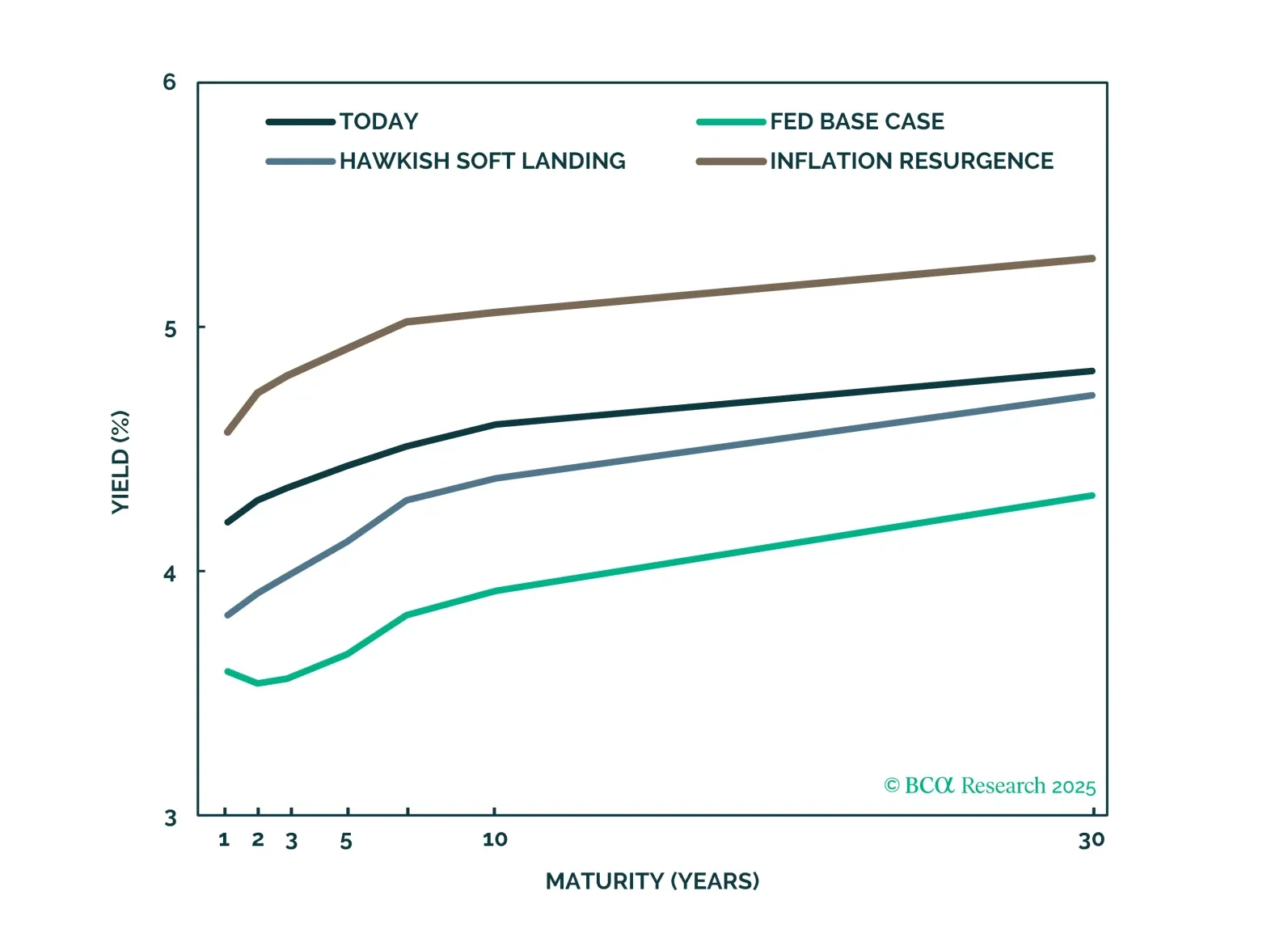
We forecast Treasury and corporate bond returns in three different economic scenarios. This report focuses on what returns might look like in a scenario where inflation is sticky and the Fed makes a hawkish pivot.