Skip to main content

Latest from BCA Research
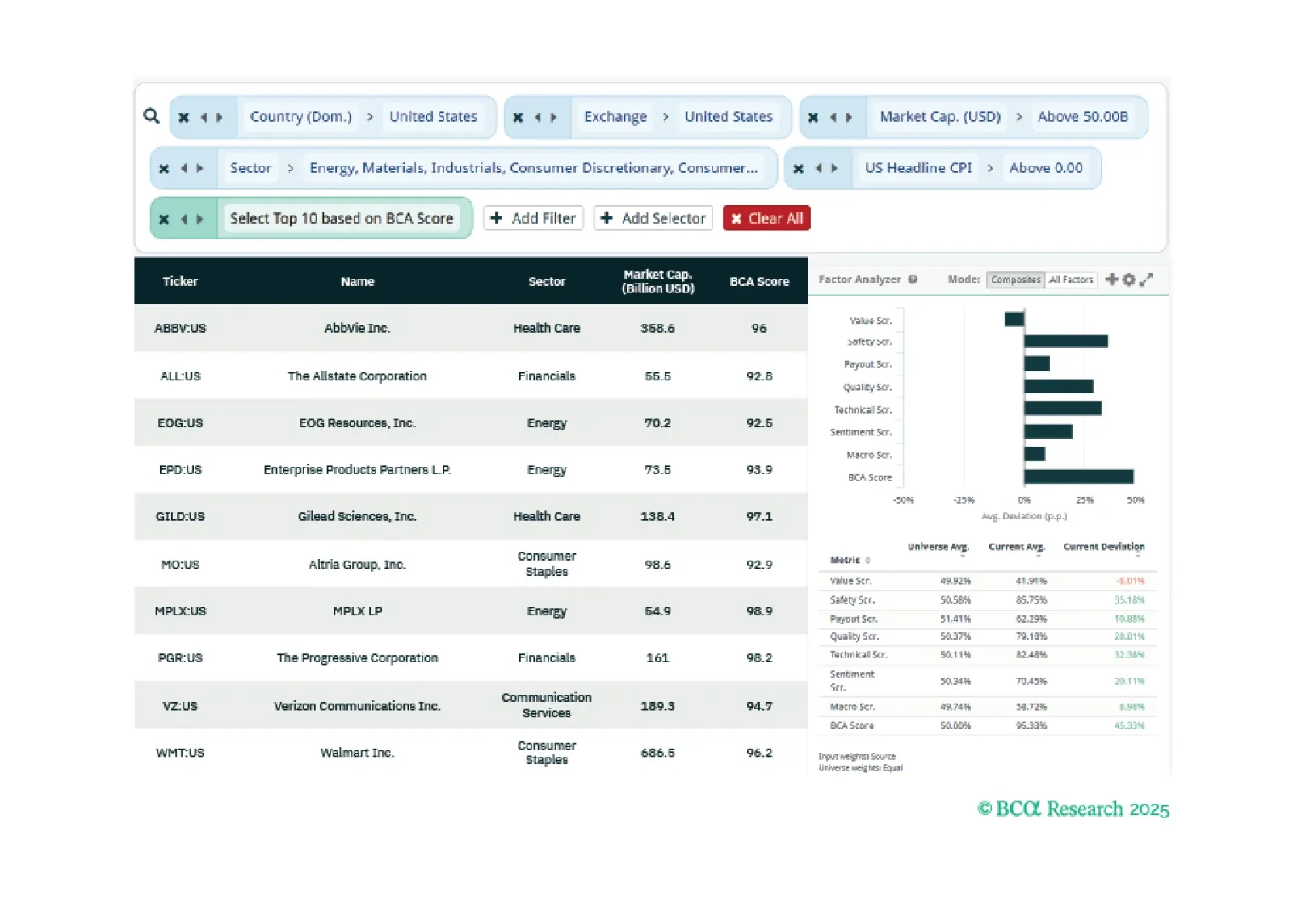
This week, our three screeners cover equity plays for if a US recession is not imminent, avoiding value traps, and which sectors exhibit the highest dividend payers.
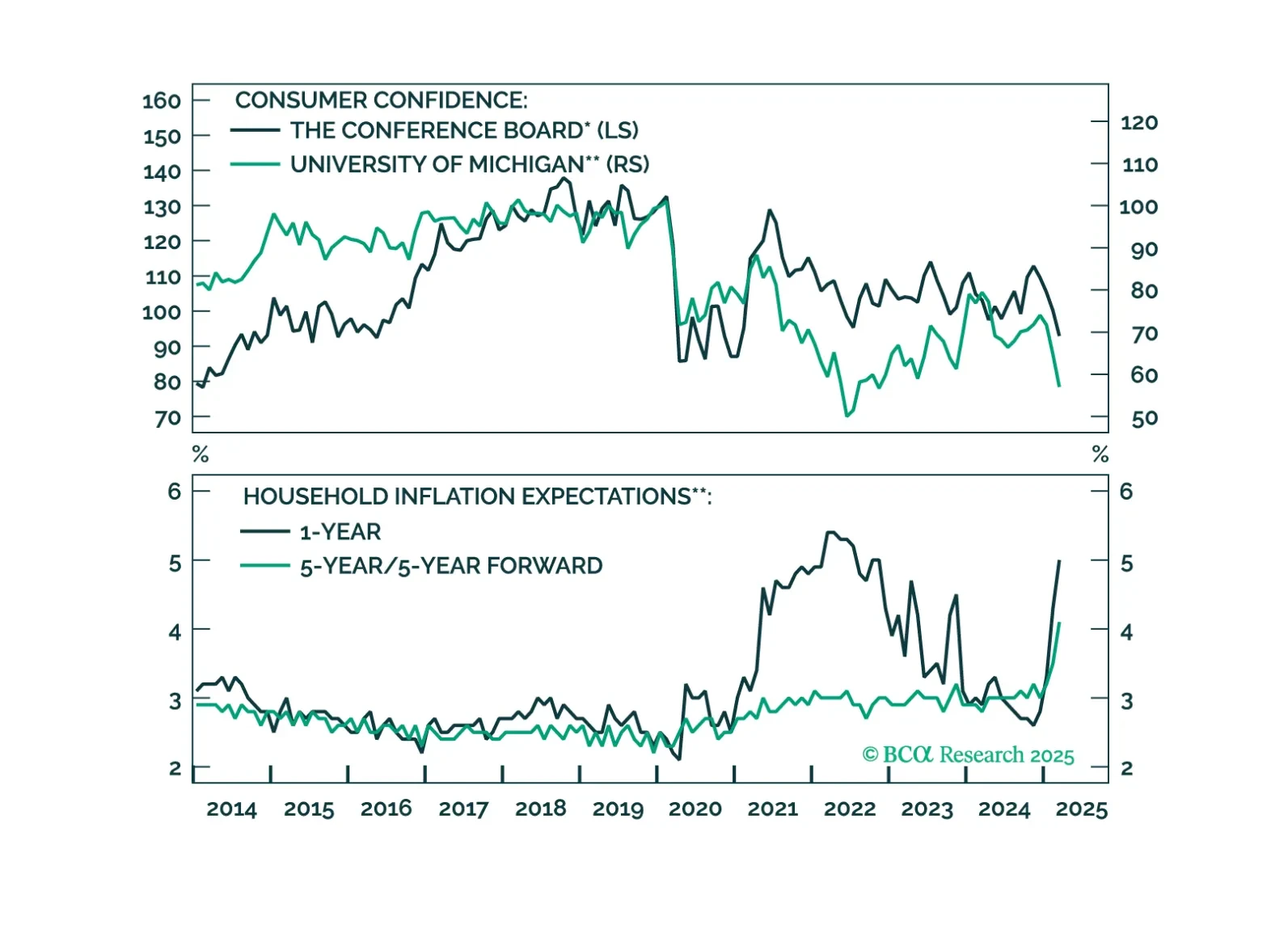
This morning’s weak consumer spending and strong inflation data reinforce our sense that the US economy is heading toward recession.
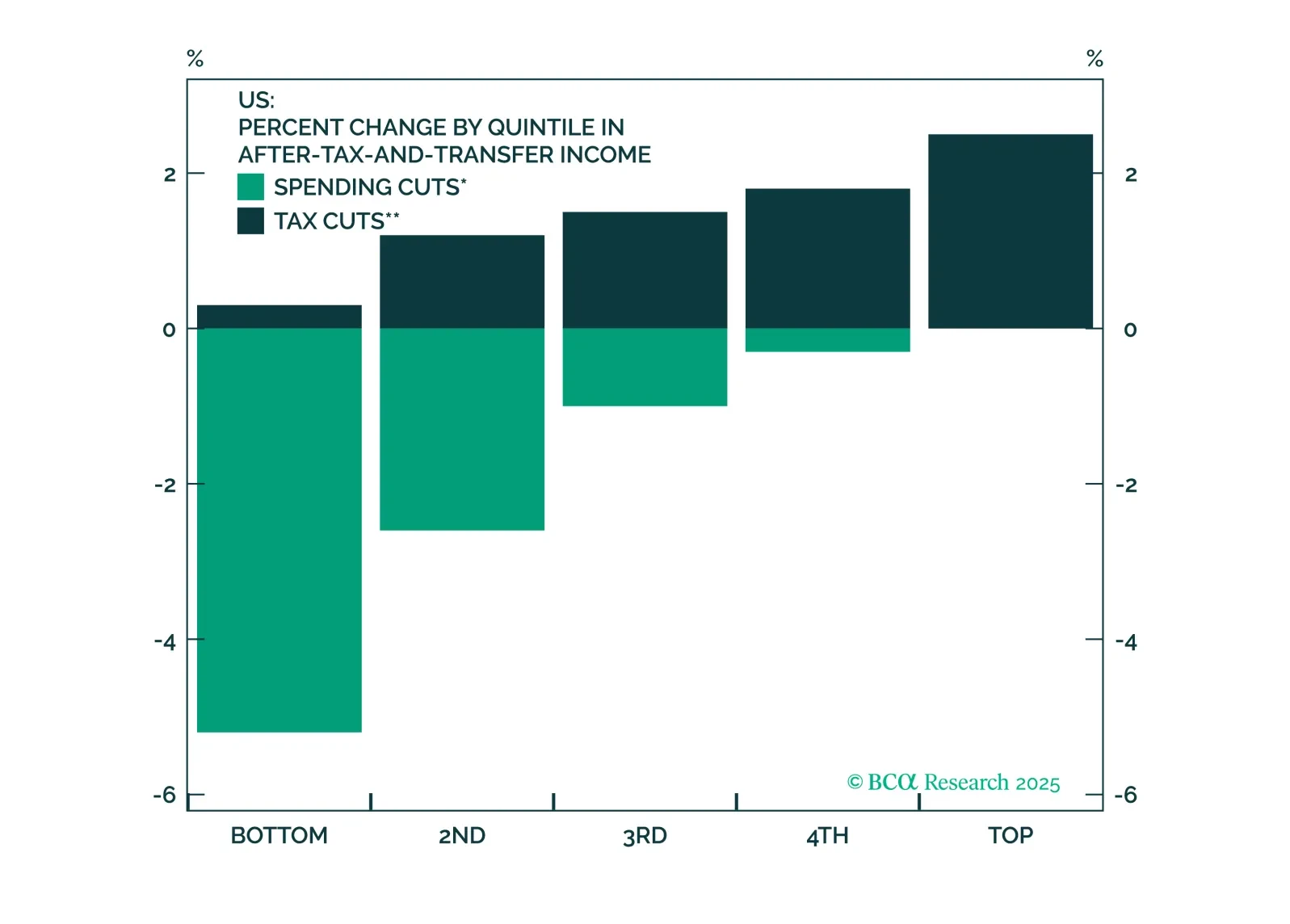
Stocks will continue to struggle in the second quarter as President Trump tries to implement tariffs. Tax cuts will only temporarily dispel growth fears, if at all. Middle Eastern instability will add oil price surprises to an environment that is looking fairly stagflationary.
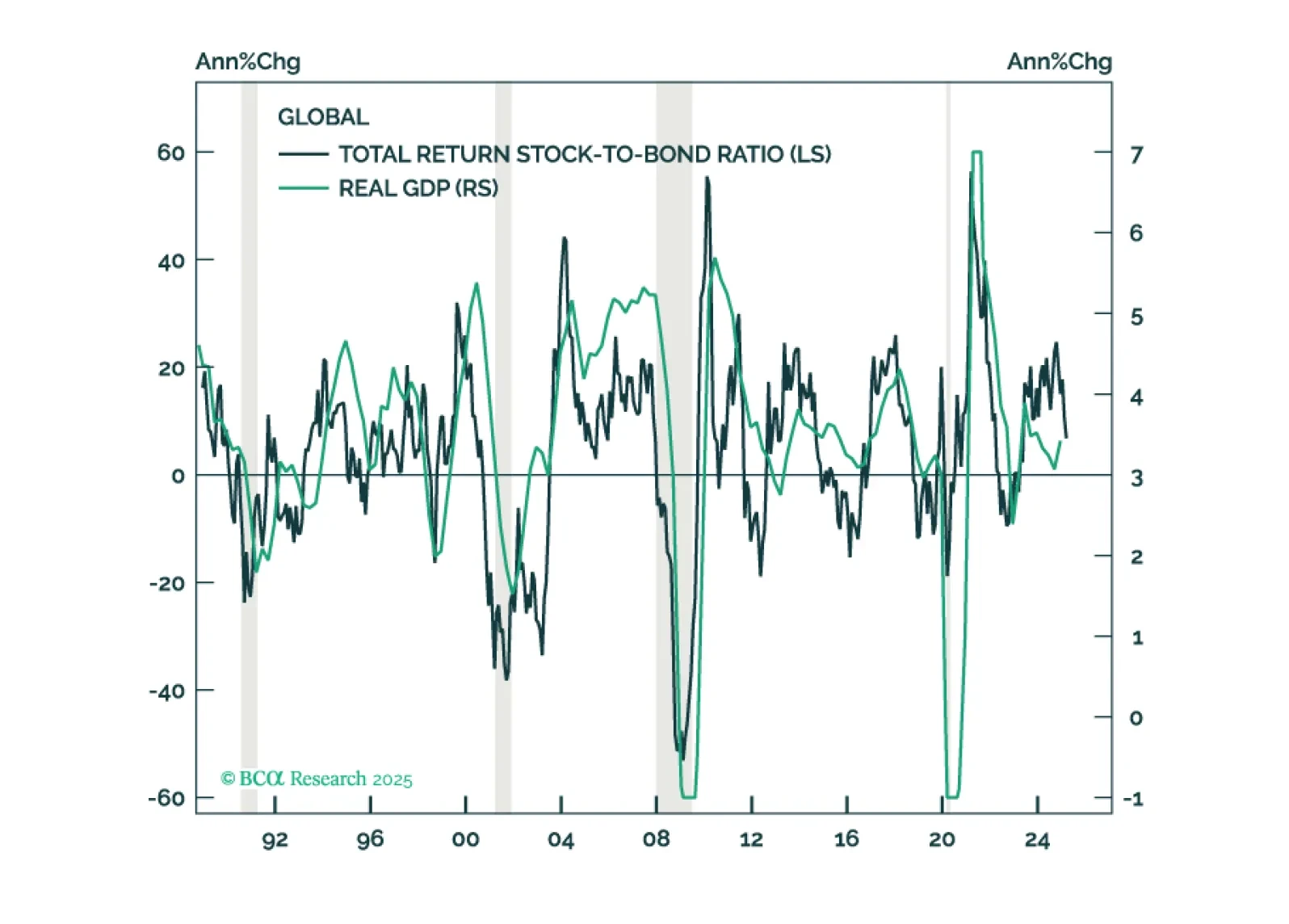
In this Second Quarter Strategy Outlook, we explore the major trends that are set to drive financial markets for the rest of 2025 and beyond.
Bank Credit Analyst In Section II, Jonathan presents a new indicator that investors can use to track the odds of bubble formation in real time and shows how it fits into a larger framework that accurately explains US bear market severity over the past century. The US equity market is not in a bubble today, but it is meaningfully overvalued. Investors should expect a relatively severe cumulative loss from equities in a recession scenario.
Bank Credit Analyst In Section I, Doug notes that weak US consumer sentiment is beginning to manifest. A wide sweep of consumer-facing companies have lowered guidance, and monoline credit card lenders shed nearly 20% over just three weeks across late February and early March. If the US enters a recession sometime this year as we expect, it will likely lead to a global recession and a global equity bear market. Investors should remain defensively positioned. In Section II, Jonathan presents a new indicator that investors can use to track the odds of bubble formation in real time and shows how it fits into a larger framework that accurately explains US bear market severity over the past century. The US equity market is not in a bubble today, but it is meaningfully overvalued. Investors should expect a relatively severe cumulative loss from equities in a recession scenario.
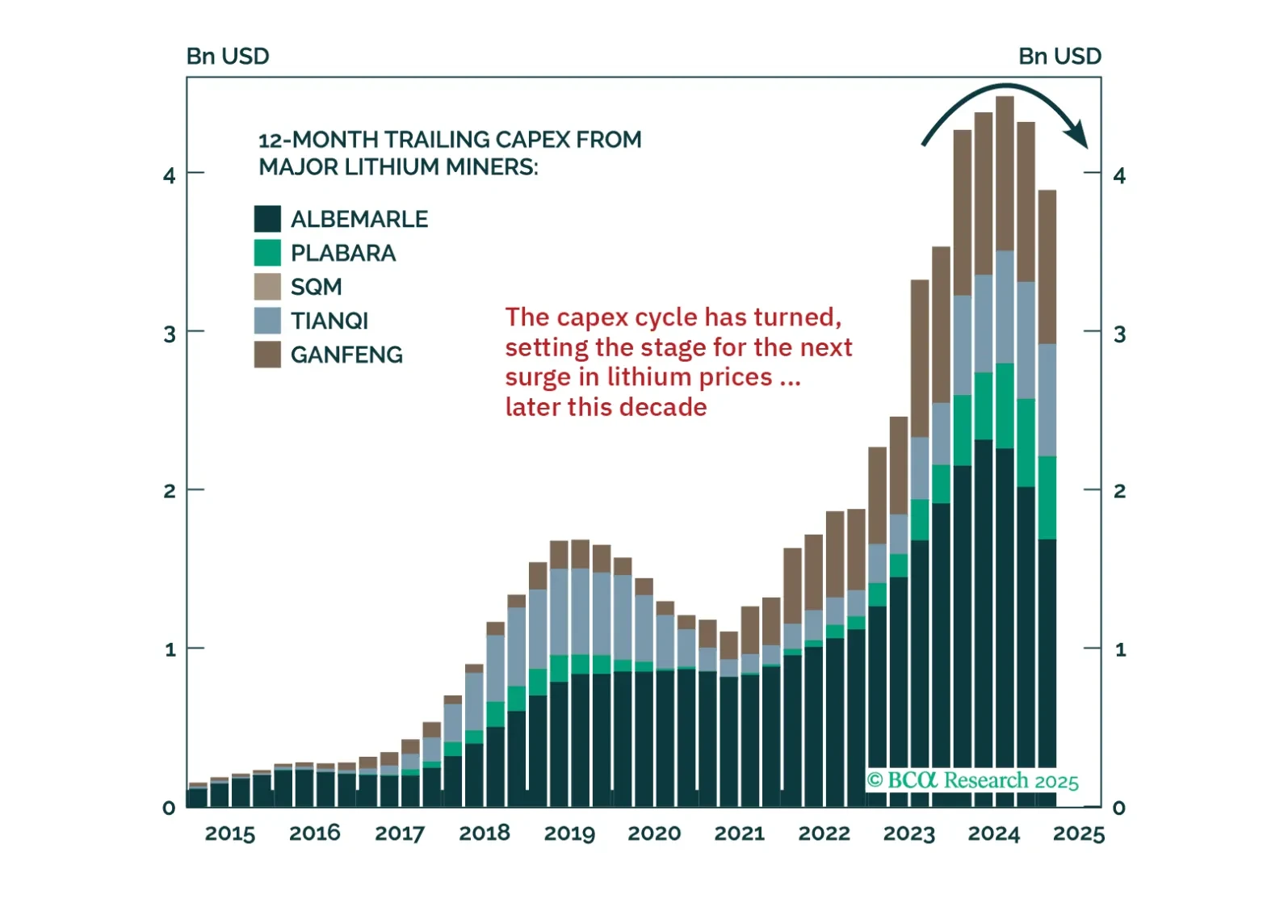
Special Report Lithium prices have collapsed by nearly 90% from the late-2022 peak. How will lithium markets evolve from here? In this report, we explore the cyclical and structural outlook for supply, demand, and prices. We conclude that prices are likely to remain contained over the coming 12 to 18 months before facing upside pressure later this decade.
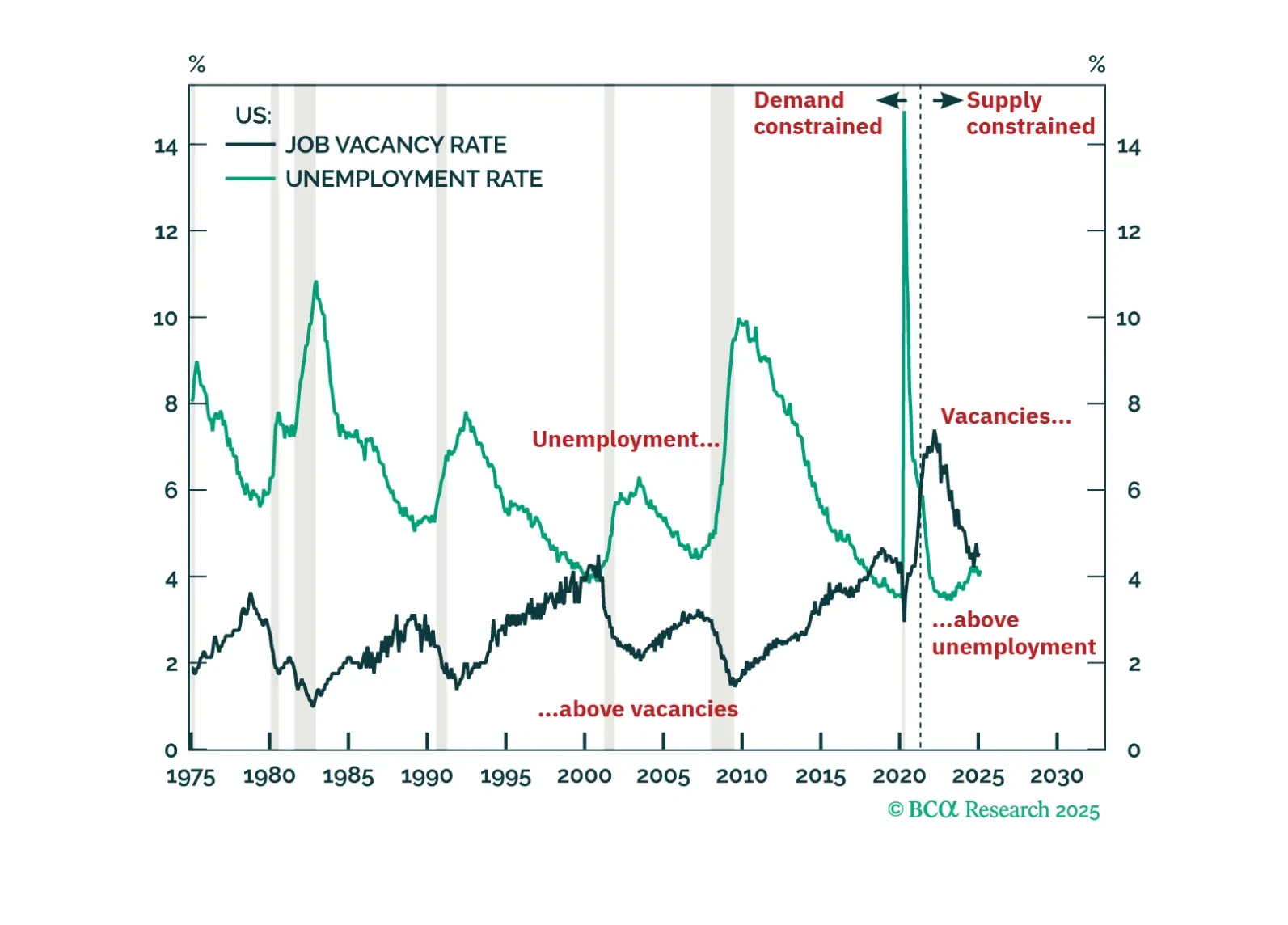
The US economy has never entered a demand-driven recession without labour demand running below labour supply and without the job vacancy rate running below the unemployment rate. Right now though, US labour demand is still running 1.7 million workers above labour supply, and the job vacancy rate is running comfortably above the unemployment rate. This suggests that the labour market is still supply-constrained, and that a demand-driven recession is not imminent. We discuss the investment implications. Plus, more about our ‘trade of the century’: long cotton versus coffee.
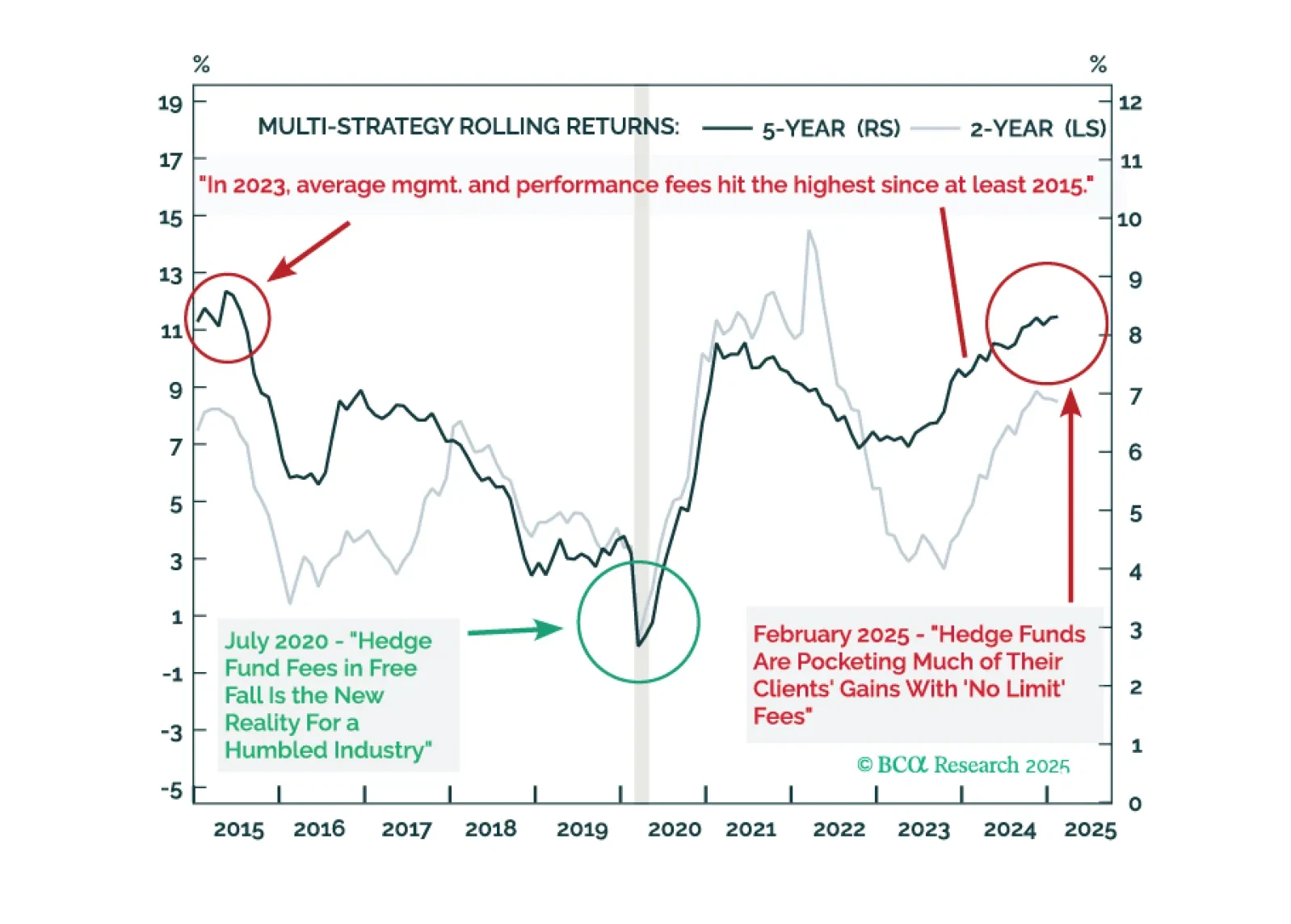
Special Report It is easy to hate Multi-Strategy Hedge Funds—they are no underdogs. The truth is they have been cheap, not expensive. Going forward, they come at a higher cost not just in the form of fees. The biggest risk is not to financial markets but to investors. We remain underweight cyclically, long structurally.
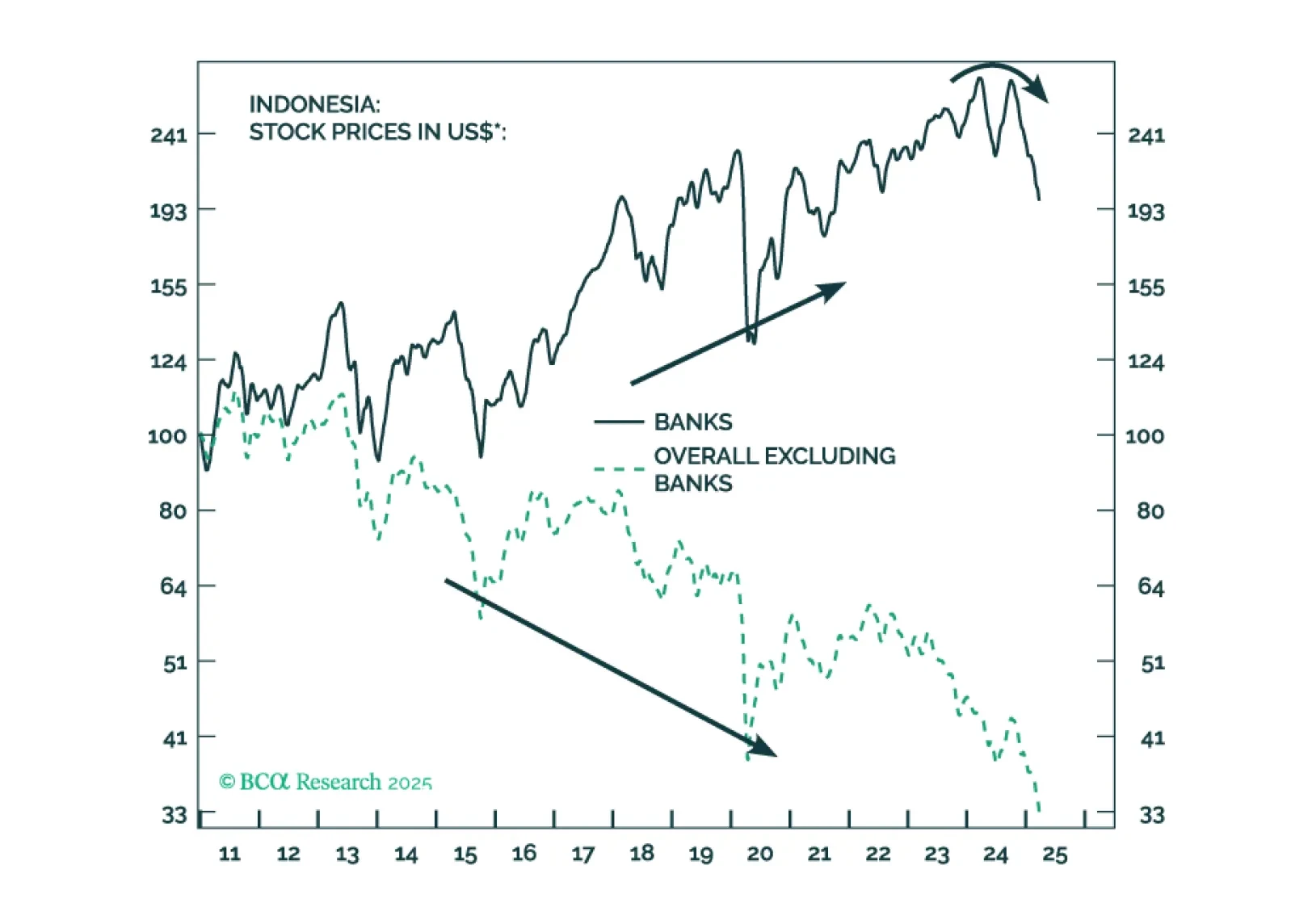
There is an ongoing regime shift in Indonesia: SOEs will be used to drive economic growth. Bank loans will accelerate, but their profit margins will shrink. Despite higher nominal growth, Indonesian equity prices in US dollar terms will not see a sustainable bull market. Downside risks to currency and upside risks to domestic bond yields have also increased.