Iran
It is too soon to sell the rip in oil or buy the dip in stocks. Stick with risk-off trades for now.

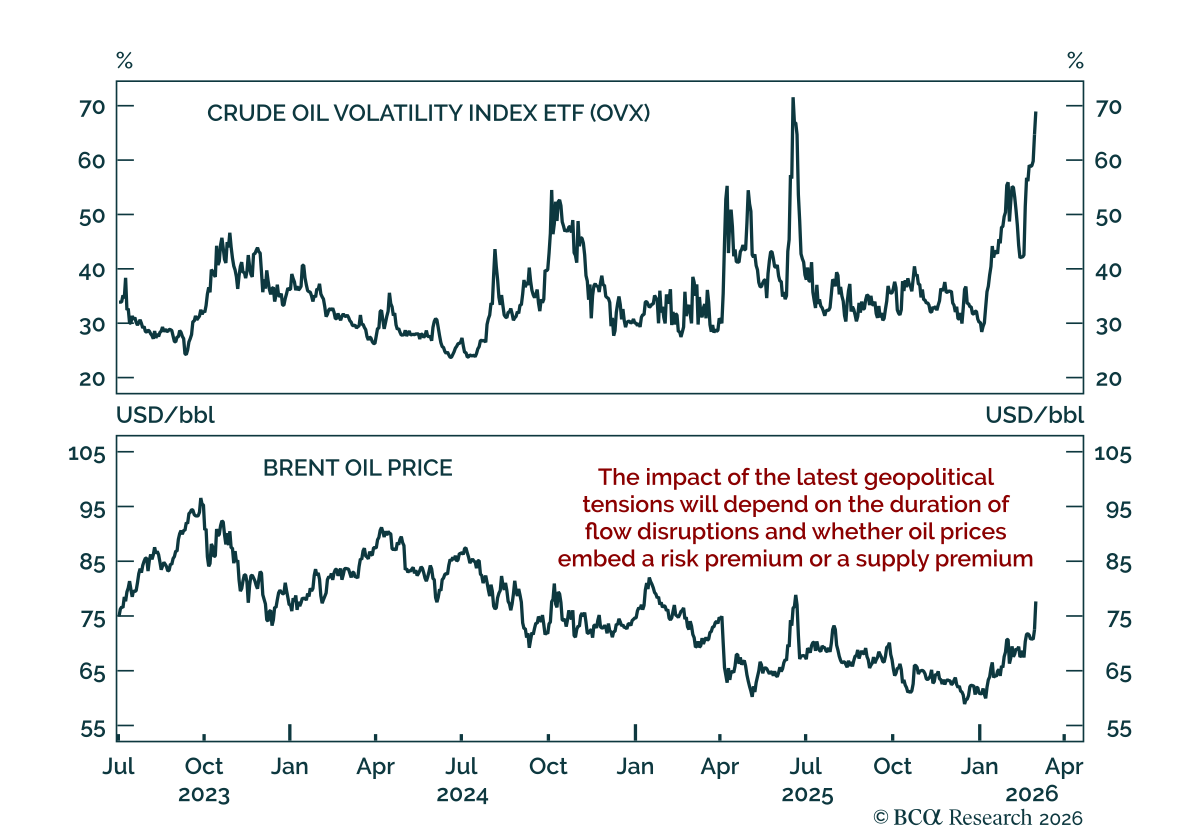
Middle East hostilities have triggered risk-off moves and pushed oil prices higher. Previous geopolitically driven oil price disruptions suggest that speed, persistence and equity market vulnerability relate to the degree of the market sell off. At the other end of the spectrum, energy stocks should benefit, but have already rallied significantly.

Since our Saturday missive, there have been several developments in the ongoing conflict between Iran and the US-Israel coalition.
The fog of war is the thickest at the dawn of kinetic action. However, BCA’s GeoMacro Strategy has trade recommendations to manage and thus we send this missive despite the significant uncertainty.

The “Chuck Norris Premium” is now fully in the market. Since the miraculously successful nabbing of President Nicolas Maduro on January 3, the odds of subsequent use of military against Iran increased.
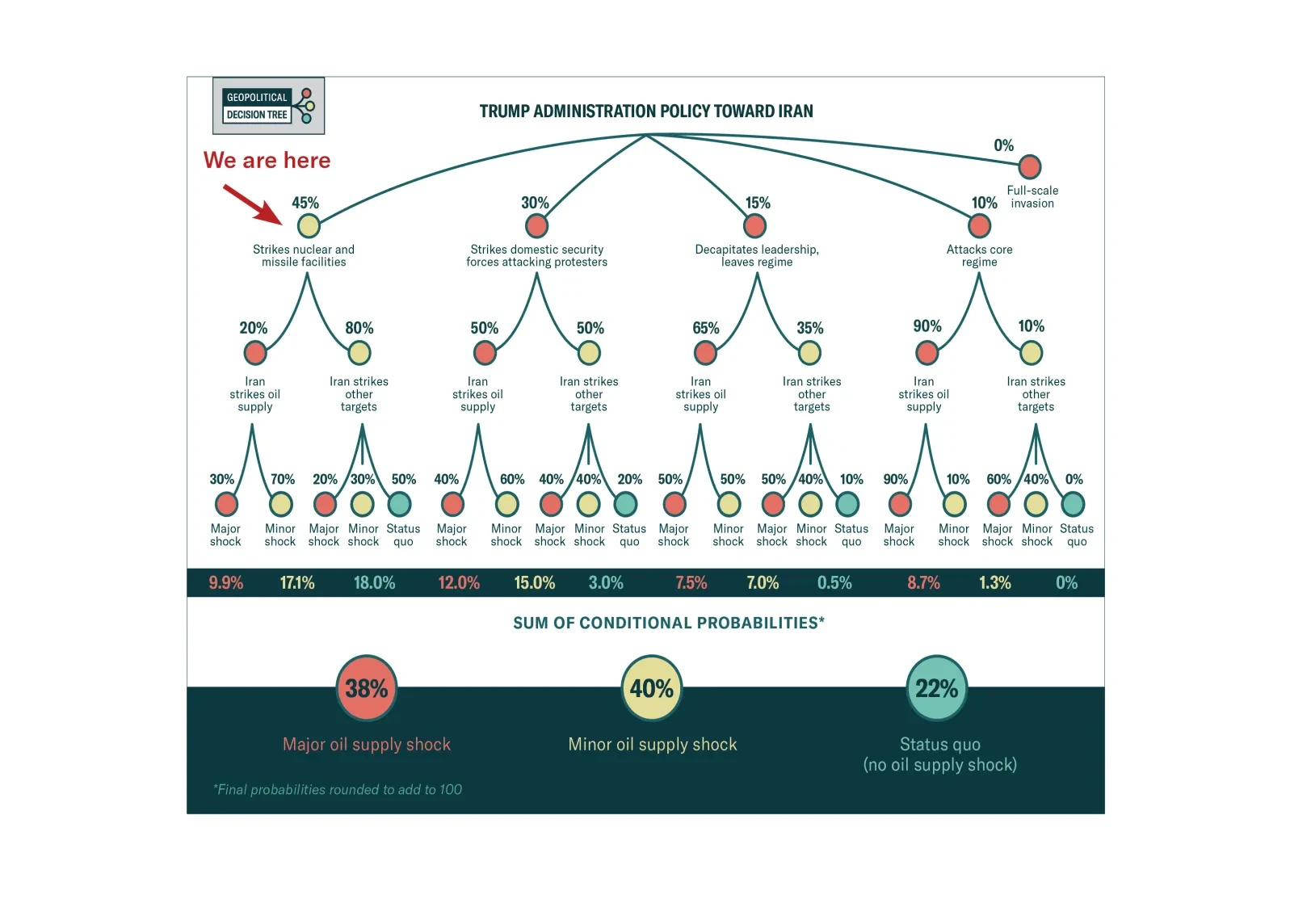
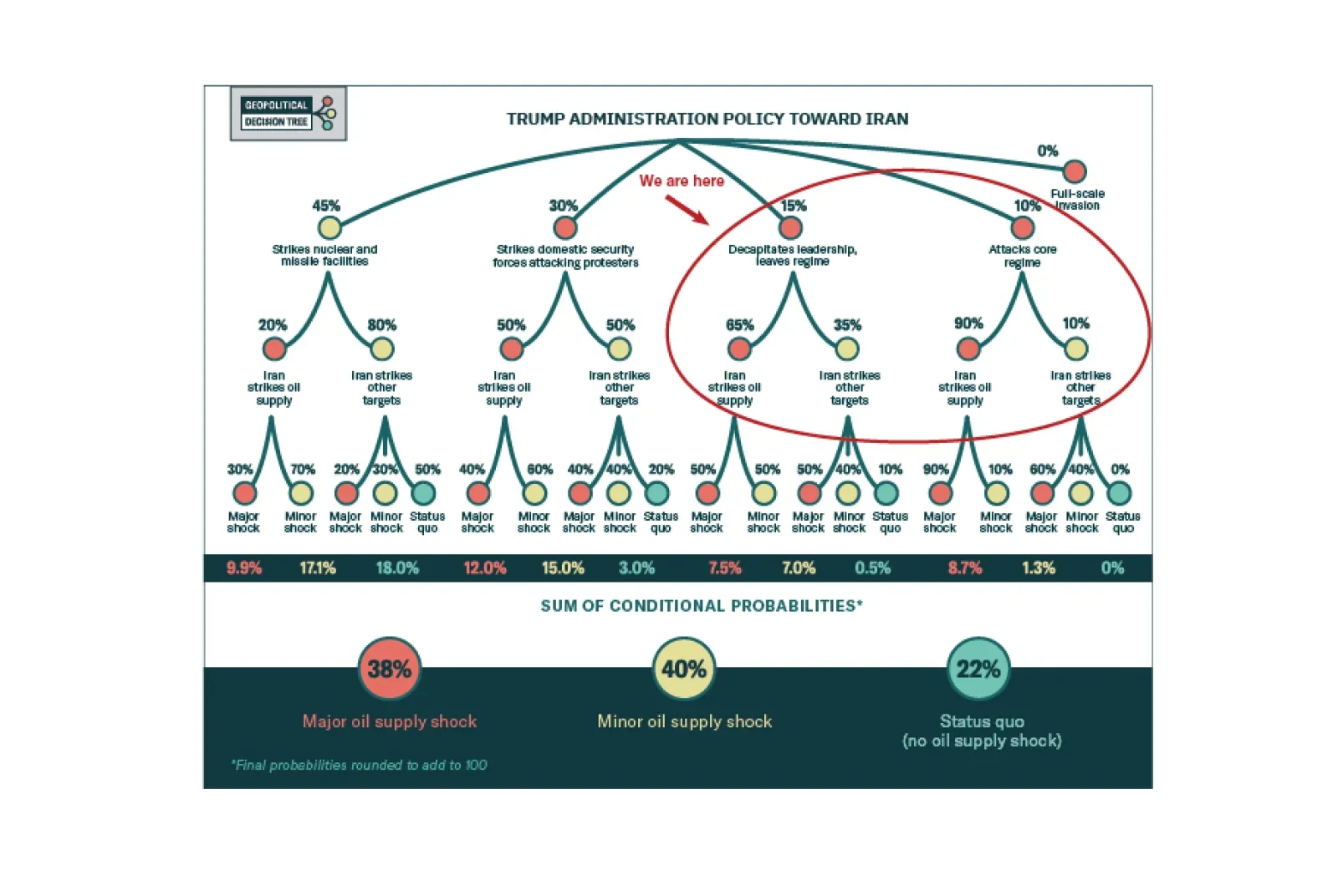
The US is likely to take significant military action in Iran, justifying our 40% risk of a major oil shock. Tactically go long Brent crude.
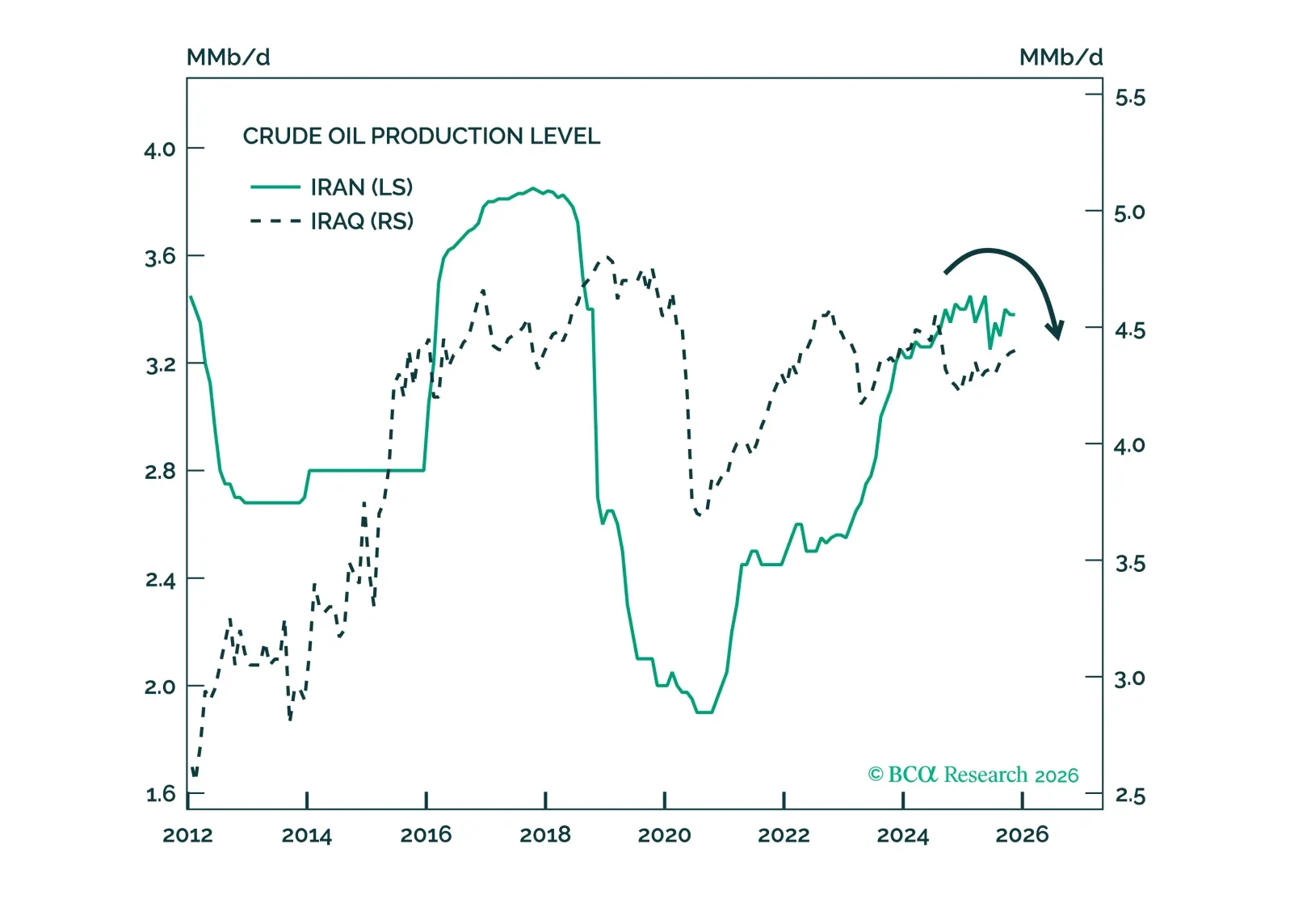
The risk to Iran's regime survival raises the probability of a massive global oil supply shock back to around 40%, where we put it last year.
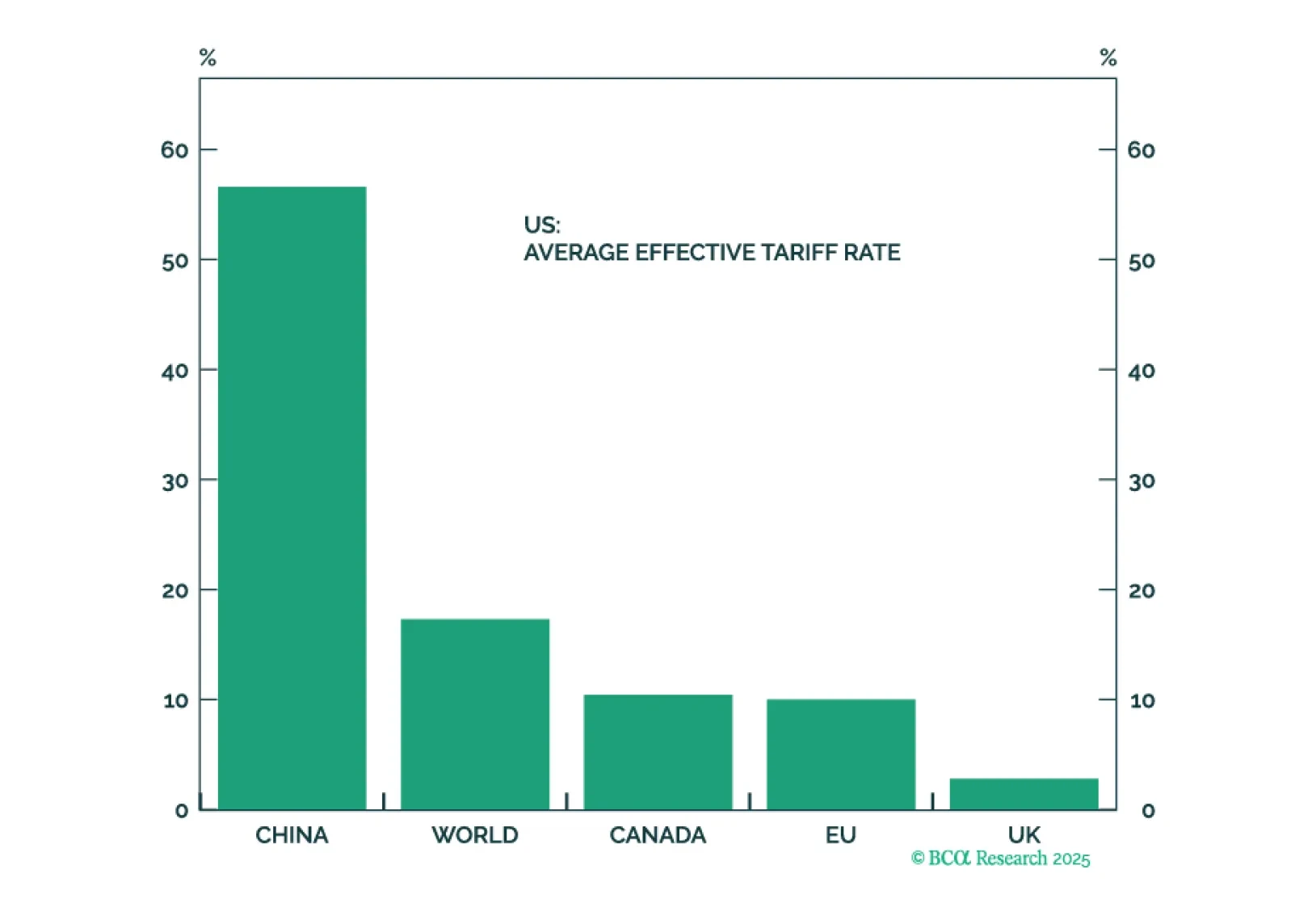
Acute geopolitical risks, like a massive oil shock, may be abating. But structural geopolitical risk remains high and could upset a blithe market. Cyclical economic risks are underrated as the US slows down and China continues to stumble. Investors should book some profits in anticipation of tariff implementation and a downturn in hard economic data.

Since the start of Israel’s military operations against Iran on June 12, we warned clients that there would be an epic opportunity to fade geopolitical risk premium by shorting oil. We did it here, here, and again here. Over the weekend, however, we lost our cool and suggested that there could be more risk premium to fade as Iran and the US danced the dance of re-retaliation following President Trump’s decision to attack Iran’s nuclear sites directly.